Welcome to Pristina, the vibrant capital and largest city of Kosovo. As the administrative, cultural, and economic center of the region, this city pulses with a youthful energy and a rapidly evolving urban landscape. It is a place where new developments stand alongside reminders of the past, creating a unique atmosphere that is both dynamic and deeply welcoming to visitors.
Geographically, the city is situated in the northeastern part of the country, nestled near the Gollak mountains within the District of Pristina. With a population of approximately 162,000 residents, it offers the bustle of a capital city while maintaining a sense of community. The climate here is continental, featuring warm summers that are perfect for outdoor exploration and crisp, snowy winters that transform the scenery.
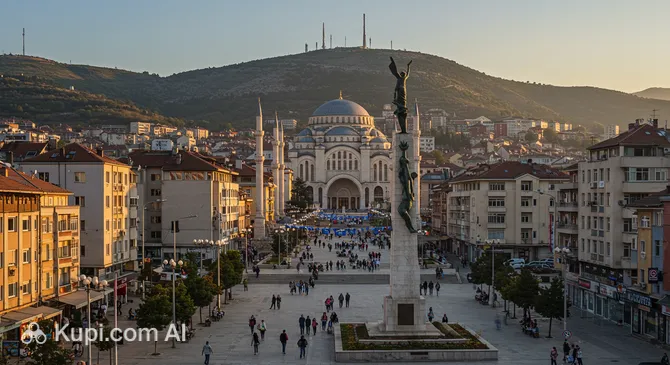
Pristina. Illustration.
Source: Kupi.com AI
Exploring the streets reveals a fascinating architectural blend that tells the story of the diverse history of Pristina. One of the most striking landmarks is the National Library, famous worldwide for its unique brutalist design of domes and metal grids. Another must-see is the Newborn Monument, a typographic sculpture that is repainted annually to represent different themes, serving as a popular photo spot for travelers.
Beyond its monuments, Pristina is renowned for its exceptional coffee culture. The city center, particularly around Mother Teresa Boulevard, is packed with cafes where locals and tourists alike enjoy what is often considered the best macchiato in the region. Whether you are hiking in the nearby Germia Park or enjoying the local cuisine, Pristina invites you to discover its charm and warm hospitality.
Weather Overview
The city experiences a continental climate characterized by distinct seasonal changes, making every visit unique depending on the time of year. Generally, you can expect warm summers with plenty of sunshine and cold winters where temperatures often drop below freezing. For those planning a trip and packing their bags, checking the detailed weather in Pristina is always a good idea to prepare for current conditions.
Summer is the warmest season, with August seeing average maximum temperatures reach around 29.0°C, while July remains similarly pleasant with an average of 22.5°C. In contrast, January is typically the coldest month, with average temperatures hovering around 1.0°C and minimums dipping to -2.6°C. Precipitation is fairly distributed throughout the year, though early summer tends to be wetter; June, for instance, records about 15 wet days, whereas September and October are generally drier with only about 6 wet days each.
Average monthly temperature
Average monthly precipitation
Interesting Facts
Beyond the bustling boulevards and cafe-lined streets, Pristina hides a collection of quirky details and unique stories that often surprise first-time visitors. From architectural oddities to unexpected tributes, the city offers intriguing discoveries that go far beyond standard guidebooks.
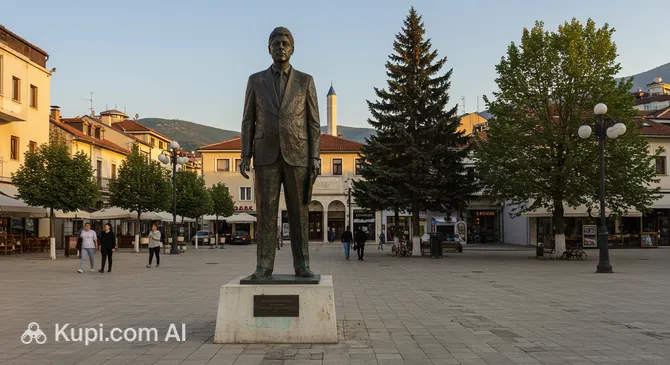
Pristina is home to a rather unique landmark: an 11-foot tall Bill Clinton Statue located on a boulevard named after the former U.S. president. To add to the charm, travelers often spot a boutique nearby named "Hillary" that sells women's fashion, making this corner of the city a curious and unexpected slice of Americana.
Locals will often claim that Pristina serves the best macchiato in the world—even better than in Italy. This is not just local pride; the city has a deeply ingrained coffee culture where baristas take immense pride in their craft, and the specific method of preparation creates a creamy, rich texture that has become legendary among visitors.
The National Library of Kosovo is frequently debated as one of the most unusual architectural works globally. Its design features 99 white domes of varying sizes and is covered in a metal fishing net structure, creating a futuristic yet polarizing appearance that keeps architects and tourists talking.
Although the skyline is dotted with minarets, the city features the magnificent Cathedral of Saint Mother Teresa. It is one of the few religious buildings in the region with a bell tower accessible by a public elevator, offering one of the most spectacular panoramic views over the city's rooftops.
Bill Clinton Statue. Illustration.
Source: Kupi.com AI
Traveler photos:
How to Get There
Reaching the capital of Kosovo is relatively straightforward, with air travel being the most popular method for international visitors. To plan your journey effectively and see all available options, you can read more about how to get to Pristina. The city is well-connected to major European hubs, and there are also nearby alternatives in neighboring countries that can serve as convenient entry points.
The most convenient option is landing directly at Pristina International Airport (PRN), located approximately 15 km from the center. It is a significant regional hub, and a taxi or bus ride to the city typically takes around 45 minutes. Alternatively, travelers often fly into Skopje Alexander the Great Airport (SKP) in the city of Skopje, which is about 87 km from Pristina. The transfer from Skopje usually takes about 2.5 hours by road. Another option is Nis Constantine the Great Airport (INI) in Nis, located roughly 94 km away, offering a travel time of just over 2.5 hours.
For clarity, here is a summary of the main airports:
While train travel is less common for international arrivals due to limited direct connections, some travelers may consider regional rail networks. You can arrive at the Thessaloniki Railway Station in the city of Thessaloniki, which is about 268 km from Pristina. From there, you can get a taxi or bus, which takes about 7 hours, making it a longer journey suitable for those touring the wider Balkan region.
Below is the information regarding the railway station:
Pristina offers a fascinating mix of history and modernity, where ancient Ottoman structures stand just a short walk from bold contemporary monuments. The city is compact and walkable, making it easy for visitors to explore its diverse cultural heritage and vibrant public spaces in a single trip.
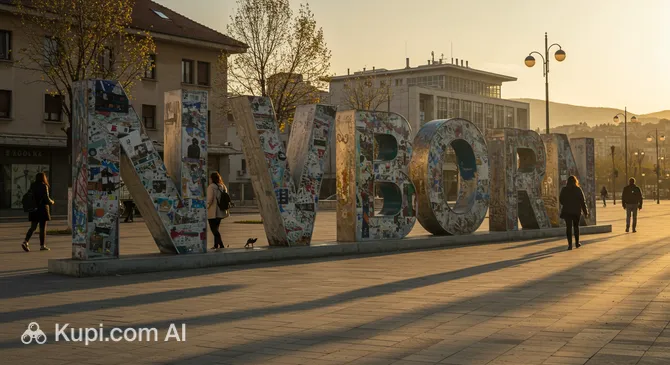
One of the most iconic landmarks in the city is the Newborn Monument. Unveiled in 2008, this large typographic sculpture is a symbol of new beginnings and is repainted annually with different themes and colors. It serves as a dynamic canvas for artistic expression and is a favorite photo spot for tourists, reflecting the youthful and evolving spirit of the capital.
Newborn Monument. Illustration.
Source: Kupi.com AI
Traveler photos:
For a deep dive into the region's past, the Kosovo Museum is a must-visit destination. Housed in a beautiful Austro-Hungarian style building painted in a distinct yellow, the museum features an extensive collection of archaeological and ethnological artifacts. Highlights include exhibits from the Neolithic era, offering visitors a comprehensive look at the area's long and rich history.
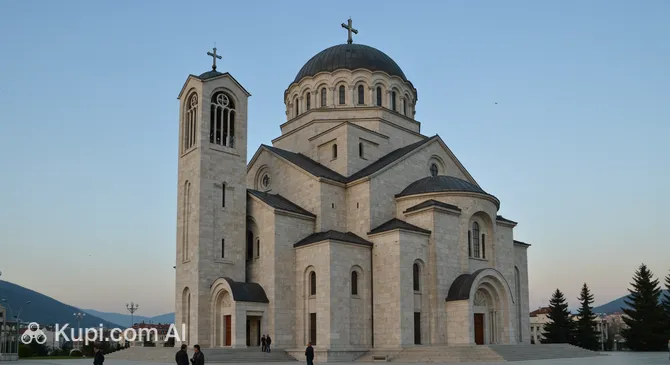
Dominating the city's skyline is the impressive Cathedral of Saint Mother Teresa. This grand religious structure is dedicated to the famous nun and Nobel laureate. Apart from its spiritual significance and striking architecture, the cathedral is renowned for its bell tower. Visitors can take an elevator to the top for one of the most spectacular panoramic views of the city and its surroundings.
Cathedral of Saint Mother Teresa. Illustration.
Source: Kupi.com AI
Traveler photos:
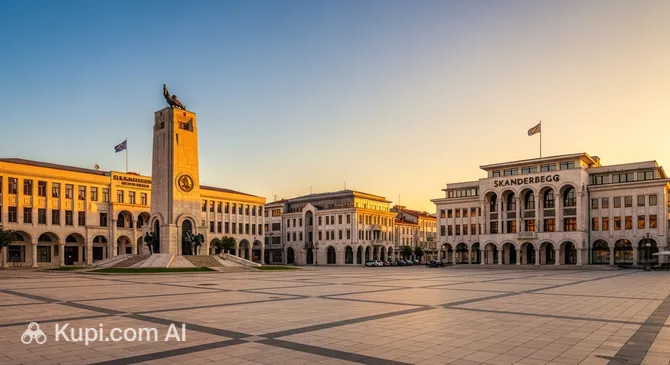
The heart of the city's social life can be found at Skanderbeg Square. This spacious pedestrian zone is the central gathering point for locals and visitors alike, flanked by government buildings and the National Theatre. Anchored by a statue of the medieval hero Gjergj Kastrioti Skanderbeg, the square connects the older historical quarters with the modern boulevards, making it a perfect place for a leisurely stroll.
Skanderbeg Square. Illustration.
Source: Kupi.com AI
Traveler photos:
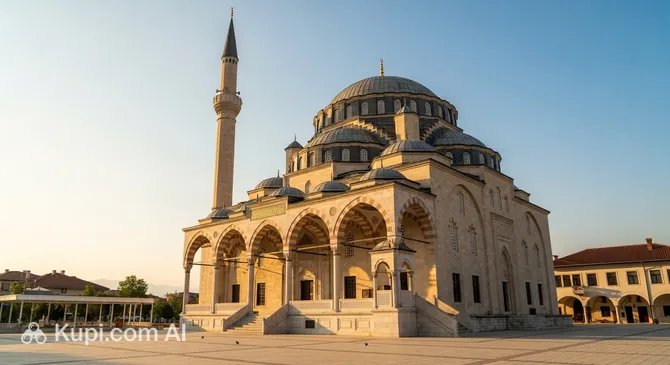
Another significant historical site is the Great Mosque of Pristina, also known as the Imperial Mosque. Built in the 15th century by Sultan Mehmed II, it stands as the largest mosque in the city and a prime example of classical Ottoman architecture. Its serene interior and historical importance attract those interested in the cultural and religious heritage of the Balkans.
Local Cuisine
The culinary landscape of Pristina is a delightful journey through Balkan traditions and Ottoman heritage, characterized by hearty meals, fresh ingredients, and a slow-food philosophy. The city's gastronomy revolves heavily around meat, dairy, and pastry, offering a comforting and flavorful experience for any traveler. Whether you are dining in a high-end establishment or grabbing a quick bite at a corner shop, the food here is prepared with a distinct sense of hospitality and pride.
One of the most iconic dishes you must try is Flija, a traditional layered crepe-like dish often cooked outdoors under a metal lid covered in hot embers. It is a labor of love that results in a unique, savory flavor, typically served with fresh cheese or yogurt. Another staple is Tavë Kosi, a delicious casserole made with baked lamb, rice, and a mixture of yogurt and eggs, widely regarded as a national favorite. For a quicker meal, local qebaptore (kebab shops) serve freshly grilled Qebapa, small skinless sausages that are perfect when paired with warm bread and spicy peppers.
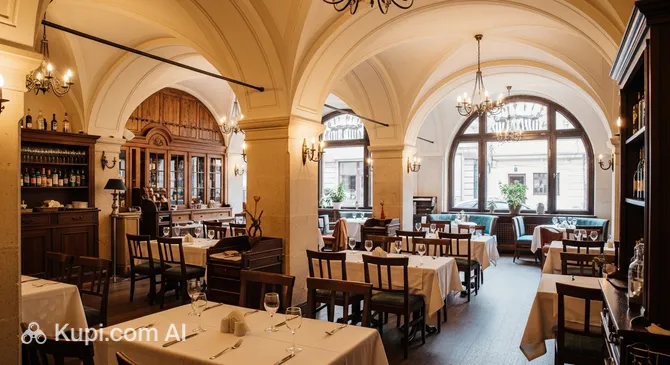
Princesha Gresa Restaurant. Illustration.
Source: Kupi.com AI
Traveler photos:
When it comes to beverages, Pristina has a legendary reputation for its coffee culture. Locals will often tell you that the city serves the best macchiato in the world, and spending hours in a café is a daily ritual. For something stronger, Rakia is the traditional fruit brandy of the region, often made from grapes or plums and enjoyed slowly as an aperitif. Local beer, such as the popular Peja, is also widely available and pairs excellently with the salty and savory notes of the local cuisine.
The dining scene in the capital is diverse, ranging from traditional taverns to modern eateries that blend Mediterranean influences with local recipes. Visitors looking for a pleasant dining atmosphere might enjoy a meal at Princesha Gresa Restaurant, which offers a variety of dishes in a welcoming setting. As the evening sets in, the city's nightlife comes alive, and spots like Taverna Tirona provide a spirited environment to enjoy local drinks and music, reflecting the vibrant energy of Pristina's social life.
Travel Tips
Visiting Pristina is a rewarding experience, filled with warm hospitality and a vibrant atmosphere, but a few practical preparations can make your trip even smoother. To help you navigate the city like a local, here are some essential tips to keep in mind before you pack your bags.
Clothing and Gear: Since the city experiences a continental climate, layers are your best friend. Summers can be hot, requiring light breathable fabrics, while winters are often snowy and cold, necessitating heavy coats and boots. Comfortable walking shoes are a must, as the city center is best explored on foot. When visiting religious sites like the Great Mosque or the cathedral, remember to dress modestly, covering shoulders and knees.
Transportation: The city center is compact and very walkable. For longer distances, the "Urban Traffic" (Trafiku Urban) buses are modern, yellow, and affordable; you typically pay the conductor on board. Taxis are also plentiful and inexpensive, but ensure the meter is running or agree on a price beforehand. Renting a car is generally unnecessary for the city itself due to traffic, but useful if you plan to explore the surrounding countryside.
Finances: The official currency used is the Euro (€). While credit cards are increasingly accepted in hotels, supermarkets, and trendy restaurants, cash is still king in smaller shops, traditional cafes, and taxis. ATMs are widely available throughout the city. Tipping is not mandatory but is highly appreciated; leaving small change or rounding up the bill is a common gesture of gratitude.
Health and Safety: Pristina is generally a very safe city for tourists. Pharmacies (marked as "Apoteka") are easy to find, and many staff members speak English. While tap water is often considered safe, most visitors prefer sticking to bottled water to avoid any stomach upsets. In winter, be aware that air quality can drop, so sensitive travelers might want to check daily pollution levels.
Communication: The primary language is Albanian, but you will find that English is widely spoken, especially among the younger population who are often eager to practice. Learning a few local words like "Faleminderit" (Thank you) goes a long way. Wi-Fi is available in almost every cafe and restaurant, often with excellent speeds. For mobile data, you can easily purchase a prepaid SIM card from providers like IPKO or Vala upon arrival.
Local Etiquette: Hospitality is a cornerstone of the culture here. If you are invited for coffee or a meal, it is polite to accept, as refusing might be seen as rude. Handshakes are the standard greeting. Coffee drinking is a slow, social ritual—do not rush your espresso; instead, sit back and enjoy the conversation just like the locals do.
What to Avoid: Avoid discussing sensitive political topics or ethnic tensions, as these can be emotional subjects for residents. It is also best to avoid taking photos of government or military buildings without permission. Additionally, do not be surprised if people smoke indoors in some establishments, although bans are in place; simply choose a non-smoking venue if this bothers you.
Local Insight: Do not miss out on the "Macchiato." Locals claim it is the best in the world, even better than in Italy, and it is a source of civic pride. Also, keep in mind that many shops and cafes stay open late, contributing to the lively evening atmosphere that defines the city's character.
By keeping these practical tips in mind, you will be well-equipped to embrace the unique rhythm of Pristina. Whether you are sipping the perfect coffee or navigating the bustling boulevards, you are sure to feel the genuine warmth and youthful energy that make this capital so special.
Entertainment & Nightlife
Pristina is widely known as the city with the youngest population in Europe, and this youthful energy is most palpable after the sun goes down. The nightlife here is vibrant, diverse, and surprisingly safe, evolving from a relaxed coffee culture during the day into a buzzing scene of bars and clubs at night. Unlike many other capitals where the streets empty out on weeknights, Pristina remains lively, with locals enjoying social outings almost every evening of the week.
The epicenter of the city's nightlife is undoubtedly Fehmi Agani Street, often referred to as "Kafet e Vogla" (The Small Cafes). This area is packed with trendy bars, gastropubs, and restaurants that spill out onto the sidewalks. Another hotspot is 2 Korriku, locally known as "Rakia Street." As the name suggests, this pedestrian alley is famous for its small, intimate venues where you can sample various types of rakia, the potent local fruit brandy, alongside grilled snacks. It is a favorite among both locals and expats for its authentic and unpretentious vibe.
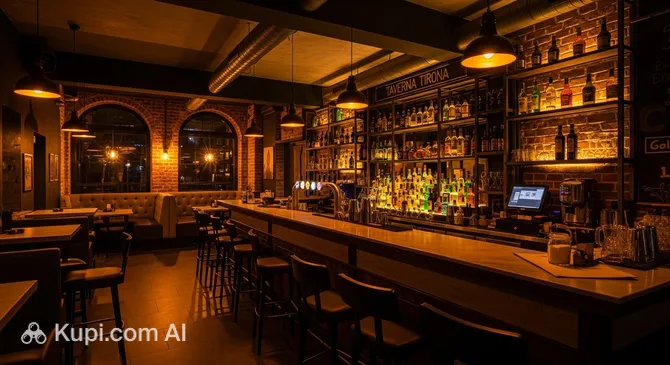
For those looking to experience the local bar scene, Taverna Tirona is a popular choice. It offers a spirited atmosphere often accompanied by live music, making it a great place to immerse yourself in the local rhythm. The venue typically attracts a friendly crowd and is perfect for those who want to dance or simply enjoy a lively conversation over drinks.
Taverna Tirona. Illustration.
Source: Kupi.com AI
Traveler photos:
If you prefer starting your evening with a cosmopolitan dining experience before heading out, SushiCo offers a modern setting with a menu that blends Japanese, Thai, and Chinese influences. It is a great spot to gather with friends for cocktails and dinner in a stylish environment. Generally, the dress code in Pristina is smart-casual; while locals like to dress up and look their best, the atmosphere remains welcoming and not overly exclusive.
Practical Advice: The nightlife in Pristina starts late. Bars usually fill up around 10:00 PM, while clubs do not get going until well after midnight. Prices are very affordable compared to Western Europe, with a pint of beer or a glass of wine costing significantly less. Getting around at night is easy; registered taxis are plentiful, safe, and inexpensive. It is always best to call a radio taxi or use a reputable app rather than hailing one off the street to ensure a metered fare.
While the nights are electric, the city also offers plenty of daytime entertainment. Culture enthusiasts can visit the National Theatre of Kosovo for various performances or explore the contemporary art exhibitions at the Stacion - Center for Contemporary Art. For families or those seeking a relaxed afternoon, the city's shopping malls often feature cinemas and entertainment centers that provide a break from sightseeing.
Safety is rarely a concern for night owls in Pristina. The city center is well-lit and populated, making it safe for walking even late at night. However, as in any capital city, it is wise to stay in busy areas and keep an eye on your belongings. Whether you are sipping macchiato that turns into cocktails or dancing until dawn, Pristina offers a warm and memorable nightlife experience.
Parks & Museums
While the city is often recognized for its lively concrete landscape and bustling streets, Pristina offers a surprising number of refreshing green spaces and cultural institutions that preserve its rich heritage. Visitors can easily transition from a hike in a sprawling forest to a quiet afternoon admiring ancient artifacts, all within a short distance of the city center.
For nature lovers, Germia Park is the undisputed jewel of the capital. Located just a short bus or taxi ride from the center, this massive regional park covers over 60 square kilometers of protected flora and fauna. It serves as the city's main recreational hub, featuring a large outdoor swimming pool, extensive hiking and cycling trails, and plenty of picnic spots. It is the perfect escape for fresh air and offers a stark, peaceful contrast to the urban energy of the downtown area.
Closer to the heart of the city lies the City Park (Parku i Qytetit). Although smaller than Germia, it is a convenient oasis for a quick break. With its paved paths, playgrounds, and plenty of benches, it is a favorite spot for locals to walk their dogs, play chess, or simply enjoy a coffee while surrounded by greenery. The park's elevated position also offers some pleasant views of the surrounding neighborhoods.
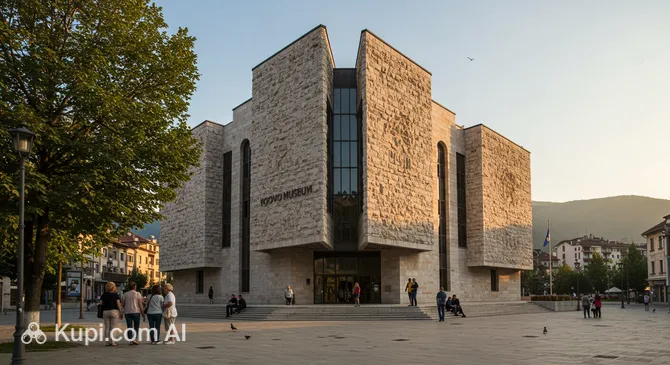
When it comes to culture, the Kosovo Museum is the premier institution for understanding the region's timeline. Housed in a distinctive yellow Austro-Hungarian style building, the museum showcases a vast collection of archaeological treasures, including the famous "Goddess on the Throne" terracotta figure, which has become a symbol of the city. The exhibits guide visitors from the Neolithic era through to more recent history, providing essential context for any trip to the area.
Kosovo Museum. Illustration.
Source: Kupi.com AI
Traveler photos:
Another cultural highlight is the Ethnological Museum, located in the "Emin Gjiku" complex. This beautifully preserved 18th-century complex consists of traditional Ottoman-style houses set within walled courtyards. It offers a fascinating glimpse into the lifestyle of the past, with rooms displaying traditional clothing, tools, furniture, and weaponry. It is widely regarded as one of the best-curated museums in the Balkans and provides an intimate look at local customs and family life.
History enthusiasts should also explore the city's religious architecture. The Great Mosque of Pristina, also known as the Imperial Mosque, stands as a testament to the city's Ottoman legacy. Built in the 15th century by Sultan Mehmed II, it is the oldest and largest mosque in the capital. Its elegant interior and imposing stone structure make it a serene place for reflection amidst the busy market streets.
Great Mosque of Pristina. Illustration.
Source: Kupi.com AI
Traveler photos:
Just a stone's throw from the mosque stands the Clock Tower (Sahat Kulla), a 19th-century landmark that once helped merchants regulate their prayer and closing times. Although visitors cannot typically climb to the top, the tower remains a significant historical marker in the old quarter, surrounded by traditional shops and the bustling green market.
For a truly unique experience just outside the city, consider visiting the Bear Sanctuary Prishtina. Located near the village of Mramor, about 20 kilometers from the capital, this sanctuary provides a safe, natural home for brown bears rescued from captivity. It is a heartwarming and educational excursion that highlights Kosovo's commitment to animal welfare and nature conservation.
Getting Around
Navigating Pristina is relatively straightforward, as the city is compact and the public transport options are simple to use. The primary mode of public transportation is the bus network, which connects the city center with the suburbs and surrounding neighborhoods. There is no metro, tram, or trolleybus system currently in operation, making the bus the sole form of mass transit for locals and visitors alike.
The bus system is divided into two main categories: the public "Urban Traffic" (Trafiku Urban) buses, which are easily recognizable by their modern yellow and white appearance, and various private operators that often use older blue or multi-colored vehicles. The yellow public buses are generally more comfortable, air-conditioned, and reliable. They cover the most popular routes, including the connection to the bus station and key districts like Sunny Hill (Bregu i Diellit).
The payment system is traditional and very tourist-friendly in its simplicity. You do not need to buy a ticket in advance at a kiosk or use a complex travel card. Instead, you simply board the bus and take a seat; a conductor will come to you to collect the fare. The cost for a single ride is very affordable, typically around €0.50. It is essential to carry cash, specifically coins or small notes, as credit card payments are not accepted on board.
Buses generally operate from early morning, around 06:00, until approximately 23:30. During peak hours, they run frequently, often every 5 to 10 minutes on main lines. However, schedules can be less predictable late at night or on weekends. While there is no dedicated transport app for mobile payments, the "Trafiku Urban" app can help users track routes and bus locations in real-time, which is a handy tool for planning your journey.
For many tourists, taxis serve as a primary alternative to buses due to their low cost and convenience. Taxis in the city are plentiful and can be hailed on the street or, more reliably, ordered via phone or messaging apps like Viber and WhatsApp, which are widely used by local dispatch centers. Most rides within the city limits cost between €3.00 and €5.00. Always ensure the meter is running or agree on a fixed price before starting your trip to avoid any misunderstandings.
Given the city's geography, walking is often the best way to explore the central area. Most major attractions, cafes, and government buildings are located within a small radius, particularly around the pedestrian-friendly Mother Teresa Boulevard. For those looking for a different pace, bike rentals are slowly becoming more available, though the city's hilly terrain and traffic patterns mean cycling is less common than in other European capitals.
Accommodation
Finding the perfect place to stay in Pristina is becoming increasingly easy as the city's hospitality sector grows to meet the needs of international travelers. The accommodation landscape is diverse, catering to all budgets and preferences. Visitors can choose from high-end luxury hotels that host diplomats and dignitaries, comfortable mid-range establishments perfect for business or leisure, and a rapidly expanding market of modern short-term apartment rentals. For backpackers and solo travelers, there is also a good selection of lively and affordable hostels, often located right in the heart of the action.
The most popular and convenient area to stay is undoubtedly the City Center (Qendra). Staying here puts you within walking distance of the main pedestrian zone, Mother Teresa Boulevard, as well as key attractions like the National Theatre and Skanderbeg Square. This area is ideal for those who want to step out of their hotel and immediately immerse themselves in the city's vibrant café culture and nightlife. It is the heartbeat of the capital, where the energy is highest and transport connections are most accessible.
For those seeking a slightly quieter or more upscale atmosphere, the Arbëria district (formerly known as Dragodan) is an excellent choice. Located on a hill overlooking the city, this neighborhood is home to many embassies and diplomatic residences. It offers a more relaxed vibe with panoramic views of the capital, yet it remains just a short taxi ride or a downhill walk from the center. Another trendy option is the Pejton neighborhood, known for its mix of modern developments, cool cafes, and proximity to major business hubs.
Booking Tips: While accommodation is generally available year-round, it is highly recommended to book in advance if you plan to visit during the summer months, particularly in July and August. This is when the Kosovo diaspora returns home for holidays and weddings, and the city hosts several music festivals, causing the best hotels and apartments to fill up quickly.
Prices and Booking: The cost of staying in Pristina is generally very affordable compared to Western European capitals. Budget travelers can find hostel beds or simple guesthouses for approximately €15 to €30 per night. Mid-range hotels, offering modern amenities and breakfast, typically range from €45 to €80. Luxury options are available from around €100 and up. Most accommodations can be easily booked via major online travel platforms, though some smaller apartments and guesthouses may also accept direct bookings or cash payments upon arrival.
Nearby Cities
Thanks to its central location, Pristina serves as an excellent base for exploring the wider region. Many of Kosovo's most interesting towns and cities are located within a short driving distance, making day trips both convenient and rewarding. Whether you are interested in historical bridges, industrial heritage, or vibrant local markets, the surrounding areas offer a diverse range of experiences just a quick ride from the capital.
Below is a list of major cities located near Pristina, along with their population and distance from the capital:
City
Population
Distance
Matican
13 876
3 km
Fushë Kosova
33 997
7 km
Gracanica
10 675
7 km
Obiliq
6 864
9 km
Lipjan
57 605
16 km
One of the closest and most historically significant stops is Vushtrri. Known in antiquity as Vicianum, it is home to the ancient Stone Bridge and the Vojinović Tower, offering a glimpse into the region's medieval past. Just a bit further north lies Mitrovica, a city famous for the bridge over the Ibar River which has become an iconic symbol of the area. It is a place of stark contrasts and rich industrial history, attracting visitors interested in the complexities of the Balkans.
To the south, Ferizaj is a bustling commercial hub known for its unique phenomenon where a mosque and an Orthodox church share the same churchyard, symbolizing a history of coexistence. Meanwhile, Glogovac (often referred to as Drenas) offers a gateway to the central Drenica region, known for its rolling landscapes and strong local traditions. Each of these destinations can be easily reached by bus or taxi, allowing you to experience the authentic lifestyle of Kosovo beyond the capital's borders.
Shopping & Souvenirs
Shopping in Pristina offers a dynamic mix of experiences, ranging from high-end modern complexes to bustling traditional bazaars. The city has rapidly developed its retail sector, making it a great destination for those looking to buy international fashion brands as well as unique local handicrafts. Whether you are searching for the latest trends or a piece of traditional artistry, the capital provides plenty of options to suit every budget and taste.
The heart of the city's retail activity can be found along Mother Teresa Boulevard. This lively pedestrian street is lined with a variety of shops, from small boutiques selling clothing and accessories to bookstores and souvenir stands. Walking down this promenade allows visitors to combine window shopping with the city's famous coffee culture, as there are countless cafes interspersed between the stores where you can take a break and watch the world go by.
For a more comprehensive shopping experience, the city boasts several impressive shopping malls. Albi Mall is widely considered the premier shopping destination in the country, featuring a vast array of international clothing brands, a cinema, and a large food court. Another major addition to the retail landscape is Prishtina Mall, located on the outskirts of the city. As one of the largest shopping centers in Southeast Europe, it offers an extensive selection of entertainment and retail outlets, making it a full-day destination for families and shoppers alike.
To experience the local flavor, a visit to the Green Market (Tregu i Gjelbër) is essential. Located near the historical district, this market is a sensory overload of fresh produce, local cheeses, and household goods. It is a vibrant place where locals do their daily shopping, and it offers tourists a chance to see the authentic side of life in the capital. While it is primarily a food market, you can also find cheap clothing and miscellaneous items in the surrounding stalls.
When it comes to souvenirs, Pristina is famous for its exquisite silver filigree. This ancient craft has been practiced in the region for centuries, and you can find beautiful handmade jewelry, boxes, and decorative items in specialized shops, particularly in the older parts of the city. Other popular items to bring back include local wine from the nearby Rahovec vineyards, traditional rugs, and artisan honey.
Most shops in the city center are open from 09:00 to 20:00 or 21:00, while shopping malls typically stay open until 22:00. On Sundays, some smaller shops may be closed or have reduced hours, but the major malls generally remain open. The official currency is the Euro (€). Credit cards are widely accepted in shopping malls, supermarkets, and larger stores, but it is highly recommended to carry cash when visiting markets or smaller independent boutiques.
Regarding tax-free shopping, Kosovo offers a VAT refund scheme for foreign tourists on certain goods purchased in authorized stores. To be eligible, you typically need to spend a minimum amount in a single store and request the necessary tax-refund forms at the checkout. However, the process can sometimes be bureaucratic, so it is advisable to ask the shop assistants beforehand if they participate in the tax-free program and what the specific requirements are.