Support

Dubrovnik

About

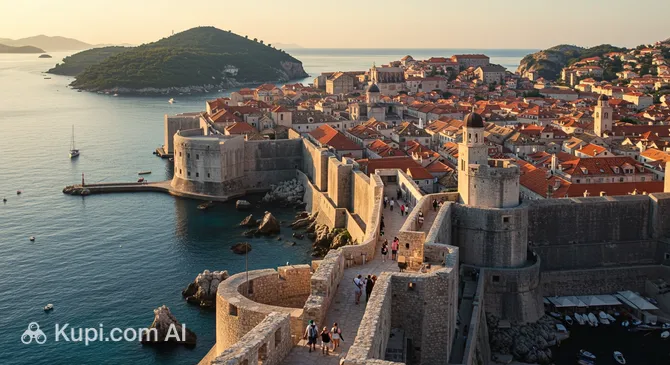
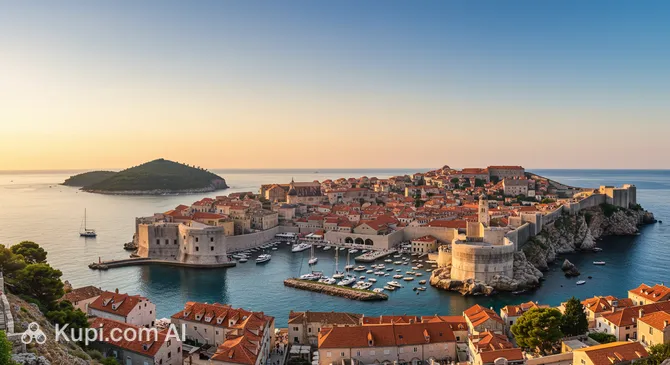
Welcome to Dubrovnik, a city that effortlessly blends medieval charm with breathtaking coastal scenery. Often referred to as the "Pearl of the Adriatic," this stunning destination is renowned for its distinctive Old Town, encircled by massive stone walls that have protected it for centuries. It is a place where the past feels incredibly alive, offering visitors a unique atmosphere of timeless beauty and cultural richness.

Dubrovnik. Source: Kupi.Binoculars

Located in the extreme south of Croatia, Dubrovnik enjoys a sunny Mediterranean climate, making it a perfect year-round destination. The city sits on the shimmering Adriatic Sea, backed by rugged limestone mountains. With a population of approximately 42,000 residents, it maintains a lively yet intimate feel, despite being one of the most prominent tourist destinations in the Mediterranean.

The city is famous for its spectacular architecture and heritage. Delving into the history of Dubrovnik reveals a fascinating saga of a once-powerful maritime republic that rivaled Venice. Today, visitors can walk along the iconic City Walls for panoramic views of terracotta rooftops and the azure sea, or stroll down the gleaming limestone pavement of the Stradun, the town's main thoroughfare.

Whether you are exploring the imposing Fort Lovrijenac, relaxing on a pebble beach, or enjoying fresh seafood in a quiet alley, Dubrovnik promises an unforgettable experience. It is a destination that captivates the imagination and invites every traveler to discover its magic.

Weather Overview

Understanding the local climate is key to planning the perfect visit to this coastal gem. The weather in Dubrovnik is typically Mediterranean, characterized by distinct seasonal changes that offer different experiences throughout the year. Whether you prefer basking in the summer sun or exploring the streets in cooler temperatures, the city accommodates various travel styles.

Summer brings the warmest conditions, particularly in July and August, when average temperatures hover around 24°C and daily highs can reach 28.5°C. This is the driest period of the year, with July seeing as few as 4 wet days, making it ideal for beach activities. Conversely, the winter months of January and December are cooler, with average temperatures dropping to between 6°C and 8°C. These months also see more frequent precipitation, with up to 15 wet days in December, though the city rarely experiences freezing extremes.

Spring and autumn offer a pleasant middle ground, with May and October providing comfortable averages around 16°C. Overall, visitors can expect hot, dry summers perfect for seaside leisure and mild, wetter winters that are better suited for indoor cultural attractions.

Interesting Facts

Beyond the well-trodden paths of the Stradun, Dubrovnik holds many fascinating secrets that reveal its innovative spirit and rich heritage. These historical tidbits offer a glimpse into the advanced society that once thrived behind the stone fortifications.
Franciscan Monastery. Source: Kupi.Binoculars
  • Inside the Franciscan Monastery lies one of the oldest operating pharmacies in Europe. Established in 1317, it has been providing medical services continuously for over 700 years and still offers creams and lotions made from ancient, secret recipes.

  • The city was a global pioneer in public health, establishing the world's first official quarantine system in 1377. To protect the population from the plague while maintaining trade, the local government decreed that newcomers had to spend 30 days on nearby islands before entering the city walls.

  • The Republic of Ragusa, as the city was formerly known, was remarkably progressive and abolished the slave trade as early as 1416. This historic decision made it one of the first states in Europe to ban the practice, staying true to its motto regarding the high value of liberty.

  • The famous Onofrio's Large Fountain is a marvel of medieval engineering that solved the city's fresh water needs. Built in 1438, it channeled water from a spring 12 kilometers away through a complex aqueduct system, a feat that ensured the city had a reliable water supply centuries ago.

How to Get There

Planning a trip to the stunning southern coast of Croatia requires some logistical preparation, as the region is geographically isolated from the rest of the country by a small strip of Bosnia and Herzegovina. Most visitors choose to arrive by plane to maximize their time enjoying the city's charms. You can read more about how to get to Dubrovnik to explore all the available transportation options suited to your itinerary.

The most direct way to arrive is via Dubrovnik Airport (IATA: DBV), which serves as the main international gateway to the region. Located in the nearby area of Čilipi, it is approximately 17.4 km from the city center. A journey from Dubrovnik Airport to the Old Town typically takes around 45 minutes by taxi or airport shuttle bus. As a major transport hub with high passenger traffic, it offers numerous seasonal flights from various European capitals.

Another option for travelers is to fly into Tivat Airport (IATA: TIV), located in the city of Tivat in neighboring Montenegro. This airport is about 58.4 km away from Dubrovnik. While Tivat Airport is a smaller regional hub, it can be a convenient alternative. The transfer by taxi or bus takes approximately 1 hour and 50 minutes, though travelers should account for potential delays at the border crossing.

For clarity, here is a summary of the main airports:

Airport Name City Passenger Traffic Km from City
Dubrovnik Airport Dubrovnik Large 17.4
Sarajevo International Airport Sarajevo Medium 131.8
Podgorica Airport Podgorica Medium 100.5
Tivat Airport Tivat Medium 58.4
Mostar Airport Mostar Small 73.1

It is important to note that the city of Dubrovnik does not have a railway station, as the Croatian rail network does not extend this far south. However, travelers exploring the wider region often use Bari Centrale Station (IATA: BAU) in the Italian city of Bari. Although it is located approximately 198 km away across the Adriatic Sea, it serves as a key transit point for those combining train travel through Italy with a ferry crossing to Dubrovnik.

Below is the information regarding the closest railway stations:

Station City Passenger Traffic Km to Center
Bari Centrale Station Bari Very Large 198.4
Brindisi Railway Station Brindisi 224.3

Main Attractions

Dubrovnik is a city where history is etched into every stone, offering visitors a chance to step back in time while enjoying the vibrant atmosphere of the Adriatic coast. The Old Town is packed with remarkable sights, from imposing fortifications to elegant palaces, ensuring that every walk through its streets is a journey of discovery.

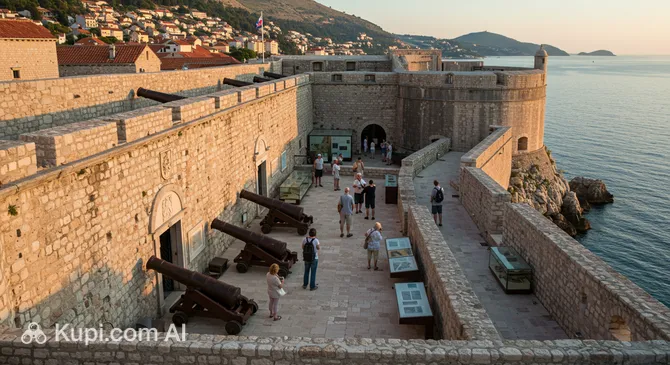
Undoubtedly the most famous feature of the city is the Walls of Dubrovnik. Stretching for nearly two kilometers, these massive stone fortifications have protected the city for centuries and are considered one of the greatest fortification systems of the Middle Ages. Walking along the ramparts offers an unparalleled perspective, with breathtaking views of the shimmering Adriatic Sea on one side and a sea of terracotta rooftops on the other. It is an essential experience for any visitor, providing a unique vantage point to appreciate the city's scale and beauty.

Walls of Dubrovnik. Source: Kupi.Binoculars

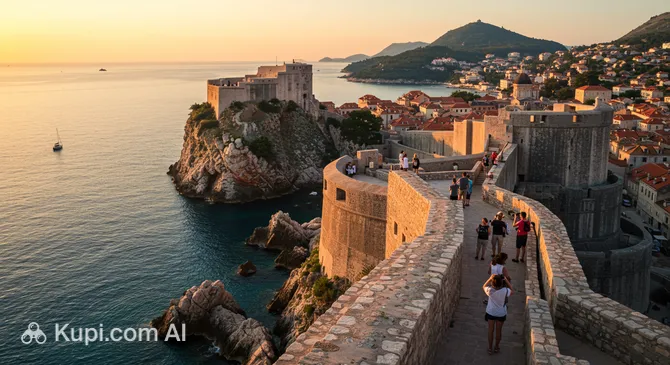
Just outside the western wall stands the majestic Fort Lovrijenac, often called "Dubrovnik's Gibraltar." Perched on a 37-meter-high rock, this detached fortress was built to protect the city from sea-based attacks, particularly from the Venetian fleet. Today, it is a stunning architectural marvel and a popular venue for theater performances, including the Summer Festival. Its dramatic location and imposing walls also made it a key filming location for the "Red Keep" in the majestic scenery of Game of Thrones.

Fort Lovrijenac. Source: Kupi.Binoculars

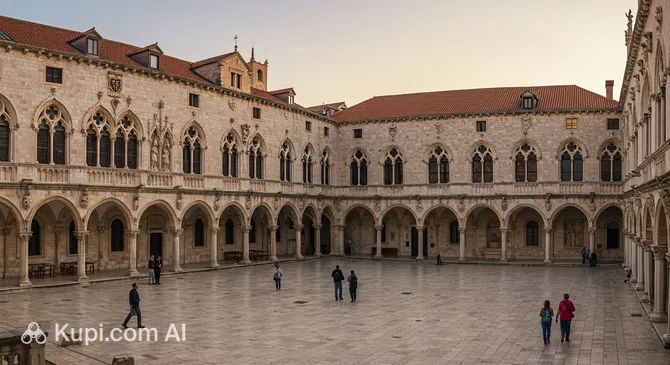
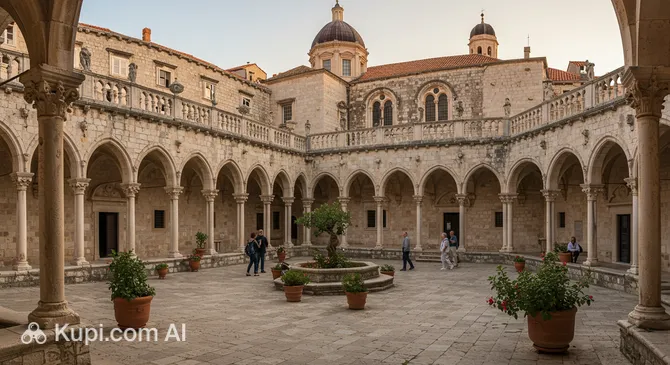
In the heart of the Old Town, you will find the Rector's Palace, a masterpiece that harmoniously blends Gothic, Renaissance, and Baroque architectural styles. Once the seat of the Rector of the Republic of Ragusa, it served as the administrative center of the city-state. Now a cultural history museum, it houses beautifully restored rooms, portraits, and artifacts that tell the story of Dubrovnik's aristocratic past. The central atrium, with its excellent acoustics, frequently hosts classical music concerts.

Rector's Palace. Source: Kupi.Binoculars

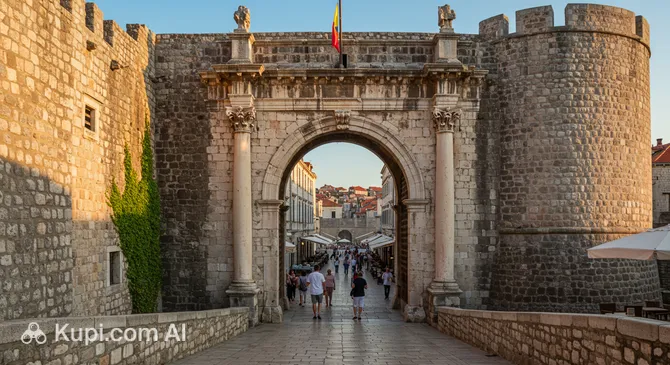
Most visitors begin their exploration at the Pile Gate, the traditional main entrance to the Old Town. Built in the 15th and 16th centuries, this impressive stone complex features a stone bridge and a wooden drawbridge that was once lifted every evening to secure the city. Passing through the outer and inner gates reveals the statue of St. Blaise, the city's patron saint, welcoming travelers before they step onto the polished stones of the Stradun.

Pile Gate. Source: Kupi.Binoculars

Local Cuisine

The culinary landscape of Dubrovnik is a delightful reflection of its Dalmatian heritage, characterized by fresh, locally sourced ingredients and simple yet flavorful preparation methods. The cuisine relies heavily on the bounties of the Adriatic Sea, high-quality olive oil, and organic vegetables grown in the surrounding gardens. Dining here is not just about sustenance; it is a slow, enjoyable ritual often accompanied by a view of the sea or the historic stone streets.

Seafood lovers will find themselves in paradise, with dishes that highlight the purity of the catch. A must-try specialty is Crni rižot (Black Risotto), made with cuttlefish and its ink, which gives the dish its signature dark color and rich, savory taste. Another classic preparation is na buzaru, where scampi, mussels, or clams are simmered in a sauce of white wine, garlic, parsley, and breadcrumbs, created to preserve the natural sweetness of the shellfish. For a true taste of the region's history, visitors should also seek out the famous oysters from the nearby bay of Ston, widely considered some of the finest in the world.

For those with a sweet tooth, the city offers its own signature dessert, Dubrovnik Rozata. This creamy flan, similar to crème brûlée or crème caramel, is flavored with a local rose liqueur known as Rozalin, giving it a unique and fragrant twist that sets it apart from other custards. It is the perfect way to end a traditional meal.

No meal in Dubrovnik is complete without exploring the local beverage culture. The region produces exceptional wines, with the robust red Plavac Mali and the crisp white Pošip being top choices to pair with dinner. For a stronger kick, locals often start or end a meal with rakija, a potent fruit brandy that comes in various flavors like grape, plum, or walnut. The craft beer scene is also blossoming; visitors looking for a break from wine can visit the Dubrovnik Beer Company in the Gruž district to sample locally brewed ales and lagers.

The dining experience in Dubrovnik ranges from upscale restaurants within the city walls to charming family-run taverns known as konobas. In the heart of the Old Town, nestled in the narrow streets near the port, you can find gems like Trattoria Carmen, which offers a cozy atmosphere and authentic dishes without the tourist trap feel. For those willing to venture slightly outside the historic center to the Lapad peninsula, Pantarul is a favorite among locals for its modern, seasonal approach to traditional Croatian cuisine.

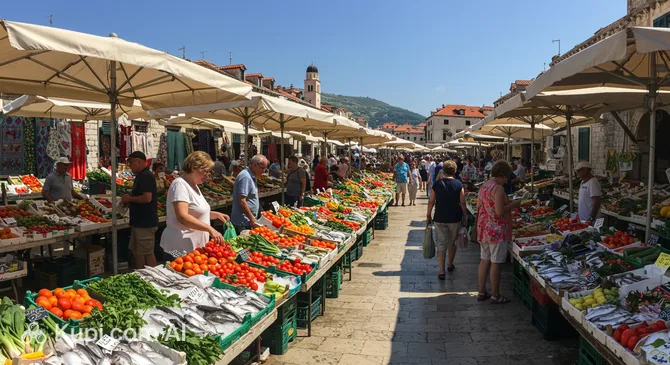
Gruž Market. Source: Kupi.Binoculars

To truly understand the local food culture, a morning visit to the Gruž Market is essential. Located near the main port, this bustling open-air market is where residents buy their fresh fruits, vegetables, and the catch of the day. It is a vibrant spot to soak up the daily rhythm of the city, buy some dried figs or candied orange peels, and see the raw ingredients that define Dubrovnik's gastronomy before they reach the restaurant plates.

Travel Tips

To ensure your visit to Dubrovnik is as seamless as it is spectacular, we have compiled a list of essential practicalities. From navigating the unique geography of the Old Town to understanding local customs, these tips will help you travel like a pro and make the most of your time on the Adriatic coast.

  1. Pack Smart for the Stones: The polished limestone streets of the Old Town, particularly the Stradun, can be incredibly slippery even when dry. Bring comfortable, non-slip walking shoes and leave high heels at home. While summer fashion is generally casual, remember that a strict dress code applies in churches; always carry a scarf or shawl to cover your shoulders and knees when entering religious sites.

  2. Navigating Without a Car: The historic center is a strictly pedestrian-only zone, meaning no vehicles are allowed inside the walls. For exploring neighborhoods like Lapad or the port of Gruž, the local 'Libertas' bus network is reliable and affordable. Avoid renting a car for city stays, as parking is notoriously scarce and expensive; instead, use taxis or ride-hailing apps like Uber for longer distances.

  3. Currency and Payments: As of 2023, the official currency in Croatia is the Euro (€). While credit cards are widely accepted in restaurants and hotels, it is essential to carry some cash for small purchases at ice cream stands, souvenir shops, and the local market. Tipping is not mandatory but rounding up the bill or leaving about 10% for good service is standard practice.

  4. Health and Hydration: The tap water in Dubrovnik is high-quality and safe to drink. You can refill your reusable bottle at the historic Onofrio's Fountain near the Pile Gate to stay hydrated during the hot summer days. Pharmacies are marked with a green cross and known as Ljekarna; they are well-stocked and staff usually speak English.

  5. Communication and Connectivity: English is spoken fluently by almost everyone in the tourism sector, so language barriers are minimal. However, locals appreciate it if you use basic greetings like Dobar dan (Good day) or Hvala (Thank you). For mobile data, you can easily buy a prepaid SIM card at 'Tisak' newsstands found throughout the city.

  6. Respect Public Order: The city enforces strict rules regarding attire in the historic center to maintain its dignity. Do not walk through the Old Town in swimwear, bikini tops, or shirtless, as this is considered disrespectful and can result in a significant fine. Also, be mindful that people live in the Old Town; keep noise levels down in the narrow residential alleys.

  7. Luggage Etiquette: A specific thing to avoid is dragging wheeled suitcases loudly over the cobblestones early in the morning or late at night. The sound echoes through the stone streets and disturbs residents. If you are arriving at odd hours, try to carry your bags or utilize the luggage transfer services available at the city gates.

  8. The Dubrovnik Pass: For a smart travel hack, consider purchasing the Dubrovnik Pass. This digital card often costs the same or slightly more than a single ticket to the City Walls but includes entry to the walls, museums, and galleries, plus free public transport, offering excellent value for money.

By keeping these practical tips in mind, you can focus on soaking up the sun and history without any logistical hiccups. Dubrovnik is a welcoming host, and a little preparation ensures you will enjoy every moment in this timeless Adriatic paradise.

Entertainment & Nightlife

As the sun sets over the Adriatic, Dubrovnik transforms from a historical open-air museum into a vibrant hub of evening entertainment. While it may not have the wild, non-stop party reputation of some other Croatian destinations, the city offers a sophisticated and lively nightlife scene. The atmosphere is generally relaxed yet cosmopolitan, catering to a mix of international travelers and locals who enjoy everything from quiet wine sipping to energetic dancing.

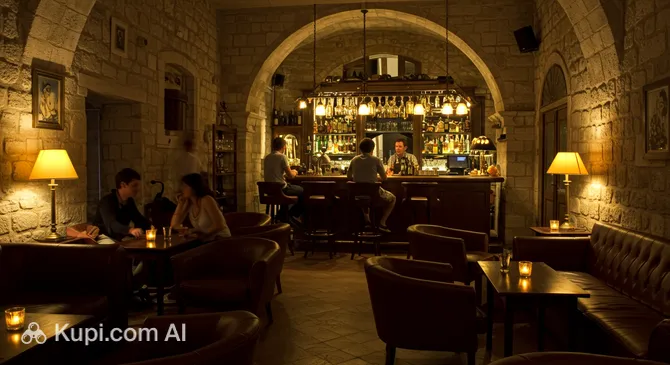
The heartbeat of the nightlife is undoubtedly within the Old Town. The narrow limestone streets branching off the Stradun, particularly around Bunićeva Poljana, are packed with jazz bars, Irish pubs, and chic cocktail lounges. For a stylish start to the evening, you can visit Mr Foster Bar. Known for its elegant interior and creative drink menu, it creates a buzzing yet friendly vibe that is perfect for socializing before the night heats up.

Mr Foster Bar. Source: Kupi.Binoculars

For those looking to dance late into the night, the options within the medieval walls are limited but intense. MILK is one of the most prominent night clubs in the city center, offering a modern setting, electronic beats, and DJ performances that keep the energy high until the early hours. Another popular venue is Caffe & Night Bar Amor, where the party often spills out onto the stone terraces, allowing guests to enjoy the warm Mediterranean night air.

MILK. Source: Kupi.Binoculars

Practical advice is essential for a smooth night out in Dubrovnik. Most bars in the Old Town close around 1:00 or 2:00 AM, while clubs stay open until dawn. Prices for drinks in the historic center can be higher than average, so it is wise to budget accordingly. The dress code is generally smart casual; while beachwear is standard for the day, the evening calls for slightly more polished attire. The city is extremely safe for night walks, but the stone streets can be dark, so watch your step. Since the Old Town is pedestrian-only, you will need to walk to the Pile or Ploče Gates to catch a taxi or an Uber for a safe ride home.

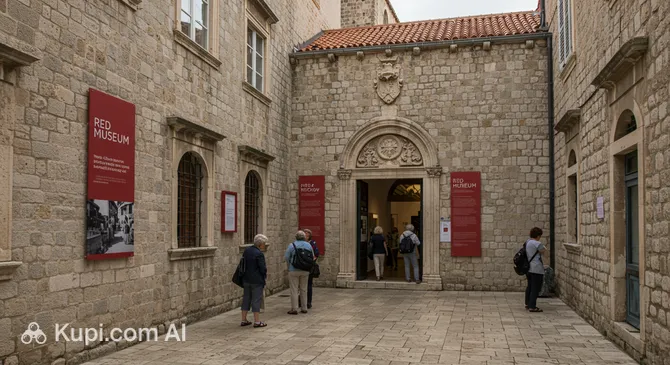
Beyond the nightlife, the city offers engaging entertainment during the day that goes beyond traditional sightseeing. Culture enthusiasts should explore the unique Red History Museum in the Gruž district. This interactive museum offers a fascinating look into life under socialism, complete with authentic artifacts and immersive exhibits. For families or groups seeking a fun challenge, the Dubrovnik Escape Room provides a thrilling mental workout and a break from the summer heat.

Red History Museum. Source: Kupi.Binoculars

Parks & Museums

While the stone walls and historic streets define the city's character, Dubrovnik also offers serene green spaces and a wealth of museums that preserve its artistic and maritime heritage. Beyond the bustling Stradun, visitors can find tranquil spots to connect with nature and cultural institutions that delve deeper into the region's fascinating past and vibrant present.

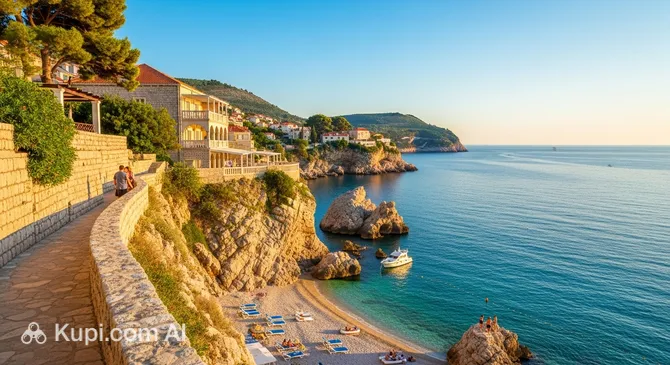
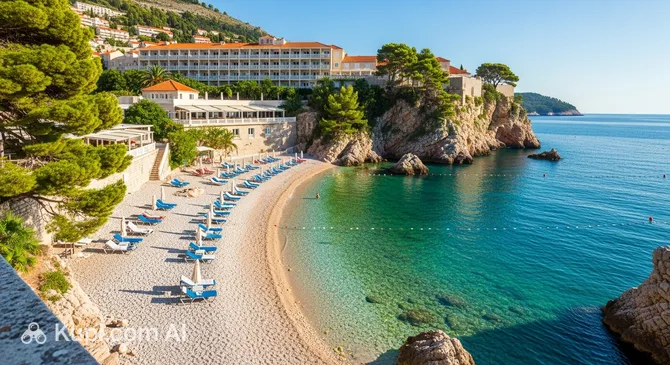
For those seeking a natural escape near the city center, the coastline itself serves as the primary parkland. One of the most beautiful natural areas is Sveti Jakov Beach. Located a short distance from the Old Town, this secluded pebble beach is framed by cliffs and offers stunning views of the city walls and Lokrum Island. It is a perfect spot to relax under the shade of pine trees and enjoy the crystal-clear Adriatic waters away from the main tourist crowds.

Sveti Jakov Beach. Source: Kupi.Binoculars

Another exceptional spot for nature lovers and photographers is the Bosanka Viewpoint. Situated on the hills above the city, this vantage point offers a breathtaking panorama of the Old Town, the sea, and the surrounding islands. It is an ideal location for a sunset hike or a peaceful break to admire the rugged beauty of the Dalmatian coast from above.

Dubrovnik's museums are equally impressive, reflecting its status as a historic maritime power and a center of culture. The Maritime Museum, located within the massive St. John's Fortress, is a must-visit for history enthusiasts. It chronicles the rise of the Ragusa Republic, showcasing model ships, navigational instruments, and artifacts that tell the story of the city's legendary skilled sailors and shipbuilders.

Maritime Museum. Source: Kupi.Binoculars

Art aficionados should not miss the Museum of Modern Art Dubrovnik (MOMAD). Housed in a grand palace just outside the city walls, the museum features a significant collection of modern and contemporary art, primarily by Croatian artists. The venue itself is a masterpiece, with a spacious terrace that often hosts exhibitions and events against a backdrop of the sea.

For a poignant look at more recent history, War Photo Limited offers a powerful experience. This gallery is dedicated to photojournalism and war photography, with a focus on the conflicts that occurred in the former Yugoslavia during the 1990s, as well as other global conflicts. It provides a moving and educational perspective on the impact of war, presented through the lens of world-renowned photographers.

Insider Tip: If you plan to visit the museums in the Old Town, try to go around midday when the cruise ship crowds are having lunch or exploring the outdoor sights. The cool stone interiors of the museums also provide a welcome respite from the midday sun.

Getting Around

Navigating Dubrovnik is relatively straightforward, primarily because the city is compact and the historic center is a strictly pedestrian-only zone. Within the Old Town, walking is the only way to get around, allowing you to fully immerse yourself in the maze of stone streets. However, for reaching neighborhoods like Lapad, Babin Kuk, or the port of Gruž, the city relies on an efficient and well-organized public bus network.

The public transport system is operated by a company called Libertas. You will easily recognize their buses by their distinctive orange color. The network covers the entire city and the surrounding suburbs, with services running frequently from early morning until around midnight. Key lines for tourists include Bus 1A and 1B, which connect the main port in Gruž to the Old Town (Pile Gate), and Bus 6, which runs between the Old Town and the hotel district on the Lapad peninsula.

When it comes to paying for your ride, it is highly recommended to purchase tickets in advance rather than on board. Tickets bought at newsstands (look for the "Tisak" logo) or official Libertas sales points are significantly cheaper than those purchased directly from the driver. If you do buy from the driver, be prepared to pay in cash (Euro) and try to have the exact change. A standard single ticket is valid for 59 minutes from the moment of validation, allowing you to switch buses within that timeframe if necessary.

For visitors planning to do a lot of sightseeing, the Dubrovnik Pass is an excellent investment. Besides offering entry to the City Walls and various museums, it includes a free public transport card valid for the duration of the pass (1, 3, or 7 days). This eliminates the need to buy individual tickets and makes hopping on and off buses seamless.

Upon entering the bus, you must validate your ticket immediately by inserting it into the machine located near the driver. Failure to do so can result in a fine if inspectors check the bus. The buses are generally clean and air-conditioned, which is a relief during the hot summer months, though they can get crowded during peak tourist season.

A unique feature of the city's transport landscape is the Dubrovnik Cable Car. While often viewed as an attraction, it serves as a functional link between the city walls and the summit of Mount Srđ. The ride takes less than four minutes and offers spectacular aerial views of the terracotta rooftops and the Adriatic Sea. It operates throughout the day and into the evening, making it a popular way to catch the sunset.

Since Dubrovnik is a coastal city, sea transport also plays a role. Regular ferry services connect the Old Town port with the nearby island of Lokrum, a popular nature reserve. These boats run frequently during the summer, providing a quick and scenic escape from the city heat. For trips to the Elaphiti Islands, ferries depart from the larger port in Gruž.

Alternatives such as taxis and ride-sharing apps like Uber are widely available and offer a convenient way to travel, especially late at night when bus services reduce frequency. Taxis can be found at designated stands near the Pile and Ploče Gates. While generally reliable, it is always wise to confirm the estimated fare before starting your journey or to use an app to ensure transparent pricing.
Accommodation

Accommodation in Dubrovnik caters to a broad spectrum of travelers, ranging from budget-conscious backpackers to luxury seekers. The city is well-equipped with options, including high-end international hotels, charming boutique properties, bustling youth hostels, and a vast array of private apartments, locally known as "sobe." Staying in a private rental is a particularly popular and authentic way to experience Croatian hospitality, often providing better value than traditional hotels.

Choosing the right neighborhood is crucial for your experience. The Old Town is the dream for many, placing you right in the middle of history, though it comes with higher prices, potential noise, and plenty of stairs to navigate with luggage. Just east of the walls, the Ploče district offers upscale hotels with magnificent views of the harbor and easy access to the center. For a more relaxed, beach-oriented stay, the Lapad Peninsula is a favorite choice. It features a leafy promenade, numerous cafes, and excellent bus connections to the historic core, making it ideal for families and couples.

President Beach. Source: Kupi.Binoculars

For those prioritizing luxury and direct sea access, the Babin Kuk area on the tip of the Lapad peninsula is home to several large resort complexes. Here, you can find exclusive properties situated along the pristine coastline, such as the area around President Beach. These resorts typically offer comprehensive amenities, including pools, spa centers, and private beach sections, providing a tranquil retreat away from the summer crowds of the city center.

Travelers on a budget might consider the Gruž district, located near the main port and bus station. While it is a bit further from the Old Town, it offers more affordable rates and excellent transport links. Regardless of where you choose to stay, booking in advance is essential, especially if you plan to visit during the peak summer months of July and August. Prices can skyrocket during this season, and the best places sell out months ahead. Using major online booking platforms is the standard method to secure your ideal spot.

Nearby Cities

For those looking to explore the surroundings, Dubrovnik serves as an excellent base for day trips to several interesting nearby locations. While the city itself is captivating, the wider region of Dalmatia offers a wealth of history, architecture, and stunning coastal scenery that is well worth the journey.

Split is one of the most popular destinations for a longer excursion. As the second-largest city in Croatia, it is famous for the impressive Diocletian's Palace, a UNESCO World Heritage site that forms the living heart of the city. Visitors can wander through ancient cellars, relax on the bustling Riva promenade, and experience a vibrant mix of modern life and Roman history. Although it requires a bit of travel time, the scenic drive along the coast makes the trip enjoyable.

Another gem located further up the coast is Šibenik. Unlike many other cities in the region founded by Romans or Greeks, Šibenik was established by Croats. It boasts two UNESCO World Heritage sites: the magnificent Cathedral of St. James, built entirely of stone, and the St. Nicholas Fortress. The city's narrow medieval streets and stone staircases offer a charming and authentic atmosphere for exploration.

City Population Distance (km)
Split 178102 165
Zadar 75082 284
Slavonski Brod 56769 279
Sibenik 46332 216
Kaštel Stari 43349 174

These nearby destinations offer a glimpse into the diverse culture and landscapes of the region.

Shopping & Souvenirs

Shopping

Shopping in Dubrovnik offers a delightful mix of artisanal tradition and modern convenience, focusing more on unique local craftsmanship than on sprawling mass-market retail. While the city is not primarily known as a fashion capital, it is a treasure trove for those seeking high-quality souvenirs, handmade jewelry, and authentic Croatian products. The experience of browsing through the ancient stone streets adds a special charm to every purchase.

The heart of the shopping scene is located within the Old Town. The main thoroughfare, the Stradun, is lined with numerous souvenir shops and jewelry stores, making it the most accessible place to find gifts. However, for a more diverse and authentic selection, visitors should explore the parallel street of Od Puča and the labyrinth of narrow alleyways branching off the main drag. Here, you can discover small boutiques selling handmade clothes, leather goods, and works by local artists.

For travelers looking for international brands and a more conventional shopping experience, the historic center has limited options. The largest modern shopping destination is the Sub City Center, located in the nearby village of Srebreno, just a short bus ride or drive from Dubrovnik. It features a supermarket, popular fashion chains, and a drugstore. Closer to the main port, the Minčeta department store in the Gruž district offers a smaller selection of clothing and shoe stores, along with other essential services.

Markets are an integral part of the local lifestyle and a must-visit for tourists. The most picturesque spot is the open-air market at Gundulićeva Poljana in the Old Town. Every morning, farmers from the surrounding villages bring fresh fruits, vegetables, and homemade delicacies like dried figs and arancini (candied orange peel). For a larger and more bustling atmosphere, the Gruž Market near the ferry port is the primary place where locals buy their daily groceries, including fresh fish caught that very morning.

When it comes to souvenirs, Dubrovnik offers several distinct items that reflect its rich heritage. Konavle embroidery is a beautiful traditional craft often applied to tablecloths and folk costumes. The region is also famous for its gold jewelry, particularly the intricate filigree "rečini" earrings that have been worn by local women for centuries. Other popular gifts include high-quality olive oil, lavender products, and the cravat (necktie), which originated in Croatia.

Most shops in the tourist areas are open from 9:00 AM to 9:00 PM during the summer season, with some staying open even later. In the winter, hours are significantly reduced. The official currency is the Euro (€). While credit cards are widely accepted in stores and malls, it is essential to carry cash when visiting open-air markets or purchasing small items from street vendors.

Tourists residing outside the European Union are eligible for a VAT refund on purchases that exceed a certain threshold (typically around 74 Euros) on a single receipt. To take advantage of this, look for stores displaying a "Tax Free" sign and ask the staff for a tax refund form at the checkout, which you will need to present to customs upon leaving the country.

Reached the end of the page?

That means the route is fully explored