Support

Zadar

About

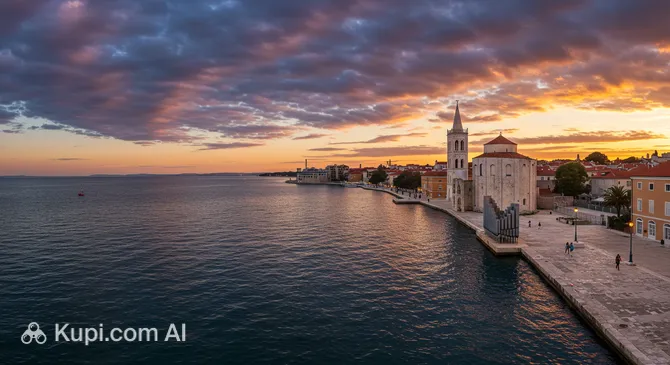
Zadar is a captivating destination on the Dalmatian coast, offering a perfect blend of ancient heritage and modern creativity. Known for its stunning sunsets, which Alfred Hitchcock once described as the most beautiful in the world, this vibrant city serves as the administrative and cultural center of Zadar County. Located in the heart of Croatia, it sits on a small peninsula that juts out into the Adriatic Sea, surrounded by an archipelago of islands and blessed with a mild Mediterranean climate.

Zadar. Source: Kupi.Binoculars

With a population of approximately 75,000 residents, the city balances a lively urban energy with a relaxed coastal atmosphere. Walking through the marble streets, visitors can explore the rich history of Zadar, where Roman ruins stand side by side with medieval churches and cosmopolitan cafes. The city is essentially an open-air museum, showcasing layers of time from the ancient Roman Forum to the impressive Venetian defensive walls.

What truly sets the city apart are its unique modern installations located on the waterfront. The Sea Organ is an architectural sound art object that plays music by way of sea waves and tubes located underneath a set of large marble steps. Nearby, the Greeting to the Sun creates a spectacular light show at night, powered by solar energy absorbed during the day. Whether you are interested in exploring centuries-old architecture or simply listening to the melody of the sea, Zadar offers an unforgettable travel experience.

Weather Overview

The city enjoys a classic Mediterranean climate, making it a pleasant destination throughout most of the year. Travelers checking the weather in Zadar can generally expect warm, dry summers and mild, damper winters. The transitional seasons of spring and autumn offer moderate temperatures, ideal for exploring the historic streets without the intense heat of mid-summer.

Summer is the peak season for visitors, particularly in July and August, when average temperatures sit around 25°C and daily highs can reach 28.9°C. This period is perfect for beach activities, as rainfall is scarce; July typically sees only about 3 wet days. June and September are also excellent times to visit, maintaining average temperatures above 20°C with comfortable conditions for outdoor adventures.

Winters are much cooler but rarely freezing, with average temperatures in January dipping to roughly 7.2°C and lows around 4.4°C. This season sees the most frequency of rain, with December and November recording up to 14 or 15 wet days per month. For those who prefer milder weather, May is a standout month, featuring a comfortable average of 17.7°C and plenty of sunshine between occasional showers.

Interesting Facts

Beyond the popular historic center and the famous sea installations, Zadar hides intriguing stories that often escape the casual observer. From ancient love stories carved in stone to centuries-old traditions, the city is full of surprises waiting to be discovered.
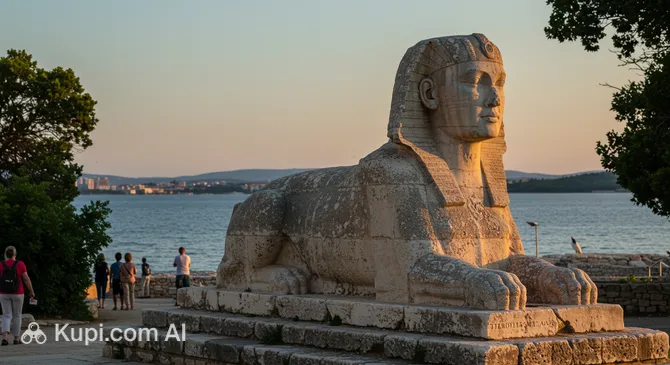
Sphinx of Zadar. Source: Kupi.Binoculars
  • One of the most unusual sights in the city is the Sphinx of Zadar, located in the Brodarica district. It was commissioned in 1918 by a local artist and historian in memory of his beloved wife, and urban legend claims that this concrete guardian grants love wishes to those who visit it.

  • Zadar is the birthplace of Maraschino, a world-renowned liqueur made from the local Marasca cherry. Originally created by Dominican monks in the 16th century as a medicinal elixir, it later became a favorite drink of European royalty, including Queen Victoria and Napoleon Bonaparte.

  • The city maintains a unique rowing tradition known as the Barkajoli. For more than 800 years, these boatmen have been transporting passengers across the harbor in small rowboats, a vocation that has been proudly passed down from father to son for generations.

  • Established in 1829, Queen Jelena Madijevka Park holds the title of the first public park in Dalmatia. It was uniquely constructed on top of the immense Grimaldi Bastion, creatively transforming a former military fortification into a lush, green oasis for the citizens.

How to Get There

Reaching this coastal destination is relatively straightforward, with air travel being the most convenient option for many visitors. For a complete overview of all travel routes and transport tips, you can read more about how to get to Zadar. The city is well-connected to major European hubs, especially during the summer season.

The most direct entry point is Zadar Airport (IATA: ZAD), located just 9.3 km from the city center. This facility handles a significant volume of tourist traffic and offers easy access to the region. A taxi or bus ride from the airport to the Old Town typically takes about 20 to 30 minutes. Alternatively, travelers can fly into Split Airport (IATA: SPU) in the city of Split, situated approximately 107 km away. As a larger international hub, it offers a wider range of flight connections. The transfer from Split to Zadar usually takes around 1.5 to 2 hours by car or bus.

For clarity, here is a summary of the main airports:

Airport Name City Passenger Traffic Km from City
Split Airport Split Large 107.3
Zadar Airport Zadar Medium 9.3
Pula Airport Pula Medium 135.0
Rijeka Airport Rijeka Medium 132.8
Brac Bol Small 149.0

Travelers preferring rail transport should note that direct international connections to the immediate vicinity are limited. The city of Zadar does not have a major international railway station listed in this context, but you can arrive at Trieste Centrale Station (IATA: TXB) in the Italian city of Trieste, which is about 206 km from Zadar. From there, a transfer by bus or rental car takes approximately 3 to 4 hours. Another option is Ljubljana Railway Station (IATA: LJR) in Ljubljana, roughly 223 km away, which serves as a key transit point for those arriving from Central Europe.

Below is a list of the closest major railway stations suitable for transit:

Station City Passenger Traffic Km to Center
Venezia Mestre Railway Station Venice Very High 281.4
Venezia Santa Lucia Station Venice Very High 273.2
Ljubljana Railway Station Ljubljana High 222.8
Trieste Centrale Station Trieste 206.2
Klagenfurt Hauptbahnhof Klagenfurt 286.6

Main Attractions

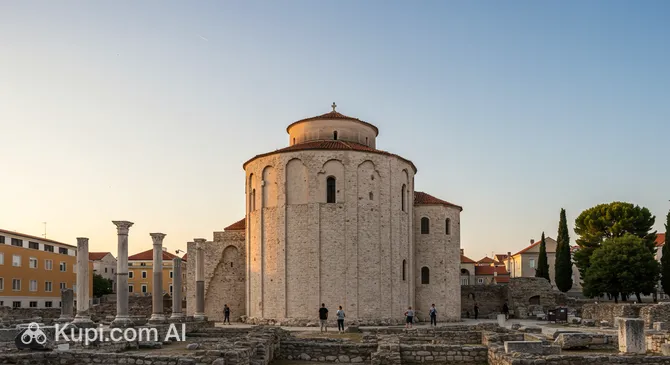
Zadar is a city where history comes alive at every corner, offering visitors a chance to walk through centuries of architectural evolution. One of the most recognizable symbols of the city is the Church of St. Donatus. Dating back to the 9th century, this pre-Romanesque rotunda is famous for its unique circular shape and massive structure. It was built directly on the remains of the Roman Forum, and you can still see fragments of ancient pillars embedded in its walls. Today, thanks to its extraordinary acoustic characteristics, the church serves as a prestigious venue for the International Festival of Medieval Renaissance Music, known as the Musical Evenings in St. Donatus.

Church of St. Donatus. Source: Kupi.Binoculars

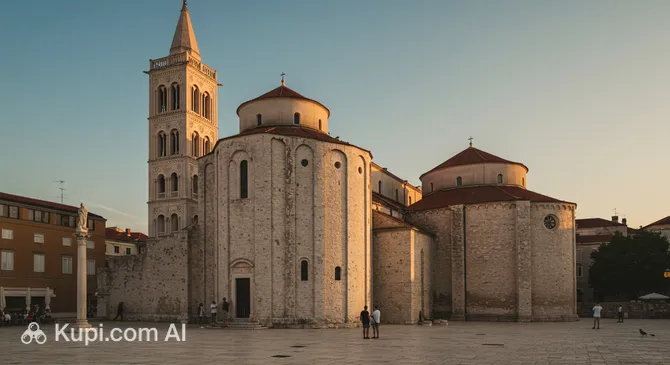
Just a few steps away stands the impressive Cathedral of St. Anastasia, the largest cathedral in the Dalmatia region. This Romanesque masterpiece was constructed in the 12th and 13th centuries and features a beautifully decorated facade with two rose windows. For many tourists, the highlight of a visit here is climbing the bell tower. From the top, you are rewarded with a breathtaking panoramic view of the city's red rooftops, the sparkling Adriatic Sea, and the distant islands, making it a perfect spot for photography enthusiasts.

Cathedral of St. Anastasia. Source: Kupi.Binoculars

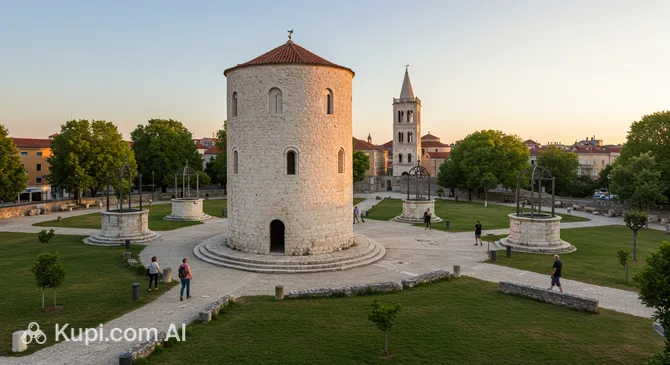
For a glimpse into the city's Venetian past, a visit to Five Wells Square is essential. Located between the medieval city walls and the Renaissance bastion, this picturesque square was built in the 16th century to help the city survive Ottoman sieges. As the name suggests, it features five lined-up wells that once supplied water from a large underground cistern. It is a charming place to relax, and it leads directly to the Queen Jelena Madijevka Park, offering a peaceful green escape in the heart of the city.

Five Wells Square. Source: Kupi.Binoculars

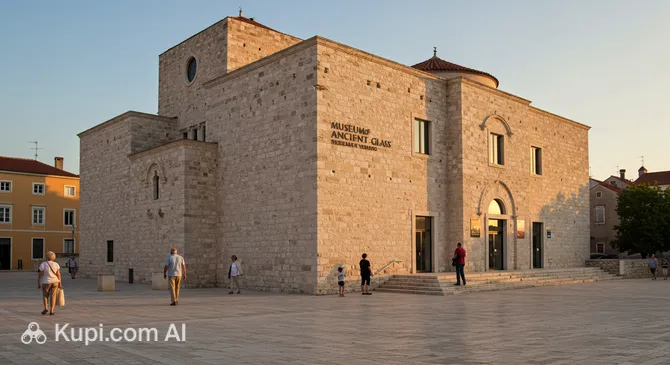
Culture lovers looking for something truly unique should explore the Museum of Ancient Glass. Housed in the historic Cosmacendi Palace, this museum holds an outstanding collection of Roman glassware found in archaeological sites across Dalmatia. Beyond just viewing the delicate artifacts, visitors can watch live glass-blowing demonstrations and learn about the ancient techniques used to create these fragile treasures. It offers a fascinating educational experience that highlights the region's rich artisanal heritage.

Museum of Ancient Glass. Source: Kupi.Binoculars

Local Cuisine

Gastronomy in Zadar is a delightful journey through the flavors of the Mediterranean, characterized by simplicity and the high quality of fresh, locally sourced ingredients. The cuisine relies heavily on the "blue fish" from the Adriatic, home-grown vegetables, and the liquid gold of the region—premium olive oil. Meals are often seasoned with fresh herbs like rosemary and bay leaf, creating an aromatic experience that perfectly complements the coastal atmosphere.

One of the most celebrated appetizers you must try is the world-famous Pag cheese (Paški sir), produced on the nearby island of Pag. Made from the milk of sheep that graze on aromatic herbs and sea salt-dusted grass, it has a distinct, sharp flavor. It is typically served with Dalmatian prosciutto (pršut) and olives. For a main course, seafood lovers should not miss the black risotto (crni rižot), which gets its intense color and rich taste from cuttlefish ink, or a classic plate of fresh fish grilled over an open fire (na gradele).

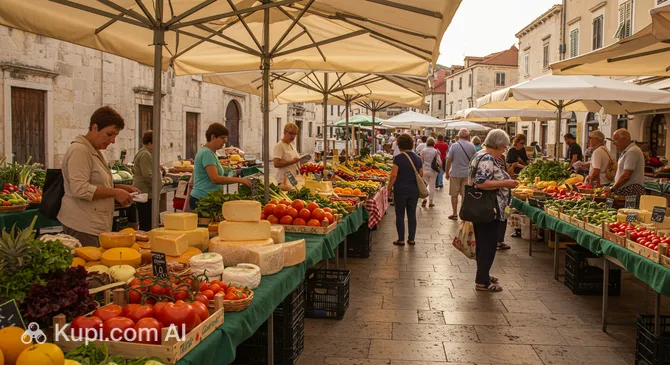
Zadar Market. Source: Kupi.Binoculars

For a true taste of local life, a visit to the Zadar Market is essential. Located in the heart of the Old Town, this bustling marketplace offers a vibrant display of seasonal fruits, vegetables, and freshly caught fish. It is not just a place to shop, but a cultural hub where locals gather to exchange recipes and catch up on daily news. Wandering through the stalls gives tourists an authentic glimpse into the culinary soul of the city.

When it comes to drinks, the city's signature is undoubtedly Maraschino, a sweet liqueur made from the indigenous Marasca cherry, which is often enjoyed as a digestif. The region is also gaining recognition for its wines, particularly those from the Ravni Kotari vineyards. Visitors can enjoy these beverages in traditional taverns known as konobas, or explore the modern dining scene at places like Butler Gourmet & Cocktails Garden, which offers a contemporary twist on local flavors.

Travel Tips

Visiting Zadar is a delightful experience that combines ancient history with a relaxed Mediterranean atmosphere, but a little local know-how can make your trip even smoother. To help you navigate the marble streets and island-hopping adventures like a pro, we have compiled a list of essential practicalities for your stay.

  1. Clothing and Gear: The vibe here is casual, so light, breathable clothing is perfect for the hot summers, while layers are necessary for the cooler, breezier shoulder seasons. Most importantly, pack sturdy, comfortable walking shoes; the Old Town's polished stone streets, especially the famous Kalelarga, can be slippery and uneven. If you plan to visit religious sites like the Cathedral of St. Anastasia, remember to dress modestly by covering your shoulders and knees.

  2. Transportation: The historic peninsula is a pedestrian-only zone, meaning your own two feet are the best way to get around. For reaching the outskirts or nearby beaches like Borik, the local Liburnija bus lines are reliable and affordable. You generally do not need a rental car unless you plan day trips to national parks; parking around the Old Town walls is scarce and expensive. For island hopping, the ferry port is your gateway to the archipelago.

  3. Finances: Croatia now uses the Euro (EUR). While credit cards are widely accepted in hotels, restaurants, and larger shops, it is essential to carry some cash for small purchases at the market, coffee bars, or souvenir stalls. ATMs are plentiful throughout the city. Tipping is appreciated but not mandatory; rounding up the bill or leaving about 10% for good service is standard practice.

  4. Health and Safety: Zadar is an incredibly safe city for travelers, even at night. The tap water is safe to drink and of high quality, so bring a reusable bottle to stay hydrated. Pharmacies, marked by a green cross, are easy to find, with designated locations operating 24/7 on a rotating schedule. For any general emergencies, dial 112 for assistance.

  5. Communication: The official language is Croatian, but English is widely spoken, especially by younger generations and those in the tourism industry. Learning a few basic words like Dobar dan (Good day) and Hvala (Thank you) goes a long way with locals. Free Wi-Fi is often available in public spaces, including the area around the Greeting to the Sun, and prepaid SIM cards can be easily bought at "Tisak" newsstands.

  6. Local Etiquette: Life in Zadar follows the philosophy of pomalo (take it easy). Coffee drinking is a serious ritual here; do not rush it. It is normal to sit with a single cup for an hour or more, people-watching and chatting. When entering small shops or elevators, it is polite to greet others with a simple nod or "Dobar dan."

  7. What to Avoid: Strictly avoid walking through the Old Town in swimwear or without a shirt. Local regulations prohibit this behavior in the historic center to maintain public order, and you could face a significant fine. Save the bikinis and trunks for the beach.

  8. Sunset Tip: Zadar is famous for having one of the world's most beautiful sunsets. To get the best spot at the Sea Organ to watch the sun dip below the horizon while listening to the sea's music, arrive at least 30 to 45 minutes before sundown, as the steps fill up quickly with spectators.

Armed with these tips, you are ready to embrace the laid-back rhythm of Zadar and enjoy everything this coastal gem has to offer without a hitch. Whether you are sipping coffee on the Forum or catching a ferry to Ugljan, you will feel right at home in the heart of Dalmatia.

Entertainment & Nightlife

As the sun sets and the famous light installation, the Greeting to the Sun, begins its mesmerizing display, Zadar transforms from a historic open-air museum into a vibrant hub of evening entertainment. The nightlife here is distinctively Mediterranean—relaxed, friendly, and largely centered outdoors. Unlike the high-octane clubbing scenes of some other coastal destinations, evenings in Zadar are about socializing in bustling squares, enjoying live music on stone terraces, and hopping between bars in the atmospheric alleys of the Old Town.

The epicenter of the city's nightlife is the Varoš district, a labyrinth of narrow streets in the southern part of the peninsula. This area is densely packed with cafés that seamlessly morph into lively bars as the night progresses. The atmosphere is energetic yet laid-back, with crowds often spilling out onto the streets, creating a communal "street party" vibe known locally as the đir. The dress code is generally smart-casual; while some clubs might expect a sharper look, most bars welcome guests in comfortable summer attire.

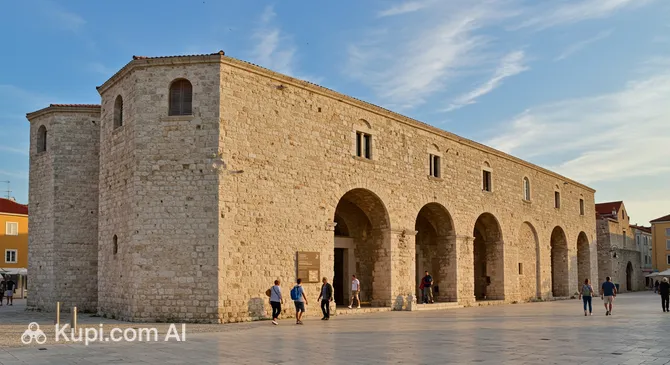
For a truly unique night out, you should visit Arsenal Zadar. Located in a renovated 16th-century port warehouse built by the Venetians, this multipurpose venue acts as an "indoor town square." It hosts concerts, exhibitions, and club nights within a stunning historical setting that blends ancient stone walls with modern design. It is a perfect example of how the city breathes new life into its heritage.

Arsenal Zadar. Source: Kupi.Binoculars

If you prefer a more alternative vibe with guitar riffs rather than electronic beats, Trooper Rock Bar in the Varoš district is a legendary spot. It is a favorite among both locals and tourists for its wide selection of beers, friendly staff, and classic rock playlist. It is an excellent place to meet people and experience the authentic local spirit away from the polished tourist traps.

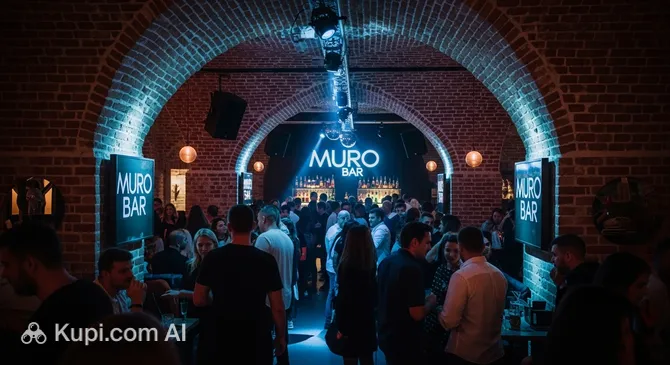
For those seeking a sophisticated cocktail experience, Muro Bar offers a stylish setting near the ancient city walls. With its curated drink menu and chic ambiance, it is an ideal location for starting the night or enjoying a nightcap. Bars in Zadar typically stay open until around 1:00 or 2:00 AM, after which the crowd moves to the few late-night clubs located just outside the city walls or on the waterfront.

Muro Bar. Source: Kupi.Binoculars

Regarding practicalities, Zadar is a very safe city for night walks, even in the early hours. The Old Town is pedestrian-only and compact, making it easy to get around on foot. If you need to travel further, such as to your accommodation in the Borik or Diklo areas, rideshare apps like Uber and Bolt are available, along with local taxi services like Cammeo. Prices for drinks are generally reasonable compared to other major Dalmatian hotspots, though they can be slightly higher in prime locations along the Riva.

Before the nightlife kicks in, the city offers engaging daytime entertainment options that go beyond sightseeing. A popular choice for families and groups is the Museum of Illusions Zadar. This attraction offers a break from the heat with its collection of holograms, optical illusions, and interactive puzzles that challenge your perception of reality. Additionally, the city hosts numerous open-air festivals and theater performances during the summer, turning the Roman Forum and other squares into impromptu stages.

Parks & Museums

Beyond its ancient streets and seaside promenades, the city offers a wealth of cultural and natural treasures. Visitors looking to dive deeper into the region's past or simply find a shaded retreat will find excellent options among the local museums and green spaces.

A must-visit for history enthusiasts is the Archaeological Museum Zadar. Located just steps from the Roman Forum, this institution is the second-oldest museum in Croatia and holds over 100,000 artifacts. The permanent display guides you through different eras, from the Paleolithic period to the Middle Ages. Highlights include a fascinating collection of Roman stone monuments, intricate jewelry, and medieval architectural fragments that tell the story of Zadar's urban development over three millennia.

Just a short walk away, the Duke's Palace (Kneževa palača) stands as a testament to the city's resilience and cultural renewal. Once the seat of Venetian rule, this historic edifice was severely damaged in the past but has been beautifully restored into a modern heritage museum and exhibition center. It regularly hosts temporary art displays, concerts, and educational workshops, serving as a vibrant hub where history meets contemporary creativity.

When you need a break from the stone architecture, Queen Jelena Madijevka Park offers a lush, green sanctuary in the heart of the city. Perched uniquely on top of the Grimaldi Bastion, this romantic park features winding paths, exotic trees, and charming flower beds. It is an ideal spot for a leisurely stroll, offering elevated views of the famous Land Gate and the picturesque Foša harbor below. Connected to the nearby Vladimir Nazor Park, it forms a refreshing green belt perfect for relaxation.

Getting Around

Public transport in Zadar is efficient, straightforward, and primarily reliant on a well-organized network of buses. Since there is no metro or tram system, the city buses operated by the company Liburnija serve as the main lifeline for moving between neighborhoods. The network is divided into city lines, which cover the urban area including popular tourist districts like Borik and Diklo, and suburban lines that connect the center with surrounding towns. The buses are generally modern, air-conditioned, and recognizable by their white and blue color scheme.

For tourists, the payment system is simple and user-friendly. Tickets can be purchased in advance at "Tisak" newsstands, at the main bus station, or directly from the driver upon boarding. Buying a ticket at a kiosk is typically cheaper than purchasing one on the bus. A single-ride ticket is valid for 50 minutes from the moment of validation, allowing you to switch buses within that timeframe if necessary. For those planning to use public transport frequently, contactless travel cards or multi-ride bundles may be available, offering better value for money.

Navigating the system requires a few practical habits. You must enter the bus through the front door and validate your paper ticket immediately by inserting it into the yellow machine near the driver. If you buy the ticket from the driver, try to have the exact change or small bills, as they may not always have change for large denominations. Buses generally run from early morning, around 5:00 AM, until shortly before midnight. Schedules can vary between weekdays and weekends, so it is advisable to check the official Liburnija website or the timetables posted at bus stops.

A unique and historic feature of Zadar's transport is the Barkajoli. These are traditional boatmen who have been rowing passengers across the harbor entrance for centuries, connecting the Old Town peninsula with the mainland area of Voštarnica. This service is not just a tourist attraction but a practical shortcut that saves a 20-minute walk around the harbor. The ride is short, inexpensive, and offers a charming way to experience the city's maritime heritage firsthand. They operate daily, weather permitting, from morning until evening.

Beyond buses and boats, alternatives are plentiful. Since the Old Town is a pedestrian-only zone, walking is often the best way to explore the historic center. For longer distances, taxis are readily available at designated stands, particularly near the bus station and the bridge. Ridesharing apps like Uber and Bolt operate in the city, providing a convenient and transparent way to book a ride without worrying about language barriers or cash payments. Additionally, renting a bike is a popular option, as the city's terrain is relatively flat and suitable for cycling along the coast.

Accommodation

Where to Stay:

Accommodation in Zadar caters to a wide variety of preferences and budgets, ranging from luxury resorts and boutique hotels to affordable hostels and private apartments. The choice of where to stay largely depends on the type of holiday you are planning. Visitors who want to be immersed in history and nightlife should look for lodgings on the Old Town peninsula. This area is convenient for sightseeing on foot, though it can be bustling and noisy during summer evenings. Alternatively, travelers seeking a beach-focused vacation often prefer the coastal neighborhoods of Borik and Diklo, located a few kilometers north of the center and easily accessible by local bus.

The Borik area is particularly known for its larger hotel complexes and resort-style amenities, making it a popular choice for families and those looking for all-inclusive options. A well-known establishment in this district is Club Funimation Borik, which is recognized for its extensive spa facilities, swimming pools, and family-friendly entertainment programs. Nearby, you can also find Hotel Adriana, a retreat often appreciated for its tranquil garden setting and immediate proximity to the sea, offering a more relaxed atmosphere compared to the vibrant city center.

Regarding costs, prices fluctuate significantly depending on the season. During the peak summer months of July and August, rates for all types of accommodation are at their highest, and finding a room can be difficult without a reservation. Booking in advance—ideally several months prior—is highly recommended if you plan to visit during this period. Conversely, the shoulder seasons of late spring and early autumn offer excellent value for money with more availability. Most bookings can be easily made through major online platforms, though many local owners of private apartments (known as sobe or apartmani) also accept direct inquiries.

Nearby Cities

For those looking to explore the surroundings, Zadar serves as an excellent base for day trips to several interesting nearby locations:

One of the closest and most rewarding destinations is Sibenik. Located just about an hour's drive away, this historic city is famous for its UNESCO-listed Cathedral of St. James, a masterpiece of Renaissance architecture built entirely from stone. Beyond the cathedral, visitors can explore four impressive fortresses that offer breathtaking panoramic views of the Adriatic Sea and the surrounding archipelago.

Heading further south, travelers can visit Split, the largest city in Dalmatia. The heart of this vibrant destination is the ancient Diocletian's Palace, a living monument where Roman ruins blend seamlessly with modern life. Walking through its narrow stone streets, you will find bustling squares, hidden cafes, and a rich history that dates back over 1,700 years.

For those interested in Roman heritage, a trip north to Pula on the Istrian peninsula is highly recommended. The city is renowned for its magnificent Roman amphitheater, the Pula Arena, which is one of the best-preserved ancient structures of its kind in the world. It provides a stunning backdrop for concerts and festivals, making the longer journey well worth the effort.

City Population Distance (km)
Rijeka 191,293 148
Split 178,102 118
Pula 57,053 138
Karlovac 53,134 155
Sibenik 46,332 68

These nearby destinations offer a glimpse into the diverse culture and landscapes of the region.

Shopping & Souvenirs

Shopping:

Shopping in Zadar offers a delightful mix of modern retail experiences and traditional Dalmatian charm. While the city may not be a massive fashion metropolis, it provides excellent opportunities to find high-quality local products, international brands, and unique artisanal crafts. Whether you are looking for the latest summer fashion or authentic regional delicacies to take home, the city's diverse shopping scene caters to every taste and budget.

The heart of the shopping action in the historic center is undoubtedly Kalelarga (Široka ulica), the city's main street. Walking down this beloved promenade and exploring the surrounding labyrinth of narrow alleys, you will discover a variety of boutique stores, shoe shops, and jewelry parlors. This area is particularly good for finding Italian-influenced fashion and handcrafted accessories. The atmosphere here is relaxed, allowing you to browse at a leisurely pace while admiring the ancient architecture that frames the shop windows.

For those who prefer a comprehensive modern shopping experience with a wide range of international brands under one roof, Supernova Zadar is the premier destination. Located just a short drive from the city center, this is the largest shopping park in the region, featuring dozens of fashion retailers, electronics stores, and a food court. It is the go-to spot for serious retail therapy and offers ample parking for visitors.

Closer to the Old Town, in the Relja district, you can visit City Galleria. This complex serves as a convenient urban hub that combines a shopping mall with a cinema and a daily market area. It is a popular meeting place for locals and offers a good selection of clothing stores, drugstores, and cafes, making it a practical stop for everyday needs or a quick shopping spree without leaving the city limits.

No shopping trip to Zadar is complete without visiting the bustling Zadar Market. While primarily known for its fresh food, this vibrant open-air market is also an excellent place to find edible souvenirs. Here, you can purchase bottles of homemade olive oil, dried figs, honey, and the famous Pag cheese directly from local producers. The market captures the authentic spirit of the city and offers a sensory experience that supermarkets simply cannot match.

When it comes to souvenirs, Zadar has several signature items that make for perfect gifts. The most iconic is undoubtedly Maraschino, a sweet liqueur made from the indigenous Marasca cherry, which has been produced in the city for centuries. Other popular keepsakes include replicas of ancient glass from the Museum of Ancient Glass, lavender products, and intricate handmade lace from the nearby island of Pag. These items reflect the rich history and natural bounty of the Dalmatian coast.

Most shops in the city center are typically open from 9:00 AM to 9:00 PM during the summer season. However, smaller boutiques may take a midday break (siesta) in the afternoon. Shopping malls usually operate from 9:00 AM to 9:00 PM or 10:00 PM. It is important to note that Sunday working hours can be restricted due to national regulations, so it is advisable to check ahead if you plan to shop on that day. The official currency is the Euro (EUR). Credit and debit cards are widely accepted in malls and most shops, but it is essential to carry cash for open-air markets and smaller souvenir stalls.

For visitors residing outside the European Union, a Value Added Tax (VAT) refund is available for purchases exceeding a certain amount, typically around 74 EUR, on a single receipt. Look for stores displaying the "Tax-Free" signage and ask for a refund form at the checkout. You will need to present your passport and the goods to customs officials upon leaving the EU to claim your refund.
Reached the end of the page?

That means the route is fully explored