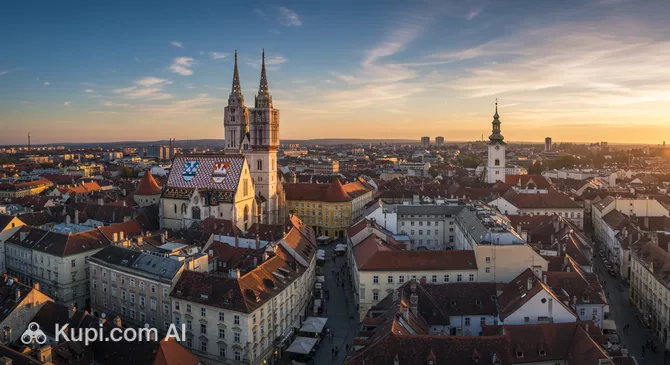
Zagreb is the vibrant capital and largest city of Croatia, serving as the country's cultural, scientific, and economic heart. Located in the northwest region along the banks of the Sava River and at the foot of the southern slopes of Mount Medvednica, the city perfectly blends the elegance of Central European architecture with a relaxed, almost Mediterranean lifestyle. With a population of over 800,000 residents, it is a bustling metropolis that surprisingly retains a welcoming and intimate atmosphere.
Zagreb. Illustration.
Source: Kupi.com AI
The city's layout is distinct, traditionally divided into the historic Upper Town (Gornji Grad) and the more modern Lower Town (Donji Grad). Visitors can explore the rich history of Zagreb by wandering through the cobblestone streets of the Upper Town, where the iconic St. Mark's Church displays its colorful tiled roof representing the coats of arms of Zagreb and Croatia. Just a short walk away stands the towering Zagreb Cathedral, a masterpiece of neo-Gothic architecture that dominates the skyline.
Beyond its historical monuments, Zagreb is famous for its "coffee culture," particularly along the lively Tkalčićeva Street, which is lined with charming cafes and restaurants. The city also boasts a unique array of museums and the bustling Dolac Market, often called the "belly of Zagreb," where locals gather to buy fresh produce under bright red parasols. Whether you are looking for art, nature, or culinary delights, Zagreb invites you to explore its streets and discover its hidden gems.
Weather Overview
Zagreb typically experiences a continental climate with four distinct seasons, offering a different atmosphere depending on the time of year. Visitors can generally expect warm, sunny summers and cold winters, with precipitation distributed fairly evenly throughout the year. For a comprehensive forecast and monthly breakdown, you can consult the detailed weather in Zagreb guide.
Winter in the city is chilly, with January being the coldest month, featuring an average temperature of 2.5°C and lows dipping to -1.0°C. As the seasons shift, spring brings milder weather; by May, the average temperature rises to 15.7°C, though this month is notably the wettest, recording around 18 wet days.
The summer months of July and August are the warmest, with average temperatures hovering around 23.1°C and daytime highs reaching up to 28.5°C, making it an ideal time for outdoor activities. Autumn sees a gradual cooling, with September averaging 17.7°C and October dropping to 13.3°C as the city transitions back toward winter.
Average monthly temperature
Average monthly precipitation
Interesting Facts
Beyond the main attractions, Zagreb holds many fascinating secrets and quirky traditions that surprise even seasoned travelers. From hidden artistic treasures to daily rituals that have survived for centuries, here are a few unique aspects of the Croatian capital.
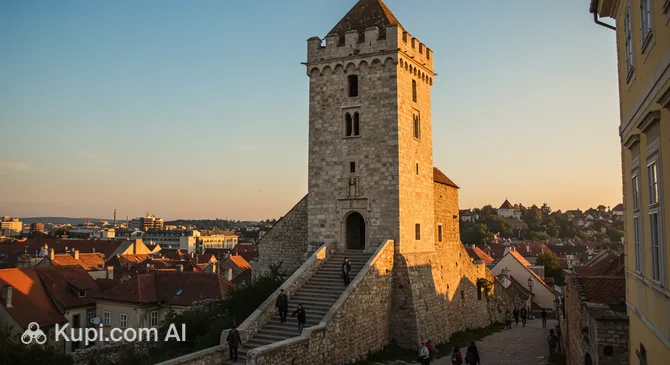
Lotrščak Tower. Illustration.
Source: Kupi.com AI
Traveler photos:
Every single day at exactly noon, a loud cannon shot echoes through the city center, often startling unsuspecting tourists. This tradition, which takes place at the Lotrščak Tower, has been maintained for over a century to help church bell ringers synchronize their clocks.
The romantic Upper Town is one of the few places in the world that is still illuminated by authentic gas lamps. Every evening and morning, two dedicated lamplighters manually light and extinguish over 200 lanterns, preserving a warm, nostalgic atmosphere.
Zagreb is home to a scaled model of the Solar System hidden throughout its streets. It begins with the "Grounded Sun" sculpture in the city center, and the planets are placed at precise proportional distances across the city, creating a massive artistic scavenger hunt for curious visitors.
The city hosts one of the most unusual cultural institutions in the world, the Museum of Broken Relationships. Instead of historical artifacts, this award-winning space displays personal objects left behind after breakups, each accompanied by a story that ranges from heartbreaking to hilarious.
How to Get There
Reaching the Croatian capital is quite convenient thanks to its central location and well-developed transport infrastructure. Whether you are flying in from another continent or traveling by land from neighboring countries, there are numerous options available. For a complete guide on all travel methods, routes, and tips, you can read more about how to get to Zagreb on our detailed page.
The most direct way to arrive is via Zagreb International Airport(IATA: ZAG), which serves as the main aviation hub for the country. Located just 10.7 km from the city center, it welcomes millions of passengers annually. A taxi or shuttle bus ride from the terminal to the heart of the city typically takes around 36 minutes. Alternatively, travelers can fly into Ljubljana Jože Pučnik Airport(IATA: LJU) in Slovenia. Although this airport is situated in Ljubljana, about 126.5 km away, it is a viable option for those exploring the wider region. The transfer by road from Ljubljana to Zagreb takes approximately 3.5 hours.
For clarity, here is a summary of the main airports:
For those preferring rail travel, it is important to note that while Zagreb is connected to the European network, some travelers may arrive via major international hubs in nearby countries. For instance, you can arrive at the Ljubljana Railway Station in the city of Ljubljana, which is about 117.1 km from Zagreb. From there, you can get a taxi or bus, which takes about 3 hours and 15 minutes. Another significant hub is Vienna Central Station in Vienna, located approximately 265.2 km away, offering extensive connections across Central Europe.
Below is a list of nearby major railway stations that can serve as entry points to the region:
Zagreb's charm lies in its walkability and the seamless blend of historic grandeur with modern energy. The city center is a treasure trove of Austro-Hungarian architecture, sacred sites, and lively public spaces that reflect the capital's rich heritage. Visitors can easily explore the most significant landmarks on foot, moving between the atmospheric Upper Town and the bustling Lower Town.
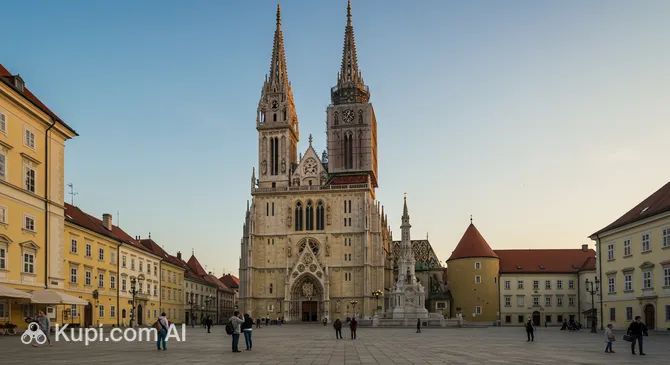
Dominating the city's skyline, the Zagreb Cathedral is not only the tallest building in Croatia but also a monumental example of neo-Gothic architecture. Dedicated to the Assumption of Mary, its twin spires are visible from nearly every corner of the city. Visitors are drawn to its intricate interior and the serene atmosphere that provides a quiet escape from the bustling streets outside.
Zagreb Cathedral. Illustration.
Source: Kupi.com AI
Traveler photos:
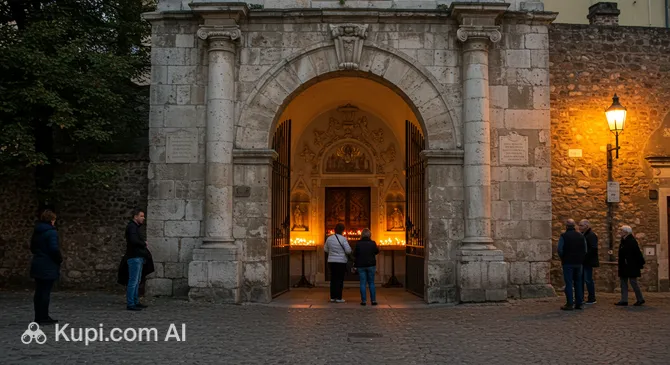
A short walk away leads to the historic Upper Town, accessible through the ancient Stone Gate. As the only remaining gate from the medieval defensive system, it holds a special place in the hearts of locals. Inside the archway, there is a small, candlelit shrine dedicated to the Virgin Mary, which miraculously survived a devastating fire in the 18th century. It is a unique spot where history and spirituality seamlessly merge.
Stone Gate. Illustration.
Source: Kupi.com AI
Traveler photos:
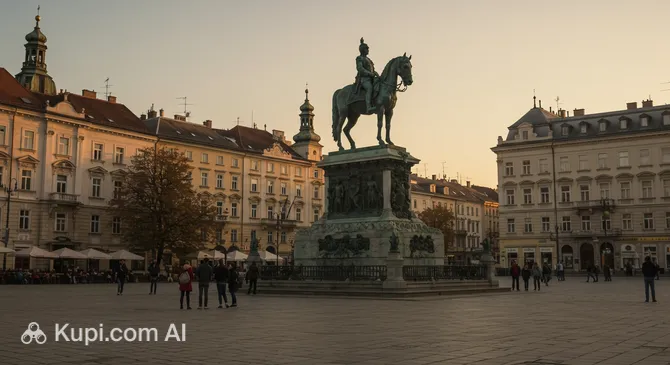
The beating heart of modern Zagreb is the main square, home to the iconic Ban Josip Jelačić Statue. This bustling plaza serves as the principal meeting point for residents and the perfect starting location for any walking tour. Surrounded by elegant pastel-colored buildings and crisscrossed by the city's famous blue trams, it captures the energetic rhythm of the capital's daily life.
Ban Josip Jelačić Statue. Illustration.
Source: Kupi.com AI
Traveler photos:
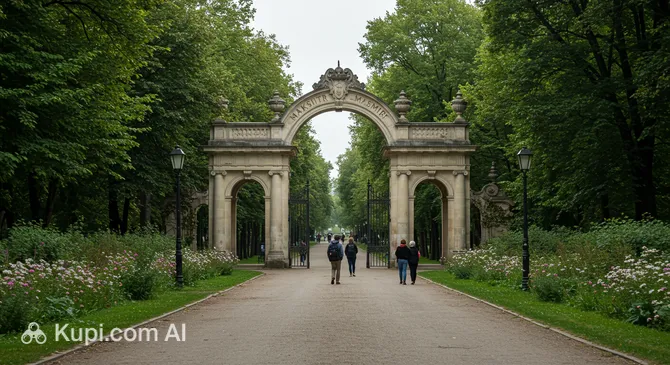
For those seeking tranquility and nature, Maksimir Park offers a lush retreat just a short tram ride from the center. Opened in the late 18th century, it was one of the first public parks in Southeast Europe. Its vast English-style landscaped grounds feature picturesque lakes, creeks, and meadows, making it an ideal destination for a relaxing stroll or a family picnic away from the urban noise.
Maksimir Park. Illustration.
Source: Kupi.com AI
Traveler photos:
Local Cuisine
Zagreb’s culinary scene is a delightful meeting point between Central European heartiness and Mediterranean freshness. The local food culture is unpretentious yet full of flavor, heavily influenced by its Austro-Hungarian past. Visitors will find that the city runs on "gablec"—a traditional mid-morning warm meal that locals enjoy during their break, typically consisting of stews, beans, or pasta. It is a city where food is meant to be comforting and portions are generous.
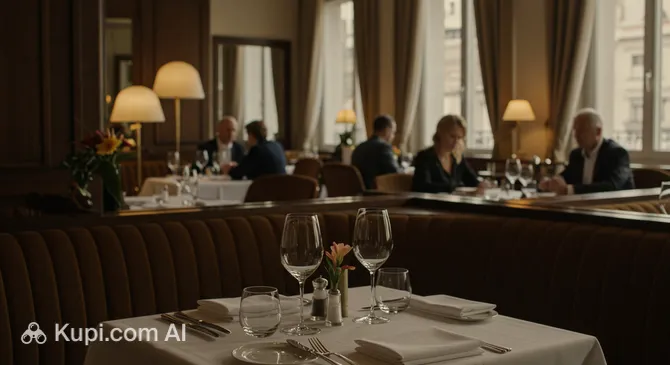
One dish you absolutely cannot leave without trying is Zagorski štrukli. This traditional pastry, filled with fresh cottage cheese and cream, is a versatile icon of the region. It can be prepared in two ways: boiled or baked, and served either salty or sweet. For a truly elegant experience involving this signature dish, many recommend visiting the Esplanade Zagreb Hotel, which has served its famous štrukli to dignitaries and movie stars for decades.
Esplanade Zagreb Hotel. Illustration.
Source: Kupi.com AI
Traveler photos:
Meat lovers will appreciate the Zagrebački odrezak (Zagreb steak), a veal schnitzel stuffed with ham and cheese, breaded, and fried to golden perfection. It is often compared to Cordon Bleu but holds a special place in the local heart. Another staple found in the city's vibrant markets is sir i vrhnje (fresh cottage cheese and sour cream), often mixed with garlic and paprika and eaten with cornbread. This simple peasant dish is so beloved that it has become a symbol of Zagreb's identity.
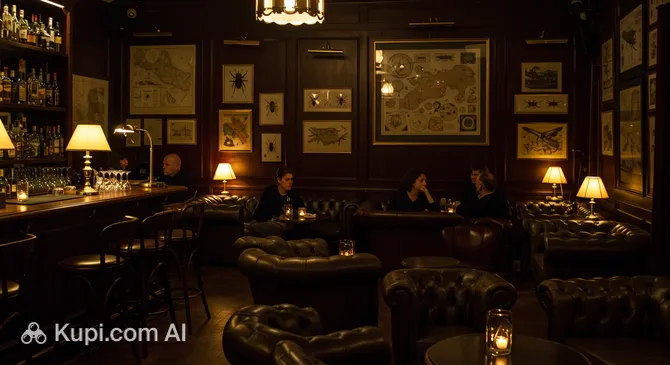
When it comes to drinks, coffee is more than just a beverage; it is a social ritual. On Saturday mornings, locals participate in "špica," dressing up to sip coffee in the city center for hours. For something stronger, rakija (fruit brandy) is the traditional welcome drink, with plum and pear varieties being the most popular. The city also boasts a burgeoning craft beer scene and unique watering holes like Mr. Fogg, a steampunk-themed bar that offers a fantastic atmosphere for an evening drink.
Mr. Fogg. Illustration.
Source: Kupi.com AI
Traveler photos:
If you are looking for a reliable place to enjoy high-quality local barbecue, Batak Grill is a popular choice among residents for its excellent grilled meats and casual vibe. Whether you are snacking on street food or dining in a historic restaurant, Zagreb’s cuisine promises to leave you full and satisfied.
Travel Tips
Welcome to Zagreb! To ensure your visit to the Croatian capital is as smooth and enjoyable as possible, we have compiled a list of essential travel advice. These practical tips will help you navigate the city like a local, covering everything from packing essentials to understanding the unique rhythm of daily life here.
Clothing and Gear: Zagreb is a city best explored on foot, so comfortable walking shoes are a must, especially for navigating the cobblestone streets of the Upper Town. The climate is continental; pack breathable layers and sun protection for the hot summers, and a warm coat, scarf, and boots for the cold winters. Don't forget a standard European power adapter (Type C or F) for your electronics.
Transportation: The public transport system, managed by ZET, is efficient and reliable. The iconic blue trams are the best way to get around the city center, while buses serve the outer neighborhoods. You can buy tickets at Tisak newsstands or via the mobile app; remember to validate paper tickets upon entry. For a quick and scenic trip between the Lower and Upper Town, take the historic funicular. Ride-hailing apps like Uber and Bolt are also widely available and affordable.
Finances: Croatia uses the Euro (€). While credit cards are widely accepted in hotels, restaurants, and supermarkets, it is essential to carry some cash for small purchases. You will definitely need cash for the vendors at the Dolac Market, small bakeries, and some coffee bars. ATMs are plentiful throughout the city. Tipping is appreciated but not mandatory; rounding up the bill or leaving about 10% for good service is standard practice.
Health and Safety: Zagreb is considered one of the safest capitals in Europe, but standard precautions against pickpockets apply in crowded areas. Tap water is safe to drink and of high quality, so bring a reusable bottle. Pharmacies are marked with a green cross and are known as Ljekarna; there are designated 24-hour pharmacies in the city center for emergencies.
Communication: The official language is Croatian, but English is very widely spoken, particularly by younger generations and in the tourism sector. Learning a few local phrases like "Dobar dan" (Good day) and "Hvala" (Thank you) goes a long way. Free Wi-Fi is available in many public spaces, including the main square, and you can easily purchase prepaid SIM cards at newsstands.
Local Etiquette: Coffee drinking is a serious social ritual here. Do not rush your order; locals sit for hours sipping a single cup while people-watching or chatting. On Saturday mornings, join the tradition of "Špica", where residents dress up and gather in the city center cafes to socialize. When greeting people, a handshake is the norm.
What to Avoid: Avoid referring to Croatia as part of "Eastern Europe," as locals strongly identify with Central European or Mediterranean culture. Also, be mindful not to walk on marked bicycle paths, as cycling is popular and locals can get frustrated if pedestrians block their way.
Shopping Hours: Be aware that most shops and supermarkets are closed on Sundays due to recent regulations. Only a select few stores, usually at the train station, bus station, or airport, remain open. Plan your grocery shopping and souvenir hunting for Saturday or weekdays to avoid inconvenience.
Armed with these tips, you are ready to immerse yourself in the charm and culture of Zagreb without any hassles. Whether you are sipping coffee on Tkalčićeva Street or exploring the historic alleys of Gornji Grad, relax and enjoy the welcoming atmosphere of this beautiful city.
Entertainment & Nightlife
Zagreb transforms as the sun sets, offering a nightlife scene that is as diverse as it is welcoming. Unlike the intense party capitals of Europe, the atmosphere here is more laid-back and social, centering heavily on socializing in open-air terraces and quirky indoor venues. The epicenter of evening activity is undoubtedly Tkalčićeva Street. Lined with colorful low-rise buildings, this pedestrian zone buzzes with energy from dusk until dawn, packed with hundreds of bars, cafes, and small restaurants where locals and tourists mingle freely.
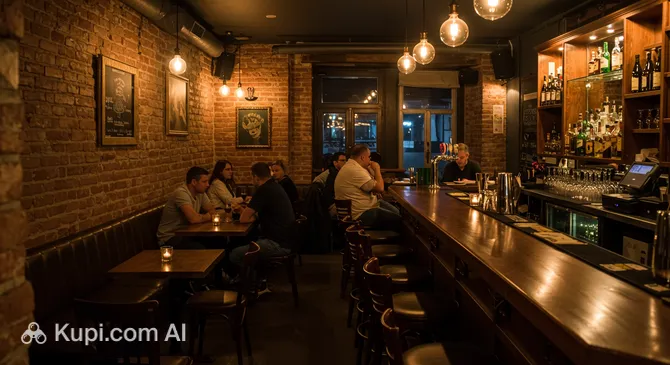
For those who prefer live music and an alternative vibe over commercial pop, Zagreb has a fantastic rock and indie scene, often located a bit further from the immediate center along Savska Road. One of the standout venues in this category is the Vintage Industrial Bar. Known for hosting live concerts, literary evenings, and DJ sets, it attracts a cool, eclectic crowd. The interior is industrial-chic, and the large terrace is perfect for warm summer nights.
Vintage Industrial Bar. Illustration.
Source: Kupi.com AI
Traveler photos:
Another legendary spot for rock enthusiasts and bikers alike is the Bikers Beer Factory. Despite its rugged name, it is a friendly and inclusive pub with a spacious courtyard, offering affordable beer on tap and frequent live performances by cover bands and local acts. If you are looking for something visually unique, head to the Hub Cooltura Pub. Its interior is a masterpiece of retro design, filled with vintage details and rustic charm, making it an excellent spot for a relaxed drink with friends.
Hub Cooltura Pub. Illustration.
Source: Kupi.com AI
Traveler photos:
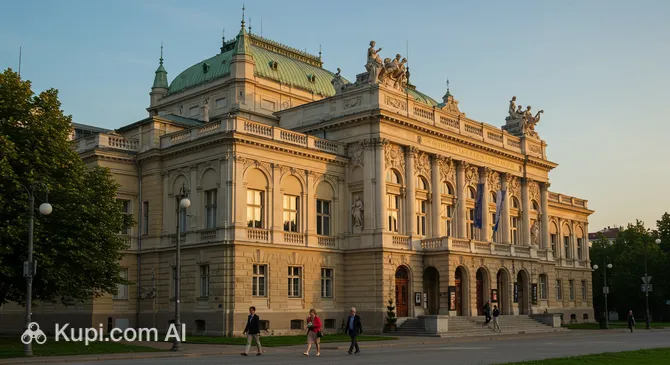
Beyond the bars and clubs, Zagreb offers sophisticated cultural entertainment. A night at the Croatian National Theatre in Zagreb is a must for lovers of opera, ballet, and drama. The building itself is a neo-baroque jewel, painted in a distinctive yellow, and serves as a cultural landmark. During the day, the city remains active with various cinemas, galleries, and events at Arena Zagreb, which hosts major international concerts and sports competitions.
Croatian National Theatre in Zagreb. Illustration.
Source: Kupi.com AI
Traveler photos:
Practicalities for a night out in Zagreb are straightforward. Most bars in the center stay open until 2:00 AM on weekends, while clubs can go until 4:00 AM or later. The dress code is generally casual and relaxed; you will rarely face strict entry requirements unless visiting a very upscale club. Prices are reasonable compared to Western European capitals, with a pint of beer typically costing between €3 and €5.
Safety is one of Zagreb's strong suits. The city is well-lit and feels secure for night walks, even in the early hours. Getting home is easy: the city's night trams run once an hour on main routes, but ride-hailing apps like Uber and Bolt are very popular, affordable, and usually the most convenient option for tourists. Whether you are bar-hopping in the Upper Town or catching a concert, Zagreb’s nightlife is accessible and fun.
Parks & Museums
Zagreb is often celebrated as a city of greenery and culture, boasting a remarkable number of museums per capita and a layout that seamlessly integrates nature into urban life. From the historic "Green Horseshoe" of parks in the Lower Town to the modern avenues of New Zagreb, visitors will find plenty of opportunities to relax in nature or dive deep into the region's artistic and historical heritage.
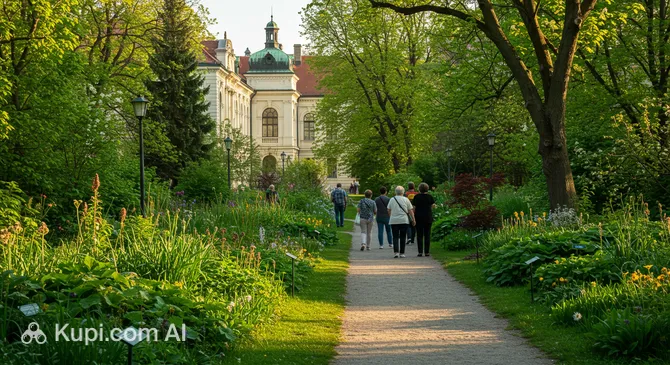
One of the most enchanting green spaces in the city center is the Botanical Garden of the Faculty of Science, University of Zagreb. Founded in 1889, this peaceful oasis offers a quiet retreat from the busy streets, housing thousands of plant species, an arboretum, and picturesque ponds. It is a perfect spot for a leisurely walk, allowing tourists to admire exotic vegetation and English-style landscaping just minutes away from the main train station.
Botanical Garden of the Faculty of Science, University of Zagreb. Illustration.
Source: Kupi.com AI
Traveler photos:
For a more recreational experience, locals flock to Bundek Park, located south of the Sava River. This spacious park features two lakes: a larger one suitable for swimming during the summer and a smaller one dedicated to wildlife. With its well-maintained walking paths, barbecue areas, and frequent open-air festivals, Bundek is a favorite destination for families and anyone looking to enjoy the outdoors in a modern setting.
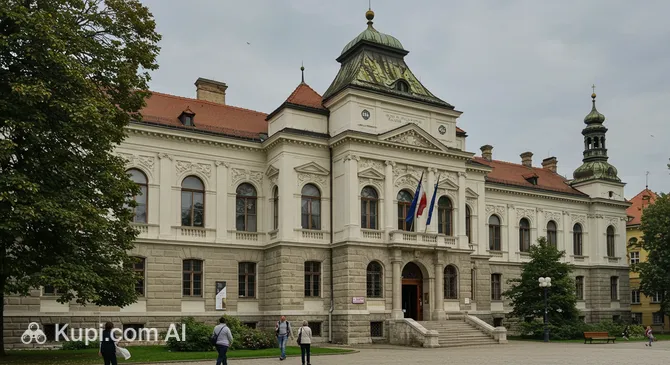
When it comes to culture, the Zagreb City Museum is an essential stop for understanding the capital's evolution. Located in the Upper Town within a restored 17th-century convent, the museum chronicles the city's history from prehistoric times to the present day. Its exhibits include scale models, maps, and artifacts that vividly tell the story of Zagreb’s political, architectural, and everyday life.
Zagreb City Museum. Illustration.
Source: Kupi.com AI
Traveler photos:
Art enthusiasts should not miss the Museum of Contemporary Art (MSU), situated in New Zagreb. The building itself is a landmark of modern architecture, featuring a dynamic LED facade. Inside, visitors can explore a vast collection of Croatian and international modern art. A unique feature of the museum is the "Double Slide," an interactive art installation that allows visitors to slide down from the upper floors, adding a touch of fun to the cultural experience.
For a blend of history and art, the Klovićevi Dvori Gallery is housed in a former Jesuit monastery in the Upper Town. It hosts some of the most significant traveling exhibitions and art retrospectives in the region. Nearby, science lovers will appreciate the Nikola Tesla Technical Museum, which features vintage aircraft, cars, and a demonstration cabinet dedicated to the inventions of Nikola Tesla.
If you are exploring with children or simply love animals, the Zagreb Zoo is located within the expansive Maksimir Park. It is one of the oldest zoos in Southeast Europe and focuses heavily on education and conservation. For a more alternative cultural experience, check out Lauba, a historic Austro-Hungarian riding arena transformed into a contemporary art house that serves as a vibrant meeting place for creative minds.
Getting Around
Navigating Zagreb is remarkably easy and efficient, thanks to a well-organized public transport network managed by ZET (Zagrebački električni tramvaj). The backbone of the city's transit system is its extensive tram network, which has been operating since 1891. The iconic blue trams wind through the city center and extend to the suburbs, providing the most convenient way to reach major sights, museums, and neighborhoods. While Zagreb does not have a metro system, the trams run frequently and cover the city so comprehensively that a subway is rarely missed. For destinations further afield or across the Sava River in New Zagreb, a reliable fleet of buses complements the tram lines.
A unique highlight of Zagreb's transport is the historic Funicular (Uspinjača), which connects the main street in the Lower Town (Ilica) with the Upper Town (Gornji Grad). With a track length of just 66 meters, it holds the title of the shortest public transport funicular in the world. The ride takes less than a minute, but it is a charming and nostalgic experience that saves you a steep uphill walk. It runs every 10 minutes and is fully integrated into the city's ticketing system, making it a must-try for any visitor.
The payment system is designed to be user-friendly, with options to suit different travel needs. The most economical choice for tourists is the prepaid paper ticket, which can be purchased for different time durations—typically 30, 60, or 90 minutes. The 30-minute ticket is usually sufficient for trips within the city center and is very affordable. You can buy these tickets at "Tisak" newsstands, which are found on nearly every street corner, or at ZET sales points. While you can purchase tickets from the driver, be aware that they are significantly more expensive and you must have the exact change.
Once you board a tram or bus, it is essential to validate your paper ticket immediately in the yellow or orange machines located near the doors. Failure to validate can result in a fine if inspectors check your ticket. For a more modern approach, you can download the official ZET mobile app, which allows you to purchase digital tickets directly on your phone using a credit card. If you plan to visit many museums, consider the Zagreb Card, which offers unlimited free public transport along with free entry to several top attractions.
Public transport operates from early morning until midnight, after which special night trams and buses take over. These night lines run on a reduced schedule, typically once every hour, and cover major routes to ensure you can get home safely after a night out. Alternatively, taxis are widely available and reasonably priced compared to many other European capitals. Ridesharing apps like Uber and Bolt are extremely popular, reliable, and offer transparent pricing, making them a stress-free alternative for late-night travel or trips to the airport.
For those who prefer active travel, Zagreb is becoming increasingly bike-friendly, with dedicated lanes appearing on many sidewalks. Public bike-sharing schemes like Nextbike allow you to rent a bicycle from various stations across the city for a small fee. However, the city center is quite compact and largely pedestrianized, so you will likely find that walking is often the most pleasant way to explore the historic streets and soak up the local atmosphere.
Accommodation
Accommodation in Zagreb caters to a broad spectrum of travelers, ranging from budget-friendly hostels and cozy guesthouses to upscale international hotel chains and historic luxury establishments. In recent years, there has also been a significant rise in private apartment rentals, which are a popular choice for families and those seeking a more home-like experience. Whether you are a backpacker looking for a social atmosphere or a luxury traveler seeking comfort, the city offers a wide variety of lodging options to fit every budget.
The most convenient area for tourists to stay is the Lower Town (Donji Grad). This vibrant district places you within walking distance of the main square, major museums, and the bustling Tkalčićeva Street. Staying here means you are never far from the city's blue trams and the lively cafe culture that defines the capital. For a quieter, more romantic atmosphere, some visitors prefer the historic Upper Town (Gornji Grad), though accommodation options there are more limited. The area around the Main Railway Station is also a strategic choice for those planning day trips or early departures, offering excellent connectivity.
When it comes to legendary hospitality, the Esplanade Zagreb Hotel stands out as the city's most iconic establishment. Originally built in 1925 to accommodate passengers of the famous Orient Express, this architectural gem offers a glimpse into the glamour of the Art Deco era and remains a symbol of high-class accommodation in the capital. While there are many modern hotels and business-oriented chains available throughout the city, few can match the historical significance and old-world elegance of this landmark.
Regarding costs and booking, prices in Zagreb are generally reasonable compared to many Western European capitals. Budget travelers can typically find hostel beds or simple rooms at very affordable rates, while mid-range hotels usually offer excellent value for money. However, it is highly recommended to book your accommodation well in advance, especially if you plan to visit during the peak summer season or the incredibly popular Advent in Zagreb festival in December, when the city is packed with visitors and the best spots fill up quickly.
Nearby Cities
For those looking to explore the surroundings, Zagreb serves as an excellent base for day trips to several interesting nearby locations:
One of the most charming destinations is Varaždin, often called "Little Vienna" due to its exceptional Baroque architecture. Located to the north, this former capital of Croatia features a preserved historic core, a fairytale-like castle, and a vibrant arts scene, making it perfect for a cultural getaway. Alternatively, nature lovers and history buffs will appreciate Karlovac. Known as the "City on Four Rivers," it was built in a unique star-shaped fortress design and offers lush parks, river activities, and the fascinating Aquatika freshwater aquarium.
City
Population
Distance
Sesvete
70 009
10 km
Velika Gorica
63 517
13 km
Zapresic
25 223
15 km
Dugo Selo
17 466
20 km
Samobor
15 147
21 km
These nearby destinations offer a glimpse into the diverse culture and landscapes of the region.
Shopping & Souvenirs
Shopping:
Shopping in Zagreb offers a delightful mix of contemporary international fashion, unique local design, and traditional craftsmanship. The city provides a relaxed retail experience where modern shopping centers coexist with charming boutique-lined streets. Whether you are looking for high-end brands, authentic Croatian souvenirs, or fresh local produce, the capital has plenty to offer without the overwhelming crowds found in larger European fashion hubs.
The heart of the city's shopping scene is undoubtedly Ilica Street, one of the longest and most famous streets in Zagreb. Stretching from the main square, it is home to a wide array of high-street fashion brands, shoe stores, and department stores. For a more artisanal experience, wander through Radićeva Street and Tkalčićeva Street, where you can find smaller boutiques, jewelry shops, and galleries showcasing the work of local designers and craftsmen.
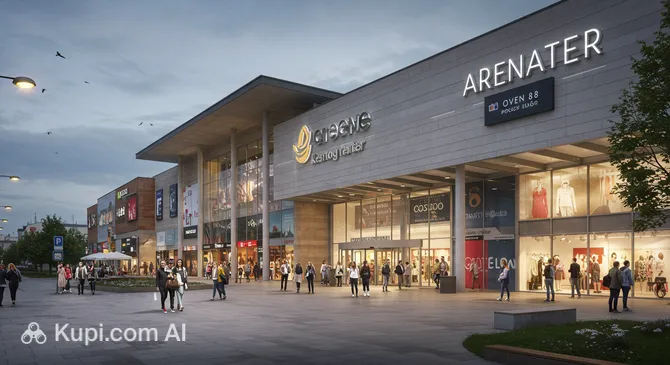
If you prefer having everything under one roof, Zagreb boasts several modern shopping malls located just outside the immediate center. The most popular destination is the Arena Center, situated in the southwest part of the city. It houses over 200 stores, a cinema, and numerous cafes, making it a perfect spot for a full day of retail therapy and entertainment.
Arena Center. Illustration.
Source: Kupi.com AI
Traveler photos:
Another excellent option is City Center One East, located in the eastern part of Zagreb. It offers a wide selection of international clothing brands, electronics, and home goods. For those staying closer to the center, the Importanne Galleria provides a smaller but convenient selection of shops and services right in the urban core.
No shopping trip to Zagreb is complete without visiting its vibrant markets. The most famous is Dolac Market, located just above the main square. While primarily a food market known for its fresh produce and red parasols, the upper level also features vendors selling traditional wooden toys, wicker baskets, and lace. On Sundays, antique lovers should head to Britanski trg (British Square), which transforms into a bustling flea market filled with vintage treasures, books, and collectibles.
When searching for the perfect keepsake, look for items that tell a story about Croatian heritage. The Licitar heart, a bright red decorated gingerbread heart, is the most iconic symbol of Zagreb and makes for a beautiful ornament. Since the necktie was invented in Croatia, buying a high-quality silk cravat is a classic choice. Other popular souvenirs include fountain pens (invented by local engineer Slavoljub Penkala), lavender products, and handcrafted ceramics.
Most shopping malls are open daily from 9:00 AM to 9:00 PM. However, it is important to note that recent regulations have limited Sunday working hours for many businesses. While malls often remain open, many smaller shops and supermarkets in the city center may be closed on Sundays, so it is wise to check ahead. Major credit cards are widely accepted everywhere, but you will need cash (Euros) for open-air markets and smaller souvenir stalls.
For visitors residing outside the European Union, a Value Added Tax (VAT) refund is available for purchases exceeding a certain amount in a single store. Look for the "Tax Free" signage in shop windows and ask the staff for a refund form upon purchase. You will need to present your passport and the goods to customs officials when leaving the EU to claim your refund.