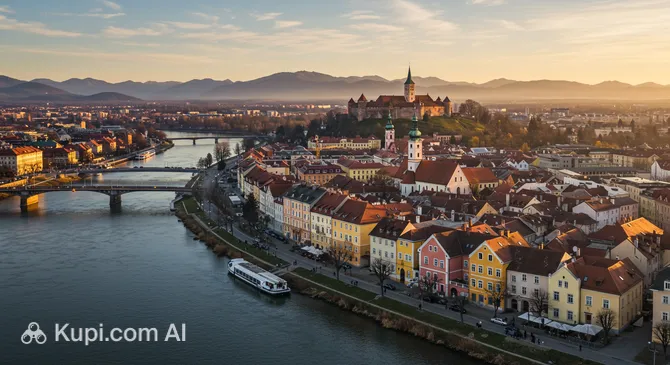
Welcome to Maribor, a captivating destination that perfectly blends urban energy with natural beauty. As the second-largest city in Slovenia, it serves as the vibrant cultural and economic center of the Podravska region. Situated along the banks of the Drava River and embraced by lush wine-growing hills and the majestic Pohorje mountain range, the city offers a picturesque setting that delights visitors year-round.
Maribor. Illustration.
Source: Kupi.com AI
With a population of approximately 97,000 residents, the city maintains a friendly and intimate atmosphere despite its size. Walking through its charming streets allows travelers to uncover the fascinating history of Maribor, where medieval heritage coexists harmoniously with modern life. The city is renowned for its relaxed pace, making it an ideal spot for those looking to unwind while discovering authentic local traditions.
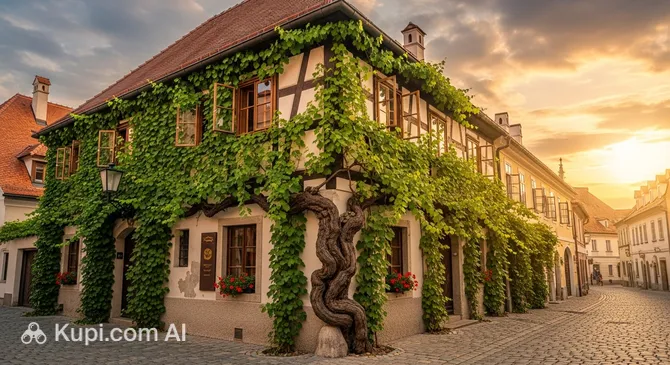
One of the city's most unique features is the Old Vine, officially recognized as the oldest noble vine in the world, which still bears grapes in the historic Lent district. Visitors are also drawn to the bustling Main Square (Glavni trg) and the opportunities for outdoor adventure on the nearby Pohorje massif, a hub for hiking in summer and skiing in winter. Whether you are a wine connoisseur or an nature lover, Maribor invites you to experience its warm hospitality and diverse attractions.
Weather Overview
The climate in this region is continental, offering distinct seasonal changes that shape the city's atmosphere throughout the year. When planning your visit, it is helpful to check the weather in Maribor to pack appropriately for the conditions. Generally, you can expect warm summers with occasional rain and cold, relatively dry winters.
Summer is a popular time for visitors, with July and August bringing pleasant warmth. Average temperatures during this period hover around 21°C, with daytime highs often reaching 26.2°C. However, rain is a common companion during the warmer months, with roughly 15 to 16 wet days per month, so keeping rain gear handy is advisable.
Winters transform the city with crisp, cold air, which is ideal for those interested in winter sports on the nearby Pohorje mountains. January is typically the coldest month, with average temperatures of 1.3°C and lows dipping to -2.3°C. While the volume of precipitation is lower in winter, the days can still be damp.
Spring and autumn provide mild transitions, though they can be quite variable. May is notably active in terms of rainfall frequency, featuring about 19 wet days despite comfortable average temperatures of 14.0°C. Meanwhile, September offers a pleasant balance with an average temperature of 15.9°C and fewer rainy days.
Average monthly temperature
Average monthly precipitation
Interesting Facts
Beyond the main attractions, Maribor holds many fascinating secrets that surprise even seasoned travelers. From underground mysteries to record-breaking natural wonders, the city's history is woven with unique stories that go far beyond the surface.
The city is home to the World's Oldest Grapevine, a botanical miracle that has been growing for over 400 years. Verified by Guinness World Records, this resilient plant survived Ottoman invasions, fires, and bombings, and it still produces enough "Žametovka" grapes to create a limited batch of exclusive wine annually.
Beneath the city center lies a hidden world known as the Vinag Wine Cellars. Spanning approximately 2.5 kilometers, this underground labyrinth is one of the largest classic wine cellars in Europe, storing vast quantities of wine in tunnels that run directly under the busy streets.
Maribor was a pioneer of modernization in the region. In 1883, the very first electric light bulb in Slovenia was lit here at Grajski trg, marking a technological milestone long before electricity became commonplace in many larger European capitals.
The historic Lent District was once a bustling river port for timber transport. For centuries, rafters known as "flosarji" navigated the Drava River to transport wood all the way to the Black Sea, a tradition that shaped the city's economic past and is still celebrated in local folklore.
World's Oldest Grapevine. Illustration.
Source: Kupi.com AI
Traveler photos:
How to Get There
Reaching this charming Slovenian city is quite convenient due to its central location in Europe, with several transport hubs situated within a reasonable driving distance. Whether you are arriving by air or rail, you have multiple options to choose from. You can find detailed information and all ways to reach the city on our dedicated page.
While the city has its own smaller facility, many international travelers find it easier to fly into Graz Airport (GRZ) in Austria, which is the closest major option at about 51 km from Maribor. The transfer typically takes under an hour by car. Another popular entry point is Ljubljana Jože Pučnik Airport (LJU), located in the Slovenian capital roughly 98.5 km away. Additionally, Zagreb International Airport (ZAG) in Croatia is situated approximately 96 km away, offering numerous international connections.
For clarity, here is a summary of the main airports:
Traveling by train is a scenic and comfortable way to arrive, as Maribor is well-integrated into the Central European railway network with its own station receiving direct lines from cities like Vienna and Graz. If you are traveling from further away, you might transit through larger regional hubs. The Ljubljana Railway Station in the capital is a key junction approximately 103 km away. From there, we recommend taking a connecting train directly to Maribor, a journey that takes about 2 to 2.5 hours and offers lovely views of the countryside. Alternatively, Klagenfurt Hauptbahnhof in Austria is around 102 km away and serves as a convenient gateway for those arriving from the north.
Below is a list of significant railway stations in the wider region:
Maribor is a city where history and culture are woven into the very streets, offering visitors a delightful mix of architectural gems and unique experiences. Walking through the center, you will encounter landmarks that testify to the city's rich past as a vital trade and cultural hub. Here are some of the key sights you should not miss during your visit.
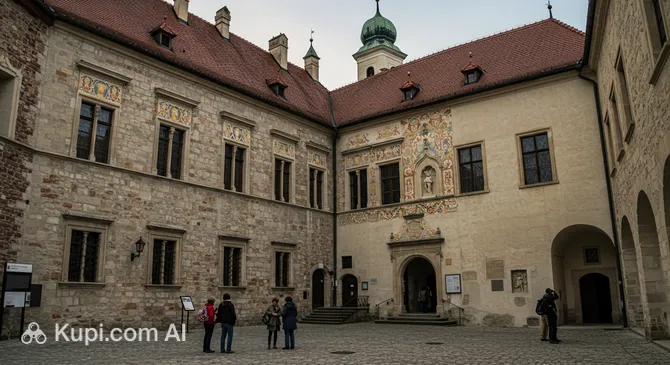
Dominating the city center is the impressive Maribor Castle, a Baroque mansion that stands as a testament to the city's aristocratic history. Unlike a typical hilltop fortress, this castle is located right in the bustling heart of town. It houses the Regional Museum of Maribor, making it a fascinating stop for those interested in local heritage. Visitors are particularly drawn to the Festive Hall with its stunning ceiling paintings and the extensive collections of fashion, weaponry, and art that offer a glimpse into life in centuries past.
Maribor Castle. Illustration.
Source: Kupi.com AI
Traveler photos:
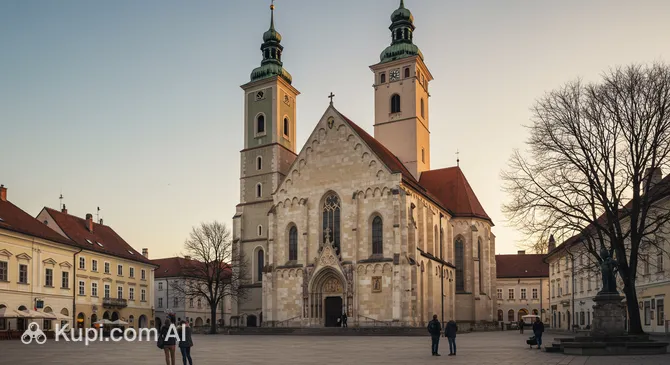
Another spiritual and architectural landmark is the Maribor Cathedral (St. John the Baptist). Located in the oldest part of the city, this cathedral features a mix of Romanesque, Gothic, and Baroque elements. It is especially interesting to tourists for its bell tower, which once served as a fire watchtower. Today, you can climb the tower to enjoy a small museum exhibition about the fire watchmen and take in breathtaking panoramic views of the city and the surrounding hills.
Maribor Cathedral (St. John the Baptist). Illustration.
Source: Kupi.com AI
Traveler photos:
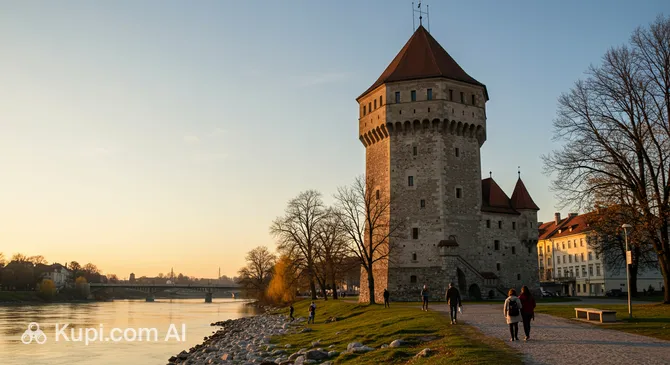
For a unique blend of history and wine culture, the Water Tower is an essential stop. Situated along the banks of the Drava River, this late-Renaissance fortification was originally built to defend the city against invasions. Today, it has been beautifully transformed into a modern wine shop (vinoteka). It is a favorite spot for travelers to relax and sample excellent local wines while soaking in the historic ambiance of the stone walls and the riverside views.
Water Tower. Illustration.
Source: Kupi.com AI
Traveler photos:
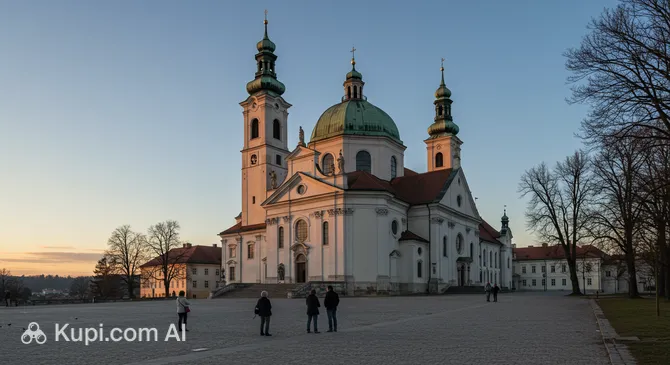
Just a short walk from the main square, you will find the striking Basilica of Our Mother of Mercy. Easily recognizable by its red brick façade and two powerful bell towers, this Franciscan church is one of the finest examples of 19th-century religious architecture in Slovenia. Visitors appreciate the peaceful atmosphere of the interior, which is adorned with beautiful stained glass windows and a revered main altar, offering a moment of tranquility amidst the city tour.
Basilica of Our Mother of Mercy. Illustration.
Source: Kupi.com AI
Traveler photos:
Local Cuisine
The culinary scene in Maribor is a delightful reflection of the broader Styrian region, characterized by hearty flavors, fresh local ingredients, and a deep respect for tradition. At the heart of many dishes is the region's "green gold"—pumpkin seed oil. This nutty, aromatic oil is a staple on every table, most commonly drizzled over salads, but adventurous foodies should also try it poured over vanilla ice cream for a surprisingly delicious dessert.
When exploring local menus, there are a few signature dishes you simply must try. A classic starter or light meal is the Styrian Sour Soup (Štajerska kisla juha), a rich broth typically made with pork and potatoes, seasoned with marjoram and sour cream, traditionally enjoyed after a long night of celebration. For a main course, Styrian fried chicken is a beloved Sunday staple, known for its crispy, golden crust. However, the undisputed queen of local desserts is the Pohorje Omelette (Pohorska omleta), a fluffy biscuit dough filled with cranberries and topped with whipped cream, representing the snowy peaks of the nearby mountains.
As Maribor is surrounded by vineyards, the local drinking culture is inextricably linked to wine. The region is famous for its excellent white wines, particularly Laški Rizling, Sauvignon, and Yellow Muscat. A very popular way to enjoy wine here, especially on warm days, is a Špricer—a refreshing mix of wine and sparkling mineral water. For those who prefer non-alcoholic options, locally produced apple juice from the surrounding orchards is widely available and exceptionally fresh.
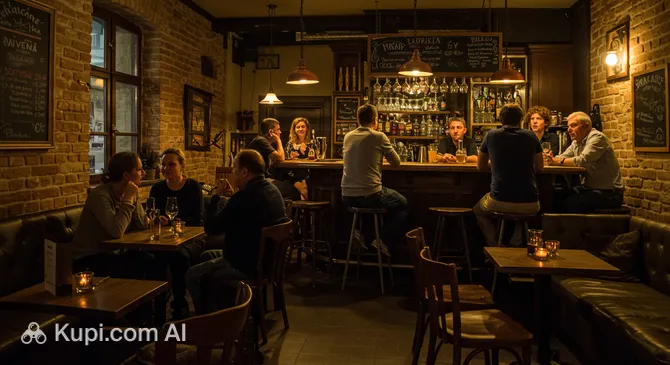
The dining atmosphere in the city ranges from traditional inns, known as gostilnas, to vibrant riverside establishments. The historic riverfront area is a favorite spot for both locals and tourists to relax by the Drava River. Here, you can find popular venues like Mačka, a trendy bar and café that offers a perfect setting to enjoy a drink while soaking in the views of the Old Bridge and the riverbanks. Whether you are looking for a quick street food bite at the central market or a leisurely dinner, Maribor's hospitality ensures you won't leave hungry.
Mačka. Illustration.
Source: Kupi.com AI
Traveler photos:
For a more modern take on dining, the city has seen a rise in contemporary spots that blend international trends with local quality. Places like the Jack & Joe Steak and Burger Club have become popular gathering points for those craving high-quality meats and burgers in a lively atmosphere. This mix of old-world charm and modern energy makes Maribor a true gastronomic destination.
Travel Tips
To ensure your visit to Maribor is as relaxing and enjoyable as the city itself, we have compiled a set of practical guidelines to help you navigate local customs and logistics. These essential tips will help you blend in with the locals and make the most of your time in the Styrian capital.
Clothing and Gear: Maribor experiences distinct seasons, so checking the forecast is essential. In summer, light clothing is suitable, but always carry a light jacket for cooler evenings near the river. Winters can be quite cold, requiring warm coats, gloves, and boots. Since the historic center features cobblestone streets, bring comfortable walking shoes. There are no strict dress codes for general sightseeing, but modest attire covering shoulders and knees is respectful when entering churches like the Cathedral.
Transportation: The city center is compact and pedestrian-friendly, making walking the best way to explore. For longer distances, the local bus network (Marprom) is efficient and affordable; tickets can be bought on the bus or at newsstands. Taxis are reliable, and ride-hailing apps are available. You likely won't need a car within the city, but renting one is highly recommended if you plan to explore the surrounding vineyards or the Pohorje hills.
Finances: The official currency is the Euro (€). Credit and debit cards are widely accepted in hotels, restaurants, and larger shops. However, it is wise to carry some cash for small purchases at the central market, souvenir stalls, or smaller cafés. ATMs are plentiful throughout the city. Tipping is not mandatory but is appreciated; rounding up the bill or leaving about 10% for good service is standard practice.
Health and Safety: Maribor is considered a very safe city for tourists. Pharmacies, known as Lekarna, are easy to find and are marked with a green cross; check for the designated 24-hour duty pharmacy if needed at night. Tap water in Maribor is not only safe to drink but is of excellent quality, so you can refill your water bottle at public fountains.
Communication: The official language is Slovenian. However, English is widely spoken, especially by younger generations and in the tourism sector. German is also frequently understood due to the region's history and proximity to the Austrian border. Buying a local SIM card is easy at gas stations or kiosks (Trafika). Useful phrases include "Dober dan" (Good day) and "Hvala" (Thank you).
Local Etiquette: Slovenians are generally polite and somewhat reserved initially. A handshake is the standard greeting. When entering a shop or café, it is polite to greet the staff. If you are invited to a local's home, it is customary to remove your shoes at the door unless told otherwise. Punctuality is valued, so try to be on time for appointments or tours.
What to Avoid: Be careful not to walk on designated bicycle paths. Cycling is very popular in Maribor, and locals move quickly; walking in their lane can be dangerous and is frowned upon. Also, avoid discussing sensitive political topics or confusing Slovenia with Slovakia, as locals take pride in their distinct national identity.
Shopping Hours: Keep in mind that most shops and grocery stores are closed on Sundays and public holidays. Plan your shopping for Saturday, as only a few small gas station shops or bakeries may be open on Sunday. Museums and restaurants, however, usually remain open.
Armed with these practical insights, you are ready to explore the charming streets and vineyards of Maribor with confidence. We hope these tips help you experience the genuine warmth and hospitality of this beautiful Slovenian gem without any hassle.
Entertainment & Nightlife
As a university city, Maribor boasts a vibrant and youthful energy that comes alive after the sun sets. The nightlife here is characterized by a relaxed yet lively atmosphere, where the focus is more on socializing in bustling bars and open-air venues than on exclusive, high-end nightclubs. The city center is compact, allowing visitors to easily hop from one venue to another on foot, discovering hidden courtyards and lively streets along the way.
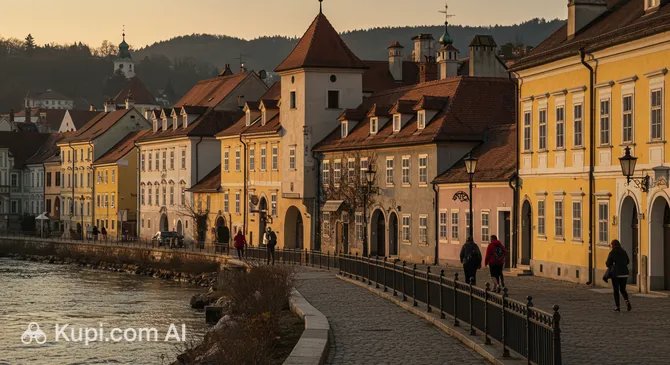
The heart of the evening action is undoubtedly Poštna ulica. This pedestrian street, lined with cafes and bars, transforms into a buzzing social hub at night. Locals and students gather here to enjoy music, cocktails, and local wines under the streetlights. Another major hotspot is the historic Lent District along the Drava River. In the summer, this area hosts the famous Lent Festival, turning the riverbanks into a massive open-air stage, but even outside the festival season, it remains a favorite place for evening drinks with a view.
Lent District. Illustration.
Source: Kupi.com AI
Traveler photos:
For a unique blend of culture and entertainment, you should visit the Vetrinjski Mansion. This beautifully renovated historical building often hosts concerts, exhibitions, and events in its charming courtyard, offering a more sophisticated alternative to the rowdier student bars. If you prefer a riverside setting, the popular Mačka bar offers a trendy spot to sip cocktails while overlooking the water.
Vetrinjski Mansion. Illustration.
Source: Kupi.com AI
Traveler photos:
The nightlife scene in Maribor is generally casual, so there is rarely a need for a strict dress code; smart-casual attire fits in perfectly almost anywhere. Prices are quite affordable compared to Western European capitals, with a beer or glass of wine typically costing between 3 and 5 euros. The city is very safe for night walks, even in the late hours. While the center is walkable, reliable taxi services like Cammeo are available if you need a ride back to your accommodation.
While the nights are for socializing, the city offers plenty of excitement during the day as well. Shopaholics can explore Europark Maribor, one of the largest shopping centers in the region, located just across the river. For those seeking active fun, the Betnava Adventure Park provides thrilling climbing courses in the treetops, or you can satisfy your need for speed at the Karting Center Maribor.
Parks & Museums
Maribor is a destination where urban life seamlessly intertwines with nature and culture, offering visitors a refreshing mix of verdant retreats and intellectual stimulation. The city is proud of its extensive green surfaces, which act as the lungs of the town, while its galleries and monuments preserve the rich artistic and historical legacy of the Styrian region.
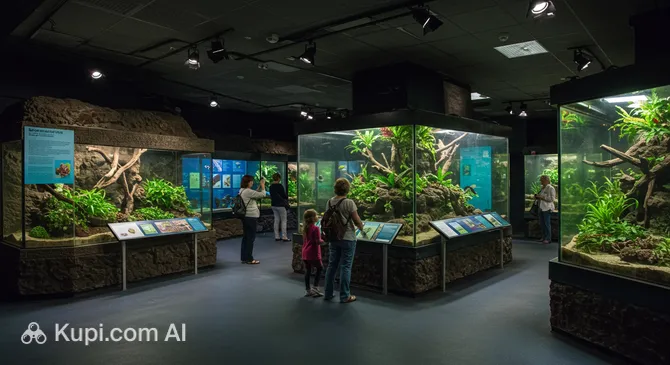
One of the most popular green spaces is the City Park (Mestni park), a beautifully landscaped area that serves as a favorite promenade for locals. It features three picturesque ponds and wide avenues lined with century-old trees, making it perfect for a leisurely afternoon stroll. Within the park, families and nature enthusiasts will find the Maribor Aquarium-Terrarium. This facility is a hidden gem containing a diverse collection of freshwater and marine life, as well as exotic reptiles and amphibians, providing an educational experience in a lush setting.
Maribor Aquarium-Terrarium. Illustration.
Source: Kupi.com AI
Traveler photos:
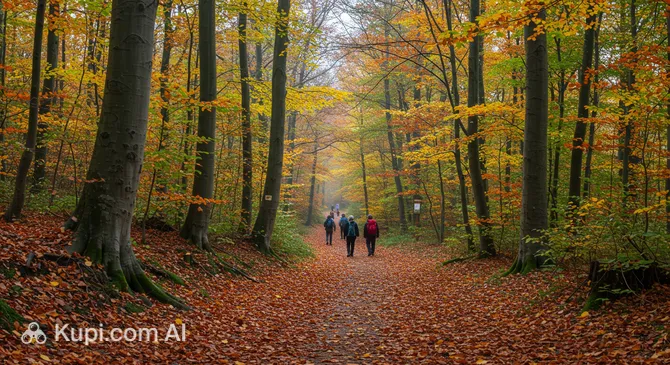
For those seeking a more untamed natural environment without leaving the city limits, the Stražun Forest is an exceptional choice. This protected natural monument is a remnant of the ancient forests that once covered the Drava plain. It offers a network of walking and running paths where visitors can escape the city noise and enjoy the tranquility of dense greenery, diverse birdlife, and the fresh forest air.
Stražun Forest. Illustration.
Source: Kupi.com AI
Traveler photos:
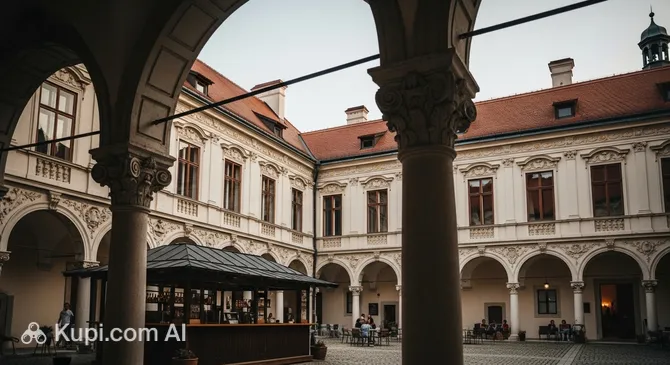
Culturally, the city offers several compelling institutions beyond the castle walls. The Maribor Art Gallery (Umetnostna galerija Maribor - UGM) is one of Slovenia's leading museums for modern and contemporary art. It houses a vast collection of works by Slovenian artists from the late 19th century to the present day, offering deep insight into the nation's creative evolution. Another significant venue is the National Liberation Museum Maribor, located in a bourgeois villa, which focuses on the turbulent history of the 20th century and the local struggle for independence.
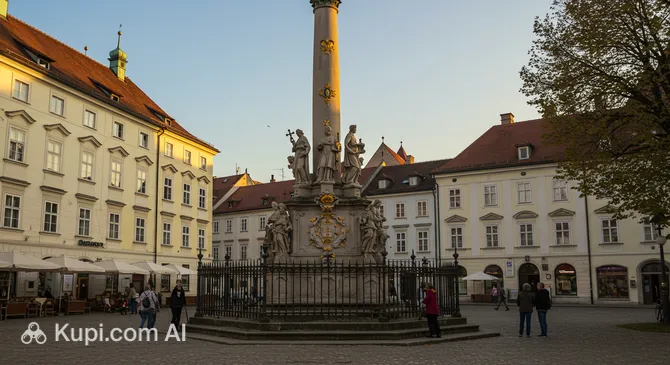
Walking through the historic center, you will encounter monuments that tell stories of gratitude and memory. Standing prominently in the Main Square is the Plague Column, a spectacular Baroque monument erected in the 17th century. It was built by the citizens as a vow of gratitude for the end of a devastating plague epidemic and remains one of the most photographed landmarks in the city due to its intricate white marble statues.
Plague Column. Illustration.
Source: Kupi.com AI
Traveler photos:
Literary enthusiasts might appreciate the Josip Jurčič Monument, dedicated to one of the most important Slovenian writers and journalists. These statues and memorials scattered throughout the city provide context to the cultural identity of the Slovenian people and serve as reminders of the figures who shaped the nation's language and history.
For a truly authentic local experience, take a short hike up to Piramida Hill, located just north of the City Park. A gentle path winds through working vineyards to the summit, where the ruins of the original upper castle once stood. The reward is a stunning panoramic view of Maribor and the Drava River, a spot where locals often go to watch the sunset and enjoy the connection between the city and its wine-growing heritage.
Getting Around
Public transport in Maribor is designed to be efficient and user-friendly, relying primarily on a comprehensive network of city buses operated by the company Marprom. While the city center is compact and largely pedestrianized, the bus system is essential for reaching the outer neighborhoods, the shopping district of Europark, and the recreational areas at the foot of the mountains. There is no metro or tram system, but the buses are modern, frequent, and cover all key areas of interest for visitors.
For payment, the system offers flexibility, though planning ahead saves money. The most convenient option for tourists is to purchase tickets in advance at newsstands (look for signs saying "Trafika"), the main bus station, or the Tourist Information Center. You can buy a single-ride ticket or top up a prepaid card for multiple journeys. It is possible to buy a ticket directly from the driver using cash, but be aware that this is significantly more expensive than the pre-sale price. Upon boarding, you must validate your ticket or tap your card at the reader located near the driver.
A unique feature of the local transport infrastructure is the Pohorje Cable Car (Pohorska vzpenjača). This gondola lift serves as a vital link between the city and the Mariborsko Pohorje massif, a hub for skiing in winter and hiking in summer. The lower station is easily accessible via city bus line 6. The ride offers breathtaking panoramic views of the Drava valley and is an experience in itself, operating year-round on a regular schedule.
Cycling is an increasingly popular alternative to motorized transport, thanks to the city's relatively flat terrain and expanding network of bike lanes. Maribor features a convenient bike-sharing system known as Mbajk. Visitors can register via a mobile app to access bicycles at numerous stations across the city. The first hour of each rental is typically free, making it an excellent and budget-friendly choice for short trips between attractions.
For a more relaxed sightseeing experience, especially for families, the tourist train Jurček is a delightful option. It winds through the historic city center and the Lent district, allowing you to see the sights without the fatigue of walking. Taxis are also readily available and reliable; you can hail them at designated stands or book them via phone and mobile apps. They are a practical choice for late-night travel when bus services are less frequent.
Accommodation
Finding the perfect place to stay in Maribor is relatively easy, as the city offers a diverse range of accommodation options to suit every budget and travel style. From modern hotels and cozy family-run guesthouses to budget-friendly hostels and private apartments, visitors can choose the setting that best fits their itinerary. The hospitality here is warm and personal, often reflecting the relaxed pace of life in the Styrian capital.
City Center and Riverfront: For travelers who want to be in the heart of the action, staying in the city center or along the banks of the Drava River is the best choice. This area places you within walking distance of major historical sights, museums, and the lively cafe culture. The riverside area, particularly around the historic district, is especially charming, offering scenic views and easy access to evening entertainment. Staying here means you can easily explore the pedestrian zones without the need for public transport.
Pohorje Foothills: If your visit is focused on nature, skiing, or wellness, consider looking for accommodation in the Radvanje district or directly at the foot of the Pohorje massif. This area is connected to the center by a short bus ride but feels like a different world, surrounded by forests and ski slopes. It is an ideal location for outdoor enthusiasts who want to be close to the cable car and hiking trails while still having easy access to the city's amenities.
Tourist Farms and Vineyards: For a truly authentic local experience, many visitors opt to stay at one of the "tourist farms" located in the wine-growing hills surrounding the city. These rural accommodations often offer comfortable rooms in a peaceful setting, complete with homemade breakfasts and local wine tastings. It is a fantastic way to immerse yourself in the region's agricultural heritage and enjoy the stunning countryside views.
Booking and Prices: Accommodation prices in Maribor are generally more affordable than in neighboring Austria or Slovenia's capital, Ljubljana. Options range from budget hostels catering to students and backpackers to mid-range hotels and a few higher-end establishments. While it is usually possible to find a room on short notice, it is highly recommended to book in advance if you are visiting during major events like the Golden Fox ski competition in winter or the Lent Festival in summer, as the city fills up quickly. Most properties can be easily booked via major online platforms or directly through their websites.
Nearby Cities
For those looking to explore the surroundings, Maribor serves as an excellent base for day trips to several interesting nearby locations.
Just a short drive south lies Slovenska Bistrica, one of the oldest towns in Slovenia. It is a delightful destination for history lovers, best known for the magnificent Bistrica Castle (Grad Slovenska Bistrica), which features a beautiful park and hosts various cultural exhibitions. To the west, the town of Ruše sits nestled between the Drava River and the Pohorje mountains. It is a fantastic spot for outdoor enthusiasts, offering easy access to hiking trails, cycling paths, and the serene natural beauty of the river valley.
City
Population
Distance
Spodnje Hoce
2 109
6 km
Miklavz na Dravskem Polju
3 808
6 km
Zgornja Kungota
1 594
10 km
Spodnji Duplek
1 689
10 km
Rače
2 693
11 km
These nearby destinations offer a glimpse into the diverse culture and landscapes of the region.
Shopping & Souvenirs
Shopping in Maribor offers a delightful mix of modern convenience and traditional charm. The city center is compact and pedestrian-friendly, making it easy to browse through boutique stores, art galleries, and souvenir shops while admiring the historic architecture. Whether you are looking for the latest international fashion trends or unique local handicrafts, the city provides a relaxed atmosphere where you can shop at your own pace.
The main shopping artery in the historic center is Gosposka ulica, a pedestrian street lined with varied shops ranging from clothing and footwear to bookstores and jewelry. Connecting to it is Slovenska ulica, another bustling thoroughfare where you can find banks, pharmacies, and department stores. Walking through these streets gives you a sense of the local lifestyle, with plenty of cafes nearby to take a break.
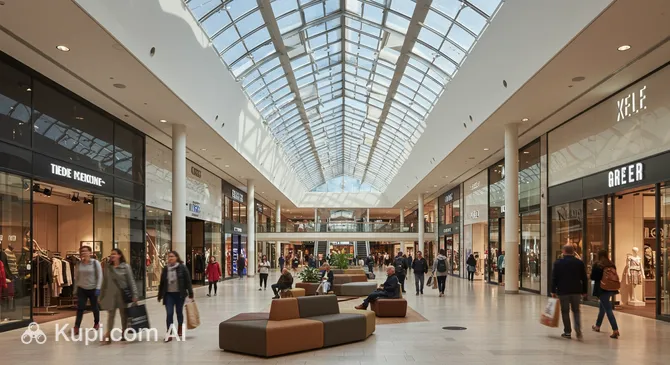
For those who prefer having everything under one roof, the city boasts several excellent shopping centers. The most popular destination is Europark Maribor, located just across the Drava River from the old town. It is one of the largest shopping malls in Slovenia, housing over 120 shops, restaurants, and cafes with international brands. Another notable option is Qlandia Maribor, situated on the outskirts, which offers a wide selection of family-friendly stores and a large supermarket.
Europark Maribor. Illustration.
Source: Kupi.com AI
Traveler photos:
To experience the authentic flavors of the region, a visit to the Maribor Central Market on Vodnikov trg is essential. This vibrant open-air market is the heart of the city's food scene, where local farmers sell fresh seasonal vegetables, fruits, and homemade products. It is the perfect place to buy "green gold"—the famous Styrian pumpkin seed oil—as well as locally produced honey, dried meats, and artisan cheeses.
When searching for souvenirs, look for items that reflect the Styrian heritage. Apart from pumpkin seed oil and premium local wines, handmade crystal from the nearby Rogaška Slatina region is a classic choice. You can also find beautiful lace, wooden crafts, and products made from beeswax in the small artisan shops scattered around the Main Square (Glavni trg) and the Lent district.
Most shops in the city center are open on weekdays from 8:00 or 9:00 AM until 7:00 PM, and on Saturdays until 1:00 PM or 3:00 PM. Large shopping malls like Europark typically stay open until 9:00 PM from Monday to Saturday. It is important to note that, by law, most shops and grocery stores in Slovenia are closed on Sundays and public holidays, so plan your shopping accordingly. Payment is convenient, with credit and debit cards being widely accepted, though carrying some cash is recommended for the market and smaller vendors.
Tourists from outside the European Union are eligible for a VAT refund on purchases exceeding a certain amount in a single store. Look for the "Tax Free" signage in shop windows and ask for a refund form at the checkout to claim your tax back upon leaving the EU.