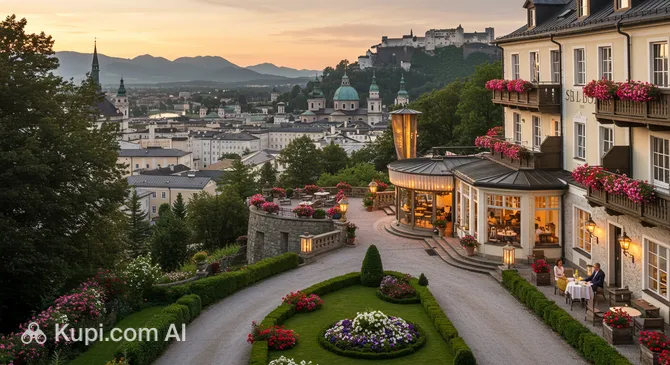
Salzburg is a city that effortlessly blends spectacular alpine scenery with an architectural heritage that rivals the finest in Europe. Known worldwide as the birthplace of Wolfgang Amadeus Mozart and the setting for the classic film The Sound of Music, this enchanting destination offers a fairytale atmosphere that captivates visitors from the moment they arrive.
Located in the western part of Austria, close to the German border, Salzburg sits on the banks of the Salzach River at the northern boundary of the Alps. With a population of around 155,000, it maintains a cozy, manageable size while offering the cultural richness of a major metropolis. The city serves as an ideal gateway to the surrounding mountains and lakes, making it a perfect spot for nature lovers and urban explorers alike.
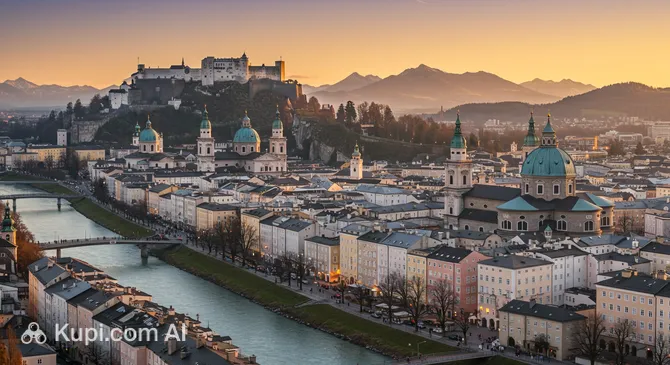
Salzburg. Illustration.
Source: Kupi.com AI
The city's skyline is dominated by the majestic Hohensalzburg Fortress, one of the largest medieval castles in Europe, which sits atop the Festungsberg hill. Walking through the narrow, cobbled streets of the historic Old Town (Altstadt), a UNESCO World Heritage site, reveals the deep and fascinating history of Salzburg, shaped for centuries by powerful Prince-Archbishops who commissioned its stunning Baroque churches and squares.
Beyond its historical allure, Salzburg is a vibrant cultural hub. Visitors can explore the house where Mozart was born, enjoy world-class opera during the famous Salzburg Festival, or simply wander through the meticulously manicured Mirabell Gardens. Whether you are a music lover, a history buff, or simply seeking breathtaking views, Salzburg promises an unforgettable travel experience filled with charm and elegance.
Weather Overview
Salzburg experiences a temperate alpine climate with distinct seasonal changes, making it a year-round destination with varying charms. Because conditions can change quickly in the mountains, it is advisable to check the current weather in Salzburg when packing for your trip.
Winters are generally cold, with January being the coldest month, featuring an average temperature of -0.2°C and lows dropping to -3.4°C. While the total precipitation volume is recorded at around 4mm during these months, the days are often damp, with December seeing about 17 wet days. Visitors should dress warmly to comfortably explore the snowy streets and Christmas markets.
As the city warms up, temperatures climb significantly, reaching average highs of 23.0°C in July. However, the warmer months also bring frequent rain showers; May is particularly notable for having 21 wet days, and summer precipitation averages around 6mm. Expect warm summers with occasional rain and cold winters that require sturdy footwear and layers.
Average monthly temperature
Average monthly precipitation
Interesting Facts
Beyond the classical music and baroque architecture, Salzburg holds a treasure trove of quirky stories and hidden gems waiting to be discovered. From ancient culinary records to legendary pranks, here are some intriguing facts that reveal a different side of the city.
The Bull Washers Legend: Locals are affectionately nicknamed "Stierwascher" (bull washers). Legend says that during a siege of the Hohensalzburg Fortress, defenders washed and repainted their only remaining bull every day to parade it on the walls. This trick convinced the enemy that the fortress had endless food supplies, causing them to retreat.
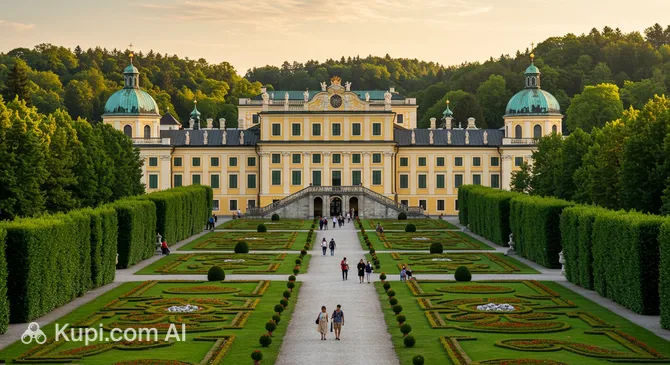
A Prankster's Palace: The Hellbrunn Palace is famous for its unique trick fountains (Wasserspiele). Commissioned by the fun-loving Prince-Archbishop Markus Sittikus in the 17th century, these hidden water jets were designed to spray unsuspecting guests during dinner parties and garden tours, a tradition that continues to surprise visitors today.
Oldest Restaurant Claim: The city is home to St. Peter Stiftskulinarium, located within the walls of St. Peter's Abbey. Documented as early as 803 AD, it is considered one of the oldest continuously operating restaurants in the world and has reportedly hosted historical figures such as Charlemagne and Mozart.
Sweet Alpine Peaks: The iconic local dessert, Salzburger Nockerl, is a sweet soufflé that carries a geographical meaning. Its three golden-brown mounds are designed to represent the three snow-capped mountains surrounding the city: Mönchsberg, Kapuzinerberg, and Gaisberg.
Silent Night's Origin: While the world-famous Christmas carol "Silent Night" was first performed in a nearby town, its lyricist, Joseph Mohr, was born in Salzburg. The baptismal font used for his christening can still be seen in the Salzburg Cathedral.
Hellbrunn Palace. Illustration.
Source: Kupi.com AI
Traveler photos:
How to Get There
Reaching Salzburg is quite convenient due to its central location in Europe and excellent connectivity. Whether you prefer flying or taking the train, there are several options to suit your itinerary. You can read more about how to get to Salzburg in our detailed guide to planning your arrival.
The most direct way to arrive by air is via the W. A. Mozart Salzburg Airport (IATA: SZG). Located just 3.2 km from the city center, it is incredibly convenient for travelers. A taxi or bus ride from the terminal to the heart of the city typically takes about 25 minutes. It is a regional hub welcoming flights from various European cities.
Alternatively, many international visitors choose to fly into Franz Josef Strauss Airport (IATA: MUC). It is important to note that this airport is not in Salzburg but in Munich, Germany, approximately 112 km away. As a major international hub, it offers a wider range of long-haul connections. The transfer to Salzburg by taxi or shuttle bus takes approximately 2 hours, depending on traffic conditions.
For clarity, here is a summary of the main airports nearby:
For those traveling by train, the city is served by the Salzburg Hauptbahnhof. This major railway hub is located directly in Salzburg, just 1.4 km from the historic center, making it a very practical entry point. Taxis and public transport are readily available to take you to your hotel in under 10 minutes.
Another significant hub in the region is Munich Hauptbahnhof in Munich, Germany. Situated about 117 km from Salzburg, it is one of the busiest stations in Europe. Travelers arriving here can easily catch a connecting train to Salzburg, with the journey taking roughly 1.5 to 2 hours.
Below is a list of the closest and most significant railway stations:
Salzburg is a treasure trove of architectural gems and cultural landmarks, most of which are conveniently located within the walkable historic center. From towering medieval fortifications to elegant baroque gardens, the city offers a diverse array of sights that reflect its rich princely and musical heritage.
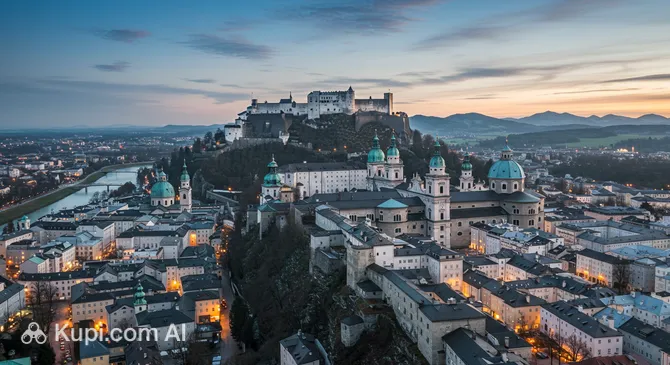
Dominating the city skyline is the majestic Hohensalzburg Fortress. Sitting atop the Festungsberg hill, it is one of the largest and best-preserved medieval castles in Europe. Visitors can take a funicular or a steep walk up to explore the princely chambers, the castle museum, and the Golden Hall. The fortress not only offers a glimpse into the life of the archbishops who once ruled here but also provides unparalleled panoramic views of the city spires and the surrounding Alps.
Hohensalzburg Fortress. Illustration.
Source: Kupi.com AI
Traveler photos:
For lovers of baroque architecture and manicured landscapes, the Mirabell Palace is a must-see destination. Built in 1606, it is famous for its stunning Marble Hall, often considered one of the most beautiful wedding halls in the world. Just outside, visitors can wander through the famous Mirabell Gardens. These visually striking gardens feature mythological statues, the Pegasus Fountain, and the Hedge Theater, all of which gained worldwide fame as filming locations for "The Sound of Music."
No trip to Salzburg would be complete without paying homage to its most famous son. Located in the heart of the Getreidegasse shopping street, Mozart's Birthplace attracts music enthusiasts from around the globe. The museum, housed in the apartment where Wolfgang Amadeus Mozart was born in 1756, displays original instruments, including his childhood violin and clavichord, as well as family letters and portraits that offer an intimate look into the prodigy's early life.
Another centerpiece of the Old Town is the Salzburg Cathedral. This early baroque masterpiece is renowned for its magnificent turquoise dome and impressive façade. Inside, the cathedral holds great historical significance; it is where Mozart was baptized, and the original baptismal font is still in use today. The cathedral square is also the stunning backdrop for the famous "Jedermann" performance during the annual Salzburg Festival.
For a change of pace, the Haus der Natur offers a fascinating experience for visitors of all ages. This museum of nature and technology combines a classic natural history museum with a high-tech science center and an aquarium. From dinosaur replicas and space exploration exhibits to colorful coral reef tanks, it provides an engaging and educational contrast to the city's historical sites.
Local Cuisine
The culinary landscape of Salzburg is a delightful reflection of its history, blending hearty Alpine traditions with the refined elegance of a city that has long been a crossroads of culture. Visitors can expect a gastronomic journey that ranges from rustic tavern fare to sophisticated desserts that are as famous as the city's music. Whether you are looking for a quick street snack or a multi-course dinner, the local food scene is sure to satisfy every palate.
One of the most iconic experiences for any traveler is trying the famous Salzburger Nockerl. This sweet, airy soufflé is served warm and dusted with powdered sugar, designed to resemble the three snow-capped mountains surrounding the city. It is a dish best shared, as the portions are often generous. For those with a sweet tooth, the original Mozartkugel is another must-try. These round confectioneries, made of pistachio marzipan, nougat, and dark chocolate, are synonymous with Salzburg and make for perfect edible souvenirs.
On the savory side, the city offers its own unique take on street food with the Bosna. This spicy dish consists of grilled bratwurst served in a white bread roll, topped with onions, fresh parsley, and a secret blend of curry powder and spices. It is a favorite among locals for a quick lunch. Of course, traditional Austrian staples like Wiener Schnitzel and hearty cheese dumplings known as Kasnocken are widely available in the cozy, wood-paneled inns known as Gasthäuser scattered throughout the Old Town.
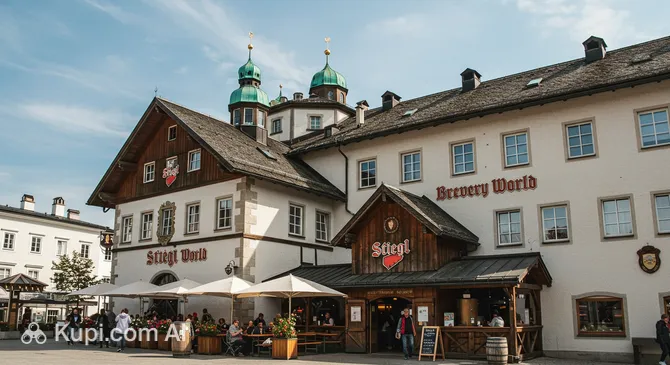
Beer culture is deeply ingrained in Salzburg's identity, with a brewing history that dates back centuries. The city is often called Austria's beer capital, and no visit is complete without tasting a fresh "Märzen" or wheat beer. Beer lovers should definitely explore the Stiegl Brewery World, an interactive experience where you can learn about the brewing process and sample the local brews directly from the source.
Stiegl Brewery World. Illustration.
Source: Kupi.com AI
Traveler photos:
For a dining experience that contrasts sharply with the traditional beer halls, Salzburg also offers modern, avant-garde gastronomy. A prime example is Hangar-7, a unique architectural landmark at the airport. It houses a high-end restaurant concept that hosts different top international chefs each month, allowing guests to taste global cuisines without leaving the city. Whether you prefer the historic charm of a centuries-old cellar or the sleek design of modern dining, Salzburg offers a table for every taste.
Travel Tips
Salzburg is a welcoming and well-organized destination, but knowing a few insider details can make your visit much smoother and more enjoyable. Here are some practical tips to help you navigate the city comfortably and blend in with the locals.
Clothing and Gear: The weather in Salzburg can be unpredictable, so dressing in layers is the best strategy regardless of the season. Be sure to pack a waterproof jacket or umbrella, as the city is known for its "Schnürlregen"—a fine, persistent rain that can start unexpectedly. Since the historic center is paved with cobblestones, leave the high heels at home and opt for comfortable, sturdy walking shoes. If you plan to visit churches, remember to dress modestly (covering shoulders and knees).
Transportation: The historic Old Town is compact and pedestrian-friendly, making walking the best way to get around. For destinations further afield, the city boasts an excellent public transport system consisting of trolleybuses (Obus) and regular buses that are clean and punctual. Renting a car is generally unnecessary and can be a burden due to limited and expensive parking; it is better to rely on public transit or taxis.
Finances: The official currency is the Euro (€). While major hotels, restaurants, and shops accept credit cards, cash is still king in smaller establishments, traditional coffee houses, and souvenir stalls. It is advisable to carry some cash for small purchases. Tipping is customary but not excessive; rounding up the bill or leaving a 5-10% tip for good service is the standard practice.
Health and Safety: Salzburg is considered one of the safest cities in Europe, but it is always wise to keep an eye on your belongings in crowded tourist spots. Pharmacies are identified by a red "A" (for Apotheke); if you need medicine outside of regular hours, check the door of the nearest pharmacy for a list of locations on emergency night duty. For general emergencies, dial 112.
Communication: German is the official language, and locals appreciate a friendly "Grüß Gott" (God greet you) as a greeting instead of the standard "Guten Tag." However, English is widely spoken, especially in the service industry, so communication is rarely an issue. Free Wi-Fi is available in many public areas, including popular squares like Residenzplatz.
Local Etiquette: Austrians value politeness and order. It is polite to say hello and goodbye when entering and leaving small shops. Punctuality is taken seriously, so try to be on time for tours or reservations. In public, keep your voice down, as loud conversations are often seen as intrusive.
What to Avoid: strictly avoid walking in designated bike lanes, as cyclists move fast and expect the path to be clear. Also, do not jaywalk or cross the street when the pedestrian light is red; locals strictly adhere to traffic rules, and ignoring them is frowned upon and can even lead to a fine.
Additional Tip: If you plan to do a lot of sightseeing, consider purchasing the Salzburg Card. It is a fantastic deal that offers free one-time admission to all major attractions and museums, along with free use of the public transportation network, saving you both time and money.
With these practical insights, you are well-prepared to experience the charm and elegance of Salzburg without any stress. Whether you are marveling at the baroque architecture or enjoying a coffee in a traditional house, you can now explore the city with the confidence of a seasoned traveler.
Entertainment & Nightlife
While Salzburg is world-renowned for its classical concerts and opera festivals, the city reveals a surprisingly vibrant and diverse side once the sun sets. The nightlife here is largely driven by the city's significant student population, creating an atmosphere that is energetic yet relaxed. From cozy wine taverns and historic pubs to pulsating clubs, there is plenty to keep night owls entertained until the early hours of the morning.
The epicenter of Salzburg's nightlife is undoubtedly the area along the Salzach River, particularly the Rudolfskai. This stretch, often referred to as the "party mile," is lined with Irish pubs, cocktail bars, and small clubs that attract a young and lively crowd. Just a short walk away, the historic Steingasse and Gstättengasse offer a slightly more sophisticated but equally buzzing vibe, with trendy bars tucked inside centuries-old buildings. For those who prefer a quieter evening, the city’s numerous beer gardens and wine bars provide a perfect setting for conversation and local drinks.
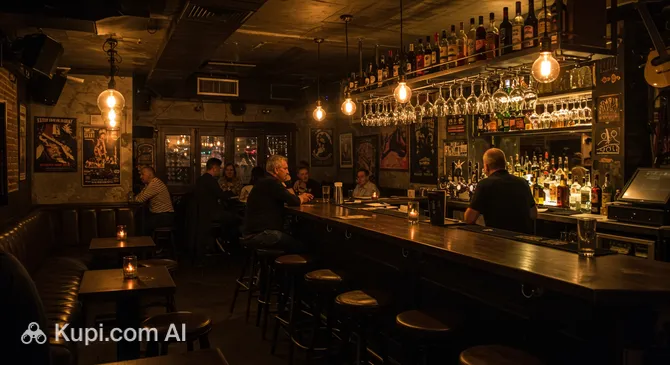
Music lovers should not miss the chance to visit Rockhouse Salzburg. Located slightly outside the Old Town near the station, this venue is a cultural institution in the city. It hosts regular live concerts featuring international and local bands ranging from rock and jazz to electronic music. The venue's unique architecture, built into the historic city walls, adds to the alternative and gritty atmosphere that locals love.
Rockhouse Salzburg. Illustration.
Source: Kupi.com AI
Traveler photos:
For those looking to dance the night away, the Auersperg Night Club is a popular destination. Known for its stylish interior and lively DJ sets, it offers a classic clubbing experience where visitors can enjoy cocktails and current hits. The dress code in most Salzburg clubs is "smart casual"—there is no need for formal wear, but sports attire is generally discouraged. Bars usually open around 6:00 PM, while clubs start filling up after 11:00 PM and stay open until 4:00 AM or later on weekends.
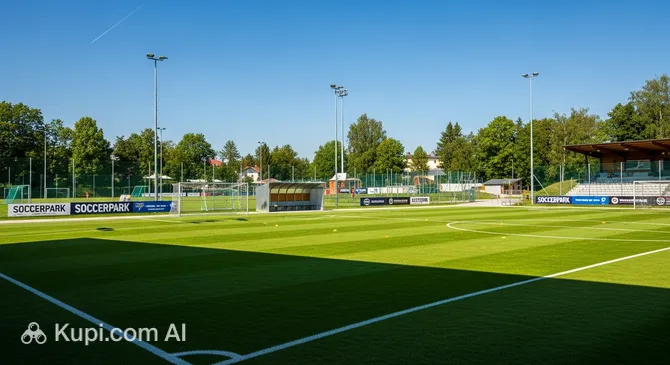
Before diving into the nightlife, visitors can enjoy a variety of daytime and early evening entertainment options. Culture enthusiasts might explore the Salzburg Open-Air Museum to see historical rural architecture, while groups looking for active fun can head to Soccerpark Salzburg. This unique venue combines football and golf, offering a lighthearted way to spend the afternoon before the evening festivities begin.
Soccerpark Salzburg. Illustration.
Source: Kupi.com AI
Traveler photos:
Getting around at night is safe and convenient. Salzburg operates an efficient "NachtStern" (Night Star) bus service on weekends and public holidays, covering most key routes until late. Taxis are also readily available at designated stands or can be easily ordered by phone; they are safe and reliable, though slightly more expensive at night. The city center is generally very safe for walking, even late at night, although it is always wise to stay aware of your surroundings, especially in the busy bar districts along the river.
Parks & Museums
Beyond its baroque squares and busy shopping streets, Salzburg offers an abundance of green spaces and fascinating museums that allow visitors to escape the crowds and dive deeper into the region's heritage. Whether you are looking to explore the alpine nature surrounding the city or discover unique collections ranging from rural history to vintage engineering, the city provides a perfect balance of relaxation and education.
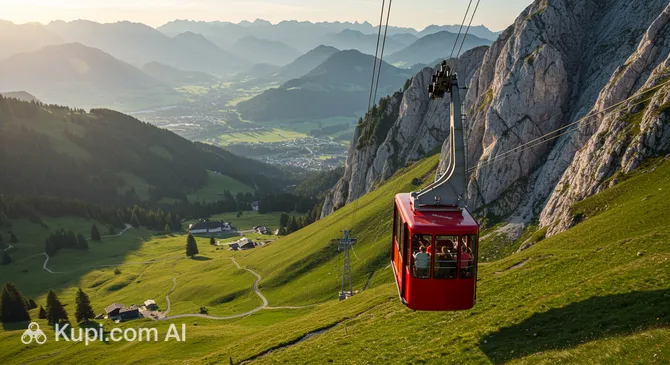
For a truly spectacular natural experience, a trip on the Untersberg Cable Car is essential. Located just a short bus ride from the city center, this cable car whisks you up to the summit of the Untersberg massif in under ten minutes. At the top, you are greeted with breathtaking panoramic views of the Salzburg basin and the Bavarian Alps. It is a fantastic spot for hiking in summer or simply enjoying the fresh mountain air and stunning scenery without a strenuous climb.
Untersberg Cable Car. Illustration.
Source: Kupi.com AI
Traveler photos:
Closer to the city limits, the Salzburg Zoo offers a family-friendly excursion into the animal kingdom. Situated within the historic grounds of Hellbrunn, the zoo is renowned for its open, naturalistic habitats that blend seamlessly with the steep rock faces of Hellbrunn Mountain. It is home to 150 different species, from alpine ibexes to exotic jaguars, providing an immersive experience that highlights conservation and biodiversity.
If you prefer a relaxing afternoon like a local, head to the Volksgarten Salzburg. This popular recreational park is a hub of activity throughout the year. In the summer, its open-air swimming pool attracts sunbathers and swimmers, while in the winter, the area transforms into a lively ice skating arena. It is the perfect place to unwind, take a leisurely stroll, or watch the locals enjoy their leisure time.
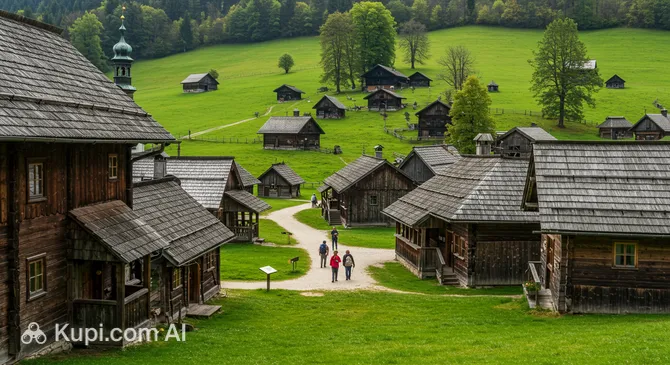
When it comes to museums, the region offers much more than just Mozart memorabilia. A standout institution is the Salzburg Open-Air Museum located in nearby Grossgmain. This expansive museum preserves the rural heritage of the Salzburg province, featuring over 100 authentic farmhouses, barns, and mills that have been carefully relocated and rebuilt on the site. Visitors can walk through centuries of history, ride a heritage railway, and see traditional craft demonstrations, making it a vivid journey into the past.
Salzburg Open-Air Museum. Illustration.
Source: Kupi.com AI
Traveler photos:
For technology enthusiasts, the Manro Classic Auto & Music Museum presents a unique combination of mechanical wonders. This museum houses an impressive private collection of vintage cars and motorbikes, alongside a fascinating array of historical musical instruments like jukeboxes and barrel organs. It is a quirky and engaging stop that highlights the evolution of design and engineering in the 20th century.
Another cultural gem is Traumwerk, founded by Hans-Peter Porsche. This modern museum is dedicated to the world of toys and model trains. It features a vast collection of tin toys and a magnificent model railway landscape that captivates visitors of all ages. The architecture of the building itself and the surrounding park make it a delightful destination for a half-day trip.
For an insider experience, consider taking the Mönchsberg Lift up to the Mönchsberg terrace. While the lift itself is a convenient transport option, the real treasure is the network of walking paths along the ridge. It offers a peaceful retreat high above the city roofs, with secluded spots perfect for reading a book or enjoying a quiet sunset away from the bustling tourist trails below.
Getting Around
Navigating Salzburg is remarkably easy and efficient, thanks to a well-integrated public transport network that prioritizes eco-friendly travel. The city does not have an underground metro system; instead, the backbone of local transportation is the Obus (trolleybus) network. These electric buses, recognizable by their overhead wires, glide quietly through the city streets and cover nearly every corner of the center and immediate suburbs. Supplementing the trolleybuses are standard diesel buses (Albus) that serve outlying areas, and the S-Bahn (suburban train), which connects the city center with the wider region.
For tourists, the ticketing system is straightforward and unified. You can purchase single-ride tickets, but if you plan to explore the city for a full day, a 24-hour ticket is often the most convenient option. However, the best value for most visitors is the Salzburg Card. This all-inclusive pass not only grants free admission to most museums and attractions but also includes unlimited use of the public transport network, making it an essential tool for a hassle-free trip.
Tickets can be purchased at "Tabak" (tobacconist) shops, from ticket machines located at major bus stops, or directly from the driver. Be aware that buying a ticket on board is typically more expensive than purchasing it in advance. For a digital alternative, you can download the SalzburgMobil app to buy tickets on your smartphone. If you are using a paper ticket without a pre-printed time, remember to validate it immediately upon boarding by inserting it into the stamping machine to avoid fines.
Public transport generally operates from around 5:00 AM until shortly after midnight. On weekends and public holidays, the "NachtStern" (Night Star) bus service takes over, ensuring safe travel for night owls until the early morning hours. While the buses are reliable, the compact nature of Salzburg's historic center means that walking is often the fastest and most scenic way to get between attractions like the Cathedral and Mozart's Birthplace.
Beyond buses, the city is incredibly bike-friendly, boasting an extensive network of cycle paths along the Salzach River and through the parks. Renting a bicycle is a popular choice for tourists who want to see the city from a local's perspective. Taxis are readily available at designated stands or via phone, but they can be pricey compared to public transit. Finally, do not miss the city's unique historic transport: the FestungsBahn, a modern funicular that whisks passengers up the steep hill to the Hohensalzburg Fortress in just under a minute, offering spectacular views along the way.
Accommodation
Where to Stay:
Salzburg offers a diverse range of accommodation options that cater to every taste and budget, blending the city's historical charm with modern comfort. Visitors can choose from centuries-old luxury hotels nestled in the heart of the Old Town, charming family-run guesthouses known as "Gasthöfe," contemporary business hotels, and budget-friendly hostels. Whether you prefer the romantic atmosphere of a historic building or the sleek amenities of a modern resort, the city provides a welcoming home base for your alpine adventure.
When selecting an area to stay, location plays a key role in the experience. The Altstadt (Old Town) on the left bank of the river is the most picturesque and convenient choice for those who want to be steps away from major sights like the Cathedral and Mozart’s Birthplace. However, accommodation here tends to be pricier and books up quickly. Across the river, the Right Bank (Neustadt) and the area around Mirabell Palace offer a blend of elegance and accessibility. For travelers prioritizing budget and logistics, the district around the Main Train Station (Hauptbahnhof) provides excellent transport links and more affordable rates, while the outskirts offer peaceful retreats surrounded by nature.
For those seeking an exclusive and luxurious experience, the Hotel Schloss Mönchstein is a standout choice. Perched atop the Mönchsberg mountain, this castle hotel offers unparalleled panoramic views of the city and a fairy-tale ambiance that is hard to match. Alternatively, travelers looking for relaxation and high-end wellness facilities might consider the Genussdorf Gmachl Hotel. Located slightly outside the city center, this resort hotel combines traditional Austrian hospitality with extensive spa services, making it a perfect sanctuary after a day of sightseeing.
Hotel Schloss Mönchstein. Illustration.
Source: Kupi.com AI
Traveler photos:
Booking Tip: Salzburg is a year-round destination, but it gets exceptionally busy during the Salzburg Festival in summer (July-August) and the Christmas Market season in December. During these peak times, accommodation prices rise significantly, and availability becomes scarce. It is highly recommended to book your room several months in advance to secure a good spot at a reasonable rate.
In terms of pricing, budget travelers can find hostel beds or simple rooms starting from around €30 to €60 per night. Mid-range hotels typically range from €100 to €200, while luxury stays can easily exceed €300 per night, especially in historic properties. Booking is most commonly done through major online platforms, though contacting smaller, family-run guesthouses directly can sometimes yield better personalized offers or room availability.
Nearby Cities
For those looking to explore the surroundings, Salzburg serves as an excellent base for day trips to several interesting nearby locations:
City
Population
Distance
Freilassing
17 472
7 km
Ainring
9 908
8 km
Hallein
21 150
14 km
Bad Reichenhall
18 456
15 km
Teisendorf
9 325
18 km
Located just a short drive south of the city, Hallein is a historic town deeply connected to the region's "white gold." It is famous for its ancient salt mines in Dürrnberg, where visitors can slide down miners' chutes and explore the underground tunnels that generated wealth for the Salzburg archbishops. The town also hosts a fascinating Celtic Museum, showcasing the area's prehistoric heritage.
Known as the "Pearl of Tyrol," Kufstein is a charming destination situated on the banks of the Inn River. The town is dominated by the majestic Kufstein Fortress, a medieval stronghold that houses the Heroes' Organ, the largest open-air organ in the world. With its picturesque old town and traditional Tyrolean architecture, it offers a perfect blend of history and culture.
For nature enthusiasts, Saalfelden provides a stunning alpine backdrop at the foot of the Steinernes Meer mountain range. It is a hub for outdoor activities, ranging from hiking and biking in the summer to winter sports in the colder months. The town is also culturally vibrant, renowned for hosting an international jazz festival that attracts music lovers from across the globe.
These nearby destinations offer a glimpse into the diverse culture and landscapes of the region.
Shopping & Souvenirs
Shopping in Salzburg is a delightful experience that combines the elegance of a historic city with a diverse range of modern retail options. The city is renowned for its high-quality craftsmanship, traditional Austrian goods, and luxury brands, all set against a backdrop of baroque architecture. Whether you are looking for exclusive fashion, unique local handicrafts, or simply browsing through stylish window displays, the city offers a relaxed and scenic atmosphere for retail therapy.
The most famous shopping destination in the city is undoubtedly the Getreidegasse located in the heart of the Old Town. This narrow, bustling lane is characterized by its tall, narrow houses and distinctive wrought-iron guild signs that hang above every shop entrance. Here, international luxury brands sit side-by-side with traditional family businesses. While strolling through this historic street, you will also pass Mozart's Birthplace, adding a touch of culture to your shopping trip. Across the river, the Linzer Gasse offers a slightly quieter but equally charming alternative, featuring smaller boutiques, shoe shops, and craft stores nestled at the foot of the Kapuzinerberg.
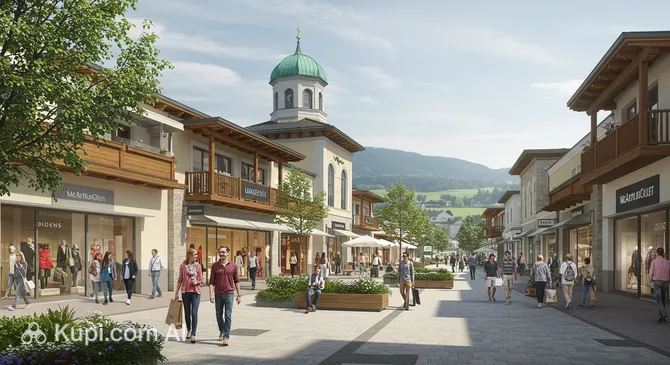
For those who prefer a modern shopping experience under one roof, the city boasts impressive malls. EUROPARK Salzburg is widely considered one of the most beautiful shopping centers in Europe due to its award-winning architecture. It houses over 130 shops, ranging from fashion and electronics to cosmetics. Travelers looking for premium brands at discounted prices should visit the McArthurGlen Designer Outlet Salzburg. Located near the airport, it offers a village-like atmosphere with a wide selection of designer labels.
Markets play a vital role in local life and offer a fantastic opportunity to buy fresh regional products. The Grünmarkt on University Square (Universitätsplatz) is a daily market where you can find fresh fruit, vegetables, cheese, and local snacks like giant pretzels. If you are visiting in December, the city transforms into a winter wonderland with its world-famous Christmas Market (Christkindlmarkt) on the square in front of the Salzburg Cathedral. It is the perfect place to find handcrafted ornaments, candles, and seasonal treats.
When it comes to souvenirs, Salzburg has several signature items that make for perfect gifts. The most iconic is the Mozartkugel, a delicious ball of marzipan and nougat covered in chocolate. For something more lasting, consider purchasing traditional Austrian clothing known as Tracht (Lederhosen or Dirndl), which is of exceptionally high quality here. Other popular items include intricate spice bouquets, handmade jewelry, and classical music recordings.
Standard opening hours for shops in Salzburg are generally from 10:00 AM to 6:00 PM on weekdays, with some larger stores and malls staying open until 7:00 PM or 7:30 PM. On Saturdays, shops typically close a bit earlier, around 5:00 PM or 6:00 PM. It is important to remember that, in accordance with Austrian tradition, almost all shops (except for some souvenir stalls and station shops) are closed on Sundays and public holidays. Major credit cards are widely accepted, but it is advisable to carry cash for market stalls and smaller traditional shops.
Visitors from outside the European Union may be eligible for a VAT refund on purchases exceeding €75.01. Look for the "Tax Free" signage in store windows and ask for a refund form at the checkout. You can then process these forms at the airport or border customs before leaving the EU to receive a percentage of the tax back.