Support

Bolzano

About

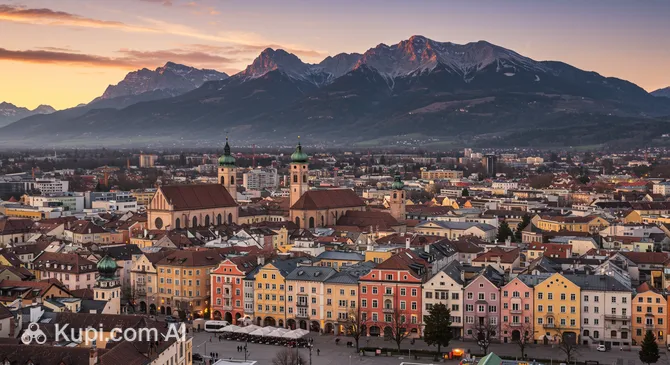
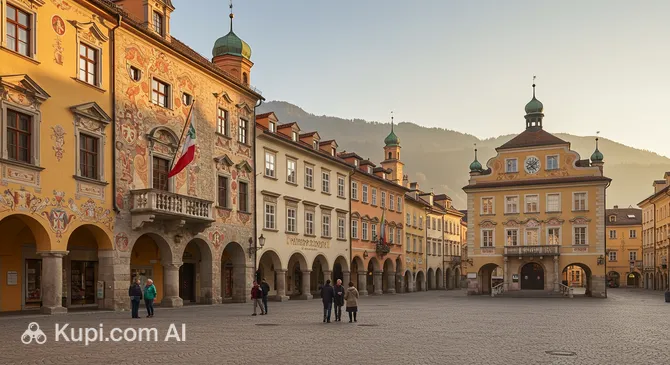
Bolzano is a captivating destination that serves as a cultural bridge between Northern Europe and the Mediterranean. As the capital of the autonomous province of South Tyrol, this city offers a fascinating blend of Alpine traditions and Italian "dolce vita." It is widely known as the Gateway to the Dolomites, making it a perfect starting point for exploring one of the most beautiful mountain ranges in the world.

Nestled in a sunny valley in northern Italy, the city enjoys a surprisingly mild climate that allows vineyards and palm trees to flourish against a backdrop of snow-capped peaks. With a population of approximately 107,000 inhabitants, Bolzano is a lively urban center that boasts a high quality of life, extensive bicycle paths, and lush green promenades along the Talfer river.
Bolzano. Source: Kupi.Binoculars

The history of Bolzano is deeply influenced by its strategic location on ancient trade routes connecting Italy and Germany. This heritage is evident in the city's bilingual nature and its architecture, where Tyrolean bay windows mix with Italian Renaissance elements. Visitors can wander through the medieval arcades of the historic center or relax in the elegant Piazza Walther, which serves as the city's "drawing room" and hosts vibrant events throughout the year.

One of the city's most famous attractions is the South Tyrol Museum of Archaeology, home to Ötzi the Iceman, a remarkably preserved 5,300-year-old mummy. For those seeking panoramic views, the Renon cable car whisks passengers up from the city center to the high plateau in just minutes, offering spectacular vistas of the Earth Pyramids and the surrounding mountains.

Whether you are visiting to experience its world-renowned Christmas markets, taste the exceptional local Lagrein wine, or simply soak up the unique atmosphere, Bolzano welcomes you with open arms. It is a destination where culture, nature, and gastronomy come together to create a truly memorable travel experience.
Weather Overview

The climate in Bolzano offers distinct seasonal experiences, ranging from crisp, snowy winters to pleasant summers. January is typically the coldest month, with average temperatures around -1.6°C and lows dipping to -6.1°C. Conversely, the summer season brings warmth, particularly in July, where the average temperature rises to 17.3°C and daily highs often reach a comfortable 22.4°C.

Precipitation is a regular feature throughout the year, with late spring seeing the highest frequency of rain. May is characterized by approximately 21 wet days, and this pattern of frequent showers continues into June and July. To help you pack appropriately for your trip, you can view more detailed information about the weather in Bolzano.

Overall, you can expect warm summers with frequent rain and cold winters. The transitional months of April and October offer cooler averages between 6.9°C and 9.5°C, making layers essential for exploring the city and its surrounding nature comfortably.

Interesting Facts

Beyond the main attractions, Bolzano holds many fascinating secrets and historical curiosities that often go unnoticed by the casual observer. From engineering marvels to quirky local legends, the city offers unique details that add depth to its Alpine-Mediterranean charm.

Colle Cable Car. Source: Kupi.Binoculars
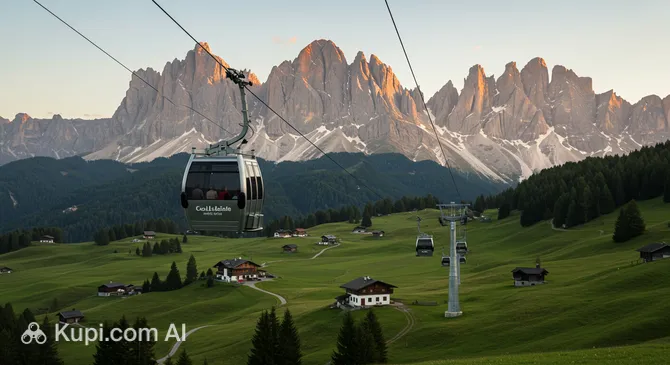
  • Bolzano is home to a significant piece of transportation history: the Colle Cable Car. Opened in 1908, it holds the title of the oldest passenger aerial ropeway in the world, originally built by a local innkeeper to bring guests up to his hotel on the mountain.

  • The Neptune Fountain in the city center has long been known by a humorous nickname, the "Gabelwirt" or "Innkeeper with the Fork." Historically, local peasants who were unfamiliar with the sea god mistook his trident for a giant dining fork.

  • A popular spot for an evening drink, the Fischbänke, sits on a site with a distinct past. The marble counters that now serve as tables for bruschetta and wine were originally the stalls where fishmongers sold their catch in the open-air market.

  • Bolzano is one of the few cities in Europe where wine production is integrated directly into the urban fabric. The indigenous Lagrein grape grows in historic vineyards that stretch almost to the city center, allowing you to walk from a busy street into a vineyard in just a few steps.

How to Get There

Reaching the heart of South Tyrol is a journey through some of Europe's most scenic landscapes. Whether you prefer flying or taking the train, there are several convenient options to start your adventure. You can find all ways to reach the city in our detailed guide, but here is an overview of the main transport hubs nearby.

For air travel, the most convenient option is the city's own Bolzano Airport (BZO), located directly in Bolzano. It is a small regional airport, and a trip to the city center takes just about 15 to 20 minutes by taxi or bus. Alternatively, many travelers choose Innsbruck Airport (INN) in the city of Innsbruck, Austria, which is approximately 85 km away. The transfer from there takes around 1.5 hours. Another significant option is Verona Villafranca Airport (VRN) in Verona, situated about 127 km from Bolzano, with a travel time of approximately 1.5 to 2 hours.

For clarity, here is a summary of the main airports:

Airport Name City Passenger Traffic Km from City
Venice Marco Polo Airport Venice Very High 134.6
Verona Villafranca Airport Verona Medium 127.1
Treviso Airport Venice Medium 115.0
Innsbruck Airport Innsbruck Medium 85.1
Bolzano Bolzano Small 4.0

If you prefer traveling by rail, you can utilize major hubs in the surrounding region that connect to the local network. One of the closest major stops is the Innsbruck Railway Station in Innsbruck, located about 85 km from Bolzano. From there, you can catch a connecting train directly to the city, a journey that typically takes around 1.5 to 2 hours. Another key hub is the Verona Porta Nuova Station in Verona, approximately 121 km away. It offers frequent connections, with travel times to Bolzano often taking roughly one hour.

Below is a list of major railway stations in the vicinity:

Station City Passenger Traffic Km to Center
Venezia Mestre Railway Station Venice Very High 132.2
Venezia Santa Lucia Station Venice Very High 139.6
Verona Porta Nuova Station Verona High 121.7
Padova Centrale Station Padua High 126.9
Innsbruck Railway Station Innsbruck High 85.4

Main Attractions

Bolzano is a city where history and nature converge, offering visitors a wealth of sights that range from medieval architecture to modern cultural hubs. Exploring the city center feels like a walk through time, while the surrounding castles and museums provide a deeper look into the region's unique identity. Here are some of the most significant places to visit during your stay.

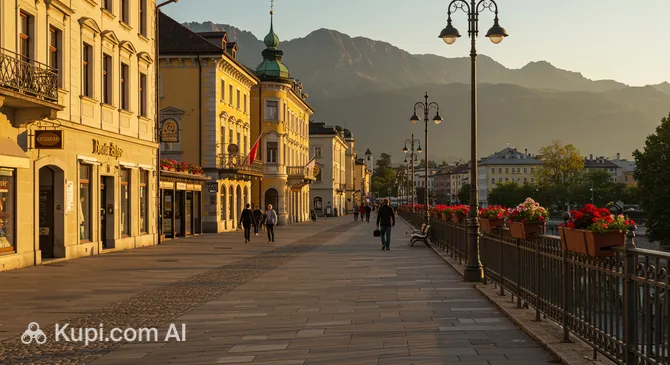
The beating heart of the city is undoubtedly Walther Square. Named after the medieval minstrel Walther von der Vogelweide, whose statue stands proudly in the center, this elegant piazza is the perfect place to start your tour. It serves as the city's "living room," lined with cafes and restaurants where locals and tourists alike gather to enjoy the atmosphere. During the winter, it transforms into a magical setting for the famous Christmas Market, filling the air with the scent of cinnamon and mulled wine.

Walther Square. Source: Kupi.Binoculars

Just a few steps away stands the majestic Bolzano Cathedral, a true jewel of Gothic architecture. Dedicated to the Assumption of Our Lady, the church is instantly recognizable by its striking roof, adorned with a vibrant pattern of polychrome glazed tiles. While the exterior is imposing, the interior offers a serene retreat with its vaulted ceilings and historical frescoes. It is a testament to the city's religious heritage and artistic craftsmanship.

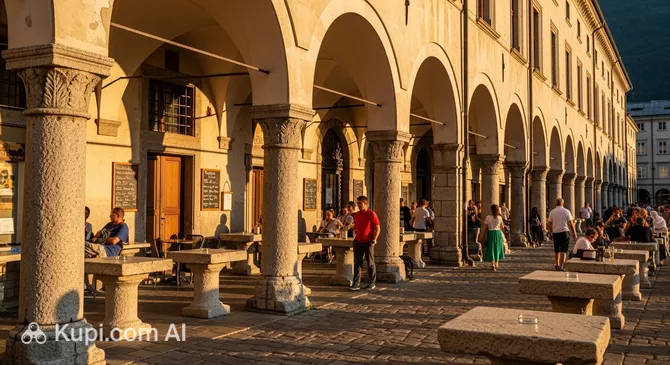
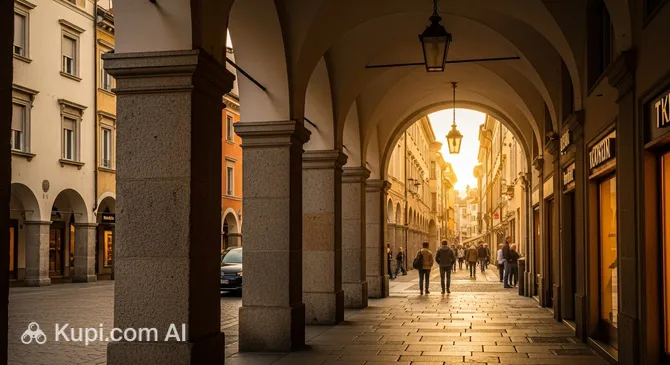
For those who love shopping and history, the Bolzano Arcades (Via dei Portici) are an absolute must. As the oldest street in the city, dating back to the 12th century, it has served as the commercial hub of Bolzano for hundreds of years. The long, covered walkways protect pedestrians from both sun and rain, allowing for a pleasant stroll past traditional shops, boutiques, and historic buildings with beautifully painted façades and intricate bay windows.

Messner Mountain Museum. Source: Kupi.Binoculars

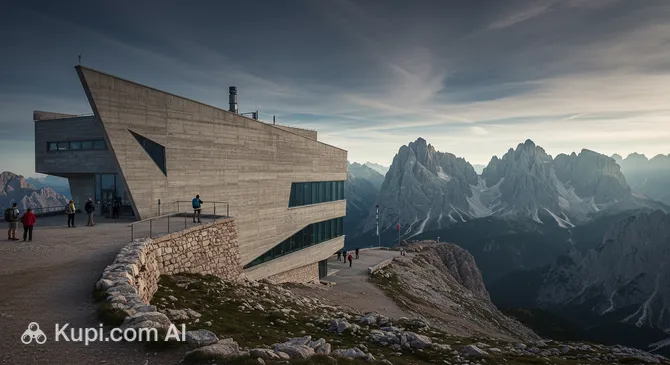
A short distance from the city center, perched on a firm rock, you will find the Messner Mountain Museum Firmian. Housed within the ancient walls of Sigmundskron Castle, this museum is the centerpiece of renowned mountaineer Reinhold Messner's museum project. It explores the relationship between man and mountain through art, installations, and relics. The combination of the castle's rugged architecture and the thought-provoking exhibits makes it a fascinating destination for adventure lovers and culture seekers alike.

Finally, art enthusiasts should not miss the Museion – Museum of Modern and Contemporary Art Bolzano. Its futuristic cubic architecture, featuring transparent glass facades, stands in stark contrast to the historic old town. The museum hosts rotating exhibitions of international contemporary art and serves as a vibrant cultural laboratory, connecting the city's traditional roots with forward-thinking creativity.

Local Cuisine

The culinary landscape of Bolzano is a delicious reflection of its cultural duality, where hearty Alpine traditions meet the refined flavors of the Mediterranean. This unique fusion creates a gastronomic experience that is unlike anywhere else in Italy. Locals take immense pride in their high-quality regional products, from the smoky Speck (cured ham) to the crisp apples and aromatic mountain cheeses that grace nearly every table.

When it comes to main courses, you simply cannot leave the city without trying Canederli (or Knödel in German). These large bread dumplings are mixed with ingredients like speck, cheese, or spinach and served in a warm broth or with melted butter. Another signature dish is Schlutzkrapfen, delicate half-moon ravioli typically filled with spinach and ricotta, finished with parmesan and chives. These dishes perfectly embody the comforting, rustic soul of South Tyrolean cuisine.

Fischbänke. Source: Kupi.Binoculars

For a casual dining experience or a lively aperitivo, the city offers plenty of unique spots. A local favorite is the Fischbänke, a quirky outdoor bar situated at the historic fish market stalls. It is the perfect place to enjoy a bruschetta and soak up the vibrant street atmosphere. If you prefer a more traditional sit-down meal, the Kampill restaurant provides a welcoming environment to taste authentic local recipes prepared with care.

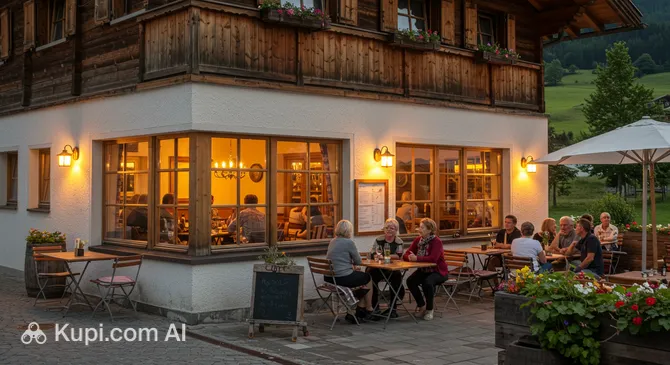
Bolzano is also one of the few cities in Europe with vineyards extending right into its urban center, making wine an integral part of the dining culture. The two most famous indigenous varieties are the robust red Lagrein and the lighter St. Magdalener. For those who enjoy fine dining paired with exceptional wines and panoramic views, the Haselburg Restaurant offers a sophisticated menu within the walls of a historic castle complex overlooking the valley.

Haselburg Restaurant. Source: Kupi.Binoculars

To finish your meal on a sweet note, indulge in a slice of Apple Strudel, served warm with vanilla sauce or cream. Alternatively, on warmer days, you might enjoy a refreshing "Hugo," a popular local cocktail made with prosecco, elderflower syrup, and fresh mint, which originated in this region and has become a beloved staple of the Italian aperitivo hour.

Travel Tips

Planning a trip to Bolzano means preparing for a delightful mix of Mediterranean flair and Alpine efficiency. To help you navigate this unique dual-culture city with ease, we have compiled a list of practical advice to ensure your journey is as smooth as it is memorable.

  1. Clothing and Gear: Since the city lies in a valley surrounded by mountains, the weather can be changeable. It is best to dress in layers, as mornings can be crisp even in summer, while afternoons get quite warm. Comfortable, sturdy walking shoes are essential for navigating the cobblestone streets and nearby hiking trails. If you plan to visit religious sites like the Bolzano Cathedral, remember to dress modestly, covering your shoulders and knees.
  2. Transportation: Bolzano has an excellent public transport system consisting of buses and cable cars that connect the city to the surrounding mountains. A car is generally unnecessary and can be a hindrance due to the strict Limited Traffic Zones (ZTL) in the historic center, which are monitored by cameras. Taxis are available at designated stands, and the city is incredibly bike-friendly, so renting a bicycle is a great way to get around.
  3. Finances: The local currency is the Euro (€). While credit and debit cards are widely accepted in hotels, restaurants, and shops, it is highly recommended to carry some cash. Smaller mountain huts, local markets, and some cafés may prefer cash for small amounts. Tipping is not mandatory as a service charge is often included, but rounding up the bill is a polite gesture appreciated by staff.
  4. Health and Safety: Bolzano is a very safe city for tourists. Pharmacies (marked by a green cross) are plentiful, and they operate on a rotating schedule for night and weekend services. A fantastic perk of the region is the tap water, which flows fresh from the mountains and is of high quality; bring a reusable bottle to fill up at public fountains.
  5. Communication: The city is officially bilingual, so you will hear both Italian and German spoken fluently. English is widely understood, especially in the tourism and hospitality sectors. A friendly greeting goes a long way: you can say "Buongiorno" (Italian) or "Grüß Gott" (German) when entering a shop. Buying a SIM card is easy at local electronic stores or kiosks if you need data.
  6. Local Etiquette: Punctuality and order are valued here. When walking in the city, be extremely careful not to walk in the bicycle lanes. Bolzano is one of Italy's most bike-friendly cities, and cyclists move quickly; obstructing the path is considered rude and can be dangerous. Also, greetings are polite and formal; a simple nod or hello to shopkeepers is the norm.
  7. What to Avoid: Avoid assuming that everyone identifies strictly as "Italian." The local South Tyrolean identity is strong and distinct, blending Austrian and Italian heritage. Additionally, do not expect shops to be open all day; many smaller businesses close for a lunch break (typically 12:30 PM to 3:00 PM) and are closed on Sundays.
  8. Smart Savings: Check if your accommodation provides the Bolzano Card. Many hotels and guesthouses offer this guest card for free, granting you complimentary use of all public transport in South Tyrol (including regional trains and some cable cars) and free entry to many museums, including the Museum of Archaeology.

By keeping these tips in mind, you will be well-equipped to enjoy everything Bolzano has to offer, from its historic arcades to its stunning mountain vistas. Relax, explore at your own pace, and soak up the unique atmosphere of this Alpine gem.

Entertainment & Nightlife

Bolzano’s nightlife reflects its unique cultural mix, favoring social conviviality and relaxed evenings over wild clubbing. The city comes alive after work hours, centered deeply around the ritual of the aperitivo. As the sun sets, locals, students, and tourists gather in the historic squares to enjoy a "Veneziano" (Spritz with Aperol) or a glass of local white wine. The atmosphere is generally laid-back, safe, and welcoming, with a dress code that is casual but neat, typical of Northern Italy.

The epicenter of evening entertainment is the area around Piazza delle Erbe (Obstplatz) and the adjacent Via Dr. Streiter. By day, this is a bustling market, but by night, the shutters go up on numerous bars and pubs, and the crowd spills out onto the cobblestones. It is the perfect place to bar-hop, as venues are situated right next to each other, creating a vibrant street party vibe during weekends and warm summer nights.

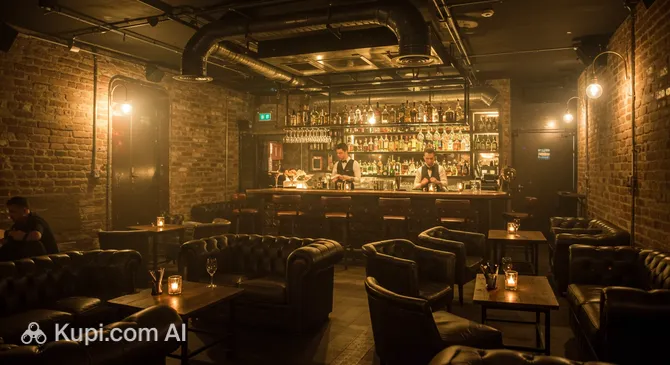
For those seeking a lively pub atmosphere, Temple Bar is a staple of the local scene. Located near the university, it attracts a diverse crowd of students and expats, offering a wide selection of beers and often hosting live music or quiz nights. It is an ideal spot to meet people and enjoy a high-energy environment.

Temple Bar. Source: Kupi.Binoculars

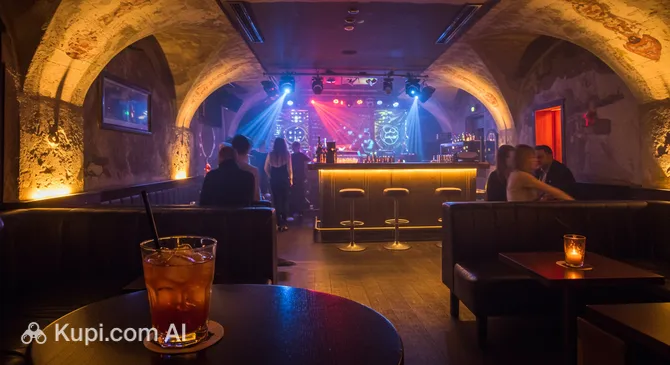
If you prefer a more stylish setting for cocktails and conversation, the Exil Lounge Cafe is a popular choice. Situated in Piazza del Grano, it offers a sophisticated yet comfortable ambiance where you can linger over expertly crafted drinks. For a more traditional and rustic experience, Bar Osteria Da Picchio provides an authentic slice of local life, perfect for sipping wine and enjoying simple snacks in a friendly, unpretentious setting.

Exil Lounge Cafe. Source: Kupi.Binoculars

Practical Advice: The nightlife starts early, with the aperitivo hour kicking off around 6:00 PM. Most bars stay open until 1:00 AM or 2:00 AM, but late-night dance clubs are scarce in the city center. Prices are reasonable, with a glass of wine or spritz typically costing between €4 and €6. Bolzano is very safe for night walks, even for solo travelers, but standard precautions apply. Taxis do not usually stop when hailed on the street; you should find them at designated ranks, such as the one at Piazza Walther, or call a local radio taxi service.

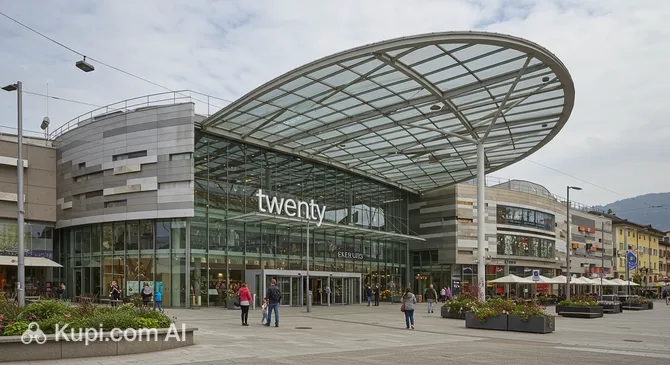
While the nights are dedicated to socializing, daytime entertainment offers different diversions. Beyond the historical sights, you can visit Twenty, a modern shopping center that houses a multiplex cinema, perfect for a rainy afternoon. The city also boasts a rich theater scene, with venues like the Teatro Comunale offering a variety of performances ranging from opera to contemporary dance.

Parks & Museums

Bolzano is a city that seamlessly intertwines its urban fabric with the natural world, offering visitors immediate access to lush greenery and panoramic views. The city's commitment to preserving its environment and heritage is evident in its beautifully maintained promenades and world-class museums, which invite you to explore the region's history from the Copper Age to the present day.

Among the most beloved green spaces is the historic Guncina Promenade. Dedicated to Archduke Heinrich of Austria, this path winds along the slopes of Mount Guncina and is famous for its diverse flora. As you walk along the gentle trail, you will encounter exotic plants, magnolias, and prickly pears that thrive in the city's mild microclimate, all while enjoying sweeping views over the rooftops and the Dolomites beyond.

Guncina Promenade. Source: Kupi.Binoculars

On the opposite side of the valley lies the Oswald Promenade, named after the medieval minstrel Oswald von Wolkenstein. This sunny trail offers a slightly more rustic experience, passing through broadleaf forests and offering stunning perspectives of the St. Magdalena vineyards and the Rosengarten massif. It is a favorite spot for locals seeking a peaceful escape just minutes from the city center.

For a different kind of outdoor experience, the Semirurali Park in the Don Bosco district offers a glimpse into the city's social history. Once a neighborhood of simple working-class cottages, the area has been transformed into a spacious public park. One of the original "Semirurali" houses has been preserved as a museum, standing as a testament to the architectural and social evolution of Bolzano.

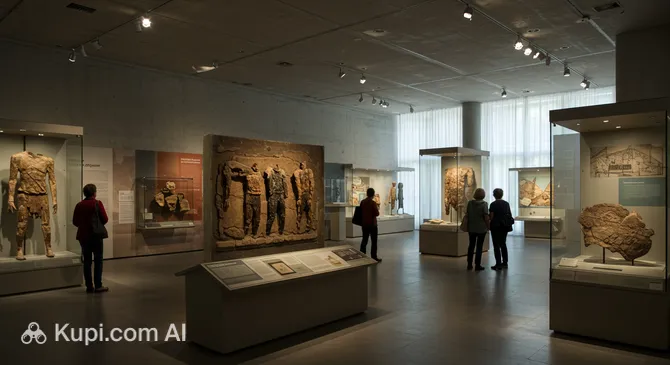
When it comes to museums, the undisputed highlight is the South Tyrol Museum of Archaeology. This facility is globally renowned for housing Ötzi the Iceman, one of the world's most significant archaeological discoveries. Visitors can view the 5,300-year-old mummy and his remarkably preserved equipment, including his copper axe and clothing, gaining a fascinating insight into life in the Alps during the Copper Age.

South Tyrol Museum of Archaeology. Source: Kupi.Binoculars

Another significant site is the Victory Monument, a rationalist structure built in the late 1920s. While its exterior is an imposing example of the architectural style of that era, the crypt now houses the "BZ '18–'45" documentation center. This exhibition provides a comprehensive and neutral look at the history of Bolzano and South Tyrol during the turbulent interwar period, making it an essential stop for history enthusiasts.

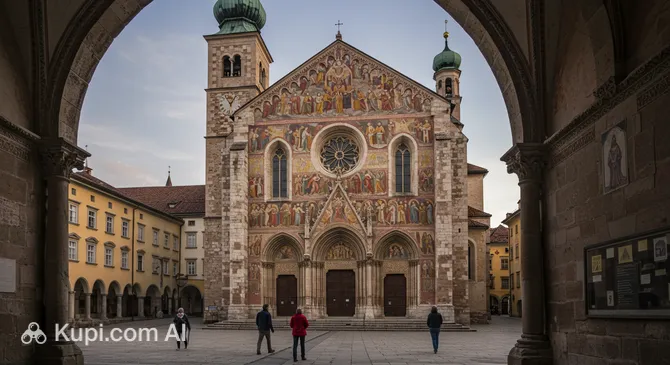
In terms of religious art and architecture, the Dominican Church is a hidden gem that should not be missed. Located near Piazza Walther, this Gothic church may appear simple from the outside, but its St. John's Chapel contains a breathtaking cycle of 14th-century frescoes. These paintings, influenced by the school of Giotto, are among the most important examples of Gothic painting in the entire Tyrol region.

Dominican Church. Source: Kupi.Binoculars

For an authentic insider experience, take a walk along the Talfer Meadows (Lungotalvera) during the late afternoon. This expansive green belt along the river is where the true heart of Bolzano beats, filled with people jogging, picnicking, or simply relaxing on the grass. It connects the old town with the newer districts and offers a perfect, unhurried vantage point to watch the sunset illuminate the surrounding mountains.

Getting Around

Navigating Bolzano is a seamless experience thanks to an efficient and integrated public transport network that prioritizes sustainability and accessibility. The city does not have a traditional underground metro; instead, it relies on a comprehensive system of urban buses and a unique network of cable cars that function as aerial public transport, connecting the valley center to the surrounding mountain plateaus in minutes.

The backbone of the city's transit is the bus service operated by SASA. These buses are frequent, clean, and cover the entire urban area as well as neighboring districts. The fleet is modern, with many vehicles running on hydrogen or electric power, reflecting the region's green initiatives. Bus stops are clearly marked with timetables and digital displays indicating waiting times. For visitors, the most useful lines are those circulating the historic center and connecting to the railway station, which serves as the main transport hub.

A distinctive feature of the local transport system is its cable cars, which are fully integrated into the public transit network. The Renon Cable Car is particularly popular, departing from near the train station and whisking passengers up to Soprabolzano every few minutes. Similarly, the San Genesio and Colle cable cars offer spectacular rides that double as practical commuting routes for locals living at higher altitudes. These aerial lifts provide a scenic and effortless alternative to winding mountain roads.

For tickets and payment, the system is unified under the South Tyrol Integrated Transport scheme. A single ticket typically costs around €1.50 if bought in advance or slightly more if purchased on board (where exact change is often required). However, for tourists, the most convenient option is the Mobilcard, available for 1, 3, or 7 days. This pass allows unlimited travel on all regional buses, trains, and cable cars throughout the entire province. Another excellent option is the "Bolzano Card," often provided free of charge by partner hotels, which includes transport and museum entries.

Tickets can be purchased at automatic machines at major bus stops, at the bus station, or in tobacco shops (marked with a "T" sign). It is crucial to validate your ticket immediately upon boarding by inserting it into the blue or yellow machines found near the doors. Failure to validate can result in a hefty fine. The South Tyrol Mobil app is a handy tool for planning routes and checking real-time schedules directly from your smartphone.

Operating hours for buses generally run from around 6:00 AM until late evening, typically ending between 8:00 PM and 11:00 PM depending on the line. Night services are limited, so it is wise to check the schedule if you plan to stay out late. On Sundays and public holidays, the frequency of service may be reduced.

As an alternative to motorized transport, cycling is incredibly popular. The city boasts an extensive network of cycle paths, spanning over 50 kilometers. You can easily rent a bike from the "Bici Bolzano" service or various private rental shops. Taxis are also available but cannot be hailed on the street; you must call a radio taxi service or go to a designated rank, such as those at Piazza Walther or the train station. Car-sharing services exist but are less necessary for tourists due to the compact nature of the city and the restrictions on driving in the historic center.

Accommodation

Finding the perfect place to stay in Bolzano is an effortless part of the travel experience, as the city offers a wide spectrum of accommodation that reflects its dual Alpine and Mediterranean character. The options range from modern, design-focused city hotels and traditional family-run guesthouses (Gasthöfe) to cozy bed and breakfasts and self-catering apartments. For those seeking a more immersive nature experience, the surrounding hillsides are dotted with "agriturismo" (farm stays), where you can enjoy fresh local produce and stunning views while being just a short distance from the urban center.

For most visitors, the Historic Center (Centro Storico) is the most convenient and atmospheric area to base yourself. Staying here puts you within walking distance of the main museums, the train station, and the vibrant Walther Square. It is the ideal choice if you want to step out of your hotel directly into the lively streets, enjoy the evening aperitivo culture, or browse the shops along the famous Bolzano Arcades.

Bolzano Arcades. Source: Kupi.Binoculars

If you prefer a quieter, more elegant setting, the Gries-Quirein district is an excellent alternative. Located just across the Talfer River from the old town, this area was once an independent health resort known for its sunny climate and villas. It offers a more relaxed pace while still being easily accessible by foot or bus. Alternatively, travelers looking for panoramic views might consider staying in the elevated areas connected by cable car, such as Soprabolzano, which offers a mountain retreat vibe just minutes from the city.

Booking Tips: Bolzano is a year-round destination, but demand peaks significantly during two specific periods: the summer hiking season (July and August) and the month of December, when the world-renowned Christmas Market takes place. During these times, hotels can fill up months in advance, and prices tend to rise. It is highly recommended to secure your reservation well ahead of time if you plan to visit during these popular windows.

In terms of pricing, accommodation in Bolzano generally leans towards the mid-to-high range, reflecting the high quality of service and the region's prosperity. Budget travelers can still find affordable hostels and guest rooms, particularly if they book early. Reservations are easily made through major online platforms, though many local establishments also welcome direct inquiries, sometimes offering better rates or special packages that include the local guest card for free public transport.

Nearby Cities

For those looking to explore the surroundings, Bolzano serves as an excellent base for day trips to several interesting nearby locations:

City Population Distance (km)
Trento 117,997 50
Bassano del Grappa 43,481 87
Merano 40,485 24
Rovereto 39,825 71
Schio 39,082 87

One of the most popular destinations is Merano, located just a short distance north of the provincial capital. Known for its mild climate and elegant Belle Époque architecture, it is a sophisticated spa town where Mediterranean plants grow alongside Alpine peaks. A highlight for any visitor is the stunning Gardens of Trauttmansdorff Castle, which offer a botanical journey around the world, as well as the modern thermal baths perfect for relaxation.

Heading south, you will reach Trento, a city rich in art and history that serves as the capital of the Trentino province. It is famous for the Council of Trent and features the majestic Buonconsiglio Castle, which houses beautiful frescoes. For families and science enthusiasts, the MUSE (Science Museum), designed by Renzo Piano, offers interactive exhibits that explore nature, mountains, and sustainability.

Further afield lies Bassano del Grappa, a charming town situated where the mountains meet the Venetian plains. It is renowned for its historic wooden bridge, the Ponte Vecchio, designed by Andrea Palladio. As the name suggests, the town is also the spiritual home of grappa, and visitors can explore local distilleries or enjoy a tasting in one of the traditional shops overlooking the Brenta River.

These nearby destinations offer a glimpse into the diverse culture and landscapes of the region.

Shopping & Souvenirs

Shopping in Bolzano is a delightful reflection of the city's dual identity, offering a unique blend of high-end Italian fashion and traditional Tyrolean craftsmanship. Visitors can browse through elegant boutiques showcasing the latest Milanese trends one moment, and step into a historic shop selling handcrafted wood carvings or felt products the next. The city center is a natural open-air shopping mall, where the historic architecture adds a charming atmosphere to the retail experience.

The most famous shopping destination is undoubtedly the Bolzano Arcades (Via dei Portici). This pedestrian-only street has been the commercial heart of the city since the Middle Ages. Under the protective arches, you will find a mix of international chains, traditional family-run businesses, and exclusive boutiques. Parallel to this is Via Dr. Streiter and Via della Mostra, which offer more specialized shops and artisan workshops, perfect for finding unique items away from the main crowds.

For those who prefer a modern, all-in-one shopping experience, the city boasts the Twenty shopping center. Located just a short distance from the historic center, it is the first large-scale mall in Bolzano, featuring over 80 shops, restaurants, and services spread across several floors. It is an excellent option for finding popular international brands and electronics, especially on days when the weather might be less inviting for outdoor strolling.

Twenty. Source: Kupi.Binoculars

Markets are an integral part of daily life here. The vibrant Piazza delle Erbe (Obstplatz) hosts a colorful fruit and vegetable market every day except Sunday (and Saturday afternoons). Here, you can buy fresh local produce, spices, and flowers. Of course, during the holiday season, Walther Square transforms into the world-famous Christmas Market (Christkindlmarkt), attracting visitors from all over the globe with its handcrafted ornaments, candles, and seasonal treats.

When it comes to souvenirs, Bolzano offers high-quality local products that make for perfect gifts. Culinary items are top choices, particularly the famous South Tyrolean Speck (cured ham), artisan cheeses, and bottles of local Lagrein or Gewürztraminer wine. For non-edible souvenirs, look for Loden clothing (a dense, water-resistant wool fabric), boiled wool slippers, or intricate wood carvings, which are a specialty of the region.

Store opening hours in Bolzano generally follow a traditional pattern. Most shops in the city center are open from 9:00 AM or 9:30 AM until 7:00 PM. However, smaller boutiques often close for a lunch break (siesta) between 12:30 PM and 3:30 PM. Larger chains and the Twenty shopping mall typically remain open throughout the day. Shops are usually closed on Sundays, except during the Christmas season. Major credit cards are widely accepted, though carrying some cash is useful for small purchases at market stalls.

Travelers residing outside the European Union are eligible for a VAT refund on purchases over a certain amount (typically €154.94 in Italy). Look for the "Tax Free Shopping" signage in store windows and ask for the refund form at the checkout to claim your tax back at the airport or border crossing.

Reached the end of the page?

That means the route is fully explored