Support

Forli

About

Located in the heart of the Emilia-Romagna region, Forli is a captivating destination that blends artistic heritage with a lively local atmosphere. As a significant stop along the historic Via Emilia, this city in Italy offers travelers a perfect mix of cultural exploration and authentic Italian lifestyle. Its streets are lined with elegant porticoes and impressive buildings that reflect centuries of prosperity and artistic endeavor.

With a population of approximately 118,000 residents, Forli sits comfortably between the rolling foothills of the Apennines and the Adriatic coast. Its strategic location makes it an accessible hub for exploring the wider province of Forlì-Cesena, while its generally mild climate allows for pleasant sightseeing throughout much of the year. The city serves as a bridge between the mountains and the sea, offering a diverse landscape for visitors to enjoy.
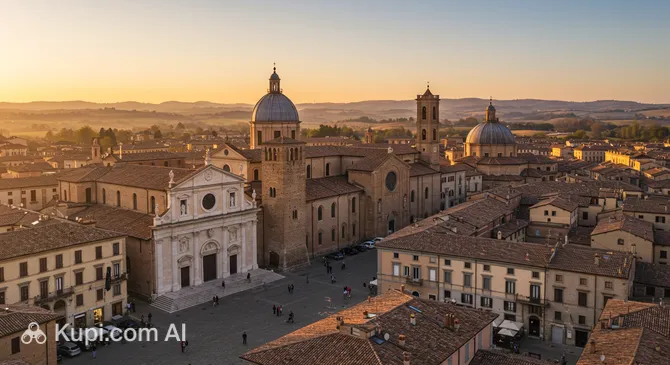
Forli. Source: Kupi.Binoculars

The heart of the city beats in the vast Piazza Aurelio Saffi, one of the largest squares in the country, which is dominated by the majestic Abbey of San Mercuriale and its soaring 12th-century bell tower. Visitors can delve into the fascinating history of Forli by exploring its unique architectural mix, where medieval structures stand alongside striking examples of 20th-century Rationalist architecture. Another highlight is the Musei di San Domenico, a prestigious museum complex housed in a former convent that regularly hosts internationally acclaimed art exhibitions.

Whether you are strolling through the lush Parco Urbano Franco Agosto or savoring traditional Romagna cuisine in a local trattoria, Forli provides a welcoming and enriching experience. It is an ideal destination for those seeking to discover a genuine, less crowded side of the region, promising memorable moments and warm hospitality.
Weather Overview

Forli experiences a distinct seasonal climate, characterized by hot summers and cool winters. During the peak summer months of July and August, the city warms up significantly, with average temperatures hovering around 26°C and daily highs frequently reaching 31°C. This period is generally the warmest and sunniest, offering excellent conditions for exploring the outdoor sights of the Emilia-Romagna region.

In contrast, the winter season from December to February brings much cooler weather. Average temperatures drop to approximately 6°C, while nighttime lows can fall to between 1°C and 2°C, requiring warm clothing for any outdoor activities. Transitional seasons like spring and autumn offer milder temperatures, with April and October seeing comfortable highs of around 18°C to 21°C.

Rainfall is fairly distributed throughout the year in terms of frequency. You can typically expect between 7 and 12 wet days per month, with May often being one of the slightly rainier months. For a more detailed forecast to help with your packing, you can check the weather in Forli before your trip. Overall, expect warm to hot summers with occasional showers and cold winters that see frequent damp days.

Interesting Facts

Beyond its elegant squares and museums, Forli preserves a collection of unique stories and historical curiosities that often escape the casual visitor. From fierce renaissance rulers to miraculous events, the city's past is woven with intriguing details waiting to be discovered.
  • The city was once the stronghold of Caterina Sforza, known as the "Tigress of Forli," a Renaissance countess famous for her fierce spirit and determined defense of the Rocca di Ravaldino against the besieging forces of Cesare Borgia.

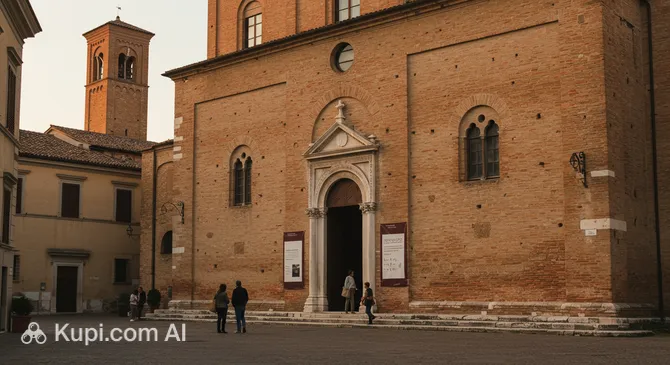
  • The bell tower of the Abbey of San Mercuriale is a true medieval engineering marvel; standing at 75 meters, it was considered one of the tallest structures in the entire Italian peninsula when it was completed in the 12th century.

  • Local tradition deeply honors the "Madonna del Fuoco" (Madonna of the Fire), a devotion born from a 1428 miracle where a woodcut image of the Virgin Mary reportedly survived a devastating fire that destroyed the school where it was kept, remaining completely unscathed.

  • The prestigious San Domenico Museums are housed in a complex that has lived many lives; before becoming a center for art and culture, the historic structure served variously as a Dominican convent, military barracks, and even a prison.

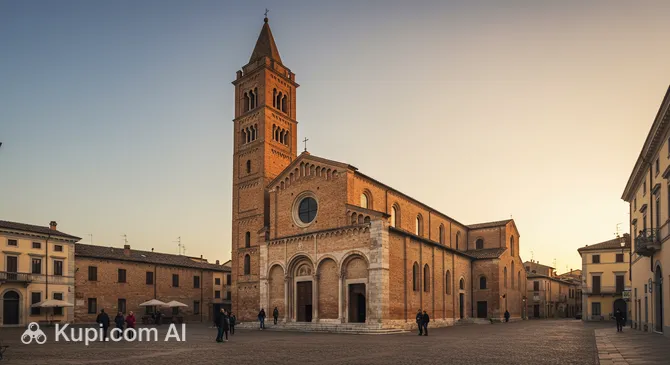
Abbey of San Mercuriale. Source: Kupi.Binoculars

How to Get There

Reaching this charming destination in the Emilia-Romagna region is quite convenient thanks to its strategic location and good transport connections. Whether you are arriving by air or rail, there are several viable options to consider. For a comprehensive guide on all available travel methods, you can read more about how to get to Forli to plan your journey effectively.

The city is fortunate to have its own local airport, Luigi Ridolfi (FRL), which is situated just 3.9 km from the city center. This proximity allows for a very quick transfer, taking only about 10 minutes by taxi or bus. Although it is a smaller hub, it offers the most direct access to the city.

For a wider range of international flight connections, many travelers opt to fly into Guglielmo Marconi Airport (BLQ), located in Bologna. This major international airport is approximately 69 km away from Forli. From Bologna, you can reach Forli by taxi or shuttle in about 60 to 80 minutes, depending on traffic. It handles a large volume of passengers annually, making it a reliable entry point for visitors from around the world.

For clarity, here is a summary of the main airports:

Airport Name City Passenger Traffic Km from City
Guglielmo Marconi AirportBolognaLarge69.3
Firenze-Peretola AirportFlorenceMedium81.2
Ancona Falconara AirportAnconaSmall125.7
Miramare AirportRiminiSmall50.9
Luigi RidolfiForliSmall3.9

Traveling by train is another excellent way to reach the area, utilizing the extensive Italian railway network. A major hub nearby is Bologna Centrale Station in Bologna, located about 64 km from Forli. As one of the busiest railway stations in Italy, it connects high-speed trains from all over the country. From there, you can easily transfer to a regional train or take a taxi to reach your final destination.

Another significant option for travelers is Firenze Santa Maria Novella Station in Florence, situated approximately 81 km away. While slightly further, it serves as a key gateway for those combining a trip to Tuscany with a visit to Romagna. The journey from Florence by road typically takes around 90 minutes.

Below is a list of major railway stations in the vicinity:

Station City Passenger Traffic Km to Center
Firenze Santa Maria Novella StationFlorenceVery High80.6
Bologna Centrale StationBolognaVery High64.0
Padova Centrale StationPaduaHigh133.4
Firenze Campo di Marte Railway StationFlorenceMedium78.7
Reggio Emilia AV Mediopadana StationReggio EmiliaMedium123.8

Main Attractions

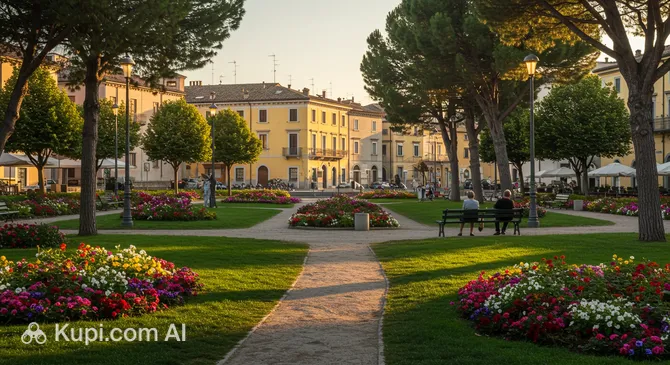
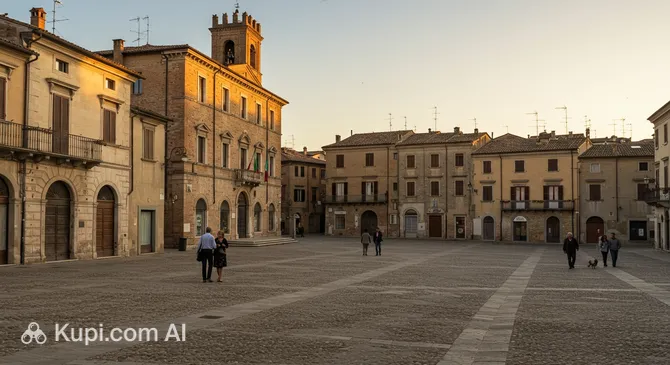
The beating heart of the city is undoubtedly Piazza Aurelio Saffi. This vast trapezoidal square serves as the center of local social life and is surrounded by some of the town's most significant architectural landmarks, including the Town Hall and the Palazzo delle Poste. Standing proudly in the center is the statue of Aurelio Saffi, a key figure in the Italian Risorgimento. Tourists are drawn here to admire the harmonious blend of different architectural styles and to enjoy a coffee while watching the world go by in this historic setting.

Piazza Aurelio Saffi. Source: Kupi.Binoculars

For art and history enthusiasts, the San Domenico Museums are an unmissable stop. Housed in a beautifully restored 13th-century Dominican convent, this cultural complex is renowned for hosting prestigious temporary art exhibitions that attract visitors from all over Italy. The permanent collection and the structure itself, with its elegant cloisters and refectory, offer a deep dive into the region's artistic heritage, making it a cornerstone of Forli's cultural identity.

San Domenico Museums. Source: Kupi.Binoculars

Dominating the skyline is the Abbey of San Mercuriale, a masterpiece of Romanesque architecture located right on the main square. Its most striking feature is the imposing brick bell tower, which soars to a height of 75 meters and was once one of the tallest in the kingdom. Visitors are captivated by the intricate lunette over the portal depicting the Adoration of the Magi and the peaceful atmosphere of the interior, which houses valuable artworks and the tomb of the saint.

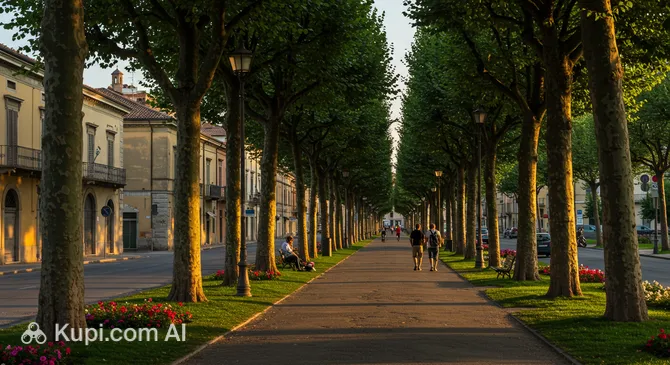
When it is time to relax in nature, the Franco Agosto Urban Park offers a lush, green escape just a stone's throw from the historic center. Spanning over 26 hectares along the banks of the Montone River, it is the city's beloved "green lung." The park is famous for its large population of free-roaming rabbits, which delight children and adults alike. With its ponds, walking paths, and playgrounds, it is the perfect spot for a leisurely stroll or a picnic on a sunny day.

Franco Agosto Urban Park. Source: Kupi.Binoculars

Local Cuisine

The culinary scene in Forli is a proud reflection of the wider Romagna tradition, a region celebrated across Italy for its rich flavors and hearty ingredients. At the center of the local diet is the iconic Piadina Romagnola. In this area, the flatbread is typically prepared slightly thicker than its coastal counterparts and is best enjoyed warm, folded over fillings such as soft Squacquerone cheese, arugula, and locally cured prosciutto.

Pasta is a serious affair here, with handmade varieties dominating Sunday lunches and restaurant menus alike. Visitors must try Cappelletti, small hat-shaped pasta stuffed with a mixture of cheeses (typically ricotta and raviggiolo) and often served in a rich capon broth. Another unique regional specialty is Passatelli, thick strands of pasta made from breadcrumbs, eggs, parmesan, and nutmeg, offering a distinctive texture and savory flavor that perfectly comforts the soul during cooler months.

No meal in Forli is complete without a glass of local wine. The rolling hills surrounding the city are prime territory for producing Sangiovese di Romagna, a robust red wine that pairs beautifully with meat dishes and aged cheeses. For white wine lovers, the Albana di Romagna is a must-try; it holds the distinction of being the first white wine in Italy to receive the prestigious DOCG status and ranges from dry to sweet passito styles.

The food culture in Forli revolves around conviviality and tradition. Locals typically gather in family-run trattorias and osterias where the atmosphere is warm and the recipes have been passed down through generations. While you can find modern dining options, the true essence of the city is found in these rustic establishments and the ubiquitous street kiosks, or chioschi, where the smell of freshly baked piadina invites passersby to stop for a quick and delicious bite.

Travel Tips

Welcome to Forli! To help you make the most of your visit to this authentic corner of Italy, we have compiled a list of essential practical tips that will ensure a smooth and enjoyable journey, allowing you to focus on the city's rich culture and cuisine.

  1. Clothing and Gear: The climate varies significantly by season, so pack light, breathable fabrics for the hot, humid summers and a warm coat, scarf, and gloves for the cold winters. Since the historic center is best explored on foot, comfortable walking shoes are a must to navigate the cobblestone streets. Remember to bring a Type L or F power adapter for your electronics. If you plan to visit religious sites like the Abbey of San Mercuriale, ensure your attire covers your shoulders and knees.
  2. Transportation: Forli is a very walkable city, especially within the historic center where most attractions are located. For longer distances, the local bus service operated by Start Romagna is efficient and reliable; remember to buy tickets at tobacconists (tabaccherie) or newsstands before boarding and validate them inside. Bicycles are also a favorite mode of transport for locals due to the flat terrain, and renting one can be a great way to see the city. Taxis are available at designated stands or by phone, but hailing them on the street is not common practice.
  3. Finances: The local currency is the Euro (€). While credit and debit cards are widely accepted in hotels, restaurants, and larger shops, it is highly advisable to carry some cash for small purchases, especially at the famous street food kiosks (chioschi) or for coffee at a bar. ATMs (Bancomat) are plentiful. Tipping is not mandatory as a service charge (coperto) is usually added to the bill, but leaving small change for good service is appreciated.
  4. Health and Safety: Forli is generally a safe city for tourists, but standard precautions against pickpocketing in crowded areas should always be taken. Pharmacies are easily identified by a green cross sign; they usually operate on a rotation system (farmacia di turno) to ensure 24/7 coverage for emergencies. The general emergency number for police, ambulance, or fire is 112.
  5. Communication: Italian is the official language. While staff in hotels and major tourist attractions usually speak English, it may be less common in smaller family-run shops or among older residents. Learning a few basic phrases like "Buongiorno" (Good morning) and "Grazie" (Thank you) goes a long way in establishing a friendly connection. Free Wi-Fi is often available in public squares and cafes, but purchasing a local SIM card is recommended for reliable navigation.
  6. Local Etiquette: Politeness is highly valued; always greet shopkeepers when entering or leaving a store. When visiting local markets to buy fresh produce, never touch the fruit or vegetables with your bare hands—always use the plastic gloves provided or ask the vendor to serve you. Coffee culture is a ritual here: an espresso is often drunk quickly at the counter (al banco), which is cheaper than sitting at a table.
  7. What to Avoid: Try to avoid planning your shopping or errands between 1:00 PM and 3:30 PM. Many smaller shops and businesses close for the traditional lunch break (pausa pranzo). Also, avoid ordering a cappuccino after a meal; locals consider milk-based coffees strictly for breakfast, and ordering one after lunch or dinner might earn you a confused look.
  8. Additional Tip: Embrace the local rhythm by enjoying an aperitivo in the early evening. Around 6:00 PM or 7:00 PM, bars around Piazza Saffi fill up with locals enjoying a drink accompanied by small snacks. It is the perfect time to people-watch and soak in the authentic atmosphere of the city before heading to dinner, which usually starts no earlier than 7:30 PM or 8:00 PM.

Armed with these practical insights, you are ready to explore Forli with confidence and ease. We hope these tips help you blend in with the locals and fully enjoy the warm hospitality and unique charm that this lovely city has to offer.

Entertainment & Nightlife

Beyond its rich history and art, Forli offers a pleasant variety of leisure activities that allow visitors to experience the city's relaxed modern lifestyle. From green escapes to vibrant dining and shopping, there are plenty of ways to enjoy your time here.

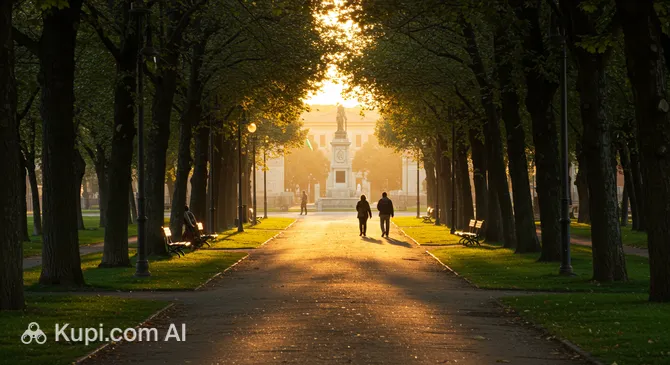
For those seeking fresh air and tranquility, the city is dotted with excellent green spaces. Resistance Park (Parco della Resistenza) is a favorite among locals. Designed in an English garden style, it features a scenic pond, ample shade, and well-maintained paths perfect for jogging or a leisurely afternoon walk.

Resistance Park (Parco della Resistenza). Source: Kupi.Binoculars

Another significant spot for outdoor enthusiasts is Via Dragoni Park. This spacious area is well-equipped for sports and recreation, making it an ideal destination for families and anyone looking to unwind surrounded by nature without leaving the city limits.

Via Dragoni Park. Source: Kupi.Binoculars

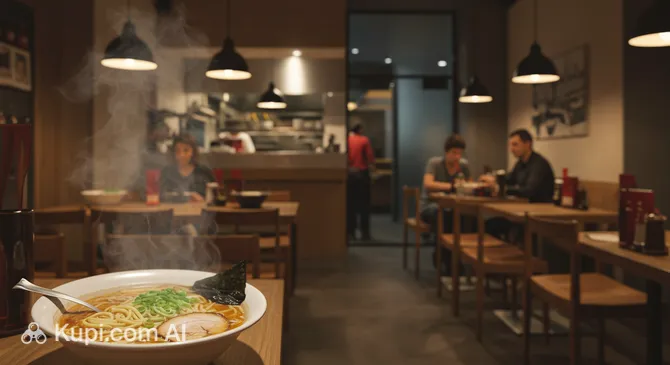
The city's dining scene also provides a form of entertainment, blending tradition with new trends. While the region is famous for its classic cuisine, you can also find unique international experiences. MIC Ramen Forlì is a standout example, offering authentic Japanese flavors that add a cosmopolitan touch to the local gastronomic landscape.

MIC Ramen Forlì. Source: Kupi.Binoculars

For a cultural evening, the historic Teatro Diego Fabbri is the center of the city's performing arts, hosting a prestigious season of prose, concerts, and dance. Shoppers will enjoy strolling along Corso della Repubblica and Via delle Torri, where elegant boutiques and historic shops offer everything from fashion to local crafts.

Parks & Museums

Forli offers a delightful balance between cultural depth and natural beauty, inviting visitors to explore its artistic treasures before unwinding in its expansive green spaces. The city's commitment to preserving its heritage is matched by its dedication to providing accessible outdoor areas, making it a well-rounded destination for travelers.

The city's green heart is undoubtedly the Franco Agosto Urban Park. Stretching along the banks of the Montone River, this vast area is distinguished by its rich botanical variety, featuring ancient trees and carefully curated landscapes. It serves not just as a recreational space but as a natural sanctuary where the river's ecosystem meets the urban environment, offering a refreshing atmosphere for nature lovers.

Another significant green space is the Resistance Park (Parco della Resistenza). While it provides a peaceful setting for relaxation, it also holds deep civic importance. The park is designed to honor the city's history and democratic values, creating a reflective environment where monuments and statues stand amidst the greenery, reminding visitors of the region's resilient past.

When it comes to museums, the San Domenico Museums are the undisputed protagonist of Forli's cultural scene. Beyond its temporary exhibitions, the complex houses the prestigious Civic Art Gallery (Pinacoteca Civica). Here, art enthusiasts can admire masterpieces by the local Renaissance icon Melozzo da Forlì, whose works define the city's artistic identity. The collection provides a comprehensive journey through centuries of local creativity, set within the stunning architecture of the restored convent.

For a dive into more recent history, the Palazzo Romagnoli is a must-visit gem located near the city center. This museum is dedicated to 20th-century art and houses the fascinating "Verzocchi Collection," a unique assemblage of works by Italian artists on the theme of labor. It offers a distinct perspective on modern Italian art history, contrasting beautifully with the Renaissance focus of San Domenico.

History buffs should also seek out the impressive Rocca di Ravaldino. This formidable fortress is legendary for being the site where Caterina Sforza made her last stand against the Borgia forces. Although the interior is often restricted, the imposing exterior walls and the surrounding moat area provide a tangible connection to the city's turbulent medieval and Renaissance eras.

For an authentic local experience, try to visit the smaller, hidden gardens tucked behind the noble palaces along Corso Garibaldi. Occasionally opened for special events, these private courtyards offer a rare glimpse into the intimate and aristocratic side of the city that few tourists get to see.

Getting Around

Navigating Forli is straightforward and efficient, thanks to its compact size and well-organized public transportation network. The primary mode of public transport within the city is the urban bus system, managed by Start Romagna. There is no metro or tram service in the city, but the comprehensive bus lines cover the historic center, residential neighborhoods, and key locations such as the train station and the hospital. The buses are generally orange or white and are clearly marked with their route numbers and destinations.

For tourists, understanding the ticketing system is essential. Tickets are zone-based, with the urban area of Forli falling into a single zone. You can purchase single-journey tickets, which are typically valid for 60 to 75 minutes from the time of validation, allowing for transfers between lines. There are also day passes (Day Ticket) available, which offer unlimited travel for 24 hours and are a convenient option if you plan to explore multiple parts of the city in one day. A standard single ticket usually costs around €1.30 to €1.50 when bought in advance.

Tickets can be purchased at authorized retailers displaying the "Bus Tickets" sign, which includes most tobacconists (tabaccherie) and newsstands throughout the city. A ticket office, known as "Punto Bus," is also located near the train station for more complex inquiries or pass purchases. It is crucial to remember that you must validate your ticket immediately upon boarding by inserting it into the yellow or green machines on the bus. Failure to validate can result in a significant fine, even if you have a ticket in hand.

Modern alternatives for payment are increasingly available. You can purchase tickets via smartphone apps like Roger, DropTicket, or MooneyGo, which allow you to buy and validate digital tickets directly from your device. Additionally, many buses in the region are being equipped with contactless payment systems (StarTap), allowing passengers to pay with a credit card or smartphone directly on board, though carrying a paper ticket or having the app ready is always a safe backup plan.

Bus services typically operate from early morning, around 6:00 AM, until approximately 8:30 PM or 9:00 PM. Service frequency varies, with main lines running every 10 to 15 minutes during peak hours, while evening and weekend services may be less frequent. It is advisable to check the timetables at the bus stops or use a navigation app to plan your journey accurately, especially if you are traveling on Sundays or public holidays when the schedule is reduced.

Beyond buses, Forli is famously known as a bicycle-friendly city due to its flat terrain. Renting a bike is one of the best ways to experience the local lifestyle. The city offers a bike-sharing service, often featuring e-bikes, with docking stations located at strategic points like the railway station and major squares. Many locals prefer cycling over driving, and dedicated bike lanes make it a safe and pleasant option for visitors.

If you prefer private transport, taxis are available but cannot be hailed on the street. You must find a designated taxi rank, usually found at the train station and Piazza Saffi, or call Radio Taxi Forlì to book a ride. Taxis operate 24 hours a day, making them the best option for late-night travel when bus services have ceased. While car-sharing services are present in the region, the walkability of the historic center often makes them unnecessary for short stays.

Accommodation

Finding accommodation in Forli is a generally stress-free experience, reflecting the city's welcoming and authentic character. Unlike the crowded tourist hotspots of the nearby Adriatic coast, this city in the heart of Emilia-Romagna offers a more laid-back atmosphere. The hospitality sector here is well-developed, catering primarily to business travelers and cultural tourists. Visitors can expect excellent value for money, with many establishments focusing on cleanliness, comfort, and the warm, personal service for which the region is famous.

For those who want to immerse themselves in the local culture, the historic center is the best place to stay. Choosing a hotel or a bed and breakfast within the ancient city walls allows you to explore the main sights on foot. You will be just steps away from the lively Piazza Aurelio Saffi, surrounded by cafes, restaurants, and shops. This area is perfect for travelers who enjoy stepping out of their lobby directly into the charm of Italian daily life, with the added benefit of quiet pedestrian zones in the evenings.

Travelers prioritizing logistics might prefer the area around the railway station. Located just a short distance from the center, this district offers practical solutions for those arriving by train or planning frequent day trips to nearby cities like Bologna or Ravenna. The hotels here are often modern and equipped with amenities suited for short stays, providing quick access to public transport without sacrificing proximity to the city's attractions.

A unique alternative common in this part of Italy is the agriturismo. The countryside surrounding the city, particularly in the foothills of the Forlì-Cesena province, is dotted with renovated farmhouses that offer accommodation. These rural stays provide a peaceful retreat amongst vineyards and orchards, often serving homemade breakfasts featuring local produce. It is an ideal option for families or those with a car who wish to combine cultural sightseeing with nature and relaxation.

While it is usually easy to find a room, it is advisable to book in advance during specific periods. The city attracts significant numbers of art lovers during the major temporary exhibitions hosted at the San Domenico Museums. During these months, the best locations in the center can fill up quickly. Regardless of where you choose to stay, you will find that Forli serves as an excellent and affordable base for discovering the treasures of Romagna.

Nearby Cities

For those looking to explore the surroundings, Forli serves as an excellent base for day trips to several interesting nearby locations:

City Population Distance (km)
Ravenna 159,115 25
Cesena 96,760 19
Imola 69,936 30
Faenza 58,797 16
Lugo 32,317 24

Just a short drive away lies Ravenna, a city of immense historical significance and a treasure trove of art. It is world-renowned for its stunning collection of early Christian monuments and Byzantine mosaics, eight of which are designated as UNESCO World Heritage sites. Visitors can marvel at the vibrant, intricate designs inside the Basilica of San Vitale and the Mausoleum of Galla Placidia, making it an essential stop for art lovers.

Even closer to Forli is the charming town of Faenza, celebrated globally for its ancient tradition of ceramic making. The city gives its name to "faience" earthenware and is home to the International Museum of Ceramics, which houses one of the largest collections of ceramic art in the world. Beyond its artistic heritage, Faenza offers a beautiful historic center with elegant squares and neoclassical architecture.

Another excellent option is Cesena, located at the foot of the Apennines. This lively town is famous for the Malatestiana Library, the first public library in Europe and a UNESCO Memory of the World site, preserved exactly as it was in the 15th century. Visitors can also climb to the Rocca Malatestiana fortress for panoramic views of the city and the surrounding countryside.

These nearby destinations offer a glimpse into the diverse culture and landscapes of the region.

Shopping & Souvenirs

Shopping in Forli offers a relaxed and authentic experience, far removed from the chaotic crowds of larger tourist cities. The city center is a delightful open-air shopping mall, characterized by elegant porticoes that allow for comfortable strolling even on rainy days. Visitors can expect a balanced mix of well-known Italian high-street brands, historic family-run boutiques, and artisan workshops. While it may not have the luxury density of Milan, Forli prides itself on quality, particularly in clothing, footwear, and gastronomic products.

The primary destination for retail therapy is the historic center, specifically the streets branching off from Piazza Aurelio Saffi. The most popular thoroughfare is Corso della Repubblica, a wide avenue lined with fashion chains, bookstores, and elegant cafes. Running perpendicular to it is Via delle Torri, another bustling street known for its jewelry stores and chic clothing boutiques. For a more traditional atmosphere, Corso Giuseppe Garibaldi offers a mix of older shops and newer establishments, perfect for a leisurely walk through the heart of the city.

For those who prefer a modern, all-in-one shopping experience, the city is home to the Puntadiferro Shopping Centre. Located just outside the historic walls near the A14 motorway exit, this is the largest mall in the area. It houses nearly 100 shops, including a large hypermarket, electronics stores, and major international fashion retailers. It is an excellent option for rainy days or for travelers who need to find everything in one place, offering ample parking and air-conditioned comfort.

Markets play a vital role in the daily life of the locals. The main open-air market takes place every Monday and Friday morning in the central squares, including Piazza Saffi and Piazza Cavour. Here, you can browse through stalls selling everything from clothing and shoes to household goods and fresh flowers. For food lovers, the Mercato delle Erbe (Covered Market) on Piazza Cavour is a must-visit. It is the best place to find fresh seasonal produce, local cheeses, and cured meats directly from regional farmers.

When looking for souvenirs to bring back home, focus on the region's artisanal and culinary excellence. A classic gift from Romagna is the tele stampate a ruggine—hand-printed fabrics featuring traditional rustic designs in a distinctive rust-brown color, often used for tablecloths and tea towels. Gastronomic souvenirs are also highly recommended; look for a bottle of Sangiovese di Romagna wine, extra virgin olive oil from the nearby hills, or a specialized pan used to cook the local piadina bread.

Store opening hours in Forli generally follow the traditional Italian "split shift." Smaller shops in the city center typically open from 9:00 AM to 12:30 PM and reopen from 3:30 PM to 7:30 PM. They are often closed on Thursday afternoons and Sundays, although this can vary. Large shopping malls like Puntadiferro usually operate continuous hours from 9:00 AM to 9:00 PM, seven days a week. Credit and debit cards are widely accepted, though carrying some cash is useful for small purchases at markets or cafes.

Tourists residing outside the European Union may be eligible for a VAT refund on purchases exceeding a certain amount (typically around €154.94) in a single store. Look for the "Tax Free Shopping" signage in shop windows and remember to ask for the specific refund form at the checkout, which you will need to present at customs upon leaving the EU.

Reached the end of the page?

That means the route is fully explored