Support

Elba

About

Elba is a captivating Mediterranean gem located off the coast of Tuscany in Italy. As the largest island of the Tuscan Archipelago and the third largest in the country, it offers a stunning blend of crystal-clear waters, lush vegetation, and rugged landscapes. Known for its laid-back atmosphere and rich heritage, Elba is a favorite destination for travelers seeking both relaxation and outdoor adventure within the protected embrace of the Arcipelago Toscano National Park.

Geographically, the island is situated in the Tyrrhenian Sea, separated from the mainland by the Piombino Channel. It boasts a mild maritime climate that makes it pleasant to visit almost year-round. The coastline is incredibly diverse, featuring over 150 beaches that range from smooth granite rocks and white pebbles to golden sands. While the island has a permanent population of around 30,000 inhabitants, this number swells significantly during the summer months as tourists flock to enjoy its natural beauty.
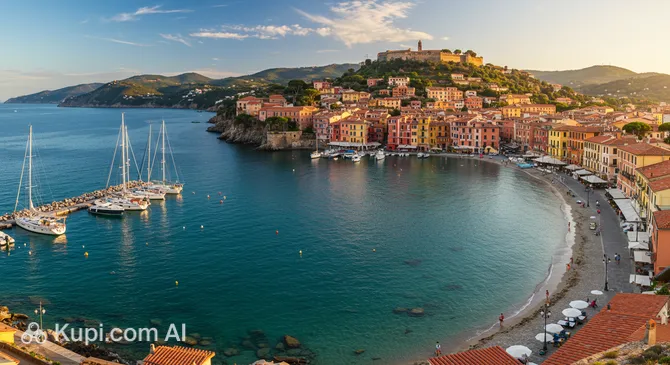
Elba. Source: Kupi.Binoculars

Beyond its scenic allure, the island holds a significant place in European chronicles. The history of Elba is deeply intertwined with the exile of Napoleon Bonaparte, who stayed here for ten months in 1814. His influence is still visible today, particularly in the museums and residences he left behind, such as the Palazzina dei Mulini. Before the Napoleonic era, the island was a strategic iron mining center for the Etruscans and later a fortified outpost for the Medici family.

Visitors are spoiled for choice when it comes to attractions. The main town, Portoferraio, is famous for its impressive Medici fortresses and the picturesque harbor. For nature lovers, a hike or cable car ride to the summit of Mount Capanne offers breathtaking panoramic views of the archipelago and, on clear days, the island of Corsica. The underwater world is equally mesmerizing, making it a paradise for snorkelers and divers exploring the vibrant marine life.

Whether you are interested in exploring ancient mines, lounging on pristine beaches like Sansone or Fetovaia, or savoring delicious Tuscan cuisine with a local twist, Elba promises an unforgettable experience. It is a destination that perfectly balances historical intrigue with the serenity of island life, welcoming visitors to discover its many treasures.
Weather Overview

The island enjoys a typical Mediterranean climate, characterized by hot, sunny summers and mild, relatively damp winters. For travelers planning their activities, understanding the weather in Elba is key to making the most of the trip. The summer season, particularly July and August, is the peak time for beach lovers, with average temperatures rising to 25.8°C and rainfall dropping to a minimum, with July seeing only about 2 wet days.

Shoulder seasons like May and September offer a delightful balance, with pleasant average temperatures ranging from 17.7°C to 22.7°C, making them perfect for hiking and sightseeing without the intense heat. As the year winds down, the island cools off; winter months see average temperatures hovering around 11.6°C in January. November tends to be the wettest month, experiencing approximately 14 days with precipitation. Overall, expect warm summers with occasional rain and mild, wetter winters.

Interesting Facts

Beyond the azure waters and main piazzas, Elba holds fascinating secrets and legends that often escape the casual visitor. Here are some intriguing details that reveal the deeper character of this Tuscan island.
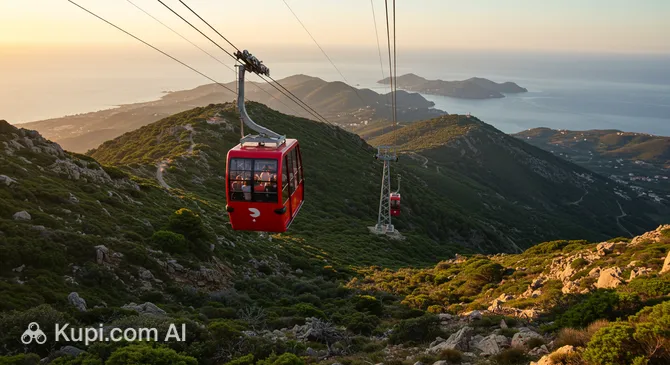
Monte Capanne Cable Car. Source: Kupi.Binoculars
  • The Argonauts' Sweat: According to local mythology, the hero Jason and his Argonauts stopped at Le Ghiaie beach while searching for the Golden Fleece. Legend has it that the distinctive dark spots on the white pebbles found there are actually drops of sweat from the heroes, which permanently stained the stones.

  • A Birdcage Ride: Reaching the island's highest point involves a rather unusual mode of transport. The Monte Capanne Cable Car utilizes unique yellow, open-air metal baskets—often likened to birdcages—that fit just two people standing up, offering a thrilling and unobstructed view during the ascent.

  • The Sooty Island: Long before it was a tourist paradise, the island was a major industrial center. The ancient Greeks named it Aethalia, meaning "fume" or "soot," due to the thick smoke that constantly rose from the iron smelting furnaces operating along the coast.

  • Napoleon's Design: The current flag of Elba, featuring a white background with a red diagonal stripe and three golden bees, was actually designed by Napoleon Bonaparte himself upon his arrival in exile. The bees were intended to symbolize hard work and unity among the inhabitants.

How to Get There

Reaching this beautiful Tuscan island is an adventure in itself, typically involving a combination of travel methods. While most visitors arrive by ferry from the mainland port of Piombino, air travel is also a convenient option for many. For a complete overview of all transport options and logistics, you can read more about how to get to Elba in our detailed guide.

The island is served by its own small aviation hub, Marina di Campo Airport (IATA: EBA), located directly in Elba. It is a regional facility primarily connecting the island with other Italian cities and select European destinations during the summer. Since it is situated just 4.3 km from the center, a taxi ride is very quick, taking approximately 25 to 30 minutes depending on your specific destination on the island. Given its limited annual passenger traffic, it offers a relaxed and uncrowded arrival experience.

For international travelers, the most significant gateway is often Pisa International Airport (IATA: PSA), located in the city of Pisa on the mainland. It is a large hub handling millions of passengers annually. Although it is about 102 km away from Elba, it offers a wide range of flight connections. The journey from Pisa involves traveling to the ferry port in Piombino and then crossing by boat, a trip that generally takes around 3 hours in total by road and sea.

Another viable option is Firenze-Peretola Airport (IATA: FLR) in Florence. Situated roughly 141 km from the island, it is a medium-sized airport serving the Tuscany region. Travel from here to Elba typically takes about 4 hours, accounting for the drive to the coast and the subsequent ferry crossing.

For clarity, here is a summary of the main airports:

Airport Name City Passenger Traffic Km from City
Pisa International AirportPisaHigh101.9
Firenze-Peretola AirportFlorenceMedium141.0
Bastia Poretta AirportBastiaMedium63.3
Sainte Catherine AirportCalviSmall118.0
Marina di Campo AirportElbaSmall4.3

The island of Elba does not have a railway station, as there are no trains on the island itself. However, the Italian rail network is a popular way to reach the ferry ports on the mainland. A major hub for travelers is Firenze Santa Maria Novella Station in Florence, located about 140 km from Elba. From this busy station, which serves nearly 60 million passengers a year, you can catch a connecting train to Piombino Marittima, the port city where ferries depart for the island. The total travel time from Florence to the island, including the train and ferry transfer, is approximately 3.5 to 4 hours.

Another significant rail connection is Genova Piazza Principe Station in Genoa. Although it is further away at approximately 209 km, it is a key transit point for those coming from the north. Travelers arriving here would need to proceed south towards the Tuscan coast to catch a ferry, a journey that can take roughly 5.5 hours by road and sea.

Below is a list of major railway stations on the mainland that serve as transit points:

Station City Passenger Traffic Km to Center
Firenze Santa Maria Novella StationFlorenceVery High140.1
Genova Piazza Principe StationGenoaHigh209.1
Brignole Railway StationGenoaHigh207.0
La Spezia Centrale StationLa SpeziaHigh151.3
Firenze Campo di Marte Railway StationFlorenceMedium141.7

Main Attractions

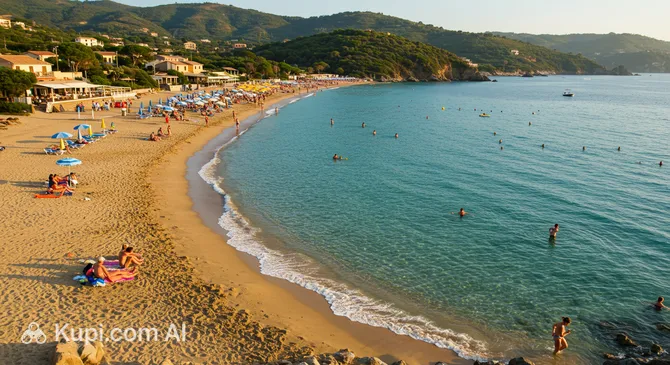
Elba is a treasure trove of natural wonders, best known for its extraordinary variety of beaches that differ in color, sand type, and scenery. From long stretches of golden sand to intimate coves framed by granite cliffs, the island's coastline offers something for every type of traveler. Exploring these seaside gems is undoubtedly one of the primary activities for any visitor.

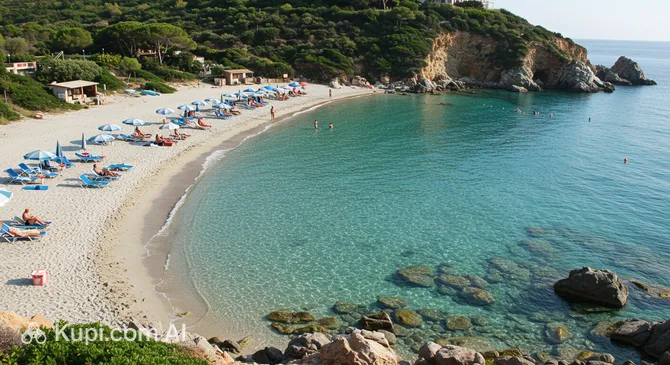
One of the most celebrated spots on the island is Cavoli Beach. Located on the southern coast, this sheltered bay is famous for its fine, white sand and incredibly clear, turquoise water. Thanks to its favorable position, it enjoys a warm microclimate that often allows for swimming even during the off-season. It is particularly popular among young people and those looking for a lively atmosphere surrounded by Mediterranean scrub.

Cavoli Beach. Source: Kupi.Binoculars

For families and those who prefer ample space, Marina di Campo Beach is the perfect destination. As the longest sandy beach on Elba, stretching for nearly 1.4 kilometers, it offers plenty of room for relaxation and play. The water here remains shallow for a long distance from the shore, making it exceptionally safe for children. The beach is also well-equipped with amenities, bars, and restaurants, ensuring a comfortable day by the sea.

Marina di Campo Beach. Source: Kupi.Binoculars

Travelers seeking a more unique landscape should visit Sant'Andrea Beach in the northwest. While it features a lovely sandy stretch, its main draw is the majestic smooth granite rocks, known as "Cote Piane," that slope gently into the crystal-clear sea. These sun-warmed natural platforms are perfect for sunbathing and offer a striking contrast to the lush greenery of the surrounding gardens and the deep blue of the water.

Another fascinating coastal highlight is La Fenicia and La Fenicetta Beach, located near the picturesque town of Marciana Marina. These beaches are characterized by large, smooth pebbles and a wooden boardwalk that makes access easy. The water here is pristine and deep, making it an excellent spot for snorkeling enthusiasts who want to explore the vibrant underwater life right off the shore.

Local Cuisine

The culinary traditions of Elba are a delightful reflection of its dual soul: one tied to the sea and the other rooted in the island's agricultural past. The local cuisine is simple yet flavorful, relying heavily on fresh ingredients, aromatic herbs, and centuries-old recipes passed down through generations. While it shares many characteristics with classic Tuscan cooking, the island offers unique dishes that tell the story of its people, from miners to fishermen.

Seafood naturally plays a starring role on most menus. A must-try dish is Stoccafisso alla Riese, a rich and savory stew made with dried cod, potatoes, onions, tomatoes, capers, olives, and pine nuts. It is a hearty meal that originated in the village of Rio Marina. Another favorite is Cacciucco all'Elbana, a local variation of the famous Tuscan fish soup, packed with various types of fish and served with toasted garlic bread. For vegetarians or those seeking a break from seafood, Gurguglione is a delicious vegetable stew made with peppers, eggplants, and onions, often enjoyed as a side dish or a main course.

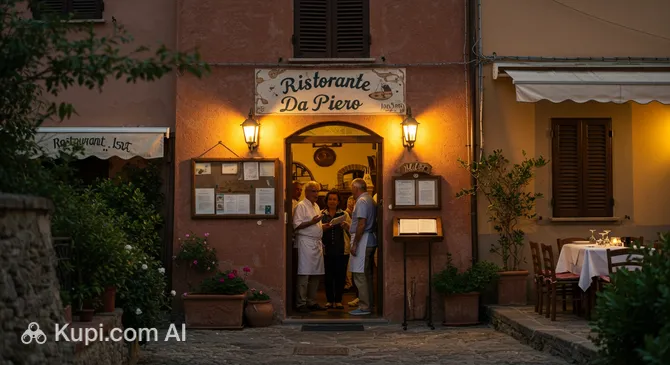
Ristorante Da Piero. Source: Kupi.Binoculars

No meal in Elba is complete without sampling the island's renowned wines. The region has a long history of viticulture, dating back to the Etruscans. The most prestigious local product is Aleatico dell'Elba, a sweet, fortified red wine with DOCG status, typically served with dessert. It pairs perfectly with the island's signature sweet treat, Schiaccia Briaca (Drunken Cake), a dense cake made with raisins, pine nuts, walnuts, and Aleatico wine, which gives it a distinctive reddish hue and aromatic flavor.

Dining on the island ranges from casual beachfront kiosks to elegant establishments. Visitors can enjoy a relaxed lunch with their feet in the sand or a romantic dinner overlooking a harbor. For a genuine taste of local hospitality and cuisine, you might consider visiting Ristorante Da Piero, which offers a chance to savor traditional flavors in a welcoming setting. Whether you are grabbing a quick bite of schiaccina (a type of flatbread) or sitting down for a multi-course feast, the food culture here is sure to be a highlight of your trip.

Travel Tips

Welcome to Elba, the jewel of the Tuscan Archipelago! To ensure your island getaway is as relaxing and seamless as possible, we have compiled a list of essential practical tips to help you navigate local life with ease.

  1. Clothing and Gear: Since Elba is a premier beach destination, pack plenty of swimwear, sunglasses, and high-SPF sunscreen for the summer months. However, the island is also a hiker's paradise; bring sturdy, comfortable shoes if you plan to trek up Mount Capanne or explore the mining trails. Evenings can get breezy, especially in the shoulder seasons (May and September), so a light jacket or sweater is recommended. If you plan to visit churches, remember to dress modestly, covering your shoulders and knees.

  2. Transportation: While there is a public bus service (Autolinee Toscane) connecting the main towns like Portoferraio, Marina di Campo, and Capoliveri, schedules can be limited, especially in the evening. To truly explore the hidden coves and remote hilltop villages, renting a car or a scooter is highly recommended. Be prepared for narrow, winding roads that offer stunning views but require careful driving.

  3. Finances: The local currency is the Euro (€). Credit and debit cards are widely accepted in hotels, restaurants, and larger shops. However, it is wise to carry some cash for small purchases at beach kiosks, gelaterias, or local markets where card machines might not be available. ATMs are easily found in the main towns, but may be scarce in smaller hamlets.

  4. Health and Safety: Elba is a very safe destination for tourists. Pharmacies are marked with a green cross and are available in all major towns; they typically rotate night shifts for emergencies. The general emergency number is 112. In summer, a "Guardia Medica Turistica" (Tourist Medical Service) is often active to handle minor non-emergency health issues for visitors.

  5. Communication: Italian is the official language. While staff in hotels and major tourist restaurants usually speak English, it is less common in rural areas or small family-run eateries. Learning a few basic Italian phrases like "Buongiorno" (Good morning) and "Grazie" (Thank you) goes a long way. EU citizens can use their mobile data plans without roaming fees, and Wi-Fi is standard in most accommodations.

  6. Local Etiquette: Italians value politeness; always greet shopkeepers or waiters when entering and leaving an establishment. In restaurants, a service charge (coperto) is often added to the bill, so tipping is not mandatory, though leaving a small amount for good service is appreciated. Lunch is typically served from 12:30 PM to 2:30 PM, and dinner often starts after 7:30 PM.

  7. What to Avoid: Strictly avoid taking sand, pebbles, or shells from the beaches as souvenirs. This is illegal in Italy and specifically enforced on Elba to protect its natural heritage; offenders can face hefty fines. Also, avoid driving in the historic centers of towns (ZTL zones) unless you are certain you have permission, as cameras will automatically ticket unauthorized vehicles.

  8. Ferry Planning: If you are traveling during July or August, or on weekends, it is crucial to book your ferry to and from Piombino well in advance. The ferries can sell out, and having a reservation ensures you won't be stuck on the mainland waiting for the next available slot.

By keeping these practicalities in mind, you will be well-prepared to embrace the "dolce vita" lifestyle of Elba. Enjoy the sun, the sea, and the warm hospitality of this enchanting Italian island!

Entertainment & Nightlife

Entertainment:

Although Elba is renowned for its natural tranquility, the island offers a vibrant and sophisticated entertainment scene that comes alive after sunset. Unlike the high-energy party hubs elsewhere in the Mediterranean, the nightlife here is characterized by a relaxed "dolce vita" atmosphere. Evenings typically begin with a traditional aperitivo in the bustling piazzas of towns like Capoliveri and Porto Azzurro, where locals and visitors gather to enjoy music, conversation, and the cool sea breeze.

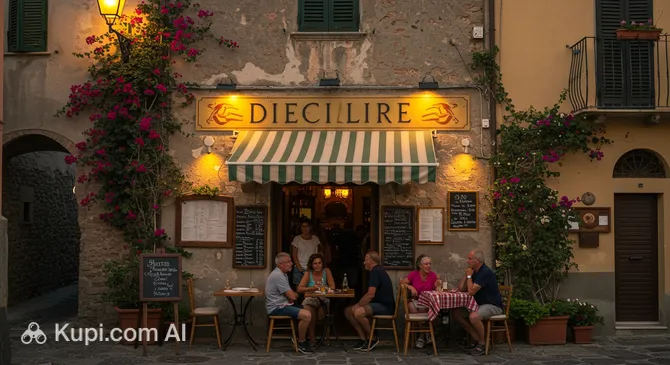
For those looking to enjoy a drink in a stylish setting, Diecilire is a standout venue. This popular bar is well-regarded for its creative cocktail menu and inviting ambiance. It serves as a perfect meeting point to unwind with a glass of local wine or a refreshing drink, surrounded by the charm of the island's architecture.

Diecilire. Source: Kupi.Binoculars

Another excellent option for spending a pleasant evening is La Rosa Hotel - L'Ottavo Restaurant & Pizzeria. While it offers a comfortable dining experience, it is also a lively spot to enjoy the company of friends and family. Whether you are stopping by for a casual meal or a late-night beverage, the friendly service and vibrant environment make it a staple of the local social scene.

Shopping is another favorite pastime that doubles as entertainment on the island. The historic centers are dotted with artisan boutiques selling handcrafted jewelry made from local minerals like hematite and pyrite, reflecting the island's mining heritage. You will also find numerous shops dedicated to Acqua dell'Elba, the famous local perfumery that captures the scents of the sea and Mediterranean scrub in its fragrances.

Throughout the year, Elba hosts a variety of cultural festivals that draw crowds from all over. The Grape Festival in October is a particularly festive occasion, featuring parades, period costumes, and wine tastings. During the summer months, many town squares transform into open-air stages for concerts and historical reenactments, often celebrating the Napoleonic era, offering a delightful mix of history and entertainment under the stars.

Parks & Museums

Parks & Museums:

Elba is not just a destination for beach lovers; it is a protected sanctuary of nature and history. The entire island falls within the Arcipelago Toscano National Park, the largest marine park in Europe. This protected status preserves the island's incredible biodiversity, from the rich marine life inhabiting the seagrass meadows to the raptors soaring over the granite peaks. A network of well-marked trails invites hikers and nature enthusiasts to explore the diverse ecosystems, which range from fragrant Mediterranean scrub to cool, chestnut-shaded woodlands.

The geological diversity of the park is truly spectacular, offering a window into the Earth's history. A prime example of this natural artistry can be found at Sant'Andrea Beach on the northwest coast. Here, the landscape is defined by the "Cote Piane," massive granite cliffs that have been polished smooth by wind and sea over millennia. These unique rock formations create a striking contrast against the turquoise waters and serve as a natural geological monument within the park.

For those interested in cultural heritage, the island serves as a sprawling museum dedicated to the memory of Napoleon Bonaparte. The French Emperor's ten-month exile is commemorated in the National Museums of Napoleonic Residences. Visitors can explore the Palazzina dei Mulini, his official residence in Portoferraio which sits high on a cliff between two forts, and the Villa San Martino, his tranquil summer retreat nestled in the countryside. Both sites display original furniture, period art, and personal artifacts that offer a fascinating glimpse into the life of the legendary leader.

Elba's history is also deeply forged in iron, a legacy that is brought to life in the Parco Minerario dell'Isola d'Elba (Mineral Park). Located primarily in the areas of Rio Marina and Capoliveri, this open-air museum preserves the island's mining past, which dates back to Etruscan times. Tourists can take guided tours aboard characteristic trains or trek through the abandoned mines, marveling at the surreal, shimmering landscapes of red and ochre earth. The accompanying mineral museums showcase glittering samples of hematite and pyrite, celebrating the geological wealth that once earned Elba the name "Aethalia" (Sooty Island).

To delve even further back in time, the Archaeological Museum of Linguella in Portoferraio is a must-visit. Housed in an ancient salt warehouse within a Medici fortress, it displays a rich collection of amphorae and artifacts recovered from Roman shipwrecks and local excavations. Along with the archaeological museum in Marciana, these institutions piece together the stories of the Ligurians, Etruscans, and Romans who shaped the island's early civilization.

Getting Around

Navigating the island of Elba is relatively straightforward, though the options are different from what you might find in a large metropolis. The public transport system relies almost entirely on a network of buses that connects the main port of Portoferraio with key towns and tourist villages across the island. There is no metro, tram, or railway service on the island; the train stations mentioned in travel guides are located on the mainland, serving the ferry ports rather than Elba itself.

The local bus service is operated by Autolinee Toscane. The network is divided into urban lines, which serve the town of Portoferraio and its immediate surroundings, and extra-urban (suburban) lines that travel to other municipalities such as Marina di Campo, Capoliveri, Porto Azzurro, and Marciana. During the peak summer season, the frequency of these connections increases significantly to accommodate the influx of visitors, often accompanied by a dedicated "Marebus" beach shuttle service in certain municipalities to link town centers with popular seaside spots.

For payment, travelers have several convenient options. Physical tickets can be purchased at authorized sales points, which include ticket offices, newsstands, and Tabacchi (tobacco shops) displaying the bus logo. A popular digital alternative is the official "at bus" app, which allows you to plan your route and buy tickets directly from your smartphone. Travel passes are available for those planning extensive travel, ranging from daily passes to multi-day cards, offering a cost-effective way to explore the island.

A crucial piece of advice for tourists is to always buy your ticket before boarding. While it is sometimes possible to purchase a ticket from the driver, it usually comes with a surcharge and requires exact change. Once on board, you must validate your paper ticket immediately using the machines provided to avoid hefty fines. It is also important to remember that bus schedules vary greatly by season; while summer service is frequent, winter schedules are much reduced, so checking the latest timetable is essential if you are visiting in the off-season.

Given the island's winding roads and hidden coves, many visitors find that public transport—while reliable for main routes—can be limiting for reaching more secluded areas. Consequently, renting a vehicle is a very popular alternative. Renting a car or a scooter provides the freedom to explore at your own pace. For short distances within towns, e-bike rentals are becoming increasingly common. Taxis are available at main ports and in larger towns, but they can be quite expensive compared to other options, making them less ideal for daily travel.

While not a standard mode of public transit for commuting, the Monte Capanne Cable Car deserves a mention as a unique transport feature. It lifts passengers from Marciana to the highest point of the island in open basket-like cages, offering a spectacular journey that is as much an attraction as it is a way to get around the mountain terrain.

Accommodation

Accommodation:

Finding the perfect place to stay in Elba is part of the adventure, as the island offers a diverse array of accommodation options to suit every preference and budget. Whether you are looking for the amenities of a full-service resort, the independence of a holiday apartment, or the closeness to nature found in camping, Elba has it all. The hospitality sector here is well-developed, catering to families, couples, and solo travelers alike.

For those seeking convenience and history, the capital town of Portoferraio is an excellent base. Staying here places you close to the ferry port and the main bus terminal, making it easy to explore the rest of the island without a car. If a classic beach holiday is your priority, the area around Marina di Campo is highly recommended. It is particularly popular with families due to its long sandy beach and extensive selection of hotels and rentals within walking distance of the sea.

Visitors looking for a charming, village atmosphere often prefer the hilltop town of Capoliveri or the picturesque harbor of Porto Azzurro. These locations are famous for their lively evening scenes, filled with shops, restaurants, and markets. For a more tranquil experience immersed in nature, the "Agriturismo" (farm stay) options scattered across the island's interior offer a unique chance to enjoy local traditions and quiet countryside settings.

Camping is also a major tradition on Elba, with numerous high-quality campsites located directly behind the beaches. These range from basic tent pitches to "glamping" experiences with fully equipped bungalows. On the other end of the spectrum, luxury travelers can find exclusive boutique hotels and villas tucked away in private coves, offering privacy and top-tier services.

Booking Tip: Elba is an extremely popular summer destination, especially for Italian tourists. August is the peak month, and the island can reach full capacity. It is highly advisable to book your accommodation several months in advance if you plan to visit during July or August. Visiting in the shoulder seasons, like May or late September, allows for more spontaneity and better rates.

Price ranges vary significantly depending on the season and location. While budget options like hostels are less common, affordable apartments and campsites provide good value. Mid-range hotels are plentiful, but prices peak sharply in mid-summer. Most accommodations can be easily booked through major online platforms, though many smaller family-run establishments and apartments also welcome direct inquiries.

Nearby Cities

For those looking to explore the surroundings, Elba serves as an excellent base for day trips to several interesting nearby locations. A short ferry ride back to the mainland allows travelers to discover the rich history and distinct character of the Tuscan coast.

Piombino is the closest option and offers much more than just a ferry terminal. It features a lovely historical center that extends over the sea and serves as the gateway to the Etruscan ruins of Populonia. Further north, Livorno is a bustling port city known for its "New Venice" district, crisscrossed by canals, and the elegant Terrazza Mascagni promenade. Alternatively, Grosseto provides a dive into the Maremma region, boasting a historic center completely enclosed by rare, intact hexagonal walls from the 16th century.

City Population Distance (km)
Livorno15837186
Grosseto8203675
Cascina45212104
Piombino3385532
Rosignano Marittimo3103973

These nearby destinations offer a glimpse into the diverse culture and landscapes of the region.

Shopping & Souvenirs

Shopping in Elba offers a delightful mix of Italian style and island tradition. You won't find sprawling commercial complexes here; instead, the experience is defined by wandering through historic centers, discovering small artisan workshops, and browsing elegant boutiques. The island is particularly proud of its local craftsmanship, making it the perfect place to find unique items that capture the essence of the Tuscan Archipelago.

The heart of shopping on the island is undoubtedly Portoferraio. The streets of the historic center, particularly Via Mascagni and Calata Mazzini, are lined with shops selling everything from fashion and jewelry to local books and ceramics. Another prime location is Marina di Campo. Known for its vibrant atmosphere, the town center near Marina di Campo Beach transforms into a bustling open-air shopping gallery in the evenings, with stores staying open late to welcome tourists after a day by the sea.

For a more sophisticated experience, the area around Marciana Marina Beach is a must-visit. The town's promenade allows visitors to explore exclusive boutiques and artisan shops set against the backdrop of the charming waterfront, making it a favorite spot for a leisurely evening stroll.

Travelers should note that Elba does not have large, American-style shopping malls. The retail landscape is dominated by small, independent businesses. However, for daily necessities and groceries, there are well-stocked supermarkets and smaller commercial centers located primarily in the outskirts of Portoferraio and other major towns.

Weekly open-air markets are a staple of local life and a treat for visitors. They rotate between towns each morning: Monday in Rio Marina, Tuesday in Rio nell'Elba, Wednesday in Marina di Campo, Thursday in Capoliveri, Friday in Portoferraio, Saturday in Porto Azzurro, and Sunday in Lacona. In addition to these, during the summer months, many towns like Capoliveri and Porto Azzurro host enchanting evening markets. These are perfect for finding handmade crafts, jewelry, and souvenirs while enjoying the cool night air.

When it comes to taking a piece of Elba home, there are several signature products to look for. The most iconic is Acqua dell'Elba, a locally produced line of perfumes and home fragrances inspired by the scents of the sea and local flora; their turquoise shops are found throughout the island. Given the island's mineral-rich history, jewelry made from hematite and pyrite is also a classic keepsake. For foodies, a bottle of sweet Aleatico wine or the traditional Schiaccia Briaca (Drunken Cake) are essential purchases.

Shops generally follow the traditional Italian schedule, opening around 9:00 AM and closing for a "siesta" break between 1:00 PM and 4:00 PM, before reopening until 8:00 PM. However, in the peak summer season (July and August), many shops in tourist areas skip the afternoon break or stay open until midnight. Credit and debit cards are widely accepted in most stores, though it is advisable to carry some cash for small purchases at markets or kiosks.

Non-EU residents are eligible for a VAT (IVA) refund on purchases exceeding a certain amount (typically around €154.94) at participating stores. Look for the "Tax Free" signage in shop windows and remember to ask for the necessary forms at the checkout to claim your refund at the airport or port of departure.

Reached the end of the page?

That means the route is fully explored