Support

Ajaccio

About

Welcome to Ajaccio, the vibrant capital of Corsica and a city that effortlessly blends imperial heritage with the relaxed charm of the Mediterranean. Nestled on the rugged west coast of the island, this sun-drenched destination is renowned for its elegant boulevards, pastel-colored buildings, and a picturesque waterfront that invites leisurely strolls.

Geographically, the city is situated in a sheltered position at the foot of wooded hills on the northern shore of the Gulf of Ajaccio. As a part of France, it serves as a major economic and commercial center for the island while maintaining a welcoming atmosphere. With a population of approximately 71,000 residents, it offers the amenities of a modern city without losing its intimate, town-like feel.

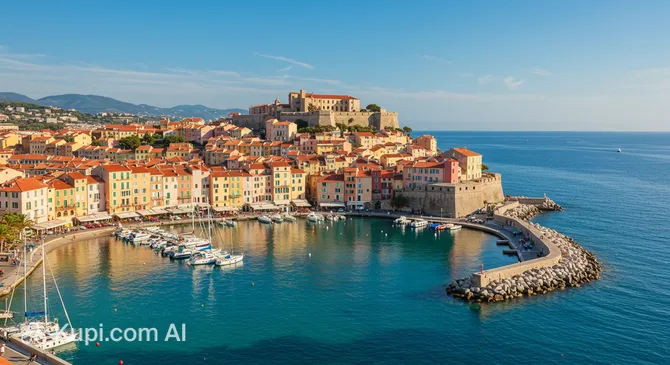
Ajaccio. Source: Kupi.Binoculars

The city is perhaps most famous as the birthplace of Napoleon Bonaparte, and his legacy is visible throughout the streets, squares, and monuments. Visitors eager to delve into the past can explore the history of Ajaccio by visiting the Maison Bonaparte, the ancestral home of the emperor, which is now a fascinating national museum. The imposing Citadel, guarding the port, also stands as a testament to the city's strategic importance over the centuries.

Beyond its historical significance, Ajaccio captivates travelers with its natural beauty and lifestyle. The local market creates a sensory delight with fresh Corsican cheeses and charcuterie, while the nearby Route des Sanguinaires offers breathtaking views of the coast and pristine beaches. Whether you are looking to immerse yourself in culture or simply relax by the turquoise sea, Ajaccio promises an unforgettable travel experience.

Weather Overview

Ajaccio benefits from a sunny Mediterranean climate, making it an inviting destination throughout the year. The city is characterized by hot, dry summers and mild, relatively damp winters, ensuring that extreme cold is rarely a concern. Visitors can generally expect warm summers with occasional rain and cool, wetter winters.

The summer months constitute the peak season, particularly July and August, when average temperatures hover around 24°C and daytime highs can reach 27.3°C. Rainfall is exceptionally scarce during this period, with July seeing almost zero precipitation. For travelers who prefer milder conditions, the weather in Ajaccio during spring and early autumn is ideal, offering pleasant average temperatures between 16°C and 21°C.

Winter brings cooler air and increased rainfall, though it remains gentle compared to many other European cities. January is typically the coldest month with an average temperature of 9.4°C, while November and December are the wettest, often experiencing up to 16 rainy days per month. Despite the rain, the winter climate is still moderate enough for enjoying the local culture and scenery.

Interesting Facts

Beyond the well-known monuments dedicated to Napoleon, Ajaccio holds several fascinating secrets that reveal its unique character and deep historical roots. The city offers intriguing stories that go far beyond the typical tourist trail, from ancient legends to pivotal moments in modern history.
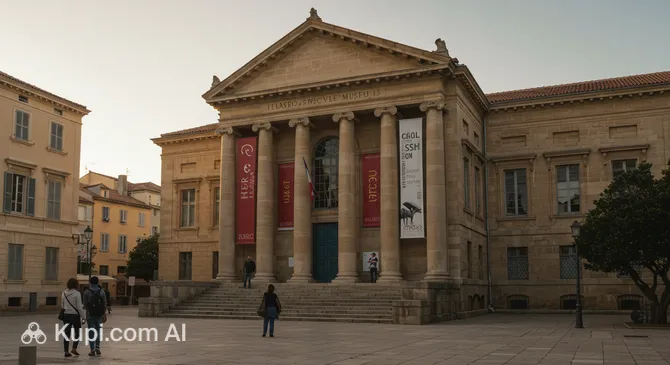
Fesch Museum. Source: Kupi.Binoculars
  • Art enthusiasts might be surprised to learn that the Fesch Museum houses one of the most important collections of Italian paintings in France. Second only to the Louvre in Paris, this extraordinary assortment was gathered by Cardinal Joseph Fesch, who was Napoleon Bonaparte's maternal uncle.

  • Ajaccio holds the proud distinction of being the very first city on French territory to be liberated during World War II. The local resistance movement successfully freed the town on September 9, 1943, nearly a year before the liberation of Paris.

  • The ancestral home of the emperor, Maison Bonaparte, is said to have played a dramatic role in his survival. Local stories recount that in 1793, a young Napoleon escaped capture by his political enemies by fleeing through a trapdoor in the house to reach a boat bound for mainland France.

  • The origin of the city's name is steeped in myth and debate. While some legends claim it was founded by the Greek hero Ajax, others believe the name derives from the Latin word "adjacium," which refers to a resting place for shepherds during the winter months.

How to Get There

Reaching this Mediterranean gem is straightforward, with air travel being the most convenient method for international and domestic visitors. You can find more about how to get to Ajaccio and the various transport options available on our detailed page.

The city is directly served by Ajaccio Napoleon Bonaparte Airport (AJA), which is the primary gateway for travelers. Located just 5.4 km from the city center, it is a very accessible international airport. The journey to the heart of the city is quick, taking approximately 30 minutes by taxi or shuttle bus. For those finding better flight connections elsewhere on the island, you can fly into Bastia Poretta Airport (BIA) in the city of Bastia. This airport is about 93.5 km away, and the transfer to Ajaccio typically takes around 2 hours and 40 minutes by road.

Another viable option is Sud Corse Airport (FSC), situated in Figari. Located approximately 55 km from Ajaccio, it serves as a regional hub for the southern part of the island. A trip from Figari to Ajaccio by car or taxi generally takes about 1 hour and 45 minutes.

For clarity, here is a summary of the main airports:

Airport Name City Passenger Traffic Km from City
Olbia Costa Smeralda AirportOlbiaLarge130.7
Ajaccio Napoleon Bonaparte AirportAjaccioMedium5.4
Bastia Poretta AirportBastiaMedium93.5
Sud Corse AirportFigariSmall55.3
Sainte Catherine AirportCalviSmall68.1

While there is no direct train line from the mainland to Corsica, travelers often combine rail and sea travel. You can arrive at Toulon Railway Station in the city of Toulon (France), which is approximately 267 km away across the sea. Toulon is a major port with regular ferry connections to Ajaccio. Alternatively, visitors coming from Italy might use Genova Piazza Principe Station in Genoa, about 278 km away, which also offers ferry links to the island.

Below is a list of relevant railway stations on the mainland that serve as transit points:

Station City Passenger Traffic Km to Center
Firenze Santa Maria Novella StationFlorenceLarge290.9
Genova Piazza Principe StationGenoaLarge277.9
Brignole Railway StationGenoaLarge276.9
La Spezia Centrale StationLa SpeziaMedium258.8
Toulon Railway StationToulonMedium267.0

Main Attractions

Ajaccio is a city where history and Mediterranean beauty converge, offering visitors a delightful mix of cultural landmarks and stunning natural scenery. From the footsteps of an emperor to the relaxing shores of the turquoise sea, the city's attractions provide a captivating journey through time and leisure.

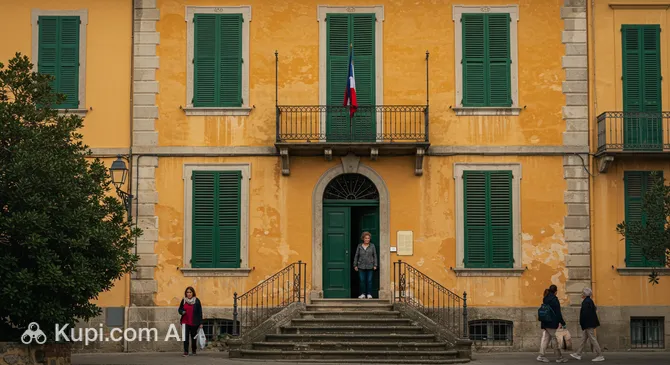
A visit to Ajaccio would be incomplete without exploring the Maison Bonaparte, the ancestral home where Napoleon Bonaparte was born in 1769. Located in the heart of the old town's winding streets, this house is now a national museum dedicated to the Bonaparte family. Visitors can walk through the historically furnished rooms, viewing personal objects, portraits, and documents that offer an intimate glimpse into the early life of France's most famous emperor and his family's history in Corsica.

Maison Bonaparte. Source: Kupi.Binoculars

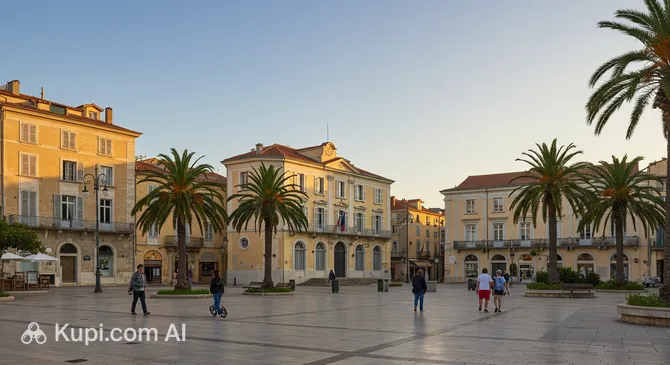
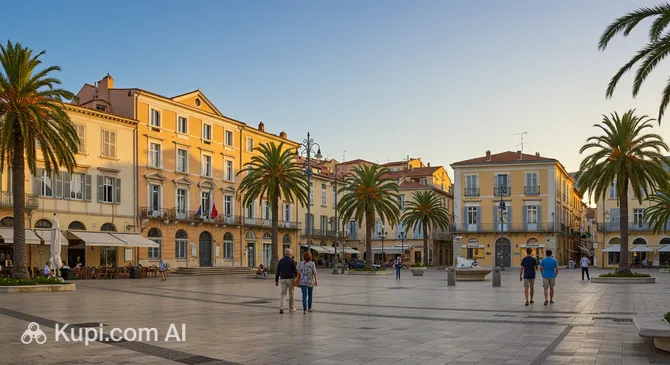
For a taste of local life, head to Place Foch, often referred to by locals as "Place des Palmiers" due to the majestic palm trees lining its edges. This bustling square serves as a central meeting point and sits conveniently near the ferry port and the old town. At its center stands a statue of Napoleon as the First Consul, surrounded by four marble lions. It is a perfect spot to enjoy the shade, admire the fountain, or wander into the nearby market to discover authentic Corsican flavors.

Place Foch. Source: Kupi.Binoculars

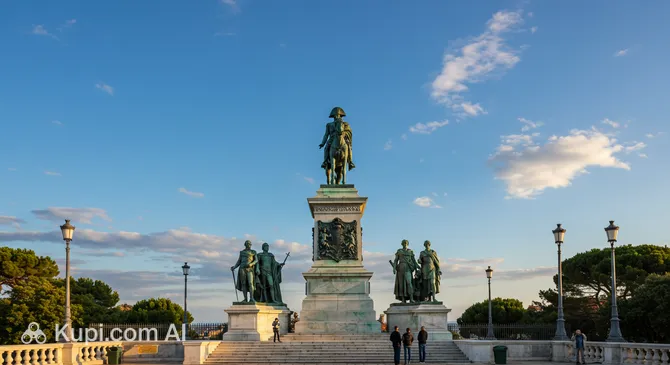
To see one of the most imposing tributes to the city's most famous son, make your way to the Napoleon I Commemorative Monument located at Place d'Austerlitz. This grand site, often called the Casone, features a monumental bronze statue of Napoleon atop a pyramid-shaped pedestal. A magnificent staircase leading up to the statue is inscribed with the names of his military victories, making it a powerful location for history enthusiasts and a great spot for panoramic photos.

Napoleon I Commemorative Monument. Source: Kupi.Binoculars

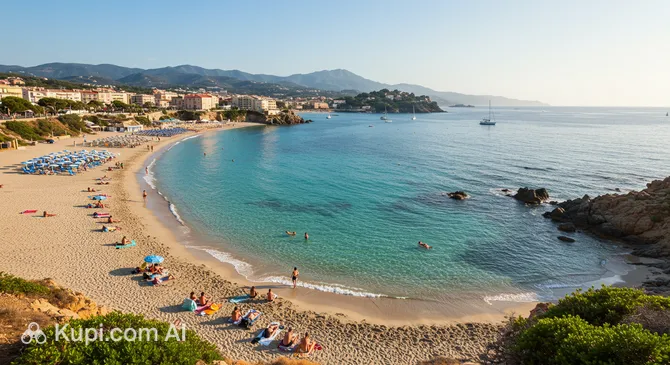
If you are looking to unwind after a day of sightseeing, Ricanto Beach offers a splendid escape just a short distance from the city center. Also known as Tahiti Beach, this extensive stretch of golden sand spans approximately three kilometers along the Gulf of Ajaccio. It is a favorite among both locals and tourists for its crystal-clear waters and ample space, providing a serene environment to sunbathe, swim, or simply enjoy the view of the horizon.

Local Cuisine

The culinary landscape of Ajaccio is a delightful reflection of Corsica's dual identity, blending the fresh bounty of the Mediterranean Sea with the rustic, hearty flavors of the island's mountainous interior. Dining here is not just a necessity but a cherished ritual, where meals are often slow-paced and enjoyed on sun-drenched terraces. The local cuisine is characterized by fragrant herbs from the maquis, high-quality meats, and exceptional cheeses that define the island's gastronomy.

For seafood lovers, the undisputed star is Aziminu, often described as the Corsican answer to bouillabaisse. This rich fish soup is made with rockfish, crabs, and a blend of local herbs, offering a deep taste of the sea. However, the land also provides some of the city's most famous specialties. You must try the renowned Corsican charcuterie, particularly prisutu (cured ham) and figatellu (liver sausage), which owe their distinct flavor to the diet of chestnuts consumed by the island's free-roaming pigs. Another savory classic is Civet de Sanglier, a robust wild boar stew that is typically slow-cooked with red wine and vegetables.

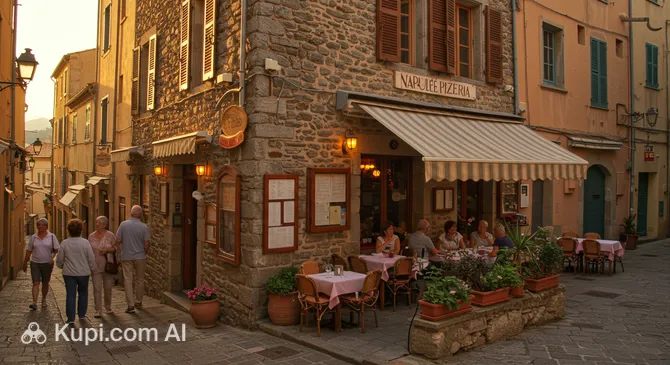
No meal in Ajaccio is complete without tasting Brocciu, a fresh cheese made from sheep's or goat's milk that holds a Protected Designation of Origin (AOP) status. It is a versatile ingredient used in many dishes, including the beloved dessert Fiadone. This light, lemon-zested cheesecake is a signature sweet treat found in almost every bakery and restaurant across the city. For a casual yet delicious meal, visitors might stop by Napulè Pizzeria, a popular spot that brings a taste of authentic pizza to the heart of the city.

Napulè Pizzeria. Source: Kupi.Binoculars

To accompany these dishes, the local beverage culture offers its own unique treasures. Ajaccio has its own wine appellation (AOC Ajaccio), producing excellent reds and rosés primarily from the Sciaccarellu grape, known for its spicy and fruity notes. For beer enthusiasts, the chestnut-flour beer known as Pietra is a must-try icon of the island. To cap off the evening, locals often sip on a glass of chilled Myrtle liqueur, a traditional digestive made from the berries of the myrtle plant that grows wild in the countryside.

The food culture in Ajaccio revolves heavily around social interaction and fresh produce. The daily market near the port is a hub of activity where residents buy seasonal fruits, honey, and olives directly from producers. In the evenings, the atmosphere shifts to the lively bars and bistros scattered through the old town. A venue like Le Trou dans le Mur Bar offers a quintessential setting to experience the local nightlife, where you can enjoy a drink in a friendly, authentic environment.

Travel Tips

Preparing for your trip to Ajaccio is easy with a few practical insights that will help you navigate the city like a local. These tips are designed to ensure your stay in the capital of Corsica is as smooth and enjoyable as possible, allowing you to focus on the stunning scenery and rich history.

  1. Clothing and Gear: In the summer, lightweight fabrics, sunglasses, and swimwear are essential, but always bring a hat to protect against the strong Mediterranean sun. If you are visiting in spring or autumn, pack layers and a waterproof jacket, as the weather can be changeable. Since the old town features charming but uneven cobblestones, bring comfortable walking shoes instead of high heels. Remember to dress modestly by covering shoulders and knees when visiting religious sites like the cathedral.

  2. Transportation: The city center is compact and best explored on foot, but for reaching outlying areas, the local Muvistrada bus network is reliable and affordable. There are no trams or metro lines, and while taxis are available at designated stands or via phone, they can be expensive. To truly discover the hidden beaches and mountain villages surrounding the city, renting a car is highly recommended, though be prepared for traffic and limited parking in the city center during peak season.

  3. Finances: The official currency is the Euro (€). Major credit cards (Visa and Mastercard) are widely accepted in hotels and larger restaurants, but it is essential to carry cash for small purchases at the daily market, independent bakeries, or beach kiosks. ATMs are readily available throughout the city. Tipping is not mandatory as service is included, but leaving small change or rounding up the bill is a polite gesture if you enjoyed the service.

  4. Health and Safety: Ajaccio is generally a very safe destination for travelers, but standard precautions against pickpocketing in crowded tourist spots should be taken. Pharmacies are easily recognized by a flashing green cross, and staff can often provide advice for minor ailments. For any serious emergencies, dial 112, the universal European emergency number.

  5. Communication: French is the primary language, and while you will see street signs in both French and Corsican, the latter is mostly spoken by locals among themselves. English is understood in most hotels and tourist restaurants, but it is not universally spoken. Learning a few basic phrases like "Bonjour" (Hello) and "Merci" (Thank you) is considered very polite and will go a long way in establishing a friendly connection.

  6. Local Etiquette: Politeness is paramount in Corsican culture; always greet shopkeepers and staff with a friendly "Bonjour" immediately upon entering an establishment. The pace of life is often more relaxed than on the mainland, so embrace the "island time" and be patient with service in cafes. It is also customary to ask for the bill ("L'addition, s'il vous plaît") when you are ready to leave, rather than waiting for it to be brought to you.

  7. What to Avoid: Avoid referring to Corsicans simply as "French" in a way that dismisses their unique heritage; the locals have a strong regional identity and are proud of their distinct culture. Additionally, do not expect all shops to remain open throughout the day; many smaller businesses observe a midday break, typically closing between 12:00 PM and 2:00 PM.

  8. Local Insight: To experience the true soul of the city, visit the daily market on Place Foch early in the morning, ideally before 10:00 AM. This is not just a place to buy food but a social hub where you can taste the freshest seasonal fruit and local cheeses before the midday heat and crowds arrive.

With these practical tips in mind, you are well-equipped to relax and soak up the unique atmosphere of this Mediterranean jewel. Enjoy the seamless blend of culture, history, and nature that makes a visit to Ajaccio so special.

Entertainment & Nightlife

Entertainment:

Ajaccio offers a vibrant mix of leisure activities that extend well beyond its historical sites. The city’s entertainment scene effortlessly combines high-end shopping, relaxed seaside living, and lively cultural events, ensuring there is something for every type of traveler to enjoy.

For those interested in retail therapy, the city presents a dual experience. The pedestrian-friendly Rue Fesch in the old town is perfect for browsing local boutiques, artisanal crafts, and souvenir shops. For a more comprehensive shopping experience, La Rocade Mezzavia is the go-to destination. This large commercial center features a wide array of fashion brands, services, and amenities, making it a convenient stop for both essentials and leisure shopping.

La Rocade Mezzavia. Source: Kupi.Binoculars

Social life in Ajaccio often centers around its magnificent public spaces. While the historic squares have their charm, Place de Gaulle (locally known as Place du Diamant) stands out as a major hub for entertainment. This expansive square, which separates the old town from the newer districts, offers panoramic views of the sea and frequently hosts open-air concerts, seasonal markets, and community events, making it a lively spot day and night.

Place de Gaulle. Source: Kupi.Binoculars

Visitors looking to unwind by the water without leaving the city limits will find Trottel Beach to be an ideal escape. Located along the Boulevard Albert 1er, this accessible stretch of sand is a favorite among locals for a morning swim or a relaxing afternoon in the sun. Its proximity to the city center allows for a seamless transition from sightseeing to sunbathing.

Trottel Beach. Source: Kupi.Binoculars

The city's calendar is punctuated by vibrant festivals, with the most notable being the "Fêtes Napoléoniennes" in August. This three-day celebration commemorates the emperor's birthday with costumed parades, historical reenactments, and spectacular fireworks, transforming the streets into a living theater. In the evenings, the atmosphere remains spirited, with numerous bars around the Old Port and the "Casino Municipal" offering ample opportunities to enjoy the Mediterranean nightlife.

Parks & Museums

Parks & Museums:

While Ajaccio is famous for its sparkling coastline, the city also boasts a remarkable array of cultural institutions and green spaces that offer a deeper insight into its heritage. From world-class art collections to serene olive groves, the parks and museums here provide a perfect counterbalance to the beach, allowing visitors to explore the artistic and natural soul of the Corsican capital.

The crown jewel of the city's cultural scene is undoubtedly the Fesch Museum (Musée Fesch). Housed in the stately Palais Fesch near the port, it was established by Cardinal Joseph Fesch, Napoleon’s maternal uncle. The museum is renowned for holding one of the most significant collections of Italian paintings in France, second only to the Louvre. Visitors can admire masterpieces by Botticelli, Titian, and Bellini, alongside a dedicated wing for Corsican paintings and the impressive Imperial Chapel where members of the Bonaparte family are interred.

For those keen to delve further into the island's turbulent and fascinating past, the Musée A Bandera offers a comprehensive history of Corsica. Located in the heart of the city, this museum presents a diverse collection of uniforms, weapons, coins, and documents that trace the Mediterranean island's history from the Genoese period through the independent Corsican Republic to the World Wars. It is an essential stop for history buffs wanting to understand the local identity beyond the Napoleonic legend.

Nature lovers will find tranquility at the Domaine des Milelli, a verdant retreat situated just a few kilometers from the city center. This historic estate was the country house of the Bonaparte family and is surrounded by a magnificent 12-hectare olive grove. Today, it serves as a public park and arboretum where visitors can enjoy a peaceful walk among centuries-old trees, explore the vegetable gardens, and see the exterior of the house where Napoleon stayed upon his return from Egypt.

For a more active experience in nature, the Sentier des Crêtes (Ridge Path) offers one of the best vantage points in the region. The trail begins near the city center at the Bois des Anglais and winds its way up through the fragrant maquis shrubland. The hike is accessible to most walkers and rewards them with breathtaking panoramic views over the Gulf of Ajaccio and the Sanguinaires Islands, making it a perfect spot for a sunset walk or a morning trek.

Getting Around

Public transport in Ajaccio is relatively compact and straightforward, primarily relying on a bus network that serves the city center and the surrounding suburbs. Unlike larger European capitals, the city does not have a metro, tram, or trolleybus system. For most visitors staying within the historic core, walking is often the most efficient way to get around, but the bus system is essential for reaching beaches, the airport, or outlying attractions like the Sanguinaires Islands.

The local bus network is known as Muvistrada (formerly TCA). It operates several lines connecting the main neighborhoods, with the most useful routes for tourists being Line 5, which runs out to the Route des Sanguinaires and the beaches, and Line 8, which connects the city center to the airport. Buses generally run from early morning until the evening, roughly between 6:30 AM and 8:00 PM, though frequencies can vary. It is important to note that service is significantly reduced on Sundays and public holidays, so planning ahead is advisable for weekend travel.

Regarding payment, the system is designed to be user-friendly. Travelers can purchase single-journey tickets directly from the driver upon boarding, but it is usually slightly cheaper to buy them in advance from authorized kiosks or newsstands displaying the Muvistrada logo. For those planning to use the bus frequently, a "Pass Liberté" (Day Pass) or a 10-trip card offers better value than buying individual tickets. A mobile app is also available, allowing tech-savvy travelers to buy and validate tickets directly from their smartphones, which is often the most convenient option.

A unique and highly recommended feature of the local transport system is the Navette Maritime (Maritime Shuttle). This boat service connects the Old Port of Ajaccio with the popular resort area of Porticcio across the gulf. The journey takes approximately 20 minutes and functions as regular public transport, but it offers the experience of a scenic cruise with stunning views of the citadel and the coastline. Tickets for the shuttle can be purchased at the embarkation point at the marina.

For alternatives to public transit, taxis are available but can be quite expensive compared to mainland standards. Unlike in some cities, you cannot easily hail a taxi on the street; you must go to a designated taxi rank (such as the one at Place de Gaulle) or call to book one in advance. Car sharing and traditional car rentals are very popular for exploring the rest of the island, but parking in the city center can be difficult and costly during the peak summer season.

Active travelers might enjoy the city's electric bike-sharing scheme, often found under the name Appebike. Stations are located at strategic points around the city and beaches, allowing you to rent an e-bike via a mobile app for a quick and breezy ride along the coast. Finally, for a purely sightseeing experience, the "Petit Train" (Little Train) offers guided tours through the historic streets, providing a relaxed way to see the major landmarks without navigating the bus schedules.

Accommodation

Accommodation:

Finding the perfect place to stay in Ajaccio is relatively easy, as the city offers a diverse range of accommodation options to suit various budgets and preferences. The selection spans from charming boutique hotels and mid-range city establishments to luxurious seaside resorts and budget-friendly hostels. Additionally, private apartment rentals have become increasingly popular, offering a home-like atmosphere for families or travelers planning longer stays.

When deciding on a location, the Old Town and the area surrounding the port are particularly convenient for those who wish to be within walking distance of the main cultural attractions, the daily market, and the bustling restaurant scene. Staying here puts you in the heart of the city's vibrant daily life. Conversely, travelers seeking a more relaxing, beach-focused holiday often prefer the hotels along the Route des Sanguinaires. This area stretches west of the city center and is lined with properties that often feature swimming pools, sea views, and easy access to the beaches.

Accommodation prices in Ajaccio can vary significantly depending on the time of year. During the peak summer season, specifically July and August, demand is high and rates increase accordingly. A crucial booking tip for this period is to secure your reservation several months in advance to ensure availability and better pricing. In contrast, the shoulder seasons of spring and autumn offer more competitive rates. Most accommodations can be easily booked through major online travel platforms, though contacting smaller guesthouses directly can sometimes yield personalized offers.

Nearby Cities

For those looking to explore the surroundings, Ajaccio serves as an excellent base for day trips to several interesting nearby locations:

One of the most compelling destinations is Bastia, located on the northeastern side of the island. Although it requires a scenic journey across the mountains, this bustling port city offers a distinct atmosphere with its baroque churches, the vibrant Saint-Nicolas Square, and the charming Old Port district. It provides a fascinating contrast to the imperial history of Ajaccio, showcasing a rich Genoese heritage and a lively local culture.

Another highly recommended stop is the historic town of Corte, situated in the heart of Corsica's mountainous interior. As the former capital of the independent Corsican nation, it boasts a dramatic citadel perched high atop a craggy outcrop and houses the Museum of Corsica. It is a perfect spot for history enthusiasts and nature lovers, serving as a gateway to some of the island's most stunning hiking trails and river valleys.

For those willing to venture to the southern tip of the island, Bonifacio offers a truly spectacular setting. Famous for its medieval citadel balancing precariously on the edge of white limestone cliffs, the town offers breathtaking views of the turquoise sea and neighboring Sardinia. Its labyrinthine streets and unique coastal geology make it one of the most photogenic and memorable places to visit in the region.

City Population Distance (km)
Nice 342669 233
Cannes 74545 230
Antibes 73438 227
Cagnes-sur-Mer 52178 233
Bastia 48503 104

These nearby destinations offer a glimpse into the diverse culture and landscapes of the region, ranging from the rugged interior of the island to the sophisticated cities of the mainland coast.

Shopping & Souvenirs

Shopping in Ajaccio is a delightful experience that reflects the city's blend of French chic and relaxed Mediterranean island life. Unlike vast metropolitan centers dominated by anonymous chains, the Corsican capital prides itself on a wealth of independent boutiques, artisanal workshops, and specialty food stores. Visitors can expect to find high-quality local craftsmanship, unique fashion, and an abundance of gastronomic treasures that make for perfect gifts or personal indulgences.

The primary shopping districts are conveniently located within the walkable historic center. Rue Cardinal Fesch is the city’s most famous pedestrian street, offering a lively atmosphere lined with colorful shops selling everything from trendy apparel to traditional souvenirs. It is a wonderful place to stroll, browse, and soak up the local vibe. Running parallel to it is the Cours Napoléon, a grand avenue that serves as the main commercial artery. Here, you will find a mix of well-known French fashion brands, elegant pharmacies, and interior design stores housed in beautiful Haussmann-style buildings.

For those seeking a more extensive retail environment with a wider variety of services, the city's outskirts offer larger commercial zones. La Rocade Mezzavia is a prominent shopping complex located a short drive from the city center. It features a large hypermarket and a shopping gallery with numerous stores covering fashion, electronics, and beauty products, making it an excellent destination for practical needs and comprehensive shopping trips.

A highlight of the local shopping scene is undoubtedly the traditional market. The daily market held at Place Foch is a vibrant hub of activity where the true flavors of Corsica come to life. Under the shade of palm trees, local producers sell fresh seasonal fruits, vegetables, and regional specialties. It is the ideal spot to purchase authentic charcuterie, artisanal cheeses, and olives directly from the source, offering a genuine taste of the island's terroir.

When it comes to souvenirs, Ajaccio offers distinct items that go beyond the typical trinkets. The island is famous for its red coral jewelry, often crafted into stunning and delicate pieces by local jewelers. Another iconic item is the traditional Corsican knife (vendetta), known for its curved handle and craftsmanship. For edible gifts, consider buying Canistrelli (sweet biscuits), jars of aromatic maquis honey, or a bottle of myrtle liqueur. Essential oils made from the Immortelle flower are also a popular choice for their renowned skincare properties.

Store opening hours in Ajaccio generally follow a Mediterranean rhythm. Most smaller shops and boutiques open around 9:00 AM or 10:00 AM and take a midday break (siesta) from approximately 12:00 PM to 2:00 PM or 3:00 PM, before reopening until 7:00 PM or 7:30 PM. However, larger supermarkets and malls like La Rocade usually remain open throughout the day without interruption. While credit cards are widely accepted in most stores, it is recommended to carry some cash for small purchases at markets and independent kiosks.

Tourists residing outside the European Union may be eligible for a tax refund on purchases. If you spend above a certain threshold (typically €100.01) in a single store, look for the "Tax-Free" signage. You can request a tax refund form at the checkout, which you will need to validate at customs upon your departure from the EU to receive a reimbursement of the Value Added Tax (VAT).
Reached the end of the page?

That means the route is fully explored