Support

Alghero

About

Welcome to Alghero, one of the most enchanting cities on the island of Sardinia. Often referred to as "Barceloneta" (Little Barcelona), this unique destination offers a fascinating blend of Italian charm and Catalan culture, evident in its architecture, street signs, and even the local dialect. With a population of approximately 44,000 inhabitants, it maintains a lively yet relaxed atmosphere that captivates visitors from the moment they arrive.

Located on the northwestern coast of Italy, within the province of Sassari, Alghero serves as the main harbor town of the region. The city sits along the stunning Coral Riviera, named for the precious red coral found in its waters. Its privileged geographical position blesses it with a mild Mediterranean climate, making it a delightful place to explore year-round, whether you are seeking sun-drenched beaches or cultural excursions.
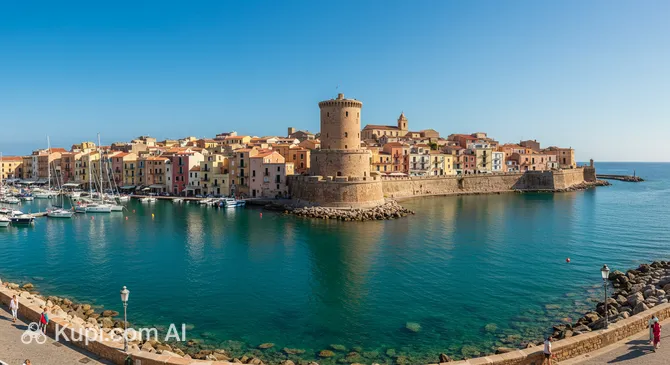
Alghero. Source: Kupi.Binoculars

The history of Alghero is deeply etched into its ancient stones and fortifications. The city is famous for its well-preserved medieval center, enclosed by robust sea walls and honey-colored ramparts that offer spectacular views of the sunset over the Mediterranean. Walking through the cobblestone streets of the Centro Storico, visitors can admire Gothic palaces and the striking Cathedral of Santa Maria, which stands as a testament to the city's rich heritage.

Beyond its urban allure, Alghero is a gateway to breathtaking natural wonders. A short distance away lies the spectacular Neptune's Grotto (Grotta di Nettuno), a massive marine cave accessible by boat or a dramatic cliffside staircase. Nature lovers will also appreciate the pristine beaches like Le Bombarde and Lazzaretto, known for their crystal-clear waters and white sands.

Whether you are strolling along the picturesque Bastioni promenade, savoring fresh lobster in a local trattoria, or simply soaking up the sun, Alghero promises an unforgettable travel experience. We invite you to discover the magic of this Sardinian gem and let its unique spirit inspire your next adventure.
Weather Overview

Alghero enjoys a classic Mediterranean climate, making it an inviting destination throughout the year. The summer season is characterized by heat and sunshine, particularly in July and August, when average temperatures reach approximately 25.6°C and daily highs can climb to 28.7°C. This period is ideal for beach lovers, as it is the driest time of the year; July, for instance, typically sees almost no precipitation and only about one wet day.

In contrast, the winter months are mild but bring a change in atmospheric conditions. January is generally the coolest month, with an average temperature of 11.0°C and lows staying around 9.2°C. While it rarely gets freezing, the winter season is characterized by more frequent rainfall, with November and December experiencing up to 13 wet days. For a detailed forecast and monthly breakdown, you can consult the guide to the weather in Alghero.

The transition seasons of spring and autumn offer moderate and comfortable conditions for exploration. By May, the average temperature warms to a pleasant 17.6°C, while October retains much of the summer's warmth with averages around 19.3°C, although the likelihood of rain begins to increase. Overall, visitors can expect hot, dry summers and mild winters with frequent showers.

Interesting Facts

Beyond the main attractions, Alghero holds many fascinating secrets that reveal its deep connection to the sea and its unique cultural heritage. Here are some intriguing details that make this Sardinian city truly one of a kind.
  • A Linguistic Island: While you may know about the Catalan influence, the extent of it is quite surprising. Alghero is often called a "linguistic island" because the local dialect, Algherese, is a variant of Catalan that has survived for centuries. To this day, the street names in the historic center are bilingual, displayed in both Italian and Catalan, serving as a daily reminder of the city's Aragonese past.

  • The Red Gold: The coastline is famous for the abundance of Corallium Rubrum, an extremely valuable red coral that has been harvested here since ancient times. This "red gold" is so integral to the local identity that the city emblem features a branch of coral. Visitors can learn all about this precious marine treasure and the craftsmanship behind it at the Coral Museum.

  • A Royal Delicacy: Alghero is renowned for its specific preparation of lobster, known as Aragosta alla Catalana. This dish is so highly regarded that, according to local legend, it was requested by Queen Elizabeth II for her wedding banquet, cementing the city's reputation for world-class seafood.

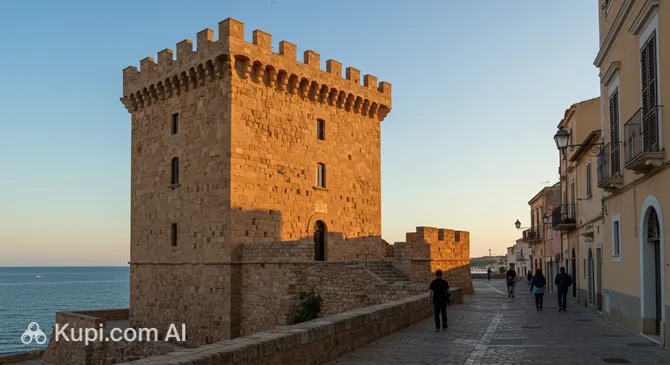
  • Fortifications with a Purpose: The city's defensive walls are punctuated by several impressive towers, but the Tower of the Royal Spur (Torre dello Sperone) stands out. Located at the end of the promenade, this bastion was strategically designed to project outward like the spur of a boot, providing a crucial vantage point to defend the harbor from naval attacks.

Tower of the Royal Spur. Source: Kupi.Binoculars

How to Get There

Reaching this charming Sardinian city is relatively straightforward, with air travel being the most common method for international visitors. Whether you are planning a direct arrival or a scenic drive from another part of the island, you can find more about how to get to Alghero and the various transport options available.

The most convenient entry point is the Alghero-Fertilia Airport (IATA: AHO), located directly in Alghero. It is a medium-sized international airport situated just 8.5 km from the city center. Due to its close proximity, the journey is quick and easy; a trip by taxi or bus typically takes approximately 33 minutes. This airport handles a significant number of seasonal flights, making it the primary choice for tourists heading specifically to the Coral Riviera.

Alternatively, travelers can fly into Olbia Costa Smeralda Airport (IATA: OLB), located in the city of Olbia. Although it is about 108 km away from Alghero, it is a major hub with high passenger traffic. The transfer from Olbia involves a drive across the northern part of Sardinia, which takes approximately 3 hours by taxi or bus. This is a popular option if you plan to explore the Emerald Coast before heading west.

Another option is the Cagliari Elmas Airport (IATA: CAG), situated in the island's capital, Cagliari. This is the busiest airport in the region, located about 158 km from Alghero. While it offers the widest range of connections, the travel time to Alghero is longer, estimated at around 4 hours and 15 minutes by road transport. Arriving here allows for a full traverse of the island from south to north.

For clarity, here is a summary of the main airports:

Airport Name City Passenger Traffic Km from City
Cagliari Elmas Airport Cagliari High 158.1
Olbia Costa Smeralda Airport Olbia High 108.1
Alghero-Fertilia Airport Alghero Medium 8.5
Ajaccio Napoleon Bonaparte Airport Ajaccio Medium 157.0
Sud Corse Airport Figari Moderate 123.4

Main Attractions

Alghero offers a diverse range of sights, from architectural gems in the historic center to pristine natural landscapes along the coast. Exploring these landmarks provides a deeper understanding of the city's Catalan heritage and its laid-back Mediterranean lifestyle.

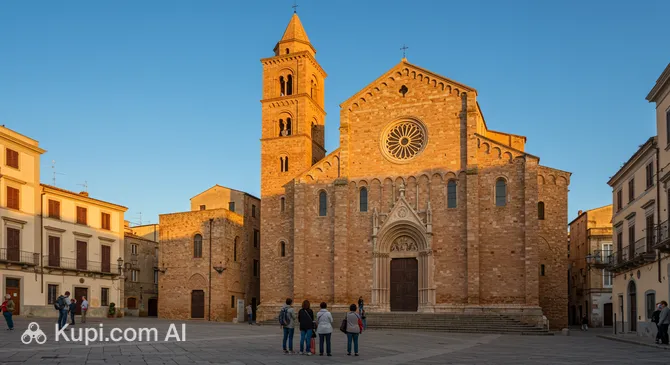
One of the most defining landmarks of the city skyline is the Cathedral of the Immaculate Conception (Cattedrale di Santa Maria). Located in the heart of the old town, this imposing structure is a masterpiece of Gothic-Catalan architecture. Visitors are particularly drawn to its stunning octagonal bell tower, which can be climbed for a panoramic view of the city and the sea. The interior, with its majestic columns and serene atmosphere, offers a quiet retreat from the bustling streets.

Cathedral of the Immaculate Conception. Source: Kupi.Binoculars

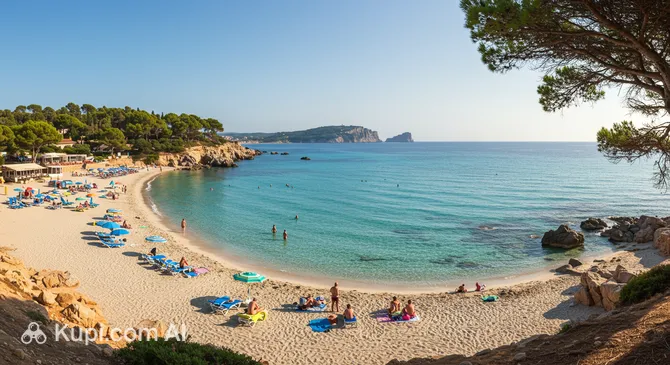
For those seeking sun and relaxation, Maria Pia Beach is an absolute must-visit. Situated just outside the city center, this beach is famous for its fine white sand and the beautiful dunes covered in juniper and pine trees that frame the coastline. The water here is shallow and crystal clear, making it a perfect spot for families and swimmers. The backdrop of the pine forest provides natural shade and a scenic setting for a picnic.

Maria Pia Beach. Source: Kupi.Binoculars

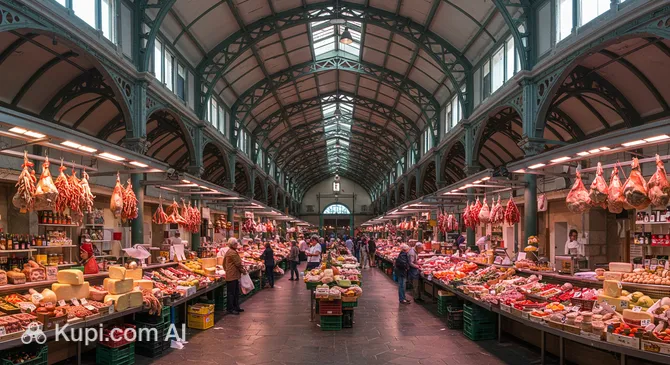
To experience the authentic daily life of the locals, a trip to the Alghero Civic Market is highly recommended. Located centrally, this market is a vibrant hub of activity where you can find the freshest local produce, including the region's renowned seafood, cheeses, and seasonal vegetables. It is an excellent place for foodies to explore Sardinian culinary traditions and perhaps pick up some ingredients for a home-cooked meal.

Alghero Civic Market. Source: Kupi.Binoculars

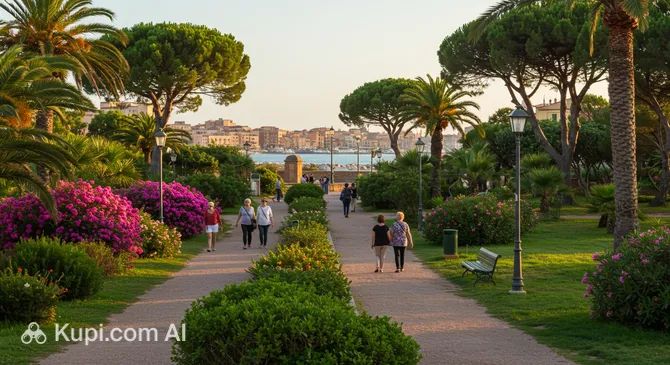
If you are looking for a peaceful break from sightseeing, Tarragona Park offers a lovely green escape within the city. This well-maintained park features lush vegetation, playgrounds for children, and plenty of benches for relaxing. It is a popular spot for both locals and tourists to enjoy a leisurely stroll or simply sit and watch the world go by in a tranquil environment.

Tarragona Park. Source: Kupi.Binoculars

Local Cuisine

The culinary landscape of Alghero is a delicious reflection of its unique history, offering a fascinating fusion of Sardinian ingredients and Catalan traditions. As a coastal city on the Coral Riviera, the local diet is heavily centered around fresh seafood, transformed into rich and flavorful dishes that distinguish it from the rest of the island. The cuisine here is unpretentious yet sophisticated, relying on the high quality of the catch of the day and locally grown produce.

The undisputed queen of the table is the famous Aragosta alla Catalana (Catalan-style lobster). This signature dish is celebrated for its simplicity, typically consisting of boiled lobster served with a fresh salad of tomatoes, onions, and a dressing of olive oil and lemon. Another dish that highlights the city's dual heritage is Paella Algherese. Unlike the Spanish original, the local version often replaces rice with fregola, a toasted semolina pasta unique to Sardinia, which is slow-cooked with shellfish and saffron to create a creamy, risotto-like texture.

No meal in Alghero is complete without sampling the local wines. The region is renowned for its excellent Vermentino di Sardegna, a crisp white wine that pairs perfectly with fish, and the robust red Cannonau. For a pre-dinner aperitif with a view, visitors often head to places like the Blau SkyBar, where you can enjoy a glass of local wine or a cocktail while overlooking the harbor. To finish a meal, locals typically sip on Mirto, a sweet and aromatic liqueur made from myrtle berries found across the island's scrubland.

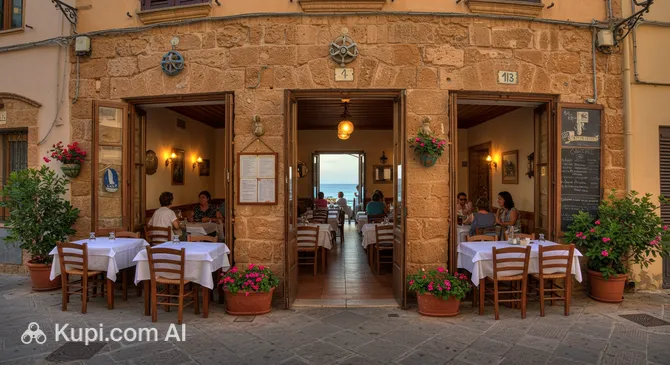
The dining culture in Alghero is vibrant and varied, ranging from casual street food vendors selling focaccia to elegant establishments tucked away in the cobblestone alleys. For an authentic taste of the region's diverse flavors, you might visit Cajò, a restaurant that offers a modern take on traditional recipes in a welcoming setting. Whether you are dining on the historic ramparts at sunset or in a lively piazza, the food in Alghero promises to be a highlight of your trip.

Cajò. Source: Kupi.Binoculars

Travel Tips

To ensure your visit to the "Coral Riviera" is as relaxing and enjoyable as possible, we have compiled a list of essential practicalities. These tips will help you navigate the unique blend of Sardinian and Catalan culture found in this charming coastal city.

  1. Clothing and Footwear: In the summer, lightweight, breathable clothing is essential, but always pack a light jacket or cardigan for breezy evenings by the sea. Since the historic center is paved with ancient cobblestones, high heels can be treacherous; it is best to wear comfortable walking shoes or sturdy sandals. If you plan to visit the Cathedral or other religious sites, remember to dress modestly by covering your shoulders and knees.

  2. Getting Around: The walled historic center is a pedestrian-only zone and is best explored on foot. For reaching nearby beaches like Maria Pia or Lazzaretto, the local "Beach Bus" is a convenient and affordable option during the summer months. However, to fully explore the rugged coast or visit Neptune's Grotto at your own pace, renting a car is highly recommended, as public transport to outlying areas can be infrequent.

  3. Money Matters: The currency is the Euro (€). While credit cards are widely accepted in hotels, restaurants, and larger shops, it is wise to carry cash for small purchases, coffee, or payments at smaller beach kiosks. ATMs are plentiful in the city center. Tipping is not mandatory in Italy, but leaving a small amount or rounding up the bill is appreciated for good service; note that a service charge (coperto) is often added automatically.

  4. Health and Safety: Alghero is a very safe destination for tourists. Pharmacies are marked with a green cross and are generally open from Monday to Saturday, with a rotating schedule for Sundays and nights. The general emergency number for medical assistance or police is 112. In summer, the sun can be intense, so high SPF sunscreen and hydration are crucial.

  5. Communication: The official language is Italian, though you will hear the unique Algherese dialect (a variant of Catalan) spoken by locals. English is widely understood in the tourism sector, but learning a few basic phrases like Buongiorno (Good morning) or Grazie (Thank you) goes a long way. Free Wi-Fi is available in many public squares, and EU citizens can use their mobile data plans without roaming charges.

  6. Local Etiquette: Sardinians are known for their hospitality but appreciate politeness. Always greet shopkeepers or staff when entering and leaving an establishment. Dining times are typically later than in northern Europe; lunch is usually served between 1:00 PM and 2:30 PM, and dinner rarely starts before 8:00 PM. It is considered impolite to enter shops or restaurants in swimwear; save the beach attire for the sand.

  7. What to Avoid: Strictly avoid buying raw red coral from unauthorized street vendors or attempting to take sand, shells, or stones from the beaches. This is illegal in Sardinia and carries hefty fines to protect the natural environment. Always look for the "Corallium Rubrum" guarantee mark when purchasing coral jewelry from certified shops.

  8. Respect the "Riposo": Like much of Italy, Alghero observes a midday rest period (riposo). Many smaller shops and businesses close around 1:00 PM and do not reopen until 4:30 PM or 5:00 PM. Use this time to enjoy a long lunch or relax at the beach, rather than planning serious shopping trips.

By keeping these tips in mind, you will be well-prepared to embrace the laid-back rhythm of Alghero. Enjoy the stunning sunsets from the ramparts and the warm hospitality that makes this Sardinian city so unforgettable.

Entertainment & Nightlife

As the sun begins to set over the Mediterranean, Alghero transforms from a laid-back beach town into a vibrant hub of evening activity. The entertainment scene here is perfectly balanced, offering everything from romantic sunset strolls along the ancient ramparts to lively nights out in the historic center. The Bastioni become the city's living room, where locals and tourists alike gather to watch the sky turn fiery red, accompanied by the sounds of street performers and the bustle of artisan stalls selling handmade coral jewelry.

For those looking to experience the heart of the city's nightlife, the area around the port and the old town walls is the place to be. A standout spot is Cafè Latino, perfectly situated to offer stunning views of the harbor. This venue is a favorite for enjoying a cocktail while immersed in the historic atmosphere, often hosting DJ sets and live music that keep the energy high well into the night.

Dining in this Sardinian city is a form of entertainment in itself, with meals often stretching for hours in true Italian fashion. Beyond the typical tourist spots, places like Ristorante Enhorabona offer a delightful culinary experience. Here, the focus is on fresh, high-quality ingredients served in a welcoming environment, making it an excellent choice for a memorable dinner with friends or family.

If you prefer a more relaxed setting by the water, Las Tronas Beach provides a unique escape just a short walk from the city center. While it is a popular spot for sunbathing during the day, the surrounding area retains a sophisticated charm in the evening, thanks to its proximity to the historic Villa Las Tronas. It is an ideal location for a quiet evening drink, listening to the waves crash against the rocks away from the main crowds.

Parks & Museums

Beyond its stunning coastline and historic fortifications, Alghero offers a wealth of cultural and natural treasures waiting to be explored. The city and its surroundings are dotted with fascinating museums that chronicle its unique heritage, as well as expansive green spaces that showcase the wild beauty of Sardinia.

For a deep dive into the local identity, the Coral Museum (Museo del Corallo) is an essential stop. Housed in a beautiful Liberty-style villa, this institution is dedicated to the "red gold" of Alghero—the precious red coral that has driven the local economy for centuries. The exhibits guide visitors through the biology of the coral, the history of its harvesting, and the exquisite craftsmanship that transforms it into jewelry. It is a captivating experience that explains why a branch of coral features so prominently on the city's coat of arms.

Another cultural highlight is the Archaeological Museum of the City (MUSA). Located in the heart of the historic center, this museum offers a comprehensive journey through time, from the Neolithic period to the Middle Ages. It is particularly interesting for history buffs who want to understand the various civilizations that have shaped this corner of the island, featuring artifacts from ancient Nuragic villages and Roman settlements found in the area.

Nature enthusiasts will find paradise just a short drive from the city center at the Porto Conte Regional Natural Park. This vast protected area is a haven of biodiversity, encompassing dramatic cliffs, Mediterranean scrub, and forest trails. It is an ideal destination for hiking, birdwatching—especially for spotting the majestic Griffon vultures—and enjoying breathtaking views over the Capo Caccia promontory. The park offers a stark, beautiful contrast to the urban environment and is perfect for a day of outdoor adventure.

Within the city limits, Tarragona Park provides a more accessible green retreat. Situated in the center of Alghero, this lovely garden is known for its diverse collection of plants and well-kept lawns. It serves as a peaceful oasis where locals gather to relax, making it a great spot for a leisurely break after a morning of sightseeing. The park often hosts small events and offers a safe, pleasant environment for families with children.

For a truly authentic experience, consider visiting the Open-Air Museum of Le Prigionette within the Porto Conte reserve. Here, you can encounter wild animals like Sardinian donkeys, deer, and wild horses in their natural habitat. It is a lesser-known gem that offers an intimate connection with the island's fauna, away from the more crowded tourist paths.

Getting Around

Navigating Alghero is a straightforward and pleasant experience, as the city is relatively compact and pedestrian-friendly. The historic center, enclosed by ancient walls, is a limited traffic zone (ZTL) where walking is the most efficient and enjoyable way to explore. You can easily wander through the cobblestone streets, visiting shops and restaurants without the need for any vehicle. However, to reach the outer districts, the airport, or the stunning beaches nearby, the city offers a reliable network of public buses.

The urban transport system is primarily managed by ARST (Azienda Regionale Sarda Trasporti). The bright orange or white buses connect the city center with residential areas and the train station. For tourists, the most important service is the seasonal "Beach Bus" (often branded as the Alghero Beach Bus or Cattogno lines during summer). This service is specifically designed for visitors, connecting the city center with popular coastal spots like Lido di San Giovanni, Maria Pia, Le Bombarde, and Lazzaretto, operating with high frequency during the peak holiday months.

Tickets for urban buses must generally be purchased before boarding. You can buy them at authorized retailers, which include Tabacchi (tobacco shops marked with a "T" sign), newsstands, and some bars. There are also ticket machines at the main bus terminus and the airport. A standard single journey ticket is quite affordable, usually costing around €1.00 to €1.50. It is crucial to validate your ticket immediately upon entering the bus using the yellow or green stamping machines on board; failure to do so can result in a hefty fine.

For those planning to use public transport frequently, travel passes are available. You can purchase a booklet of tickets or a daily pass (biglietto giornaliero), which allows for unlimited travel on urban lines for 24 hours. While some bus drivers may sell tickets on board, this is not guaranteed and often comes with a surcharge, so stocking up on tickets in advance is the best practical advice. Be aware that bus schedules change significantly between seasons; summer service is robust and frequent, while winter schedules are reduced, particularly on Sundays and holidays.

Cycling is a popular and scenic alternative for getting around, especially along the coast. Alghero features a beautiful bike path that runs along the seafront promenade from the port to the Lido area. Several rental shops in the city center offer bicycles, e-bikes, and scooters, allowing you to explore the coastline at your own pace without worrying about parking schedules. Ride-sharing apps are not widely used here, so renting directly from a shop is the standard practice.

Taxis are available but do not typically cruise the streets looking for passengers. You must find a designated taxi rank, such as the one near Piazza Sulis or the port, or call to book one in advance. Taxis are metered, and while they offer a comfortable way to travel, they are significantly more expensive than the bus. If you decide to rent a car to explore the wider region, be mindful of parking rules: blue lines indicate paid parking (pay at the nearby meter), white lines are free, and yellow lines are reserved for residents or disabled drivers.

While Alghero does not have a metro or tram system, it is home to a train station located in the La Pietraia district. This station serves as the terminus for a narrow-gauge railway line connecting the city to Sassari. Although not a rapid transit option for moving within the city itself, this train offering a scenic, slower-paced journey through the Sardinian countryside is a charming way to start a day trip to the provincial capital.

Accommodation

Finding the perfect place to stay in Alghero is relatively easy, as the city offers a diverse range of accommodation options to suit every budget and travel style. Visitors can choose from charming Bed & Breakfasts tucked away in medieval alleys, modern seafront hotels with pools, and budget-friendly hostels. For a more authentic Sardinian experience, the surrounding countryside is dotted with agriturismos (farm stays), which offer peaceful settings and often include home-cooked meals made with farm-fresh ingredients.

The most popular area for tourists is undoubtedly the Centro Storico (Historic Center). Staying here puts you within walking distance of the main sights, the vibrant harbor, and the best restaurants. However, keep in mind that this area is largely pedestrianized, which can make access with heavy luggage slightly challenging, and it can be lively and noisy late into the night during summer. If you prefer direct access to the sea and modern amenities, the Lido and Lungomare areas are excellent choices. These districts stretch along the coast north of the port and offer numerous hotels and apartments just steps from the sandy beaches.

When planning your trip, it is important to consider the seasonality of the destination. Alghero is a prime summer resort, and accommodation can fill up very quickly, particularly in July and August. It is highly recommended to book your stay several months in advance if you plan to visit during these peak times, especially around the Ferragosto holiday in mid-August when the city is at its busiest.

Price ranges vary significantly depending on the season and location. During the shoulder seasons of spring and autumn, you can find excellent mid-range hotels and apartments at very reasonable rates. In contrast, prices peak in the summer. Most accommodations can be easily booked through major online platforms, though many smaller B&Bs and agriturismos also welcome direct inquiries. Whether you are looking for a luxury resort with sea views or a cozy rental apartment, Alghero has plenty of options to ensure a comfortable stay.

Nearby Cities

For those looking to explore the surroundings, Alghero serves as an excellent base for day trips to several interesting nearby locations.

Just a short drive away lies Sassari, the second-largest city in Sardinia. It offers a more urban experience compared to the coast, featuring grand boulevards, the historic Fountain of Rosello, and the impressive Piazza d'Italia. It is a cultural hub with excellent museums and a lively university atmosphere, making it perfect for a day of sightseeing and shopping.

Located on the northern coast, Porto Torres is a fascinating destination for history enthusiasts. It is home to the archaeological park of Turris Libisonis, an ancient Roman city with well-preserved baths and mosaics. The town also boasts the Basilica of San Gavino, the largest and one of the oldest Romanesque churches on the island.

For those interested in the deep-rooted traditions of the island, a trip to Nuoro is highly recommended. Nestled at the foot of Mount Ortobene, it is considered the cultural heart of Sardinia. Visitors can explore the Museum of Sardinian Life and Traditions to gain insight into the island's folk heritage, costumes, and crafts.

City Population Distance (km)
Sassari 116641 27
Olbia 60261 107
Nuoro 36579 89
Oristano 31671 76
Porto Torres 22367 31

These nearby destinations offer a glimpse into the diverse culture and landscapes of the region.

Shopping & Souvenirs

Shopping in Alghero is a delightful experience that focuses less on large commercial centers and more on unique, high-quality craftsmanship found in small boutiques. The city’s strong Catalan influence and Sardinian traditions are reflected in its artisan goods, making it a perfect destination for travelers seeking authentic local products rather than mass-produced items. Strolling through the historic center, you will find a vibrant atmosphere where fashion, jewelry, and gastronomy blend seamlessly.

The heart of the shopping scene is undoubtedly the Centro Storico (Historic Center). The main artery is Via Carlo Alberto, historically known as Carrer Major, which is lined with elegant shops selling clothing, accessories, and souvenirs. The surrounding network of cobblestone alleys, such as Via Gilbert Ferret and Via Roma, is equally inviting, packed with artisan workshops and colorful displays that stay open late into the evening during the summer months, creating a lively "natural shopping mall" under the stars.

While Alghero is not famous for massive shopping malls, it does have functional commercial areas for those needing general supplies. The city prefers the concept of the Centro Commerciale Naturale, encouraging visitors to shop in the open air of the old town. However, for supermarkets and standard retail chains, you can head to the commercial districts on the outskirts, such as the area around Via Don Minzoni, where you will find smaller shopping centers like the Centro Commerciale La Piazzetta.

For a taste of local life, the markets are unmissable. The Alghero Civic Market is the culinary epicenter of the city. Located centrally, it is the best place to buy fresh seasonal fruit, pecorino cheese, and the catch of the day. If you are looking for a broader range of goods, the weekly open-air market held on Wednesday mornings along Viale Sardegna is a bustling affair where you can find everything from clothes and shoes to household items and local delicacies at bargain prices.

When it comes to souvenirs, Alghero is synonymous with Red Coral (Corallium Rubrum). Known as "red gold," this precious material is harvested locally and crafted into exquisite jewelry. To ensure you are buying the real thing, look for the "Corallium Rubrum" quality mark, which guarantees the authenticity and sustainable origin of the piece. Before making a purchase, you might visit the Coral Museum to appreciate the history and skill behind these creations. Other excellent keepsakes include Sardinian filigree jewelry, hand-woven textiles, and ceramics.

Standard store opening hours in Alghero generally follow the traditional Italian split shift. Shops typically open around 9:00 AM or 10:00 AM, close for a lunch break (riposo) between 1:00 PM and 4:30 PM, and then reopen until 8:00 PM or later. In the peak of summer, many boutiques in the tourist center stay open as late as midnight to accommodate the evening crowds. Major credit cards are widely accepted, though carrying some cash is recommended for small purchases at markets or kiosks.

Travelers residing outside the European Union may be eligible for a VAT refund on purchases exceeding a certain amount in a single store. Look for the "Tax Free" signage in shop windows and ask the merchant for the necessary forms at the checkout. You will need to present these forms at the customs office at the airport upon your departure from the EU to claim your refund.

Reached the end of the page?

That means the route is fully explored