Support

Calvi

About

Nestled on the rugged northwest coast of the island of Corsica, Calvi is a picturesque town that perfectly blends historical charm with seaside relaxation. As one of the most popular destinations in the region, it offers visitors a stunning crescent-shaped bay, a vibrant marina, and a dramatic backdrop of mountains. While it is a part of France, the town retains a distinct island character and a laid-back atmosphere that captivates travelers from around the world.

With a permanent population of approximately 6,000 residents, Calvi maintains a cozy, small-town feel, although it bursts with energy during the summer months. The town enjoys a warm Mediterranean climate, making it an ideal spot for sun-seekers and outdoor enthusiasts. Its geographical setting is truly unique, featuring a long stretch of golden sand bordered by a fragrant pine forest, known as the Pinède, which creates a natural transition between the sea and the land.
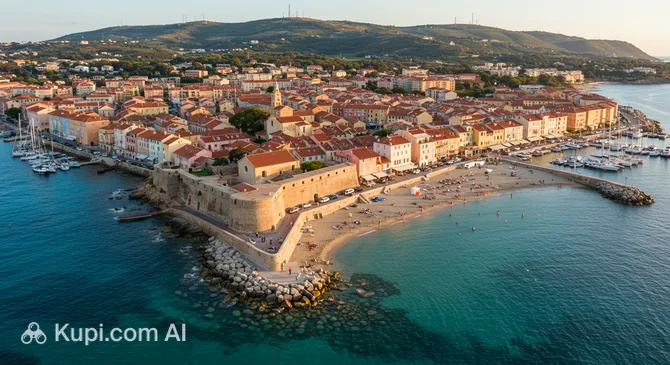
Calvi. Source: Kupi.Binoculars

Dominating the skyline is the imposing Citadel, a Genoese fortress perched atop a rocky promontory that watches over the harbor. Wandering through its narrow, cobbled streets offers a glimpse into the past, and exploring the history of Calvi is essential for understanding the strategic importance this town held for centuries. Local legend even suggests that Christopher Columbus was born within these walls, adding a layer of intrigue to the site.

Beyond its heritage, Calvi is renowned for its lively waterfront, the Quai Landry, which is lined with inviting restaurants and cafes perfect for watching luxury yachts dock in the port. Whether you are looking to relax on the pristine beach, hike in the nearby hills, or enjoy the local cuisine, Calvi promises an unforgettable escape for every type of traveler.
Weather Overview

Calvi enjoys a classic Mediterranean climate, characterized by long, warm summers and mild, relatively damp winters. The weather in Calvi is generally inviting, with plenty of sunshine throughout the year, making it a delightful destination for travelers in any season.

The summer months constitute the peak season, particularly July and August, when average temperatures rise to around 24°C and daily highs frequently reach nearly 27°C. This period is also the driest, with July seeing practically no rainfall and only about 2 wet days, ensuring uninterrupted beach time. Conversely, the winter season from December to February remains mild rather than freezing; average temperatures sit between 8.5°C and 9.6°C, with lows rarely dipping below 6.5°C.

Travelers visiting during the shoulder seasons should be prepared for mixed conditions. While May and June see temperatures climbing comfortably towards 20°C, the autumn month of November is notably the wettest in terms of frequency, featuring rain on approximately 15 days. Overall, you can expect warm, dry summers perfect for sunbathing and mild winters with frequent but often passing showers.

Interesting Facts

Beyond the picturesque beaches and the marina, Calvi holds fascinating historical secrets and unique local features that often go unnoticed by the casual observer. The town's rich past is marked by legendary figures, elite soldiers, and underwater mysteries waiting to be discovered.

  • One of the most significant historical trivia involving the town is that Admiral Horatio Nelson lost the sight in his right eye here. During the siege of Calvi in 1794, while he was commanding naval guns against the Citadel of Calvi, he was struck in the face by debris caused by a cannonball impact, forever changing the appearance of the famous naval commander.

  • Just off the coast, beneath the citadel's walls, lies a remarkably preserved World War II relic. A US Air Force B-17 Flying Fortress bomber sits on the seabed at a depth of approximately 28 meters. The aircraft ditched safely in 1944, and today it serves as one of the most celebrated diving sites in the Mediterranean, accessible to experienced divers.

  • Calvi is the home base of the 2nd Foreign Parachute Regiment of the French Foreign Legion, an elite unit of the French Army. The regiment is stationed at Camp Raffalli nearby, and the presence of the legionnaires is a distinct part of the town's character; they are the guardians of the citadel during the annual Good Friday procession.

  • The town's official motto, "Civitas Calvi Semper Fidelis" (The City of Calvi Always Faithful), was granted by the Republic of Genoa. This title honors the city's centuries-long loyalty to Genoa, a relationship that heavily influenced the architecture and fortifications that stand to this day.

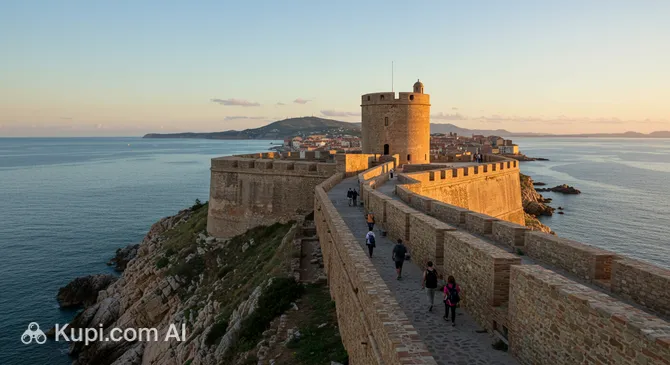
Citadel of Calvi. Source: Kupi.Binoculars

How to Get There

Reaching this beautiful Corsican destination is an adventure in itself, with air travel being the most direct and popular method for international visitors. Whether you prefer landing directly near the town or enjoying a scenic drive from a neighboring city, there are several convenient options. For a comprehensive guide on all transport modes, you can read more about how to get to Calvi.

The most convenient entry point is the local Sainte Catherine Airport (CLY), situated just 5.1 km from the town center. It is a manageable and welcoming hub, perfect for starting your holiday immediately. A transfer by taxi or bus from here is very quick, taking approximately 28 minutes. Alternatively, many travelers choose to fly into Bastia Poretta Airport (BIA) in the city of Bastia, which is about 60 km away. The journey from Bastia allows you to see more of the island and takes roughly 1 hour and 50 minutes by road. You can also consider Ajaccio Napoleon Bonaparte Airport (AJA) in Ajaccio, located 71.6 km away, with a travel time of about 2 hours and 10 minutes.

For clarity, here is a summary of the main airports:

Airport Name City Passenger Traffic Km from City
Ajaccio Napoleon Bonaparte AirportAjaccioLarge71.6
Bastia Poretta AirportBastiaLarge59.7
Sud Corse AirportFigariMedium121.8
Sainte Catherine AirportCalviMedium5.1
Marina di Campo AirportElbaSmall123.4

Since Calvi is located on the island of Corsica, it is not directly accessible by train from the European mainland. However, travelers often take a train to a major coastal port before catching a ferry. You can arrive at the Toulon Railway Station in the city of Toulon, which is about 239 km away across the sea. From there, you would typically transfer to a ferry terminal. Another significant hub is the Genova Piazza Principe Station in Genoa, located approximately 206 km away, which also serves as a gateway for those traveling via Italy and continuing by sea.

Below is a list of the closest major railway stations on the mainland that serve as transit points:

Station City Passenger Traffic Km to Center
Firenze Santa Maria Novella StationFlorenceVery Large243.0
Genova Piazza Principe StationGenoaLarge205.9
Brignole Railway StationGenoaLarge204.9
La Spezia Centrale StationLa SpeziaMedium191.7
Toulon Railway StationToulonMedium239.4

Main Attractions

The crown jewel of the city is undoubtedly the Citadel of Calvi, a massive Genoese fortress that dominates the skyline from its rocky promontory. Walking through its massive gates feels like stepping back in time, with a maze of cobblestone streets, historic houses, and the Cathedral of St. John the Baptist waiting to be explored. Visitors are rewarded with breathtaking panoramic views of the bay and the distant mountains, making it a must-visit for history buffs and photographers alike.

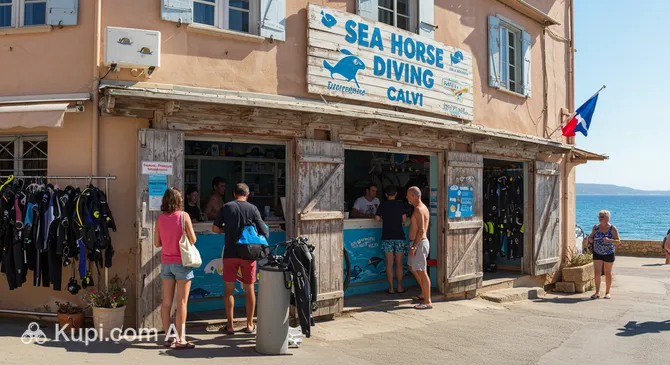
For those looking to explore beneath the surface, Sea Horse Diving Calvi provides an excellent gateway to Corsica's underwater treasures. Situated near the marina, this diving center organizes excursions to some of the region's most spectacular sites, including the famous submerged B-17 bomber and vibrant coral reefs. It is a fantastic opportunity for both beginners and seasoned divers to experience the crystal-clear waters of the Mediterranean.

Sea Horse Diving Calvi. Source: Kupi.Binoculars

After a day of adventure, the Quai Landry offers a vibrant atmosphere for relaxation and entertainment. You can soak up the lively harbor vibes at the Loch Ness Pub, a friendly establishment perfect for enjoying a drink while watching the yachts dock. Just a short stroll away, Casa Bella Storia invites guests to indulge in delicious cuisine. This restaurant is renowned for its welcoming setting and delightful dishes, offering a perfect culinary end to a day spent in this beautiful coastal town.

Local Cuisine

The culinary scene in Calvi is a delightful reflection of Corsica's "land and sea" character, blending rustic mountain traditions with fresh Mediterranean catch. While the town is famous for its beaches, its plates are often filled with hearty ingredients sourced from the island's interior. A meal here typically begins with a platter of renowned Corsican charcuterie, featuring specialties like prisutu (cured ham), coppa, and lonzu, often derived from free-roaming pigs fed on chestnuts.

For the main course, visitors should not miss the opportunity to try civet de sanglier, a rich wild boar stew that is a staple of the island's gastronomy. Given Calvi's seaside location, seafood also plays a major role; you will frequently find grilled fish and aziminu, the Corsican version of bouillabaisse, on local menus. Cheese lovers must taste brocciu, a fresh sheep or goat milk cheese that is used in everything from savory cannelloni to the beloved local dessert, fiadone, a lemon-zested cheesecake.

To accompany these flavors, the local beverage selection is equally impressive. Corsica produces excellent wines, and the Calvi region itself has its own AOC designation, known for its crisp rosés and aromatic whites. For beer enthusiasts, the chestnut-flour beer known as Pietra is a must-try icon of the island. Meals often conclude with a traditional digestif, such as a chilled glass of myrtle liqueur or cedratine, made from the local citron fruit.

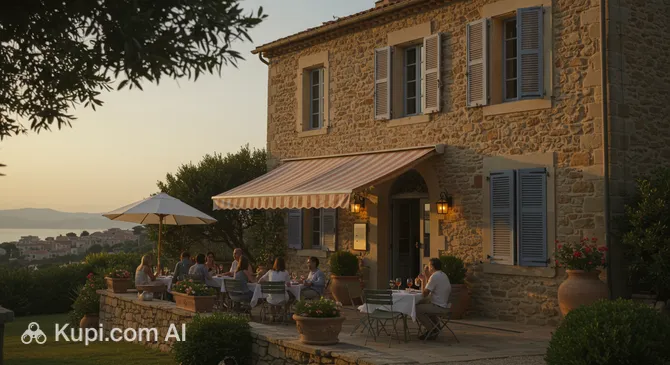
Casa Bella Storia. Source: Kupi.Binoculars

Dining in Calvi is as much about the atmosphere as it is about the food. The bustling Quai Landry is lined with terraces where you can enjoy your meal while overlooking the marina and the citadel. For a memorable dining experience in this vibrant setting, Casa Bella Storia serves authentic dishes that highlight the richness of Mediterranean flavors. Whether you choose a casual street-side eatery or a refined restaurant, the warm hospitality of the locals makes every meal special.

Travel Tips

Planning a trip to Calvi promises a delightful blend of beach relaxation and historical exploration in this stunning part of France. To ensure your vacation runs smoothly, here are some practical tips to help you navigate local customs and logistics with ease.

  1. Clothing and Gear: In the summer, lightweight clothing and swimwear are essential, but remember to bring a light jacket for breezy evenings by the sea. Since the Citadel features steep, cobblestone streets, comfortable flat walking shoes or sandals are a must; high heels are generally impractical here.
  2. Transportation: The town center is compact and best explored on foot. For visiting nearby beaches or towns like L'Île-Rousse without a car, use the charming coastal train known locally as U Trinichellu. If you plan to explore the mountain villages of the Balagne region, renting a car is highly recommended.
  3. Finances: The official currency is the Euro (€). While major credit cards are accepted in most hotels and restaurants, it is advisable to carry some cash for small purchases at markets, bakeries, or smaller cafés. ATMs are readily available throughout the town.
  4. Health and Safety: Calvi is a safe destination for tourists. Pharmacies are easily identified by a flashing green cross sign and can assist with minor ailments. In case of any serious emergency, the universal European number to dial is 112.
  5. Communication: French is the main language, though you will see many signs in Corsican. English is widely understood in the hospitality sector, but learning a few basic phrases like "Bonjour" (Hello) and "Merci" (Thank you) is considered polite and is appreciated by locals.
  6. Local Etiquette: Greetings are very important in Corsican culture. It is customary to say "Bonjour" when entering a shop and "Au revoir" when leaving. Service in restaurants can be more relaxed than in major cities, so embrace the slower pace rather than rushing the staff.
  7. What to Avoid: Avoid planning shopping trips between 12:30 PM and 3:00 PM. Many smaller shops and businesses close for a midday break, so it is better to schedule your retail therapy for the morning or late afternoon.
  8. Additional Tip: If you are self-catering or just love food, visit the covered market near the church. It is the perfect place to buy fresh local produce, honey, and traditional biscuits called canistrelli directly from the producers.

By keeping these simple suggestions in mind, you will be well-prepared to enjoy everything this captivating Mediterranean town has to offer. Pack your bags and get ready for a stress-free and memorable adventure in Calvi.

Entertainment & Nightlife

As the sun sets over the Mediterranean, Calvi transforms from a laid-back beach town into a vibrant hub of evening activity. The nightlife here is sophisticated yet relaxed, characterized by lively waterfront terraces rather than overwhelming mega-clubs. The heart of the action is undoubtedly the Quai Landry, the bustling marina promenade where locals and tourists alike gather to enjoy the cool sea breeze, sip cocktails, and watch the world go by. The atmosphere is generally chic but welcoming, with a dress code that leans towards smart casual, especially in the more upscale venues.

For those seeking a spirited start to the evening, the Loch Ness Pub is a popular choice along the harbor. It offers a friendly environment where you can enjoy a wide selection of drinks and often catch live sports or music. If you prefer a culinary experience that extends late into the night, Casa Bella Storia provides an excellent setting. Located near the port, this restaurant is perfect for a leisurely dinner that transitions into evening drinks, allowing you to soak up the festive summer vibes of the town.

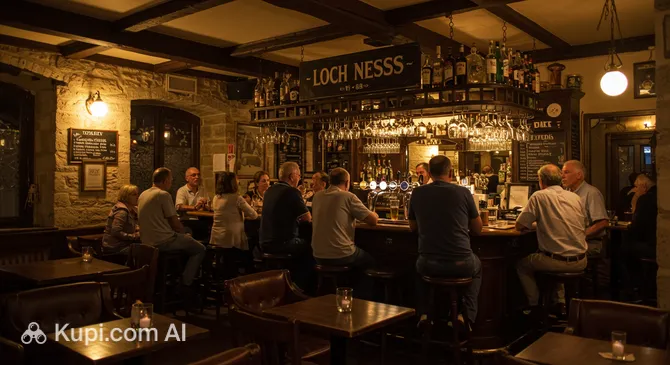
Loch Ness Pub. Source: Kupi.Binoculars

Beyond the marina, the historic Citadel offers a more magical and intimate nightlife experience. Climbing up to the fortified city at night is a must; the narrow streets are illuminated by warm lights, and you can find legendary piano bars and jazz clubs tucked away within the ancient walls. These venues often stay open late, offering stunning views of the illuminated bay below. Prices in Calvi can be comparable to the French Riviera, so expect to pay a premium for locations with a view. While the town is very safe for walking at night, taxis can be scarce in the early hours, so it is advisable to book one in advance if your accommodation is far from the center.

Before the evening festivities begin, Calvi offers plenty of daytime entertainment to fill your schedule. The town is not just about history; it is also a playground for outdoor enthusiasts. You can explore the underwater world with Sea Horse Diving Calvi, which organizes excursions to nearby reefs and wrecks. For those who prefer dry land, the local museums within the Citadel provide fascinating insights into Corsican heritage, while the nearby pine forests offer shaded trails for afternoon walks.

Parks & Museums

While Calvi is renowned for its sun-soaked beaches, the city also boasts a rich tapestry of green spaces and cultural institutions that offer a deeper insight into its heritage. From the aromatic pine forests that border the coast to the ancient fortifications housing artistic treasures, visitors will find plenty of opportunities to explore the natural and historical beauty of this Corsican gem.

Key Parks and Green Spaces

One of the most defining natural features of the city is La Pinède, a sprawling pine forest that runs parallel to the main beach. This protected wooded area provides a welcome respite from the summer sun, offering shaded pathways that are perfect for leisurely strolls or picnics. The scent of pine needles mixing with the salty sea breeze creates a unique olfactory experience that defines the Calvi coastline, making it a favorite spot for families and joggers alike.

For those seeking a more rugged natural environment, the Pointe de la Revellata is a spectacular peninsula located just west of the town. This wild, preserved area is a haven for biodiversity and offers a network of hiking trails that lead to secluded coves and a dramatic lighthouse. The landscape here is characterized by scrubland, or maquis, and dramatic cliffs dropping into the turquoise sea, providing a stark and beautiful contrast to the manicured gardens of the town center.

Museums and Galleries

Culture enthusiasts should head straight to the fortified upper town to visit the MUDACC (Musée des Arts de la Citadelle Calvi). Located within the historic entrance of the fortress, this museum is dedicated to contemporary art and often hosts temporary exhibitions featuring works by local and international artists. It serves as a cultural bridge between the city's ancient architecture and modern artistic expression, making it a thought-provoking stop for art lovers.

Another significant cultural venue is the Oratoire Saint-Antoine, situated within the walls of the Citadel. This historic building functions as a museum of sacred art and local history, offering a quiet retreat into the past. Inside, visitors can admire a collection of frescoes, liturgical objects, and exhibits that tell the story of the confraternities that played a vital role in the social and religious life of Calvi throughout the centuries.

Historical and Architectural Sites

The most iconic landmark is undoubtedly the Citadel of Calvi, which stands as a monumental testament to the city's Genoese past. Exploring this vast fortification is like walking through an open-air museum; its ramparts offer breathtaking views, while its interior houses historic barracks and the governor's palace. It is the heart of the city's history and an essential visit for understanding the strategic importance of Calvi in the Mediterranean.

Within the Citadel walls lies the Cathedral of St. John the Baptist, a masterpiece of Corsican Baroque architecture. Built in the form of a Greek cross, the cathedral houses the miraculous Christ des Miracles, a wooden statue credited with saving the city from a siege in 1553. The intricate interior and the peaceful atmosphere make it a highlight for those interested in architectural and religious history.

Authentic Experiences/Insider Tips

For a truly memorable experience, take a hike or a short drive up to the chapel of Notre-Dame de la Serra. Located on a hill overlooking the bay, this site offers what is arguably the best panoramic view of Calvi and its surroundings. It is a peaceful spot often missed by the main tourist crowds, perfect for watching the sunset and capturing stunning photographs of the citadel against the backdrop of the mountains.

Getting Around

Given the compact size of Calvi, the city does not possess a complex heavy rail or underground metro system. The most efficient and popular way to navigate the town center, the marina, and the Citadel is simply by walking. However, the region boasts a unique and highly effective rail service known as the U Trinichellu (the Little Train). This narrow-gauge train functions much like a suburban tram or a "beach metro," running along the coast and connecting Calvi with the neighboring town of L'Île-Rousse. It stops at numerous beaches and campsites along the way, making it the primary mode of public transport for tourists during the summer season.

Complementing the train service are local bus networks, although these are generally less extensive than in major metropolitan areas. During the peak summer months, shuttle buses (navettes) may operate to connect the town center with outlying accommodations or specific points of interest, but schedules can be sporadic. Intercity buses are available for longer journeys to other major destinations on the island, departing from the main bus stops near the train station or the port.

Regarding payment and tickets, the system is relatively traditional. For the coastal train, tickets must be purchased at the railway station (Gare de Calvi) or at staffed counters in larger stations before boarding. If you are boarding at a smaller, unstaffed beach stop, you can typically buy a ticket from the conductor, but it is always safer to have cash on hand. Fares are zone-based and generally affordable. For those planning to use the train frequently to hop between beaches, it is advisable to ask about sector passes or multi-ride cards, which offer better value than purchasing single tickets for every trip.

When using taxis or alternatives, be aware that ride-sharing apps common in other parts of the world may not be active or reliable here. Traditional taxis are available, usually found at designated ranks near the port and the airport, but they can be quite expensive. It is highly recommended to book a taxi in advance, especially for evening trips or early morning airport transfers. For greater freedom, many visitors opt for car rentals to explore the mountainous interior, while renting a scooter or bicycle is a popular and eco-friendly alternative for getting around the immediate coastal area.

A crucial piece of advice for tourists is to pay close attention to seasonal schedules. Public transport frequency, particularly for the Trinichellu and local buses, varies significantly between the high season (July-August) and the rest of the year. In winter, services are much less frequent. Always check the latest timetables displayed at the station or the local tourist office. Additionally, remember to validate your ticket if required and keep it for the duration of your journey, as inspections are common.

Accommodation

Finding the perfect place to stay in Calvi is an essential part of planning your Corsican getaway, as the town offers a diverse array of accommodation options suited to various tastes and budgets. The selection ranges from high-end luxury establishments and charming boutique hotels to practical holiday rentals and apartments. A unique feature of Calvi is its abundance of campsites and holiday villages, particularly popular among families and nature lovers, offering a budget-friendly alternative without sacrificing proximity to the sea.

For those who want to be in the heart of the action, the Marina and Port area is the most convenient choice. Staying here places you within walking distance of the vibrant Quai Landry, with its bustling cafes, restaurants, and boat tours. If you prefer a more atmospheric and historic setting, looking for accommodation within or near the Citadel offers a quieter experience with spectacular elevated views of the bay, though be prepared for steep walks. Alternatively, the Pinède (Pine Forest) area, located just behind the main beach, is the go-to spot for campsites and resort-style lodgings, providing direct access to the sand and the shade of the trees.

Booking Tips and Prices

Calvi is a highly sought-after destination, especially in July and August. During these peak summer months, demand is incredibly high, and prices for all types of accommodation can rise significantly. It is strongly recommended to book your stay several months in advance to secure the best rates and availability. For the best deals, consider visiting in the shoulder seasons of May, June, or September. Reservations can easily be made through major online booking platforms, though contacting smaller guesthouses or campsites directly can sometimes yield better offers or specific room requests.

Nearby Cities

For those looking to explore the surroundings, Calvi serves as an excellent base for day trips to several interesting nearby locations. While the town itself offers plenty to do, the region of Corsica and the broader Mediterranean area provide diverse opportunities for discovery.

One of the most notable destinations on the island is Ajaccio, the capital of Corsica and the birthplace of Napoleon Bonaparte. Located a scenic drive to the south, it offers a fascinating mix of imperial history, bustling street markets, and impressive art museums like the Palais Fesch. Closer to Calvi, the charming town of L'Île-Rousse is a favorite for a shorter excursion. Easily accessible by the coastal train, it is famous for its red porphyry rock islands, a relaxed central square shaded by plane trees, and a vibrant covered market.

The following table lists some of the major cities located within a relatively short distance, including both island destinations and coastal cities on the French mainland that are connected by ferry or air links:

City Population Distance (km)
Nice 342669 176
Cannes 74545 179
Antibes 73438 174
Ajaccio 71361 72
Cagnes-sur-Mer 52178 179

These nearby destinations offer a glimpse into the diverse culture and landscapes of the region, ranging from the rugged beauty of Corsica's interior to the glamorous allure of the French Riviera across the sea.

Shopping & Souvenirs

Shopping in Calvi offers a delightful departure from the generic experience of large international chains, focusing instead on local craftsmanship, artisanal products, and authentic Corsican gastronomy. The town’s retail scene is intimate and charming, perfectly mirroring its laid-back Mediterranean atmosphere. Visitors will find a treasure trove of independent boutiques and specialty stores that highlight the island's rich cultural heritage, making it the perfect place to find unique gifts and high-quality souvenirs.

The heart of the shopping action is undoubtedly Rue Clemenceau, a lively pedestrian street known locally as "Rue des Arts." This vibrant thoroughfare, which winds its way up towards the Citadel of Calvi, is lined with colorful shops selling everything from trendy summer fashion and beachwear to handcrafted jewelry and home decor. Another key area is Boulevard Wilson, the main avenue of the lower town, where you can find pharmacies, banks, and a variety of clothing stores and newsstands.

Travelers accustomed to massive shopping complexes should note that Calvi does not feature large-scale shopping malls. The town preserves its traditional character, and retail therapy here is enjoyed on the high street rather than in enclosed centers. For practical needs, groceries, and general supplies, there are several well-stocked supermarkets located on the outskirts of the town along Avenue Christophe Colomb, but these are functional rather than recreational shopping destinations.

For a taste of local life, the Marché Couvert (Covered Market) is an absolute must-visit. Located just opposite the Church of Sainte-Marie-Majeure, this market is the epicenter of local flavors. Every morning, producers from the surrounding Balagne region gather here to sell fresh fruits, vegetables, and regional specialties. It is the best place to engage with locals and sample authentic goods before you buy.

When it comes to souvenirs, Calvi offers items that are deeply rooted in Corsican identity. Food items are top choices, particularly charcuterie (coppa, lonzu), AOP honey, and products made from chestnut flour, such as the famous canistrelli biscuits. Beyond food, look for products containing Immortelle, a local flower known for its anti-aging properties, used in essential oils and cosmetics. Traditional Corsican knives, with their distinctive curved handles, are also popular, but be sure to pack them in your checked luggage.

Store hours in Calvi typically follow a Mediterranean schedule. Most shops open around 9:00 AM or 10:00 AM and close for a midday break (siesta) between 12:30 PM and 3:00 PM or 4:00 PM. They then reopen and stay open late, often until 7:30 PM or even later during the peak summer months. Major credit cards like Visa and Mastercard are widely accepted in boutiques and restaurants, but it is advisable to carry cash for small purchases at the market or in smaller souvenir stands.

For visitors residing outside the European Union, a tax refund (détaxe) may be available on purchases exceeding a certain amount (typically €100.01) in a single store. Look for the "Tax Free" sign in shop windows and ask the merchant for the necessary VAT refund forms at the time of purchase to claim your refund at the airport upon departure.

Reached the end of the page?

That means the route is fully explored