Support

Aubagne

About

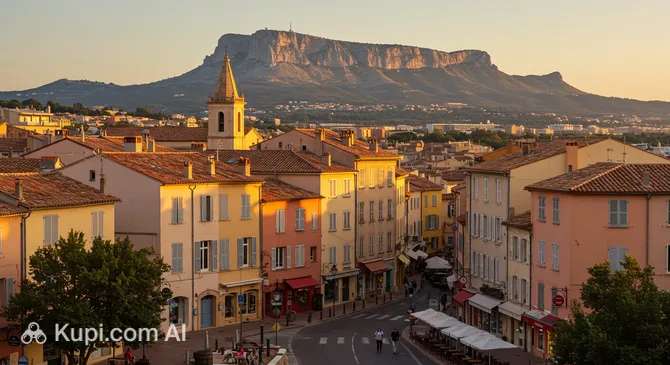
Nestled in the heart of the Provence-Alpes-Côte d'Azur region, Aubagne is a captivating destination that embodies the warm soul of the south of France. Surrounded by the majestic hills of the Garlaban, Sainte-Baume, and Douard, this city offers a picturesque setting that has inspired artists and writers for generations. Its lively squares and markets reflect the authentic charm of Provence, making it a delightful stop for travelers.

Geographically, the city is situated in the Huveaune Valley, conveniently located between the bustling port city of Marseille and the scenic landscapes of Aix-en-Provence. With a population of approximately 47,000 inhabitants, Aubagne enjoys a sunny Mediterranean climate, perfect for outdoor activities throughout the year.

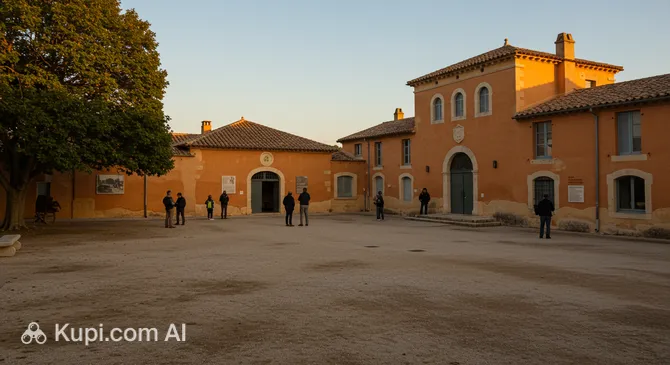
Aubagne. Source: Kupi.Binoculars

The city is famously celebrated as the birthplace of the renowned writer and filmmaker Marcel Pagnol. His childhood memories are immortalized in the surrounding hills, often referred to as "Pagnol Country," which invites hikers to retrace his steps. Those interested in the rich history of Aubagne will discover a deep connection between the city's past and its enduring artistic traditions.

Aubagne is also the capital of Santons—delicate clay figurines that are a staple of Provençal nativity scenes. The city boasts numerous workshops and a ceramics market that highlight this unique craftsmanship. Additionally, it serves as the headquarters of the French Foreign Legion, hosting a fascinating museum dedicated to its heritage. Whether you are exploring artisan boutiques or trekking through the rugged hills, Aubagne offers a truly memorable experience.

Weather Overview

Travelers visiting Aubagne can look forward to a climate that varies pleasantly with the seasons, offering distinct atmospheres throughout the year. Summer is the warmest period, particularly in July and August, when average temperatures range between 24°C and 25°C, with daytime highs frequently climbing near 30°C. This season is ideal for sun-seekers, as July is typically the driest month, recording only about 2 days of rainfall.

As the year progresses towards winter, the weather cools down, though it remains relatively mild compared to northern regions. January is generally the coldest month, with average temperatures settling near 7°C and lows occasionally dropping to roughly 3°C. The transition months of May and November tend to see the most frequent precipitation, often experiencing up to 11 wet days. To help plan your packing list, you can view the detailed weather in Aubagne.

In general, visitors can expect hot, dry summers perfect for outdoor adventures and mild, cooler winters with moderate rainfall. Whether you visit during the vibrant spring or the crisp autumn, the local climate provides a comfortable backdrop for exploring Provence.

Interesting Facts

Beyond the main attractions, Aubagne holds many fascinating secrets and unique distinctions that make it stand out in the Provence region. Here are a few surprising facts about this culturally rich city.
Museum of the Foreign Legion. Source: Kupi.Binoculars
  • Aubagne was a pioneer in France for urban mobility, becoming the first agglomeration to introduce completely free public transport. Since 2009, riding the buses and the tramway has been free of charge for both residents and visitors, making it exceptionally easy to explore the city without buying a ticket.

  • The city serves as the worldwide headquarters of the elite French Foreign Legion. History enthusiasts can delve into this military heritage at the Museum of the Foreign Legion, which houses a vast collection of artifacts, uniforms, and decorations dating back to the unit's creation in 1831.

  • As the capital of santons (traditional Provençal clay figurines), the city hosts a unique exhibition called "Le Petit Monde de Marcel Pagnol." This display features over 200 figurines arranged to recreate scenes from the life and stories of the famous filmmaker, who was born at the Marcel Pagnol Birthplace.

  • The local soil is so rich in clay that Aubagne has been a center for pottery since ancient times. To celebrate this legacy, the city hosts "Argilla," the largest open-air ceramics market in France, which transforms the streets into a massive gallery for international artisans every two years.

How to Get There

Reaching this charming Provençal destination is quite straightforward thanks to its proximity to major transport hubs in the region. Whether you prefer flying or taking the train, you have several convenient options. You can find more about how to get to Aubagne and plan your journey in detail below.

The city of Aubagne does not have its own airport, but it is well-served by the Marseille Provence Airport (MRS), located in the city of Marseille. Situated approximately 33 km from Aubagne, this large international airport offers a wide range of flight connections. The journey from the airport to Aubagne typically takes around 30 to 45 minutes by taxi or car, though shuttle buses or public transport may take longer. Another nearby option is Hyeres Airport (TLN) in Toulon, which is about 52 km away. This is a smaller regional facility, and the drive takes roughly 50 to 60 minutes.

For clarity, here is a summary of the main airports:

Airport Name City Passenger Traffic Km from City
Marseille Provence Airport Marseille High 32.8
Hyeres Airport Toulon Medium 51.8
Avignon-Caumont Airport Avignon Low 86.9
Garons Airport Nimes Low 106.4
Montpellier Mediterranee Airport Montpellier Medium 134.1

Traveling by train is also a popular choice given the excellent rail network in southern France. While Aubagne has local connections, the most significant nearby hub is Marseille Saint-Charles Station in the city of Marseille, located just 15 km away. As a major station with high passenger traffic, it connects to destinations across France and Europe. From there, a taxi can get you to Aubagne in approximately 20 to 30 minutes. Alternatively, travelers can use the Aix-en-Provence TGV Railway Station in Aix-en-Provence, which is approximately 29 km away and serves high-speed lines.

Below is a list of the closest major railway stations:

Station City Passenger Traffic Km to Center
Marseille Saint-Charles Station Marseille Very High 15.2
Aix-en-Provence TGV Railway Station Aix-en-Provence High 28.7
Toulon Railway Station Toulon High 34.6
Avignon Railway Station Avignon High 94.2
Nîmes Pont du Gard Station Nimes Medium 103.6

Main Attractions

Aubagne offers a delightful mix of cultural heritage and relaxing green spaces. From the legacy of a literary giant to military history and scenic parks, there is plenty to discover in this Provençal city. Here are some of the main highlights to include in your itinerary.

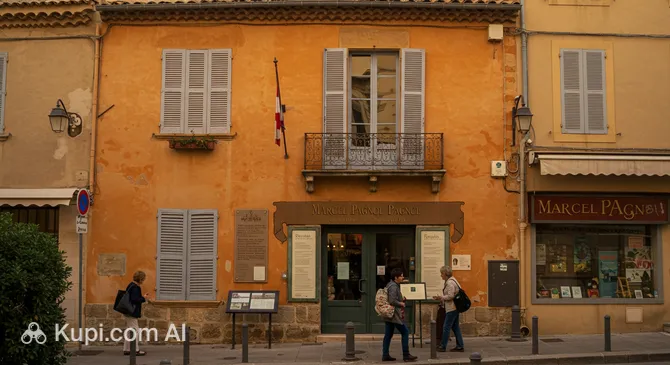
One of the most significant cultural sites is the Marcel Pagnol Birthplace. Located in a traditional townhouse, this museum invites visitors to step back in time to the late 19th century. It faithfully recreates the early environment of the famous filmmaker and writer, featuring period furniture and family memorabilia. It is a moving tribute that allows fans to connect with the origins of the beloved author of The Glory of My Father.

Marcel Pagnol Birthplace. Source: Kupi.Binoculars

For those interested in military history, the Museum of the Foreign Legion is a must-see. Aubagne serves as the headquarters for this elite corps, and the museum houses an impressive collection that traces its evolution since 1831. The exhibits include uniforms, weapons, and medals, offering a deep dive into the traditions and global campaigns of the Legion. The museum plays a vital role in preserving the unique heritage and identity of the Foreign Legion.

Museum of the Foreign Legion. Source: Kupi.Binoculars

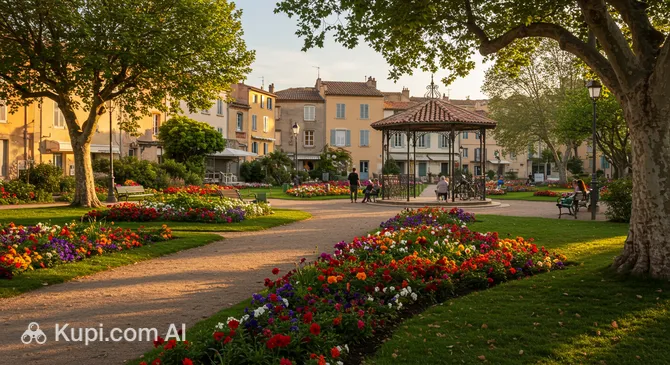
If you are looking for a place to unwind outdoors, Jean Moulin Park provides a serene escape. This public park is perfect for a leisurely walk or a break from sightseeing. With its open spaces and greenery, it offers a refreshing atmosphere for families and nature lovers enjoying the sunny climate of the region.

Jean Moulin Park. Source: Kupi.Binoculars

Local Cuisine

The local cuisine of Aubagne is a delightful reflection of its location in Provence, characterized by sun-drenched ingredients, aromatic herbs, and the abundant use of olive oil. Visitors will find a gastronomic scene that relies heavily on fresh, seasonal produce sourced from the fertile Huveaune Valley. The food here is rustic yet flavorful, often centered around shared meals and the region's famous "art de vivre."

One of the most authentic dishes to try in this area is pieds et paquets, a traditional specialty consisting of sheep's feet and tripe simmered for hours in a white wine and tomato sauce. For those preferring something less adventurous but equally classic, daube provençale is a hearty beef stew braised with red wine, vegetables, and garlic. Vegetable lovers will appreciate the ubiquity of ratatouille and soupe au pistou, a fresh summer soup enriched with a basil, garlic, and olive oil paste.

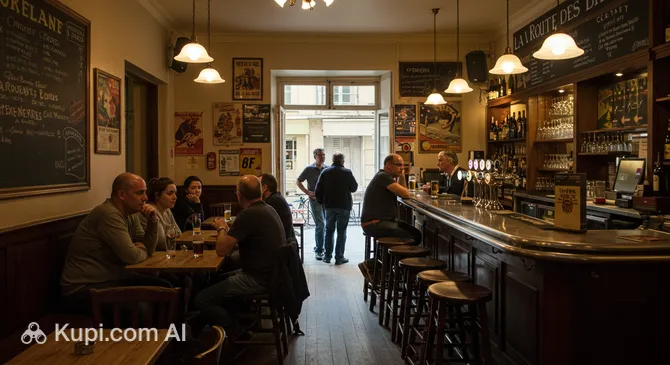
No culinary experience in Aubagne is complete without partaking in the local beverage culture. The quintessential drink is Pastis, an anise-flavored aperitif that is widely enjoyed by locals on sunny terraces before lunch or dinner. The region is also famous for its refreshing rosé wines, which pair perfectly with the warm Mediterranean climate. For travelers looking to explore a variety of drinks in a convivial setting, La Route des Bières offers a welcoming atmosphere to sample different beverages.

La Route des Bières. Source: Kupi.Binoculars

The food culture in Aubagne is deeply rooted in its open-air markets, where residents shop for artisanal goat cheeses, olives, and tapenades. Dining out is typically a relaxed affair, ranging from charming bistros serving traditional Provençal fare to modern establishments. The city offers a diverse range of options for a quick bite or a casual meal, including spots like Tacos Restaurant Aubagne and Eat Salad, ensuring that every traveler can find something to satisfy their appetite.

Travel Tips

To ensure your visit to the home of Marcel Pagnol is as smooth and enjoyable as possible, we have compiled a list of essential advice for your journey. These practical tips will help you navigate local customs, manage your budget, and explore Aubagne with the confidence of a seasoned traveler.

  1. Clothing and Gear: Since Aubagne enjoys a sunny Mediterranean climate, light and breathable clothing is essential for the summer months, along with a good hat, sunglasses, and high-SPF sunscreen. Winters are mild but can be crisp, so bring layers and a waterproof jacket. Most importantly, pack comfortable walking shoes; whether you are strolling through the city center or hiking the trails of the Garlaban hills, sturdy footwear is a must. Don't forget a Type E power adapter for your electronics.
  2. Transportation: One of the best perks of visiting Aubagne is its public transport system. The local buses and the tramway are completely free for everyone, so you can hop on and off without worrying about tickets. For trips to nearby cities like Marseille or Aix-en-Provence, the train is efficient and affordable. While a car is useful for exploring the remote countryside, parking in the city center can be challenging, so stick to public transit when staying within town limits.
  3. Finances: The local currency is the Euro (€). Credit and debit cards (Visa and Mastercard) are widely accepted in hotels, restaurants, and larger shops. However, it is highly recommended to carry some cash, particularly for small purchases at the famous ceramic markets or local bakeries. ATMs are plentiful throughout the city. Tipping is not mandatory as service is included in the bill, but leaving small change or rounding up is a polite gesture appreciated by waitstaff.
  4. Health and Safety: Aubagne is generally a safe city for tourists, but standard precautions against pickpocketing should be taken in crowded areas. Pharmacies are easily recognized by a flashing green cross sign and are well-stocked for minor ailments. For any serious emergencies, dial 112, the universal European emergency number. Tap water is safe to drink, so carry a reusable bottle to stay hydrated during your walks.
  5. Communication: The official language is French. While younger people and workers in the tourism industry often speak English, it is less common among the older generation and in smaller, traditional shops. Learning a few basic phrases like "Bonjour" (Hello), "Merci" (Thank you), and "S'il vous plaît" (Please) will go a long way in earning a warm reception from the locals. Free Wi-Fi is often available in public squares and cafes.
  6. Local Etiquette: Politeness is paramount in French culture. Always greet shopkeepers with a friendly "Bonjour" when entering a store and say "Au revoir" when leaving; failing to do so can be considered rude. When dining, keep in mind that lunch is typically served between 12:00 PM and 2:00 PM, and many restaurants close between lunch and dinner service, which usually starts around 7:30 PM.
  7. What to Avoid: Avoid touching produce at the open-air markets without asking the vendor first; it is customary to let them select the fruits or vegetables for you. Additionally, do not expect shops to be open all day; many smaller businesses close for a lunch break from roughly 12:30 PM to 2:30 PM or even later, so plan your shopping accordingly.
  8. Market Insight: To truly experience the local lifestyle, try to visit on a Tuesday, Thursday, Saturday, or Sunday morning. These are the main market days when the squares fill with stalls selling fresh Provençal produce, spices, and the region's signature clay figurines, known as santons. It is the perfect opportunity to find unique souvenirs and taste local delicacies.

By keeping these tips in mind, you will be well-prepared to embrace the relaxed pace and rich culture of this Provençal gem. Aubagne is a city that rewards those who take the time to explore its traditions and natural beauty, promising a memorable and authentic French experience.

Entertainment & Nightlife

Aubagne offers a nightlife experience that is distinctively Provençal—relaxed, convivial, and centered around the pleasure of good company. Unlike the high-energy clubbing scene found in nearby Marseille, the evenings here are characterized by a slower pace where locals gather on terraces to enjoy the cooling air after a sunny day. The atmosphere is welcoming and authentic, making it an ideal destination for those who appreciate long conversations over a glass of wine or a craft beverage rather than thumping basslines.

The heart of the city's evening activity can typically be found in the town center, particularly around the main squares and pedestrian zones. In the warmer months, the streets come alive with people enjoying apéro, the traditional pre-dinner drink ritual. For visitors looking to immerse themselves in this local culture, La Route des Bières is a popular spot. This venue is well-regarded for its wide selection of brews and friendly ambiance, offering a perfect setting to unwind and mingle with residents.

While the city is not known for large nightclubs, it offers several casual dining and snack options that stay open into the evening, catering to a younger crowd or those seeking a late bite. Places like Tacos Restaurant Aubagne provide a laid-back environment for a quick and satisfying meal with friends. For travelers desiring a more intense party scene with dance floors and international DJs, the vibrant nightlife districts of Marseille are just a short drive or taxi ride away, allowing you to experience the best of both worlds.

When planning a night out, keep in mind that the dress code in Aubagne is generally casual but smart; there is no need for overly formal attire. Bars and pubs usually close around 1:00 AM, so it is wise to start your evening early. Public transportation options like buses may stop running in the late evening, so relying on taxis or ride-sharing services is the most practical way to get around at night. The city center is considered safe for evening strolls, but as with any travel destination, it is recommended to stay in well-lit areas and keep personal belongings secure.

Before the sun sets, Aubagne provides a variety of daytime entertainment options that celebrate its rich cultural heritage. The city is home to the Théâtre Comœdia, which hosts a diverse program of plays, concerts, and dance performances throughout the year. Additionally, cinema enthusiasts can catch the latest films at the local movie theater, while history buffs can spend their days exploring the fascinating museums dedicated to the Foreign Legion and Marcel Pagnol, or enjoying the green spaces like Jean Moulin Park.

Parks & Museums

Aubagne strikes a perfect balance between its rugged natural surroundings and a rich cultural life deeply rooted in Provençal traditions. Visitors can easily transition from hiking in the footsteps of literary legends to admiring delicate craftsmanship in the city's galleries. The local green spaces serve as gateways to the famous hills, while the museums celebrate everything from military history to the art of clay.

For nature lovers, the Domaine de la Font de Mai is an essential stop. Located at the foot of the Garlaban massif, this 100-hectare estate is often considered the gateway to the hills that Marcel Pagnol described so vividly. It features an old Provençal farmhouse, interpretive trails, and exhibits on the local flora and fauna. It is the ideal starting point for hikers wishing to explore the "Pagnol trails," offering panoramic views and a deep connection to the agricultural history of the region.

Within the city limits, Jean Moulin Park offers a convenient respite for families and casual strollers. While it serves as a central recreational hub with playgrounds and shaded paths, it is also a venue for various local events. For a riverside experience, the banks of the Huveaune River provide a peaceful walking corridor known as the Berges de l'Huveaune, where visitors can enjoy a quiet escape near the water without leaving the urban area.

Aubagne's museum scene is headlined by its unique artistic heritage. A standout attraction is Le Petit Monde de Marcel Pagnol (The Little World of Marcel Pagnol), located in the heart of the city. This charming exhibition displays over 200 santons—the traditional clay figurines of Provence—arranged to recreate scenes from Pagnol's childhood and his most famous films. It is a delightful way to understand the local culture and the art of the santonniers.

Art enthusiasts should also visit the Centre d'Art des Pénitents Noirs. Housed in a beautifully restored chapel, this contemporary art center hosts high-quality temporary exhibitions ranging from painting and sculpture to visual arts. The contrast between the historical architecture of the chapel and the modern works displayed inside creates a compelling atmosphere for cultural exploration.

Of course, no tour of the city's history is complete without acknowledging its two most famous institutions. The Museum of the Foreign Legion remains a major draw for those interested in military heritage, preserving the memory of this elite corps. Similarly, the Marcel Pagnol Birthplace continues to attract literature fans from around the world who wish to see where the celebrated author began his life.

For a truly authentic experience, look beyond the main museums and explore the Ateliers Thérèse Neveu. This venue is dedicated to the history of ceramics in Aubagne and often allows visitors to see the intricate process of clay modeling up close. Walking through the city's "Argilla" district, you can often find artisans at work, keeping the centuries-old tradition of pottery alive.

Getting Around

Navigating Aubagne is exceptionally convenient and budget-friendly for visitors, primarily because the city operates a completely free public transport system. This initiative, known as Lignes de l'Agglo, allows tourists and residents alike to travel across the city and its surrounding suburbs without purchasing tickets or travel cards. The network is anchored by a modern tramway line and a comprehensive fleet of buses that connect the city center with residential areas, commercial zones, and the foot of the Garlaban hills.

The crown jewel of the local transit system is the tramway, recognizable by its vibrant yellow and orange design. The line runs from the railway station to the Charrel district, offering a smooth and quiet ride through key parts of the city. Complementing the tram are numerous bus routes that cover the wider metropolitan area. Since the entire local network is free, there are no turnstiles, ticket machines, or validation requirements on board. You simply hop on and off at any stop as you please, making it incredibly easy to explore different neighborhoods without worrying about zones or fares.

While movement within the city is free, it is important to distinguish this from regional travel. If you plan to take the TER train from the Aubagne railway station to nearby destinations like Marseille or Toulon, or use the regional Zou! coaches, standard fares apply. For these regional trips, you must purchase a ticket from the automated machines at the station or via the official mobile apps before boarding. Remember to validate your train ticket at the yellow kiosks on the platform to avoid fines.

For those preferring active mobility, the city center is compact and pedestrian-friendly, allowing you to easily walk between major attractions like the clay workshops and the markets. Cyclists can also take advantage of the local terrain, and there is a secure bike park available at the train station hub. If you require a more direct or private mode of transport, taxis are available and can typically be found waiting outside the railway station or booked by phone. Ride-hailing apps are also operational in the region, offering a reliable alternative for late-night travel when public transit frequencies decrease.

Public transport generally operates from early morning, around 6:00 AM, until the evening, with the tramway and main bus lines running until approximately 9:00 PM or 10:00 PM. Frequencies are higher during peak hours and reduced on Sundays and public holidays. To plan your journeys efficiently, it is advisable to check the latest timetables on the local transport website or use a navigation app, which will provide real-time updates on bus and tram arrivals.

Accommodation

Where to Stay:

Finding a place to stay in Aubagne offers travelers a chance to experience the authentic lifestyle of Provence without the premium price tag often associated with the coastal resorts. The accommodation landscape here is practical and varied, catering largely to families, hikers, and those passing through the region. Visitors can choose from reliable budget to mid-range chain hotels, charming bed-and-breakfasts known locally as chambres d'hôtes, and an increasing number of private vacation rentals.

For those who prioritize convenience and culture, staying in the city center is the best option. This area places you within walking distance of the bustling markets, the free tramway stops, and key cultural sites like the Marcel Pagnol Birthplace. Being in the heart of the town allows for easy access to restaurants and shops, making it ideal for travelers without a car or those who prefer to explore on foot.

Alternatively, if you are seeking tranquility and a connection to nature, look for accommodations on the outskirts of the city, particularly towards the Garlaban hills. This area offers rural guesthouses and campsites that serve as excellent base camps for hiking and outdoor activities. Additionally, several modern chain hotels are located near the main highway exits and business zones, providing easy access for road trippers and those planning to visit nearby Marseille or Aix-en-Provence.

Booking Tips and Prices: generally, accommodation in Aubagne is more affordable than in its famous neighbors. Prices typically fall into the budget to mid-range category, offering good value for money. However, as this is the South of France, the summer months—especially July and August—can see high demand. It is highly recommended to book your stay well in advance if you plan to visit during this peak season or during major local events like the Argilla pottery market. Most properties can be easily booked via major online platforms, though contacting smaller guesthouses directly can sometimes yield a more personal experience.

Nearby Cities

For those looking to explore the surroundings, Aubagne serves as an excellent base for day trips to several interesting nearby locations. Situated perfectly between the coast and the inland hills, the city offers easy access to some of the most famous destinations in Provence.

Just a short distance away lies Marseille, France's second-largest city and a vibrant Mediterranean hub. Visitors can explore the historic Old Port, climb up to the Basilique Notre-Dame de la Garde for panoramic views, or venture into the stunning Calanques National Park. Its rich history as a melting pot of cultures makes it a fascinating contrast to the quieter charm of Aubagne.

To the north is the elegant city of Aix-en-Provence, known for its thermal springs, sophisticated architecture, and the famous Cours Mirabeau lined with plane trees. As the hometown of the painter Paul Cézanne, it is a haven for art lovers and those who enjoy wandering through picturesque streets filled with fountains and high-end boutiques.

For a relaxing day by the sea, La Ciotat is an ideal choice. This coastal town is not only famous for its beautiful beaches and dramatic cliffs but also for its cinematic history, being the place where the Lumière brothers screened one of the very first motion pictures. It offers a perfect mix of seaside leisure and cultural heritage.

City Population Distance (km)
Marseille 870,731 16
Aix-en-Provence 145,133 28
La Ciotat 35,993 14
Les Pennes-Mirabeau 21,623 25
Gardanne 21,521 19

These nearby destinations offer a glimpse into the diverse culture and landscapes of the region, ensuring that every traveler can find a day trip that suits their interests.

Shopping & Souvenirs

Shopping in Aubagne is a delightful experience that centers heavily on the city's rich artisanal heritage rather than just high-street fashion. Known as a "City of Clay," Aubagne is world-famous for its pottery and ceramics industry. Visitors will find a unique shopping scene where traditional workshops stand alongside modern conveniences, offering a perfect blend of authentic Provençal craftsmanship and contemporary retail therapy.

The heart of the shopping experience lies in the pedestrian-friendly city center. Streets such as Rue de la République and the areas surrounding the central squares are lined with charming boutiques, independent clothing stores, and, most notably, numerous artisan workshops. Here, you can step directly into the studios of master potters and watch them shape the local clay into beautiful functional objects and decorative art.

For those seeking a more extensive retail experience with major international brands, the Zone Commerciale des Paluds is the place to go. Located just on the outskirts of the city, this is one of the largest commercial areas in the region. It hosts the massive Centre Commercial Auchan Barnéoud, a sprawling shopping mall that features a vast hypermarket, fashion chains, sports outlets, and electronics stores, providing everything a traveler might need in one convenient location.

Markets are an essential part of daily life in Aubagne and offer the most authentic shopping atmosphere. The traditional open-air markets take place on Tuesday, Thursday, Saturday, and Sunday mornings in the city center. Stalls overflow with fresh local produce, cheeses, olives, and textiles. Additionally, during the winter season, the city hosts a renowned Santon Fair, where artisans display the intricate clay figurines that are iconic to Provençal nativity scenes.

When it comes to souvenirs, the undisputed choice is a santon. These hand-painted clay figurines depicting traditional village characters are the ultimate symbol of Aubagne. Pottery and ceramics, ranging from bright yellow glazed tableware to garden ornaments, are also excellent keepsakes. Other popular local goods include olive oil produced in the nearby hills, fabrics with Provençal prints, and the famous Savon de Marseille soaps.

Store opening hours in Aubagne typically follow the traditional French schedule. Small boutiques and artisan workshops generally open around 9:00 AM or 10:00 AM and close for a lunch break between 12:30 PM and 2:30 PM, reopening until 7:00 PM. Larger shopping malls and supermarkets usually stay open all day without a break, often until 8:00 PM or 9:00 PM. Most shops are closed on Sundays, except for food markets and some businesses in the commercial zones.

Payment methods are modern and convenient, with credit and debit cards (Visa and Mastercard) being widely accepted in most stores and malls. However, it is advisable to carry some cash (Euros) when visiting open-air markets or smaller artisan workshops, as they may not always have card terminals. Contactless payment is also very common for smaller transactions.

For visitors residing outside the European Union, a tax-free refund (détaxe) may be available on purchases exceeding €100.01 in a single store. Look for the "Tax Free" signage in shop windows, particularly in the larger commercial centers, and ask the staff for a refund form at the time of purchase to claim your VAT refund at the airport upon departure.
Reached the end of the page?

That means the route is fully explored