Shopping:
Shopping in Narbonne is a delightful experience that reflects the city's relaxed Mediterranean pace and its deep connection to regional gastronomy. While you will not find the sprawling high-end fashion districts of Paris, the city offers a charming mix of independent boutiques, artisanal workshops, and well-stocked commercial centers. The retail scene is heavily focused on local craftsmanship, food, and wine, making it an excellent destination for travelers looking to take a piece of the Occitanie region home with them.
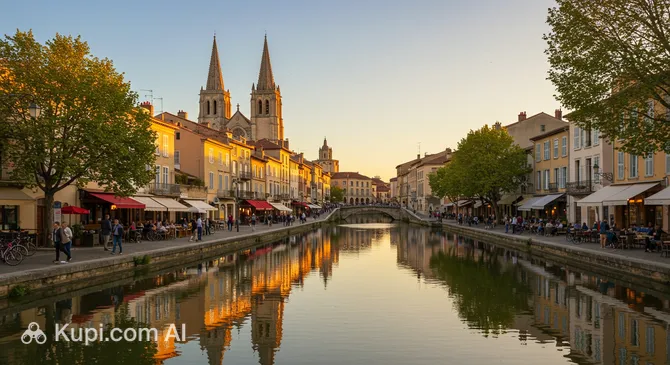
The heart of the shopping action lies in the pedestrian streets of the historic center. Rue Droite and Rue de l'Ancien Courrier are the primary arteries for those who enjoy window shopping in a picturesque setting. These narrow, cobblestone lanes are lined with a variety of clothing stores, jewelry shops, and home decor boutiques, often housed in beautiful medieval buildings. A stroll around the Place de l'Hôtel de Ville and along the canal banks also reveals numerous small shops selling everything from books to regional specialties.
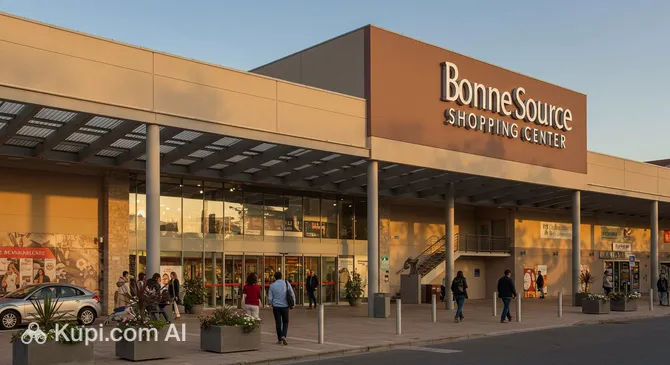
For those seeking a more modern and comprehensive retail experience, the Bonne Source Shopping Center is the main destination on the outskirts of the city. This large complex is home to a hypermarket and a wide gallery of national and international brands, covering fashion, beauty, and electronics. It is a convenient stop for travelers needing practical items or familiar labels that might not be available in the smaller downtown boutiques.
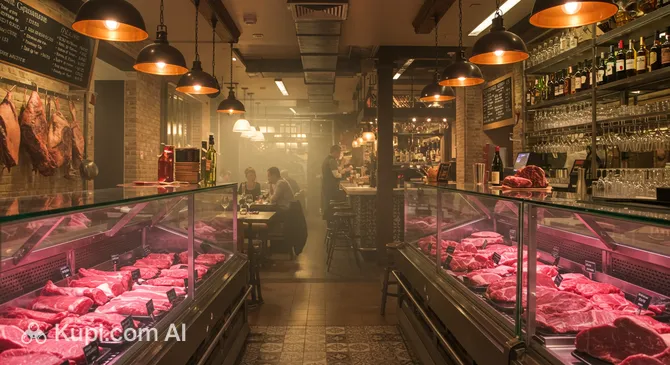
However, no shopping trip to Narbonne is complete without visiting its vibrant markets. The legendary Les Halles is the epicenter of local commerce. Under its metallic Baltard-style structure, you will find over 70 vendors selling the finest fresh produce, cheeses, and meats. For a more open-air experience, the weekly markets held along the Cours Mirabeau and the canal banks (typically on Thursday and Sunday mornings) are perfect for browsing clothing, fabrics, and bric-a-brac in a lively atmosphere.
When it comes to souvenirs, edible goods are the stars of the show. The region is famous for its Lucques olives, a distinctively crescent-shaped variety that is prized for its nutty flavor. Local wines from the nearby La Clape or Corbières vineyards are also top choices; many downtown wine cellars (caves) offer tastings to help you choose. Other popular gifts include artisanal honey, lavender products, and colorful pottery that reflects the sunny disposition of the south of France.
Travelers should be aware of local business hours. While the large shopping malls remain open throughout the day, many smaller independent shops in the city center observe a traditional lunch break, closing from approximately 12:00 PM to 2:00 PM. Most stores are closed on Sundays, although food markets are busiest on Sunday mornings. Payment by credit card (Visa and Mastercard) is widely accepted, but it is advisable to carry some cash for small purchases at market stalls.
Visitors from outside the European Union may be eligible for a tax refund (détaxe) on purchases. If you spend more than €100.01 in a single store on the same day, ask the retailer for a tax-free form. This applies primarily to larger stores and boutiques rather than market vendors, so be sure to check for the "Tax Free" signage in the window before purchasing.