Support

Montauban

About

Welcome to Montauban, a captivating destination known for its distinctive red-brick architecture and rich artistic heritage. Often overshadowed by its larger neighbor Toulouse, this charming city in the Occitanie region of France offers a more relaxed pace while boasting an equally vibrant atmosphere. Its streets are lined with pinkish buildings that glow under the southern sun, earning it a reputation as a delightful place to explore on foot.
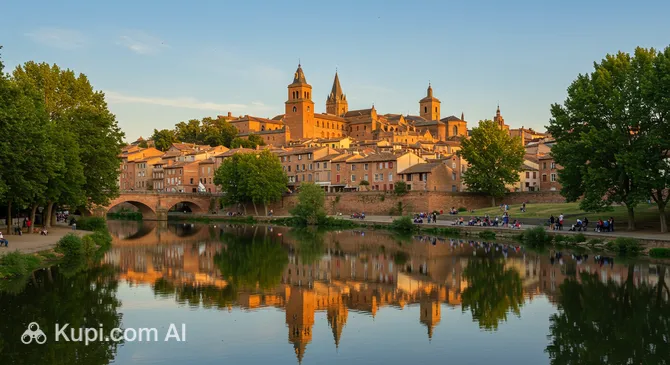
Montauban. Source: Kupi.Binoculars

Geographically, Montauban is beautifully situated on the banks of the Tarn River, serving as a gateway to the diverse landscapes of the southwest. With a population of approximately 61,000 residents, it strikes a perfect balance between a lively urban center and a welcoming provincial town. Visitors can enjoy a mild climate typical of the region, making it a pleasant destination for sightseeing throughout most of the year.

As one of the oldest bastides (fortified towns) in the region, founded in 1144, the city has a fascinating past. You can delve deeper into the history of Montauban to understand how it evolved from a medieval stronghold into a center of art and culture. The city is famously the birthplace of the renowned painter Jean-Auguste-Dominique Ingres and the sculptor Antoine Bourdelle, whose legacies are celebrated locally.

Among the must-see attractions is the stunning Place Nationale, a square surrounded by double rows of vaulted arcades and elegant brick facades that form the heart of city life. Another architectural gem is the Pont Vieux, a remarkable 14th-century bridge that spans the Tarn River, offering picturesque views of the skyline. Art lovers should not miss the Musée Ingres Bourdelle, housed in a former episcopal palace, which displays an impressive collection of works by the city's famous sons.

Whether you are strolling through its historic squares, admiring the reflection of the bridges in the river, or enjoying the local cuisine, Montauban promises a memorable experience. It is an ideal stop for travelers seeking authentic French culture and architectural beauty away from the crowds.
Weather Overview

Montauban generally enjoys a temperate climate with distinct seasonal changes, making it a welcoming destination for most of the year. The summer months are the warmest and driest, particularly July and August, when average temperatures hover around 23°C to 24°C and daytime highs frequently reach 29°C. With only about 7 wet days per month during this peak season, it is an excellent time for strolling through the city's outdoor arcades and parks.

As the seasons shift, the weather becomes cooler and wetter. Winters are generally mild but damp, with January seeing average temperatures dip to approximately 6°C. Rainfall is more frequent during the cooler months, with December and March experiencing up to 15 wet days. For those planning a visit, checking the current weather in Montauban is recommended to ensure you pack the right clothing.

Spring and autumn offer moderate temperatures ranging from 10°C to 20°C, though these transition periods can also bring regular showers. Overall, visitors can expect warm, sunny summers perfect for sightseeing and cool, wetter winters that call for a waterproof jacket and warm layers.

Interesting Facts

Beyond the main attractions, Montauban holds many fascinating secrets and historical anecdotes that enrich its character. From artistic mysteries to linguistic legends, the city offers curious visitors plenty of surprising details to discover.
  • During World War II, the city played a vital role in preserving global art history. The Ingres Museum served as a secret hiding place for the Mona Lisa and other masterpieces from the Louvre, safeguarding them against potential looting and destruction.

  • Montauban is the setting for the origin of the famous French expression "faire les 400 coups" (meaning to live a wild life). The phrase dates back to the siege of 1621, when King Louis XIII ordered his army to fire 400 cannonballs simultaneously to intimidate the locals, yet the city famously resisted.

  • Founded in 1144, the city is widely considered one of the first bastides (fortified towns) in the history of southwest France. Its innovative grid layout was a departure from the chaotic streets of typical medieval towns and is still perfectly preserved around the Place Nationale.

  • The city was the birthplace of Olympe de Gouges, a pioneering playwright and activist. She is celebrated for writing the Declaration of the Rights of Woman and of the Female Citizen in 1791, cementing her legacy as a key figure in the early fight for gender equality.

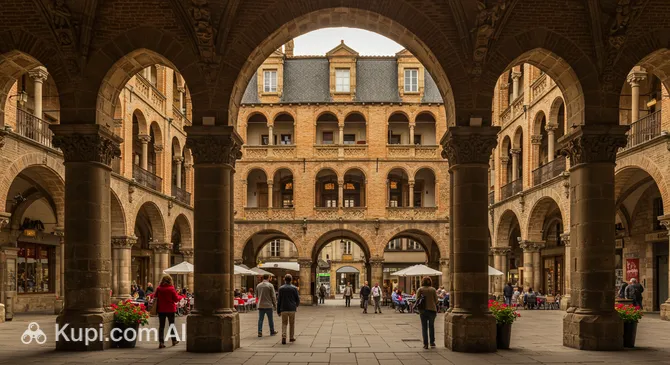
Place Nationale. Source: Kupi.Binoculars

How to Get There

Reaching Montauban is relatively straightforward thanks to its proximity to major transport hubs in the Occitanie region. While the city itself does not host an airport, it is well-connected by road and rail to nearby cities that do. For a complete overview of travel options and detailed routes, you can read more about how to get to Montauban.

The city of Montauban does not have its own airport, but you can fly into Toulouse-Blagnac Airport (IATA: TLS) in the city of Toulouse, which is approximately 44 km from Montauban. This is a major international gateway serving a large volume of passengers annually. The journey from the airport to Montauban takes about 1 hour and 25 minutes by taxi or shuttle. Alternatively, travelers can use Carcassonne Airport (IATA: CCF) located in Carcassonne, about 118 km away. Reaching Montauban from there takes roughly 3 hours and 15 minutes by road.

For clarity, here is a summary of the main airports:

Airport Name City Passenger Traffic Km from City
Toulouse-Blagnac Airport Toulouse Large 43.7
Carcassonne Airport Carcassonne Medium 118.1
Roumanières Airport Bergerac Small 111.3
Marcillac Airport Rodez Small 99.9
Laroche Airport Brive-la-Gaillarde Small 113.8

Traveling by train is often the most convenient method for reaching the city center directly. You can arrive at the Montauban Railway Station, which is conveniently located within Montauban itself, just 2 km from the heart of the city. It serves a significant number of travelers and connects the city to the wider French rail network. Additionally, the Matabiau Station in the city of Toulouse serves as a major regional hub roughly 46 km away. From Toulouse, frequent connections make the final leg of the journey to Montauban quick and easy.

Below is a list of the nearest and most significant railway stations:

Station City Passenger Traffic Km to Center
Bordeaux Saint-Jean Station Bordeaux Very Large 176.3
Matabiau Station Toulouse Large 46.4
Agen Railway Station Agen Medium 62.2
Montauban Railway Station Montauban Medium 2.0
Agde Station Agde Small 187.5

Main Attractions

The heart of the city beats at the Place Nationale. This magnificent square is the jewel of Montauban, celebrated for its unique double rows of vaulted arcades and stunning pink brick architecture. Dating back to the 12th century, it has served as a marketplace and social hub for hundreds of years. Tourists love it for the lively atmosphere, the surrounding cafes, and the sheer beauty of the preserved medieval layout, which glows warmly in the sunlight.

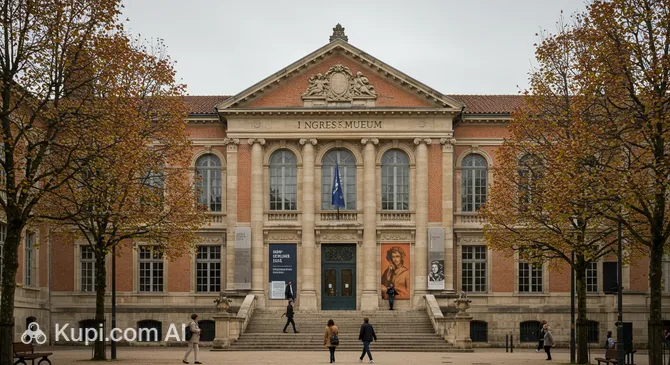
Art enthusiasts should make their way to the Ingres Museum (Musée Ingres Bourdelle). Located in the former episcopal palace built in the 17th century, this institution houses an exceptional collection of works by two of the city's most famous natives: the painter Jean-Auguste-Dominique Ingres and the sculptor Antoine Bourdelle. It is interesting not only for the masterpieces on display but also for the building itself, which stands majestically by the river and includes a fascinating underground section with medieval remains.

Ingres Museum. Source: Kupi.Binoculars

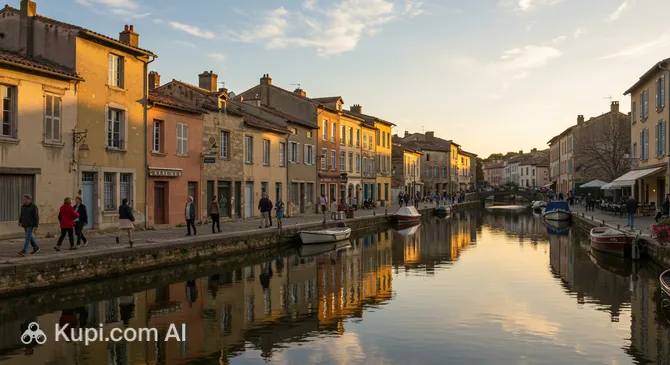
For a relaxing escape by the water, visit Port Canal. This picturesque marina connects the Canal de Montech with the Tarn River and serves as a peaceful haven for boaters and walkers alike. It is a great spot to rent a boat, enjoy a cycling trip along the towpaths, or simply watch the barges drift by. The area combines natural beauty with the engineering marvels of the canal system, offering a refreshing break from the city center's bustle.

Port Canal. Source: Kupi.Binoculars

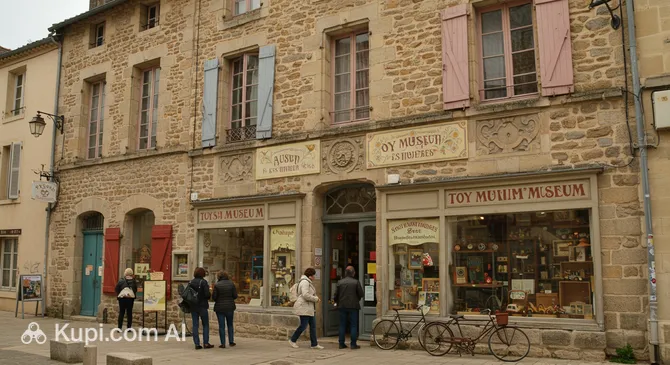
Families and nostalgia seekers will find delight in the Toy Museum (Musée des Jouets). This charming attraction showcases a vast collection of toys, including intricate mechanical models, dolls, and trains that span several decades. It offers a whimsical journey back into childhood, making it a fun and educational stop. Visitors appreciate the detailed craftsmanship of the exhibits and the interactive elements that often captivate both children and adults.

Toy Museum. Source: Kupi.Binoculars

Nature lovers can explore the Botanical Garden of Montauban. This vast green space covers roughly three hectares and features a diverse array of plant species, including exotic trees and a beautifully maintained rose garden. It provides a serene environment perfect for a leisurely stroll or a quiet picnic. The garden is particularly interesting for its arboretum and the way it blends educational botanical displays with landscape design.

Local Cuisine

The culinary scene in Montauban is a delightful reflection of the generous and rustic gastronomy of southwestern France. Visitors can expect hearty meals prepared with high-quality local ingredients, particularly duck and fresh seasonal fruit. A staple on many menus is duck in all its forms, from rich foie gras to tender confit de canard (slow-cooked duck leg) and grilled magret (duck breast). The region is also famous for its agriculture, producing sweet melons and the renowned Chasselas grapes from nearby Moissac, which often feature in desserts or are enjoyed fresh.

Those with a sweet tooth must try the city's most iconic confectionery, the Boulets de Montauban. These delicious treats—roasted hazelnuts coated in dark chocolate and a thin sugar shell—were created to commemorate the historic siege of 1621. While the real cannonballs fired at the city were made of iron, these sugary counterparts are a favorite souvenir for tourists. Another local specialty is the Mountalbane, a soft brioche-like cake flavored with orange blossom, vanilla, and rum, wrapped in pleated paper to preserve its moist texture.

To accompany these dishes, locals often turn to the wines of the region. Montauban is situated near the vineyards of the Fronton appellation, known for the unique Négrette grape variety which produces aromatic reds and rosés with distinct notes of violet and licorice. For non-alcoholic options, the abundance of local orchards means that artisanal apple juices and grape juices are widely available and of excellent quality.

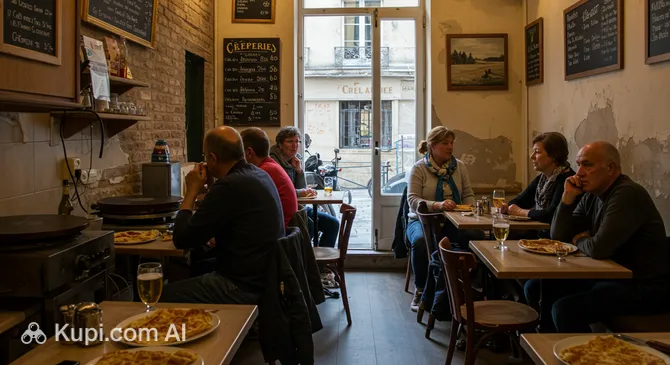
L'Estanquet Buffet. Source: Kupi.Binoculars

Dining out in Montauban is a casual and social affair, with options ranging from traditional bistros to modern eateries. The markets, particularly the one near the Place Nationale, are the best places to see the raw ingredients that inspire local chefs. For a satisfying meal, travelers might visit L'Estanquet Buffet, a restaurant that offers a welcoming atmosphere and a chance to sample various dishes. Another popular spot for food lovers is Olla, known for its inviting menu.

If you are looking for a place to relax with a drink or a quick bite after a day of sightseeing, you might stop by Little Italy. Whether you prefer a sit-down dinner in a historic setting or a casual snack while exploring the streets, Montauban’s food culture offers a genuine taste of the Occitanie lifestyle.

Travel Tips

To ensure your visit to this charming city of art and history is as smooth as possible, we have compiled a list of essential advice. These practical insights will help you navigate local customs, logistics, and daily life in Montauban, allowing you to focus on enjoying its beautiful red-brick architecture and relaxed atmosphere.

  1. Clothing and Gear: Montauban enjoys a warm, sunny climate in the summer, so light, breathable clothing, sunglasses, and a hat are essential for July and August. However, the region can be prone to sudden showers, especially in spring and autumn, so packing a compact umbrella or a light waterproof jacket is wise. Since the historic center features cobblestones and paved pedestrian zones, bring comfortable walking shoes rather than high heels.

  2. Transportation: The city center is compact and best explored on foot, as most major attractions like the Place Nationale and the Ingres Museum are within walking distance of each other. For longer distances, the local bus network, Transports Montalbanais, is reliable and affordable. Taxis are available but typically need to be booked in advance by phone or app rather than hailed on the street. If you plan to stay strictly within the city, a rental car is unnecessary and can be difficult to park; reserve it only for exploring the surrounding Occitanie countryside.

  3. Finances: The local currency is the Euro (€). Credit and debit cards (Visa and Mastercard) are widely accepted in most restaurants and shops. However, it is highly recommended to carry some cash, particularly small bills and coins, for purchases at local markets, bakeries, or for small coffees. ATMs are plentiful throughout the city center. Tipping is not mandatory as service is included in the bill, but leaving small change or rounding up is a polite gesture for good service.

  4. Health and Safety: Montauban is generally a very safe city for tourists. Pharmacies are easily recognized by a flashing green cross sign; for after-hours needs, look for a "Pharmacie de Garde" (on-duty pharmacy), the location of which is usually posted on the door of any closed pharmacy. In case of a serious medical emergency, dial 112, which is the universal European emergency number.

  5. Communication: The official language is French. While younger people and staff in the tourism industry often speak English, it is not universally spoken by the older generation or in smaller shops. Learning a few basic phrases—especially "Bonjour" (Hello), "S'il vous plaît" (Please), and "Merci" (Thank you)—will go a long way. Free Wi-Fi is often available in cafes and public squares, and prepaid SIM cards can be purchased at "Tabac" shops or mobile phone stores.

  6. Local Etiquette: Politeness is paramount in French culture. Always greet shopkeepers or staff with a friendly "Bonjour" when entering a store and "Au revoir" when leaving; failing to do so can be considered rude. When dining, keep your voice at a moderate level, as loud conversations are generally frowned upon in restaurants.

  7. What to Avoid: Do not expect to eat dinner early. Most restaurants in France do not open for evening service until 7:00 PM or 7:30 PM, and showing up earlier may result in finding closed doors. Also, avoid touching produce at the open-air markets without asking the vendor first; it is customary to let them select the fruit or vegetables for you.

  8. Additional Tip: Be mindful of the "pause déjeuner" (lunch break). Unlike in some major capitals, many smaller shops, boutiques, and even banks in Montauban close between 12:00 PM and 2:00 PM. Use this time to enjoy a leisurely lunch yourself at a terrace on the Place Nationale, just like the locals do, rather than trying to run errands.

By keeping these simple tips in mind, you will be well-prepared to embrace the local lifestyle and make the most of your time in this delightful corner of the southwest. Montauban is a welcoming city, and a little preparation will ensure your experience is both authentic and stress-free.

Entertainment & Nightlife

While Montauban may not have the frenetic energy of a massive metropolis, its nightlife is defined by a warm, convivial atmosphere typical of the French Southwest. The evening scene here focuses heavily on socializing, with locals gathering in public squares and cozy venues to enjoy good company, local wine, and the mild night air. The city center, particularly around the historic districts, transforms after sunset, with the red-brick architecture beautifully illuminated, creating a romantic backdrop for a night out.

The heartbeat of Montauban’s evening activity is undoubtedly the Place Nationale. As dusk falls, the arcades surrounding this magnificent square bustle with life. The terraces of cafes and bars fill up with people enjoying aperitifs and tapas. It is the perfect place to start your evening, soaking in the vibrant energy and the stunning visuals of the lit-up facades. The dress code in most places is casual but neat, reflecting the city's relaxed yet stylish character.

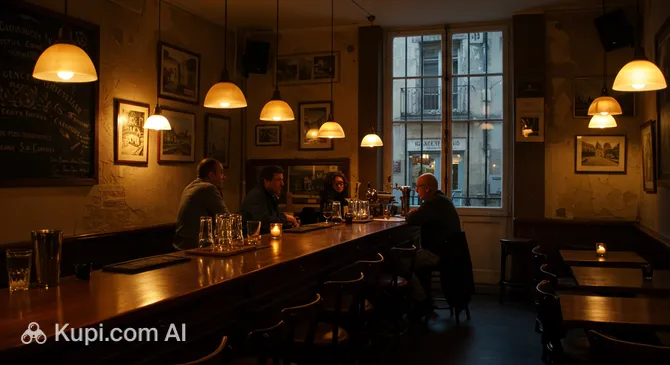
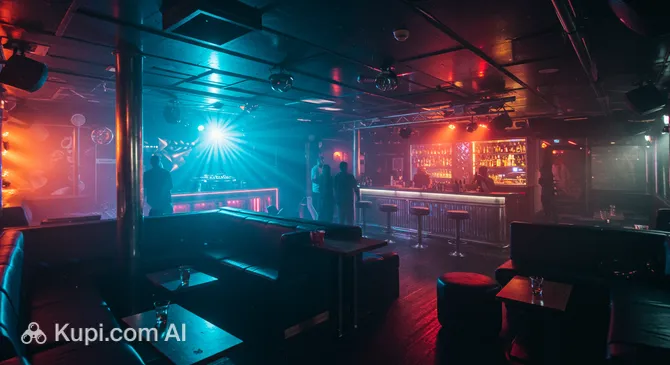
For those seeking a specific spot to enjoy a drink and a lively vibe, Little Italy is a popular choice. This venue bridges the gap between a restaurant and a bar, offering a trendy atmosphere where visitors can sip cocktails and mingle with a friendly crowd. It captures the essence of Montauban’s modern nightlife, where the focus is on quality drinks and a welcoming environment.

Little Italy. Source: Kupi.Binoculars

If you are looking to continue the night with music and dancing, Le Nautic offers a more energetic experience. Known as a key destination for clubbers in the area, this nightclub features DJ sets and a festive spirit that keeps the party going late into the night. It is an ideal spot for those who want to experience the more dynamic side of the local entertainment scene.

Le Nautic. Source: Kupi.Binoculars

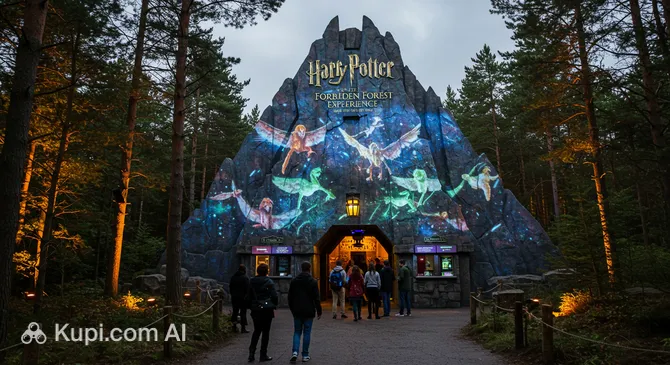
For a completely different kind of evening entertainment, visitors can immerse themselves in the Harry Potter: Forbidden Forest Experience. This unique attraction offers a magical night walk through a lit woodland trail, featuring interactive moments and theatrical illusions inspired by the Wizarding World. It provides a fantastical escape that appeals to both families and adults looking for something memorable and visually spectacular after dark.

Harry Potter: Forbidden Forest Experience. Source: Kupi.Binoculars

Regarding practicalities, the nightlife in Montauban is generally very safe. The city center is compact and walkable, making it easy to stroll from dinner to a bar. However, if you are staying outside the immediate center or visiting venues on the outskirts, booking a taxi in advance is highly recommended, as hailing one on the street can be difficult late at night. Prices for drinks and entry fees are generally reasonable and lower than in larger neighboring cities like Toulouse.

Before the sun goes down, the city offers plenty of other diversions to fill your day. Aside from its museums and parks, shopping enthusiasts can visit Les Trois Rivières Shopping Center or explore the retail options at Futuropôle. These commercial hubs provide a modern contrast to the historic center and are perfect for a relaxed afternoon before heading out to enjoy the city's nightlife.

Parks & Museums

Montauban offers a delightful blend of natural beauty and intellectual enrichment, making it a perfect destination for travelers who appreciate both the outdoors and the arts. Beyond its iconic red-brick architecture, the city maintains several lush green spaces and houses impressive collections that preserve its rich cultural legacy.

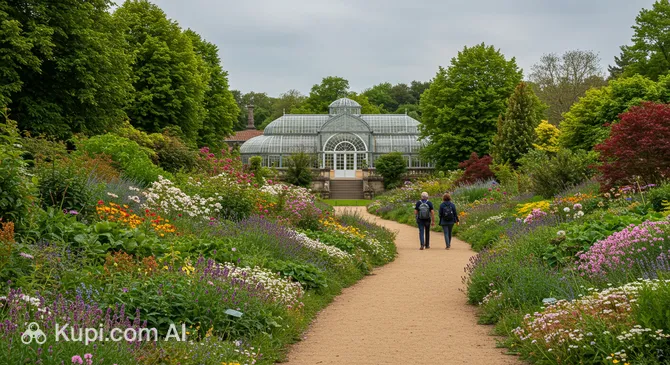
For a peaceful escape into nature, the Botanical Garden of Montauban is a true urban oasis. Spanning approximately three hectares, this carefully curated space features a magnificent arboretum with towering exotic trees, including sequoias and ginkgo biloba. Visitors are often drawn to the large rose garden, which bursts with color and fragrance during the blooming season. It is an ideal spot for a quiet walk or an educational tour to learn about diverse plant species in a serene setting.

Botanical Garden of Montauban. Source: Kupi.Binoculars

Another significant green area is the Cours Foucault, a historic park located on the banks of the Tarn River. Created in the 17th century, this five-hectare promenade is lined with majestic elm and plane trees, offering ample shade during the warmer months. It is a favorite among locals for jogging, picnicking, and enjoying the fresh air while overlooking the river. Near the water, Port Canal serves as a starting point for exploring the "Vélo Voie Verte" (Greenway), where cyclists and walkers can follow the shaded towpaths along the Canal de Montech.

When it comes to culture, the city’s crown jewel is the Ingres Museum (Musée Ingres Bourdelle). Housed in a formidable 17th-century episcopal palace that was once a fortress, the museum is dedicated to two of Montauban's most famous sons: the Neoclassical painter Jean-Auguste-Dominique Ingres and the sculptor Antoine Bourdelle. The collection includes thousands of Ingres' drawings and paintings, as well as monumental sculptures by Bourdelle. The building itself is a masterpiece, with a fascinating underground level that reveals the medieval foundations of the Black Prince's castle.

For a more whimsical cultural experience, the Toy Museum provides a nostalgic journey through childhood history. This museum displays a captivating array of vintage toys, including intricate mechanical pieces, porcelain dolls, and electric trains from the 19th and 20th centuries. It is particularly interesting for its focus on the evolution of play and craftsmanship, offering a delightful contrast to the fine arts found elsewhere in the city.

Additionally, visitors interested in the natural world should visit the Victor Brun Natural History Museum. Located near the Place Nationale, it houses a remarkable collection of taxidermy, minerals, and fossils, focusing on the biodiversity of the region and beyond. It is a fantastic stop for families and anyone curious about the natural sciences.

Insider Tip: If you visit the Botanical Garden, look for the small pathway that leads down toward the Tescou stream. It’s a quiet, lesser-known corner where you can often spot local birds and enjoy a moment of absolute tranquility away from the main paths.

Getting Around

Navigating Montauban is a relatively stress-free experience, as the city is compact and human-sized. While the historic center with its pedestrian streets is best explored on foot, a reliable public transport network exists to help you reach outlying neighborhoods, the train station, or local commercial areas. The system is managed by Transports Montalbanais (TM), which operates a fleet of buses serving the city and its immediate suburbs. There is no metro or tram system here, but the bus network is efficient and sufficient for the needs of most visitors.

A standout feature of the local transport system is the free electric shuttle, known as "La Navette," which circulates through the city center. This small, eco-friendly bus connects key locations such as the main parking lots, the Place Nationale, and the Ingres Museum. It is particularly useful for tourists who want to save time moving between attractions without walking. For travel beyond the immediate center, the regular urban bus lines cover a wider area, connecting the downtown core with the railway station and residential districts.

The payment system is simple and affordable. A single ticket typically costs around €1.20 if purchased in advance or slightly more if bought directly from the driver on board. You can buy tickets at the Espace Mobilité (the transport agency office), at authorized tobacco shops (Tabacs), or sometimes via a mobile app associated with the transport network. For those planning to use the bus frequently, a book of ten tickets or a day pass offers better value than purchasing single fares. Always remember to validate your ticket immediately upon boarding to avoid fines.

Travelers should be aware of the operating hours, which are more limited than in larger metropolises. Buses generally run from early morning until around 8:00 PM. Service is significantly reduced on Saturdays and is often non-existent or extremely limited on Sundays and public holidays. It is highly recommended to check the timetables in advance, either online or at bus stops, especially if you are planning an evening out or a weekend trip.

For alternatives to the bus, taxis are available, though they are not usually hailed from the street. You will typically find them waiting outside the Montauban Railway Station, or you can book one by phone or through a local app. Cycling is also a popular option, especially given the flat terrain near the river and canals. The city offers a bike rental service known as "TM à Vélo," allowing visitors to rent bicycles for short or long durations to explore the scenic towpaths along the Canal de Montech.

Accommodation

Montauban provides a welcoming array of accommodation options suited to various travel styles and budgets. While it lacks the ultra-luxury resorts found in larger metropolises, the city excels in offering charming independent hotels, cozy bed-and-breakfasts (chambres d'hôtes), and modern apartment rentals. Visitors can choose between staying in historic buildings that reflect the city's red-brick heritage or opting for functional chain hotels located on the periphery.

For those who want to be in the heart of the action, the historic city center is the most popular area to stay. Lodging near the Place Nationale allows for easy walking access to major attractions like the Ingres Museum and the vibrant local markets. Alternatively, the Villebourbon district, located across the Old Bridge on the left bank of the Tarn River, offers a different perspective and convenient access to the railway station. Travelers with cars might prefer the outskirts of the city, where larger modern hotels often provide ample parking facilities that can be scarce in the medieval center.

Booking accommodation in Montauban is generally straightforward, but it is advisable to reserve well in advance if you plan to visit during the peak summer months (July and August) or during the lantern festival in winter. Prices are typically more reasonable than in nearby Toulouse, with options ranging from budget-friendly rooms to mid-range boutique stays. Most establishments can be booked easily through major online travel platforms, though contacting smaller guest houses directly can sometimes yield a more personal experience.

Nearby Cities

For those looking to explore the surroundings, Montauban serves as an excellent base for day trips to several interesting nearby locations:

City Population Distance (km)
Toulouse 493465 47
Colomiers 39968 46
Tournefeuille 28117 49
Blagnac 25525 43
Cahors 19937 48

Among these options, Toulouse is the most prominent destination. Known as "La Ville Rose" (The Pink City) due to its terracotta bricks, it is the regional capital and offers a wealth of attractions, including the majestic Capitole de Toulouse and the Cité de l'Espace for space enthusiasts. It provides a bustling urban contrast to the quieter charm of Montauban.

Heading north, Cahors offers a step back in time. Nestled within a loop of the Lot River, this town is famous for the medieval Pont Valentré, a UNESCO World Heritage site, and its robust "black wine" made from Malbec grapes. It is a perfect spot for history buffs and oenophiles alike.

For those interested in aviation, Blagnac is a must-visit. As the home of Airbus, it features the Aeroscopia Museum, where visitors can explore legendary aircraft and learn about the history of flight, making it a unique educational excursion.

These nearby destinations offer a glimpse into the diverse culture and landscapes of the region.

Shopping & Souvenirs

Shopping in Montauban offers a delightful blend of provincial charm and modern convenience, catering to both those seeking authentic local products and visitors looking for well-known brands. The city provides a relaxed retail experience where you can wander through pedestrianized medieval streets, discover independent boutiques, or visit larger commercial zones on the outskirts. Whether you are hunting for regional gastronomic treasures or the latest fashion, the city has plenty to offer.

The heart of the shopping scene is located in the historic center, particularly in the pedestrian streets radiating from the Place Nationale. Streets such as Rue de la République and Rue Michelet are lined with clothing stores, shoe shops, and artisanal boutiques set within beautiful red-brick buildings. This area is perfect for window shopping while admiring the architecture, allowing you to find unique items in a picturesque setting.

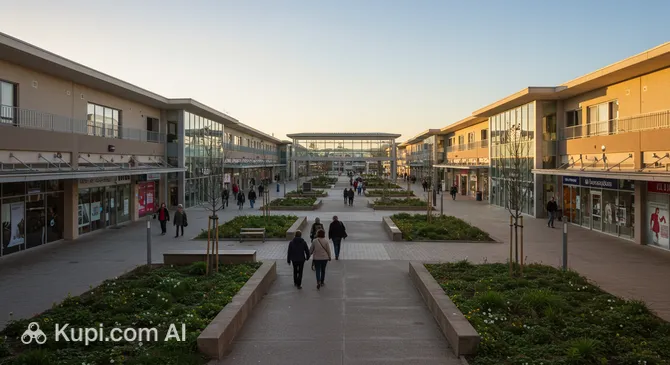
For a more extensive retail experience with a wide variety of brands in one location, visitors can head to the commercial areas outside the center. Les Trois Rivières Shopping Center is a major hub located in the northern part of the city, featuring a large hypermarket and a gallery of shops covering fashion, beauty, and home goods. Another significant commercial zone is Futuropôle, which hosts numerous large retailers and specialty stores, making it a convenient stop for practical needs and leisure shopping.

Les Trois Rivières Shopping Center. Source: Kupi.Binoculars

Markets are an integral part of the local lifestyle and a must-visit for any tourist. The traditional open-air market takes place on Saturday mornings and is a vibrant explosion of colors and scents. Stalls often spread across the Place Prax Paris and surrounding areas, offering fresh produce from the Occitanie region, including fruits, vegetables, and cheeses. It is the best place to mingle with locals and experience the authentic atmosphere of the southwest.

When it comes to souvenirs, food lovers are spoiled for choice. The most iconic gift to bring back is a bag of Boulets de Montauban, the city's signature candy made of roasted hazelnuts coated in chocolate. Other excellent options include jars of locally produced foie gras, duck terrines, or bottles of wine from the nearby Fronton vineyards. For non-edible gifts, look for local crafts or items featuring the distinctive red brick aesthetic of the city.

Store opening hours in Montauban generally follow the standard French pattern. Most shops in the city center open around 10:00 AM and close at 7:00 PM, from Monday to Saturday. It is important to note that many smaller independent boutiques may close for a lunch break between 12:00 PM and 2:00 PM. On Sundays, the vast majority of shops are closed, although some food markets and small grocery stores may be open in the morning. Payment is easy, with cash and major credit cards (Visa, Mastercard) being widely accepted everywhere.

Travelers residing outside the European Union may be eligible for a tax refund (VAT) on purchases made in a single store exceeding a certain amount, typically €100.01. To take advantage of this, look for stores displaying a "Tax-Free" sign and ask for a detour tax form (bordereau de détaxe) at the checkout, which you will need to validate at customs upon leaving the EU.

Reached the end of the page?

That means the route is fully explored