Support

Limoges

About

Nestled in the heart of the Nouvelle-Aquitaine region, Limoges is a captivating destination renowned worldwide for its exquisite craftsmanship and artistic heritage. Known as the city of "Arts of Fire," it offers a unique blend of medieval charm and modern vibrancy, making it a delightful stop for travelers exploring south-central France.

Limoges. Source: Kupi.Binoculars

Geographically, the city is situated on the banks of the Vienne River, serving as a major administrative and cultural hub with a population of approximately 131,000 inhabitants. The fascinating history of Limoges is deeply intertwined with its industrial success, particularly in the production of fine porcelain, enamels, and stained glass, which has earned it the prestigious UNESCO Creative City label.

Visitors are often struck by the city's architectural gems, most notably the Gare des Bénédictins. This stunning railway station, with its iconic clock tower and Art Deco features, is frequently cited as one of the most beautiful in Europe. Another highlight is the historic Quartier de la Boucherie, a picturesque neighborhood filled with timber-framed houses and traditional shops that transport you back in time.

Whether you are an art lover eager to visit the Musée National Adrien Dubouché or simply looking to enjoy the relaxed pace of French provincial life, Limoges welcomes you with open arms. It is a city that perfectly preserves its traditions while looking towards the future, promising an unforgettable experience for every guest.

Weather Overview

The climate in Limoges is generally temperate, offering distinct seasonal experiences for visitors. To help you pack the right clothing for your trip, it is useful to check the detailed forecast and weather in Limoges before you travel.

Summers are typically warm and comfortable, with July and August featuring average temperatures around 20°C and daily highs reaching up to 25.3°C. These months are also the driest, with fewer wet days compared to the rest of the year. In contrast, winters are cool and damp; January is often the coldest month with average lows of 2.3°C, while December is characterized by frequent precipitation, recording up to 16 wet days.

Expect warm summers with occasional rain and cold, damp winters throughout the year.

Interesting Facts

Beyond the main attractions, Limoges holds many fascinating secrets that reveal the depth of its history and culture. From underground mysteries to cinematic moments, the city offers plenty of surprises for the curious traveler.
Adrien Dubouché National Museum. Source: Kupi.Binoculars
  • The city's global fame for porcelain began by chance with the discovery of kaolin clay nearby in 1768. You can explore this rich heritage at the Adrien Dubouché National Museum, which houses the largest public collection of Limoges porcelain in the world, featuring roughly 15,000 pieces.

  • Building a masterpiece takes patience, and the Limoges Cathedral is a perfect example, as it took six centuries to finish. Construction began in 1273, but the nave was not connected to the bell tower until the late 19th century, creating one of the few great Gothic monuments in southern France.

  • Beneath the bustling streets lies a hidden network of subterranean galleries known as "souterrains." These underground passages were originally carved out to extract building materials and store goods, but they also served as crucial shelters for the population during times of conflict and disease.

  • The historic butchers of the city were once a powerful hereditary guild that controlled the Quartier de la Boucherie. Their influence is still celebrated today during the "Frairie des Petits Ventres," a gastronomic festival held every October that is dedicated to traditional local tripe and offal dishes.

  • The stunning Gare des Bénédictins is not just a railway hub but also a star of the silver screen. Its distinctive Art Deco architecture provided the romantic backdrop for a famous Chanel No. 5 commercial starring Audrey Tautou, cementing its status as one of the most cinematic stations in Europe.

How to Get There

Reaching this historic city in the Nouvelle-Aquitaine region is quite convenient, with options ranging from direct flights to rail connections via nearby major hubs. For a detailed breakdown of all transport modes and specific routes, you can read more about how to get to Limoges.

The most direct way to arrive by air is via Bellegarde Airport (IATA: LIG), which is located within the municipality of Limoges itself. Situated just 7.1 km from the city center, it serves as the primary local gateway. A trip from the airport to downtown by taxi or shuttle is quick and typically takes only a short drive. It handles a moderate volume of passengers, offering essential connections for travelers.

Alternatively, you can fly into Laroche Airport (IATA: BVE) in the city of Brive-la-Gaillarde, which is about 90 km away from Limoges. While further out, it provides another entry point to the region, with the ground transfer to Limoges taking approximately an hour and a half by road. Another option is Poitiers-Biard Airport (IATA: PIS) in Poitiers, located roughly 112 km away, where the travel time to Limoges is generally under two hours.

For clarity, here is a summary of the main airports:

Airport Name City Passenger Traffic Km from City
Bellegarde AirportLimogesMedium7.1
Roumanières AirportBergeracMedium126.3
Laroche AirportBrive-la-GaillardeSmall89.8
Poitiers-Biard AirportPoitiersSmall111.6
Aurillac AirportAurillacSmall138.7

For those traveling by train, while Limoges has its own station, you might also transit through larger regional hubs depending on your origin. One significant connection point is the Bordeaux Saint-Jean Station (IATA: ZFQ) in the city of Bordeaux. This is a major transport hub located approximately 181 km from Limoges. From Bordeaux, the journey by road or rail to Limoges allows you to enjoy the scenic landscapes of the region.

Another relevant stop is the Poitiers Railway Station (IATA: XOP) in Poitiers. Situated about 110 km from Limoges, it serves as a key link for travelers coming from the west or north. The travel time by road from this station to Limoges is reasonable, making it a viable transfer point.

Below is a list of major railway stations in the wider region:

Station City Passenger Traffic Km to Center
Bordeaux Saint-Jean StationBordeauxVery Large181.2
Tours Railway StationToursLarge178.2
Saint-Pierre-des-Corps StationToursLarge177.4
Poitiers Railway StationPoitiersMedium109.8
Agen Railway StationAgenMedium187.5

Main Attractions

Limoges is a city where history and nature blend seamlessly, offering visitors a variety of sites that range from architectural marvels to serene green spaces. Exploring these attractions provides a deeper understanding of the city's rich heritage and its picturesque setting along the Vienne River.

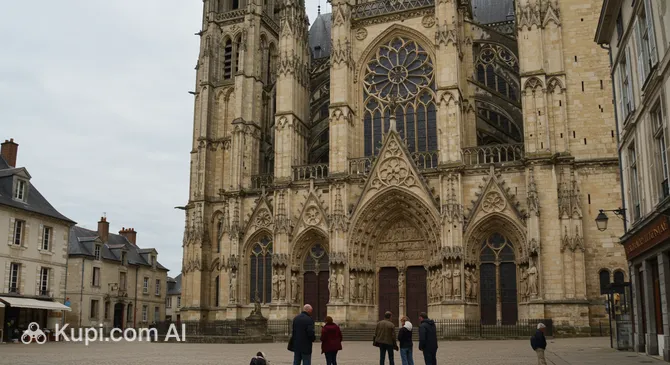
One of the most imposing landmarks is the Limoges Cathedral (Cathédrale Saint-Étienne). This masterpiece of Gothic architecture dominates the skyline and is renowned for its intricate stone carvings and stunning stained glass windows. Inside, visitors can admire the Renaissance rood screen, one of the few remaining in France. The cathedral's construction spans several centuries, resulting in a fascinating mix of stylistic details that captivate architecture enthusiasts.

Limoges Cathedral. Source: Kupi.Binoculars

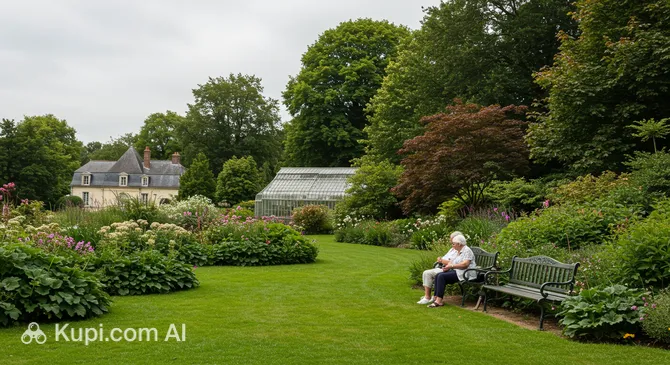
Directly adjacent to the cathedral, you will find the Bishop's Botanical Garden (Jardins de l'Évêché). This vast green space is laid out in terraces that slope down toward the river, offering magnificent views. It features structured French gardens, a systematic garden with thousands of plant species, and a medicinal plant section. It is the perfect spot for a relaxing stroll after visiting the cathedral, providing a peaceful escape in the city center.

Bishop's Botanical Garden. Source: Kupi.Binoculars

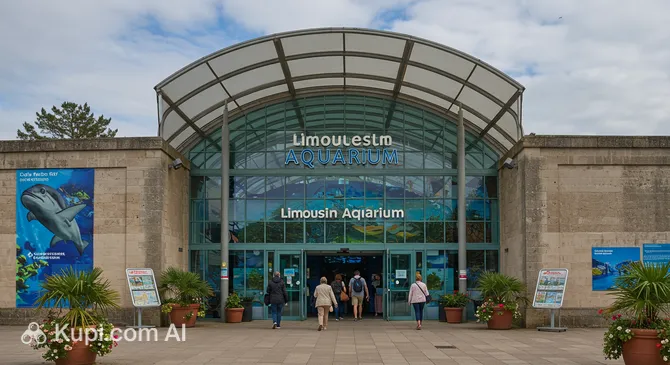
For a unique experience, discover the Limousin Aquarium. Unlike typical aquariums, this attraction is housed in a former underground water reservoir built under Napoleon III. The vaulted stone ceilings and subdued lighting create a mysterious atmosphere as you explore tanks filled with native river fish as well as exotic species from around the world. It is a fascinating destination for families and anyone interested in marine life presented in an unusual historical setting.

Limousin Aquarium. Source: Kupi.Binoculars

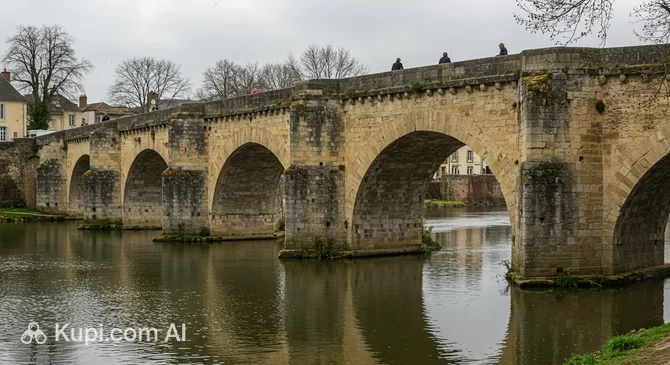
A short distance from the city center stands the Saint Stephen Bridge (Pont Saint-Étienne). Dating back to the 13th century, this medieval stone bridge was once a vital crossing point for pilgrims on the Way of St. James. Today, it serves as a picturesque pedestrian path offering one of the best vantage points for photographing the cathedral and the old town reflected in the waters of the Vienne River.

Saint Stephen Bridge. Source: Kupi.Binoculars

Local Cuisine

The gastronomy of Limoges is a celebration of rustic, hearty flavors, deeply rooted in the agricultural traditions of the Limousin region. At the heart of the local diet is the world-famous Limousin beef, renowned for its tenderness and rich flavor. Meat lovers will find themselves at home here, as steaks, roasts, and stews feature prominently on menus, often prepared simply to highlight the high quality of the local produce.

One of the most beloved specialties you must try is the pâté de pommes de terre. This savory potato pie is a comfort food staple, made with layers of sliced potatoes, crème fraîche, garlic, and parsley, all encased in a flaky puff pastry. Another traditional favorite is boudin aux châtaignes, a type of blood sausage enriched with chestnuts, which are a common ingredient in the region's cooking and often accompany main courses during the colder months.

For those with a sweet tooth, Limoges offers the iconic clafoutis. While variations exist elsewhere, the authentic local version is made specifically with unpitted black cherries baked in a thick, flan-like batter. The pits are traditionally left in to preserve the full flavor of the fruit during baking. Another dessert to look out for is flaugnarde, a similar dish usually made with apples or pears when cherries are out of season.

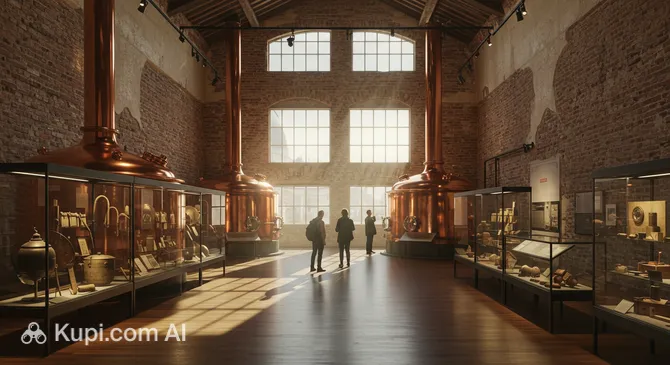
When it comes to drinks, the region has a growing reputation for craft beers and historical brewing traditions. You can learn more about this heritage at the Le Versailles Brewery Museum, which offers a glimpse into the industrial past of local brewing. Cider is also popular, often enjoyed with savory crêpes or galettes, reflecting the culinary influence of nearby regions.

Le Versailles Brewery Museum. Source: Kupi.Binoculars

The dining scene in Limoges ranges from the historic butcher shops of the Quartier de la Boucherie to lively modern establishments. Locals often gather in brasseries to enjoy a casual meal and a drink. Places like Le Baron Brasserie offer a glimpse into the city's social life, providing a relaxed atmosphere where you can unwind after a day of sightseeing. Whether you are exploring a bustling market or sitting on a terrace, the food culture here is warm, welcoming, and unpretentious.

Travel Tips

Welcome to Limoges, a city where medieval history and artistic tradition come together to create a truly unique atmosphere. To help you navigate your stay with ease and make the most of your time in this charming corner of Nouvelle-Aquitaine, here are some practical travel tips.

  1. Clothing and Gear: Since the weather can be changeable, layering is the best strategy. Bring a waterproof jacket or umbrella, especially if visiting in autumn or winter, as the region can be damp. Comfortable walking shoes are essential for exploring the cobblestone streets of the Quartier de la Boucherie. If you plan to visit religious sites like the Limoges Cathedral, remember to dress modestly (covering shoulders and knees). Don't forget a Type E power adapter for your electronics.
  2. Transportation: The city center is compact and best explored on foot. For longer distances, Limoges boasts an excellent public transport network (TCL), which includes its iconic trolleybuses—a quiet and eco-friendly way to get around. Tickets can be purchased from drivers or at kiosks. Taxis are available but less common to hail on the street; it is better to book one in advance or use a designated stand. You generally do not need to rent a car unless you plan to explore the surrounding Limousin countryside.
  3. Finances: The local currency is the Euro (€). Credit and debit cards (Visa and Mastercard) are widely accepted in hotels, restaurants, and larger shops. However, it is wise to carry some cash for small purchases at bakeries, markets, or for bus fares. ATMs are plentiful throughout the city. Tipping is not mandatory as service is included in the bill, but leaving small change or rounding up is a polite gesture for good service.
  4. Health and Safety: Limoges is generally a very safe city for tourists. Pharmacies are easily recognized by a flashing green cross sign and can provide advice for minor ailments. In case of a serious emergency, dial 112 for general assistance or 15 for medical emergencies. As in any city, keep an eye on your belongings in crowded areas, but violent crime is rare.
  5. Communication: The official language is French. While staff in hotels and major tourist attractions usually speak English, it is not always spoken by older locals or in smaller shops. Learning a few basic phrases like "Bonjour" (Hello), "S'il vous plaît" (Please), and "Merci" (Thank you) goes a long way. Free Wi-Fi is often available in public squares and cafes, and prepaid SIM cards can be bought at tobacco shops ("Tabac") or mobile provider stores.
  6. Local Etiquette: Politeness is highly valued in French culture. Always greet shopkeepers with a friendly "Bonjour" when entering a store and say "Au revoir" when leaving; failing to do so can be considered rude. When dining, keep your hands visible on the table (but elbows off). It is also customary to speak at a moderate volume in public places to respect others' tranquility.
  7. What to Avoid: Avoid handling fragile items in porcelain shops unless you intend to buy them or have asked for permission; "Arts of Fire" pieces can be delicate and expensive. Also, try not to schedule your shopping between 12:00 PM and 2:00 PM, as many smaller independent shops and businesses close for a traditional lunch break.
  8. Authenticity Tip: If you are looking to buy the city's famous porcelain, look for the official "Porcelaine de Limoges" stamp or label. This guarantees that the piece was manufactured and decorated entirely in Limoges, ensuring you are purchasing a genuine piece of local heritage rather than an imitation.

With these tips in mind, you are all set to enjoy the rich culture and relaxed pace of Limoges. Whether you are hunting for the perfect porcelain souvenir or simply soaking up the views by the Vienne River, have a wonderful and hassle-free trip!

Entertainment & Nightlife

While Limoges is steeped in history by day, the city transforms into a lively hub of activity once the sun goes down. Thanks to its significant student population, the nightlife here is vibrant yet relaxed, offering a mix of cozy pubs, energetic bars, and late-night brasseries rather than overwhelming mega-clubs. The atmosphere is generally welcoming and casual, making it easy for visitors to mingle with locals.

The heart of the evening action is undoubtedly centered around Place Denis Dussoubs. This iconic circular plaza, instantly recognizable by its red-brick buildings, is lined with terraces that fill up quickly during happy hour. It is the perfect spot to start your night with a drink while watching the world go by. Another key area is the pedestrian-friendly streets near the Halles Centrales and Rue de la Boucherie, where you can find a variety of wine bars and bistros tucked away in historic timber-framed buildings.

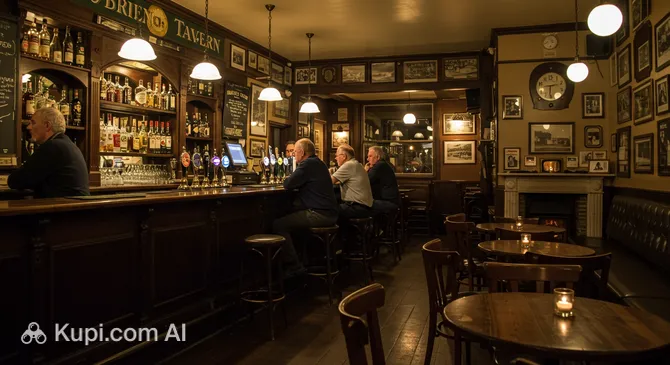
If you are looking for a classic pub experience with a wide selection of beers and a friendly crowd, the O'Brien Tavern Irish Pub is a local favorite. It often screens sports matches and hosts themed evenings, making it a great place to socialize. Similarly, The Irishman offers a warm, authentic atmosphere where you can enjoy a pint of stout and hearty pub grub in a setting that feels like a home away from home.

O'Brien Tavern Irish Pub. Source: Kupi.Binoculars

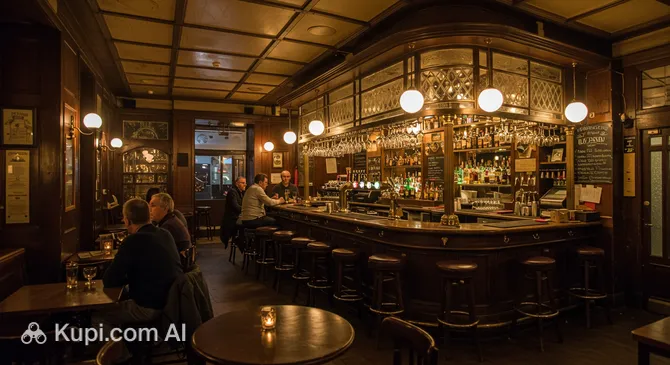
For those who prefer a more traditional French brasserie vibe that stays lively into the night, Le Baron Brasserie is an excellent choice. Located conveniently for a post-dinner drink, it combines elegant decor with a bustling ambiance, suitable for both a quiet conversation and a festive gathering with friends.

Le Baron Brasserie. Source: Kupi.Binoculars

Practicality is key when enjoying a night out in Limoges. The city center is compact and walkable, so hopping between bars is easy on foot. However, public transport services reduce frequency late at night. If you are staying further out or plan to stay out very late, it is advisable to book a taxi in advance, as hailing one on the street can be difficult. The city is generally very safe for night walks, but as always, stick to well-lit main streets and keep an eye on your belongings.

Before the nightlife kicks in, Limoges offers plenty of daytime entertainment to fill your schedule. Culture enthusiasts can enjoy performances at the Grand Théâtre or explore the city's numerous museums dedicated to porcelain and history. For a breath of fresh air, the expansive Champ de Juillet Park provides a beautiful setting for a leisurely afternoon stroll or a picnic before the evening festivities begin.

Parks & Museums

Limoges is a city that breathes through its abundant green spaces and preserves its soul in its diverse museums. Beyond the famous porcelain workshops, the city offers a wealth of parks and cultural institutions that invite visitors to explore the natural beauty and the profound history of the Limousin region.

For those seeking a true escape into nature without leaving the city limits, Aurence Park is an exceptional choice. As one of the largest parks in Limoges, it feels more like a forest than an urban garden, featuring extensive walking trails that wind through wooded areas and along the Aurence river. It is particularly popular with families due to its animal enclosures, where you can see Nigerian goats and other friendly creatures, making it a delightful spot for a relaxing afternoon picnic.

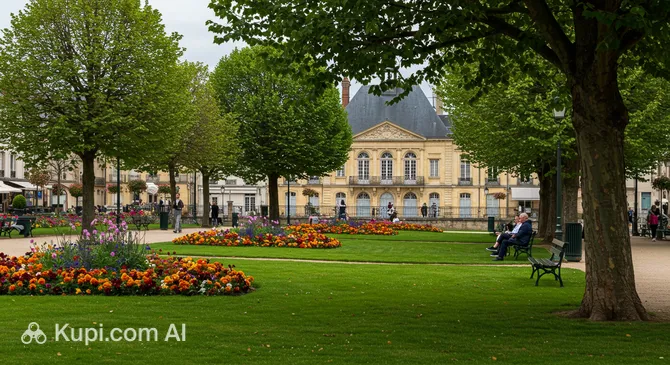
Aurence Park. Source: Kupi.Binoculars

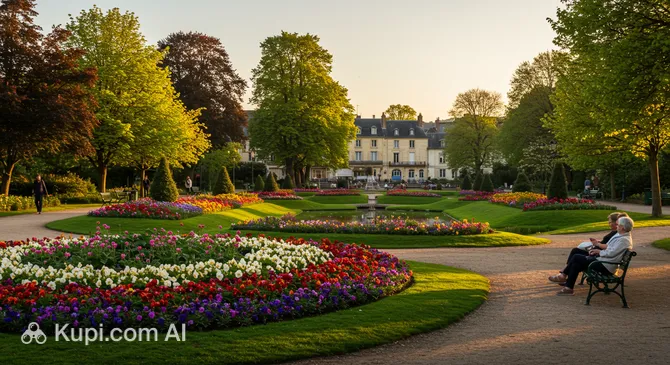
Another gem for botany enthusiasts is the Victor Thuillat Park. Designed in the style of an English garden, this park offers a stark contrast to the structured French gardens found elsewhere. It is renowned for its collection of remarkable and exotic trees, winding paths, and a serene stream that meanders through the landscape. The park’s tranquil atmosphere makes it a favorite among locals for reading or quiet contemplation away from the city noise.

Victor Thuillat Park. Source: Kupi.Binoculars

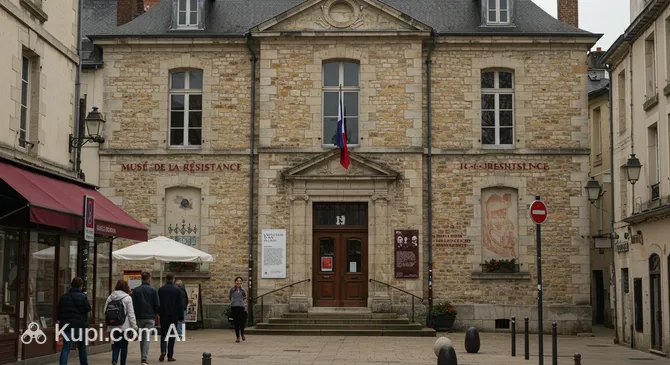
Delving into the city's history, the Resistance Museum (Musée de la Résistance) stands as a powerful tribute to a crucial period in the region's past. Housed in a former convent, this museum provides a moving and educational insight into the French Resistance movement in Haute-Vienne during World War II. Through its extensive collection of documents, weapons, and personal objects, it honors the courage of those who fought for freedom and offers a deep understanding of the local wartime experience.

Resistance Museum. Source: Kupi.Binoculars

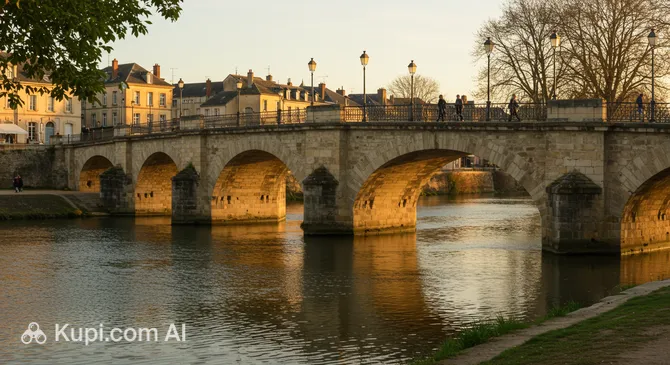
While the city is famous for its porcelain, its medieval heritage is equally captivating. A short distance from the more famous Saint Stephen Bridge lies the Saint Martial Bridge. Built on Roman foundations, this historic stone bridge dates back to the Middle Ages and was once a vital entry point to the city. It offers a picturesque setting for a walk across the Vienne River, allowing you to admire the old architecture and the peaceful flow of the water.

Saint Martial Bridge. Source: Kupi.Binoculars

For an authentic insider experience, seek out the Four des Casseaux. While not as large as the national museums, this historic site houses one of the last remaining round porcelain kilns in the city. It is a fascinating industrial monument that gives you a tangible sense of the heat and labor that forged Limoges' worldwide reputation for fine ceramics.

Getting Around

The public transport network in Limoges, managed by the TCL (Transports en Commun de Limoges), offers a reliable and efficient way to explore the city and its surrounding areas. Unlike many other major urban centers, the city does not have a metro or tram system. Instead, it relies on a dense web of standard bus routes and a historic trolleybus network that connects the downtown area with the train station, university campuses, and residential districts.

A distinctive feature of getting around here is the trolleybus system, which makes Limoges one of the few cities in the region to retain this eco-friendly mode of transport. These electric vehicles, powered by overhead wires, are quiet and particularly well-suited for the city's hilly terrain. Riding one is not only a practical convenience but also a unique part of the local experience, as they have been a staple of the city's streets for decades.

Travelers have several convenient options for paying their fares. You can purchase single-trip tickets or day passes, which offer unlimited travel for 24 hours—a perfect choice for tourists planning a busy day of sightseeing. Tickets can be bought directly from the driver, but it is slightly cheaper to purchase them in advance at "Point Bus" kiosks, authorized tobacco shops (Tabac), or via the official mobile app. If you use the app, you can buy and validate your ticket directly on your smartphone.

Operating hours typically run from around 6:30 AM to 8:30 PM for the main lines, though schedules can vary. There is also an evening service on select major routes that extends until just after midnight, allowing for late dinners or theater visits. Be aware that service frequency drops significantly on Sundays and public holidays. Always remember to validate your paper ticket immediately upon boarding to avoid inspection fines.

For those seeking alternatives to public transit, the city center is compact and pedestrian-friendly, making walking a pleasant option for short distances. Taxis and ride-sharing apps are available but are less abundant than in larger capitals, so booking in advance is recommended. Additionally, the city offers a bike rental service known as V’LiM, which includes electric bikes—a highly recommended option for tackling the local slopes without exhaustion.

Accommodation

Finding the perfect place to stay in Limoges is straightforward, as the city offers a welcoming range of accommodation options that cater to various tastes and budgets. Visitors can choose from charming boutique hotels housed in historic buildings, reliable international chains known for their consistency, and cozy bed-and-breakfasts (chambres d'hôtes) that offer a more personal touch. For those seeking a home-away-from-home experience, there is also a growing selection of furnished apartments and vacation rentals available throughout the city.

When selecting a location, the City Center (Centre-Ville) is often the most convenient choice for tourists. Staying in this area places you within walking distance of major landmarks like the cathedral and the vibrant Quartier de la Boucherie, surrounded by plenty of dining and shopping options. Alternatively, the district around the Gare des Bénédictins is excellent for travelers arriving by train. It offers easy access to regional transport links while remaining just a short walk or bus ride away from the historic core.

Accommodation prices in Limoges are generally quite reasonable compared to larger French tourist hubs like Paris or Bordeaux. Budget travelers can easily find economical hotels and hostels, while mid-range establishments offer great value with modern amenities. While the city lacks ultra-luxury mega-resorts, it compensates with high-quality independent hotels that focus on comfort and regional character.

Booking Tip: While it is usually possible to find a room on short notice, it is highly recommended to book your accommodation in advance if you are visiting during the peak summer season or during major local festivals in October. Most hotels and rentals can be secured via major online booking platforms, though contacting smaller guesthouses directly can sometimes be beneficial.

Nearby Cities

For those looking to explore the surroundings, Limoges serves as an excellent base for day trips to several interesting nearby locations:

City Population Distance (km)
Poitiers89,212109
Brive-la-Gaillarde46,63077
Chateauroux43,442114
Angoulême41,71188
Montluçon34,938118

Poitiers is a fascinating destination that blends deep history with modern entertainment. Often referred to as the "City of a Hundred Steeples" due to its numerous churches, it is home to the stunning Romanesque church of Notre-Dame la Grande. Just on the outskirts lies Futuroscope, a renowned theme park dedicated to multimedia and cinematic experiences, making the city a hit for both history buffs and families.

Known as the international capital of comic strips, Angoulême offers a unique cultural experience. Perched on a rocky ridge overlooking the Charente River, the city is famous for its "Cité internationale de la bande dessinée" and the colorful murals that decorate many of its building facades. A walk along its ancient ramparts provides panoramic views of the valley below, combining artistic flair with scenic beauty.

Brive-la-Gaillarde is a warm and inviting town that serves as a gateway to the picturesque Dordogne Valley. It is celebrated for its bustling food markets, which were famously immortalized in song by Georges Brassens. Visitors flock here to taste the region's exceptional gastronomy, including truffles and foie gras, or to wander through its charming historic center built from light-colored sandstone.

These nearby destinations offer a glimpse into the diverse culture and landscapes of the region.

Shopping & Souvenirs

Shopping in Limoges is a delightful experience that balances high-end craftsmanship with the convenience of modern retail. As a city world-renowned for its "Arts of Fire," it is a prime destination for purchasing exquisite luxury goods, particularly porcelain and enamel. However, beyond its artistic heritage, the city offers a vibrant commercial center filled with fashion boutiques, department stores, and lively markets that cater to every taste and budget.

The heart of the shopping district lies within the pedestrianized streets of the city center. Rue du Clocher and Rue du Consulat are bustling thoroughfares lined with popular international brands, trendy clothing stores, and independent boutiques. For those specifically hunting for the city's famous ceramics, Boulevard Louis Blanc is the place to go. Often referred to as "Porcelain Boulevard," this street features numerous galleries and factory outlets where you can find everything from classic dinner services to contemporary decorative pieces.

If you prefer an all-in-one shopping experience, the Centre Commercial Saint Martial is the city's main shopping mall. Located conveniently near the city center, it houses a wide variety of fashion retailers, beauty shops, and services under one roof. Additionally, the iconic Galeries Lafayette on Place d'Aine offers a traditional department store atmosphere, featuring upscale fashion, accessories, and gourmet food items.

For a taste of local life and gastronomy, a visit to Les Halles Centrales is essential. This magnificent covered market, with its steel frame structure reminiscent of the Eiffel style, is not just an architectural gem but a foodie's paradise. Here, you can browse stalls overflowing with fresh regional produce, including Limousin beef, artisanal cheeses, and seasonal fruits. It is the perfect spot to pick up picnic supplies or edible gifts while mingling with locals.

When it comes to souvenirs, Limoges porcelain is undoubtedly the most coveted item. Whether you choose a delicate tea set or a small jewelry box, ensure the piece bears the official "Limoges France" stamp to guarantee authenticity. Other unique local gifts include enamel jewelry, which continues a centuries-old tradition, and leather goods, reflecting the region's strong history in glove-making. Food lovers might appreciate a bottle of chestnut liqueur or a box of "Kaolins", exquisite chocolates resembling porcelain pebbles that are a true local specialty.

Store opening hours in Limoges generally run from 10:00 AM to 7:00 PM, Monday through Saturday. While larger department stores and malls stay open throughout the day, smaller independent shops often close for a lunch break between 12:00 PM and 2:00 PM. Most shops are closed on Sundays, although some food markets and bakeries may be open in the morning. Major credit and debit cards are widely accepted, but it is useful to carry some cash for small purchases at markets.

Visitors from outside the European Union may be eligible for a VAT refund (tax-free shopping) on purchases exceeding a certain amount in a single store. Look for the "Tax-Free" sign in shop windows and be sure to ask for a "détaxe" form at the checkout, which you will need to validate at customs upon leaving the EU.
Reached the end of the page?

That means the route is fully explored