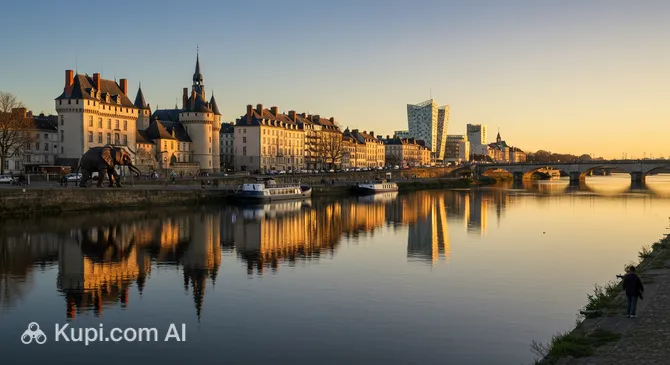
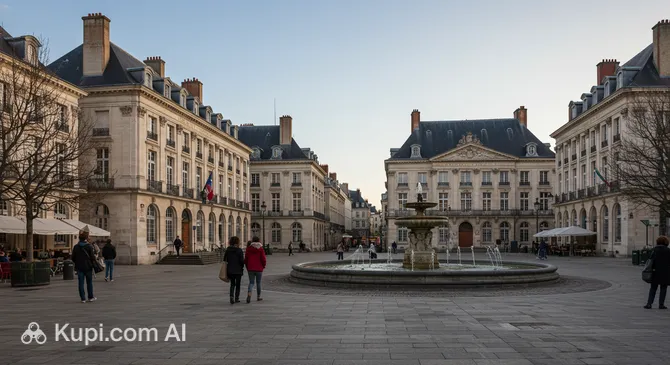
Nantes is a captivating destination in western France, often celebrated for its high quality of life and vibrant cultural scene. Situated on the banks of the Loire River, near its estuary into the Atlantic Ocean, this dynamic metropolis serves as the prefecture of the Pays de la Loire region. With a population of approximately 318,000 inhabitants, the city strikes a perfect balance between the energy of a major urban center and a welcoming, accessible atmosphere.
Nantes. Illustration.
Source: Kupi.com AI
The city possesses a rich and complex heritage, having once served as the capital of the Duchy of Brittany. Its transformation from a historic port city to a modern hub of art and innovation is fascinating. Visitors interested in the deep roots of this region should explore the history of Nantes to better understand the legacy of the Dukes and the maritime traditions that shaped its streets. Today, the city is renowned for seamlessly blending its preserved historical architecture with bold contemporary creativity.
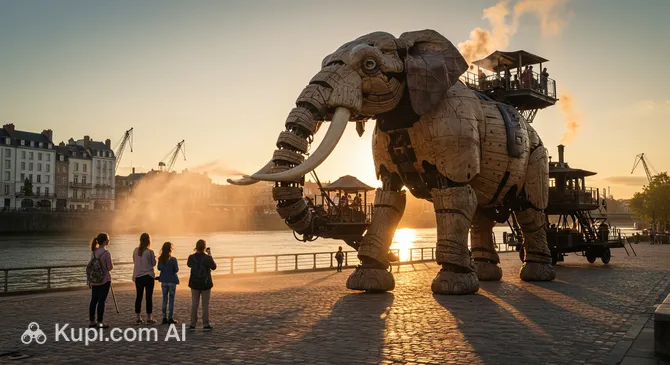
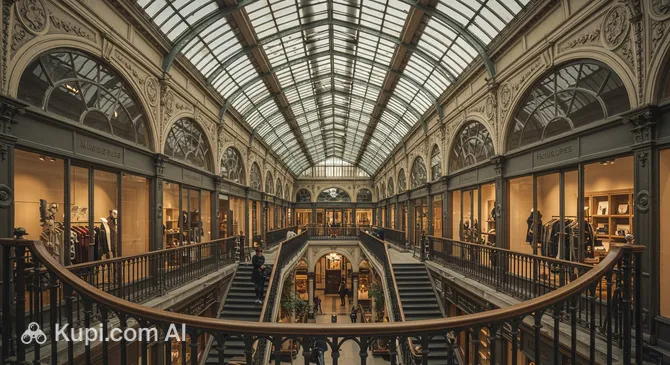
Travelers are often drawn to the whimsical Machines of the Isle of Nantes, an artistic project located on the site of the former shipyards, featuring a giant mechanical elephant that has become an icon of the city. The majestic Château des Ducs de Bretagne offers a glimpse into the past right in the city center, while the elegant Passage Pommeraye, a 19th-century shopping arcade, delights architecture enthusiasts. Whether you are strolling through the lush Jardin des Plantes or enjoying the local cuisine, Nantes invites you to discover a city where imagination knows no bounds.
Weather Overview
The climate in this region is largely influenced by the nearby Atlantic Ocean, resulting in a temperate environment with mild winters and pleasantly warm summers. For those planning their wardrobe and daily activities, checking the detailed weather in Nantes is highly recommended. Generally, the city avoids temperature extremes, making it a year-round destination, though packing layers is always a smart strategy.
During the summer months of July and August, visitors can expect the warmest conditions, with average temperatures around 20°C and daily highs reaching approximately 24.6°C. This is also the driest time of the year, typically seeing about 7 to 8 wet days per month. Conversely, winters are cool but rarely freezing; January and December see average temperatures dip to between 6.7°C and 7.8°C. Travelers should be prepared for more frequent rainfall during the cooler season, with up to 14 wet days per month in winter and early spring.
Average monthly temperature
Average monthly precipitation
Interesting Facts
Beyond the main attractions, Nantes holds many fascinating secrets and historical quirks that often escape the casual observer. From lost rivers buried beneath the pavement to the sweet legacy of a world-famous biscuit, the city's stories are as captivating as its landmarks.
The Venice of the West: Until the early 20th century, the city was crisscrossed by numerous canals and branches of the Loire and Erdre rivers, earning it the nickname "Venice of the West." In the 1920s and 1930s, massive urban works filled in these waterways to accommodate modern traffic, turning riverbeds into the broad boulevards you walk on today.
A Sweet Legacy: Nantes is the birthplace of the iconic "Petit Beurre" biscuit by Lefèvre-Utile (LU). The former biscuit factory has been transformed into Le Lieu Unique, a vibrant cultural hub that preserves the factory's distinctive Art Nouveau tower as a symbol of the city's industrial heritage.
Jules Verne’s Inspiration: The visionary author Jules Verne was born in Nantes, and his childhood spent watching ships at the port deeply influenced his tales of adventure. This legacy is vividly brought to life by the Machines of the Isle of Nantes, where mechanical creatures roam the former shipyards in a tribute to his imagination.
An Architectural Feat: The elegant Passage Pommeraye is a rare example of a three-level shopping arcade. Built in the 19th century to connect two streets with a significant height difference, its elaborate staircase and Renaissance-style sculptures make it a cinematic masterpiece that has appeared in several films.
The Great Elephant. Illustration.
Source: Kupi.com AI
Traveler photos:
How to Get There
Reaching this vibrant city in the Pays de la Loire region is straightforward, thanks to its excellent transport connections. Whether you prefer flying or taking the train, there are convenient options available for every traveler. For a detailed breakdown of all travel methods and routes, you can read more about how to get to Nantes.
The most convenient entry point by air is Nantes Atlantique Airport (IATA: NTE). As a major international hub, it welcomes a large volume of passengers annually. Located just 8.4 km from the city center, the transfer is quick and easy; a taxi or bus ride typically takes around 20 to 30 minutes. For those who cannot find a direct flight, Rennes Airport (IATA: RNS) serves as a viable alternative. Situated in the city of Rennes, approximately 95.6 km away, the journey to Nantes by road takes about 1 hour and 15 minutes.
For clarity, here is a summary of the main airports:
Traveling by train is another excellent option, offering a scenic and efficient way to arrive. The city is served by the Nantes Railway Station (IATA: QJZ), which is centrally located just 0.9 km from the heart of the city. With very high annual passenger traffic, it is a major hub connecting the region to the rest of France. If you are coming from the direction of Angers, you might pass through the Angers Saint-Laud Station (IATA: QXG) in Angers. It is located about 80.2 km from Nantes, and a road transfer from there would take approximately 1 hour, though direct train connections between the cities are usually much faster.
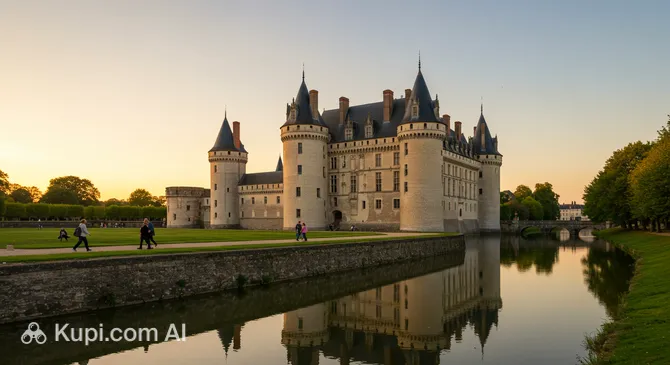
A visit to this city would be incomplete without exploring the majestic Château of the Dukes of Brittany. Located in the heart of the historic center, this fortress served as the residence of the Dukes of Brittany between the 13th and 16th centuries. Today, it houses an exceptional history museum that traces the city's evolution from its origins to the modern era. Tourists love walking along the fortified ramparts, which offer stunning panoramic views of the city and the castle courtyard, all free of charge.
Château of the Dukes of Brittany. Illustration.
Source: Kupi.com AI
Traveler photos:
For a truly unique experience that blends art, engineering, and imagination, the Machines of the Isle of Nantes is a must-see destination. Situated on the site of the former shipyards, this artistic project brings the fantastical worlds of Jules Verne and Leonardo da Vinci to life. Visitors can marvel at giant mechanical creatures, including a massive spider and a heron tree, or watch the machinists operate these whimsical inventions. It is a fascinating spectacle that captivates both children and adults.
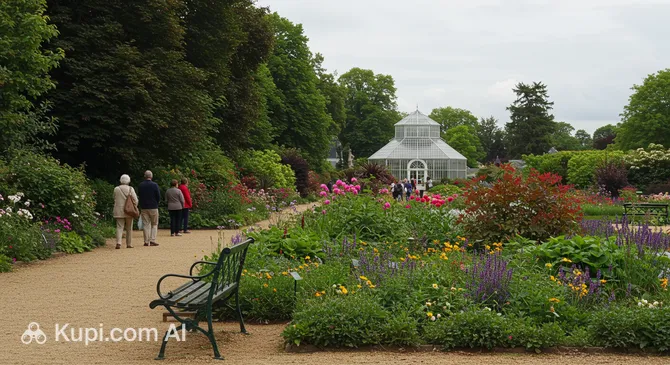
Nature lovers will find a peaceful haven at the Botanical Garden of Nantes, also known as the Jardin des Plantes. Ranked among the best botanical gardens in France, it features over 10,000 living species, exotic greenhouses, and playful artistic installations. It is the perfect spot for a relaxing stroll, a picnic on the grass, or simply admiring the meticulously maintained camellia collections that the region is famous for.
Botanical Garden of Nantes. Illustration.
Source: Kupi.com AI
Traveler photos:
Art enthusiasts should head to the Nantes Museum of Arts, which reopened in 2017 after extensive renovations. The museum boasts a prestigious collection ranging from ancient to contemporary art, featuring works by masters such as Monet, Picasso, and Kandinsky. The architecture itself is a highlight, seamlessly combining the original 19th-century palace with a luminous modern extension known as the Cube, creating a vibrant space for cultural discovery.
Local Cuisine
The culinary landscape of Nantes is a delightful reflection of its geographical position between the land and the ocean, drawing influences from both Brittany and the Loire Valley. Seafood plays a starring role here, with fresh oysters and fish arriving daily from the nearby Atlantic coast. One cannot speak of local gastronomy without mentioning the famous beurre blanc sauce. Invented in the region, this rich, tangy emulsion of butter, vinegar, and shallots is the traditional accompaniment to river fish like pike or zander, creating a harmonious blend of flavors that defines the city's palate.
For those with a sweet tooth, the city offers the exquisite Gâteau Nantais. This soft, pound-cake-style dessert is made with almonds, butter, and sugar, then generously soaked in West Indian rum and topped with a white rum glaze. It is a testament to the city's historical trade past. Another local specialty worth seeking out is the Curé Nantais, a distinctive cheese with a washed rind that pairs perfectly with the region's bread and wines. These authentic tastes provide a genuine connection to the local heritage.
When it comes to beverages, the vineyards surrounding the city produce the renowned Muscadet. This crisp, dry white wine, made from the Melon de Bourgogne grape, is celebrated globally as the perfect partner for seafood. Locals often enjoy a chilled glass of Muscadet Sèvre et Maine as an aperitif or with a platter of shellfish. It is more than just a drink; it is a cultural staple that brings friends and families together on terraces throughout the city.
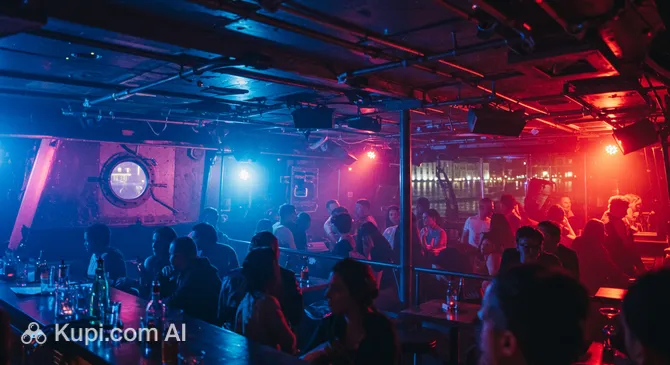
Le Ferrailleur. Illustration.
Source: Kupi.com AI
Traveler photos:
The dining culture in Nantes is vibrant and diverse, ranging from traditional brasseries to modern, creative bistros. A popular area for locals to gather, especially in the evenings, is the Hangar à Bananes on the Île de Nantes. This renovated warehouse district along the river is home to numerous bars and restaurants offering great views of the Loire. Here, you can find lively spots like Le Ferrailleur, a cafe-concert venue that embodies the city's alternative and artistic spirit while serving refreshing drinks.
Another hub of activity is the area around the creative arts venues, where food and culture intersect. Places like Stereolux offer a dynamic environment where you can grab a bite or a drink in a setting dedicated to digital arts and music. Whether you are looking for a quick street food snack at a bustling market or a leisurely dinner by the water, Nantes invites you to savor its unique blend of tradition and innovation.
Travel Tips
To help you navigate the creative streets of Nantes with confidence, we have compiled a set of practical insights designed to make your stay as smooth as it is memorable. From navigating the unique transit system to mastering local dining customs, these tips will ensure you experience the city like a savvy traveler rather than just a tourist.
Clothing and Gear: Since Nantes has an oceanic climate, the weather can be changeable throughout the day. It is wise to pack layers—a light waterproof jacket is essential regardless of the season, as showers can pass quickly. The city center is best explored on foot, so bring comfortable walking shoes for the cobblestone streets. France uses Type E power plugs, so ensure you have a universal adapter for your electronics.
Transportation: You generally do not need a car within the city; in fact, parking can be difficult and expensive. Instead, rely on the excellent Tan network, which integrates trams, buses, and the unique Navibus river shuttles. The tram system is one of the best in France. For a more active approach, use the bright orange Bicloo bike-sharing system, which is perfect for riding along the Loire.
Finances: The currency is the Euro (€). Credit and debit cards (Visa and Mastercard) are widely accepted even for small amounts, but it is helpful to carry some cash for small purchases at bakeries or the bustling Talensac market. ATMs are plentiful. Tipping is not mandatory as a service charge is included in the bill, but leaving small change or rounding up is a polite gesture for good service.
Health and Safety: Nantes is generally a safe city for travelers. Pharmacies are easily recognized by a flashing green cross sign; they are your first stop for minor ailments and advice. For serious emergencies, dial 112. While the city is safe, exercise standard precautions against pickpockets in crowded areas like the tram stops or near the Château.
Communication: While French is the official language, English is widely spoken, especially by younger locals and in the tourism sector. However, learning a few basic phrases goes a long way. Always start an interaction with a polite "Bonjour" (Good day) or "Bonsoir" (Good evening) before switching to English. Free Wi-Fi is available in many public parks and squares under the network name "Nantes Wi-Fi Public."
Local Etiquette: Politeness is highly valued here. When entering a shop or restaurant, it is customary to greet the staff. In public spaces and on public transport, keep your voice volume down to match the local atmosphere. If you are invited to a local's home, a small gift like chocolates or flowers is appreciated.
What to Avoid: Do not expect to eat dinner early. Most restaurants do not open for evening service until 7:00 PM or 7:30 PM; arriving at 6:00 PM will likely result in finding closed doors. Also, be mindful not to walk in the designated bike lanes, as cyclists in Nantes move quickly and expect the path to be clear.
Follow the Green Line: A unique feature of Nantes is the Green Line (La Ligne Verte) painted directly on the ground. This trail stretches over 20 kilometers and guides you to the city's main architectural and artistic highlights, including the Voyage à Nantes installations. If you ever feel lost or unsure where to go next, simply find the line and follow it!
With these practical tips in hand, you are ready to immerse yourself in the artistic and historical wonders of Nantes without worry. Embrace the local rhythm, follow the green line to new discoveries, and enjoy every moment of your journey in this innovative French city.
Entertainment & Nightlife
Entertainment and Nightlife:
When the sun sets, Nantes reveals a vibrant and eclectic side that reflects its youthful energy and artistic spirit. The city has a buzzing nightlife scene, largely driven by its significant student population and a culture that values socializing outdoors. The atmosphere is generally relaxed and unpretentious, with a dress code that leans towards casual chic. Whether you are looking for a quiet glass of wine on a terrace or a night of dancing until dawn, the city offers diverse districts to suit every mood.
The historic Bouffay district is the epicenter of the early evening action. Its labyrinth of medieval streets is packed with bars and pubs where locals gather for the traditional "apéro." The vibe here is lively and intimate, with patrons often spilling out onto the cobblestones. For a distinctively warm and friendly environment, you can visit Fleming's Irish Pub, a staple in the area known for its authentic atmosphere and wide selection of draught beers. It is the perfect spot to start your night before exploring further.
AK Shelter. Illustration.
Source: Kupi.com AI
Traveler photos:
For those seeking a more alternative and industrial setting, the Hangar à Bananes on the Isle of Nantes is the place to be. Located in renovated warehouses along the Loire River, this strip features a succession of bars, clubs, and restaurants with expansive terraces offering views of the iconic Rings of Buren. Here, you can find unique venues like AK Shelter, a bar with a strong rock identity and biker soul that hosts concerts and events. The area truly comes alive after midnight, transforming into a hub for clubbers and night owls.
Another area worth exploring is the sophisticated Graslin quarter, home to the Opera and chic wine bars, ideal for a more laid-back evening. If you are looking for a cozy neighborhood spot with a retro feel, Belle de Jour is a charming bar that often hosts cultural events and DJ sets in a friendly, inclusive setting. Prices in Nantes are generally reasonable compared to Paris, with a pint of beer costing between 5 and 7 euros, and cocktails around 8 to 12 euros.
Navigating the city at night is safe and convenient. The public transport network, Tan, operates late-night services, including the "Luciole" night bus on weekends, which connects the nightclubs at the Hangar à Bananes to the city center and university residences. While the city is safe for walking, it is always advisable to stay in well-lit areas and use registered taxis or ride-sharing apps like Uber if you are traveling alone late at night.
Before the nightlife kicks in, the city offers plenty of daytime entertainment to keep you busy. Beyond the historical museums, thrill-seekers can enjoy active venues such as the Trampoline Park Nantes Atlantis or challenge their senses at SENSAS Nantes, an immersive sensory experience. From cultural matinees to electric nights, the city ensures there is never a dull moment.
Parks & Museums
Nantes prides itself on being one of the greenest cities in France, offering a refreshing blend of lush urban spaces and a deep commitment to preserving its cultural heritage. Beyond the famous Botanical Garden, the city is dotted with unique parks and diverse museums that cater to nature lovers, history buffs, and art enthusiasts alike.
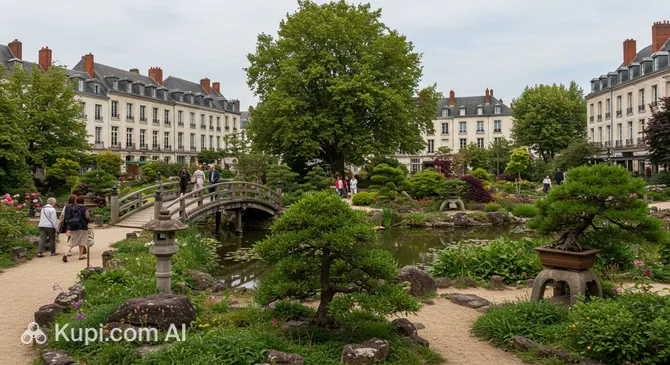
For a complete change of scenery, visitors should explore the Île de Versailles. Located on the Erdre River, this artificial island has been transformed into a stunning Japanese garden. It features rockeries, waterfalls, and traditional architecture, providing a Zen-like atmosphere right in the middle of the city. It is an ideal spot for a peaceful walk or a boat rental to explore the river.
Île de Versailles. Illustration.
Source: Kupi.com AI
Traveler photos:
Another remarkable green space is The Extraordinary Garden (Jardin Extraordinaire), located in a former quarry in the Chantenay district. True to its name, this park immerses visitors in a lush, tropical environment featuring towering tree ferns, a spectacular waterfall, and cliffs that offer dramatic views. For a more classic experience, the Parc de Procé serves as a favorite local hangout, often described as a "London-style" park with its rolling lawns, century-old trees, and charming manor house.
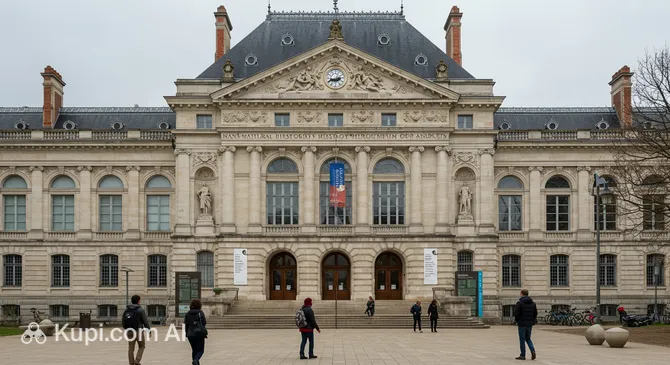
In terms of culture, the Natural History Museum of Nantes is a treasure trove for families and science enthusiasts. Housed in a former mint, it boasts an impressive gallery of zoology, a vivarium with reptiles, and extensive mineralogical collections. It stands out for its ability to make science accessible and engaging for all ages.
Natural History Museum of Nantes. Illustration.
Source: Kupi.com AI
Traveler photos:
History and archaeology aficionados will appreciate the Dobrée Museum. This institution houses a vast collection ranging from prehistoric artifacts to medieval art and rare books, all set within a complex that includes a Romanesque palace and a 19th-century manor. For those interested in ancient history, The Chronograph in nearby Rezé offers a fascinating look at the Roman city of Ratiatum through interactive archaeological exhibits.
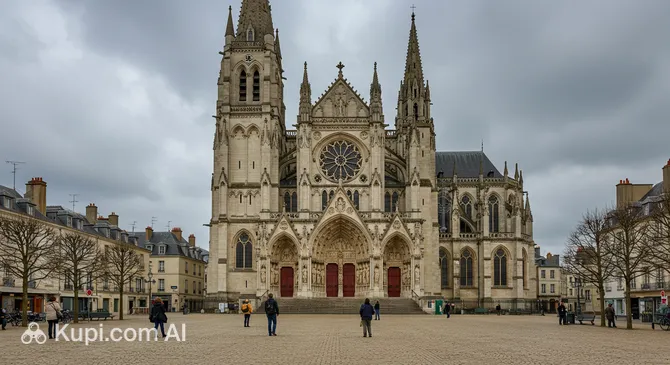
Architecturally, the city is equally impressive. The Basilica of Saint Nicholas of Nantes is a neo-Gothic masterpiece that dominates the skyline with its soaring spire and intricate stone carving. In stark contrast to this 19th-century grandeur, modern architecture fans should visit La Maison Radieuse (The Radiant City) by Le Corbusier. This colorful concrete housing unit is a UNESCO World Heritage site and a pivotal example of modernist urban planning.
Basilica of Saint Nicholas of Nantes. Illustration.
Source: Kupi.com AI
Traveler photos:
For an authentic local experience, take a stroll through the Place Royale. With its monumental fountain symbolizing the Loire and its tributaries, it serves as a central meeting point and a perfect example of classic French urban design. A lesser-known but delightful walk can be found in the Moats of the Château des Ducs de Bretagne, where you can admire the fortress walls from a unique, peaceful perspective away from the crowds.
Getting Around
Nantes boasts one of the most efficient and comprehensive public transport networks in the region, managed under the brand Naolib (formerly known as Tan). The backbone of this system is the tramway, consisting of three main lines that crisscross the city. Interestingly, the city was a pioneer in modern urban mobility, being the first in the country to reintroduce trams in the 1980s. These trams are fast, frequent, and connect the major districts, making them the preferred mode of travel for both locals and visitors.
Complementing the trams is an extensive bus network, which includes the innovative Busway. The Busway lines operate with the frequency and priority of a tram but run on dedicated road lanes, ensuring rapid transit even during peak hours. For areas not served by the main lines, the "Chronobus" high-service lines and standard bus routes provide reliable connections to the suburbs and outlying attractions.
A standout feature of the city's transport is the Navibus, a river shuttle service that is fully integrated into the public transit network. These boats offer a scenic and practical way to cross the Loire River, connecting the maritime station to the charming village of Trentemoult. Using the Navibus is not only a functional way to get around but also provides a delightful mini-cruise experience for the price of a standard transport ticket.
The ticketing system is unified, meaning a single ticket allows you to switch between trams, buses, and the Navibus within a specific time frame, typically one hour. Travelers can purchase single tickets, books of ten (carnets), or 24-hour passes, which are excellent value for tourists planning a full day of sightseeing. Tickets can be bought at vending machines located at every tram and Busway station, at authorized retailers, or via the official mobile app. Contactless payment using a credit card directly on the validator is also available on board.
It is essential to remember to validate your ticket immediately upon boarding any bus or Navibus, and before boarding the tram (validators are on the platform). Failure to do so can result in a fine. For those planning to visit many museums and attractions, the Pass Nantes is a highly recommended option; it offers unlimited access to public transport along with free entry to major sites for periods of 24, 48, or 72 hours.
Public transport generally operates from early morning, around 5:00 AM, until late at night. Trams and major bus lines typically run until approximately 12:30 AM on weekdays and extend their service until 2:30 AM on Fridays and Saturdays to accommodate the nightlife. For travel outside these hours, taxis and ride-sharing apps are readily available, though the city center is compact enough that walking is often the most pleasant option.
For those who prefer a more active mode of travel, the city is incredibly bike-friendly. The Bicloo self-service bike rental scheme offers thousands of bicycles stationed at docking points throughout the city. It is a fantastic alternative for short trips, allowing you to explore the flat terrain and riverbanks at your own pace. Simply swipe a bank card at the terminal to release a bike and return it to any station when you are finished.
Accommodation
Finding the perfect place to stay in Nantes is relatively easy, as the city offers a diverse range of accommodation options to suit every budget and travel style. Visitors can choose from charming boutique hotels housed in historic buildings, reliable international chains, and budget-friendly hostels. For those planning a longer stay or traveling with family, there is also a good selection of furnished apartments and aparthotels that provide a more home-like environment.
The most popular area for tourists is undoubtedly the City Center (Centre-Ville). Staying here puts you within walking distance of the main historical sites, restaurants, and shopping districts. The neighborhood around Place Royale is particularly convenient, serving as a central hub that connects the medieval streets to the more modern avenues. For a chic and elegant atmosphere, the Graslin district is an excellent choice, known for its 19th-century architecture and proximity to the famous Passage Pommeraye. If you prefer a lively historic vibe with plenty of nightlife, the medieval Bouffay district offers a maze of cobblestone streets filled with bars and crêperies.
Place Royale. Illustration.
Source: Kupi.com AI
Traveler photos:
For travelers seeking a more contemporary and artistic setting, the Île de Nantes is a fantastic alternative. This developing district, located on an island in the Loire River, places you right next to the famous Machines of the Isle of Nantes and the giant mechanical elephant. It is a spacious, modern area that appeals to families and those who enjoy urban innovation. Additionally, the area around the train station (Gare de Nantes) has seen significant redevelopment and offers numerous modern hotels that are perfect for business travelers or those making a quick stopover.
Regarding costs, accommodation in Nantes is generally more affordable than in Paris. Budget travelers can expect to pay between €50 and €80 per night for hostels or basic hotels. Mid-range options typically fall between €90 and €150, while luxury establishments can range from €160 upwards. It is highly recommended to book your accommodation in advance, especially if you are visiting during the summer months or during the "Le Voyage à Nantes" arts festival, when the city attracts a large number of visitors. Most hotels can be easily booked via major online platforms or directly through their websites.
Nearby Cities
For those looking to explore the surroundings, Nantes serves as an excellent base for day trips to several interesting nearby locations:
City
Population
Distance
Saint-Sébastien-sur-Loire
27 493
4 km
Reze
42 919
5 km
Sainte-Luce-sur-Loire
15 319
6 km
Bouguenais
19 903
7 km
Saint-Herblain
47 415
7 km
One of the most charming spots just minutes from the city center is Rezé, specifically the historic village of Trentemoult. Formerly a fishing port, this area is famous for its labyrinth of narrow streets lined with brightly colored houses, lush gardens, and creative murals. It offers a bohemian atmosphere with plenty of riverside cafes and restaurants, making it a favorite destination for a relaxing lunch or an evening drink by the Loire.
Another delightful escape is Vertou, located along the peaceful Sèvre Nantaise river. It is well-known for the picturesque Chaussée des Moines, a historic dam and park area that serves as a gateway to the region's renowned Muscadet vineyards. Visitors can enjoy scenic riverside walks, rent canoes to paddle through the greenery, or simply relax in the tranquil surroundings.
These nearby destinations offer a glimpse into the diverse culture and landscapes of the region.
Shopping & Souvenirs
Shopping in Nantes is a delightful mix of historic elegance and modern convenience, offering everything from high-end fashion to quirky local crafts. The city center is compact and pedestrian-friendly, making it easy to browse through independent boutiques, concept stores, and international brands while admiring the architecture. Whether you are looking for the latest trends or traditional regional specialties, the city provides a relaxed and varied retail experience.
The heart of the shopping district lies around the bustling Place Royale and the chic Rue Crébillon. This area is often compared to the sophisticated streets of Paris, lined with luxury shops, jewelers, and stylish clothing stores. For a more bohemian vibe, head to the Bouffay district, where narrow medieval streets host unique artisan workshops, vintage stores, and independent designers. It is the perfect place to find one-of-a-kind items and soak up the historic atmosphere.
A true highlight of the city's retail scene is the iconic Passage Pommeraye. Built in the 19th century, this architectural masterpiece is not just a shopping arcade but a historic monument featuring Renaissance-style sculptures and a magnificent staircase. It houses elegant boutiques selling fine foods, accessories, and gifts. For a completely different experience, the Atlantis Shopping Center, located in the suburb of Saint-Herblain, is the largest mall in Western France. It features a vast array of major retail chains, a cinema, and numerous dining options, making it a convenient one-stop destination.
Passage Pommeraye. Illustration.
Source: Kupi.com AI
Traveler photos:
Markets are an essential part of daily life here, and the Talensac Market (Marché de Talensac) is the oldest and most famous. Open every morning except Monday, this covered market is a feast for the senses, offering fresh seafood, local cheeses, vegetables, and regional delicacies. It is the ideal spot to assemble a picnic or simply observe the local culture. On weekends, various flea markets and antique fairs often pop up around the Place Viarme, attracting treasure hunters and collectors.
When it comes to souvenirs, visitors are spoiled for choice. The city is the birthplace of the famous Petit Beurre biscuit, and buying a tin of these treats is a must. Other popular local gifts include Berlingots nantais (colorful hard candies), cans of sardines with artistic labels, and bottles of Muscadet wine from the nearby vineyards. The gift shop at the Castle of the Dukes often stocks high-quality regional products and history-themed items.
Most shops in the city center are open from Monday to Saturday, typically between 10:00 AM and 7:00 PM. While large department stores and malls stay open during lunch, smaller independent boutiques may close for a break between 12:30 PM and 2:00 PM. Sunday trading is limited, though food markets and some shops in tourist areas may be open in the morning. Credit and debit cards are widely accepted, but carrying some cash is useful for small purchases at markets.
Travelers residing outside the European Union may be eligible for a tax refund (VAT) on purchases made in a single store amounting to more than €100. Look for stores displaying the "Tax-Free Shopping" sign and be sure to ask for a tax-refund form at the checkout, which you will need to validate at customs upon leaving the EU.