Support

Le Mans

About

Le Mans is a captivating city that effortlessly blends high-octane excitement with deep-rooted historical charm. While it is globally renowned for hosting the world's oldest active sports car race in endurance racing, there is much more to this destination than just speed. Located in the Pays de la Loire region of western France, Le Mans serves as a cultural and economic hub, situated at the confluence of the Sarthe and Huisne rivers.

With a population of approximately 144,000 residents, the city offers a lively atmosphere that welcomes visitors year-round. The climate is generally mild and temperate, making it pleasant for exploring the urban landscape and the surrounding countryside. Beyond its modern vibrancy, the history of Le Mans is incredibly rich, dating back to antiquity when it was a major city of the Roman Empire.

Le Mans. Source: Kupi.Binoculars

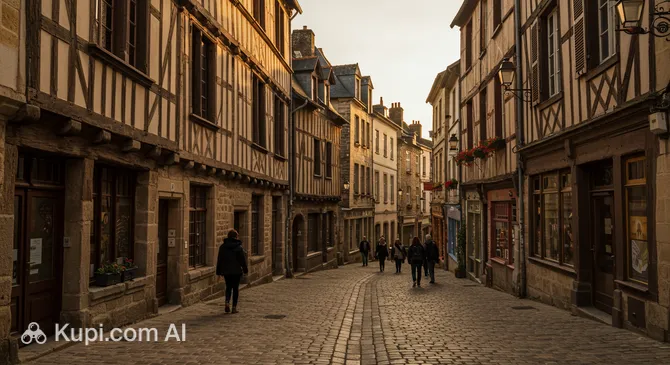
One of the city's most striking features is the Cité Plantagenêt, the remarkably preserved old town. Here, visitors can wander through cobbled streets lined with timber-framed houses and admire the Roman wall, which is one of the best-preserved in the former empire. Dominating the skyline is the magnificent Cathedral of Saint Julian, a masterpiece of religious architecture that showcases a transition from Romanesque to Gothic styles.

Of course, no visit would be complete without acknowledging the legendary 24 Hours of Le Mans. Motorsport enthusiasts flock here to witness the ultimate test of endurance and engineering. Whether you are drawn by the roar of engines or the whisper of ancient stones, Le Mans promises a memorable experience for every traveler.

Weather Overview

The climate in Le Mans is generally temperate, offering distinct seasons that appeal to different types of travelers. Summers are typically warm and inviting, with July and August seeing average maximum temperatures of around 24.8°C. This is often considered the best time to visit, although the city experiences a moderate amount of rainfall throughout the year, with wet days occurring between 8 and 14 times a month depending on the season.

Winters are cool, with average temperatures in January dropping to around 5.4°C, while spring and autumn provide mild transition periods. For the most accurate packing list, travelers should review the detailed forecast for weather in Le Mans before departure. Overall, you can expect warm summers with occasional rain and cool winters with frequent damp days.

Interesting Facts

Beyond the famous endurance race, Le Mans hides a treasure trove of historical curiosities and unique features that often surprise visitors. The city's rich heritage offers layers of stories that go far beyond the asphalt of the racetrack.
Cité Plantagenêt (Old Town of Le Mans). Source: Kupi.Binoculars
  • The Cité Plantagenêt (Old Town of Le Mans) is so authentically preserved that it frequently serves as a natural movie set for historical films. Productions like Cyrano de Bergerac and The Man in the Iron Mask were filmed here because the streets require almost no modification to look like they belong in the 17th century.

  • A curious pagan relic can be found right next to the Le Mans Cathedral. A prehistoric standing stone, known as the Menhir of Saint Julian, is embedded at the corner of the cathedral, representing a fascinating physical link between the area's ancient pagan roots and its Christian history.

  • Le Mans boasts one of the finest examples of late Roman defensive architecture in existence. The Gallo-Roman wall is unique for its "polychrome" design, where builders used alternating layers of red brick, white limestone, and pink mortar to create striking geometric patterns that are still visible today.

  • The Royal Abbey of Epau holds a significant connection to English royalty. It was founded by Queen Berengaria of Navarre, the widow of King Richard the Lionheart, and serves as her final resting place, making it a rare site where a Queen of England is buried on French soil.

How to Get There

Reaching this destination is quite convenient, primarily due to its excellent railway connections, although air travel involves a bit of ground transport. For a comprehensive guide on all available transport options, you can read more about how to get to Le Mans.

The city of Le Mans does not have its own airport, but you can fly into Val de Loire Airport (TUF) in the city of Tours, which is about 75 km from Le Mans. From there, the journey by taxi or bus typically takes around an hour. While it is a smaller regional hub, Val de Loire Airport offers a convenient entry point for the Loire Valley region. Alternatively, travelers can use Rennes Airport (RNS) in Rennes, situated roughly 144.6 km away. This is a larger facility with more connections, though the ground transfer to Le Mans requires a longer travel time. You can also consider Rennes Airport if you are planning to explore Brittany before heading east.

For clarity, here is a summary of the main airports:

Airport Name City Passenger Traffic Km from City
Rennes Airport Rennes Medium 144.6
Carpiquet Airport Caen Medium 138.4
Val de Loire Airport Tours Small 75.0
Poitiers-Biard Airport Poitiers Small 157.9
Saint Gatien Airport Deauville Small 151.0

Traveling by train is often the most efficient method for visitors. You can arrive directly at Le Mans Railway Station (ZLN), which is conveniently located in Le Mans, just 1.3 km from the city center. This station is a major hub served by high-speed TGV trains, connecting the city to Paris in under an hour. Another significant nearby hub is Tours Railway Station (XJT) in Tours, about 78 km away, though most visitors prefer the direct route to Le Mans.

Below is a list of the nearest and most significant railway stations:

Station City Passenger Traffic Km to Center
Rennes Station Rennes Very Large 140.1
Tours Railway Station Tours Large 78.0
Angers Saint-Laud Station Angers Large 82.8
Le Mans Railway Station Le Mans Large 1.3
Saint-Pierre-des-Corps Station Tours Medium 79.3

Main Attractions

Le Mans offers a delightful mix of architectural heritage, natural beauty, and cultural treasures. While the city is famous for its speed on the racetrack, its static attractions are equally compelling, inviting visitors to slow down and appreciate centuries of history. From ancient Roman walls to peaceful abbeys, the city provides a rich tapestry of experiences for every type of traveler.

One of the most breathtaking sights in the city is the Le Mans Cathedral, also known as the Cathedral of Saint Julian. Located at the highest point of the old town, this architectural marvel is one of the largest cathedrals in France. Tourists are often captivated by its unique blend of Romanesque nave and Gothic choir, as well as its stunning collection of medieval stained glass windows, including the famous Ascension window. It is a place of serene beauty and immense historical weight.

Le Mans Cathedral. Source: Kupi.Binoculars

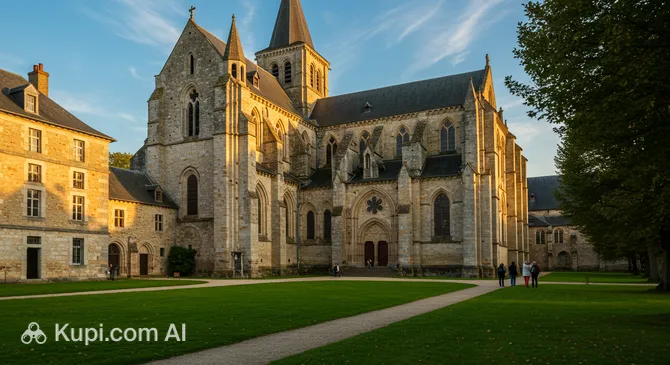
Just outside the city center lies the Royal Abbey of Epau, a site of profound tranquility and historical significance. Founded in 1229 by Queen Berengaria of Navarre, the abbey is a splendid example of Cistercian architecture. Visitors can explore the beautifully restored dormitory, the scriptorium, and the peaceful gardens that surround the complex. It serves as a cultural center today, hosting exhibitions and events, making it a perfect spot for those looking to combine history with a relaxing walk in nature.

Royal Abbey of Epau. Source: Kupi.Binoculars

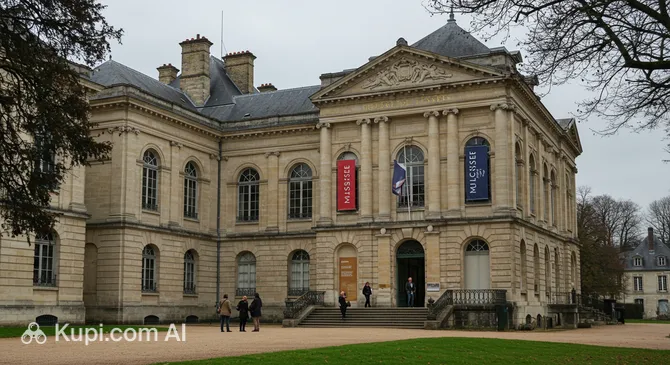
For art enthusiasts, the Musée de Tessé is an unmissable destination. Housed in a 19th-century bishop's palace, this fine arts museum boasts an impressive collection of paintings ranging from the 14th to the 19th centuries. One of its most intriguing features is the subterranean space dedicated to ancient Egypt, which includes a life-size reproduction of the tomb of Queen Nefertari. It provides a fascinating cultural detour right in the heart of the city.

Musée de Tessé. Source: Kupi.Binoculars

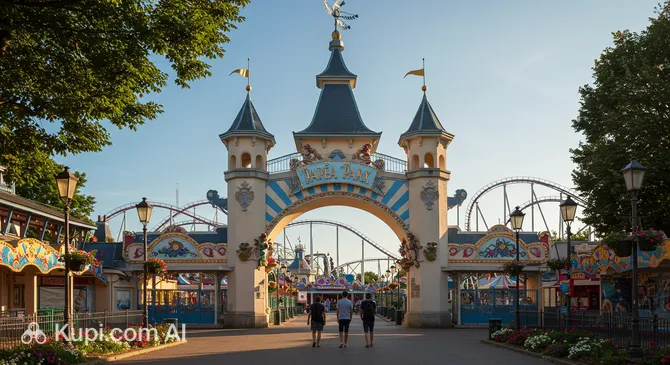
Families and thrill-seekers will find plenty of enjoyment at Papéa Parc, the largest amusement park in the Pays de la Loire region. Offering over 40 attractions, from roller coasters to water slides, it is a fantastic place to unwind after exploring the city's historical sites. The park is designed to entertain visitors of all ages, making it a highlight for those traveling with children who want a break from sightseeing to enjoy some pure fun.

Papéa Parc. Source: Kupi.Binoculars

Finally, no trip is complete without a thorough exploration of the Cité Plantagenêt (Old Town of Le Mans). This historic district is the jewel of Le Mans, enclosed by a unique Roman wall that dates back to the 3rd century. Walking through its narrow, cobblestone streets feels like stepping back in time. The area is lined with timber-framed houses, Renaissance mansions, and charming artisan shops, offering endless photo opportunities and a distinct atmosphere that has attracted numerous filmmakers over the years.

Local Cuisine

The culinary landscape of Le Mans is deeply rooted in the traditions of the Sarthe department, offering a gastronomy that is rustic, hearty, and centered around high-quality local produce. While the city is modern in many ways, its kitchen remains faithful to authentic French flavors, making it a delightful destination for food enthusiasts who appreciate simple yet delicious fare.

The absolute emblem of the city's cuisine is Rillettes du Mans. Unlike smooth pâtés found elsewhere, these rillettes are made from pork that is slow-cooked in its own fat for hours until the meat is tender enough to be shredded by hand. The result is a rich, fibrous spread that is traditionally served in earthenware pots with a side of crusty bread and cornichons. It is a ubiquitous starter on local menus and a must-try for any visitor.

Beyond pork, the region is famous for its exceptional poultry, particularly the Poulet de Loué. These free-range chickens are raised in the surrounding countryside and are renowned throughout France for their firm flesh and superior taste. You will often find them roasted with seasonal vegetables or prepared in creamy sauces featuring local mushrooms.

For a sweet finish, look for Sablés sarthois. These small, buttery shortbread cookies originated in the nearby town of Sablé-sur-Sarthe and have become a beloved treat across the region. They are the perfect accompaniment to a coffee or tea after a meal.

Dining in Le Mans is also about the atmosphere, especially within the historic Cité Plantagenêt. Here, restaurants are often housed in centuries-old timber-framed buildings, adding a layer of history to the dining experience. A fine example of such an establishment is La Vieille Porte, where visitors can enjoy a meal in a setting that evokes the charm of the past. Whether you are sampling street food at the markets or sitting down for a multi-course dinner, the flavors of Le Mans are sure to leave a lasting impression.

Travel Tips

Welcome to Le Mans, a city where the roar of engines meets the whisper of medieval history. To help you make the most of your visit, we have compiled a set of practical tips designed to ensure your journey through the capital of the Sarthe department is as smooth and enjoyable as possible.

  1. Clothing and Gear: The climate in Le Mans is temperate, meaning weather can change quickly. It is wise to dress in layers and always carry a compact umbrella or raincoat, especially if you are visiting in spring or autumn. Most importantly, bring sturdy, comfortable walking shoes. The historic Cité Plantagenêt is paved with ancient cobblestones that can be uneven and slippery, making high heels or flimsy sandals a poor choice for exploration.
  2. Transportation: The city center is compact and best explored on foot, particularly the old town. For longer distances, Le Mans has an excellent and modern tramway system (SETRAM) that connects the railway station, the city center, and even the famous racetrack. Tickets can be purchased at vending machines at tram stops. Taxis and ride-hailing apps are available, but public transport is generally faster and more economical for getting around the main districts.
  3. Finances: The local currency is the Euro (€). Credit and debit cards (Visa and Mastercard) are widely accepted in hotels, restaurants, and larger shops. However, it is recommended to carry some cash for small purchases at local bakeries, markets, or cafés. ATMs are plentiful throughout the city. Tipping is not mandatory as a service charge is included in the bill, but leaving small change or rounding up is a polite gesture if you enjoyed the service.
  4. Health and Safety: Le Mans is generally a safe city for tourists. Pharmacies are easily recognizable by a flashing green cross sign and can provide advice for minor ailments; check for the "pharmacie de garde" schedule for after-hours services. In case of a serious emergency, dial 112, the universal European emergency number. While the city is safe, always keep an eye on your belongings in crowded areas, especially during major events like the 24 Hours of Le Mans.
  5. Communication: French is the official language. While staff in the tourism industry and younger people often speak English, it is not guaranteed in smaller shops or traditional restaurants. Learning a few basic phrases like "Bonjour" (Hello), "Merci" (Thank you), and "Parlez-vous anglais?" (Do you speak English?) goes a long way in establishing a friendly rapport with locals. Free Wi-Fi is often available in public spaces and cafes.
  6. Local Etiquette: Politeness is highly valued in French culture. Always greet shopkeepers with a polite "Bonjour" when entering a store and say "Au revoir" when leaving. When dining, remember that meals are meant to be enjoyed slowly; rushing the waiter for the bill can be seen as impatient. If you visit religious sites like the Cathedral of Saint Julian, dress modestly and speak in hushed tones.
  7. What to Avoid: Do not assume that the racetrack is the only thing the city has to offer; ignoring the medieval old town would be a mistake. Also, avoid being loud or boisterous in public places, especially in the quiet, narrow streets of the Cité Plantagenêt in the evening, as these are residential areas where locals value their peace.
  8. Local Insight: If you are visiting in the summer (typically July and August), do not miss the Nuit des Chimères. This is a spectacular free light show where the Roman walls and the cathedral are illuminated with stunning projections telling the history of the city. It is a magical experience that brings the architecture to life after sunset.

With these practical tips in hand, you are ready to navigate Le Mans with confidence and ease. Whether you are here for the legendary motorsport heritage or the timeless beauty of the Plantagenêt city, we wish you a wonderful and memorable stay in this unique corner of France.

Entertainment & Nightlife

Le Mans may be world-famous for a race that lasts 24 hours, but its nightlife offers a more condensed yet equally spirited experience. The city's evening atmosphere is a blend of student energy and relaxed local charm, concentrated largely around the city center. The Place de la République and the streets radiating from it serve as the main arteries for night owls, lined with terraces that fill up quickly during "apéro" hour. For a more atmospheric setting, the historic Cité Plantagenêt offers a few tucked-away spots where you can enjoy a glass of wine surrounded by medieval architecture, although this area is generally quieter and more focused on dining.

For those seeking a classic pub atmosphere with a wide selection of beers and a lively crowd, Mulligan's Pub is a local favorite. Located centrally, it often hosts live sports screenings and music, making it a great starting point for the night. The dress code in most Le Mans bars is casual; jeans and a nice top are perfectly acceptable. Prices are reasonable compared to Paris, with a pint of beer typically costing between 5 and 7 euros.

If you are looking to continue the party late into the night, the city has several options for dancing. R-Volt is a popular nightclub known for its energetic vibe and electronic music sets. It draws a younger crowd, particularly on Thursday and Saturday nights. When planning a night out, keep in mind that bars usually close around 1:00 or 2:00 AM, while clubs stay open until dawn. Getting around is relatively easy; the tram system runs until shortly after midnight, but for later travel, it is best to book a taxi or use a ride-sharing app, as night buses are limited.

Le Mans is generally a safe city for evening walks, especially in the well-lit city center and the Place de la République area. However, as with any urban environment, it is wise to stay in groups and avoid poorly lit backstreets late at night. Solo travelers should feel comfortable, but standard precautions apply.

Before the sun goes down, the city offers plenty of daytime entertainment to fill your schedule. Shopaholics can explore Les Jacobins Shopping Center, which offers a variety of stores right in the heart of the city. For a mix of physical activity and dining, Vertical'Art Restaurant provides a unique concept where you can combine bouldering with a healthy meal, serving as a perfect transition from a day of activity to a relaxed evening.

Parks & Museums

Beyond its famous racetrack and medieval streets, Le Mans is a city that breathes, offering a surprising wealth of green spaces and cultural institutions. Visitors looking to escape the urban bustle or dive deeper into the region's heritage will find an array of beautifully maintained gardens and museums that showcase the city's diverse identity, from its Roman roots to its natural landscapes.

For nature lovers, the crown jewel of the city's green spaces is undoubtedly the Arche de la Nature. This vast natural area on the outskirts of Le Mans is divided into specific ecosystems, offering a perfect retreat for families and hikers. A highlight here is The Water House (Arche de la Nature), an educational facility that explores the life of rivers and aquatic environments through interactive exhibits and aquariums. Nearby, visitors can explore the House of the Prairie (Arch of Nature), which focuses on the flora and fauna of the local meadows and houses a small farm that is particularly popular with children. The entire area effectively brings the countryside right to the city's doorstep.

Closer to the city center, Tessé Park offers a more formal and classical garden experience. Located behind the museum of the same name, this park is known for its geometric layouts, beautiful flowerbeds, and the giant "Quinconce" hourglass. It is a serene spot ideal for a quiet afternoon reading or a leisurely stroll among the statues. For a more contemporary vibe, the Île aux Planches provides a modern park setting on an island in the Sarthe River, featuring wooden walkways, picnic areas, and a unique hydroelectric dam structure that blends industry with leisure.

When it comes to museums, Le Mans offers a rich cultural palette. While the 24 Hours of Le Mans Museum is the go-to for motorsport fans, history buffs should not miss the Carré Plantagenêt. This museum of archaeology and history, located at the edge of the old town, tells the story of the Sarthe region from prehistoric times to the Middle Ages. For art enthusiasts, the Musée de Tessé remains the premier destination. As the city's fine arts museum, it houses an extensive collection of paintings and sculptures, including works by Italian Primitives and French masters, complementing its famous Egyptian collection.

In addition to these major sites, the city is dotted with smaller historical landmarks and pleasant walking areas. The riverside near the Maulny Ford offers picturesque views and a sense of the city's historical relationship with the river. Exploring these banks often reveals remnants of old mills and bridges that once drove the local economy.

For a truly authentic and quiet experience, venture to Parc de Banjan. Often overlooked by tourists, this park offers a hilly, wooded landscape that feels like a secret garden, providing panoramic glimpses of the city and a peaceful atmosphere away from the crowds.

Getting Around

Public transport in Le Mans is efficient, modern, and user-friendly, managed by the local operator known as SETRAM. The backbone of the system consists of two main tram lines (T1 and T2) that crisscross the city, connecting key locations such as the railway station, the city center, the university, and the Antarès complex near the famous racing circuit. These trams are complemented by an extensive bus network, including the "Tempo" rapid transit bus line, ensuring that even the outlying neighborhoods are easily accessible.

The payment system is integrated, meaning a single ticket works for both trams and buses. For occasional visitors, the most convenient options are the Ticket Unité (single trip), valid for one hour with unlimited transfers, or the Ticket Journée (day pass), which offers unlimited travel for 24 hours. Prices are quite reasonable, with a single trip costing approximately €1.70 and a day pass around €4.50. Tourists can also opt for a "Tribu" pass, which offers a discounted rate for small groups traveling together for the day.

Purchasing tickets is straightforward. You can buy them at automatic vending machines located at every tram stop and major bus stations; these machines generally accept both coins and credit cards. For added convenience, you can download the Setram app to buy "M-Tickets" directly on your smartphone, eliminating the need for physical paper tickets. If you are boarding a bus, you can usually buy a single ticket from the driver, though it is best to have exact change, and the price may be slightly higher than at a machine.

Once you have your ticket, it is essential to validate it immediately upon boarding. Validators are located inside buses and trams near the doors. Failure to validate, even if you have a ticket, can result in a fine during inspections. The network typically operates from around 5:00 AM until roughly 12:30 AM or 1:00 AM, making it easy to get around for both early morning starts and late dinners.

For those who prefer active travel, Le Mans is increasingly bike-friendly. The city offers a bicycle rental service called Setram Vélo, with rental points available near the train station and other central hubs. While the historic Cité Plantagenêt is best explored on foot due to its cobblestones and stairs, the flatter modern parts of the city are perfect for cycling. Taxis are also readily available, particularly outside the main railway station, and are a reliable alternative for late-night travel when public transport frequency decreases.

Accommodation

Where to Stay:

Finding the perfect place to stay in Le Mans is generally a straightforward experience, with options ranging from reliable international hotel chains to charming independent guesthouses. The city offers a balanced mix of accommodation types, including budget-friendly hostels, comfortable mid-range hotels, and serviced apartments that are ideal for longer stays or families. While ultra-luxury resorts are less common, visitors will find several high-quality establishments that offer excellent service and modern amenities.

For most travelers, the most convenient area to base themselves is the City Center, particularly around the Place de la République. Staying here puts you within walking distance of the main shopping streets, restaurants, and tram lines. Another popular district is the area surrounding the Le Mans Railway Station. This location is particularly practical for those arriving by train or business travelers, offering modern hotels with easy access to the high-speed TGV network and the business district.

If you are looking for a more romantic or atmospheric stay, consider looking for accommodation within or near the Cité Plantagenêt. This historic district offers a unique experience with bed and breakfasts often housed in renovated medieval buildings. However, keep in mind that the cobblestone streets and limited vehicle access can make this area slightly challenging for those with heavy luggage or mobility issues.

Important Booking Tip: Le Mans is home to the world-famous 24 Hours of Le Mans endurance race, typically held in mid-June. During this period, and often for the Le Mans Classic event, the city is completely transformed. Accommodation is booked out months, sometimes years, in advance, and prices can skyrocket significantly. If you plan to visit during race weeks, securing your booking as early as possible is absolutely essential. Conversely, visiting outside of these major motorsport events usually guarantees better availability and more competitive rates.

In terms of pricing, Le Mans is generally more affordable than Paris. Budget travelers can find good value in the city's hostels and economy hotels, while mid-range options offer comfortable stays at reasonable rates. Booking is easily done through major online travel platforms, though contacting smaller guesthouses directly can sometimes yield a more personalized experience or a better deal.

Nearby Cities

Le Mans is strategically positioned in the Pays de la Loire region, making it an excellent base for exploring western France. Several fascinating cities are located within a short driving or train distance, offering travelers the opportunity to discover more of the area's rich history, architecture, and distinct local cultures through convenient day trips.

For those looking to venture beyond the city limits, here is an overview of the nearest notable cities:

City Population Distance (km)
Alençon 25,870 48
Laval 49,733 73
Saint-Cyr-sur-Loire 16,419 76
Tours 137,087 78
Joué-lès-Tours 38,444 81

Alençon is the closest significant neighbor, situated just 48 km to the north. Located at the gateway to the Normandy-Maine Regional Natural Park, it is world-renowned for its unique needlepoint lace-making tradition, "Point d'Alençon," which is inscribed on the UNESCO Intangible Cultural Heritage list. It offers a quieter, more intimate atmosphere compared to larger regional hubs.

Heading south, Tours is the largest nearby city and serves as a major gateway to the Loire Valley châteaux. Roughly 78 km from Le Mans, it is a vibrant university town known for its medieval district, the Place Plumereau, and the majestic Saint-Gatien Cathedral. It is a perfect destination for those who want to combine shopping, dining, and historical sightseeing.

To the west lies Laval, a charming town built around the Mayenne River. Approximately 73 km away, it features a stunning medieval castle that dominates the town center and offers scenic riverside walks. Its well-preserved historic center and the Naïve Art Museum make it a delightful stop for art and history enthusiasts alike.

Shopping & Souvenirs

Shopping:

Shopping in Le Mans offers a delightful balance between the charm of provincial France and the convenience of modern retail. The city provides a relaxed atmosphere where visitors can browse through a variety of stores ranging from well-known international chains to independent boutiques selling local crafts. While it may not have the overwhelming scale of Paris, Le Mans prides itself on high-quality regional products, particularly in gastronomy, making it a fantastic destination for foodies looking to take a taste of the Sarthe region home with them.

The heart of the city's retail activity is found in the pedestrianized streets of the city center. Rue des Minimes and the streets surrounding the Place de la République form the main commercial artery. Here, you can stroll comfortably without traffic, exploring fashion retailers, beauty shops, and bookstores. This area is always buzzing with energy, especially on weekends, and serves as the perfect place to do some window shopping while admiring the city's architecture.

For those who prefer a more concentrated shopping experience under one roof, the city center hosts Les Jacobins Shopping Center. Conveniently located near the cathedral, this mall features a selection of fashion, home decor, and specialty stores, making it an easy stop during a day of sightseeing. If you are looking for a larger commercial complex with a wider range of big-box retailers and a hypermarket, Aushopping Le Mans is situated in the northern part of the city. It is a major destination for locals doing their weekly shopping and offers everything from electronics to clothing.

No trip to Le Mans is complete without visiting its vibrant markets, which are central to French daily life. The most famous is the Marché des Jacobins, held at the foot of the cathedral on Wednesdays, Fridays, and Sundays. The Sunday market is particularly lively, offering a spectacular array of fresh produce, cheeses, flowers, and roast chickens. It is the best place to mingle with locals and discover the true flavors of the region.

When it comes to souvenirs, two themes dominate: food and racing. You simply cannot leave without buying a pot of Rillettes du Mans, the city's famous pork spread. Sweet tooths should look for Sablés sarthois, delicious buttery biscuits. For motorsport fans, the official 24 Hours of Le Mans boutiques offer a wide range of merchandise, from clothing and caps to high-quality model cars, allowing you to take a piece of racing history home.

Store opening hours in Le Mans are generally from 10:00 AM to 7:00 PM, Monday through Saturday. Smaller independent shops may close for a lunch break between 12:30 PM and 2:00 PM, although major chains and malls usually stay open. Most shops are closed on Sundays, except for food markets and some bakeries in the morning. Payment is easy, with credit and debit cards (Visa and Mastercard) widely accepted, though carrying some cash is advisable for small purchases at the market.

For visitors residing outside the European Union, a tax-free shopping refund (détaxe) is available on purchases over €100.01 made in a single store on the same day. Look for the "Tax Free" sign in shop windows and ask the merchant for a tax refund form at the checkout. You will need to present your passport to qualify and validate the form at customs upon leaving the EU.
Reached the end of the page?

That means the route is fully explored