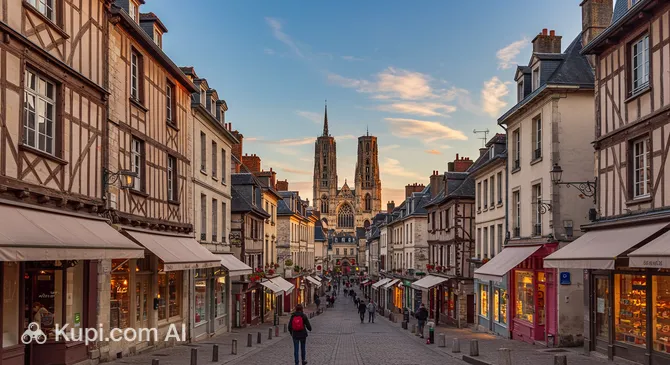
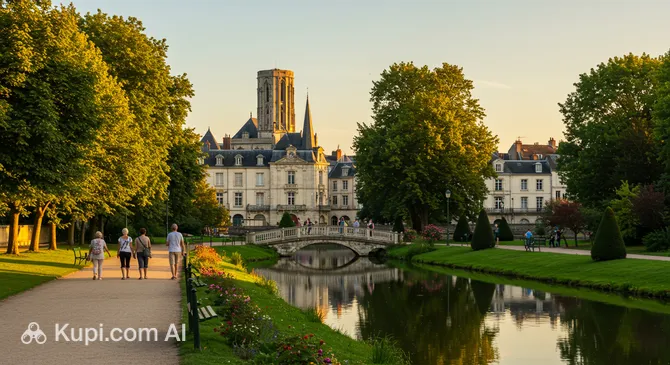
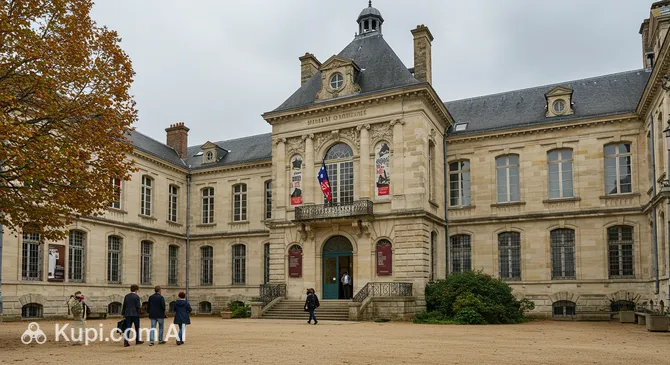
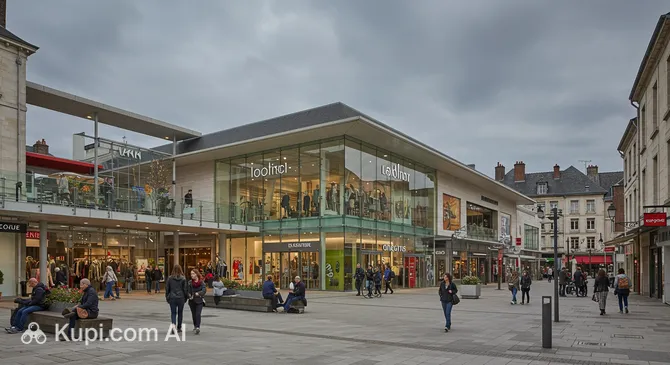
Troyes is a captivating city that feels like a living museum, offering visitors a delightful journey back in time. Renowned for its exceptional heritage and vibrant atmosphere, it serves as the historic capital of the Champagne region. The city is famous for its remarkably preserved medieval architecture, characterized by narrow cobblestone streets and colorful timber-framed buildings that give the town a fairytale quality.
Troyes. Illustration.
Source: Kupi.com AI
Located in the Grand Est region of France, Troyes sits on the Seine River and is home to a population of approximately 62,000 people. The city’s layout is unique and often noted by cartographers and locals alike; the historic center is famously shaped exactly like a champagne cork, a coincidence that perfectly suits its geographical location in one of the world's most celebrated wine regions.
The history of Troyes is deeply intertwined with medieval trade and the textile industry. Once a thriving hub for international fairs, the city has retained much of its 16th-century charm. Walking through the "Bouchon de Champagne" (the cork-shaped center), you will encounter hundreds of authentic half-timbered houses, many of which have been beautifully restored.
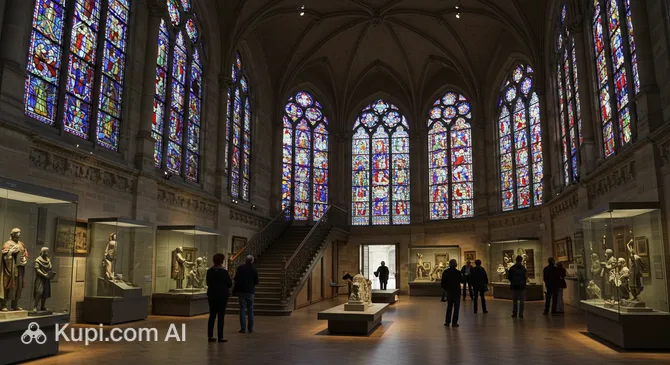
Beyond its secular architecture, Troyes is often called the "Holy City of Stained Glass." It boasts an incredible density of Gothic churches featuring magnificent stained glass windows that cover thousands of square meters, creating a mesmerizing display of light and color. Whether you are exploring its rich artistic heritage, shopping in its famous factory outlets, or simply enjoying a stroll along the Seine, Troyes offers a warm and inviting escape for every traveler.
Weather Overview
Troyes experiences a temperate climate characterized by distinct seasons, offering a different atmosphere depending on when you visit. The city generally enjoys warm, pleasant summers and cool, damp winters. Rainfall is fairly consistent throughout the year, so it is always wise to carry an umbrella regardless of the season.
For those planning a trip during the warmer months, the weather in Troyes is typically delightful. July and August are the hottest months, with average temperatures around 20.6°C and daytime highs reaching up to 25.7°C. While these are the driest months, you can still expect about 9 to 10 wet days per month, so brief showers are possible.
Winters are colder and wetter, with January being the coolest month, featuring an average temperature of 4.6°C and lows dipping to around 2.1°C. December sees the highest frequency of precipitation with approximately 16 wet days. Spring and autumn offer mild transition periods; May brings comfortable averages of 14.3°C, while September retains some summer warmth with averages around 17.2°C.
Average monthly temperature
Average monthly precipitation
Interesting Facts
Beyond the main attractions and the famous cork-shaped center, Troyes holds many fascinating secrets that have shaped both local culture and international standards.
The Weight of Gold: The "troy ounce," which remains the standard unit of measurement for precious metals and gemstones worldwide, derives its name from this French city. The system originated during the renowned medieval Fairs of Troyes, where merchants needed a reliable and standardized weight for currency and goods.
The Alley of Cats: One of the city's most charming oddities is the Ruelle des Chats. This medieval street is so narrow that the roofs of the timber-framed houses on opposite sides actually touch, creating a tunnel-like effect. It earned its name from the local claim that a cat could easily jump from one attic to the other across the street.
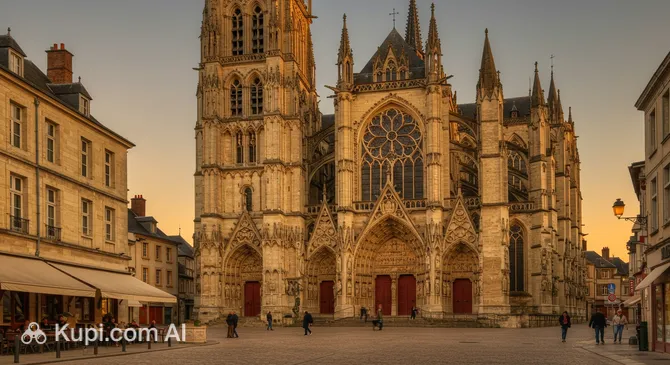
An Unfinished Masterpiece: If you look closely at the Troyes Cathedral, you might notice something unusual: it only has one tower. Construction was halted in the 17th century due to a lack of funds, and the second tower was never built, giving the structure a distinctive, asymmetrical silhouette.
Knights Templar Connection: Troyes played a pivotal role in the rise of the Knights Templar. The powerful order received official papal recognition at the Council of Troyes in 1129, a historic event that solidified their status and influence across Europe.
European Capital of Stained Glass: The city and its surrounding region possess the largest collection of ancient stained glass in Europe, covering nearly 9,000 square meters. This luminous heritage is celebrated and preserved at the Cité du Vitrail, a dedicated center located in the heart of the city.
Cité du Vitrail. Illustration.
Source: Kupi.com AI
Traveler photos:
How to Get There
Reaching this historic destination is quite convenient, with several transport options available through nearby major hubs. For a comprehensive guide on all travel methods, you can read more about how to get to Troyes on our detailed page.
The city of Troyes does not have its own airport, but you can fly into Paris Orly Airport (ORY) in the city of Paris, which is about 135 km from Troyes. The journey by car or taxi typically takes approximately 2 hours depending on traffic conditions. Another excellent option is Charles de Gaulle Airport (CDG), also located in Paris, roughly 138 km away. This major international hub serves as a primary gateway for travelers from around the world.
For clarity, here is a summary of the main airports:
Regarding rail travel, while there are regional connections, you can also arrive at major stations in neighboring cities. The Champagne-Ardenne TGV Station is located in the city of Reims, about 102 km from Troyes. From there, a taxi ride takes roughly 1 hour and 15 minutes. Alternatively, travelers often use Gare de Lyon in Paris, which is situated approximately 139 km from Troyes and serves as a massive transport hub with extensive connections.
Below is a list of significant railway stations in the wider region:
Troyes is a treasure trove of Gothic architecture and cultural heritage, offering visitors a chance to explore centuries of history within its cork-shaped center. One of the most prominent landmarks is the Troyes Cathedral (Cathedral of Saint Peter and Saint Paul). This majestic structure is a stunning example of Gothic art, renowned for its intricate facade and the remarkable collection of stained glass windows that bathe the interior in a kaleidoscope of light. Its single tower creates a unique silhouette that has become an iconic symbol of the city.
Troyes Cathedral. Illustration.
Source: Kupi.com AI
Traveler photos:
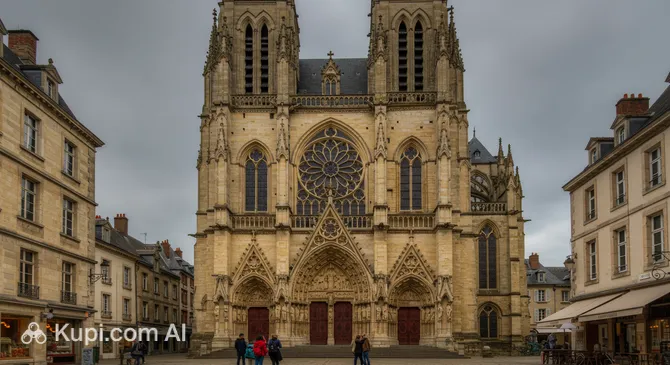
Another architectural jewel is the Saint-Urbain Basilica of Troyes. Often referred to as the "Parthenon of Champagne," this basilica is famous for its delicate stonework and immense glass walls, which give the building an appearance of lightness and grace. Founded by Pope Urban IV on the site of his father's workshop, it stands as a masterpiece of the radiant Gothic style and is a must-see for anyone interested in medieval history.
Saint-Urbain Basilica of Troyes. Illustration.
Source: Kupi.com AI
Traveler photos:
For culture enthusiasts, the Museum of Fine Arts and Archaeology of Troyes offers a fascinating journey through time. Housed in the former Abbey of Saint-Loup, the museum features an extensive collection ranging from natural history and archaeology to fine arts from the 14th to the 19th centuries. It provides a deep dive into the region's artistic evolution and is situated right next to the cathedral, making it easy to visit both in one trip.
If you are looking for a peaceful escape from the city streets, Mills Park (Parc des Moulins) is the perfect spot for a relaxing stroll. This revitalized green space was once an industrial site and has been beautifully transformed into a haven for nature lovers. With its walking paths, water features, and preserved historical elements like the old water wheel, it offers a serene atmosphere where locals and tourists alike can unwind.
Local Cuisine
The culinary landscape of Troyes is deeply rooted in the traditions of the Champagne region, offering a rich tapestry of flavors that reflect the area's agricultural bounty. As the historic capital of Champagne, the city takes its food seriously, with a dining scene that ranges from cozy, timber-framed brasseries to lively market stalls. The local gastronomy is hearty, authentic, and best enjoyed with a glass of the region's world-famous sparkling wine.
The undisputed star of the local menu is the Andouillette de Troyes. This distinctive pork sausage is made from chitterlings and stomach, seasoned with onions, wine, and spices. It is a delicacy for adventurous eaters and is taken so seriously that an association known as the A.A.A.A.A. (Association Amicale des Amateurs d'Andouillette Authentique) exists to certify the highest quality sausages. It is typically served grilled with a side of potatoes or in a creamy mustard sauce.
Cheese lovers must try the Chaource, a soft, creamy cow's milk cheese produced in the nearby countryside. It has a mushroom-like aroma and a melt-in-the-mouth texture that pairs perfectly with a glass of Champagne or a light red wine. For a sweet finish to a meal, locals often sip on Prunelle de Troyes, a digestif liqueur made from blackthorn stones (sloes) distilled in wine alcohol, a recipe that dates back to the 19th century.
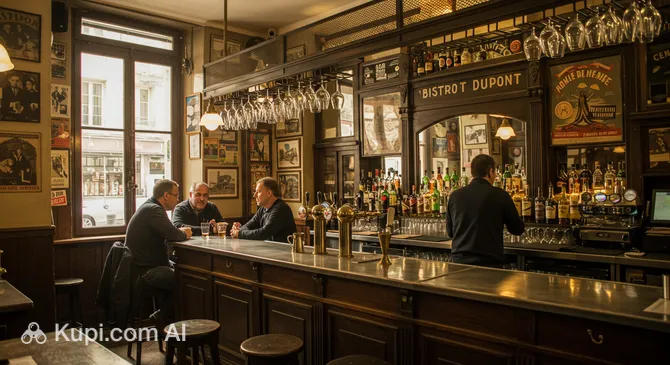
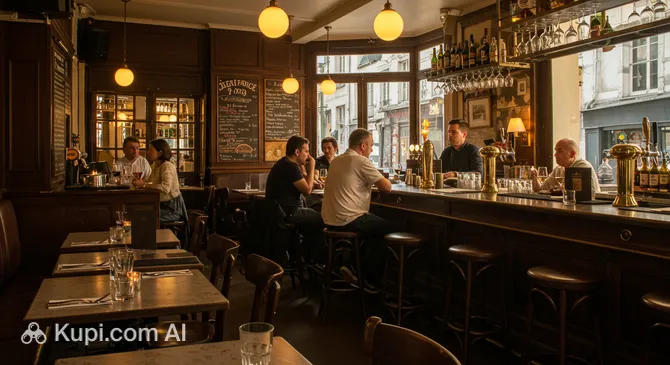
The city's dining culture is vibrant and accessible, with many establishments located within the historic "Champagne Cork" center. For those looking to experience the local bistro atmosphere, Bistrot Dupont offers a welcoming environment where you can enjoy traditional French dishes. The narrow medieval streets are lined with restaurants that spill out onto terraces in the summer, creating a lively social scene.
Bistrot Dupont. Illustration.
Source: Kupi.com AI
Traveler photos:
Of course, no visit to Troyes is complete without exploring the local wines. Bars and cellars abound, offering tastings of various vintages from the surrounding vineyards. Le Bistrot du Sommelier is an excellent spot for oenophiles to discover regional labels and learn about the nuances of Champagne production. For a more casual evening out, you might visit Le Dropkick Bar, which provides a relaxed setting to unwind after a day of sightseeing.
Travel Tips
Preparing for a trip to Troyes is the first step toward an unforgettable experience in this medieval gem of the Champagne region. To help you navigate the city’s cobblestone streets and unique local culture with ease, here are some practical travel tips designed to make your visit as smooth and enjoyable as possible.
Clothing and Gear: The historic center of Troyes, known as the "Champagne Cork," is famous for its charming but uneven cobblestone streets. High heels can be difficult to manage here, so comfortable walking shoes or flat boots are essential. Since the weather can be changeable, bring layers and a waterproof jacket or umbrella, especially in spring and autumn. If you plan to visit the magnificent churches like the Cathedral or Saint-Urbain Basilica, ensure your shoulders and knees are covered out of respect.
Transportation: The best way to explore the city center is undoubtedly on foot, as most major attractions are located within a compact area. For longer distances, the local bus network, operated by TCAT, is efficient and reliable; tickets can be purchased from the driver or at kiosks. If you have a rental car, it is advisable to park it in one of the underground car parks on the periphery of the "Cork" rather than trying to navigate the narrow, one-way medieval lanes.
Finances: The official currency is the Euro (€). Credit and debit cards (Visa and Mastercard) are widely accepted in hotels, restaurants, and larger shops. However, it is wise to carry some cash for small purchases at bakeries, local markets, or cafés where card minimums might apply. Tipping is not mandatory as a service charge is included in the bill, but leaving small change or rounding up the amount is a polite gesture if the service was excellent.
Health and Safety: Troyes is generally a very safe city for tourists. Pharmacies are easily recognizable by a flashing green cross sign and can provide advice for minor ailments. For emergencies, dial 112, the universal European emergency number. While the city is peaceful, practice standard safety precautions by keeping an eye on your belongings in crowded areas or busy market squares.
Communication: French is the official language. While staff at hotels and major tourist sites often speak English, it is not always guaranteed in smaller shops or traditional brasseries. Learning a few basic phrases—such as "Bonjour" (Hello), "Merci" (Thank you), and "Parlez-vous anglais ?" (Do you speak English?)—will be greatly appreciated by the locals and can open many doors. Free Wi-Fi is often available in the city center and public spaces.
Local Etiquette: Politeness is highly valued in French culture. Always greet shopkeepers or staff with a friendly "Bonjour" upon entering and "Au revoir" when leaving; skipping this can be considered rude. When dining, remember that meals are meant to be enjoyed slowly; asking for the bill immediately after eating is uncommon, so you will usually need to signal the waiter when you are ready to pay.
What to Avoid: Avoid handling produce at the local markets (such as the Halles de Troyes) unless you see a sign permitting it. It is customary to let the vendor select the fruits or vegetables for you. Additionally, try to avoid being overly loud in public spaces, particularly in restaurants and the city's many religious buildings, where a hushed tone is expected.
Shopping Tip: Troyes is known as the European capital of factory outlets. If you enjoy shopping, set aside time to visit the major outlet centers like McArthurGlen or Marques Avenue located on the outskirts of the city. They offer significant discounts on designer brands, but be sure to check their opening hours, as many shops in France are closed on Sundays.
Armed with these practical tips, you are all set to immerse yourself in the rich history and vibrant culture of Troyes. Whether you are hunting for bargains at the outlets or admiring the stained glass windows, a little preparation will ensure your adventure in the Aube department is truly memorable.
Entertainment & Nightlife
As the sun sets over the half-timbered facades of the "Champagne Cork," Troyes transforms from a historic museum town into a lively hub of evening entertainment. The nightlife here is characterized by a warm, convivial atmosphere rather than grand nightclubs, reflecting the local "art de vivre." The city center, particularly around the Place du Marché and the narrow medieval lanes like Rue Champeaux and Rue Paillot de Montabert, buzzes with activity as locals gather on terraces to enjoy the evening air.
For those seeking a spirited night out, the city offers a variety of pubs and bars that blend modern energy with historic charm. A standout venue is Le Dropkick Bar, located near the cathedral. This Irish-themed pub is a favorite among locals for its festive ambiance, wide selection of beers, and hearty pub food. It is an excellent spot to watch a match, enjoy music, or simply soak up the lively atmosphere until late in the night.
Le Dropkick Bar. Illustration.
Source: Kupi.com AI
Traveler photos:
If you prefer a more relaxed evening centered around the region's famous produce, the city's wine bars are a must-visit. Le Bistrot du Sommelier offers a sophisticated yet welcoming environment where you can sample an extensive list of wines, including local Champagnes, paired with delicious sharing platters. For a late dinner that transitions into a pleasant night out, Pizzeria Guiseppino provides a cozy setting with its wood-fired pizzas and Italian specialties, perfect for refueling before heading to a bar.
Most bars in Troyes typically stay open until around 1:00 AM or 2:00 AM on weekends. The dress code is generally casual to smart-casual; you will feel comfortable in jeans and a nice top in almost any establishment. Prices are reasonable compared to larger French cities, with a pint of beer costing around €6-€8 and cocktails ranging from €8 to €12.
Troyes is a safe city for night walks, even in the winding alleys of the historic center. However, as with any travel destination, it is wise to stay in well-lit areas late at night. The city center is compact and easily navigable on foot, but if you need to travel further, taxis are available, though it is best to book one in advance as hailing them on the street can be difficult at night.
While the nights are for socializing, the daytime in Troyes offers its own array of entertainment. Cultural enthusiasts can explore the wealth of museums or catch a performance at the Théâtre de la Madeleine. Additionally, the city is a premier destination for shopping, famous for its large factory outlet centers on the outskirts, which draw visitors from all over Europe looking for fashion at a fraction of the price.
Parks & Museums
Troyes is not only a city of stone and timber but also a place where culture and nature coexist harmoniously. The city offers a refreshing balance between its dense, historic urban fabric and expansive green spaces, while its museums provide a deep dive into the artistic and industrial heritage that shaped the region. Whether you are an art lover or a nature enthusiast, the city provides ample opportunity to explore its treasures at a leisurely pace.
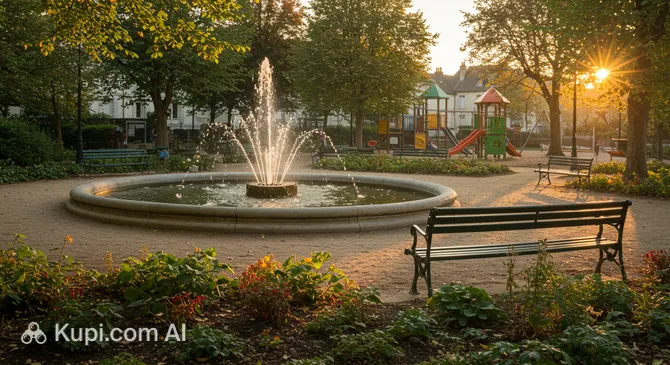
For a breath of fresh air, Mills Park (Parc des Moulins) is a standout destination. Situated on the site of former textile factories, this 20-hectare park is a masterful example of ecological rehabilitation. It retains traces of its industrial past, such as restored water wheels, while offering a sanctuary for biodiversity. Visitors can wander along the wooden walkways, enjoy the ornamental ponds, or simply relax on the expansive lawns. It is particularly lovely in the spring when the flowers are in full bloom.
Mills Park. Illustration.
Source: Kupi.com AI
Traveler photos:
Another delightful natural retreat is the Fouchy Ponds (Parc de Fouchy), located just a short distance from the city center near Saint-Parres-aux-Tertres. This park is a favorite among families and nature lovers due to its small animal park and educational greenhouses. The walking paths wind around the ponds, which are home to ducks and swans, creating a tranquil environment perfect for a picnic or a quiet afternoon read away from the city bustle.
Fouchy Ponds. Illustration.
Source: Kupi.com AI
Traveler photos:
Culturally, the city is a powerhouse, often described as a "City of Art and History." A visit to the Cité du Vitrail is essential to understanding the local identity. Housed in the magnificent 18th-century Hôtel-Dieu-le-Comte, this cultural center is dedicated to the art of stained glass. Unlike a traditional static museum, it offers an immersive and educational experience, showcasing masterpieces from the 12th century to contemporary creations. It explains the complex techniques of glassmakers and highlights why the Aube department is considered the European capital of this luminous art form.
Just steps away from the cathedral, the Museum of Fine Arts and Archaeology of Troyes occupies the former Saint-Loup Abbey. This institution is one of the richest in France, boasting a diverse collection that spans millennia. Highlights include the "Treasure of Pouan" (jewelry and weapons from the migration period), an impressive array of medieval sculpture, and French paintings from the 17th and 18th centuries. The building itself, with its monastic architecture, adds a layer of historical gravity to the visit.
Museum of Fine Arts and Archaeology of Troyes. Illustration.
Source: Kupi.com AI
Traveler photos:
While exploring these museums, you are never far from the city's open-air heritage. The Troyes Cathedral and the Saint-Urbain Basilica of Troyes serve as monumental counterparts to the museum collections, displaying in situ the very stained glass and sculpture celebrated in the galleries. The architectural unity of the city creates a seamless transition between the exhibits inside and the history on the streets.
For a truly authentic experience, seek out the small, medieval gardens tucked away behind the city's religious buildings, such as the Jardin des Innocents near the Saint-Urbain Basilica. These hidden pockets of greenery often feature medicinal plants and offer a quiet, contemplative atmosphere that feels worlds away from the busy shopping streets nearby.
Getting Around
The public transport system in Troyes is streamlined and efficient, primarily relying on a comprehensive bus network that serves the city center and the surrounding metropolitan area. Operated by TCAT (Transports en Commun de l'Agglomération Troyenne), the buses are the main mode of motorized transit for locals and visitors alike. Since there is no metro or tram system in the city, these buses are the key to reaching destinations that are too far to walk, such as the factory outlet centers on the outskirts or the nearby University of Technology of Troyes.
For tourists, the TCAT network offers a variety of convenient ticket options. A standard single-trip ticket, known as the Ticket Solo, is valid for one hour and allows for transfers. If you plan to explore extensively throughout the day, a 24-hour pass is often the most economical choice, offering unlimited travel across the network. Tickets can be purchased directly from the driver upon boarding (usually with a small surcharge and cash only), at authorized "Relais TCAT" newsstands, or at the main TCAT agency located in the city center.
Modern conveniences have made paying for transport even easier. You can purchase a "virtual ticket" via SMS if you have a mobile phone with a compatible plan, or use the official TCAT mobile app to buy and manage tickets digitally. Regardless of the ticket type—paper or digital—it is essential to validate it immediately upon entering the bus to avoid fines. The validation machines are located near the driver's cabin.
The operating hours for the bus service generally run from early morning, around 6:00 AM, until approximately 9:00 PM. However, it is important to note that service frequency drops significantly in the evenings, on Sundays, and during public holidays. Some lines may not run at all on Sundays, so it is highly recommended to check the timetables at the bus stops or on the official website before planning a late outing or a weekend trip to the suburbs.
Given the compact nature of the historic "Champagne Cork" center, walking remains the most popular way to get around the main attractions. However, for those who prefer two wheels, the city offers a self-service bicycle rental scheme called Le Vél'in. With stations scattered throughout the city and near major bus stops, this is a fantastic, eco-friendly way to navigate the flat terrain of the area. The first 15 minutes of use are typically free, making it perfect for short hops between museums or restaurants.
For a more leisurely and scenic mode of transport, look out for the Petit Train de Troyes (Little Train). Operating primarily during the tourist season, this charming vehicle winds through the medieval streets, offering a guided commentary on the city's history and architecture. It is less of a public transport method and more of a sightseeing experience, but it provides an excellent overview of the city without the need for extensive walking.
Taxis are available but are not as commonly hailed on the street as in larger capitals. It is advisable to book one in advance by phone or find them at designated ranks, such as the one near the train station. While ride-sharing apps are present, availability can vary, so having the number of a local taxi company is a good backup plan, especially for late-night travel when the buses have stopped running.
Accommodation
Finding the perfect place to stay in Troyes is an integral part of the experience, as the city offers accommodation options that are as charming and historic as its streets. The range of lodging is diverse, catering to all travel styles and budgets. Visitors can choose from cozy bed and breakfasts tucked away in centuries-old timber-framed houses, modern chain hotels offering reliable comfort, or stylish boutique hotels that blend medieval architecture with contemporary luxury. For those seeking more independence, there is also a growing selection of furnished apartments and vacation rentals available within the city center.
The most popular area for tourists is undoubtedly the historic heart of the city, known as the "Champagne Cork" (Bouchon de Champagne). Staying here places you within walking distance of the major Gothic churches, museums, and the vibrant restaurant scene. Many hotels in this district are housed in beautifully restored buildings, allowing you to sleep within walls that have stood for hundreds of years. Alternatively, the area near the train station offers convenient access for those arriving by rail and is just a short walk from the center. For travelers focused on shopping at the famous factory outlets, staying on the outskirts of the city near the major commercial zones can be a practical choice, often providing easier parking and quick access to the stores.
Accommodation prices in Troyes are generally reasonable compared to larger French tourist hubs like Paris. Budget travelers can find comfortable rooms or hostels starting from around €50 to €70 per night. Mid-range hotels, which typically offer good amenities and central locations, usually range between €80 and €130. For a more luxurious experience in a high-end boutique hotel or a historic residence, expect to pay upwards of €150 per night. Booking is most commonly done through major online travel platforms, though contacting smaller guesthouses directly can sometimes yield better rates or a more personalized experience.
Booking Tip: Troyes is a popular destination year-round, but it gets particularly busy during the summer months and the two major sales periods (January and June/July) when shoppers flock to the factory outlets. It is highly recommended to book your accommodation at least a few weeks in advance during these peak times to secure the best locations and rates. If you plan to visit during a local festival or a holiday weekend, trying to reserve months ahead is a wise strategy to avoid disappointment.
Nearby Cities
For those looking to explore the surroundings, Troyes serves as an excellent base for day trips to several interesting nearby locations:
City
Population
Distance
Sainte-Savine
10 508
1 km
Saint-André-les-Vergers
12 784
3 km
La Chapelle Saint Luc
11 913
3 km
Romilly-sur-Seine
14 623
36 km
Sens
26 688
60 km
One of the most historically significant towns nearby is Sens. Located just a short drive away, it is famous for the Cathedral of Saint-Étienne, which is widely considered the very first Gothic cathedral to be built. The town offers a peaceful atmosphere with its riverside parks and a rich history that dates back to Roman times, making it a perfect spot for history buffs.
Heading south into the Burgundy region, you will find Auxerre, a city of art and history perched on the banks of the Yonne River. It is renowned for its stunning skyline, dominated by the Abbey of Saint-Germain and the Clock Tower. Visitors can explore the medieval center, admire the timber-framed houses, and enjoy the local gastronomy, particularly the wines from the nearby Chablis vineyards.
For those interested in the region's most famous export, a trip to Epernay is essential. Often referred to as the "Capital of Champagne," it is home to the prestigious Avenue de Champagne, a street lined with magnificent 19th-century mansions and the headquarters of world-famous champagne houses. Here, you can tour vast underground cellars and enjoy tastings of some of the finest sparkling wines in the world.
These nearby destinations offer a glimpse into the diverse culture and landscapes of the region.
Shopping & Souvenirs
Shopping:
Troyes offers a unique shopping experience that effectively combines two distinct worlds: the charm of independent boutiques within the historic medieval center and the allure of large-scale bargain hunting on the outskirts. The city is widely recognized as the European capital of factory outlets, drawing millions of visitors annually who come to purchase designer brands at reduced prices. However, beyond the discount centers, the heart of the city remains a vibrant commercial hub filled with artisanal shops, bookstores, and fashion retailers set against a backdrop of half-timbered houses.
For a traditional shopping spree, the pedestrian-friendly streets of the "Champagne Cork" are the best place to start. Rue Émile Zola serves as the city's main commercial artery, lined with a mix of well-known French high street brands and local businesses. As you wander through the surrounding lanes, such as Rue Champeaux and the picturesque alleys near the Saint-Jean district, you will discover specialized shops selling antiques, home decor, and fine foods, perfect for leisurely window shopping.
While the city center focuses on lifestyle and heritage, the surrounding area is famous for its major shopping complexes. Troyes is surrounded by massive outlet centers like McArthurGlen and Marques Avenue, where premium fashion brands are sold at significant discounts. For a more conventional shopping mall experience with a variety of everyday stores and services, you can visit the Saint-André les Vergers Shopping Center. Located just a short drive from the historic core, it offers a convenient mix of fashion, beauty, and practical amenities in a modern setting.
Saint-André les Vergers Shopping Center. Illustration.
Source: Kupi.com AI
Traveler photos:
Food lovers should not miss the city's markets, which are the beating heart of local gastronomy. The Halles de Troyes (Covered Market) is an architectural gem from the 19th century and a paradise for gourmets. Here, you can find the freshest regional produce, from seasonal fruits to artisan cheeses. It is the ideal place to mingle with locals and sample the authentic flavors of the Champagne region in a lively, bustling atmosphere.
When it comes to souvenirs, Troyes offers items that reflect its rich history and location. As the historic capital of Champagne, a bottle of local Champagne or the unique Prunelle de Troyes liqueur makes for an excellent gift. The region is also famous for its textile heritage, so look for high-quality knitwear or clothing from local brands like Petit Bateau or Lacoste, which have roots in the area. Additionally, gourmet treats such as the creamy Chaource cheese or authentic Andouillette sausages are perfect for bringing a taste of France home, provided your travel arrangements allow for perishable goods.
Store opening hours in Troyes generally follow standard French customs. Most shops in the city center are open from 10:00 AM to 7:00 PM, Monday through Saturday. Smaller independent boutiques may close for a lunch break between 12:00 PM and 2:00 PM. It is important to note that, like much of France, the vast majority of shops, including the large outlet centers, are closed on Sundays, although there are occasional exceptions during major sales periods or before holidays. Payment is easy, with credit and debit cards (Visa and Mastercard) widely accepted, though carrying some cash is useful for small purchases at markets.
For visitors residing outside the European Union, France offers a tax-free shopping scheme (détaxe). If you spend more than a certain threshold (typically €100.01) in a single store on the same day, you may be eligible for a VAT refund. Look for the "Tax Free" sign in shop windows and ask the staff for a tax refund form at the checkout, which you will need to validate at customs upon leaving the EU.