Support

Maubeuge

About

Maubeuge is a welcoming town located in the Hauts-de-France region of France, situated along the scenic banks of the Sambre River. Just a stone's throw from the Belgian border, this city of approximately 30,000 inhabitants serves as a vibrant cultural and economic hub in the Avesnois area. Its strategic position has defined its character for centuries, blending industrial heritage with lush greenery to create a unique atmosphere.

Maubeuge. Source: Kupi.Binoculars

While the city was largely rebuilt after World War II, giving it a distinct modern architectural style, it proudly preserves its past. The most striking example is the well-preserved circuit of fortifications designed by the famous military engineer Vauban in the 17th century. Visitors interested in the strategic evolution of the region can delve deeper into the history of Maubeuge to understand how these ramparts shaped the local identity and protected the northern frontier.

Beyond its walls, Maubeuge is a surprisingly green destination. The city is home to the renowned Zoo de Maubeuge, which is uniquely located within the historical ramparts and houses hundreds of animals, making it a favorite spot for families. Whether you are strolling along the Sambre or exploring the lively town center, Maubeuge offers a charming mix of heritage and relaxation for every traveler planning a trip to this northern corner of the country.

Weather Overview

The climate in this part of the Hauts-de-France region is temperate, offering distinct seasons that influence the best times for sightseeing. Visitors checking the weather in Maubeuge will find that the city generally enjoys mild, pleasant summers and cool, crisp winters. Regardless of when you visit, it is wise to be prepared for mixed conditions, as the weather can be changeable.

Summer is typically the warmest period, particularly in July and August, when average temperatures sit around 18°C to 19°C and daytime highs can reach up to 23.2°C. Winters require warmer clothing, with January seeing average temperatures dip to approximately 4.1°C and overnight lows falling to 1.8°C. Rainfall is a consistent feature year-round, with roughly 11 to 16 wet days per month, so you should expect warm summers with occasional rain and cold, damp winters.

Interesting Facts

Beyond its fortifications and green spaces, Maubeuge holds several fascinating stories that define its unique character. From artistic legends to unexpected pop culture fame, the city offers curious details that often surprise visitors.

  • A Musical Phenomenon: In the 1960s, the city became a household name across France thanks to the hit song "Un clair de lune à Maubeuge" (Moonlight in Maubeuge). The catchy tune, which humorously romanticized the industrial town, became a massive success and remains an enduring, lighthearted anthem for the locals.

  • The Painter "Mabuse": The renowned Flemish Renaissance artist Jan Gossaert was born here and remained deeply connected to his roots. He is famously known in the art world as "Mabuse," a name he adopted from the Latinized version of Maubeuge to sign his masterpieces.

  • A Modernist Masterpiece: Following the destruction of the city center in 1940, the reconstruction was led by the visionary architect André Lurçat. His work here, particularly the residential complex known as "Le Mail," is considered a model of post-war urban planning and is studied for its innovative use of light and space.

  • Hidden Art Deco Gem: The Salle Sthrau is a cultural treasure often missed by casual passersby. Originally a chapel, it was transformed in the late 1920s into a ballroom and music hall, featuring a stunning Art Deco interior with a magnificent glass roof and elaborate frescoes.

How to Get There

Reaching Maubeuge is relatively straightforward thanks to its proximity to several major transport hubs in both France and Belgium. Located near the border, the city benefits from the infrastructure of the wider region. For a detailed overview of all travel options, read more about how to get to Maubeuge.

The city of Maubeuge does not have its own airport, but you can fly into Charleroi Brussels South Airport (IATA: CRL) in the city of Brussels, which is about 39.9 km from Maubeuge. This is often the most convenient option for air travel. From there, a taxi or bus transfer takes approximately 80 minutes. Another viable option is Lille Airport (IATA: LIL) in the city of Lille, located 69.2 km away. The journey from Lille typically takes around 2 hours by road. For a wider range of international flights, travelers can also use Brussels Airport (IATA: BRU) in Brussels, which is roughly 78.2 km from the city center.

For clarity, here is a summary of the main airports:

Airport Name City Passenger Traffic Km from City
Brussels Airport Brussels Very High 78.2
Charleroi Brussels South Airport Brussels High 39.9
Lille Airport Lille Medium 69.2
Antwerp International Airport Antwerp Small 107.0
Liege Airport Liege Small 112.1

Regarding rail travel, while local connections are available, many travelers utilize larger hubs in the surrounding area for long-distance arrivals. You can arrive at the Douai Station in the city of Douai, which is about 63.3 km from Maubeuge. From there, you can get a taxi or bus, which takes about 115 minutes. Alternatively, the Brussels Midi Station in the city of Brussels is a major international gateway located 67.0 km away, with a transfer time of approximately 120 minutes by road.

Below is a list of the nearest major railway stations:

Station City Passenger Traffic Km to Center
Brussels-North Bus Station Brussels High 70.3
Brussels Midi Station Brussels High 67.0
Douai Station Douai Medium 63.3
Tourcoing Station Tourcoing Medium 74.7
Roubaix Station Roubaix Small 73.4

Main Attractions

Maubeuge offers a delightful variety of sights that blend its rich military history with modern culture and lush nature. Whether you are a history buff, an architecture enthusiast, or traveling with family, the city’s top spots provide a unique glimpse into the heritage of the Avesnois region.

One of the most popular destinations is the Zoo de Maubeuge. Uniquely situated at the foot of the 17th-century ramparts, this zoological park is home to around 300 animals representing 60 different species. It is particularly known for its dedication to the preservation of endangered species, including Sri Lankan panthers and Asian elephants. The setting itself is spectacular, offering a green oasis where visitors can observe giraffes, hippos, and red pandas amidst the historic fortifications.

The city is defined by its Vauban Fortifications, a massive defensive circuit built by Louis XIV’s famous military engineer. Unlike many other fortified towns, Maubeuge has preserved a significant portion of these walls, which now serve as a scenic promenade. A walk along the ramparts offers excellent views of the city and the surrounding moat, allowing tourists to appreciate the strategic genius of the past while enjoying a peaceful stroll. The Porte de Mons is a standout feature, serving as a grand entrance that has survived the centuries.

For lovers of architecture and arts, the Salle Sthrau is a hidden gem that should not be missed. Originally a chapel for a Jesuit college, it was transformed into a ballroom and music hall in the 1920s. Today, it stands as a magnificent example of Art Deco style, featuring a stunning glass roof and elaborate frescoes that have been beautifully restored. It is a testament to the city's cultural resilience and artistic flair.

Another striking landmark is the Church of Saint-Pierre-Saint-Paul. Built as part of the reconstruction of Maubeuge after World War II, this church is a masterpiece of modern architecture designed by André Lurçat. Its structure relies on concrete and glass, creating a bright and spacious interior. The church is famous for its impressive mosaics and stained glass windows, which cast a colorful light over the nave, making it a serene and visually captivating place to visit.

Local Cuisine

Maubeuge offers a culinary experience that is deeply rooted in the traditions of Northern France, heavily influenced by its proximity to the Belgian border. The local cuisine is characterized by hearty, comfort foods that reflect the generosity of the surrounding Avesnois region. Visitors should expect rich flavors, generous portions, and a menu that celebrates high-quality local dairy products and meats.

The undisputed star of the local table is Maroilles, a strong-smelling but mild-tasting cow's milk cheese often referred to as the "finest of strong cheeses." You will find it featured prominently in the Flamiche au Maroilles, a savory tart that is a staple starter or light main course. For a true taste of the area, adventurous eaters might also try the Boulette d'Avesnes, a cone-shaped cheese made from Maroilles curds and seasoned with parsley, tarragon, and paprika, which packs a flavorful punch.

For main dishes, the Flemish influence is undeniable. A must-try is the Carbonnade Flamande, a tender beef stew slow-cooked in local beer with onions and gingerbread. It is almost invariably served with a side of crispy, golden frites (fries), which are a cultural institution in this part of the country. For dessert, the Tarte au Sucre (sugar pie), a soft brioche topped with brown sugar and cream, is a beloved classic that pairs perfectly with afternoon coffee.

When it comes to drinks, the region is famous for its brewing heritage. Local craft beers, particularly the "bière de garde" style (a strong pale ale kept in cellars), are widely available and serve as the perfect accompaniment to the rich local dishes. Since Maubeuge is located in the Avesnois, an area known for its lush orchards, artisan cider and fresh apple juice are also popular local beverages, offering a crisp and refreshing alternative to beer.

The dining culture in Maubeuge is relaxed and convivial. While there are standard restaurants, the most authentic experience can often be found in a traditional estaminet. These cozy, tavern-like establishments offer a rustic atmosphere where locals gather to enjoy regional specialties and often play traditional wooden games. Whether grabbing a quick bite at a street-side friterie (fry stand) or sitting down for a long Sunday lunch, the focus is always on sharing good food in good company.

Travel Tips

Planning a trip to Maubeuge is an exciting prospect, and a few practical insights can help you navigate this charming northern French city with ease. From packing the right gear to understanding local customs, these tips ensure you make the most of your stay in the heart of the Avesnois region.

  1. Clothing and Gear: The weather in Hauts-de-France can be unpredictable, so dressing in layers is the best strategy. Even in summer, it is wise to carry a waterproof jacket or a sturdy umbrella, as rain showers can occur at any time. Since exploring the Vauban fortifications and the zoo involves a fair amount of walking, bring comfortable, flat walking shoes to handle cobblestones and uneven paths.
  2. Transportation: The city center of Maubeuge is compact and easily explorable on foot, which is the best way to admire the architecture. For longer distances or to reach the suburbs, the local bus network, known as Stibus, is reliable and affordable. Taxis are available but are less common on the streets than in major capitals; it is recommended to book one in advance or use a ride-hailing app if available in the region.
  3. Finances: The local currency is the Euro (€). While credit and debit cards (Visa and Mastercard) are widely accepted in hotels, restaurants, and supermarkets, it is advisable to carry some cash for smaller purchases at bakeries, local markets, or cafés. ATMs are plentiful in the town center. Tipping is not mandatory as a service charge is included in the bill, but leaving small change for good service is a polite gesture.
  4. Health and Safety: Maubeuge is generally a safe city for tourists, but standard precautions should be taken regarding personal belongings in public spaces. Pharmacies are easily identifiable by a flashing green cross and are well-stocked for minor ailments. In case of any serious medical or safety emergency, dial 112, the universal European emergency number, which works for police, ambulance, and fire services.
  5. Communication: French is the official language, and while younger generations and tourism staff may speak some English, it is not as universally spoken as in Paris. Learning a few basic phrases like "Bonjour" (Hello), "Merci" (Thank you), and "S'il vous plaît" (Please) will be greatly appreciated by locals. Free Wi-Fi is often available in hotels and some cafés, but purchasing a local SIM card at a tobacco shop (Tabac) or supermarket is a good idea for constant connectivity.
  6. Local Etiquette: Politeness is paramount in French culture. Always greet shopkeepers or staff with a friendly "Bonjour" when entering an establishment and "Au revoir" when leaving; failing to do so can be considered rude. When dining, keep your hands visible on the table (but elbows off) and remember that meals are meant to be enjoyed slowly—rushing through a course is uncommon.
  7. What to Avoid: Do not expect shops and businesses to be open continuously throughout the day. Many smaller boutiques and local services close for a lunch break, typically between 12:00 PM and 2:00 PM. Also, avoid being loud or boisterous in public places, such as churches or museums, as the local atmosphere tends to be calm and respectful.
  8. Sunday Closures: Be aware that Sunday is traditionally a rest day in France. Most shops, supermarkets, and pharmacies in Maubeuge will be closed or have very limited morning hours. It is the perfect day to enjoy nature, visit the zoo, or take a walk along the Sambre, but make sure to do your grocery shopping or run errands on Saturday.

By keeping these practical tips in mind, you will be well-prepared to immerse yourself in the local rhythm of life. Maubeuge is a hospitable city, and a little preparation will allow you to focus fully on its rich history, delicious cheese, and welcoming atmosphere.

Entertainment & Nightlife

Maubeuge offers a nightlife scene that reflects its overall character: welcoming, unpretentious, and focused on conviviality rather than wild partying. While it is not a metropolis known for sprawling nightclubs, the city provides a pleasant variety of options for spending an evening out. The atmosphere here is distinctly relaxed, with locals preferring to gather in cozy brasseries, pubs, or leisure centers to unwind after a long day. The vibe is casual, making it easy for visitors to blend in and enjoy the warm hospitality of Northern France.

The heartbeat of the city's modern entertainment is undoubtedly the L'Arsenal district. This revitalized area serves as a primary hub for evening leisure, attracting families, groups of friends, and couples alike. Here, you will find a concentration of activities that extend well into the night. It is home to the O'Ciné Maubeuge, a modern cinema complex that screens the latest international and French blockbusters, often serving as a starting point for a night out. Adjacent to it, you can find restaurants and the popular Bowling de l'Arsenal, where the atmosphere is lively and fun, perfect for a group competition over drinks.

For those seeking a more cultural evening, the city boasts a nationally recognized venue, Le Manège. As a "Scène Nationale," this theater offers a high-quality program ranging from contemporary dance and theater to jazz concerts and classical music performances. It is the sophisticated choice for entertainment, drawing culture enthusiasts from across the region. If you prefer a quiet drink, the town center has several traditional bars and pubs where you can enjoy local and Belgian beers, though the nightlife tends to wind down earlier here compared to larger cities.

Travelers looking for a more intense clubbing experience or a wider variety of late-night bars often take advantage of Maubeuge's strategic location. The Belgian city of Mons is just a short drive away (about 20-30 minutes), offering a vibrant student nightlife and bustling squares that complement the quieter charm of Maubeuge. Within Maubeuge itself, dress codes are generally very casual, and entry fees for bars are non-existent, though ticket prices for the theater or cinema are standard for the region.

When planning a night out, practical logistics are important. Public transportation, while efficient during the day, becomes limited in the late evening, so relying on the bus network for night travel is not recommended. It is advisable to have the number of a local taxi service or pre-book your ride, especially if you plan to stay out past midnight. Maubeuge is generally safe for night walks, particularly in well-lit areas like the city center and around L'Arsenal, but as with any city, it is wise to stay on main streets and avoid unlit shortcuts.

During the day, the entertainment options shift towards heritage and relaxation. Apart from the famous zoo and fortifications, visitors can explore the Henri Boez Museum (currently undergoing renovation projects, so check status locally) to see local art and history. The city also offers pleasant shopping opportunities in the center and commercial zones, providing a laid-back way to spend the afternoon before the evening activities begin.
Parks & Museums

Maubeuge surprises many visitors with how seamlessly it blends its military heritage with lush greenery and a deep respect for local culture. The city is not just about stone walls and industry; it offers serene natural escapes and venues dedicated to preserving the artistic and historical identity of the Avesnois region.

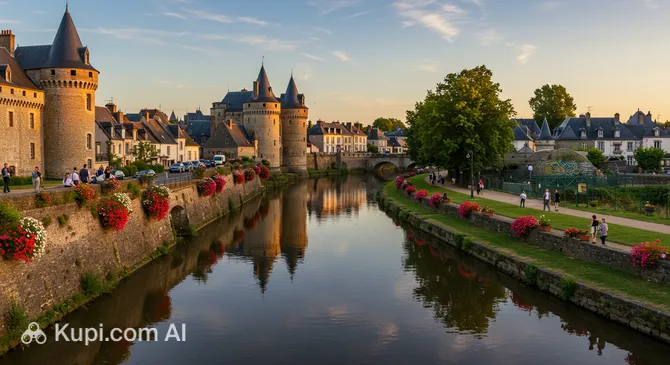
For those seeking fresh air and scenic walks, the Vauban Ramparts serve as the city's primary green lung. While historically a defensive line, today these fortifications have been transformed into a magnificent promenade. Walking along the grassy tops of the walls offers a unique perspective, combining views of the moat’s calm waters with the impressive 17th-century masonry. It is a perfect spot for a morning jog or a leisurely afternoon stroll, allowing you to appreciate the scale of the city's defenses while surrounded by nature.

Another delightful green space is the Parc Sainte-Émilie. Located near the city center, this park provides a traditional garden atmosphere with well-maintained paths, mature trees, and play areas for children. It is a favorite among locals for family outings and picnics. For a more rugged natural experience, the Étang Monier offers a peaceful retreat. This pond area is ideal for those who enjoy fishing or simply sitting by the water to watch the local wildlife, providing a quiet break from the urban environment.

In terms of cultural institutions, the Salle Sthrau stands out not just as a monument, but as a vibrant venue for arts and culture. While it is an architectural masterpiece of the Art Deco style, it frequently hosts exhibitions, concerts, and cultural events that showcase the city's artistic vitality. Its interior, with stunning frescoes and a glass roof, serves as a gallery in itself, making it a must-visit for art lovers interested in the intersection of architecture and creativity.

History enthusiasts should look towards the Musée Henri Boëz. Although it has undergone extensive long-term renovation, it remains the spiritual home of the city's collections, ranging from archaeological finds to fine arts. The museum is named after a local painter and curator and is known for holding works related to the region's past, including pieces connected to the artist Jan Gossaert (Mabuse). Visitors are advised to check current exhibition schedules or temporary displays that often take place while the main site evolves.

For a deeper dive into the area's military past, the Fort de Leveau Museum, located just on the outskirts in nearby Feignies, is an essential stop. It provides a poignant look at the daily life of soldiers during the conflicts of the 20th century. The museum features reconstructed trenches, authentic equipment, and personal artifacts that tell the human side of history, making it a compelling destination for those interested in the strategic importance of the Maubeuge fortified sector.

For an authentic local experience, try walking the Chemin de Halage along the Sambre River. This towpath is less crowded than the main parks and offers a tranquil route for cyclists and walkers. It connects the industrial landscape with the countryside, offering a true slice of Northern French life away from the standard tourist trail.

Getting Around

The public transport system in Maubeuge is primarily composed of a comprehensive bus network managed by Stibus. As a moderate-sized city, Maubeuge does not have a metro or tram system; instead, buses serve as the lifeline for connecting the city center with the suburbs and the surrounding municipalities of the Sambre-Avesnois region. The network is efficient and covers the main points of interest, including the hospital, the zoo, the shopping districts, and the residential areas.

For visitors, the payment system is straightforward. You can purchase a single-trip ticket directly from the driver upon boarding, though it is advisable to have small change ready as drivers may not always have change for large bills. These tickets are generally valid for one hour, allowing for connections within that timeframe. For those planning to travel more frequently, books of tickets or day passes offer better value and can be purchased at the Espace Stibus located near the train station or at authorized retailers, often found in tobacco shops (tabacs) displaying the Stibus logo.

When using the bus, it is mandatory to validate your ticket immediately upon entering the vehicle to avoid fines. The operating hours typically run from early morning, around 6:00 AM, until the evening, roughly 8:00 PM or 9:00 PM, depending on the line. Tourists should be particularly aware that service is significantly reduced on Saturdays and is often very limited or non-existent on Sundays and public holidays. It is highly recommended to check the timetables in advance if you plan to travel on weekends.

Given the compact nature of the city center, walking is often the most pleasant way to explore the main attractions, such as the fortifications and the shops. However, for destinations further afield or for travel late at night when buses are no longer running, taxis are a reliable alternative. Unlike in larger metropolises, you cannot easily hail a taxi on the street; it is best to book one by phone or head to the designated taxi rank located just outside the Maubeuge railway station.

Cycling is also a viable option, especially for leisure rides along the Sambre River. While there is no large-scale automated bike-sharing scheme like in major capitals, the local terrain is relatively flat near the river, making it accessible for cyclists. The central bus station, located next to the railway station, acts as the primary intermodal hub, making it easy to switch between regional trains and the local bus network for a seamless travel experience.

Accommodation

Finding a place to stay in Maubeuge is generally a straightforward affair, reflecting the city's modest size and welcoming character. The accommodation landscape primarily consists of mid-range hotels and functional budget establishments, often belonging to well-known national chains that ensure a reliable standard of comfort. For travelers seeking a more personalized or authentic experience, the city and the surrounding Avesnois region offer charming bed and breakfasts (chambres d'hôtes) and guesthouses, which provide a cozy alternative to standard hotel rooms.

In terms of location, staying in the city center is the most convenient option for leisure travelers. Being close to the Vauban fortifications and the zoo allows for easy exploration on foot, placing you right in the heart of the local atmosphere. The area around the railway station is also a practical choice, particularly for those arriving by train or planning to use public transport to explore the wider region. Alternatively, some larger chain hotels are located slightly on the outskirts or near main access roads, offering ample parking which is ideal for those traveling by car.

Travelers should note that Maubeuge is not a hub for luxury resorts; instead, the focus is on practicality and value. Prices tend to be quite reasonable compared to larger French tourist destinations, generally falling into the budget to mid-range categories. While availability is usually good, a helpful booking tip is to reserve your room in advance if you plan to visit during the summer months or during local cultural events, as the limited number of rooms in the most popular establishments can fill up quickly. Booking is easily managed through major online platforms, though contacting smaller guesthouses directly can sometimes secure a more personal connection with your hosts.

Nearby Cities

For those looking to explore the surroundings, Maubeuge serves as an excellent base for day trips to several interesting nearby locations. The region is rich in industrial heritage, cultural landmarks, and scenic towns that are easily accessible by road or rail.

One of the most notable destinations is Valenciennes, often referred to as the "Athens of the North" due to its artistic history. It is home to a prestigious Fine Arts Museum and offers a charming city center filled with sculptures and elegant architecture. For travelers seeking relaxation, Saint-Amand-les-Eaux is a perfect choice; this spa town is famous for its thermal baths and the imposing Abbey Tower, which dominates the local skyline. Closer to home, Hautmont is practically a neighbor, located just a few minutes away, offering a quick change of scenery and access to pleasant riverside areas along the Sambre.

City Population Distance (km)
Valenciennes 43,405 33
Denain 19,933 41
Saint-Amand-les-Eaux 16,053 43
Hautmont 14,601 5
Caudry 14,487 43

These nearby destinations offer a glimpse into the diverse culture and landscapes of the region.

Shopping & Souvenirs

Shopping in Maubeuge offers a pleasant mix of convenient modern retail and authentic local charm. While the city is not a sprawling fashion capital, it provides everything a visitor might need, from high-street clothing brands to unique regional specialties. The experience here is less about rushing through crowded boulevards and more about discovering friendly independent boutiques and enjoying the relaxed pace of life in Northern France.

Avenue de France stands out as the commercial spine of the city center. This bustling thoroughfare and its adjacent pedestrian-friendly streets are lined with a variety of shops, ranging from ready-to-wear fashion and shoe stores to opticians and beauty salons. A stroll around the Place des Nations also reveals smaller, independent businesses where you can find books, jewelry, and home decor, often accompanied by the welcoming service typical of the region.

For a more extensive shopping spree under one roof, the locals head to the Aushopping Val de Sambre. Although technically located in the neighboring town of Louvroil, it is contiguous with Maubeuge and serves as the primary retail hub for the entire agglomeration. This large commercial center features a vast hypermarket and a gallery with dozens of well-known international and French brands, covering fashion, electronics, and lifestyle goods, making it the go-to destination for a full afternoon of browsing.

To truly understand the local culture, a visit to the weekly markets is essential. The most significant event is the Saturday Morning Market held on Place de Wattignies. It is a vibrant affair where stalls overflow with fresh produce, roasted chickens, and textiles. For a smaller, more food-focused experience, the Wednesday Morning Market on Place des Nations is perfect for picking up fresh fruits and vegetables. These markets are not just places to buy food; they are social hubs where the community gathers.

When looking for souvenirs, the region's culinary heritage takes center stage. The most iconic item to bring back is undoubtedly Maroilles cheese. Known for its strong aroma and mild taste, it is a symbol of the North. You can also find Chuques du Nord, traditional sweets filled with coffee-flavored caramel, or the famous Bêtises de Cambrai mints. For beverage enthusiasts, a bottle of local bière de garde (keeping beer) from the Avesnois breweries makes for an excellent and authentic gift.

Store hours in Maubeuge generally follow the standard French pattern. Most shops in the city center open around 10:00 AM and close by 7:00 PM. Be aware that many smaller independent boutiques may close for a lunch break between 12:00 PM and 2:00 PM. The large shopping mall in Louvroil typically operates continuously from morning until evening. Payment by credit card (Visa and Mastercard) is widely accepted, though carrying some cash is advisable for small purchases at the market.

Travelers residing outside the European Union may be eligible for a tax refund (détaxe) on purchases exceeding a certain amount, typically around €100, in a single store. Look for the "Tax-Free" sign in shop windows, particularly in larger chain stores or the commercial center, and remember to ask for the necessary VAT refund forms at the checkout to process them at the airport or border upon leaving the EU.

Reached the end of the page?

That means the route is fully explored