Support

Hasselt

About

Welcome to Hasselt, the vibrant capital of the Limburg province. Known affectionately as the "City of Taste," this charming destination offers a perfect blend of historical elegance and modern vitality. It is a place where hospitality is a way of life, inviting visitors to slow down and enjoy the finer things, from exquisite local cuisine to high-end fashion.

Geographically situated in the eastern part of Belgium, Hasselt lies near the Albert Canal and serves as a central hub for the region. With a population of approximately 77,000 residents, it maintains a cozy, walkable atmosphere while providing all the amenities of a bustling urban center. The city's compact center is encircled by the "Green Boulevard," a ring road lined with trees that follows the path of the old medieval walls.
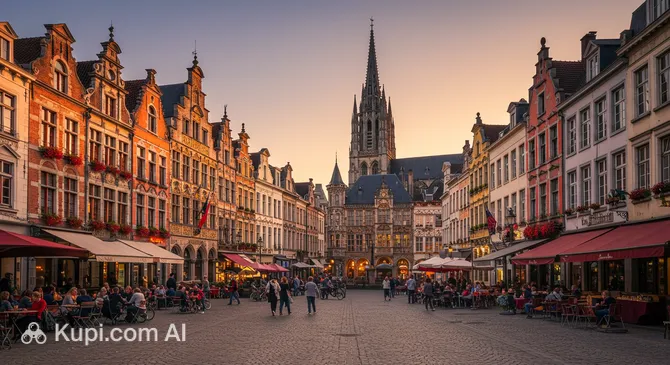
Hasselt. Source: Kupi.Binoculars

While the city feels youthful and energetic, it has deep roots. You can delve deeper into the fascinating history of Hasselt to understand how it evolved from a medieval trading center into today's hub of culture and commerce. Walking through the streets, you will encounter diverse architectural styles that whisper stories of the past.

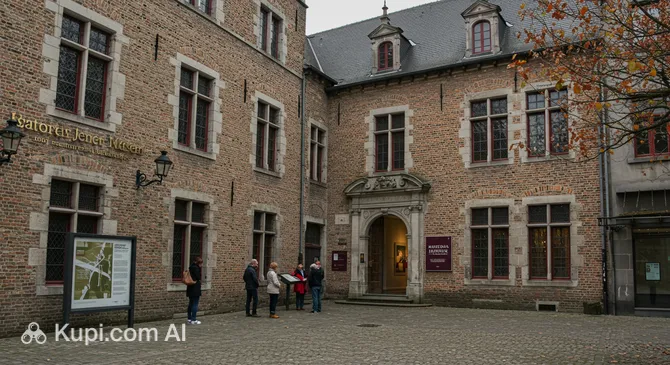
Travelers are drawn here for several unique attractions. Hasselt is famous for its Jenever (Dutch gin) heritage, which is celebrated annually and showcased in the National Jenever Museum. For those seeking tranquility, the city boasts the largest Japanese Garden in Europe, a serene oasis perfect for contemplation. Additionally, fashion enthusiasts will appreciate the renowned Modemuseum (Fashion Museum), which highlights the city's status as a shopping paradise.

Whether you are here to sample the local spirits, shop in exclusive boutiques, or simply wander through scenic streets, Hasselt promises a memorable experience. It is a delightful destination that perfectly captures the warm and welcoming spirit of the Limburg region.
Weather Overview

The climate in this part of Limburg is generally mild and temperate, making the city a year-round destination, though the experience varies significantly by season. To help plan your packing and activities, you can check the detailed weather in Hasselt page. Generally, visitors can expect distinct seasons with moderate rainfall distributed throughout the year.

Summers are typically pleasant and warm, with August being the hottest month, boasting average temperatures around 19.3°C and daily highs reaching up to 23.7°C. This is an excellent time for exploring outdoor attractions like the Japanese Garden. In contrast, winters are chilly, with January seeing average temperatures drop to approximately 4.2°C and nightly lows hovering near 2.0°C.

Rain is a constant companion in the region, so carrying an umbrella is always a good idea regardless of when you visit. December tends to be the dampest month with about 18 wet days, while June offers slightly drier conditions with around 11 wet days. Overall, expect pleasant, warm summers with occasional showers and cold, damp winters.

Interesting Facts

Beyond the well-trodden paths and popular sights, Hasselt hides a collection of intriguing details that define its unique character. Here are a few surprising facts to deepen your appreciation of this Limburg capital.
National Jenever Museum. Source: Kupi.Binoculars
  • A Pioneer in Free Transport: For nearly 16 years, Hasselt was world-famous as the first city to offer completely free public bus transport to everyone. This bold social experiment, which ran until 2013, significantly reduced car traffic and became a global case study for sustainable urban planning.

  • A Unique Culinary Treat: While Belgium is renowned for crispy spiced biscuits, this city produces a distinct variety known as Hasselt Speculaas. Unlike the crunchy versions found elsewhere, this local delicacy is thick, soft, and cake-like, offering a texture that is unique to the region.

  • The Spirit of the City: The local passion for gin runs deep. During specific annual festivities, the "Borrelmanneke" statue has been known to dispense actual jenever instead of water. You can explore this rich spirited history further at the National Jenever Museum, which is housed in a working 19th-century distillery.

  • Graffiti City: Far from just being a historic center, Hasselt is a massive open-air canvas for modern art. The city actively supports street art and features over 80 vibrant murals created by international artists on building facades throughout the town.

  • Roots in Nature: The name "Hasselt" is historically derived from the word Hasaluth, which translates to "a place with hazel trees." This etymology serves as a reminder of the lush, wooded landscape that originally defined the area.

How to Get There

Reaching the capital of Limburg is relatively straightforward, thanks to its central location in the Euregio Meuse-Rhine. Whether you are arriving from a neighboring country or flying in from further afield, there are several convenient options to consider. To help you plan the best route for your itinerary, you can read more about how to get to Hasselt and the various transport connections available.

The city of Hasselt does not have its own airport, but you can fly into Brussels Airport (IATA: BRU) in the city of Brussels, which is about 59.7 km from Hasselt. It is the primary international gateway to Belgium, handling a large volume of passengers annually. The journey from the airport by taxi or transfer typically takes about an hour depending on traffic. Alternatively, many travelers choose Eindhoven Airport (IATA: EIN) in Eindhoven, located approximately 57.9 km away. This airport is a significant hub for low-cost carriers, and the drive generally takes around 50 to 60 minutes.

For clarity, here is a summary of the main airports:

Airport Name City Passenger Traffic Km from City
Brussels AirportBrusselsLarge59.7
Eindhoven AirportEindhovenMedium57.9
Antwerp International AirportAntwerpSmall67.6
Maastricht Aachen AirportMaastrichtSmall30.8
Liege AirportLiegeSmall33.5

If you prefer traveling by rail, the region is well-served by major train lines, although for international high-speed connections, you may arrive at a hub in a neighboring city first. You can arrive at the Liège-Guillemins Station (IATA: XHN) in the city of Liege, which is about 37.7 km from Hasselt. Known for its futuristic architecture, this station is a key node in the European rail network. From there, a taxi or private transfer takes roughly 35 to 45 minutes. Another close option is Maastricht Railway Station (IATA: ZYT) in Maastricht, situated roughly 27.7 km away, with a transfer time of approximately 30 minutes by road.

Below is an overview of the nearest major railway stations:

Station City Passenger Traffic Km to Center
Eindhoven Railway StationEindhovenLarge57.9
Mechelen StationMechelenLarge61.6
Liège-Guillemins StationLiegeLarge37.7
Aachen HauptbahnhofAachenMedium56.4
Maastricht Railway StationMaastrichtMedium27.7

Main Attractions

Hasselt offers a diverse range of sights that cater to culture vultures, fashionistas, and those looking to relax by the water. The city seamlessly blends its historical roots with modern developments, providing visitors with a variety of engaging experiences within a compact area.

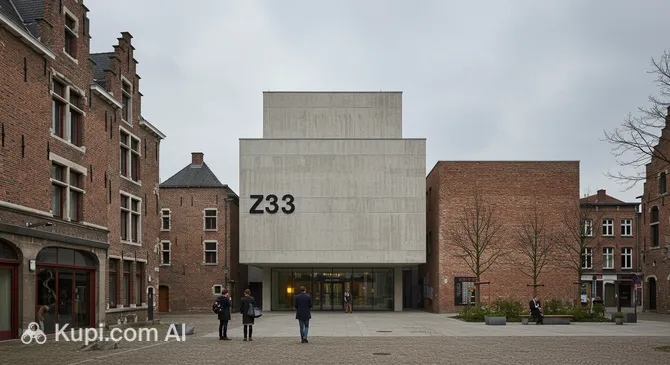
For art and design enthusiasts, the Z33 House for Contemporary Art, Design & Architecture is an absolute must-see. Located near the historic Beguinage, this dynamic institution distinguishes itself by not holding a permanent collection. Instead, it hosts an ever-changing lineup of exhibitions that explore social themes through visual arts and design. The building itself is a marvel of modern architecture, offering a striking and intriguing contrast to the city's older structures.

Z33 House for Contemporary Art, Design & Architecture. Source: Kupi.Binoculars

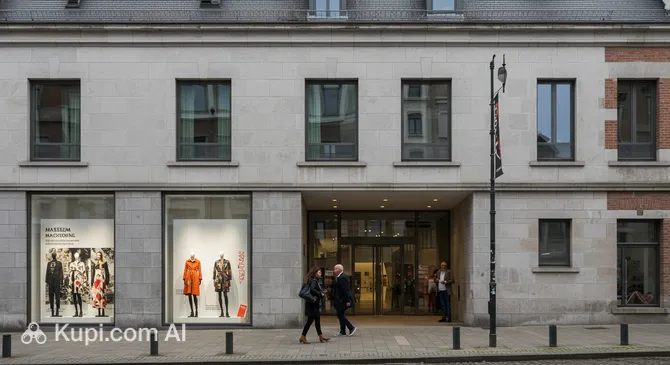
As a city that prides itself on style, the Fashion Museum Hasselt (Modemuseum) is a key cultural pillar. Housed in a beautifully preserved 17th-century building, it presents the history of fashion from the 18th century to the present day. The museum is renowned for its curated thematic exhibitions that dive deep into specific eras, designers, or trends, making it a fascinating stop for anyone interested in the evolution of clothing and style.

Fashion Museum Hasselt. Source: Kupi.Binoculars

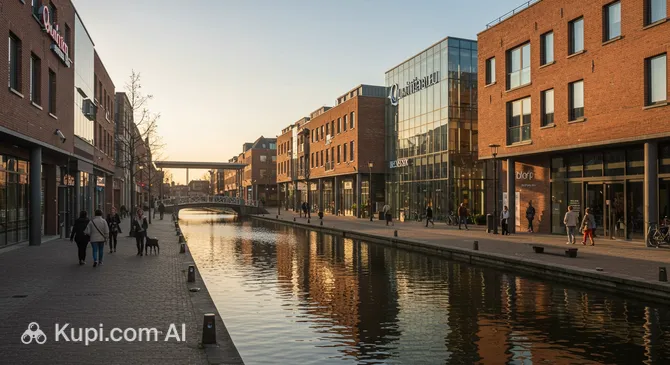
For a modern twist on the city experience, visitors should head to Quartier Bleu. This newly developed district has transformed the canal basin into a lively hub of activity, featuring a sophisticated mix of upscale shopping, dining, and residential spaces. Strolling along the boulevard here offers a relaxing atmosphere where you can enjoy a meal with a view of the marina, effectively bridging the gap between the historic center and the water.

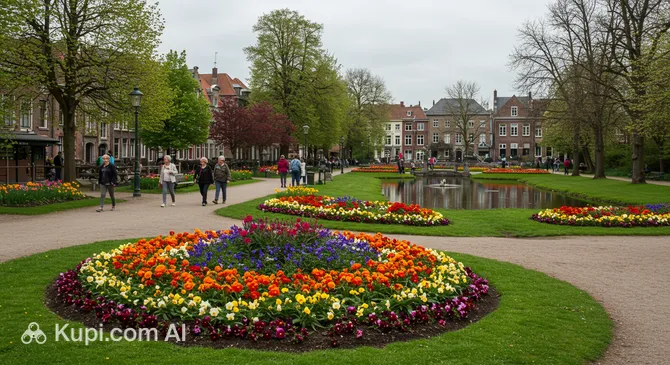
Those seeking a peaceful retreat within the city limits will find solace in Hasselt City Park. This green oasis is perfect for a leisurely walk or a quiet picnic away from the busy streets. It serves as a communal backyard for locals and provides a refreshing break, featuring well-maintained paths and plenty of space to unwind surrounded by nature.

Local Cuisine

Living up to its reputation as the "Capital of Taste," Hasselt offers a culinary scene that is as rich and varied as its history. The city is a gastronomic destination where good food and drink are celebrated as essential parts of daily life. From high-end restaurants to cozy brasseries, the emphasis here is on quality ingredients and the warm hospitality characteristic of the Limburg region.

Those with a sweet tooth will find themselves in paradise. The most famous local delicacy is undoubtedly Hasselt Speculaas. Unlike the thin, crunchy spiced biscuits found elsewhere in Belgium, the version here is a thick, soft, and crumbly cookie with a texture similar to cake, often flavored with almonds and honey. Another regional staple is the Limburgse Vlaai, a traditional fruit tart with a yeast dough base, filled with cherries, apricots, or other fruits, and often topped with a lattice crust. It is the perfect accompaniment to an afternoon coffee.

On the savory side, the local cuisine is hearty and comforting. During the spring season, Limburg asparagus—often called "white gold"—dominates menus, typically served with ham, hard-boiled eggs, and melted butter. For a robust main course, you might encounter stews cooked with local beer or even a splash of gin, reflecting the city's distilling heritage. The abundance of fresh local produce ensures that seasonal dishes are always a highlight.

No culinary guide to this city would be complete without mentioning Jenever. Hasselt is the undisputed gin capital of Belgium, and this grain spirit is deeply ingrained in the local culture. While you can order a classic "borrel" in almost any bar, true enthusiasts should visit the National Jenever Museum to understand the craft and taste different varieties, ranging from pure grain to creamy fruit flavors like cactus or chocolate.

When it comes to dining out, the locals love to gather on the terraces of the Grote Markt and the Zuivelmarkt, which are packed with lively cafes and eateries. For a more modern dining experience with a view, many head to the waterfront at Quartier Bleu. This stylish district offers a range of culinary options right by the canal, making it an excellent spot for a sunset dinner.

Quartier Bleu. Source: Kupi.Binoculars

The city's nightlife and social scene often revolve around these culinary hubs. After dinner, the atmosphere transitions seamlessly into vibrant evening drinks. Historic venues like Hooghuis provide a unique setting where history meets modern hospitality, allowing visitors to enjoy local beers and spirits in a building that has stood the test of time.

Travel Tips

To ensure your visit to the "City of Taste" is as smooth and enjoyable as possible, we have compiled a set of essential guidelines. Whether you are here to explore the fashion boutiques or relax in the Japanese Garden, these practical tips will help you navigate local customs and logistics with ease.

  1. Clothing and Gear: As Hasselt is a fashion capital, locals tend to dress smart casual. You will fit right in with stylish but practical attire. However, the city center features many charming cobblestone streets, so comfortable walking shoes are a must. The weather can be unpredictable, so always carry a compact umbrella or a raincoat, regardless of the season. For electronics, bring a Type E or Type C power adapter.

  2. Transportation: The city center is compact and best explored on foot. For longer distances, the local bus network (operated by De Lijn) is reliable and affordable. Since Limburg is known as a cycling paradise, renting a bike is an excellent way to get around; look for the "Blue-bike" sharing points at the train station. If you arrive by car, it is best to park in one of the underground garages or Park & Ride (P+R) lots along the "Green Boulevard" ring road, as street parking in the center is limited and expensive.

  3. Finances: The currency is the Euro (€). Credit and debit cards (Visa, Mastercard, and Maestro) are widely accepted in shops and restaurants. However, some smaller cafés or market stalls may still prefer cash or local Bancontact cards, so keeping a small amount of cash is wise. ATMs are easily found throughout the city. Tipping is not mandatory as service is included in the bill, but rounding up or leaving a few euros for good service is a polite gesture.

  4. Health and Safety: Hasselt is generally a very safe city for tourists. Pharmacies are marked with a green cross; if you need urgent medication outside regular hours, a list of "pharmacies on duty" is usually displayed in their windows. In case of a serious emergency, dial 112 for police, ambulance, or fire services. The city center is safe to walk at night, but standard precautions against pickpocketing apply in crowded areas.

  5. Communication: The official language is Dutch (specifically the Flemish variety). However, English is widely spoken and understood, especially by younger people and those in the hospitality industry. It is polite to start a conversation with a greeting like "Hallo" (Hello) or "Goeiedag" (Good day). Free Wi-Fi is often available in public squares, museums, and cafés, making it easy to stay connected.

  6. Local Etiquette: Belgians appreciate politeness and modesty. When entering a shop or café, a simple greeting is customary. On escalators, stand on the right so others can pass on the left. If you are invited to someone's home, punctuality is highly valued. In restaurants, dining is often a leisurely affair; don't feel rushed to leave as soon as you finish eating.

  7. What to Avoid: Never walk in the designated bike lanes. These are often reddish-colored or marked with bicycle symbols. Cyclists in Hasselt move quickly and expect pedestrians to stay on the sidewalk; blocking their path is considered rude and can be dangerous.

  8. Shopping Hours: Be aware that most shops are closed on Sundays. Since Hasselt is a major shopping destination, this can catch tourists off guard. However, the city hosts specific "Koopzondagen" (Shopping Sundays) several times a year—usually the first Sunday of the month or during holiday seasons—when boutiques open their doors. Check the local calendar if you plan to shop on the weekend.

With these tips in hand, you are ready to immerse yourself in the warm atmosphere of Hasselt. Embrace the local pace of life, enjoy the culinary delights, and have a wonderful time exploring this gem of the Limburg province!

Entertainment & Nightlife

When the sun sets, the "City of Taste" transforms into a lively hub of evening entertainment, offering a vibrant mix of cozy pubs, stylish cocktail bars, and energetic clubs. Thanks to its significant student population and a culture that values good company, the nightlife in Hasselt is both spirited and welcoming. The atmosphere is generally relaxed yet sophisticated, with locals enjoying long evenings on heated terraces before moving on to dance venues.

The epicenter of nightlife is undoubtedly the Zuivelmarkt. This picturesque square is packed with bars and brasseries, creating a massive open-air social space where people gather to enjoy Belgian beers and local genevers. Just a short walk away, the Kolonel Dusartplein serves as another major hotspot, particularly popular with the younger crowd and students. Here, the energy picks up late in the week, especially on Thursday nights, which are traditionally known as student nights.

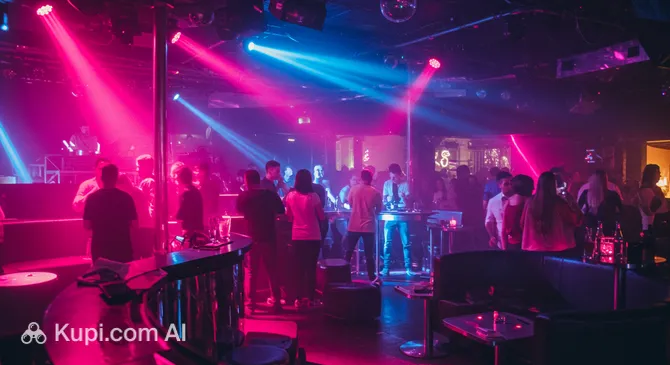
For those looking to combine dining with dancing, 5th Avenue is a well-known destination. Located conveniently in the city, it offers a unique concept that transitions from a restaurant into a club atmosphere as the night progresses, making it a favorite for groups celebrating special occasions.

5th Avenue. Source: Kupi.Binoculars

Another venue that captures the essence of the city is Hooghuis. Housed in a historic building, it blends the charm of traditional architecture with a lively bar setting. It is an excellent spot to immerse yourself in the local vibe, whether you are starting your evening with a drink or winding down after a meal.

Practical advice for a night out is simple: the city center is compact and safe to walk around. Most bars are open until late, with clubs typically filling up around midnight. The dress code is generally smart casual; while not overly strict, looking neat is appreciated. If you need to travel further afield after a night out, taxis are readily available at designated stands, particularly near the Kolonel Dusartplein, or can be ordered via phone.

While the nights are electric, daytime entertainment in Hasselt is equally engaging but more culturally focused. Visitors can spend their days exploring the renowned Fashion Museum Hasselt or enjoying the tranquility of the Japanese Garden. For a mix of shopping and leisure, a stroll through the modern Quartier Bleu offers a relaxing way to spend the afternoon by the water before the evening festivities begin.

Parks & Museums

Parks & Museums:

Beyond its bustling shopping streets and lively cafes, Hasselt surprises visitors with its abundance of greenery and a deeply rooted cultural scene. The city offers a refreshing balance between urban energy and tranquil retreats, making it easy to alternate between museum hopping and relaxing in nature.

One of the city's crowning jewels is the Japanese Garden, the largest of its kind in Europe. This meticulous landscape is a symbol of the friendship between Hasselt and its Japanese sister city, Itami. It features traditional tea houses, koi ponds, and cherry blossoms that create a spectacular display in spring. It is a place of profound silence and beauty, perfect for meditation or a gentle stroll.

For a green escape right in the city center, the Hasselt City Park is the local favorite. Located near the cultural center, this park serves as a vibrant meeting place for families and students. It offers well-maintained paths, playgrounds, and plenty of benches under the shade of mature trees, making it an ideal spot for a picnic between sightseeing stops.

Hasselt City Park. Source: Kupi.Binoculars

Nature lovers willing to venture slightly further should visit Domein Kiewit. This extensive nature reserve offers hiking trails, a petting zoo, and organic gardens. It is particularly popular with families and provides a genuine immersion into the diverse landscapes of the Limburg region.

Culturally, the city punches above its weight with institutions that celebrate its unique heritage. The National Jenever Museum is essential for understanding Hasselt's identity. Housed in a fully operational 19th-century distillery, it engages all the senses, allowing visitors to smell the herbs, see the copper stills in action, and taste the final product.

Fashion enthusiasts will find their haven at the Fashion Museum Hasselt. This venue does not just display clothes; it curates thought-provoking exhibitions that link historical garments to contemporary trends and social issues. Nearby, the Z33 House for Contemporary Art, Design & Architecture offers a cutting-edge contrast. Located in the historic Beguinage site, it is a laboratory for artistic experiment, hosting temporary exhibitions that challenge and inspire.

History buffs should not miss the St. Quentin Cathedral (Sint-Quintinuskathedraal). Standing tall in the city center, this Gothic structure features stunning stained glass and a carillon that fills the streets with music. Another significant site is the Herkenrode Abbey, a former Cistercian nunnery located just outside the city, which now serves as a heritage site with beautiful herb gardens and an experience center.

For a truly authentic experience, explore the city's alleyways to discover its Street Art collection. Hasselt has embraced graffiti as an art form, with massive murals tucked away in unexpected corners. Additionally, the courtyard of the historic Beguinage, where Z33 is located, offers a hidden pocket of silence and history that many tourists overlook in favor of the main squares.

Getting Around

Public transport in Hasselt is efficient and user-friendly, primarily relying on an extensive bus network operated by the Flemish transport company, De Lijn. Since the city does not have a metro or tram system, buses serve as the main motorized way to navigate the city center and the surrounding districts. The network is well-organized, with the main transport hubs located at the railway station and the bustling Kolonel Dusartplein, making transfers straightforward for visitors.

For payment, the system has modernized significantly to accommodate travelers. You can easily pay for a single journey using contactless payment with your debit or credit card (Visa, Mastercard) directly on the white terminals inside the bus. Alternatively, you can purchase tickets via the official De Lijn app, which is often slightly cheaper and more convenient. If you plan to stay longer or travel frequently, consider buying a multi-ride card at a "Lijnwinkel" shop or a ticket vending machine found at major stops.

Travelers should note that cash payments to the driver are generally no longer accepted. It is essential to have a valid ticket before boarding or to use the contactless terminal immediately upon entry to validate your ride. Buses typically operate from early morning until around 11:00 PM, though frequencies decrease in the evenings and on weekends. It is advisable to check the digital displays at bus stops or use a mobile route planner for real-time schedules.

Given the compact nature of the city, walking is often the most pleasant way to explore the historic center, which is largely pedestrianized. However, cycling is a highly popular alternative and arguably the best way to experience the local lifestyle in this bike-friendly region. Visitors can easily rent bicycles at the "Blue-bike" point located at the train station, allowing for quick travel between the city center and outer attractions like the Japanese Garden.

Taxis are available but are less commonly hailed on the street compared to larger cities. You can find designated taxi stands at the railway station and Kolonel Dusartplein, or you can book one by phone for a specific pickup. While there are no historic trams or cable cars, the bus route circling the "Green Boulevard"—the ring road following the path of the old city walls—provides a convenient loop for getting from one side of the center to the other quickly.

Accommodation

Finding a place to stay in Hasselt is generally a pleasant experience, as the city offers a welcoming mix of accommodation options that reflect its hospitable character. Visitors can choose from a variety of styles, ranging from modern chain hotels with full amenities to charming bed and breakfasts tucked away in historic townhouses. For those seeking a more intimate experience, there are several boutique hotels that emphasize design and comfort, fitting perfectly with the city's reputation as a fashion and taste capital. Apartments and vacation rentals are also available, providing a home-away-from-home atmosphere for families or longer stays.

When it comes to choosing a location, the most popular area for tourists is undoubtedly the historic city center, specifically within the "Green Boulevard" ring road. Staying here places you within walking distance of the main shopping streets, the Grote Markt, and the major museums. This area is perfect for travelers who want to step out of their hotel and immediately immerse themselves in the lively café culture. Alternatively, the area around the railway station is convenient for business travelers or those planning to explore the wider Limburg region by train, offering quick access to transport while still being just a short walk from the center.

A helpful tip for booking accommodation in Hasselt is to plan well ahead if you are visiting during major local events. The city hosts popular festivals such as the Jeneverfeesten in October or the nearby Pukkelpop festival in summer, during which rooms can sell out months in advance. Additionally, weekends can be busier due to the influx of shoppers, so securing your reservation early ensures you get the best choice of location and price.

In terms of pricing, Hasselt is generally more affordable than larger Belgian cities like Brussels or Antwerp. Budget travelers can find hostels and economical hotels, while the mid-range category offers excellent value with high standards of cleanliness and service. Luxury options are available but tend to be understated and focused on quality rather than opulence. Booking is straightforward, with most properties listed on major international online platforms, though booking directly through a hotel's website can sometimes yield special offers or packages that include breakfast or bike rentals.

Nearby Cities

For those looking to explore the surroundings, Hasselt serves as an excellent base for day trips to several interesting nearby locations:

City Population Distance (km)
Genk6611013
Beringen4606515
Sint Truiden4067216
Bilzen3231814
Tongeren3114219

Just a short distance away, Genk offers a fascinating contrast with its rich industrial heritage. Known for the C-mine expedition, this city has transformed its former coal mining sites into vibrant cultural hotspots, while also serving as a gateway to the sprawling Hoge Kempen National Park for nature lovers.

For history enthusiasts, Tongeren is an unmissable stop. Recognized as the oldest town in Belgium, it boasts impressive Roman walls, a renowned Gallo-Roman Museum, and a famous weekly antique market that attracts collectors from all over the region. Additionally, Sint Truiden lies in the heart of the fruit-growing region, offering beautiful blossom scenery in spring and a charming historical center.

These nearby destinations offer a glimpse into the diverse culture and landscapes of the region.

Shopping & Souvenirs

Shopping in Hasselt is a delightful experience that justifies its reputation as an exclusive fashion city. Known regionally as a premier shopping destination, the city offers a compact and walkable center where high-end luxury blends seamlessly with accessible high-street fashion. Whether you are looking for the latest trends, unique designer pieces, or local artisanal products, the diverse range of stores within the "Green Boulevard" ensures that every visitor finds something to their taste.

The heart of the shopping district is formed by the pedestrianized Demerstraat and Koning Albertstraat. These bustling streets are home to well-known international retail chains and popular clothing brands, making them the go-to spots for general shopping. For those seeking a more upscale experience, the Kapelstraat and Hoogstraat offer a collection of chic boutiques, exclusive fashion houses, and independent concept stores. Wandering through these elegant streets reveals why the city attracts fashionistas from across the country.

For a modern shopping experience with a scenic twist, visitors should head to Quartier Bleu. Located at the canal basin, this newly developed district features a sophisticated open-air boulevard lined with fashion retailers, lifestyle shops, and waterfront restaurants. It provides a relaxed atmosphere where you can combine a shopping spree with a pleasant stroll along the marina, bridging the historic center with the water.

Travelers who enjoy the vibrant atmosphere of open-air commerce will appreciate the weekly markets held on the Kolonel Dusartplein. On Tuesday and Friday mornings, this square transforms into a lively hub where locals buy fresh produce, textiles, and flowers. It is an excellent place to observe local life and perhaps pick up some fresh fruit or regional snacks while exploring the city.

When it comes to souvenirs, Hasselt offers distinct local treasures that reflect its culinary heritage. A bottle of Hasselt Jenever is the classic gift; this traditional gin comes in a vast array of flavors, from classic grain to sweet cream varieties. Another must-buy is the Hasselt Speculaas, a soft, almond-filled cookie that is distinctively different from the crunchy spiced biscuits found elsewhere. These treats are widely available in local bakeries and specialty shops throughout the center.

Most shops in the city are open from Monday to Saturday, typically operating between 10:00 AM and 6:00 PM. While stores are generally closed on Sundays, Hasselt frequently hosts "Shopping Sundays" (Koopzondagen), usually on the first Sunday of the month and during holiday periods, when boutiques open their doors to weekend visitors. Payments are convenient, with credit and debit cards (Visa, Mastercard, Maestro) being widely accepted, though carrying a small amount of cash for market stalls is always a good idea.

Tourists residing outside the European Union may be eligible for a VAT refund on purchases exceeding a certain amount, typically around €50 in a single store. Look for shops displaying "Tax-Free" signage and ask for a refund form at the checkout to claim your tax back upon departure from the EU.

Reached the end of the page?

That means the route is fully explored