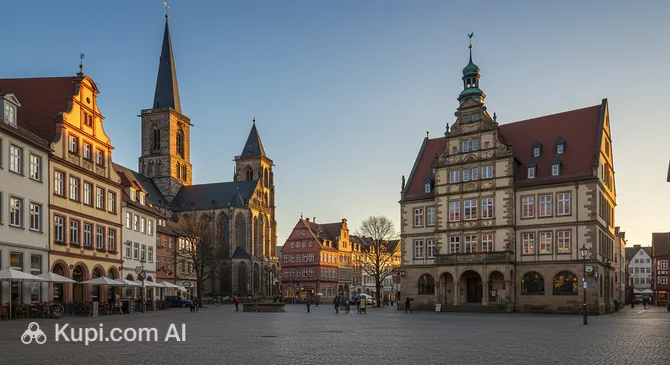
Welcome to Paderborn, a dynamic city located in the eastern part of the North Rhine-Westphalia state in Germany. Known for its lively atmosphere and significant heritage, this city offers a fascinating blend of medieval architecture and modern innovation. With a population of approximately 152,000 residents, Paderborn serves as a vibrant university town and a cultural hub, providing visitors with a welcoming environment that balances urban energy with lush green spaces.
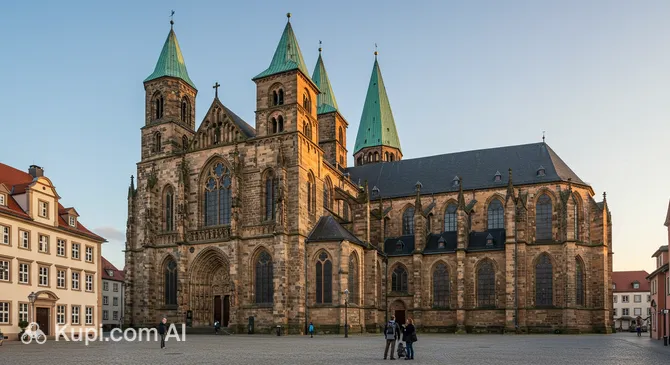
The city derives its name from the Pader River, which bubbles up from over 200 springs right in the city center, creating a unique and picturesque landscape. As you explore the streets, you will encounter the deep history of Paderborn, which dates back over 1,200 years to the time of Charlemagne. The magnificent Paderborn Cathedral (Dom) stands as a testament to this legacy, dominating the skyline with its impressive Romanesque and Gothic architecture.
Paderborn. Illustration.
Source: Kupi.com AI
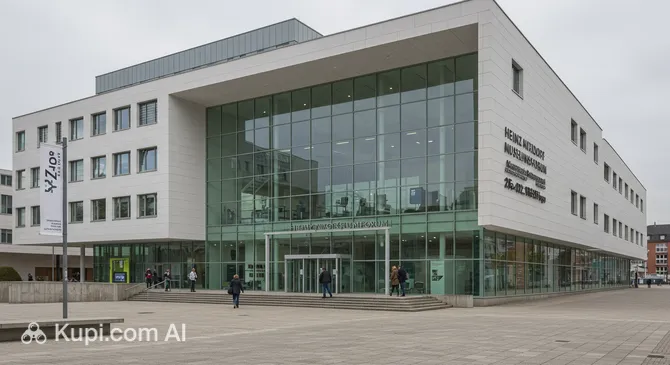
Beyond its historical roots, Paderborn is a city of contrasts. It is home to the Heinz Nixdorf MuseumsForum, the world's largest computer museum, showcasing the region's status as a center for IT and technology. Visitors can enjoy a relaxing walk along the Pader springs park or explore the historic Adam-and-Eve-House, one of the oldest half-timbered houses in the area. Whether you are a history buff or a technology enthusiast, Paderborn invites you to discover its many charms and enjoy an unforgettable stay.
Weather Overview
The climate in Paderborn is temperate, characterized by distinct seasons that offer a variety of experiences for travelers. Generally, the city enjoys mild and pleasant summers, while winters tend to be chilly and damp. For those planning a trip, understanding the local conditions is key to packing the right gear, as rainfall is distributed fairly evenly throughout the year.
During the warmest months of June, July, and August, average temperatures hover around 18°C, with daily highs often reaching 22°C to 23°C. This is typically the best time for exploring the city's parks and outdoor attractions. Conversely, the winter season from December to February sees average temperatures drop to between 2°C and 4°C, with overnight lows occasionally dipping near freezing. January and December are historically the wettest months in terms of frequency, with up to 18 wet days each.
Spring and autumn serve as transition periods with moderate temperatures, ranging from an average of 5.6°C in March to 14.9°C in September. Regardless of when you visit, it is advisable to carry an umbrella or a raincoat. You can find more detailed monthly breakdowns and current forecasts on our dedicated weather in Paderborn page. Overall, expect warm summers with occasional rain and cold, damp winters.
Average monthly temperature
Average monthly precipitation
Interesting Facts
Beyond the historic facades and lively streets, Paderborn hides intriguing stories that surprise many visitors. From unique geological features to curious ancient symbols, the city offers plenty of details to discover.
Paderborn is famous for the Pader, which is often cited as Germany's shortest river. Fed by roughly 200 springs bubbling up in the heart of the city, it runs for only four kilometers before merging with the Lippe River, creating a lush green zone right in the urban center.
A mysterious symbol known as the "Three Hares Window" can be found in the inner courtyard of the Paderborn Cathedral. The stone carving depicts three hares sharing three ears in an optical illusion where every hare appears to have two, a puzzle that has fascinated visitors for centuries.
The city claims a significant spot in the digital world as the home of the Heinz Nixdorf MuseumsForum. This facility is recognized as the world's largest computer museum, showcasing thousands of years of information technology history from ancient writing to modern robotics.
Paderborn played a pivotal role in European history when Charlemagne chose it as the site for the first Imperial Diet on Saxon soil in 777. This gathering brought together Frankish and Saxon leaders and is often considered a foundational moment for the Holy Roman Empire.
Paderborn Cathedral. Illustration.
Source: Kupi.com AI
Traveler photos:
How to Get There
Reaching this part of North Rhine-Westphalia is quite convenient due to its central location and good transport infrastructure. For a comprehensive guide on all travel options, you can read more about how to get to Paderborn. The city is served by its own local airport and is within reasonable distance of several major international hubs.
The most direct way to arrive by air is via Paderborn Lippstadt Airport (PAD), which is a regional airport located approximately 15.9 km from the city center. A taxi or bus ride from here typically takes about 45 minutes. For a wider range of international flights, many travelers choose Dusseldorf International Airport (DUS) in Dusseldorf. Situated about 146.6 km away, it is a large hub with extensive global connections; the journey by road from Dusseldorf to Paderborn generally takes between 1.5 and 2 hours. Another viable option is Dortmund Airport (DTM) in Dortmund, located about 82.4 km away, offering a middle ground in terms of distance.
For clarity, here is a summary of the main airports:
For those traveling by train, while Paderborn has local rail connections, long-distance high-speed trains often serve larger hubs in the vicinity. One of the closest major interchanges is Kassel-Wilhelmshöhe Station in the city of Kassel, located approximately 65.9 km from Paderborn. From there, a connecting train or road transfer typically takes around 1 hour. Alternatively, Hanover Main Station in Hanover is a significant rail hub roughly 99.5 km away, handling a very large volume of passengers and offering extensive connections across Germany.
Below is a list of major railway stations in the surrounding region:
Paderborn offers a diverse range of activities, from deep dives into digital history to exciting live entertainment. Whether you are interested in architectural marvels or modern leisure activities, the city has something to capture your imagination.
One of the absolute highlights is the Heinz Nixdorf MuseumsForum. As the world's largest computer museum, it offers a comprehensive journey through 5,000 years of information technology history. Tourists are often fascinated by the interactive exhibits that trace the evolution from cuneiform writing to artificial intelligence. It is not just for tech enthusiasts; the museum provides a compelling narrative about how communication has shaped human society.
Heinz Nixdorf MuseumsForum. Illustration.
Source: Kupi.com AI
Traveler photos:
Dominating the city center is the imposing Paderborn Cathedral. This architectural masterpiece is a must-visit for its blend of Romanesque and Gothic styles. Visitors are drawn to its massive tower and the crypt, which is one of the largest in Germany. While the famous "Three Hares Window" in the cloister is a well-known curiosity, the cathedral's serene interior and historical significance as a religious landmark make it a profound stop on any tour.
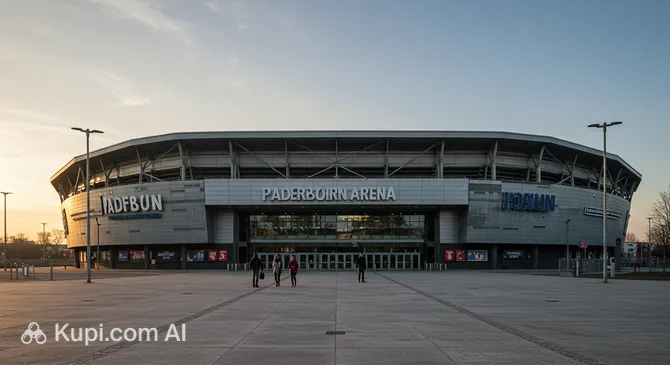
For those seeking entertainment and sports, the Paderborn Arena is the place to be. This modern multi-purpose hall serves as the home ground for the local basketball team and hosts a variety of concerts, comedy shows, and large-scale events throughout the year. The energetic atmosphere during a match or a live performance offers a great way to experience the local culture and community spirit.
Paderborn Arena. Illustration.
Source: Kupi.com AI
Traveler photos:
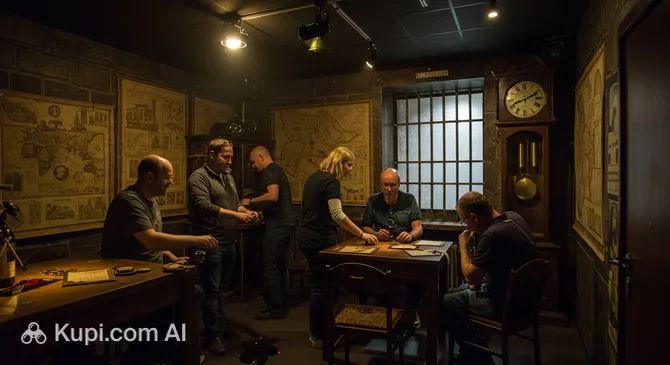
If you are looking for a fun challenge with friends or family, Escape Room Paderborn offers an exciting break from traditional sightseeing. Participants work together to solve puzzles and uncover clues within a set time limit. It is a popular attraction for tourists who enjoy logic games and immersive storytelling, providing a memorable and interactive experience in the heart of the city.
Local Cuisine
The culinary scene in Paderborn is deeply rooted in the hearty traditions of Westphalia. Visitors can expect robust, flavorful meals that prioritize local ingredients and satisfying portions. A true staple of the city is the famous Paderborner Landbrot, a strong, aromatic rye-wheat bread that is well-known across the region. It is often served with savory toppings like Westphalian ham (Westfälischer Schinken) or cheese, making for a perfect rustic snack or traditional "Abendbrot" (evening bread).
For a warm and filling main course, you should try Westfälischer Pickert. This unique potato pancake is a regional specialty, crispy on the outside and soft on the inside, typically served with either sweet apple sauce or savory liver sausage. Another local favorite is Pfefferpotthast, a spicy beef stew cooked with onions and bay leaves, which melts in your mouth and warms you up during the colder months.
No culinary tour of Paderborn is complete without sampling the local brew. The city has a long brewing tradition, and Paderborner Pilsener is the drink of choice for many locals. You will find it on tap in almost every pub and restaurant. The beer culture here is social and relaxed, often enjoyed in traditional taverns or, in the summer, at lively beer gardens.
To experience authentic local hospitality, you can visit the German House Restaurant (Deutsches Haus). Located in a historic building, it offers a charming atmosphere where you can indulge in classic German dishes and regional specialties. It is an excellent spot to immerse yourself in the traditional ambiance of the city.
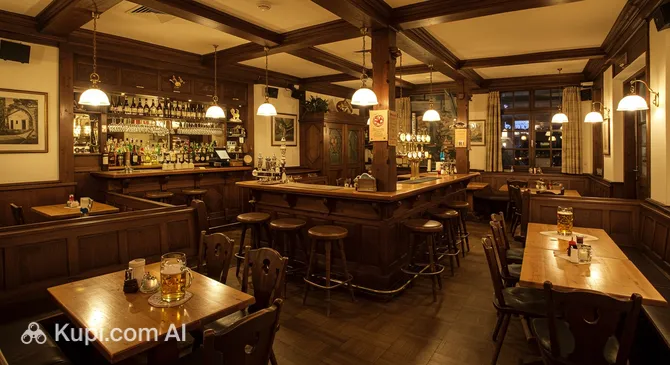
German House Restaurant. Illustration.
Source: Kupi.com AI
Traveler photos:
Dining in Paderborn ranges from these historic establishments to modern bistros catering to the city's large student population. Whether you are looking for a quick bite at the weekly market on the Domplatz or a refined dinner at the Aspethera Hotel Restaurant, the city provides a welcoming environment for food lovers to explore the tastes of North Rhine-Westphalia.
Travel Tips
To ensure your visit to Paderborn is as smooth and enjoyable as possible, we have compiled a list of essential travel advice. Whether you are here to explore the ancient cathedral or attend a conference at the MuseumsForum, these practical tips will help you navigate the city like a local.
Clothing and Gear: The weather in North Rhine-Westphalia can be changeable, so dressing in layers is a smart strategy. Be sure to pack a sturdy umbrella or a waterproof jacket, as showers can occur year-round. Since Paderborn’s historic center features charming but uneven cobblestones, bring comfortable walking shoes. If you plan to enter the Paderborn Cathedral, remember to dress modestly, covering your shoulders and knees.
Transportation: The city center is compact and best explored on foot, but for longer distances, the local bus network operated by PaderSprinter is excellent. You can buy tickets from the driver or via mobile apps; remember to validate paper tickets if necessary. Taxis are available at designated stands or by phone, but they can be pricey. A rental car is generally not needed within the city limits, though it is useful for exploring the surrounding Teutoburg Forest.
Finances: The official currency is the Euro (€). While credit cards (Visa and Mastercard) are increasingly accepted in hotels and larger restaurants, Germany is still very much a cash-based society. Smaller cafés, bakeries, and traditional pubs may only accept cash or the local "EC-Karte" (debit card). ATMs are widely available, and a tip of roughly 5-10% or simply rounding up the bill is customary for good service.
Health and Safety: Paderborn is generally a very safe city for tourists. In case of minor health issues, look for an Apotheke (pharmacy), identifiable by a large red "A" symbol; they operate on a rotating schedule for night and Sunday services. For emergencies, dial 112 for medical or fire assistance and 110 for the police. Tap water is of high quality and safe to drink.
Communication: German is the official language, but English is widely spoken, especially by the younger population and university students. Learning a few basic phrases like "Guten Tag" (Good day) or "Danke" (Thank you) is polite and appreciated. Free Wi-Fi is often available in the city center (look for "Paderborn Freifunk"), and prepaid SIM cards can be purchased at supermarkets or electronics stores, though you will need your passport for registration.
Local Etiquette: Punctuality is highly valued in German culture, so try to be on time for tours or reservations. When entering a shop or elevator, a friendly greeting is the norm. Sunday is considered a quiet day (Ruhetag); most shops and supermarkets will be closed, so plan your shopping for Saturday. In public, keep noise levels down, especially on public transport.
What to Avoid: Do not walk in the designated bicycle lanes, which are often marked in red or paved differently on sidewalks. Paderborn is a bicycle-friendly city, and cyclists ride quickly and expect the path to be clear. Additionally, avoid crossing the street when the pedestrian light is red ("Ampelmann"), as this is frowned upon and can result in a fine, especially if children are watching.
Seasonal Highlight: If you are visiting in late July, be prepared for Libori, one of Germany's oldest and largest folk festivals. The city transforms with markets, fairgrounds, and religious ceremonies. Accommodation fills up months in advance during this week, so book early if your trip coincides with this vibrant celebration.
With these tips in hand, you are well-prepared to experience the unique charm of Paderborn, from its bubbling springs to its historic spires. We hope you have a wonderful journey and enjoy the warm hospitality of this Westphalian city!
Entertainment & Nightlife
As a vibrant university city, Paderborn boasts a lively and unpretentious nightlife scene that caters to a diverse crowd of students, locals, and visitors. The atmosphere is generally relaxed and welcoming, with a strong focus on socializing in cozy pubs and bustling bars rather than exclusive, high-end nightclubs. The heart of the evening action is undoubtedly the city center, particularly the area known as the "Kneipenviertel" (Pub Quarter) around Heiersstraße and Mühlenstraße, where you can find a high density of venues ranging from traditional German taverns to modern cocktail bars.
For those looking to start their evening with an engaging group activity, Escape Room Paderborn is a fantastic choice. It offers a thrilling experience where you and your friends can test your puzzle-solving skills before heading out for drinks. It is a popular way to break the ice and get the adrenaline pumping early in the night.
Escape Room Paderborn. Illustration.
Source: Kupi.com AI
Traveler photos:
If you prefer live entertainment, the Paderborn Arena is the city's premier venue for larger events. Depending on the schedule, you might catch a major pop concert, a comedy show, or a sporting event. The arena draws crowds from all over the region and provides a high-energy atmosphere that contrasts nicely with the more intimate vibe of the downtown pubs.
For a more traditional start to the night, many locals gather at the German House Restaurant (Deutsches Haus). While known for its food, its historic ambiance makes it a great spot to enjoy a freshly tapped Paderborner Pilsener and soak in the local culture before exploring the late-night bars. The dress code in Paderborn is largely casual; jeans and a nice top are perfectly acceptable in almost all bars and clubs.
When it comes to practicalities, the nightlife peaks on Fridays and Saturdays, but Thursday is also a popular "student night" with lively crowds. The city center is compact and safe for walking at night, with well-lit streets and a visible police presence. For getting home, the "PaderSprinter" night buses operate on weekends, and taxis are readily available at designated stands or via phone apps. Prices are generally reasonable compared to larger German cities, with a beer typically costing between €3.50 and €5.00.
While the nights are energetic, Paderborn also offers plenty of daytime entertainment. Culture lovers can visit the Theater Paderborn for contemporary plays or explore the city's cinemas. For shopping enthusiasts, the Südring Center provides a comprehensive retail experience with numerous stores and cafes, offering a perfect way to spend a leisurely afternoon before the evening festivities begin.
Parks & Museums
Paderborn is a city where urban life is seamlessly interwoven with lush nature and a rich tapestry of history. Visitors are often surprised by how green the city is, with parks and gardens providing serene escapes just steps away from bustling streets and historical monuments. From the bubbling springs that gave the city its name to world-class exhibitions, Paderborn offers a diverse array of cultural and recreational experiences.
One of the most unique natural features is the Pader Springs Area (Paderquellgebiet), located right in the heart of the city center. This park is not just a green space but a geological wonder where around 200 springs bubble up to form the Pader River. It is a favorite spot for locals to take a relaxing stroll or enjoy a picnic on the lawns while listening to the sound of flowing water. Another magnificent green space is the park at Schloß Neuhaus. Situated at the confluence of the Lippe, Alme, and Pader rivers, this area features a meticulously maintained Baroque garden that invites visitors to wander through its geometric paths and admire the seasonal blooms.
For culture enthusiasts, the city boasts several impressive museums. The most renowned is the Heinz Nixdorf MuseumsForum, which holds the title of the world's largest computer museum. It offers a fascinating journey through 5,000 years of information technology, making it a compelling destination for both tech geeks and history buffs. In contrast, the Diocesan Museum (Diözesanmuseum) focuses on religious art and history. Housed in a striking building designed by Gottfried Böhm, it displays sacred treasures that reflect Paderborn's long-standing status as an episcopal city.
Architecturally, the city is dominated by the majestic Paderborn Cathedral. With its massive Romanesque tower and Gothic hall, it serves as a landmark of the region's spiritual heritage. A short distance away, the Schloß Neuhaus castle stands as a prime example of the Weser Renaissance style. Once the residence of prince-bishops, the castle and its surrounding moat provide a fairytale backdrop that is perfect for photography and history tours.
For an authentic local experience, venture a bit further out to the Lippesee. This large recreational lake is a hub for water sports, sailing, and cycling, offering a refreshing break from sightseeing. It is a popular weekend destination where you can mingle with residents and enjoy the natural beauty of the Westphalian landscape.
Getting Around
Public transport in Paderborn is efficient, reliable, and primarily based on a comprehensive bus network. Unlike larger German metropolises, the city does not have a subway (U-Bahn) or tram system. Instead, the local transport authority, PaderSprinter, operates a dense web of bus lines that connect the city center, the university, and the surrounding residential districts. The buses are modern, clean, and run frequently, making them the most convenient way for tourists to navigate the city without a car.
The central hub for bus traffic is the Westerntor stop, located near the pedestrian zone, as well as the Central Station (Hauptbahnhof). During the day, buses typically run in short intervals, ensuring that you rarely have to wait long. For late-night explorers, Paderborn offers a special night bus service (Nachtbus) on weekends and public holidays. These lines usually operate from late evening until the early morning hours, allowing visitors to enjoy the local nightlife and return safely to their accommodation.
Paderborn is part of the WestfalenTarif network, which means a unified ticketing system covers buses and regional trains within the area. For tourists, the most practical option is often the Day Ticket (TagesTicket), which allows unlimited travel for one person or a group of up to five people for an entire day. Single tickets (EinzelTicket) are also available for short, one-way trips. Prices are reasonable, with a single journey within the city limits typically costing around €3.00, while a day ticket offers significant savings if you plan to take more than two rides.
Purchasing tickets is straightforward. You can buy them directly from the bus driver (usually cash only, small change is appreciated), at ticket machines located at major stops, or via mobile apps like the "fahr mit" - WestfalenTarif app or the DB Navigator. If you purchase a paper ticket from a machine or a shop, remember to validate it by stamping it in the small machines on board the bus immediately after boarding. Tickets bought from the driver are usually already validated.
While the bus system is excellent, Paderborn is also widely known as a bicycle-friendly city. The terrain is relatively flat, and there is a well-developed network of cycle paths. Renting a bike is a popular alternative for tourists who prefer more flexibility and want to see the city from a different perspective. Several rental shops and bike-sharing schemes are available throughout the city, making it easy to hop on two wheels for a few hours.
For those who prefer private transport, taxis are readily available at designated stands, particularly at the train station and Westerntor, or can be hailed by phone. They are reliable but significantly more expensive than public transport. Additionally, app-based e-scooters have become a common sight in the city, offering a fun and quick way to cover short distances between attractions like the Cathedral and the Pader springs.
Accommodation
Accommodation:
Paderborn provides a welcoming selection of accommodation options that suit various travel styles, from business trips to cultural getaways. The city focuses largely on functionality and comfort, offering a solid range of mid-range hotels, charming family-run guesthouses, and modern serviced apartments. While it may not feature an abundance of ultra-luxury resorts, visitors will find plenty of clean, well-appointed establishments that reflect the region's warm hospitality.
For most tourists, the most convenient area to stay is the city center (Innenstadt). Choosing a hotel within the inner ring road places you within easy walking distance of major landmarks like the Pader springs and the Cathedral, as well as the pedestrian shopping zones. This location is perfect for those who want to explore the historic sites by day and enjoy the local pub culture by night without worrying about transport. Alternatively, if you are visiting for a conference or prefer a quieter environment, the areas north of the center near the Heinz Nixdorf MuseumsForum and the Padersee offer excellent modern hotels with easy access to green spaces.
When planning your stay, it is crucial to consider the local event calendar. A significant booking tip is to secure your accommodation months in advance if you plan to visit during the Libori festival in late July. During this week, the city transforms into a bustling hub with over a million visitors, and finding a room at the last minute is nearly impossible. For the rest of the year, booking a few weeks ahead is usually sufficient.
In terms of cost, Paderborn is reasonably priced compared to larger German tourist hubs like Munich or Hamburg. Travelers can generally expect moderate prices for standard double rooms in central hotels. Budget-conscious visitors have access to smaller pensions and hostels, while those seeking more comfort can find superior rooms in the city's larger business hotels. Reservations are easily made through major online booking platforms, though booking directly with smaller guesthouses can sometimes yield a more personal experience.
Nearby Cities
For those looking to explore the surroundings, Paderborn serves as an excellent base for day trips to several interesting nearby locations:
One of the most culturally rich destinations nearby is Detmold. Located in the heart of the Teutoburg Forest, it is renowned for the massive Hermannsdenkmal (Hermann Monument) and the LWL Open Air Museum, which is one of the largest of its kind in Europe. It offers a fascinating dive into the rural history of the region and is perfect for a full day of exploration.
Another charming option is Lippstadt, often affectionately called the "Venice of Westphalia" due to the many branches of the Lippe River flowing through its center. Visitors can enjoy relaxing walks along the waterways, admire the historic half-timbered architecture, or relax in the Grüner Winkel park.
For those interested in family-friendly activities, Schloss Holte-Stukenbrock is a great choice. It is well-known for the Safari Park Stukenbrock, a combination of a wildlife zoo and an amusement park, making it an exciting destination for travelers with children.
City
Population
Distance
Bad Lippspringe
16 424
8 km
Schlangen
9 276
11 km
Salzkotten
25 062
12 km
Delbrück
32 266
14 km
Hovelhof
16 294
14 km
These nearby destinations offer a glimpse into the diverse culture and landscapes of the region.
Shopping & Souvenirs
Shopping in Paderborn offers a delightful mix of modern retail convenience and historic charm. The city center is compact and pedestrian-friendly, allowing visitors to combine a sightseeing tour of the cathedral and springs with a relaxed shopping spree. From high-street fashion chains to small, owner-managed boutiques, the city provides a diverse commercial landscape that caters to both everyday needs and special interests.
The heart of the shopping action is undoubtedly Westernstraße. This bustling pedestrian zone stretches from the Westerntor to the Rathaus (Town Hall) and serves as the city's main commercial artery. Here, you will find well-known international brands, large department stores, and shoe shops. For a more unique experience, it is worth exploring the smaller side streets around the Marktplatz and the cathedral, where independent boutiques, bookstores, and specialty shops offer curated selections in a quieter atmosphere.
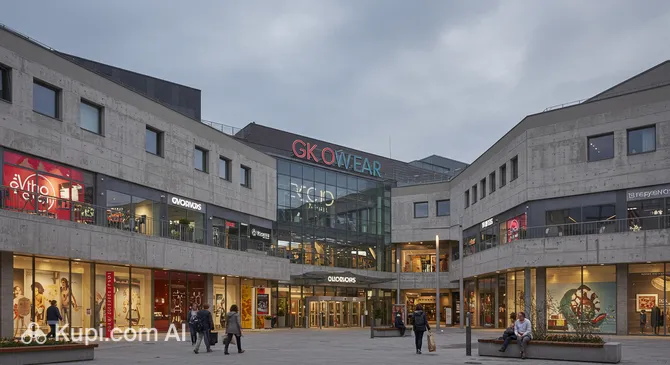
For those who prefer everything under one roof, the city boasts several shopping centers. The largest and most popular is the Südring Center, located just south of the city center. It features a wide array of stores ranging from fashion and electronics to groceries, along with a food court for a quick break. Another option is the Dörenpark Shopping Center, which is convenient for travelers looking for hardware, electronics, or supermarkets on the outskirts of the city.
Südring Center. Illustration.
Source: Kupi.com AI
Traveler photos:
Markets play a vital role in Paderborn's local culture. The traditional Wochenmarkt (weekly market) takes place on the Domplatz (Cathedral Square) every Wednesday and Saturday morning. Set against the backdrop of the imposing cathedral, this market is the best place to buy fresh regional produce, flowers, and local delicacies directly from farmers. It is a vibrant spot where locals gather to chat and shop for the weekend.
When looking for souvenirs, authentic local goods are the best choice. Paderborn is famous for its baking traditions, so a loaf of fresh Paderborner Landbrot (a hearty rye bread) makes for a tasty gift. Beer lovers might appreciate a bottle or glass from the local brewery, Paderborner Brauerei. Additionally, items featuring the "Three Hares" motif (Drei-Hasen-Fenster)—the city's famous architectural puzzle found in the cathedral cloister—are popular keepsakes, available on everything from postcards to pottery.
Store opening hours in Paderborn generally follow standard German practice. Most shops in the city center are open from Monday to Saturday, typically between 10:00 AM and 6:00 PM or 8:00 PM. Supermarkets and larger shopping centers often stay open until 9:00 PM or 10:00 PM. It is important to remember that nearly all shops, including grocery stores, are closed on Sundays. While major credit cards (Visa, Mastercard) and debit cards are widely accepted in department stores and malls, smaller boutiques and market stalls may still prefer cash.
For visitors from outside the European Union, tax-free shopping is often available. Look for the "Tax Free" signage in shop windows. If you spend above a certain threshold, you can request a tax refund form at the checkout, which can be processed at the airport or border upon leaving the EU, allowing you to reclaim a portion of the Value Added Tax (VAT).