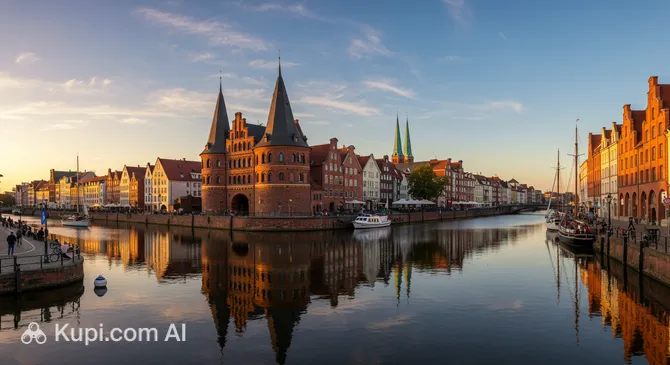
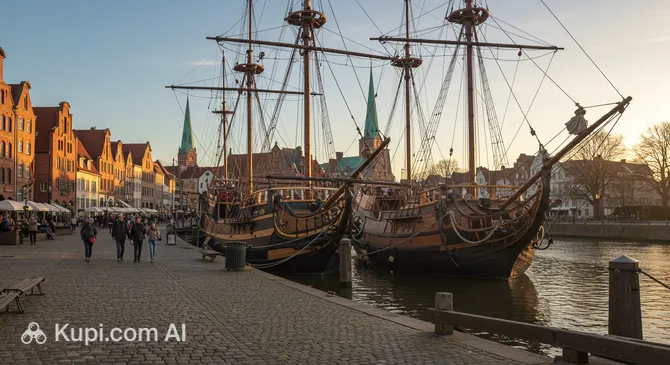
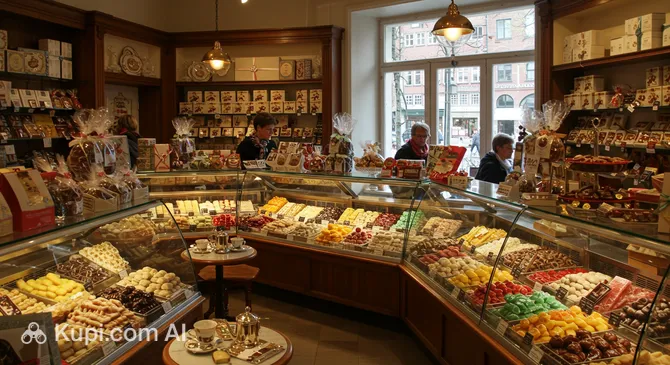
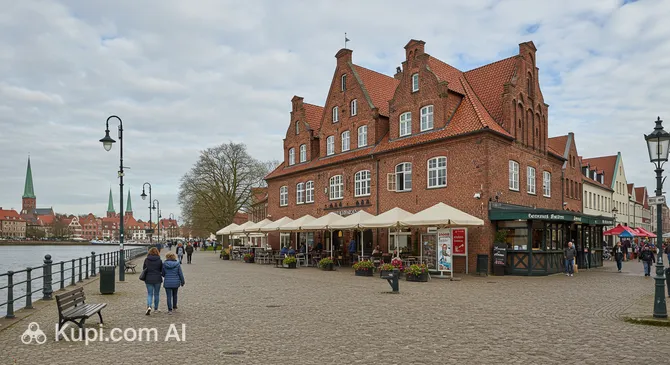
Lübeck, often celebrated as the "Queen of the Hanseatic League," is a captivating destination that effortlessly blends medieval charm with a lively urban atmosphere. Situated in the northern state of Schleswig-Holstein, this historic port city lies along the Trave River, just a short distance from the Baltic Sea. With a population of approximately 216,000 inhabitants, it serves as a major cultural and economic hub in northern Germany. The city is renowned for its iconic skyline, dominated by the spires of seven churches, earning it the affectionate nickname "City of Seven Towers."
Lübeck. Illustration.
Source: Kupi.com AI
The extensive history of Lübeck is visible at every turn, particularly within its well-preserved Old Town, which is an island surrounded by the river and harbor. This area is a UNESCO World Heritage site, famous for its distinctive Brick Gothic architecture. Visitors are greeted by the magnificent Holstentor, a massive brick gate that stands as a proud symbol of the city's former power and wealth. Beyond its architectural splendors, Lübeck is also world-famous for its delicious marzipan, a sweet treat that has been produced here for centuries and makes for a perfect souvenir.
Whether you are wandering through its narrow cobblestone alleys, exploring hidden courtyards, or enjoying a boat tour around the Old Town, Lübeck offers a unique travel experience. It is an ideal destination for those seeking a mix of rich heritage, maritime flair, and culinary delights.
Weather Overview
Lübeck experiences a temperate maritime climate, heavily influenced by its proximity to the Baltic Sea. This location moderates the temperature year-round, preventing extreme heat in the summer and severe frost in the winter. Visitors checking the weather in Lübeck will find that the city is generally humid with a fair chance of precipitation during any season.
The summer months of June through August are typically the most pleasant time to visit, with average temperatures ranging from 17°C to 18°C and daily highs peaking around 22°C. This is an ideal period for sightseeing, although you should still anticipate about 11 to 14 wet days per month. Winters are cold but usually manageable, with average temperatures sitting between 3°C and 4°C and lows rarely dropping far below freezing. Expect mild, comfortable summers with occasional rain and cool, often damp winters throughout the year.
Average monthly temperature
Average monthly precipitation
Interesting Facts
Beyond the brick gothic facades and busy harbor, Lübeck holds many fascinating secrets that surprise even seasoned travelers.
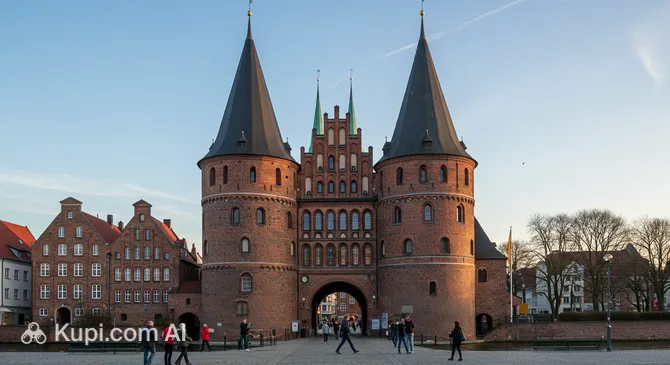
Holstentor Museum. Illustration.
Source: Kupi.com AI
Traveler photos:
The city boasts an impressive density of Nobel laureates. Three Nobel Prize winners—Thomas Mann, Willy Brandt, and Günter Grass—lived or worked here. Visitors can trace this intellectual heritage at the Willy Brandt House Lübeck or explore the literary world of the Mann family at the famous Buddenbrook House.
The city's most famous landmark, the Holstentor Museum, is actually sinking. Built on marshy ground in the 15th century, the heavy brick structure has subsided unevenly over the centuries, causing the towers to lean towards each other and requiring constant engineering efforts to keep it stable.
Lübeck is widely considered the world capital of marzipan. A popular local legend claims the sweet treat was invented here during a medieval famine when bakers, lacking grain, created bread from almonds and sugar. You can dive into this delicious history at the Niederegger Marzipan Museum.
One of the oldest social institutions in Europe is located here. The Hospital of the Holy Spirit was completed in 1286 and served as a shelter for the poor and sick for more than 700 years, preserving its medieval architecture and tiny wooden residents' chambers remarkably well.
How to Get There
Reaching Lübeck is quite convenient due to its location in northern Germany and its proximity to major transport hubs. Whether you are arriving by plane or train, you have several options to choose from. For a detailed overview of all travel methods, you can read more about how to get to Lübeck.
The most significant international gateway for travelers is Hamburg Airport (IATA: HAM). It is not located in Lübeck itself but in the city of Hamburg, approximately 53 km away. It is a large airport offering numerous connections. The journey from there by road typically takes around 45 to 60 minutes, depending on traffic. Another option for visitors is Hannover Airport (IATA: HAJ), located in Hanover. This airport is about 170 km from Lübeck, and a trip by car would take roughly 2 hours.
For clarity, here is a summary of the main airports:
If you prefer traveling by train, the region is well-integrated into the German rail network. A major hub for connections is Hamburg Hauptbahnhof, located in Hamburg, about 56.8 km from Lübeck. It is a massive station with very high passenger traffic, making it a common transfer point for those heading north. From there, you can easily continue your journey to Lübeck by regional train or other transport methods.
Below is a list of major railway stations in the wider region:
Lübeck is a city where history comes alive, offering visitors a chance to step back into the days of the Hanseatic League. While the famous Holstentor often steals the spotlight, the city is packed with other remarkable sites that showcase its rich heritage, architectural beauty, and maritime soul. Exploring these attractions provides a deeper understanding of why this city was once the most powerful trade hub in Northern Europe.
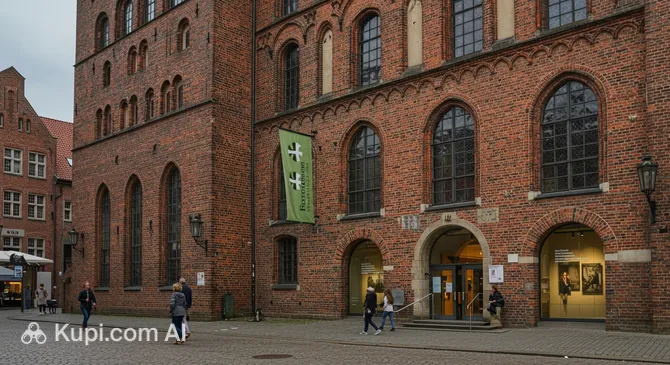
One of the most significant places to visit is the European Hanseatic Museum. This award-winning institution is the largest museum in the world dedicated to the history of the Hanseatic League. It offers a fascinating journey through centuries of trade, wealth, and politics using immersive exhibits and atmospheric stagings. Tourists love it for its modern approach to history, allowing you to not just read about the past, but to feel like you are walking through it.
European Hanseatic Museum. Illustration.
Source: Kupi.com AI
Traveler photos:
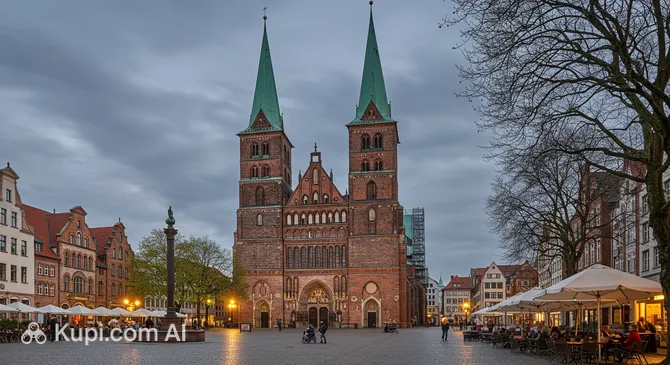
Dominating the southern end of the Old Town is the impressive Lübeck Cathedral. Founded by Henry the Lion in 1173, it is one of the oldest monuments in the Baltic region. The cathedral is a masterpiece of Brick Gothic architecture, renowned for its colossal size and serene interior. Visitors are drawn here to admire the triumphant cross by Bernt Notke and the stunning modern stained-glass windows, making it a peaceful yet awe-inspiring stop on any city tour.
Lübeck Cathedral. Illustration.
Source: Kupi.com AI
Traveler photos:
Art and architecture enthusiasts should not miss St. Anne's Museum Quarter. Housed in a beautifully preserved late-Gothic monastery, this museum contains one of Germany’s most significant collections of medieval sculpture and altar art. The contrast between the historic cloisters and the modern Kunsthalle extension makes it architecturally unique. It is a perfect spot to appreciate the artistic legacy of the region in a quiet, contemplative setting.
For a taste of the city's nautical atmosphere, a walk along the Museum Harbor Lübeck is essential. Located just outside the Old Town, this open-air collection features restored traditional sailing ships that are still seaworthy. It provides a picturesque backdrop for photos and a tangible connection to Lübeck's maritime past. Strolling along the quay here offers a relaxing break from museum hopping and a lovely view of the historic skyline.
Museum Harbor Lübeck. Illustration.
Source: Kupi.com AI
Traveler photos:
Local Cuisine
Lübeck’s culinary reputation is inextricably linked to one sweet delicacy: marzipan. Known locally as "white gold," Lübeck Marzipan is protected by EU law, ensuring a high almond content and superior quality. Visitors simply cannot leave without tasting this almond-sugar treat, which comes in endless variations, from classic chocolate-covered loaves to intricate fruit shapes. While there are several famous producers in the city, connoisseurs often frequent Mest Marzipan to sample their artisanal creations and enjoy the city's rich confectionery tradition.
Mest Marzipan. Illustration.
Source: Kupi.com AI
Traveler photos:
Beyond sweets, the local cuisine reflects the city's maritime heritage and Northern German roots. A signature savory dish is Labskaus, a hearty meal originally created for sailors. It consists of salted meat (usually corned beef) mashed with potatoes, onions, and beetroot, giving it a distinctive pink color. It is traditionally served with a fried egg, pickled gherkin, and rollmops (pickled herring). Another regional favorite is fresh fish from the Baltic Sea, particularly plaice (Scholle) or cod, often served pan-fried with bacon and potatoes.
When it comes to drinks, Lübeck offers a unique historical specialty known as Lübecker Rotspon. Dating back to the Hanseatic era, this tradition involves importing young red wine from France and aging it in local oak barrels, which gives the wine a distinctively smooth and mellow flavor. For beer lovers, the city has a vibrant scene as well. You can visit Sudden Death Brewing, a popular spot in the harbor area, to taste innovative craft beers that offer a modern contrast to the traditional pilsners of the region.
Dining in Lübeck is an atmospheric experience, often taking place in historic merchant houses with high ceilings and maritime decor. The "Kaffee und Kuchen" (coffee and cake) culture is very strong here, with locals spending afternoons in cozy cafes enjoying a slice of marzipan nut torte. For a more casual meal, the areas along the Trave River offer fresh fish sandwiches (Fischbrötchen) that are perfect for a quick, authentic bite while exploring the waterfront.
Travel Tips
To ensure your visit to the "City of Seven Towers" is as smooth as the marzipan it is famous for, a little preparation goes a long way. Here are some essential practical tips to help you navigate Lübeck’s historic streets and local customs with ease.
Clothing and Gear: The weather in Northern Germany can be changeable, so dressing in layers is the best strategy. Even in summer, a light jacket and an umbrella are wise additions to your day pack. Most importantly, wear sturdy, comfortable flat shoes. The Old Town is paved with historic cobblestones that can be unforgiving to high heels or thin soles.
Transportation: The best way to explore the Old Town island is on foot, as most attractions are within walking distance of each other. For trips further afield, such as to the seaside resort of Travemünde, the local bus network (Stadtverkehr Lübeck) and regional trains are reliable and efficient. A car is generally unnecessary and can be a burden due to limited parking in the historic center.
Finances: The local currency is the Euro (EUR). While major hotels and restaurants accept credit cards, Germany is still very much a cash-based society. Smaller cafes, bakeries, and souvenir shops often prefer or only accept cash (Bargeld), so always keep some notes and coins on hand. ATMs are widely available. When tipping, it is customary to round up the bill or leave about 5-10% for good service.
Health and Safety: Lübeck is a very safe city for tourists, but standard precautions against pickpocketing in crowded areas apply. Pharmacies are identified by a red "A" symbol (Apotheke) and are well-stocked. If you need urgent medical assistance, the general emergency number for ambulance and fire services is 112.
Communication: The official language is German, but English is widely spoken, especially in the tourism and hospitality sectors. You will likely hear the local greeting "Moin" (or "Moin Moin") at any time of day; using it is a great way to break the ice. Free Wi-Fi is available in many public areas via "LübeckWLAN," and prepaid SIM cards can be easily bought at supermarkets or drugstores.
Local Etiquette: Punctuality is highly valued here, so try to be on time for tours or reservations. When entering a shop or restaurant, a simple greeting is polite. On Sundays, noise levels are kept low, and locals value a peaceful atmosphere, so avoid loud conversations in residential areas or on public transport.
What to Avoid: Do not walk in the designated bicycle lanes, which are often marked in red or located on the sidewalk. Cyclists in Lübeck ride quickly and expect the path to be clear. Additionally, avoid jaywalking; wait for the green signal at crosswalks, as locals strictly adhere to traffic rules and setting a bad example for children is frowned upon.
Shopping Hours: Be aware that almost all shops, including supermarkets, are closed on Sundays. The only exceptions are usually bakeries in the morning and shops within the main train station. Plan your souvenir hunting for Saturday and save Sunday for museums, church visits, or a stroll along the river.
Armed with these practical insights, you are ready to immerse yourself in the medieval charm and maritime spirit of Lübeck. Enjoy your journey through the winding alleys and hidden courtyards of this Hanseatic gem!
Entertainment & Nightlife
Entertainment and Nightlife:
While Lübeck is world-famous for its medieval tranquility, the city transforms as the sun sets, offering a vibrant and diverse nightlife scene. The atmosphere is generally relaxed and welcoming, heavily influenced by the local university student population. Rather than exclusive high-end clubs with strict door policies, you will mostly find cozy pubs, alternative music venues, and lively bars where the dress code is casual and the mood is friendly.
The heart of Lübeck's nightlife beats in the Old Town (Altstadt). The most legendary spot for a night out is the Clemensstraße. Often referred to as the city's "party mile," this narrow street is packed with small, rustic pubs where locals and visitors spill out onto the cobblestones with beers in hand. It is the perfect place to start your evening, bar-hopping from one unique venue to another. For a more maritime vibe, the area along An der Untertrave offers bars with views of the harbor, perfect for a sunset cocktail.
For those looking for a unique location, the Strandsalon is a must-visit. Located on the northern tip of the Wall Peninsula, this venue functions as a beach club with sand, deckchairs, and relaxed beats. It is particularly popular in the summer for open-air parties, but it remains a hub of activity year-round with various events. It offers a distinct holiday feeling right in the middle of the city.
Strandsalon. Illustration.
Source: Kupi.com AI
Traveler photos:
Music lovers will appreciate the city's dedication to live performances. The Jazz Café Lübeck is a cultural institution in the Old Town, offering an intimate setting for jazz, blues, and soul concerts. It attracts a slightly more mature but enthusiastic crowd. If you prefer something grittier and more energetic, Rider's Café is a legendary club located a bit further from the center in a former industrial building. It is famous for rock concerts, alternative parties, and a dedicated following of music fans.
Practicalities in Lübeck are straightforward. Bars usually start filling up around 9:00 PM, while clubs get going after midnight. Prices are generally moderate compared to larger German cities like Hamburg or Berlin; expect to pay around 4-5 EUR for a beer and 8-10 EUR for a cocktail. Getting around at night is easy. The Old Town is walkable, but if you need to go further or are wearing heels on the cobblestones, taxis are readily available. You can hail one at designated stands or call "Lübecker Funktaxen."
Safety is rarely a concern here. The city center is well-lit and safe for walking at night, even for solo travelers. Public transport, including night buses on weekends, ensures you can get back to your accommodation securely.
Before the nightlife kicks in, Lübeck offers plenty of daytime entertainment. Culture enthusiasts can visit the renowned Theater Lübeck for opera and drama, or explore the varied program at the Music and Congress Hall (MUK). For a more relaxed afternoon, the city's green spaces and the riverbanks provide a peaceful retreat from the urban bustle.
Parks & Museums
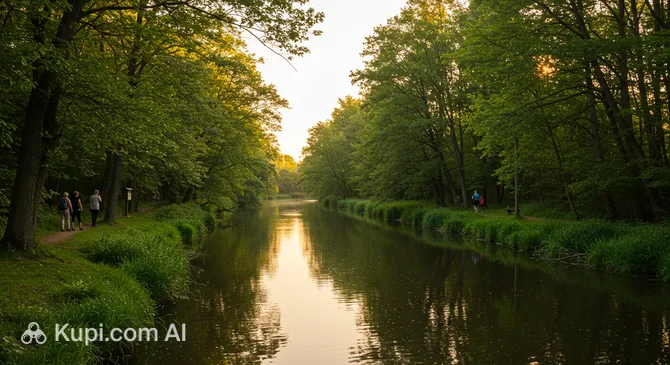
Lübeck is not only a city of red brick and history but also a place of surprising natural beauty and diverse museum collections. Just a short distance from the medieval center, visitors can find serene green spaces that offer a perfect counterpoint to the urban bustle. One of the most remarkable natural areas is the Wakenitz nature reserve. Often referred to as the "Amazon of the North," this lush river landscape is a haven for untouched nature, ancient trees, and diverse wildlife. Exploring the river by canoe or hiking along the trails provides a unique and peaceful perspective on the region's geography.
Wakenitz. Illustration.
Source: Kupi.com AI
Traveler photos:
For those who prefer a cultivated floral setting, the Lübeck School Garden is a hidden gem located just outside the Old Town island. This beautifully landscaped botanical garden features themed sections, including an alpine garden and a cottage garden, making it an idyllic spot for a quiet stroll. Nearby, the City Park Lübeck offers expansive lawns and shaded paths, popular with locals for relaxation. A bit further afield lies the Old Port of Gothmund, a picturesque fishing village with thatched-roof cottages that feels like stepping back in time.
Returning to the city's cultural heart, Lübeck’s museums offer deep dives into specific facets of its heritage. Literature lovers should head to the Buddenbrook House. This museum is dedicated to the writer Thomas Mann and his famous novel "Buddenbrooks," which is set in Lübeck. The exhibition guides visitors through the life of the Mann family and the literary history of the city, housed behind a stunning Rococo facade.
Buddenbrook House. Illustration.
Source: Kupi.com AI
Traveler photos:
While the famous city gate is a landmark in itself, the Holstentor Museum located inside holds a fascinating exhibition titled "The Power of Trade." It showcases historical ship models, armor, and artifacts that provide a tangible sense of the city's medieval defense and commercial might. At the northern end of the Old Town, the Burgtor stands as another significant fortification, guarding the historic entrance to the city and completing the picture of Lübeck’s defensive architecture.
Getting Around
Public transport in Lübeck is efficient, clean, and well-integrated, making it easy for visitors to navigate the city without a car. The system relies primarily on a comprehensive bus network operated by Stadtverkehr Lübeck. Unlike some larger metropolitan areas, the city does not have a subway (U-Bahn) or tram system; instead, the blue and white buses connect the historic Old Town with the surrounding districts and the main railway station effectively.
For those wishing to visit the popular seaside resort of Travemünde, which is part of the city, regional trains are the fastest option. These trains depart regularly from the main station (Hauptbahnhof) and take about 20 minutes to reach the coast. Additionally, in Travemünde, there are ferries that shuttle passengers and vehicles across the Trave River to the Priwall peninsula, serving as both a practical mode of transport and a scenic experience.
The payment system operates under the region-wide Schleswig-Holstein Tariff (SH-Tarif). This means that tickets purchased for the bus are also valid for regional trains within the purchased zones. For tourists, a Day Ticket (Tageskarte) is often the most economical choice, allowing unlimited travel for a single person or a small group. A single journey typically costs around 3.00 EUR, while a day pass is approximately 9.00 EUR. Prices vary slightly depending on the number of zones you intend to cross, but Zone 6000 covers the entire city area including Travemünde.
Tickets can be purchased directly from the bus driver (usually cash only), at ticket machines located at major stops and train stations, or digitally. The most convenient way for modern travelers to pay is via the NAH.SH app, which allows you to buy tickets on your smartphone and check real-time timetables. If you buy a paper ticket from a machine that is not pre-stamped with a time, remember to validate it in the orange stamping boxes on the bus or platform before starting your journey.
Buses generally run from early morning, around 5:00 AM, until midnight. On Friday and Saturday nights, a special night bus service operates on key routes, ensuring safe transport for those enjoying the local nightlife. It is worth noting that in the narrow streets of the Old Town, bus stops are often close together, making it easy to hop on and off while sightseeing.
While public transport is excellent, cycling is a highly popular alternative and arguably the best way to experience the local lifestyle. The city is flat and bike-friendly, with numerous rental shops available near the train station and city center. Taxis are also readily available at designated stands or can be hailed by phone; they are cream-colored and strictly regulated. Car-sharing services and e-scooters are present but are generally less essential for tourists focused on the historic center.
Accommodation
Lübeck offers a diverse range of accommodation options that cater to every type of traveler, from backpackers seeking budget-friendly stays to luxury seekers looking for historic elegance. The city’s lodging landscape includes charming boutique hotels housed in centuries-old merchant buildings, reliable international hotel chains, cozy bed and breakfasts, and modern hostels. For those preferring more independence, there is also a wide selection of vacation apartments (Ferienwohnungen), particularly suitable for families or longer stays.
When choosing where to stay, location is key to the experience. The most popular area for first-time visitors is undoubtedly the Old Town (Altstadt). Staying on the historic island puts you within walking distance of all major attractions, museums, and the lively riverside restaurants. For a completely different vibe, many tourists opt for accommodation in Travemünde, Lübeck’s seaside resort district. Located at the mouth of the Trave River, this area is perfect for those who want to combine a city trip with a beach holiday, offering sea views and a relaxed maritime atmosphere.
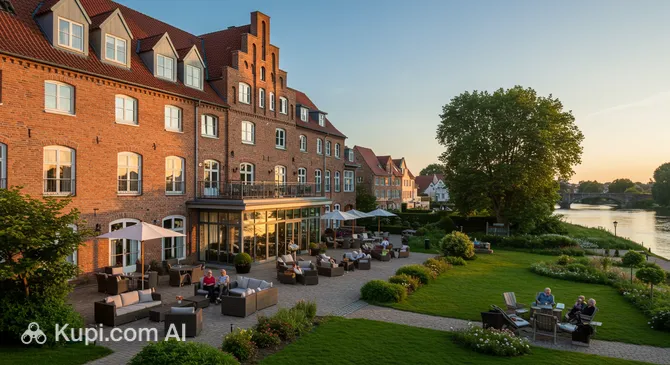
For travelers seeking a comfortable stay with extensive amenities, the Senator Hotel Lübeck is a notable option. Situated conveniently near the historic center and the Trave River, this hotel is well-regarded for its facilities, often including a pool and conference areas, making it a solid choice for both leisure and business guests.
Senator Hotel Lübeck. Illustration.
Source: Kupi.com AI
Traveler photos:
Booking Tips: Lübeck is a year-round destination, but accommodation can fill up quickly during the peak summer months (June to August) and the festive Christmas market season in December. It is highly recommended to book your room several months in advance if you plan to visit during these popular times to secure the best rates and locations.
In terms of pricing, the city is generally affordable compared to larger German metropolises. Budget travelers can find hostel beds or simple rooms starting from around 40 to 60 EUR per night. Mid-range hotels typically charge between 90 and 130 EUR, while luxury properties and stays in prime historic buildings can range higher. Reservations can be easily made through major online booking platforms, though booking directly with smaller, family-run guesthouses can sometimes yield a more personal experience or a better deal.
Nearby Cities
For those looking to explore the surroundings, Lübeck serves as an excellent base for day trips to several interesting nearby locations.
One charming destination is Mölln, often referred to as the "Eulenspiegel City." It is famous for the legendary jester Till Eulenspiegel, who is said to have lived and died there. Visitors can explore the historic market square, visit the museum dedicated to the trickster, or enjoy a peaceful walk along the scenic chain of lakes that surrounds the town. It offers a perfect mix of folklore and nature.
Another unique spot is Bad Segeberg, best known for the Kalkberg, a distinctive gypsum rock formation rising out of the flat landscape. The town attracts thousands of visitors every summer for the Karl May Festival, an open-air theater event celebrating Winnetou and Wild West adventures. Additionally, the Kalkberg caves serve as an important winter habitat for bats, adding a touch of natural wonder to the visit.
For lovers of Renaissance architecture, Ahrensburg is a must-see. The town is home to the stunning Ahrensburg Palace (Schloss Ahrensburg), a white water castle that is considered one of the finest in Schleswig-Holstein. With its beautiful park and well-preserved interiors, it provides a fascinating glimpse into the region's aristocratic history.
City
Population
Distance
Stockelsdorf
17 079
4 km
Bad Schwartau
20 264
6 km
Ratekau
15 231
9 km
Reinfeld
9 058
13 km
Timmendorfer Strand
8 742
16 km
These nearby destinations offer a glimpse into the diverse culture and landscapes of the region.
Shopping & Souvenirs
Shopping in Lübeck is a delightful experience that combines the charm of a medieval setting with modern retail convenience. The historic Old Town serves as the city's open-air shopping center, where the main pedestrian zone along Breite Straße hosts major department stores and well-known international fashion chains. However, the true treasures are often found in the smaller side streets. The picturesque Hüxstraße and Fleischhauerstraße are famous for their narrow gabled houses filled with owner-operated boutiques, art galleries, and antique shops, offering a distinct alternative to the high street.
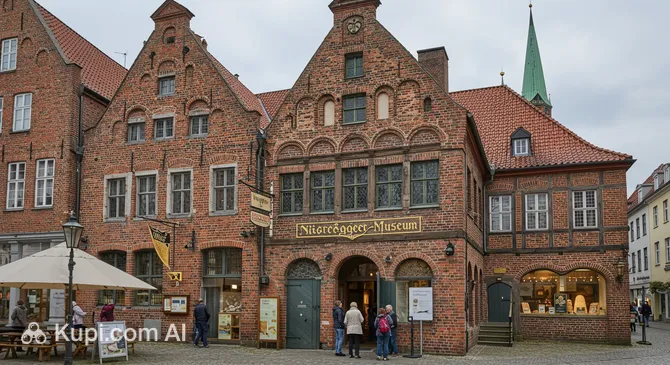
A visit to the city would be incomplete without acquiring its most famous delicacy. The Niederegger Marzipan Museum and shop, located right across from the Town Hall, is the ultimate destination for this. It is more than just a store; it is a landmark where visitors can purchase the world-renowned "white gold" in countless variations, making for the perfect souvenir or gift.
Niederegger Marzipan Museum. Illustration.
Source: Kupi.com AI
Traveler photos:
For those seeking a modern mall experience with extensive parking and a wide variety of brands under one roof, the city offers excellent options just outside the historic center. CITTI-PARK is one of the region's most popular shopping destinations. It features over 90 shops, ranging from fashion and electronics to groceries, along with a diverse food court, all designed for a comfortable and weather-proof outing.
CITTI-PARK. Illustration.
Source: Kupi.com AI
Traveler photos:
Another major retail hub is LUV Shopping in the Dänischburg district. This spacious center is known for its family-friendly atmosphere and includes not only fashion retailers but also large home improvement stores and leisure facilities. Travelers should note that, like in the rest of Germany, most shops in Lübeck are closed on Sundays, so it is best to plan your shopping spree for Monday through Saturday.