Support

Kassel

About

Kassel is a captivating destination located in the northern part of the state of Hesse in Germany. Known for its unique blend of urban culture and magnificent green landscapes, this city on the Fulda River offers a refreshing atmosphere for travelers seeking both relaxation and inspiration.

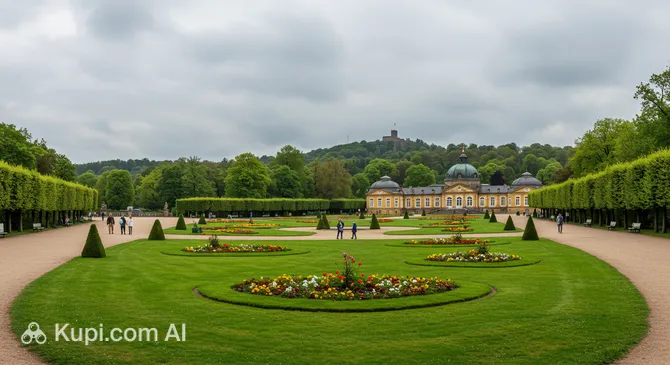
Kassel. Source: Kupi.Binoculars

With a population of approximately 201,000 inhabitants, the city serves as a significant economic and cultural hub for the region. While exploring the streets and museums, visitors can delve into the rich history of Kassel, which ranges from its days as a grand princely residence to its modern status as a center for contemporary art. The city's ability to reinvent itself while preserving its heritage adds to its distinct charm.

Kassel is globally renowned for hosting documenta, one of the world's most important exhibitions of modern art, which takes place every five years. Another must-see attraction is the breathtaking Bergpark Wilhelmshöhe, a UNESCO World Heritage site that features the iconic Hercules monument and impressive historic water displays. Additionally, the city is famous for its connection to the Brothers Grimm, who collected many of their fairy tales while living here.

Whether you are an art enthusiast, a nature lover, or simply looking for a scenic getaway, Kassel welcomes you with open arms. Its combination of world-class culture and expansive parks makes it a delightful stop on any travel itinerary.

Weather Overview

Understanding the local climate is an essential part of planning your trip to this verdant city in Hesse. Kassel generally experiences a temperate climate characterized by comfortable, warm summers and cold winters, with a fairly consistent pattern of precipitation throughout the year.

The summer months of June through August are typically the most pleasant time to visit, with average temperatures peaking around 18.5°C and daily highs reaching up to 23.1°C. This season offers the best conditions for exploring the city's expansive parks. In contrast, the winter season from December to February is quite chilly, with average temperatures dipping to between 2.3°C and 3.3°C, and nightly lows hovering just above freezing. Regardless of when you arrive, it is wise to carry an umbrella, as the city records between 11 and 17 wet days per month across all seasons. For a more detailed forecast to help you pack, you can check the weather in Kassel before your journey.

Interesting Facts

Beyond the main attractions, Kassel holds many fascinating secrets that surprise even seasoned travelers. From pioneering art history to unique cultural institutions, the city offers stories waiting to be discovered.

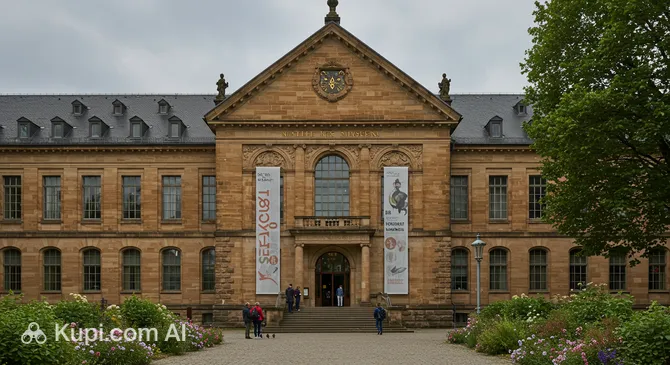
  • Kassel is home to the Fridericianum, which holds the historical distinction of being the first building in mainland Europe designed specifically as a public museum. Completed in 1779, it marked a shift towards making art and history accessible to the general public rather than keeping collections behind the closed doors of royal palaces.

  • The city played a pivotal role in world literature as the primary residence of the Brothers Grimm for over 30 years. It was here that they collected and revised their famous fairy tales, a legacy now celebrated at GRIMMWELT Kassel, which houses their personal copies of the tales enriched with handwritten notes—now a part of the UNESCO Memory of the World Register.

  • For a truly unusual cultural experience, the city hosts the Museum of Sepulchral Culture. This rare institution is dedicated entirely to the themes of dying, burial, and mourning, exploring these universal human experiences through a historical and often life-affirming lens that is unique in Germany.

  • Modern art has literally taken root in the city streets through the "7000 Oaks" project initiated by artist Joseph Beuys for the documenta 7 exhibition. This massive landscape art installation involved planting 7,000 oak trees throughout the city, each paired with a basalt stone, permanently transforming Kassel's urban ecology and appearance.

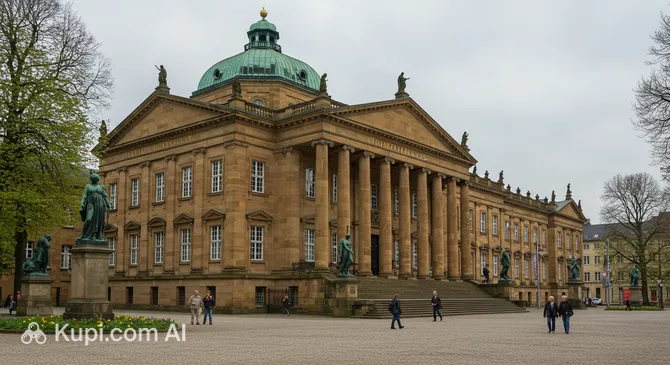
Fridericianum. Source: Kupi.Binoculars

How to Get There

Reaching this central German destination is relatively straightforward, thanks to its location in the heart of the country. While the city does not have its own large commercial airport, it is surrounded by several regional and international hubs that make arrival convenient. For a comprehensive overview of all travel options, you can read more about how to get to Kassel.

The closest facility for air travelers is Paderborn Lippstadt Airport (PAD). The city of Kassel does not have its own airport, but you can fly into this regional hub in the city of Paderborn, which is about 69.5 km from Kassel. The journey by taxi or shuttle typically takes around 1 hour. For those seeking more international connections, Hannover Airport (HAJ) is a significant alternative. Located in Hanover, approximately 128 km away, this airport handles a large volume of passengers annually. Reaching Kassel from here generally takes between 1.5 and 2 hours by road.

For clarity, here is a summary of the main airports:

Airport Name City Passenger Traffic Km from City
Hannover Airport Hanover Large 128.4
Dortmund Airport Dortmund Medium 132.7
Munster Osnabruck International Airport Munster Medium 154.8
Paderborn Lippstadt Airport Paderborn Small 69.5
Erfurt Airport Erfurt Small 109.1

Traveling by train is often the most efficient and scenic way to arrive. The city is home to the Kassel-Wilhelmshöhe Station, a major railway hub located just 3.2 km from the city center. Known for its modern architecture and capacity, it serves as a key stop for high-speed ICE trains, connecting the region to major cities across Germany and Europe. With millions of passengers passing through annually, it ensures that visitors can reach the heart of the city with ease.

Below is a list of relevant railway stations in the wider region:

Station City Passenger Traffic Km to Center
Hanover Main Station Hanover Very Large 119.7
Erfurt Hauptbahnhof Erfurt Large 114.6
Kassel-Wilhelmshöhe Station Kassel Large 3.2
Eisenach Hauptbahnhof Eisenach Medium 69.7
Messe Bahnhof (Messe-Bf) Station Hanover 127.4

Main Attractions

Kassel is a city where nature and culture blend seamlessly, offering visitors a variety of fascinating sites to explore. From sprawling historic parks to modern exhibition halls, the local attractions cater to a wide range of interests, making it a delightful destination for travelers.

A highlight for many is the magnificent Karlsaue Park. Located on the banks of the Fulda River, this baroque state park spans roughly 1.5 square kilometers and is perfect for leisurely strolls. Visitors are drawn to its symmetrical canals, majestic tree-lined avenues, and the impressive Orangerie palace located at its northern edge. It serves as a tranquil escape right near the city center, offering a glimpse into the grandeur of the 18th century.

Karlsaue Park. Source: Kupi.Binoculars

For those interested in literature and folklore, GRIMMWELT Kassel is an absolute must-see. This modern exhibition house is dedicated to the lives and works of the Brothers Grimm, who spent many years in the city. The museum presents their famous fairy tales and their monumental work on the German dictionary in an interactive and engaging way. The architecture of the building itself is a point of interest, offering panoramic views of the city from its roof terrace.

History and science enthusiasts will find the Natural History Museum Kassel particularly intriguing. Housed in the Ottoneum, which was built in the early 17th century and is considered the first permanent theater building in Germany, the museum showcases a rich collection of regional natural history. Exhibits range from the ice age to modern biodiversity, including the famous "Goethe Elephant," making it an educational stop for visitors of all ages.

Natural History Museum Kassel. Source: Kupi.Binoculars

Another serene spot for nature lovers is the Kassel Botanical Garden. Established in 1912, this garden has evolved into a diverse sanctuary featuring a wide array of plant species. It includes a medicinal herb garden, a rose garden, and a cactus house. It is an ideal place to relax and appreciate the variety of flora that thrives in this region of Hesse.

Local Cuisine

The culinary landscape of Kassel is deeply rooted in the traditions of Northern Hesse, offering hearty and rustic dishes that provide comfort after a day of sightseeing. While the city embraces international trends, the locals are particularly proud of their regional specialties, which often feature high-quality pork, potatoes, and locally grown herbs. The food scene here is unpretentious and honest, focusing on fresh ingredients and time-honored recipes.

One cannot visit this region without trying the famous Ahle Wurscht ("Old Sausage"). This air-dried pork sausage is a cultural institution, typically matured for several months to achieve its distinct, robust flavor. It is often served simply with fresh rustic bread and pickles. Another traditional favorite is Weckewerk, a savory dish made from minced meat, broth, and bread, usually fried and served with boiled potatoes and a side of salad. For a fresh contrast, especially in spring and summer, the beloved Grüne Soße (Green Sauce)—a cold herb sauce made with seven specific herbs, sour cream, and hard-boiled eggs—is a staple on many menus.

When it comes to beverages, Kassel shares the Hessian love for Apfelwein (apple wine), a tart and refreshing cider that pairs perfectly with the local heavy dishes. It is traditionally served in a ribbed glass known as a "Geripptes." However, the region also has a strong brewing tradition, so beer lovers will find plenty of excellent local pilsners and wheat beers to enjoy in the city's pubs and beer gardens.

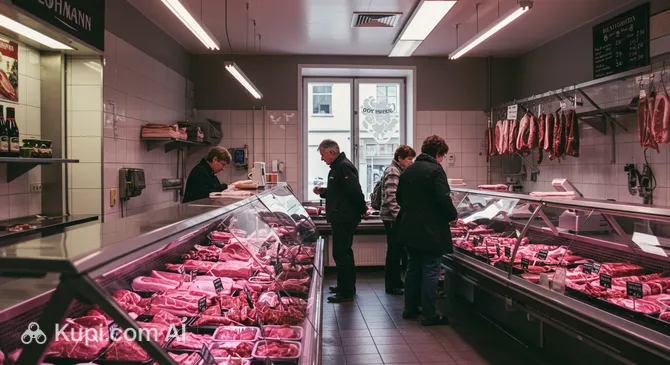
Dining in Kassel ranges from cozy, traditional taverns to modern eateries. For a taste of the local atmosphere, visitors can explore the area around Königsplatz, a central square often buzzing with activity and surrounded by various dining options. If you are looking for a specific spot to unwind with a good meal, Lohmann is a well-known establishment where you can enjoy a convivial vibe typical of the city's hospitality.

Lohmann. Source: Kupi.Binoculars

For those craving a substantial meat dish in a welcoming setting, Foster's Garden Steak House is a popular choice among locals and tourists alike. Afterward, if you wish to continue the evening with a drink in a unique setting, you might stop by Nordpol, a bar known for its distinct character. Whether you prefer a quick street snack or a long sit-down dinner, Kassel's food scene offers a genuine taste of German culture.

Travel Tips

Planning a trip to Kassel promises an enriching experience filled with art, history, and nature. To ensure your journey through the home of the Brothers Grimm runs as smoothly as possible, here are some practical travel tips to keep in mind.

  1. Clothing and Gear: The weather in Kassel can be changeable, so dressing in layers is the best strategy. Even in summer, evenings can be cool. Most importantly, bring sturdy, comfortable walking shoes. Exploring the massive Bergpark Wilhelmshöhe involves significant uphill walking on gravel paths, so heels or flimsy sandals are not practical. An umbrella or a lightweight raincoat is also a wise addition to your daypack, regardless of the season.

  2. Transportation: The city boasts an efficient public transport network operated by KVG, featuring trams, buses, and the unique RegioTram system that connects the city center with the surrounding region. A day ticket (Tageskarte) is usually the most cost-effective option for tourists. Taxis are available but can be pricey; unless you plan to explore remote rural areas, a rental car is generally unnecessary within the city limits.

  3. Finances: The official currency is the Euro (€). While international credit cards are accepted in hotels, major museums, and large department stores, Germany remains somewhat cash-oriented. Smaller bakeries, kiosks, and traditional taverns may only accept cash or the local "EC card" (Girocard). It is advisable to always carry some euros with you. ATMs are widely available throughout the city.

  4. Health and Safety: Kassel is generally a safe city for travelers. In case of a medical emergency, dial 112; for police, dial 110. If you need minor medication, look for a pharmacy (Apotheke), identified by a large red "A" sign. They are typically open during business hours, and there is always one designated pharmacy in the area open 24/7 for emergencies (details are usually posted on the doors of all pharmacies).

  5. Communication: German is the primary language. English is widely understood in the tourism sector and by younger generations, but it may not be spoken by everyone in smaller shops or by older residents. A friendly "Guten Tag" (Good day) or "Danke" (Thank you) goes a long way. Free Wi-Fi is available in many public areas, but for consistent connectivity, consider purchasing a prepaid SIM card at a local supermarket or electronics store.

  6. Local Etiquette: Politeness and order are valued here. When entering a small shop or waiting room, it is customary to greet others generally. On Sundays and public holidays, almost all shops and supermarkets are closed, known as Ruhetag (rest day), so be sure to do your grocery shopping on Saturday. Restaurants and museums, however, usually remain open.

  7. What to Avoid: Be very careful not to walk in the designated bicycle lanes, which are often part of the sidewalk but marked with a different color or paving. Cyclists move quickly and expect the lane to be clear. Additionally, avoid crossing the street at a red pedestrian light, even if no cars are approaching; this is considered rude and sets a bad example, often drawing disapproving looks from locals.

  8. Additional Tip: If you are staying overnight, ask your accommodation provider about the MeineCardPlus. Many hotels and guesthouses in the region offer this guest card for free, which grants you complimentary use of public transport in North Hesse and free admission to over 100 leisure facilities and museums, including many top attractions in Kassel.

With these practical tips in hand, you are well-prepared to enjoy everything Kassel has to offer without any hassles. Relax, explore the beautiful parks and museums, and soak up the unique atmosphere of this Northern Hessian gem.

Entertainment & Nightlife

Entertainment:

Kassel offers a lively mix of leisure activities that go well beyond its famous art exhibitions. Whether you are in the mood for a shopping spree, exciting sports events, or relaxing moments in nature, the city provides plenty of options to keep you entertained.

Shopping enthusiasts will find excellent opportunities to browse and buy. In the city center, City-Point Kassel stands out as a modern retail hub. Located directly in the pedestrian zone, this architectural highlight houses a wide range of fashion brands, electronics, and lifestyle stores. For a piece of local commercial history, you can visit the dez Shopping Center Kassel. Known for being one of the first shopping malls in the country, it remains a popular meeting place with a diverse selection of shops and eateries under one roof.

If you prefer live action, the Nordhessen Arena Kassel is the place to be. This multi-functional hall is the home ground of the Kassel Huskies, the city's beloved ice hockey team. Attending a match here is a thrilling experience, fueled by the passionate local fan base. The arena also serves as a venue for concerts and other major cultural events.

For those seeking outdoor recreation, the Fuldaaue is a fantastic destination, especially during the warmer months. Often called the "Buga" by locals—a nod to the Federal Garden Show it once hosted—this expansive park features a large lake perfect for swimming and sunbathing. It is an ideal spot to unwind, have a picnic, or enjoy a long walk along the water.

Additionally, the city is dotted with serene green spaces for a quiet escape. Park Schönfeld impresses with its romantic landscape design and peaceful atmosphere, while Goethe Park offers a refreshing green retreat in the northern part of the city. For those looking for an active challenge indoors, the Kletterzentrum Nordhessen provides climbing walls suitable for all skill levels.

Parks & Museums

Kassel is widely celebrated as one of Germany's greenest cities, offering a harmonious blend of sprawling landscapes and rich cultural heritage. Visitors can easily transition from hiking in UNESCO-listed parks to exploring world-class exhibitions, making it a diverse destination for travelers of all interests.

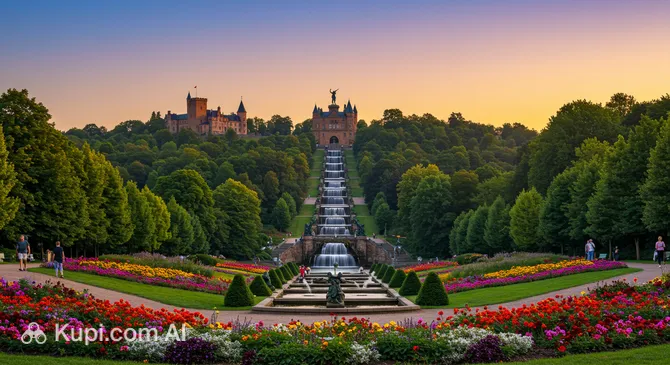
The crown jewel of the city's green spaces is undoubtedly the Bergpark Wilhelmshöhe. As Europe's largest hillside park and a UNESCO World Heritage site, it offers breathtaking views and a unique mix of nature and baroque architecture. The park is famous for its monumental water displays, which cascade down from the iconic Hercules monument at the summit to the palace below. Walking through its ancient forests and carefully landscaped gardens provides a sense of grandeur that is hard to match.

For a more intimate encounter with nature and wildlife, the Rammelsberg Zoo is a delightful spot, particularly for families. Located on the slopes of the Habichtswald forest, this smaller zoo focuses on local and European wildlife, offering a peaceful environment where visitors can observe animals in naturalistic enclosures. It serves as a relaxing alternative to the larger, more crowded tourist spots.

The city's museum landscape is equally impressive, reflecting its status as a center of art and history. The Kassel Museum (Stadtmuseum) is a key institution for understanding the local identity. It chronicles over a thousand years of the city's history, from its medieval beginnings to its modern reinvention. Through interactive exhibits and historical artifacts, visitors gain deep insight into the events and people that have shaped the region.

Art lovers should not miss the Schloss Wilhelmshöhe, located within the Bergpark. This neoclassical palace houses the Gallery of Old Masters, featuring an outstanding collection of works by Rembrandt, Rubens, and other European masters. It stands as a testament to the city's historical significance as a princely residence and a patron of the arts.

Among the architectural highlights, the Löwenburg is a fascinating site. Built to look like a semi-ruined medieval knight's castle, it is actually a romantic era palace designed in the late 18th century. Its towers, armory, and chapel offer a journey back to a fantasy version of the Middle Ages, showcasing the whimsical tastes of the Landgraves.

For a truly authentic experience, try to visit the Bergpark on a Wednesday or Sunday afternoon during the summer months. This is when the historic water features are activated, creating a spectacular show as water rushes down the cascades, aqueducts, and fountains—a tradition that has captivated spectators for over 300 years.

Getting Around

Navigating Kassel is convenient and efficient thanks to a well-integrated public transport network operated by the KVG (Kasseler Verkehrs-Gesellschaft) within the regional NVV association. The city does not have an underground metro system; instead, it relies on a dense network of trams (Straßenbahn) and buses that cover the city center and surrounding neighborhoods extensively. The trams are the backbone of local transit, easily recognizable by their blue color, and they run frequently throughout the day.

A unique and special feature of the local transport system is the RegioTram. This innovative "tram-train" system combines the advantages of a classic tram with those of a regional train. These vehicles run on railway tracks in the surrounding region to cover longer distances quickly, and then switch seamlessly to the tram tracks within Kassel to bring passengers directly into the pedestrian zone and city center without the need to transfer. This makes exploring the wider area incredibly smooth for visitors.

For tickets and fares, the system is unified, meaning one ticket works for trams, buses, and the RegioTram within the valid zones. For tourists, the MultiTicket or the Tageskarte (Day Ticket) are often the best value options. A Day Ticket allows for unlimited travel within the selected zone for one person or a group, making it cost-effective for sightseeing. Tickets can be purchased via the official NVV App, which is convenient for cashless travel, or at ticket machines located at most tram stops. These machines typically offer instructions in multiple languages.

When buying paper tickets, it is important to check if they need validation. Tickets bought from machines inside the trams are usually already stamped with the time and date. However, if you purchase a ticket in advance or from a machine at a stop that does not pre-validate, you must stamp it in the orange or red validation boxes (Entwerter) located on platforms or inside the vehicles immediately upon boarding. Failure to do so can result in a fine during ticket inspections.

Buses complement the rail network, serving areas that are not reached by trams, including the hilly terrain leading up to the Hercules monument. In the evenings and on weekends, the city offers a "Nachtschwärmer" (night owl) service, ensuring safe transport late at night. Buses generally require passengers to board at the front and show their ticket to the driver, whereas on trams, you can board through any door.

If you prefer active mobility, Kassel is a bike-friendly city with a popular bike-sharing system known as KVG Nextbike. You can easily rent bicycles via an app at numerous stations throughout the city, which is a lovely way to explore the parks and the riverside. Alternatively, cream-colored taxis are readily available at designated stands or can be hailed by phone, though they are a more expensive option compared to the excellent public transit.

Accommodation

Where to Stay:

Accommodation in Kassel caters to a diverse range of preferences and budgets, reflecting the city's status as a cultural and business hub. Visitors can choose from modern business hotels, charming family-run guesthouses, budget-friendly hostels, and luxurious spa resorts. Whether you are looking for a quick stopover near the train station or a relaxing holiday retreat near the parks, the city offers plenty of suitable options.

For those who want to be in the middle of the action, the city center (Mitte) is the most convenient area to stay. Hotels here are within walking distance of major museums, the pedestrian shopping zone, and lively squares like Königsplatz. Staying in this area ensures you are never far from the main tram lines and the vibrant culinary scene, making it an excellent choice for first-time visitors who want to explore the urban highlights on foot.

Travelers seeking a more scenic and tranquil atmosphere often prefer the district of Bad Wilhelmshöhe. Located in the western part of the city, this area is known for its upscale ambiance and proximity to the magnificent Bergpark Wilhelmshöhe. It is particularly popular among those looking for wellness hotels and resorts that offer easy access to nature and hiking trails. Additionally, the area around the Kassel-Wilhelmshöhe railway station is a strategic spot for business travelers and those arriving by high-speed train, offering modern and efficient lodging options.

When planning your trip, it is important to consider the city's cultural calendar. If your visit coincides with the documenta exhibition, which takes place every five years and draws art lovers from around the globe, booking accommodation months—or even a year—in advance is essential, as the city becomes fully booked. Even during regular summers, securing your room early is recommended to get the best rates.

Price ranges in the city are generally reasonable compared to other major German metropolises. Budget travelers can find affordable hostels and economy hotels, while mid-range options provide comfortable amenities without breaking the bank. Booking is straightforward, with most establishments available on major online platforms, though contacting smaller guesthouses directly can sometimes yield a more personal experience.

Nearby Cities

For those looking to explore the surroundings, Kassel serves as an excellent base for day trips to several interesting nearby locations that highlight the diversity of Northern Hesse.

One of the most picturesque destinations in the region is Hann. Münden, often called the "City of Three Rivers" because it sits where the Werra and Fulda rivers merge to form the Weser. This charming town is famous for its abundance of over 700 half-timbered houses from six centuries, creating a romantic medieval atmosphere that is perfect for photography and leisurely walks.

For travelers seeking relaxation and nature, Bad Wildungen is a top choice. Known as a premier spa town, it features one of the largest spa parks in Europe and the impressive baroque Friedrichstein Castle. It also serves as a gateway to the Kellerwald-Edersee National Park, offering a mix of wellness and outdoor adventure.

Another worthwhile stop is the Hanseatic city of Warburg. With its well-preserved medieval fortifications and historic city center, it offers a fascinating glimpse into the area's trading past. The town's unique layout, split between a hillside and a valley, adds to its scenic appeal.

City Population Distance (km)
Baunatal 27906 8
Hann. Münden 24467 17
Warburg 23079 31
Vellmar 18166 5
Bad Wildungen 17231 34

These nearby destinations offer a glimpse into the diverse culture and landscapes of the region, making them perfect additions to your itinerary.

Shopping & Souvenirs

Shopping in Kassel offers a pleasant mix of modern retail therapy and traditional charm, serving as the primary commercial hub for the Northern Hesse region. The city center is designed with pedestrians in mind, allowing visitors to stroll comfortably between large department stores, international fashion chains, and smaller specialty boutiques. Whether you are looking for high-end fashion, regional delicacies, or quirky local crafts, the city provides a diverse range of options to satisfy every shopper.

The heart of the shopping action is the Königsstraße. This bustling pedestrian zone stretches through the city center and is lined with a variety of shops, cafes, and major retail outlets. It connects the main squares, including Königsplatz, which often hosts events and market stalls. For a more unique experience, head to the trendy Friedrich-Ebert-Straße in the Vorderer Westen district. This area, often referred to as the "Kiez," is known for its owner-operated boutiques, art galleries, and vintage stores, offering a creative alternative to the mainstream high street.

Kassel is also home to several impressive shopping centers that provide a comprehensive retail experience under one roof. Located directly on Königsstraße, City-Point Kassel is a modern architectural landmark featuring dozens of stores ranging from fashion to electronics, along with a food court. Just a short distance from the city center in the Niederzwehren district lies the dez Shopping Center Kassel. Historically significant as one of the first shopping malls in Germany, it has been modernized to offer a vast selection of shops, free parking, and a family-friendly atmosphere.

For food lovers and those seeking local flavor, the Markthalle Kassel is an absolute must-visit. Housed in a historic Renaissance building, this indoor market is open from Thursday to Saturday mornings. It is a vibrant meeting place where locals buy fresh produce, regional meats, and cheeses. It is the perfect spot to sample the famous Ahle Wurscht (a traditional air-dried sausage) or enjoy a hearty breakfast in a lively setting. Additionally, during the holiday season, the city hosts a magical Fairy Tale Christmas Market that transforms the city center into a festive wonderland.

When it comes to souvenirs, the city's heritage offers plenty of inspiration. Due to the strong connection with the Brothers Grimm, illustrated fairy tale books and themed merchandise are popular choices. Culinary souvenirs are also highly recommended; besides the savory Ahle Wurscht, you might look for local honey or spirits. Replicas of the iconic Hercules monument are also classic keepsakes to remember your trip to the Bergpark.

Standard opening hours for shops in the city center are typically from 10:00 AM to 8:00 PM, Monday through Saturday. Smaller boutiques and shops outside the main zones may close earlier, around 6:00 PM or 7:00 PM, and some may close for a lunch break. It is important to remember that, like in most of Germany, almost all shops and supermarkets are closed on Sundays. While major credit and debit cards (especially Visa and Mastercard) are widely accepted in malls and larger stores, smaller vendors and market stalls often prefer cash or the local EC card.

Travelers residing outside the European Union may be eligible for VAT refunds on purchases made in participating stores. Look for the "Tax Free" signage in shop windows. If you qualify, ask for a tax-free form at the checkout, which you can later validate at customs upon leaving the EU to claim a refund.
Reached the end of the page?

That means the route is fully explored