Support

Bamberg

About

Welcome to Bamberg, a city that effortlessly blends rich heritage with a lively, modern atmosphere. Renowned for its exceptionally preserved medieval architecture, this UNESCO World Heritage site offers a journey back in time through winding cobblestone streets and magnificent buildings. Located in the picturesque region of Bavaria, Germany, Bamberg is often affectionately called the "Franconian Rome" because it extends over seven hills, each crowned with a beautiful church.
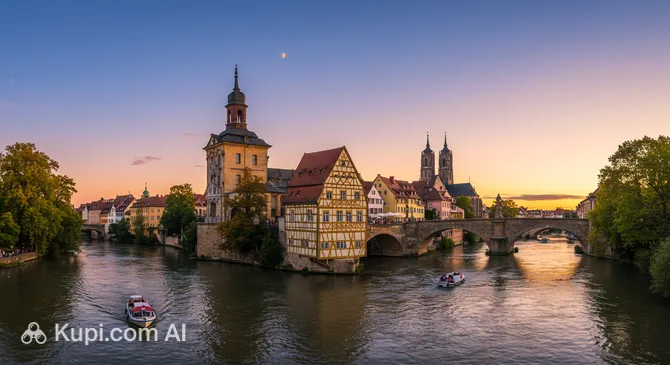
Bamberg. Source: Kupi.Binoculars

The history of Bamberg is truly fascinating, as the city was largely spared from widespread destruction during major conflicts, allowing its original medieval layout to remain intact. With a population of approximately 77,749 residents, it balances the vibrancy of a university town with the cozy charm of a historical settlement. The city lies at the confluence of the Regnitz and Main rivers, adding a scenic waterfront allure to its geography.

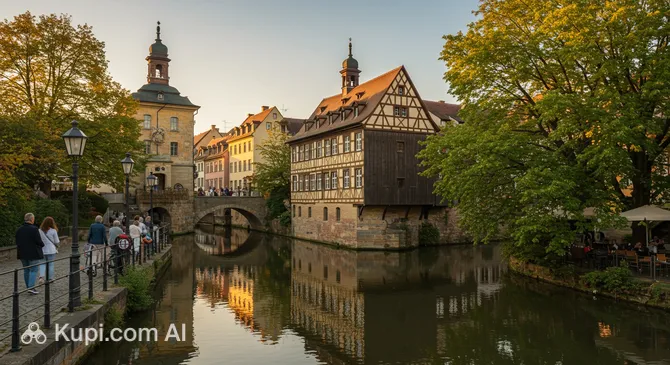
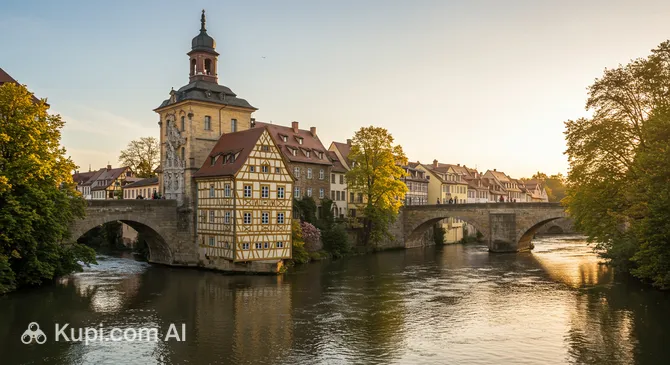
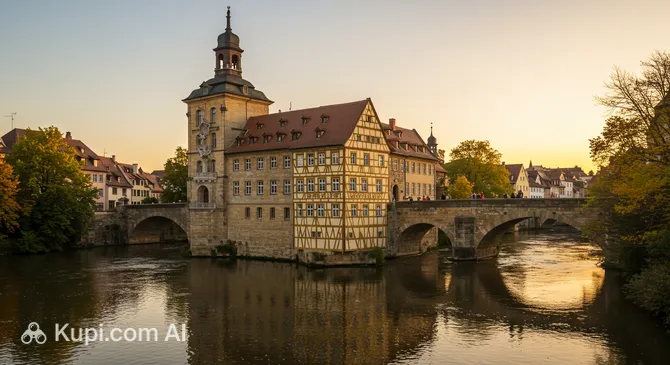
Visitors are consistently captivated by the city's unique landmarks, particularly the iconic Old Town Hall (Altes Rathaus), which sits precariously in the middle of the Regnitz River, accessible only by bridges. Another highlight is Little Venice (Klein Venedig), a row of charming half-timbered fishermen's houses along the riverbank that creates a romantic backdrop. Additionally, Bamberg is famous for its beer culture, specifically the distinctive Rauchbier (smoked beer), a local specialty that you simply must try.

Whether you are an architecture enthusiast, a history buff, or a lover of unique culinary traditions, Bamberg invites you to explore its treasures. It is a destination that promises an unforgettable experience in the heart of Franconia.
Weather Overview

Bamberg features a moderate climate characterized by distinct seasons, making it a year-round destination with changing scenery. Generally, visitors can expect warm summers and cold winters, with precipitation occurring frequently throughout the year. For the most up-to-date conditions and forecasts to help plan your trip, be sure to consult the guide to weather in Bamberg.

The summer months are the most pleasant for outdoor exploration, particularly July and August, when average temperatures hover around 19°C to 20°C and daily highs can reach 24.4°C. In contrast, the winter season requires warm clothing, as January typically sees average temperatures drop to 1.8°C with lows around -0.4°C. Rain is a consistent companion in this region; the city experiences between 10 and 16 wet days per month, with December and January being the dampest, so packing an umbrella is always recommended.

Interesting Facts

Beyond its scenic beauty, Bamberg is a city steeped in legends and unique historical quirks that add depth to its charm. Here are a few intriguing details that make this Franconian gem truly special.
Old Town Hall. Source: Kupi.Binoculars
  • According to local legend, the citizens of Bamberg wanted to construct a town hall, but the ruling Prince-Bishop refused to grant them any land for it. Undeterred, the resourceful townspeople rammed stakes into the river Regnitz to create an artificial island, upon which they built the spectacular Old Town Hall that stands today.

  • The majestic Bamberg Cathedral holds a rare distinction in religious history. It is the final resting place of Pope Clement II, making it the only site north of the Alps to house a papal tomb.

  • Locals have a humorous relationship with the Neptune Fountain (Gabelmoo) located in the pedestrian zone. The name "Gabelmoo" translates to "Fork Man" in the local dialect, referring to Neptune's trident, and it serves as a favorite meeting point for residents.

  • While often compared to Rome because it is built on seven hills, Bamberg also has a cinematic claim to fame. The city's remarkably preserved architecture served as a primary filming location for the 2011 movie The Three Musketeers, where it stood in for 17th-century Paris.

How to Get There

Reaching this Franconian gem is quite convenient thanks to its central location in Bavaria and excellent connections to the wider German transport network. Whether you prefer flying or taking the train, there are several viable options to reach the city. For a comprehensive guide on all available travel methods, you can read more about how to get to Bamberg.

The city does not have its own commercial airport, but you can fly into Nuremberg Airport (IATA: NUE), located approximately 46.5 km away. It is the closest convenient hub for air travelers. The journey from the airport to Bamberg by taxi or shuttle generally takes around 50 to 60 minutes. Although it serves a medium volume of passengers compared to major hubs, it offers good connectivity within Europe.

For those arriving from overseas, the most significant entry point is Frankfurt Airport (IATA: FRA), located in Frankfurt am Main, about 169 km away. As a massive international airport, it handles millions of passengers annually and provides flights from virtually anywhere in the world. From here, you can reach Bamberg by road in approximately 2 hours or take a high-speed train connection.

For clarity, here is a summary of the main airports:

Airport Name City Passenger Traffic Km from City
Frankfurt AirportFrankfurt am MainLarge169.1
Stuttgart AirportStuttgartMedium183.0
Nuremberg AirportNurembergMedium46.5
Erfurt AirportErfurtSmall120.3
Frankfurt Egelsbach AirportEgelsbachSmall162.5

Traveling by rail is another popular way to visit the region. Bamberg is well-integrated into the national railway network, allowing travelers to reach the city via connecting trains from nearby major hubs. One of the primary transfer points is Nuremberg Hauptbahnhof, situated about 52 km away. This large station is a key transport node in Bavaria, making it easy to transfer to a local train that will take you directly to your destination in under an hour.

Alternatively, you can travel via Frankfurt (Main) Hauptbahnhof, located approximately 162 km away. It is one of the busiest railway stations in Europe, offering extensive high-speed connections. From there, travelers can catch trains to reach Franconia efficiently.

Below is a list of major railway stations in the vicinity:

Station City Passenger Traffic Km to Center
Frankfurt (Main) HauptbahnhofFrankfurt am MainLarge162.2
Nuremberg HauptbahnhofNurembergLarge52.0
Augsburg HauptbahnhofMunichMedium170.5
Erfurt HauptbahnhofErfurtMedium119.8
Eisenach HauptbahnhofEisenachSmall126.5

Main Attractions

Bamberg is a treasure trove of architectural wonders and historical landmarks, offering visitors a chance to step back into the Middle Ages. The city’s dense concentration of heritage sites means that a short walk often leads you from one masterpiece to another. Below are some of the most significant places that define the character of this UNESCO World Heritage city.

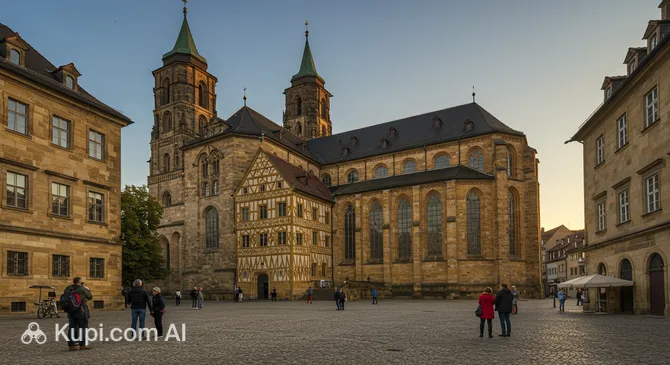
Dominating the city skyline with its four imposing towers is the imperial Bamberg Cathedral (Bamberger Dom). Founded by Emperor Henry II in the 11th century, this masterpiece of late Romanesque and early Gothic architecture is a must-visit for art and history lovers. Inside, you will find the famous Bamberg Horseman (Bamberger Reiter), a mysterious stone equestrian statue whose identity remains a subject of debate. The cathedral is also significant as the final resting place of Pope Clement II and the tomb of the imperial couple, Henry II and Cunigunde.

Bamberg Cathedral. Source: Kupi.Binoculars

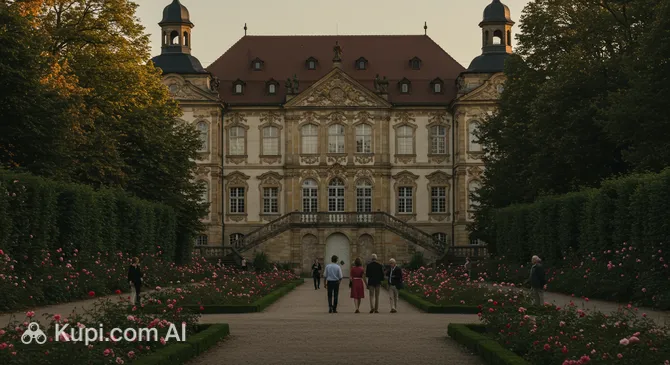
Directly opposite the cathedral square stands the magnificent New Residence Bamberg. This vast Baroque palace served as the seat of the Prince-Bishops and boasts over 40 lavishly decorated state rooms, including the stunning Imperial Hall. One of the main reasons tourists flock here, however, is the idyllic Rose Garden (Rosengarten) in the inner courtyard. It offers not only a fragrant display of thousands of roses but also one of the best panoramic views over the city's rooftops.

New Residence Bamberg. Source: Kupi.Binoculars

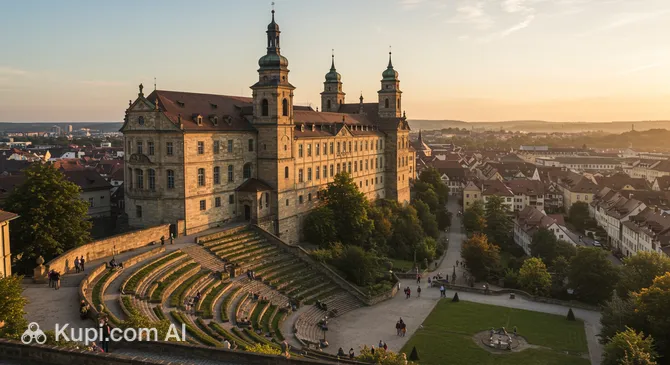
Perched high on one of the city's seven hills, the Michaelsberg Monastery is another iconic landmark visible from afar. This former Benedictine abbey is renowned for its church, which features a unique ceiling painting known as the "Garden of Heaven," depicting hundreds of different flowers and herbs. After exploring the interiors, visitors can stroll through the terraced gardens behind the monastery, which provide a peaceful atmosphere and sweeping vistas of the town and vineyards below.

Michaelsberg Monastery. Source: Kupi.Binoculars

To truly understand the charm of the city, one must spend time exploring the Bamberg Old Town itself. As a UNESCO World Heritage site, it is one of the largest intact medieval city centers in Germany. The area is a labyrinth of narrow, winding streets lined with half-timbered houses and baroque facades that have survived centuries without major destruction. Wandering through these historic alleys allows you to soak in the authentic atmosphere of Franconian life, with plenty of opportunities to stop at local shops and traditional breweries along the way.

Local Cuisine

The culinary landscape of Bamberg is deeply rooted in Franconian traditions, offering a hearty and rustic dining experience that perfectly complements the city's medieval charm. Local cuisine here is characterized by generous portions, rich flavors, and a strong emphasis on pork and potato dishes. A signature specialty you must try is the Bamberger Zwiebel (Bamberg Onion). This unique dish consists of a large onion hollowed out and stuffed with spiced minced meat, then slow-roasted in a beer-based sauce and typically served with mashed potatoes or sauerkraut.

Another classic main course that dominates local menus is the Schäuferla, a roasted pork shoulder known for its tender meat and exceptionally crispy, crackling rind. It is almost always accompanied by a pair of potato dumplings (Klöße) and savory gravy. For those looking for a quick but authentic snack, the local variety of Bratwurst is a staple, often served with freshly baked bread or potato salad. The food here is designed to be comforting and filling, making it the perfect fuel for exploring the city.

Zum Sternla Brewery. Source: Kupi.Binoculars

No culinary guide to this city would be complete without mentioning its world-famous liquid bread. Bamberg is renowned for its distinct Rauchbier (smoked beer), a dark lager with a smoky flavor profile reminiscent of cured bacon or wood fire. This taste is achieved by drying the malt over an open beechwood fire. While smoked beer is the headline act, the region has one of the highest densities of breweries in the world, offering a wide variety of unsmoked lagers, wheat beers, and seasonal bocks.

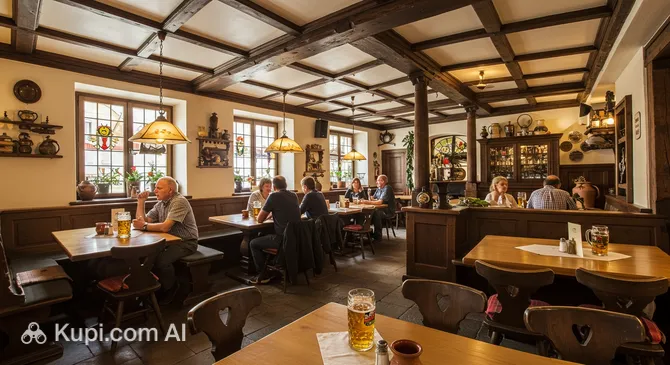
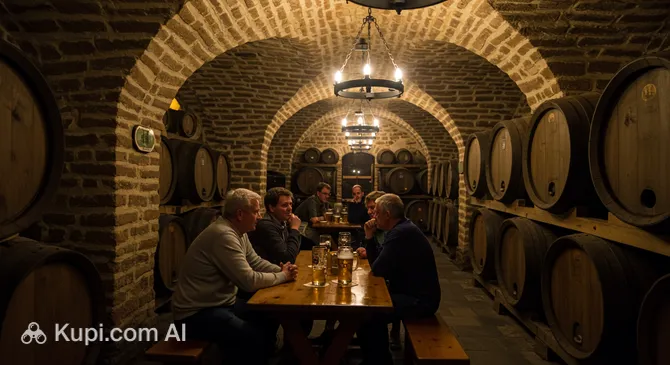
The food culture in Bamberg revolves around traditional inns known as "Gaststätten" and, in the warmer months, the beloved beer cellars. Unlike typical beer gardens, locals here say they are going "on the cellar" (auf den Keller) because the serving areas are located directly on top of the underground tunnels where beer was historically stored to keep cool. These leafy, hillside venues are social hubs where tourists and residents mingle at communal wooden tables. For a taste of history and tradition indoors, you can visit the Zum Sternla Brewery, which offers an authentic atmosphere to enjoy both local brews and classic Franconian dishes.

While the focus is heavily on traditional German fare, the city also caters to diverse tastes with modern cafes and international options. However, the true spirit of Bamberg's gastronomy is found in its historic breweries and family-run taverns, where recipes have been passed down through generations. Whether you are enjoying a savory snack at a market stall or a full feast in a centuries-old taproom, the local food scene is sure to leave a lasting impression.

Travel Tips

To ensure your visit to Bamberg is as enjoyable as it is memorable, we have compiled a list of practical advice to help you navigate the city with ease. These tips will assist you in managing local customs and logistics, allowing you to experience this Franconian gem like a savvy traveler.

  1. Clothing and Gear: The charm of Bamberg’s Old Town lies in its historic cobblestone streets, which can be uneven and challenging to walk on. It is essential to pack comfortable, flat walking shoes and avoid high heels. Since the weather in this region can be changeable, dressing in layers is recommended, and carrying a compact umbrella is always a smart idea, regardless of the season.
  2. Transportation: The best way to explore the city center is on foot, as most major attractions are located close to one another within the pedestrian zones. For longer distances, the local bus network is efficient and part of the regional VGN association. Driving within the Old Town is not recommended due to narrow, winding streets and limited parking; if you arrive by car, it is best to park in one of the Park & Ride facilities on the outskirts.
  3. Finances: The local currency is the Euro (€). While credit cards are widely accepted in hotels and larger retail stores, Germany—and Franconia in particular—still relies heavily on cash. Many traditional breweries (Gaststätten), small bakeries, and ticket counters for smaller museums may not accept cards, so always carry a sufficient amount of cash with you.
  4. Health and Safety: Bamberg is a very safe city for tourists, but standard precautions against pickpocketing in crowded areas apply. Pharmacies are easily recognized, identified by a large red "A" (for Apotheke). If you need urgent medical assistance, the general emergency number is 112. Tap water is of high quality and perfectly safe to drink.
  5. Communication: The official language is German, and locals appreciate a friendly "Hallo" or "Danke." However, English is widely spoken, especially by younger people and those working in the tourism industry. Free Wi-Fi is often available in the city center via the "BayernWLAN" network, and SIM cards can be easily purchased at supermarkets or drugstores if you need constant connectivity.
  6. Local Etiquette: In this region, the traditional greeting is "Grüß Gott" rather than "Guten Tag." A unique aspect of local dining culture, especially in beer gardens and cellars, is table sharing. If you see empty seats at an occupied table, it is polite to ask "Ist hier noch frei?" (Is this seat free?) and sit down; however, you are generally expected to keep to your own group unless conversation naturally strikes up.
  7. What to Avoid: Be very careful not to walk in designated bike lanes, which are often marked on the sidewalks with different paving or red paint. Cyclists in university towns like Bamberg are numerous and move quickly, expecting pedestrians to stay clear of their path.
  8. Additional Tip: Keep in mind that Sunday is a strict rest day in Germany (Ruhetag). Almost all shops, supermarkets, and pharmacies are closed, although restaurants, bakeries, and museums usually remain open. Plan your souvenir shopping and grocery runs for Saturday to avoid disappointment.

With these practical tips in hand, you are fully prepared to immerse yourself in the unique atmosphere of the "Franconian Rome." Enjoy the historic architecture, the hearty local cuisine, and the welcoming spirit of the locals without any hassle.

Entertainment & Nightlife

While Bamberg is steeped in history, its status as a vibrant university town ensures that the city does not sleep when the sun goes down. The nightlife scene here is surprisingly energetic, offering a mix of traditional Franconian coziness and modern student culture. The atmosphere is generally relaxed and informal, with a focus on socializing over excellent local drinks rather than high-end exclusivity.

The beating heart of Bamberg's nightlife is undoubtedly Sandstraße in the "Sand" district. This historic street is lined with a dense concentration of pubs, bars, and clubs, making it the perfect destination for a pub crawl. On weekends, the street often fills with people enjoying their drinks outside, creating a festive, open-air party vibe. The dress code is casual almost everywhere; jeans and sneakers are the norm, even in clubs.

Fässla Stub'n. Source: Kupi.Binoculars

For those looking to dive into the local party scene, Fässla Stub'n is a great place to start. It combines the rustic feel of a traditional tavern with a lively late-night atmosphere. If you prefer a more club-like setting with music and dancing, BLACKBOX Bamberg is a popular venue among students and young locals. For a slightly different vibe, perhaps a relaxed drink to start the evening, you might visit BASECOFFEE Bamberg, which transitions from a daytime spot to a cozy evening hangout.

Nightlife typically kicks off around 9:00 PM or 10:00 PM, with venues staying open until the early hours of the morning, especially on Fridays and Saturdays. Prices in Bamberg are quite reasonable compared to larger German cities, particularly for beer and wine. Getting around at night is easy; the city center is compact and walkable. For longer distances, taxis are readily available and safe. You can usually find them at designated stands or call a local service. The city is generally very safe for night walks, even in the bustling Sand district.

During the day, entertainment options shift towards culture and leisure. Sports fans should definitely check the schedule at the Bamberg Arena. It is the home ground of the city's famous basketball team, usually a powerhouse in the German league, and the atmosphere during games is electric. For a quieter afternoon, the Bamberg Natural History Museum offers fascinating exhibits that appeal to all ages. If you are in the mood for some retail therapy, the Ertl Shopping Center provides a wide range of stores and amenities.

Parks & Museums

Beyond its cobbled streets and medieval architecture, Bamberg offers a delightful array of green sanctuaries and cultural institutions that provide a deeper look into the region's heritage. The city is woven with scenic parks and waterways, while its museums house treasures ranging from natural wonders to imperial history, making it a well-rounded destination for every type of traveler.

For a refreshing escape into nature, Erba Island is a favorite recreation spot among locals and visitors alike. Once the site of a textile factory, this area was beautifully transformed for the State Garden Show in 2012. Today, it features expansive lawns, modern playgrounds, and walking paths along the river, making it an ideal location for a relaxing afternoon picnic or a stroll away from the bustling Old Town.

Erba Island. Source: Kupi.Binoculars

Another charming green space is the Bürger Spitze, a park located at the picturesque tip of the island where the two arms of the Regnitz river meet. It offers a tranquil atmosphere with mature trees and lovely views of the water. During the warmer months, you can even reach the nearby banks using a traditional reaction ferry, which adds a touch of nostalgic adventure to your visit.

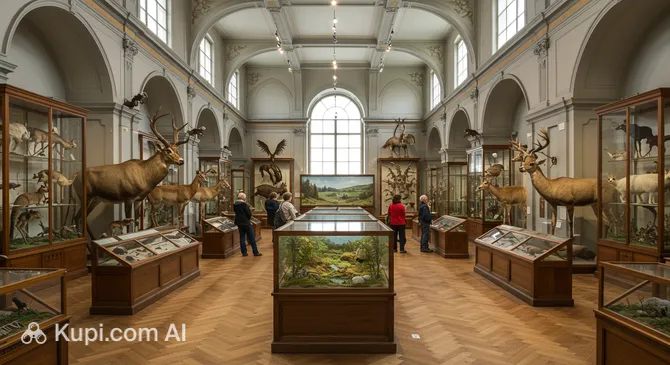
Culture enthusiasts will find the Bamberg Natural History Museum to be a unique highlight. Founded in 1791, it is famous for its stunning early neoclassical Bird Hall (Vogelsaal), which houses thousands of historical taxidermy specimens in their original display cabinets. Unlike modern interactive museums, this institution preserves the atmosphere of a 19th-century cabinet of curiosities, offering a fascinating glimpse into the history of science itself.

Bamberg Natural History Museum. Source: Kupi.Binoculars

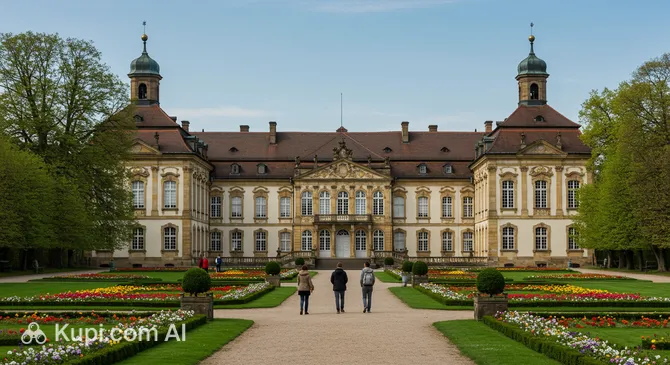
To explore the aristocratic history of the region, a short trip to the outskirts is highly recommended to visit Seehof Palace. This magnificent Baroque summer residence was built for the Prince-Bishops of Bamberg and is surrounded by a vast park. The palace is renowned for its restored cascade fountains and the intricate mythological sculptures that adorn the gardens, providing a splendid example of 18th-century court life.

Seehof Palace. Source: Kupi.Binoculars

Within the city, you can also admire significant monuments of engineering and history, such as Lock 100, Ludwig Canal. This historical site is the last remaining lock of the old Ludwig-Danube-Main Canal, which once connected the North Sea to the Black Sea. The preserved lock keeper’s house and the manual operating mechanism offer a quiet but poignant reminder of the industrial revolution's impact on Franconian trade and transport.

For a truly authentic experience, take a walk along the "Hain" park south of the city center. While strolling through this English-style landscape garden, keep an eye out for the historic river swimming area (Hainbadestelle), where locals have enjoyed refreshing dips in the Regnitz for nearly a century.

Getting Around

Navigating Bamberg is straightforward and convenient, thanks to its compact size and efficient public transport network. Since the city does not have a metro or tram system, the primary mode of public transportation is the bus. The network is operated by the local utility company and covers the entire city area as well as the surrounding suburbs. Most bus lines converge at the Central Bus Station (ZOB), located on Promenadestraße, making it the main hub for transfers and a good reference point for orientation.

The city is part of the VGN (Greater Nuremberg Transport Association), which means a unified ticketing system applies across the entire region, including trains to nearby Nuremberg. For tourists, the most economical option is often the TagesTicket Plus (Day Ticket Plus). This pass allows up to two adults and up to four children to travel on the entire network for one or two days, depending on whether you purchase it on a Saturday (valid for Sunday too) or a weekday. Single tickets and short-trip tickets are also available for brief journeys.

Tickets can be purchased in several ways to suit your needs. You can buy them directly from the bus driver (usually cash only), at ticket machines located at major stops like the ZOB and the train station, or digitally via the VGN app or DB Navigator app. If you buy a paper ticket from a machine or a kiosk, remember to validate it by stamping it in the orange boxes on the bus or at the platform before your journey begins. Tickets bought from the driver are typically already validated.

Public transport generally operates from early morning until around midnight. On Friday and Saturday nights, as well as nights before public holidays, the city offers a special NightLiner bus service. These buses run late into the night, ensuring you can safely return to your accommodation after enjoying the local nightlife. Schedules are reliable, and digital displays at major stops often show real-time departure information.

While the bus system is excellent, many visitors find that walking is the best way to explore the UNESCO-listed Old Town, as many historic streets are pedestrian-only or very narrow. Alternatively, you can join the locals and rent a bicycle. Bamberg is extremely bike-friendly, with dedicated lanes and paths along the river, making two wheels a popular and scenic way to get around. Taxis are also readily available at designated stands or by phone, though they are a more expensive option compared to the bus.

For those arriving by car, the Park & Ride (P+R) system is highly recommended. Parking in the historic center is limited and expensive. You can leave your vehicle at one of the P+R lots on the outskirts, such as at the Heinrichsdamm or Kronacher Straße, and take a shuttle bus or a regular line into the city center for a low fee, often included with the parking ticket.

Accommodation

Finding the perfect place to stay in Bamberg is an integral part of the travel experience, as the city’s accommodation options often reflect its deep historical roots. Visitors can choose from a wide spectrum of lodgings, ranging from centuries-old guesthouses and family-run inns to modern hotels and functional apartments. Whether you are looking for a romantic room with a view of the cathedral or a budget-friendly hostel for a backpacking trip, the city caters to diverse preferences and budgets.

The most sought-after area for tourists is undoubtedly the Bamberg Old Town (Altstadt). Staying here places you right in the heart of the UNESCO World Heritage site, within walking distance of major landmarks like the cathedral and the riverfront. The atmosphere in this district is unmatched, especially in the evenings when the day-trippers have left and the cobblestone streets quiet down. For those who prefer easy access to public transport, the area east of the Main-Danube Canal, known as the Gärtnerstadt and the vicinity of the train station, offers convenient modern hotels and is still just a short walk from the historic center.

Bamberg Old Town. Source: Kupi.Binoculars

A unique feature of the local hospitality scene is the traditional Brauereigasthof (Brewery Inn). Bamberg is famous for its beer culture, and many historic breweries offer guest rooms above their taverns. Staying in one of these establishments provides an authentic Franconian experience, allowing you to enjoy a hearty breakfast and fresh local beer without leaving your accommodation. These inns are often family-owned and provide a cozy, rustic charm that large chain hotels cannot replicate.

Regarding prices, Bamberg is generally affordable compared to major German metropolises like Munich, but rates can vary significantly by season. Budget travelers can find reasonably priced hostels and guesthouses, while mid-range and upscale historic hotels command higher prices, particularly those with river views. Booking in advance is highly recommended, especially during the summer months and the famous Sandkerwa beer festival in August, when the city is fully booked weeks ahead. While major hotels accept credit cards, smaller guesthouses may prefer cash, so it is wise to check payment policies beforehand.

Nearby Cities

For those looking to explore the surroundings, Bamberg serves as an excellent base for day trips to several interesting nearby locations:

City Population Distance (km)
Furth12912247
Erlangen11329235
Bayreuth7465748
Coburg4124941
Forchheim3243323

One of the most culturally significant destinations in the region is Bayreuth. Renowned worldwide for its annual Richard Wagner Festival, the city is also home to the Margravial Opera House, a UNESCO World Heritage site that stands as a stunning example of Baroque theatre architecture. It offers a sophisticated blend of music, history, and impressive gardens.

Heading north, travelers can visit Coburg, a town dominated by the majestic Veste Coburg, one of the largest and best-preserved medieval fortresses in Germany. The town has a rich royal heritage as the ancestral seat of the House of Saxe-Coburg and Gotha, and its charming streets are lined with historic buildings and museums.

For a more relaxed experience, Forchheim is situated very close by and is often called the "Gateway to Franconian Switzerland." It is famous for its well-preserved half-timbered facades and the Kaiserpfalz, an imperial palace that dates back to the 14th century, making it a delightful stop for history enthusiasts.

These nearby destinations offer a glimpse into the diverse culture and landscapes of the region.

Shopping & Souvenirs

Shopping:

Shopping in Bamberg is a pleasant experience that combines the charm of a historic setting with a variety of modern retail options. The city center, particularly the pedestrian zone in the "Island City" (Inselstadt), is the main hub for retail therapy. Here, amidst medieval architecture and baroque facades, visitors can stroll through lively streets lined with independent boutiques, antique shops, and well-known fashion chains. The atmosphere is relaxed, inviting you to browse at your own pace while enjoying the scenic backdrop.

For those looking to take a piece of Franconia home, the local souvenir selection is heavily influenced by the region's culinary traditions. Unsurprisingly, beer-related items are top sellers. You can find beautifully crafted ceramic beer steins (Steinkrüge), bottle openers, and gift sets featuring the famous Rauchbier (smoked beer). Beyond beverages, the city is known for its high-quality antiques and bookstores, perfect for hunting down unique treasures and rare finds. During the holiday season, the Christmas market on Maximiliansplatz becomes a focal point for handcrafted ornaments and traditional toys.

If you prefer a modern shopping experience with a wide range of international brands under one roof, the city has several large commercial centers. The Ertl Shopping Center is a major destination located just outside the city center in the Hallstadt area. It features a comprehensive selection of fashion, electronics, and lifestyle stores, along with a food court, making it a convenient one-stop shop for families and travelers alike.

Another significant retail hub is the Oberfranken Shopping Center. Situated near the highway, it offers a vast array of shops ranging from large hypermarkets to specialized retailers. These centers are particularly useful if you need to stock up on travel essentials or prefer a climate-controlled environment on a rainy day. Both locations are easily accessible by car or local bus services.

For fresh local produce and a taste of everyday life, a visit to the Green Market (Grüner Markt) in the pedestrian zone is highly recommended. Held from Monday to Saturday, this open-air market offers fresh fruits, vegetables, flowers, and regional delicacies such as honey and sausages. It is a vibrant spot where locals do their daily shopping and catch up on the latest news.

Travelers should keep in mind that, like in the rest of Germany, most shops in Bamberg are closed on Sundays. The exception is bakeries, which often open for a few hours in the morning, and some shops within the train station. Regular opening hours are typically from 9:00 AM to 8:00 PM for larger stores, while smaller boutiques in the Old Town may close around 6:00 PM or 7:00 PM and might close earlier on Saturdays.

Reached the end of the page?

That means the route is fully explored