Support

Fritzlar

About

Fritzlar is a captivating destination that transports visitors back in time with its well-preserved medieval architecture and profound spiritual heritage. Often celebrated as a "Cathedral City," it offers a unique blend of historical significance and small-town charm, making it a delightful stop for those exploring the region.

Situated in the federal state of Hesse, in the heart of Germany, Fritzlar sits gracefully along the river Eder. With a population of around 15,000 people, it maintains a cozy and welcoming atmosphere while boasting a legacy that rivals much larger cities. The deep roots of the town are evident at every turn, and diving into the history of Fritzlar reveals its pivotal role in the spread of Christianity and the formation of the medieval empire.

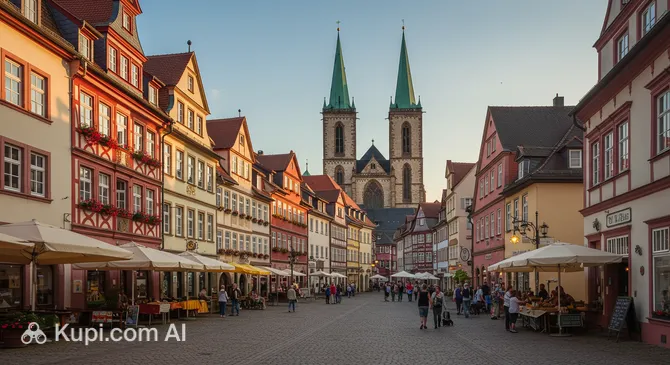
Fritzlar. Source: Kupi.Binoculars

Travelers are drawn to the magnificent St. Peter's Cathedral (Dom St. Peter), a masterpiece of Romanesque and Gothic architecture that dominates the skyline. A stroll through the historic center leads to the picturesque Market Square, framed by beautifully restored half-timbered houses that look like they were plucked from a fairy tale. Another must-see is the Grey Tower (Grauer Turm), one of the highest urban defense towers in the country, which stands as a proud reminder of the town's ancient fortifications.

Whether you are a history enthusiast or simply looking for a scenic getaway, Fritzlar invites you to wander its cobblestone streets and soak in its timeless beauty. It is a perfect location to relax, enjoy the local hospitality, and experience the authentic culture of central Europe.

Weather Overview

The climate in this region is temperate, offering distinct seasonal changes that bring a different atmosphere to the town throughout the year. To plan your packing list effectively, it is helpful to check the detailed forecast for the weather in Fritzlar before your trip. Generally, the town enjoys mild conditions, though visitors should always be prepared for variable skies.

Summers are typically pleasant and warm, with August being the warmest month, featuring average temperatures around 18.5°C and daily highs reaching up to 23.0°C. This season is ideal for outdoor exploration. In contrast, winters are cold, with average temperatures in January and December dropping to between 2.0°C and 3.0°C, and nightly lows frequently hovering near or just above freezing.

Precipitation is quite consistent throughout the year, with the number of wet days ranging from 11 to 16 per month. Expect warm summers with occasional rain and cold winters where damp or wet conditions are common, making a waterproof jacket or umbrella a useful travel companion in any season.

Interesting Facts

Beyond its stunning cathedral and timber-framed houses, Fritzlar holds fascinating stories that echo through its ancient streets. This town is not just a collection of old buildings but the stage for legendary events that shaped the region's history.
  • Fritzlar is widely considered the birthplace of Christianity in Central Germany. Legend has it that in 723 AD, the missionary St. Boniface felled the sacred Donar Oak, a tree worshipped by the Germanic tribes, to prove the superiority of his faith. He used the wood from this pagan symbol to build the very first chapel on the site where the cathedral stands today.

  • Hidden beneath the surface lies a rare piece of Jewish history. During construction work in the late 20th century, a well-preserved medieval Mikveh (ritual bath) was accidentally discovered. This archaeological gem offers a glimpse into the vibrant Jewish community that once thrived within the city walls centuries ago.

  • The town boasts one of the most complete medieval fortifications in the region. While many cities dismantled their walls for expansion, Fritzlar has retained a significant portion of its defensive circuit, including several watchtowers that still stand guard over the historic center.

How to Get There

Reaching this historic town in Hesse is relatively straightforward thanks to Germany's extensive transport network. Whether you prefer flying or taking the train, there are several convenient hubs nearby. For a detailed overview of all travel options, you can read more about how to get to Fritzlar on our dedicated page.

The city of Fritzlar does not have its own airport, but international and domestic travelers can fly into Frankfurt Airport (FRA) in Frankfurt am Main. It is one of the busiest aviation hubs in Europe and is located approximately 132 km from Fritzlar. The journey from the airport by car or taxi typically takes between 1.5 and 2 hours depending on traffic. Alternatively, for those coming from closer regions, Paderborn Lippstadt Airport (PAD) in Paderborn is a viable option. Situated about 70 km away, the drive from there usually takes around one hour.

For clarity, here is a summary of the main airports:
Airport Name City Passenger Traffic Km from City
Frankfurt AirportFrankfurt am MainVery High131.7
Dortmund AirportDortmundMedium123.5
Paderborn Lippstadt AirportPaderbornSmall70.2
Erfurt AirportErfurtSmall119.3
Frankfurt Egelsbach AirportEgelsbachSmall137.8

Traveling by rail is another excellent way to approach the region. While Fritzlar is a smaller town, it is well-served by major railway hubs in the vicinity. You can arrive at the Kassel-Wilhelmshöhe Station in the city of Kassel, which is a significant stop for high-speed ICE trains and is located just 23.2 km from Fritzlar. From there, a taxi or bus ride takes approximately 30 minutes. Another major option for long-distance connections is Frankfurt (Main) Hauptbahnhof in Frankfurt am Main, situated roughly 122 km away.

Below is a list of the nearest major railway stations:
Station City Passenger Traffic Km to Center
Frankfurt (Main) HauptbahnhofFrankfurt am MainVery High122.1
Dortmund HauptbahnhofDortmundHigh133.6
Erfurt HauptbahnhofErfurtHigh124.9
Kassel-Wilhelmshöhe StationKasselHigh23.2
Eisenach HauptbahnhofEisenachMedium76.2

Main Attractions

Beyond the famous cathedral and the central square, Fritzlar hides several other gems that offer a deeper look into its culture and daily life. One such architectural marvel is the Wedding House (Hochzeitshaus), a massive half-timbered building dating back to roughly 1580. Today, it houses the Regional Museum (Regionalmuseum Fritzlar), where visitors can explore exhibits ranging from prehistoric artifacts to displays on local folklore and the town's development over the centuries.

For those seeking fresh air and natural beauty, the banks of the Eder River provide a perfect escape. The lush river meadows, known as the Ederauen, feature scenic trails ideal for walking or cycling. It is a peaceful area to enjoy the greenery and observe the local flora and fauna, offering a relaxing contrast to the stone fortifications of the old town.

Exploring the city can work up an appetite, and Fritzlar offers excellent spots to enjoy a meal. For a taste of Italian cuisine, travelers can visit Avanti Pizza & Pasta. This restaurant is a popular choice for those craving classic dishes in a friendly setting.

[IMAGE attraction id=143316]

Another notable dining location is VASATO Gutes Essen. It provides a welcoming atmosphere where visitors can relax and enjoy quality food, making it a great place to unwind after a day of sightseeing.

[IMAGE attraction id=168886]

Local Cuisine

The culinary landscape of Fritzlar is deeply rooted in the traditions of North Hesse, offering a hearty and rustic dining experience that reflects the region's agricultural heritage. The local cuisine is characterized by substantial meat dishes, rich sauces, and recipes passed down through generations, providing a comforting taste of central Germany.

One of the most iconic specialties you must try is the famous Ahle Wurst (often pronounced "Ahle Wurscht" in the local dialect). This traditional air-dried pork sausage is seasoned with spices like nutmeg and caraway and matured for months to achieve its distinctive flavor. Another regional classic is Weckewerk, a savory dish made from minced pork, broth, and bread rolls, typically fried and served with potatoes and pickles. For those who enjoy creamy sauces, a Schmandschnitzel—a pork cutlet topped with a rich sour cream sauce—is a popular comfort food found on many menus.

When it comes to beverages, the region is well known for its love of Apfelwein (apple wine). While often associated with Frankfurt, this tart and refreshing cider is enjoyed throughout Hesse and pairs perfectly with the heavy local dishes. Beer lovers will also find plenty to appreciate, as the area has a strong brewing tradition, with local pilsners and wheat beers being staples in pubs and restaurants.

The food culture in Fritzlar revolves around conviviality and history. Locals and tourists alike often gather in traditional Gasthäuser (guesthouses), many of which are located within centuries-old half-timbered buildings. These establishments offer a cozy, rustic atmosphere where you can enjoy a leisurely meal. In addition to sit-down restaurants, the town's bakeries are excellent spots to grab a quick snack, such as fresh Speckkuchen (bacon cake), especially on market days when the aroma of fresh food fills the streets.

Travel Tips

Preparing for a trip to Fritzlar involves a few simple steps to ensure you can fully enjoy its medieval charm without any logistical hiccups. These practical tips are designed to help you navigate the local customs and daily life of this historic Hessian town with the confidence of an experienced traveler.

  1. Footwear and Clothing: Given the town's extensive medieval heritage, the historic center is paved with authentic cobblestones. It is highly recommended to pack sturdy, flat walking shoes to explore the streets comfortably; high heels or thin soles can be difficult to manage here. Since the weather in Germany can be changeable, bring layers and a waterproof jacket, even in summer. If you plan to visit the Cathedral, modest attire covering shoulders and knees is respectful, though not strictly enforced.
  2. Getting Around: The best way to experience Fritzlar is undoubtedly on foot. The old town is compact, and most sights, including the Market Square and the Grey Tower, are within easy walking distance of each other. Public buses are available for trips to the outskirts or neighboring towns like Kassel, but within the city walls, a car is often more of a hindrance due to narrow streets and limited parking.
  3. Currency and Payments: The official currency is the Euro (€). While major supermarkets and hotels accept credit cards (Visa/Mastercard), smaller businesses, traditional bakeries, and cozy Gasthäuser often prefer or only accept cash. It is wise to carry a sufficient amount of cash for daily expenses. ATMs (Geldautomaten) are widely available throughout the town center for withdrawals.
  4. Health and Safety: Fritzlar is a very safe town for tourists, with low crime rates. For minor health issues, look for a pharmacy (Apotheke), marked by a distinctive red "A" symbol; they can provide over-the-counter advice and medication. In case of a serious emergency, dial 112 for ambulance or fire services, and 110 for the police.
  5. Communication: The primary language is German. While staff at the main tourist office and larger hotels usually speak English, it is less common among older residents or in smaller shops. Learning a few basic phrases like "Guten Tag" (Good day) and "Danke" (Thank you) goes a long way in showing respect. Having a translation app on your phone can be very helpful for reading menus or signs.
  6. Local Etiquette: Politeness is highly valued here. It is customary to greet shopkeepers with a friendly "Hallo" or "Guten Tag" when entering a store. When dining out, tipping is expected but differs from other countries; simply round up the bill or add about 5-10% and tell the server the total amount you wish to pay directly when handing over money.
  7. What to Avoid: Do not expect shops to be open on Sundays. In Germany, Sundays are strictly for rest (Ruhetag), and almost all retail stores, supermarkets, and pharmacies (except emergency ones) will be closed. Plan your shopping for Saturday. Also, avoid walking in designated bicycle lanes if you venture out of the pedestrian zones, as cyclists can be quite fast and expect the path to be clear.
  8. Timing Your Visit: If you want to experience the town at its liveliest, try to visit during the weekly market days or one of the seasonal festivals. Conversely, keep in mind that many museums and attractions may have reduced opening hours on Mondays, so check the schedules in advance to avoid disappointment.

By keeping these practicalities in mind, you will be well-equipped to relax and immerse yourself in the unique atmosphere of Fritzlar. Enjoy your journey through the winding alleys and half-timbered beauty of this enchanting German town!

Entertainment & Nightlife

Nightlife in Fritzlar reflects the town's general character: it is relaxed, welcoming, and deeply rooted in its historic setting. Rather than loud nightclubs or sprawling party districts, the evening entertainment here revolves around socializing in cozy taverns, enjoying a good meal, or attending cultural events. The atmosphere is laid-back, making it perfect for travelers who appreciate authentic conversations over a glass of local beer or wine.

The heart of the action is undoubtedly the Market Square (Marktplatz) and the surrounding cobblestone streets of the old town. In the warmer months, the square comes alive as restaurants and cafes set up outdoor seating, allowing visitors to enjoy the twilight views of the half-timbered houses. This area is where locals gather to unwind after work, creating a buzzing yet family-friendly vibe that lasts well into the evening.

For those looking for a classic pub experience, Turmschänke is a popular spot. Known as a "Pub-Lounge-Bar," it offers a rustic yet modern environment where you can enjoy a wide range of drinks and often catch special events. Another favorite among residents is Fuchsbau, a sports bar and lounge that serves cocktails and long drinks. It is the go-to place for watching live sports broadcasts or simply playing a round of darts in a friendly atmosphere.

Film enthusiasts can spend their evening at the Cineplex Royal, a modern cinema located just outside the historic walls. It screens the latest international blockbusters as well as German films, offering a comfortable retreat for a night out. If you are visiting in the summer, keep an eye out for the "Fritzlar vor dem Dom" festival, where open-air concerts and cultural performances take place against the stunning backdrop of the cathedral.

A great evening often starts with a satisfying dinner. You can begin your night at Avanti Pizza & Pasta, which is well-regarded for its casual dining experience. Alternatively, VASATO Gutes Essen offers a delightful setting to enjoy quality food before heading out for a drink. These venues are centrally located, making it easy to transition from dinner to drinks without needing transportation.

Regarding safety, Fritzlar is exceptionally secure, and walking around the old town at night is considered very safe. However, the streets can be dimly lit in some residential corners, so sticking to the main paths is advisable. Public transport slows down significantly late at night, and taxis can be scarce. It is highly recommended to have a local taxi number saved or to ask your restaurant to call one for you in advance if you are staying outside the city center.

While the nights are quiet, daytime entertainment in Fritzlar offers its own charm. Visitors can explore the fascinating museums housed in historic buildings or take a leisurely boat trip or walk along the Eder river. The town also hosts vibrant seasonal markets that provide entertainment for all ages, blending shopping with local music and food.

Parks & Museums

Fritzlar is a destination where nature and history intertwine seamlessly, offering visitors the chance to explore lush green landscapes just steps away from world-class cultural exhibits. The city's location in the diverse North Hessian countryside makes it an excellent base for outdoor enthusiasts, while its museums provide a deep dive into the religious and medieval heritage that shaped the region.

One of the most accessible natural areas is the Eder Meadows (Ederauen), situated directly at the foot of the cathedral hill. This sprawling riverside park offers a network of paved paths and trails that are perfect for a relaxing walk, a morning jog, or a scenic bicycle ride along the Eder River. It serves as a peaceful green lung for the city, providing stunning views of the medieval skyline rising above the trees, and is a popular spot for locals to picnic or enjoy the calm water.

Just a short distance from the city, nature lovers can easily access the Kellerwald-Edersee Nature Park. While not within the city walls, Fritzlar is often considered a gateway to this UNESCO World Heritage site, which features ancient beech forests and the massive Edersee lake. It is an ideal destination for a day trip to experience pristine wilderness, hiking trails, and water sports, offering a grander scale of nature to complement the town's urban parks.

For those interested in cultural history, the Cathedral Museum (Dommuseum) is an absolute must-see. Located within the cloister of St. Peter’s Cathedral, it houses one of the most significant treasuries in Germany. The collection includes the famous Cross of Henry (Heinrichs-Kreuz), dating back to the 11th century, along with rare manuscripts, vestments, and liturgical objects that narrate the story of St. Boniface and the city's spiritual importance over the last millennium.

Another key cultural institution is the Regional Museum Fritzlar, housed in the magnificent "Wedding House" (Hochzeitshaus). This museum offers a comprehensive look at the town's secular history, from prehistoric archaeological finds to displays on medieval guild life and folklore. The building itself is an exhibit, being one of the largest and most beautiful half-timbered structures in Hesse, providing an atmospheric setting for the artifacts within.

The city itself acts as an open-air museum, with the City Walls and the Grey Tower (Grauer Turm) standing as testaments to its defensive past. Walking along the preserved sections of the wall allows visitors to appreciate the strategic architecture that protected Fritzlar for centuries. The historic Market Square also serves as a living gallery of timber-framed construction, where every facade tells a story of the town's prosperous merchant past.

For a truly authentic experience, take a walk along the Mühlengraben path outside the city fortifications. This lesser-known trail follows the old mill stream and offers a quiet, romantic perspective of the city walls and towers, away from the main tourist crowds. It is particularly enchanting in the early evening when the setting sun illuminates the stone fortifications.

Getting Around

Navigating Fritzlar is remarkably stress-free, largely because the city’s historic center is compact and best explored on foot. Most of the major attractions, including the cathedral and the market square, are located within a pedestrian-friendly zone where motorized traffic is restricted. However, for reaching the outlying districts or connecting to nearby transport hubs, the city offers a reliable public transport network integrated into the North Hessian Transport Association (NVV).

The backbone of local transit consists of a bus system (Stadtbus) that connects the medieval core with the railway station and the surrounding residential areas. These buses are comfortable and run on regular schedules during the day, making them a convenient option if your accommodation is located outside the city walls. Additionally, Fritzlar has its own railway station, which is served by regional trains (RB). These trains provide essential links to the neighboring town of Wabern, where travelers can transfer to the main long-distance rail network, as well as to the spa town of Bad Wildungen.

The payment system is unified under the NVV tariff, meaning the same ticket can often be used for both buses and regional trains within the validity zones. Travelers can purchase single tickets, day passes, or group tickets depending on their needs. For tourists planning to explore the wider region, the "MultiTicket" is a cost-effective option. Tickets can be purchased directly from bus drivers (usually in cash, so keep small change handy), at ticket machines located at the train station, or conveniently via the NVV mobile app, which also provides real-time timetable information.

For those who need flexibility outside of standard bus operating hours, taxis are a viable alternative, though they are not typically hailed on the street. It is advisable to locate a "Minicar" service or a local taxi company and book your ride by phone or app in advance, especially for late-night trips when public transport frequency decreases. Another popular way to get around, particularly in the warmer months, is by bicycle. The region is bike-friendly, with dedicated paths along the river and through the countryside, making rental bikes a pleasant option for leisure travel.

A practical tip for visitors is to pay close attention to the schedules on weekends and public holidays, as bus services may run less frequently or end earlier in the evening than on weekdays. If you are staying in one of the smaller outlying villages, you might encounter the Anruf-Sammel-Taxi (AST), a shared taxi service that operates on specific routes but requires a phone reservation at least 30 minutes before departure. Always validate your paper ticket if it was bought from a machine without a pre-printed time stamp to avoid fines.

Accommodation

Finding accommodation in Fritzlar is an opportunity to immerse yourself in the town’s history, as many lodging options are housed within centuries-old buildings. The city does not typically feature large international hotel chains or sprawling luxury resorts. Instead, visitors will find a charming selection of family-run hotels, traditional guesthouses known as Gasthäuser, and private holiday apartments. This emphasis on smaller, locally owned establishments ensures a warm, personal welcome and a stay that feels authentic to the region.

For the most atmospheric experience, the Old Town (Altstadt) is the preferred area for tourists. Staying within the medieval city walls places you just steps away from the Market Square and the Cathedral, allowing you to enjoy the illuminated timber-framed facades in the evening. However, travelers driving to Fritzlar should note that parking in the historic center can be limited. If you are traveling by car, you might find more convenient options with dedicated parking spaces just outside the city fortifications, which are still within easy walking distance of the main sights.

In addition to traditional hotels, there is a growing number of vacation rentals (Ferienwohnungen). These are particularly popular with families or visitors planning a longer stay to explore the surrounding nature parks. These apartments often provide more space and kitchen facilities, offering a "home away from home" feeling.

Generally, accommodation prices in Fritzlar fall into the budget to mid-range category, making it an affordable destination compared to larger German cities. While you can often find a room spontaneously in the off-season, it is highly recommended to book in advance if you plan to visit during the summer months or during major local festivals, as the limited number of rooms in the historic center fills up quickly. Most establishments are listed on major online booking platforms, but contacting smaller guesthouses directly can sometimes yield better rates or specific room requests.

Nearby Cities

For those looking to explore the surroundings, Fritzlar serves as an excellent base for day trips to several interesting nearby locations:

One of the most popular destinations is Kassel, a major cultural hub located just a short distance away. It is world-renowned for the Bergpark Wilhelmshöhe, a UNESCO World Heritage site that features the monumental Hercules statue and spectacular water displays. Visitors can also explore the Grimmwelt museum, dedicated to the Brothers Grimm who lived and worked in the region.

For history enthusiasts, the Hanseatic town of Korbach offers a delightful experience. It boasts a well-preserved medieval city center with ancient fortifications and stone warehouses. Korbach is also famous for its geological history, particularly the Korbacher Spalte, a significant fossil site that provides a window into the prehistoric past.

Another charming option is Warburg, situated in the scenic Diemel valley. Known for its almost complete medieval city wall and historic towers, Warburg presents a picturesque skyline that transports visitors back in time. The town consists of two distinct parts, the Old Town in the valley and the New Town on the hill, both filled with beautiful half-timbered architecture.

City Population Distance (km)
Kassel20104825
Baunatal2790617
Korbach2358132
Warburg2307941
Stadtallendorf2145639

These nearby destinations offer a glimpse into the diverse culture and landscapes of the region.

Shopping & Souvenirs

Shopping in Fritzlar offers a delightful contrast to the hustle and bustle of large commercial cities. Instead of massive department stores, visitors will find a charming selection of owner-operated boutiques, specialty shops, and traditional craftsmen set against the backdrop of medieval timber-framed houses. The experience is characterized by personal service and a relaxed atmosphere, allowing you to browse for unique fashion, books, and regional products while admiring the historic architecture.

The heart of the shopping district is located within the pedestrian zone of the Old Town (Altstadt). The streets radiating from the central Market Square (Marktplatz), such as Kasseler Straße and Fleischerstraße, are lined with small stores selling everything from modern clothing and shoes to home decor and jewelry. Walking through these cobblestone alleys is a pleasure in itself, as many shops are housed in beautifully restored buildings that have stood for centuries.

For those seeking more modern conveniences and everyday necessities, the Domstadt-Center provides a different shopping environment. Located just outside the historic city walls, this small shopping mall features a variety of retail outlets, including supermarkets, drugstores, and clothing chains. It serves as a practical stop for travelers needing to restock on supplies or looking for standard international brands in a contemporary setting.

A highlight of the local trade is the traditional Weekly Market (Wochenmarkt), typically held on the Market Square. Here, local farmers and producers gather to sell fresh fruits, vegetables, flowers, and regional delicacies. It is the perfect place to mingle with residents and experience the town's culinary heritage. During the holiday season, the square transforms into a festive Christmas market, offering handcrafted gifts and seasonal treats.

When looking for souvenirs to take home, the region's culinary specialties are the best choice. The famous Ahle Wurst, a traditional air-dried pork sausage, is the quintessential gift from North Hesse and can be purchased at local butcher shops (Metzgereien). Other popular items include local honey, fruit schnapps, or handmade crafts that reflect the town's history, such as small models of the cathedral or timber-framed houses.

Store opening hours in Fritzlar generally follow the standard German pattern. Most shops in the city center open around 9:00 or 10:00 AM and close by 6:00 PM on weekdays. On Saturdays, opening times are often shorter, with many smaller boutiques closing at 1:00 PM or 2:00 PM, although some may stay open until 4:00 PM. It is important to remember that nearly all shops, including supermarkets, are closed on Sundays.

Regarding payment, while supermarkets and larger stores in the Domstadt-Center readily accept credit and debit cards, smaller boutiques and traditional shops in the Old Town may prefer cash. It is advisable to carry some Euros, especially for small purchases at the market or in bakeries. Visitors from outside the European Union may be eligible for VAT refunds on certain goods; look for the "Tax Free" signage in shop windows and ask for the necessary forms at the checkout.
Reached the end of the page?

That means the route is fully explored