Support

Erfurt

About

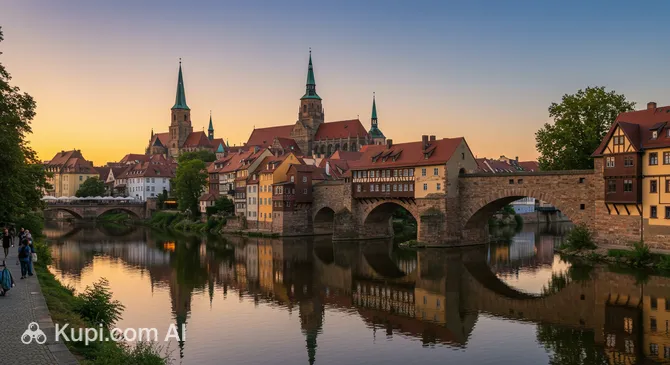
Erfurt is a captivating destination that perfectly blends medieval charm with the vibrancy of a modern state capital. Located in the heart of Germany, this picturesque city serves as the administrative center of Thuringia. With a population of over 210,000 residents, it offers a lively yet relaxed atmosphere, making it an ideal stop for travelers seeking authentic culture without the overwhelming crowds of larger metropolises.

Erfurt. Source: Kupi.Binoculars

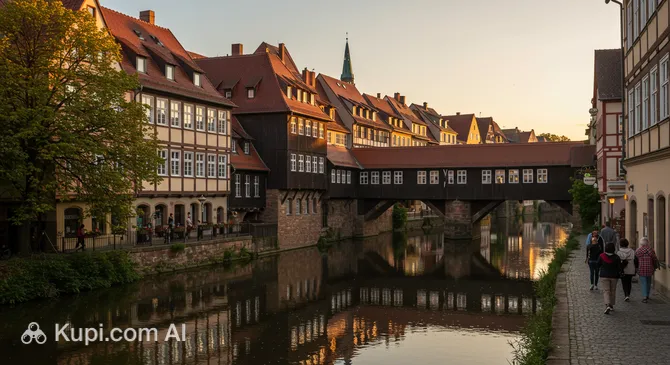
The history of Erfurt is deeply woven into its cobblestone streets and well-preserved architecture. One of the city's most famous landmarks is the Krämerbrücke (Merchants' Bridge), a unique structure lined with inhabited half-timbered houses and artisan shops spanning the Gera River. Another must-see is the stunning ensemble of the Erfurt Cathedral (Dom St. Marien) and St. Severi Church, which dominate the skyline from the Domplatz. Visitors can also explore the imposing Petersberg Citadel, one of the largest and best-preserved town fortresses in Europe.

Whether you are strolling through the enchanting old town, enjoying local Thuringian cuisine, or admiring the floral displays at the Egapark, Erfurt promises a memorable experience. Its central location and rich cultural heritage make it a welcoming and fascinating place to explore.

Weather Overview

The weather in Erfurt is generally temperate, characterized by warm summers and cold winters with distinct seasonal shifts. The warmest period occurs from June to August, where you can enjoy pleasant conditions ideal for sightseeing. During this time, average temperatures hover around 18°C to 19°C, with August seeing daily highs reaching up to 24.2°C.

Winter brings a significant drop in temperature, particularly in January, which is typically the coldest month with averages around 1.9°C and lows dipping to -0.3°C. Precipitation is spread fairly evenly throughout the year, with approximately 10 to 15 wet days per month, so travelers should expect occasional rain and pack accordingly regardless of the season.

Interesting Facts

Beyond the main attractions, Erfurt holds many fascinating secrets that reveal its deep historical significance and quirky modern character. From ancient treasures to famous cartoon figures, the city offers surprising discoveries for the curious traveler.

Old Synagogue. Source: Kupi.Binoculars
  • The city is home to the Old Synagogue, which is considered one of the oldest preserved synagogues in Central Europe, with parts dating back to the 11th century. It houses the remarkable "Erfurt Treasure," a collection of medieval jewelry and coins that was hidden during the plague pogrom of 1349 and only rediscovered in 1998.

  • Erfurt owes much of its medieval wealth to a plant called woad. Before the import of indigo from Asia, the city was a thriving center for the production of blue dye derived from this plant, earning it the nickname "the city of blue gold."

  • While many visitors admire the half-timbered houses, few realize that the Merchants' Bridge holds a specific record. It is the longest continuously inhabited bridge in Europe, surpassing even the famous Ponte Vecchio in Florence.

  • The famous reformer Martin Luther called Erfurt his "spiritual mother." He lived as a monk in the Augustinian Monastery Erfurt from 1505 to 1511, and it was here that he was ordained as a priest, setting the stage for the Reformation.

  • On a more whimsical note, the city is the headquarters of the German children's channel KiKA, and you can find a statue of the grumpy, cult-favorite character Bernd the Bread (Bernd das Brot) standing near the town hall.

How to Get There

Reaching this Thuringian gem is quite convenient given its central location, and you can find more about how to get to Erfurt on our detailed page. For those traveling by air, the city is served by its own local hub, Erfurt Airport (ERF). Located just outside the city center, it offers a quick connection to the heart of town. The ride by taxi typically takes about 15 minutes, making it the most direct aerial route.

Alternatively, international travelers often choose Leipzig/Halle Airport (LEJ) in the city of Leipzig, situated about 96 km away. It handles a larger volume of flights and serves as a major gateway to the region. From here, a taxi or car ride to Erfurt would take roughly one hour, though train connections are also a viable option for this distance.

For clarity, here is a summary of the main airports:

Airport Name City Passenger Traffic Km from City
Hannover Airport Hanover Large 188.3
Nuremberg Airport Nuremberg Medium 165.7
Leipzig/Halle Airport Leipzig Medium 96.4
Paderborn Lippstadt Airport Paderborn Small 182.4
Erfurt Airport Erfurt Small 5.1

Traveling by train is one of the most popular ways to arrive, thanks to the excellent German rail network. The city's main hub is Erfurt Hauptbahnhof, centrally located just 1.5 km from the downtown area. It is a major junction for high-speed ICE trains, making it easily accessible from all over Germany. A very short taxi ride of around 5 minutes or a quick tram trip will get you from the station to your final destination in the city center.

If you are coming from the east, you might connect through Leipzig Hauptbahnhof in the city of Leipzig, which is approximately 97 km away. It is one of the largest stations in Europe and serves as a key transit point for the region. The journey by road from there to Erfurt takes approximately one hour and 15 minutes.

Below is a list of the nearest major railway stations:

Station City Passenger Traffic Km to Center
Nuremberg Hauptbahnhof Nuremberg Very Large 171.2
Leipzig Hauptbahnhof Leipzig Very Large 96.6
Erfurt Hauptbahnhof Erfurt Large 1.5
Kassel-Wilhelmshöhe Station Kassel Large 116.6
Eisenach Hauptbahnhof Eisenach Medium 49.0

Main Attractions

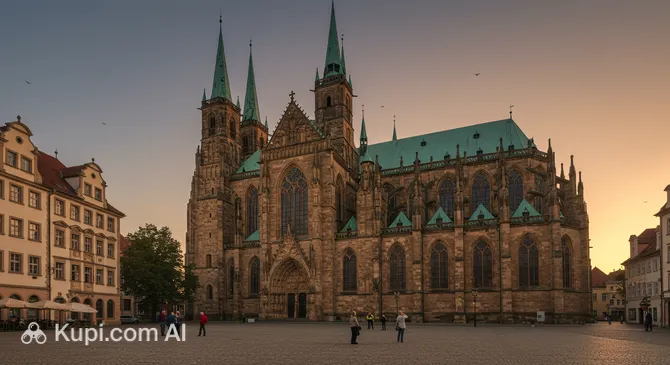
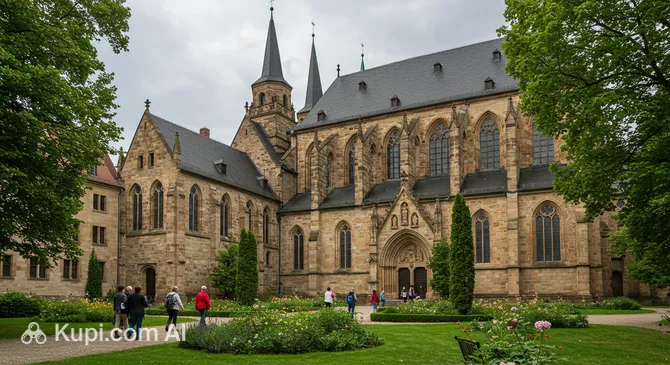
Erfurt is a city where history comes alive, offering a rich tapestry of architectural wonders and lush green spaces. The city's skyline is dominated by the magnificent ensemble of the Erfurt Cathedral (Dom St. Marien) and the Church of St. Severi. This towering Gothic masterpiece is not only visually stunning but also historically significant, housing the "Gloriosa," the world's largest free-swinging medieval bell. A visit to the cathedral offers breathtaking views and a chance to admire its intricate stained glass windows and artistic treasures.

Erfurt Cathedral. Source: Kupi.Binoculars

Directly beneath the cathedral hill lies the expansive Cathedral Square (Domplatz). As one of the largest market squares in Germany, it serves as the vibrant heart of the city. Throughout the year, this area hosts bustling open-air markets, concerts, and the famous Erfurt Christmas Market. Even on quiet days, it is a perfect spot to take a walk, enjoy the grandeur of the surrounding architecture, and soak in the local atmosphere.

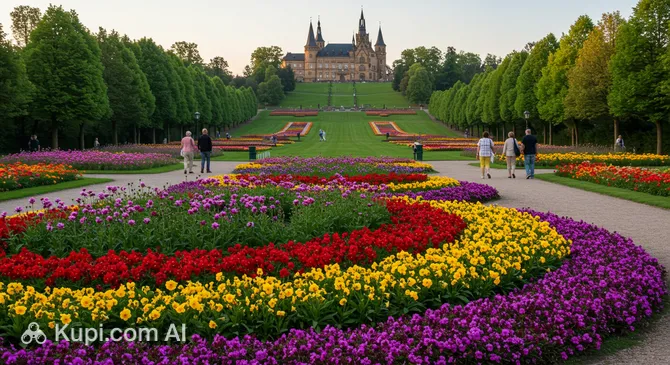
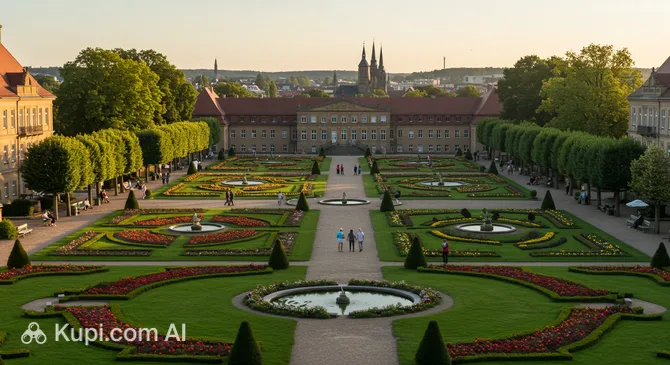
For those seeking relaxation amidst nature, Egapark is an essential stop. Often referred to as the "Garden of Thuringia," this vast parkland features immaculately landscaped flower beds, a Japanese garden, and tropical greenhouses. It is a paradise for horticulture enthusiasts and families alike, offering playgrounds and an observation tower that provides panoramic views of the city and the surrounding countryside.

Egapark. Source: Kupi.Binoculars

Another fantastic destination for outdoor exploration is the Thuringian Zoo Park Erfurt. Situated on the northern outskirts of the city, it is one of the largest zoos in the country in terms of area. The zoo is designed to provide spacious, naturalistic habitats for a wide variety of animals, including elephants, lions, and rhinos. Its hillside location offers a scenic backdrop for a leisurely day trip, making it particularly popular with travelers visiting with children.

Local Cuisine

The local cuisine in Erfurt is a hearty reflection of Thuringian tradition, characterized by rich flavors, generous portions, and a deep love for meat and potatoes. The culinary scene here is unpretentious yet incredibly satisfying, focusing on comfort food that has been perfected over generations. At the heart of this gastronomic culture is the world-famous Thüringer Rostbratwurst. This grilled sausage, protected by EU law, is a ubiquitous street food found at stands throughout the city. Locals typically eat it in a sliced bread roll with authentic Thuringian mustard—never ketchup.

For a sit-down meal, the undisputed star is the Thüringer Kloß (Thuringian dumpling). These large, soft dumplings made from a mixture of raw grated and cooked mashed potatoes are a Sunday staple but are enjoyed any day of the week in restaurants. They are traditionally served as a side to savory meat dishes like Rouladen (rolled beef filled with bacon, onions, and pickles) or Sauerbraten (marinated pot roast). Another regional favorite to look out for is Rostbrätel, a marinated pork neck steak grilled over charcoal and topped with braised onions.

No meal in Erfurt is complete without a local beverage. Thuringia has a strong brewing tradition, and you will often find excellent local Pilsners and the dark, malty Schwarzbier (black beer) on menus. For wine lovers, the nearby Saale-Unstrut region produces crisp white wines that pair beautifully with lighter dishes. If you prefer non-alcoholic options, the ubiquitous Apfelschorle (apple juice mixed with sparkling water) is a refreshing choice favored by locals of all ages.

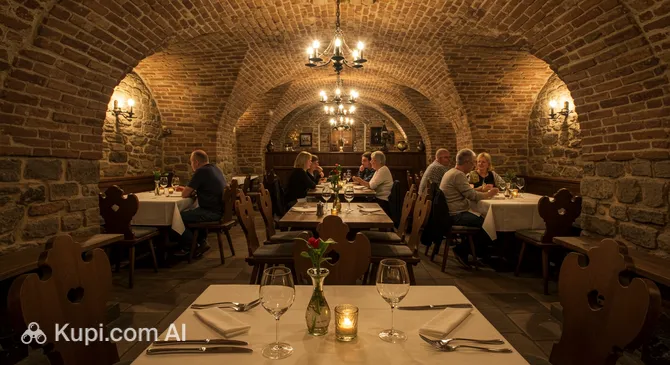
The city offers a diverse range of dining environments, from rustic inns with wood-paneled walls to modern eateries. Visitors looking for a traditional atmosphere might enjoy Kromer's Restaurant & Vaulted Cellar, which offers a historic setting perfect for sampling regional classics. Alternatively, for a cozy and inviting spot to relax after a day of sightseeing, Oma Lilo provides a charming backdrop with a friendly vibe.

Kromer's Restaurant & Vaulted Cellar. Source: Kupi.Binoculars

Dessert in Erfurt is often a simple but delicious affair, usually featuring Thüringer Blechkuchen. This is a variety of sheet cakes baked on large trays, topped with seasonal fruits, poppy seeds, or crumble (Streusel). It is widely available in bakeries and cafes, making it the perfect accompaniment to an afternoon coffee break in the historic city center.

Travel Tips

Erfurt's medieval charm is best enjoyed when you are well-prepared for its cobbled streets and local rhythm. To help you make the most of your visit to this Thuringian capital, we have compiled a list of essential practical tips covering everything from packing to local customs.

  1. Clothing and Gear: Comfortable walking shoes are a must because of the extensive cobblestone streets in the historic old town; high heels can be difficult to manage here. Since the weather can be changeable, dress in layers and carry a compact umbrella or raincoat. If you plan to visit the Erfurt Cathedral or other religious sites, modest clothing that covers shoulders and knees is recommended.
  2. Transportation: The city center is very compact and is best explored on foot, allowing you to easily discover hidden alleyways. For destinations further afield, such as the zoo or Egapark, the local tram and bus network (EVAG) is efficient and reliable. Tickets must be purchased and validated before the ride. Car rental is generally unnecessary within the city, and finding parking in the historic center can be difficult and expensive.
  3. Finances: The official currency is the Euro (€). While credit cards (Visa, Mastercard) are widely accepted in hotels and larger restaurants, Germany is still quite cash-oriented. Many smaller cafes, traditional bakeries (Bäckerei), and market stalls may only accept cash or local debit cards. It is wise to carry some cash with you. Tipping is customary; simply round up the bill or leave about 5-10% for good service.
  4. Health and Safety: Erfurt is generally a very safe city for tourists. In case of minor health issues, look for a pharmacy (marked with a large red "A" for Apotheke); they are widely available, and there is always one on emergency duty at night. For serious emergencies, dial 112 for medical or fire services.
  5. Communication: The main language is German. While younger people and staff in the tourism industry generally speak English well, it is not guaranteed with older residents or in small local shops. Learning a few basic phrases like "Guten Tag" (Good day) and "Danke" (Thank you) is highly appreciated. Free Wi-Fi is available in many public spots and cafes, and prepaid SIM cards can be easily purchased at supermarkets.
  6. Local Etiquette: Germans value order and punctuality. When entering a shop, it is polite to greet the staff. On Sundays, almost all shops and supermarkets are closed as it is a day of rest, so be sure to do your grocery shopping on Saturday. In busy restaurants, it is common to share long tables with strangers, but it is polite to ask if the seat is free before sitting down.
  7. What to Avoid: Be very careful not to walk in the designated bicycle lanes, which are often marked in red or paved differently on sidewalks. Cyclists in Erfurt are numerous and can be fast; blocking their path is considered rude and can be dangerous. Also, avoid jaywalking; locals strictly respect pedestrian traffic lights, especially when children are nearby.
  8. Local Insight: Don't be surprised if you see souvenirs shaped like beans. The "Erfurter Puffbohne" (broad bean) is the city's mascot and a local symbol of good luck. Also, keep in mind that unlike in some other countries, tap water in restaurants is not automatically free; you usually have to order mineral water.

With these practical tips in hand, you are ready to navigate Erfurt with confidence and ease. Relax, enjoy the historic atmosphere, and let the city's unique blend of medieval history and modern life enchant you without any unexpected hassles.

Entertainment & Nightlife

Entertainment:

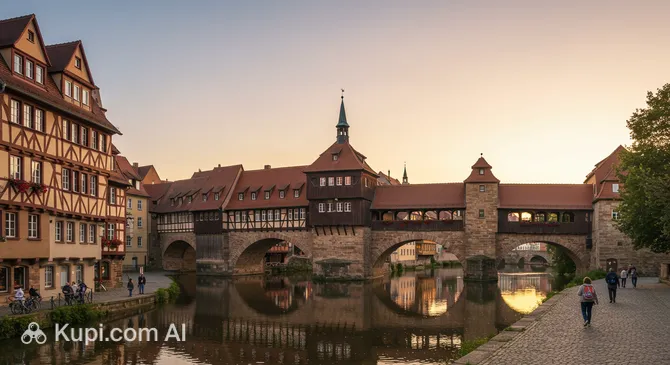
Erfurt offers a delightful mix of historical charm and modern leisure, ensuring that every visitor finds something to enjoy. For a unique shopping experience, the historic Merchants' Bridge is an absolute must. Here, you can browse through charming artisan boutiques selling handmade crafts, chocolates, and local souvenirs in a setting that feels like a step back in time. If you prefer contemporary fashion and major international brands, the Anger 1 shopping center in the heart of the city is the premier destination. For a more extensive spree, Thuringia Park Erfurt, located on the northern outskirts, offers a vast array of shops and services under one roof.

Merchants' Bridge. Source: Kupi.Binoculars

As a university city, Erfurt boasts a vibrant nightlife scene that caters to diverse tastes. The historic city center comes alive after dark with numerous pubs and bars tucked away in medieval alleyways. For those looking to dance the night away, Fischmarkt Nightclub is a popular venue featuring great music and a lively atmosphere. Alternatively, if you are in the mood for refreshing cocktails and a hearty meal in a relaxed setting, the Texas Steaklounge offers a welcoming environment to unwind with friends.

Travelers seeking an adrenaline rush or active family fun will find plenty of exciting options. The Thuringia Trampoline Park Erfurt is a fantastic spot for energetic visitors of all ages to bounce, flip, and play. For motorsport enthusiasts, the Kart-Center Erfurt provides a high-speed indoor track where you can test your driving skills and compete for the fastest lap time.

For a slower pace and a touch of romance, take a stroll through the picturesque Venedig District. Known locally as "Little Venice," this charming area is crisscrossed by branching arms of the Gera River. It offers idyllic green spaces and riverside paths that are perfect for a peaceful afternoon break away from the bustling town squares.

Venedig District. Source: Kupi.Binoculars

Parks & Museums

Beyond its medieval architecture and bustling squares, Erfurt offers a refreshing array of green spaces and intellectual treasures. The city seamlessly integrates nature into its urban layout, while its museums provide deep insights into both the natural world and the turning points of German history. Visitors looking to balance sightseeing with relaxation or education will find plenty of opportunities here.

For a peaceful retreat near the city center, the Brühl Garden is a delightful choice. Historically a spa garden, this protected heritage site creates a romantic atmosphere with its old trees, manicured lawns, and proximity to the theater. It is a favorite spot for locals to read a book or enjoy a quiet walk. Another excellent green lung is the Nordpark, located along the Gera River. This spacious park is perfect for active travelers, featuring long paths for jogging, a large outdoor swimming pool nearby, and plenty of open space for picnics on sunny days.

Brühl Garden. Source: Kupi.Binoculars

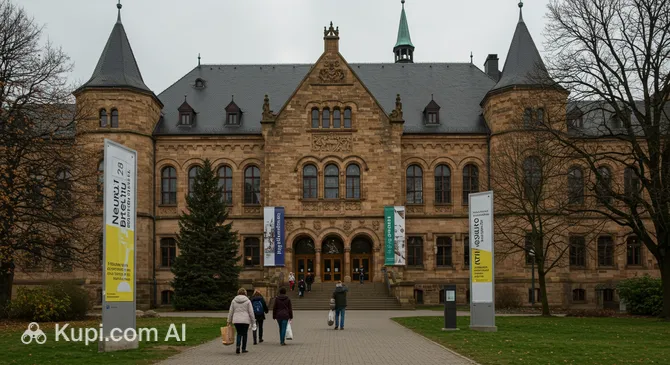
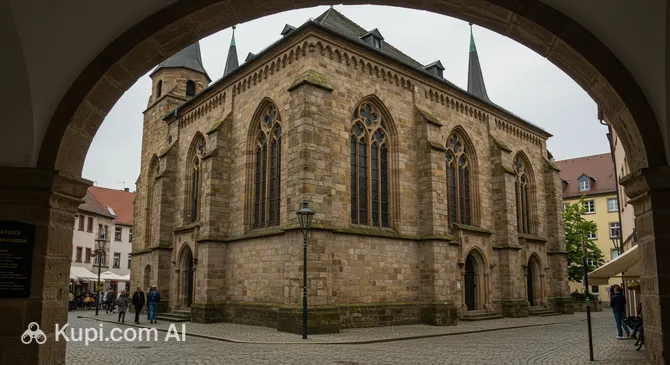
Culture enthusiasts should not miss the Natural History Museum Erfurt. Housed in a striking late-Gothic building that once served as a waage (weighing house) and warehouse, the museum is fascinating both inside and out. Its exhibitions focus on the flora, fauna, and geology of Thuringia, featuring a unique "Noah's Ark" installation in the basement. It is an engaging stop for families and anyone interested in the biological diversity of the region.

Natural History Museum Erfurt. Source: Kupi.Binoculars

To understand a more recent chapter of the city's past, a visit to the Memorial and Educational Site Andreasstraße is highly recommended. Located in a former detention center, this museum is dedicated to the history of the peaceful revolution in Thuringia and the struggle for freedom and democracy. The exhibitions are poignant and educational, offering a moving perspective on the courage of the citizens who helped shape modern Germany.

For a lesser-known natural escape, head to Luisenpark Erfurt. Tucked away in the southwestern part of the city along the Gera, this botanical gem is known for its impressive collection of trees and idyllic riverside paths. It offers a quieter, more intimate nature experience compared to the larger parks, making it a perfect insider tip for a tranquil afternoon stroll.

Getting Around

Public transport in Erfurt is efficient, reliable, and perfectly integrated into the city's layout, making it easy for visitors to navigate beyond the walkable historic center. The system is operated by EVAG and belongs to the VMT (Association of Transport Companies in Central Thuringia), meaning a single ticket is valid across all modes of transport within the designated zones. The backbone of the network is the Stadtbahn, a modern light rail system that functions like a tram, crisscrossing the city with six main lines. These are supplemented by a comprehensive bus network that connects the suburbs and outlying districts to the tram hubs.

For tourists, the payment system is straightforward. Fares are based on zones, with the city area falling into "City Zone 10." A standard Single Journey ticket allows for one hour of travel with changes permitted, while a Day Ticket (Tageskarte) is often the most economical option for sightseeing, offering unlimited travel until 3:00 AM the following day. Small groups or families can benefit from the Group Day Ticket, which covers up to five people. Tickets can be purchased at yellow vending machines located at most tram stops, which typically accept both cash and cards, or at the EVAG Mobility Center at the central Anger square.

Modern travelers might prefer using digital options to avoid carrying cash. The "VMT" mobile app allows you to buy tickets directly on your smartphone. Alternatively, the "FAIRTIQ" app is widely used in the region; it works on a check-in/check-out basis, automatically calculating the cheapest fare for your journey at the end of the day. If you purchase a paper ticket from a machine, be sure to check if it needs validation. If the ticket is not time-stamped upon purchase, you must insert it into the orange validation boxes inside the vehicle immediately after boarding to avoid hefty fines.

The Stadtbahn generally operates from early morning, around 4:00 AM, until midnight, with trams running as frequently as every 10 minutes during peak hours. On Friday and Saturday nights, as well as before public holidays, a special "Night Network" ensures safe transport after hours, though with reduced frequency. One of the charming features of the Erfurt system is how the trams glide right through the medieval city center. Riding a tram through the narrow streets near the cathedral offers a unique sightseeing perspective, blending modern mobility with historic architecture.

While public transport is excellent, there are alternatives. Taxis are readily available at designated stands, particularly at the main train station and the airport, or can be hailed via phone and apps; they are easily recognized by their cream color. However, given Erfurt's relatively flat terrain and green corridors, cycling is a highly popular local alternative. Rental bikes are available throughout the city, and the dedicated paths make it a safe and pleasant way to explore parks like the Egapark or the riverside trails along the Gera.

Accommodation

Finding the perfect place to stay in Erfurt is relatively easy, as the city offers a welcoming mix of accommodation options to suit every budget and preference. The selection ranges from modern chain hotels and charming family-run guesthouses (known locally as Pensionen) to fully equipped holiday apartments. Whether you are looking for a luxurious suite in a restored historic building or a budget-friendly hostel bed, the Thuringian capital has something to offer.

For most travelers, the Old Town (Altstadt) is the most convenient and atmospheric area to base yourself. Staying here puts you within walking distance of the city's most famous sights, such as the Merchants' Bridge and the vibrant market squares. The narrow, cobblestone streets are lined with beautifully preserved medieval buildings that now house boutique hotels and cozy inns. Alternatively, the area around the Main Train Station (Hauptbahnhof) is an excellent choice for business travelers or those arriving by rail, offering modern facilities and quick access to public transport while still being just a short walk from the city center.

Travelers seeking a truly unique lodging experience should consider the Augustinian Monastery Erfurt. Famous as the place where Martin Luther lived as a monk, this historic site is not just a museum but also operates as a guesthouse. It offers simple, peaceful rooms within the ancient cloister walls, providing a rare opportunity to sleep in a setting of profound historical and spiritual significance.

Augustinian Monastery Erfurt. Source: Kupi.Binoculars

Booking Tips and Prices:

Accommodation prices in Erfurt are generally reasonable compared to larger German cities. Budget options and guesthouses typically range from €50 to €80 per night, while mid-range hotels usually cost between €80 and €130. High-end options can go upwards of €140. It is highly recommended to book well in advance if you plan to visit in December, as the world-famous Erfurt Christmas Market attracts thousands of visitors, causing room rates to rise and availability to drop sharply. Similarly, the summer months, particularly during the DomStufen-Festspiele (Cathedral Steps Festival), can be quite busy.

Nearby Cities

For those looking to explore the surroundings, Erfurt serves as an excellent base for day trips to several interesting nearby locations. The region of Thuringia is densely packed with cultural and historical gems, making it easy to see a lot without traveling far.

One of the most essential stops is Weimar, located just a short distance away. Known as the cultural heart of Germany, it is famous for its association with literary giants Goethe and Schiller, as well as being the birthplace of the Bauhaus architectural movement. Another fantastic option is Jena, a vibrant university city nestled in the Saale valley. It is renowned for its contributions to optics and science, hosting the world's oldest operating planetarium. For those interested in royal history, Gotha impresses with the massive Friedenstein Palace, an early Baroque masterpiece that dominates the city center.

City Population Distance (km)
Jena 111,407 40
Weimar 65,138 21
Gotha 45,733 23
Ilmenau 39,017 34
Suhl 36,955 48

These nearby destinations offer a glimpse into the diverse culture and landscapes of the region, allowing visitors to easily expand their itinerary beyond the capital.

Shopping & Souvenirs

Shopping in Erfurt is a delightful experience that combines modern retail therapy with a stroll through history. The city center is compact and pedestrian-friendly, allowing visitors to easily navigate between major department stores and small, independent boutiques. Whether you are looking for high-end fashion, traditional Thuringian crafts, or unique local delicacies, the city offers a diverse range of options set against a backdrop of stunning medieval architecture.

The beating heart of the city's shopping scene is the Anger, a broad boulevard that serves as the main commercial artery. Here, you will find a mix of international fashion chains, shoe stores, and bookstores housed in beautiful historic buildings. For a more atmospheric experience, head to the Merchants' Bridge (Krämerbrücke). This iconic structure is lined with charming half-timbered houses that host artisans selling handmade jewelry, pottery, textiles, and delicious chocolates. It is the perfect place to find high-quality, one-of-a-kind items directly from the makers.

For those who prefer everything under one roof, the city boasts several impressive shopping centers. The most prominent is Anger 1, located directly on the central square. Behind its striking Art Nouveau facade lies a modern mall with roughly 50 shops, offering everything from clothing to electronics. If you are looking for a more extensive selection, Thuringia Park Erfurt on the northern outskirts is the region's largest shopping center, featuring over 100 stores and ample parking.

Markets play a vital role in local life, and the daily market on Cathedral Square (Domplatz) is a must-visit. Set against the dramatic scenery of the cathedral and St. Severi Church, this open-air market offers fresh regional produce, flowers, and local snacks. It is an excellent spot to mingle with locals and sample fresh fruits or a grilled sausage. During the holiday season, this square transforms into one of Germany's most beautiful Christmas markets.

When it comes to souvenirs, Erfurt has some distinct local specialties. The most famous mascot is the Erfurter Puffbohne (broad bean), which you can buy as a plush toy or on mugs and keychains; it is a symbol of good luck for the city's residents. Another unique gift is anything dyed with Waid (woad), a plant that historically made the city rich by producing a vibrant blue dye. You can find beautiful blue scarves, ceramics, and cosmetics in the boutiques near the bridge. Additionally, a jar of authentic Thuringian mustard makes for a tasty and practical memento.

Store opening hours in Erfurt generally follow the standard German pattern. Most shops in the city center are open from Monday to Saturday, typically between 10:00 AM and 8:00 PM. Smaller boutiques may close earlier, around 6:00 PM or 7:00 PM. It is important to remember that, with the exception of bakeries and shops inside the train station, almost all retail stores are closed on Sundays. While major stores and malls accept credit and debit cards (Visa, Mastercard), many smaller artisan shops, cafes, and market stalls still prefer or only accept cash, so it is wise to keep some Euros on hand.

Visitors from outside the European Union may be eligible for a VAT refund on their purchases. Look for the "Tax Free" signage in shop windows. If you spend above a certain threshold, you can ask the cashier for a tax-free form, which you must then present to customs officials at the airport upon leaving the EU to claim your refund.
Reached the end of the page?

That means the route is fully explored