Support

Leverkusen

About

Leverkusen is a dynamic and multifaceted city located in the state of North Rhine-Westphalia in western Germany. Situated on the eastern bank of the Rhine River, halfway between the major metropolitan hubs of Cologne and Düsseldorf, it serves as a vital industrial and residential center. With a population of approximately 164,000 people, Leverkusen offers a unique atmosphere where modern urban living meets extensive green landscapes.
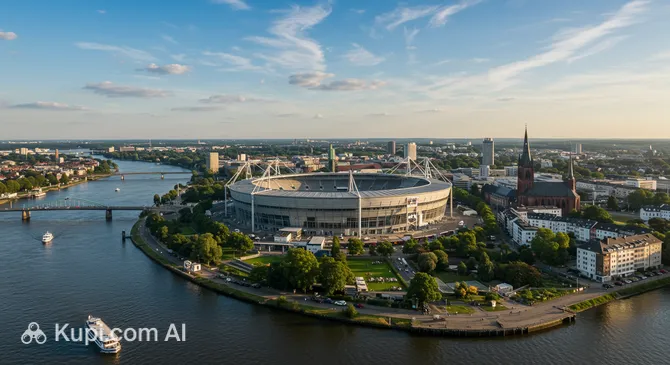
While the city is globally famous for its close ties to the pharmaceutical giant Bayer, there is much more to explore beyond its industrial facade. The history of Leverkusen is a fascinating tale of rapid development from small rural communities into a thriving modern city. This evolution has left behind a distinct character, blending 20th-century architecture with revitalized recreational areas.

Travelers are often surprised by the city's lush parks and gardens. A standout attraction is the serene Japanese Garden located within the Carl Duisberg Park, which is widely considered one of the most beautiful of its kind in the country. For sports enthusiasts, the impressive BayArena is a must-see landmark, serving as the home ground for the famous Bayer 04 Leverkusen football team. Additionally, the Neuland-Park, a large recreational area on the banks of the Rhine, offers wonderful opportunities for walking and enjoying the river views.

Whether you are interested in industrial culture, professional sports, or simply relaxing in beautifully designed gardens, Leverkusen welcomes visitors with its diverse offerings and friendly local spirit. It is an excellent stop for those looking to experience a different side of the Rhine-Ruhr region.
Weather Overview

The climate in this region is generally temperate, characterized by mild summers and cool winters, with a significant chance of precipitation throughout the year. Regardless of when you visit, it is advisable to be prepared for showers, as rain is a common occurrence. To help plan your daily activities and attire, you can consult the current weather in Leverkusen.

During the summer months of June through August, the city experiences its warmest weather, with average temperatures ranging from 18.2°C to 19.4°C and daytime highs reaching up to 23.8°C. While pleasant, these months still see about 12 to 16 wet days. In contrast, the winter season from December to February is cold and damp, with average temperatures dropping to between 3.6°C and 5.1°C. December is particularly wet, recording up to 19 rainy days, so a sturdy umbrella and warm layers are essential for winter travel.

Interesting Facts

Beyond the well-known industrial heritage, Leverkusen holds several fascinating secrets that might surprise even the most seasoned travelers. From record-breaking structures to remarkable urban transformations, the city offers plenty of unique details to discover.

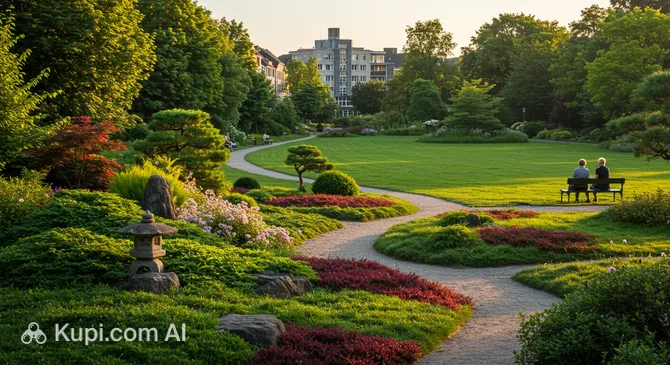
Ludwig Rehbock Park. Source: Kupi.Binoculars
  • A Shining Landmark: The city is home to one of the largest illuminated advertisements in the world, the famous Bayer Cross. Suspended between two 118-meter-high steel masts, this colossal logo spans 51 meters in diameter and serves as a glowing beacon visible from miles away.

  • A City of Villages: Unlike many German cities with a central medieval core, Leverkusen is relatively young, having been officially founded in 1930 through the merger of several smaller communities. This gives the city a decentralized structure where different districts, such as Opladen and Schlebusch, maintain their own distinct "downtown" vibes.

  • From Waste to Wonderland: The beautiful Neuland-Park on the Rhine was once a sealed hazardous waste dump. It was successfully transformed into a stunning landscape park for the 2005 State Garden Show, demonstrating an incredible feat of environmental engineering and urban renewal.

  • Unexpected Greenery: Despite its strong industrial reputation, the city is incredibly green, featuring numerous serene spots like Ludwig Rehbock Park. These areas provide residents and visitors with ample space for recreation and offer a quiet contrast to the bustling production plants.

How to Get There

Reaching this industrial and green city is quite convenient due to its central location in the Rhineland, nestled between major metropolitan hubs. Whether you are arriving by air or rail, the transport network is efficient and well-integrated. For a comprehensive guide on all travel options, you can read more about how to get to Leverkusen.

The city of Leverkusen does not have its own airport, but it is excellently served by major international hubs in neighboring cities. The closest option is Cologne Bonn Airport (IATA: CGN), located in Cologne, approximately 20 km from Leverkusen. A taxi or car ride from here typically takes around 50 minutes, depending on traffic. Another major gateway is Dusseldorf International Airport (IATA: DUS), situated in Dusseldorf about 31.5 km away. It is a large international airport offering a wide range of connections; the journey by road usually takes just over an hour.

For clarity, here is a summary of the main airports:

Airport Name City Passenger Traffic Km from City
Dusseldorf International Airport Dusseldorf High 31.5
Cologne Bonn Airport Cologne High 20.0
Dortmund Airport Dortmund Medium 66.9
Weeze Airport Dusseldorf Medium 87.0
Maastricht Aachen Airport Maastricht Low 89.0

Traveling by train is also a very popular method, as the region's rail network is dense and reliable. You can arrive directly at Leverkusen Mitte Station, which is centrally located within Leverkusen itself, just about 2.9 km from the geographic center point. For international or long-distance travelers, it is often convenient to first arrive at a major hub like Cologne Central Station (Köln Hauptbahnhof) in the city of Cologne, located roughly 12.2 km away. From there, frequent local trains (S-Bahn or Regional Express) connect quickly to Leverkusen.

Below is a list of relevant railway stations in the vicinity:

Station City Passenger Traffic Km to Center
Cologne Central Station Cologne Very High 12.2
Düsseldorf Hauptbahnhof Dusseldorf Very High 24.9
Leverkusen Mitte Station Leverkusen Medium 2.9
Dormagen Railway Station Dormagen Low 15.5
Messe/Deutz Station Cologne High 12.1

Main Attractions

Leverkusen offers a surprising variety of sights that range from top-tier sporting venues to serene historical gardens. While often associated with industry, the city has cultivated diverse recreational spaces and cultural hubs that attract visitors from across the region. Here are some of the main places to explore during your visit.

One of the most famous landmarks is the BayArena, a modern stadium that serves as the home ground for the Bayer 04 Leverkusen football team. Even if you are not attending a match, the architecture is impressive, featuring a unique roof structure and a hotel integrated directly into the stadium complex. Tours are often available, allowing fans to see the locker rooms and the pitch up close, making it a pilgrimage site for sports enthusiasts.

For a peaceful escape, the Japanese Garden (Japanischer Garten) is an absolute must-see. Originally created in 1913 by Carl Duisberg, a prominent industrialist, this 15,000-square-meter oasis is considered one of the most beautiful Japanese gardens in Germany. Visitors can wander past exotic plants, traditional stone lanterns, and tea houses, all set around tranquil ponds filled with koi carp. It is a perfect spot for photography and quiet contemplation.

Culture lovers should head to Schloss Morsbroich, a stunning baroque palace that now houses the Museum Morsbroich. Surrounded by a picturesque English-style park, the castle dates back to the 18th century and provides a striking contrast to the modern art exhibitions held within its walls. The museum is renowned for its collection of contemporary art, sculpture, and graphic works, offering a blend of historical architecture and avant-garde creativity.

Nature enthusiasts will appreciate Ludwig Rehbock Park, a charming green space located in the Opladen district. It connects the city center with the Wupper river valley, offering shaded paths and ancient trees that are perfect for a relaxing stroll. The park is a favorite among locals for its natural beauty and serves as a green lung within the urban environment.

Finally, the Neuland-Park demonstrates the city's commitment to urban renewal. Located directly on the banks of the Rhine, this expansive park was created on a former industrial site for the 2005 State Garden Show. Today, it features themed gardens, playgrounds, and a promenade with sweeping views of the river and the passing ships, making it a popular destination for families and walkers.

Local Cuisine

Leverkusen’s gastronomy is deeply rooted in the traditions of the Rhineland, offering hearty and rustic dishes designed to satisfy a healthy appetite. The local food scene is characterized by its down-to-earth nature, often centering around convivial "Brauhäuser" (brewery pubs) where the atmosphere is as warm and inviting as the meal. Visitors can expect menus dominated by high-quality meats, potatoes, and seasonal vegetables, prepared using recipes that have been cherished for generations.

One of the absolute must-try dishes in the region is Rheinischer Sauerbraten. This marinated pot roast is known for its tender texture and unique sweet-and-sour gravy, typically served alongside red cabbage and hearty potato dumplings. Another culinary staple with a whimsical name is Himmel un Ääd (Heaven and Earth). This comfort food classic combines mashed potatoes ("earth") with apple sauce ("heaven") and is usually topped with fried blood sausage and onions. For a simpler snack, you might encounter the Halve Hahn; despite translating to "half a rooster," it is actually a rye roll served with a thick slice of aged Gouda cheese, mustard, and pickles.

The beverage culture in Leverkusen is inextricably linked to its neighbor, Cologne. The drink of choice is almost invariably Kölsch, a light, crisp, and hoppy beer that is legally protected and brewed only in the region. It is traditionally served in small, cylindrical glasses called Stangen to ensure every sip remains cold and fresh. For those preferring non-alcoholic options, Apfelschorle—a refreshing mix of apple juice and sparkling mineral water—is a ubiquitous and popular choice found in every café and restaurant.

Dining in Leverkusen ranges from traditional guest houses to a growing number of international restaurants reflecting the city's modern diversity. For a more relaxed and spontaneous culinary experience, you can visit the local weekly markets to pick up fresh fruit, regional cheeses, or a hot bratwurst. On a sunny day, many locals enjoy taking their snacks outdoors. A perfect spot for such a picnic is Ludwig Rehbock Park, where you can savor local flavors while relaxing in one of the city's cherished green spaces.

Travel Tips

To make the most of your visit to Leverkusen, a little preparation goes a long way in navigating this industrial yet surprisingly green city. These practical tips are designed to help you blend in with the locals and ensure your trip runs smoothly from start to finish.

  1. Clothing and Gear: Given the Rhineland's changeable weather, packing in layers is the best strategy. Even in summer, a sudden shower is possible, so a sturdy umbrella or a waterproof jacket is essential. Since Leverkusen features extensive green spaces like the Neuland-Park, bring comfortable walking shoes. If you plan to visit religious sites or upscale restaurants, a "smart casual" dress code is generally expected.

  2. Transportation: The city is well-connected by the local transport company, wupsi, which operates an extensive bus network. For trips to neighboring Cologne or Düsseldorf, the S-Bahn (suburban train) is fast and reliable. Taxis are available at designated stands or via apps, but car rental is rarely necessary unless you plan to explore the deeper countryside. Remember to validate your ticket before boarding trains to avoid fines.

  3. Finances: The official currency is the Euro (€). While major hotels, supermarkets, and restaurants accept credit cards (Visa and Mastercard), Germany is still very fond of cash. Smaller bakeries, kiosks, and traditional pubs (Kneipen) may only accept cash or the local "Girocard." It is wise to carry some banknotes and coins. Tipping is customary; rounding up the bill or adding 5-10% is polite service etiquette.

  4. Health and Safety: Leverkusen is generally a safe city for travelers. Pharmacies, marked by a large red "A" (for Apotheke), are easy to find; they operate on a rotating schedule for 24/7 emergency service, which is posted on their doors. In case of a medical emergency, dial 112. As in any urban area, keep an eye on your belongings in crowded places like train stations or during football matches.

  5. Communication: German is the official language, but English is widely spoken, especially by younger people and in the hospitality sector. However, learning a few basic phrases like "Guten Tag" (Good day) and "Danke" (Thank you) is considered very polite and opens doors. Prepaid SIM cards can be bought at supermarkets or electronics stores, but you will need a passport to register them. Free Wi-Fi is often available in public buildings and on some trains.

  6. Local Etiquette: Germans value punctuality and order. When entering a small shop or waiting room, it is polite to greet everyone with a general "Hallo." On Sundays, most shops are closed, and noise levels should be kept down as it is considered a rest day (Ruhetag). When toasting with locals, maintain eye contact as you say "Prost," or it may be seen as bad luck.

  7. What to Avoid: Do not walk on the designated bicycle lanes, which are often painted red or marked on the sidewalk. Cyclists in the region ride fast and expect pedestrians to stay clear. Additionally, avoid crossing the street when the pedestrian light is red (the "Ampelmann"), even if the road is empty; this is frowned upon and can result in a fine.

  8. Match Day Awareness: If you are visiting when Bayer 04 Leverkusen is playing at the BayArena, be aware that the city gets significantly busier. Public transport towards the stadium will be crowded, and road traffic may increase. Conversely, if you aren't attending, it's a great time to explore other parts of the city while the crowds are focused on the match.

With these tips in hand, you are ready to explore everything from the Japanese Garden to the bustling city center with confidence. Enjoy the unique blend of Rhineland hospitality and modern efficiency that makes Leverkusen such a distinct destination.

Entertainment & Nightlife

While Leverkusen is often viewed through the lens of its industrial heritage, the city boasts a lively and authentic nightlife scene that surprises many visitors. Unlike the high-energy, techno-driven clubs of nearby Cologne, the evening culture here is characterized by a cozy, convivial atmosphere centered around traditional pubs, live music venues, and cultural hubs. The vibe is distinctly Rhenish: welcoming, unpretentious, and focused on good conversation over a fresh glass of Kölsch.

The heartbeat of Leverkusen’s nightlife is undoubtedly the district of Opladen. This area serves as the city's primary entertainment quarter, often referred to by locals as a "pub mile." The streets around the pedestrian zone come alive after dark, offering a high density of bars and kneipen (traditional pubs). It is the perfect place to experience the local "Brauhaus" culture, where the dress code is casual, and the mood is relaxed. Jeans and a nice top are perfectly acceptable for almost any venue in town.

For music lovers, Opladen offers some legendary spots. Topos is a celebrated institution in the region, renowned for its dedication to live jazz, blues, and rock. It attracts a diverse crowd ranging from students to long-time residents, all drawn by the high-quality performances and rustic ambiance. If your musical tastes lean towards rock, metal, or alternative, Shadow is another fixture of the local scene. It provides a grittier, more energetic setting for dancing and socializing late into the night.

Beyond the bars, the Scala offers a multifaceted cultural experience. Functioning as a cinema, concert venue, and comedy club, it is a cornerstone of evening entertainment in Leverkusen. For those seeking high culture, the Erholungshaus is the city's premier venue for theater, opera, and classical concerts, often hosting top-tier touring productions and orchestral performances.

Practically speaking, the nightlife peaks on Friday and Saturday nights. Prices in Leverkusen are generally more affordable than in the larger neighboring metropolitan areas. Getting around is straightforward; the local transport network operates night buses on weekends, ensuring safe passage home. Taxis are readily available at designated stands in Opladen and Leverkusen-Mitte. The city is generally very safe for night walks, though standard urban precautions should be taken in quieter areas.

Before diving into the evening festivities, visitors can enjoy a range of daytime entertainment. The city offers excellent shopping in the Rathaus-Galerie and several museums. For a moment of tranquility before a night out, a stroll through Ludwig Rehbock Park is highly recommended. This green oasis provides a refreshing contrast to the bustling streets and is a lovely spot to recharge your batteries.

Parks & Museums

While the famous Japanese Garden and Museum Morsbroich often top the itinerary for visitors, Leverkusen hides several other fascinating institutions and green spaces that offer a deeper look into its heritage and nature. Beyond the major headlines, the city offers unique spots that celebrate its industrial roots and local biodiversity.

A standout location for history enthusiasts is the LVR-Industriemuseum Sensenhammer. Housed in a former scythe forge, this "living museum" keeps the region's manufacturing traditions alive. Visitors can step back into the 19th century to watch original water-driven drop hammers in action and learn about the skilled craftsmanship that powered the local economy long before the modern era. It provides an immersive sensory experience of the city's working past.

For those interested in urban design and architecture, the Bayer Colonies (Kolonien) are a significant discovery. These historic residential districts were planned and built in the late 19th and early 20th centuries to house factory workers and their families. Walking through these neighborhoods reveals a cohesive and charming architectural style that stands as an open-air monument to the city's social development and industrial paternalism.

Nature lovers seeking a quiet retreat will find a hidden gem at Wildpark Reuschenberg. Unlike larger commercial zoos, this community-focused wildlife park specializes in native European species. It offers a natural forest setting where you can observe lynxes, wildcats, otters, and birds of prey. It is a peaceful destination, perfect for a relaxed stroll away from the urban bustle.

Another excellent spot for environmental discovery is NaturGut Ophoven. Located on the grounds of a historic moated castle, this center is a pioneer in sustainability education. With its sensory gardens, interactive exhibits, and "Energy City," it offers an engaging way for visitors of all ages to learn about nature conservation.

These specialized sites complement the city's broader network of recreational areas, such as the tranquil Ludwig Rehbock Park in the Opladen district. Together, they create a diverse landscape where travelers can explore everything from industrial mechanics to serene forest ecosystems.

Getting Around

Navigating Leverkusen is straightforward and efficient, thanks to a well-integrated public transport network that connects the city's various districts with ease. The system is part of the larger Verkehrsverbund Rhein-Sieg (VRS) association, which means that the ticketing and tariff structure is unified with neighboring cities like Cologne and Bonn. This seamless integration allows travelers to move between local buses, regional trains, and suburban railways using a single ticket system.

The backbone of local mobility is the bus network operated by the municipal transport company, wupsi. These buses cover the entire city area, linking residential neighborhoods with the city center (Wiesdorf), Opladen, and Schlebusch. For faster connections across the city or to nearby metropolitan hubs, the S-Bahn (suburban train) and regional express trains are the best options. Key stations like Leverkusen Mitte and Opladen serve as major nodes. Additionally, while the city does not have its own subway system, it is connected to the Cologne light rail network; Tram Line 4 terminates at Leverkusen-Schlebusch, offering a direct and scenic route into the heart of Cologne.

Paying for transport is convenient, with options to suit different travel needs. You can purchase single tickets (EinzelTicket), 24-hour passes (24StundenTicket), or weekly passes depending on the duration of your stay. Tickets can be bought from vending machines at train stations, directly from bus drivers (cash is often required), or via mobile apps like the wupsi app or DB Navigator. Prices are determined by zones; travel within Leverkusen generally falls under price category A, while trips to Cologne or Düsseldorf require a higher tier ticket.

For tourists, it is crucial to remember to validate your ticket if you buy a paper version from a machine or a kiosk. Look for the orange or red stamping machines located on platform entrances or inside buses and trams; failure to stamp your ticket before the journey begins can result in a fine. Transport services run frequently from early morning until late at night. On weekends and before public holidays, a network of night buses ensures that you can return safely to your accommodation after enjoying the local nightlife.

If you prefer more flexibility, there are excellent alternatives to traditional public transport. The city promotes eco-friendly mobility through its bike rental system, wupsiRad. You will find these distinctive bicycles at numerous stations throughout the city, and they can be easily rented via a smartphone app. Taxis are also readily available at designated stands, particularly around train stations and the Opladen pedestrian zone, or can be hailed by phone. For those comfortable with driving, several car-sharing providers operate within the city limits, offering another convenient way to explore the region.

Accommodation

Finding the right place to stay in Leverkusen is generally straightforward, as the city caters primarily to business travelers, trade fair visitors, and sports fans. The accommodation landscape is dominated by functional and comfortable mid-range business hotels and modern chain establishments. While you won't find an abundance of ultra-luxury resorts here, there is a solid selection of reliable hotels, budget-friendly hostels, and traditional German guesthouses (Gasthöfe) that offer a more personal, local touch.

When choosing where to stay, location plays a key role depending on your itinerary. The district of Wiesdorf serves as the modern city center and is the most convenient area for many tourists. Staying here places you within walking distance of the Leverkusen Mitte train station, the shopping galleries, and the famous BayArena. For those seeking a more historic and lively atmosphere, the district of Opladen is an excellent choice. It offers a charming pedestrian zone, a higher concentration of pubs and restaurants, and its own train station with fast connections to the rest of the region.

Since the city is situated between the major exhibition hubs of Cologne and Düsseldorf, accommodation prices can fluctuate significantly based on the event calendar. During major international trade fairs (Messe) in neighboring cities or big matches at the BayArena, hotels in Leverkusen often fill up quickly, and prices can rise. Therefore, a key booking tip is to check the local event schedule and book your room well in advance if your trip coincides with these peak times.

In terms of pricing, Leverkusen is often more affordable than staying directly in downtown Cologne or Düsseldorf, making it a budget-friendly alternative for exploring the Rhineland. Prices generally fall into the moderate range. Booking is most easily done through major online platforms, though many smaller, family-run guesthouses also welcome direct inquiries. Whether you are here for a football match or a business meeting, you will find clean, efficient, and welcoming options to suit your needs.

Nearby Cities

For those looking to explore the surroundings, Leverkusen serves as an excellent base for day trips to several interesting nearby locations:

Just a short distance south lies Cologne, the vibrant metropolis of the Rhineland. Famous for its majestic UNESCO World Heritage Cathedral (Kölner Dom), the city offers a rich mix of Roman history, bustling shopping streets, and a lively old town filled with traditional breweries. It is an essential stop for anyone wanting to experience the cultural heart of the region.

To the northeast, you will find Solingen, renowned worldwide as the "City of Blades" due to its long tradition of manufacturing high-quality knives and cutlery. Beyond its industrial heritage, Solingen is home to the impressive Schloss Burg, a reconstructed medieval castle perched high above the Wupper river, and the Müngsten Bridge, Germany's highest railway bridge.

Another worthwhile destination is Bergisch Gladbach, located at the edge of the scenic Bergisches Land nature park. This town is best known for the magnificent Schloss Bensberg, a grand Baroque palace that offers panoramic views of the Cologne bay. It serves as a gateway for hikers and nature lovers looking to explore the rolling hills and forests east of the Rhine.

City Population Distance (km)
Cologne 1,083,498 13
Solingen 159,360 15
Bergisch Gladbach 111,966 10
Remscheid 111,770 21
Dormagen 64,553 14

These nearby destinations offer a glimpse into the diverse culture and landscapes of the region.

Shopping & Souvenirs

Shopping:

Shopping in Leverkusen offers a relaxed and convenient alternative to the bustling crowds of neighboring metropolitan giants. While the city may not have the luxury avenues of Düsseldorf, it provides a well-balanced mix of modern retail centers, pedestrian-friendly high streets, and charming local markets. The atmosphere is generally laid-back, allowing visitors to browse through international fashion chains, electronics stores, and small boutiques without the stress of long queues.

The primary destination for retail therapy is the district of Wiesdorf, which serves as the modern commercial heart of the city. The pedestrian zone here is lined with department stores and popular fashion brands, making it easy to find everything in one central location. For a more traditional and intimate vibe, the district of Opladen is highly recommended. Its pedestrian area features smaller, owner-operated shops and boutiques that invite you to stroll and explore at a leisurely pace.

Dominating the city center's skyline is the Rathaus-Galerie, a striking architectural landmark that integrates the city hall with a large shopping mall. Located in Wiesdorf, this glass-roofed complex houses over 100 shops, ranging from well-known clothing retailers to specialized beauty and tech stores. It serves as a focal point for locals and tourists alike, offering a weather-proof environment for a full day of shopping and dining.

For those who appreciate fresh, regional produce, the city's weekly markets (Wochenmärkte) are a cultural highlight. The market in the Schlebusch district, typically held on Thursday and Saturday mornings, is particularly popular for its village-like atmosphere and high-quality goods. Here, you can find fresh fruit, vegetables, local cheeses, and flowers. The market in Opladen also draws a loyal crowd, offering a great opportunity to mingle with locals and sample regional snacks.

When looking for souvenirs, the most iconic choice is undoubtedly merchandise from the local football club, Bayer 04 Leverkusen. A scarf or jersey is a perfect memento for sports fans. Alternatively, you can look for local culinary specialties, such as regional mustards or bottles of Kölsch from nearby breweries, which capture the flavor of the Rhineland.

Store opening hours in Leverkusen follow standard German regulations. Most large shops and malls in the city center are open from 10:00 AM to 8:00 PM, Monday through Saturday. Smaller boutiques, especially in districts like Opladen, may close around 6:00 PM or 7:00 PM and might close for a lunch break. It is important to remember that nearly all shops, including supermarkets, are closed on Sundays. While credit and debit cards are widely accepted in the Rathaus-Galerie and major stores, it is advisable to carry cash for market stalls and smaller bakeries.

Visitors from outside the European Union are eligible for tax-free shopping on qualifying purchases. Many larger stores participate in the VAT refund scheme; simply look for the "Tax Free" signage in the window or ask the staff for a tax-free form at the checkout to reclaim a portion of the value-added tax upon leaving the EU.

Reached the end of the page?

That means the route is fully explored