Support

Remscheid

About

Welcome to Remscheid, a city that offers a unique blend of industrial heritage and picturesque natural landscapes. Often referred to as the "Maritime City on the Mountain" (Seestadt auf dem Berge), Remscheid earned this nickname due to its extensive historical trade connections across the seas, despite being located deep inland. Visitors are often surprised by how green the city is, with roughly one-third of its area dedicated to parks, forests, and nature reserves.

Geographically, Remscheid is situated in the North Rhine-Westphalia region of Germany, nestled within the rolling hills of the Bergisches Land. With a population of approximately 111,000 residents, it serves as a significant urban center while maintaining a close connection to nature. The city's elevation provides stunning views of the surrounding valleys, making it a pleasant destination for those who enjoy both urban exploration and outdoor activities.
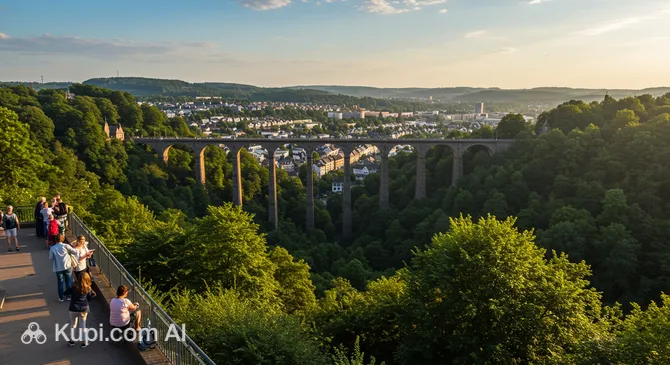
Remscheid. Source: Kupi.Binoculars

The history of Remscheid is inextricably linked to the tool and metalworking industries, which have shaped the city's identity for centuries. This tradition of craftsmanship is celebrated throughout the city, notably at the German Tool Museum (Deutsches Werkzeugmuseum), where visitors can trace the evolution of technology and manufacturing. The city is also famous as the birthplace of Wilhelm Conrad Röntgen, the discoverer of X-rays, and the German Röntgen Museum stands as a fascinating tribute to his life and scientific contributions.

Beyond its museums, Remscheid boasts impressive architectural and engineering feats. The most iconic landmark is the Müngsten Bridge, the highest railway bridge in the country, which spans the valley of the Wupper River. Hiking trails around the bridge offer breathtaking perspectives of this steel giant. Whether you are interested in industrial culture, scientific history, or simply wandering through lush green landscapes, Remscheid invites you to discover its many hidden gems.
Weather Overview

The climate in this region is generally moderate, influenced by its location within the Bergisches Land. To plan your trip effectively, it is helpful to check the current weather in Remscheid, as conditions can be quite changeable throughout the year.

Summer offers the most comfortable conditions for outdoor activities, with average temperatures from June to August hovering between 17°C and 19°C. August is typically the warmest month, often reaching highs of around 23°C. While these months are pleasant, they are not entirely dry, so you might still encounter around 12 to 16 wet days per month.

Winters are cool but usually stay above freezing, with average temperatures in January and December sitting between 3°C and 4°C. However, this season is characterized by frequent precipitation, with December seeing up to 20 wet days. Expect pleasant, mild summers and cool, damp winters, so packing layers and a sturdy umbrella is recommended regardless of when you visit.

Interesting Facts

Beyond the industrial heritage and scenic views, Remscheid holds several fascinating secrets and historical milestones that often escape the casual observer. Here are some intriguing details that make this city truly unique:
  • The First of Its Kind: Remscheid is home to the Eschbachtalsperre, which holds the distinction of being the very first drinking water dam ever built in Germany. Constructed in 1891 by the engineering pioneer Otto Intze, this structure served as the technological prototype for water management across the country and remains a testament to the region's innovative spirit.

  • The Legend of the Golden Rivet: While the massive Müngsten Bridge is known for being the highest railway bridge in the country, local folklore adds a touch of mystery to its steel beams. Legend has it that among the nearly one million rivets holding the bridge together, the builders drove in exactly one made of solid gold, though its location remains a secret that no one has ever discovered.

  • A Medieval Time Capsule: Unlike the modern city center, the historic district of Lennep largely escaped destruction during World War II, preserving a charming concentric layout of traditional slate-covered houses with green shutters. It is within this beautifully preserved "Bergischer Barock" setting that you will find the German X-ray Museum, located just a short walk from the birthplace of the famous physicist Wilhelm Conrad Röntgen.

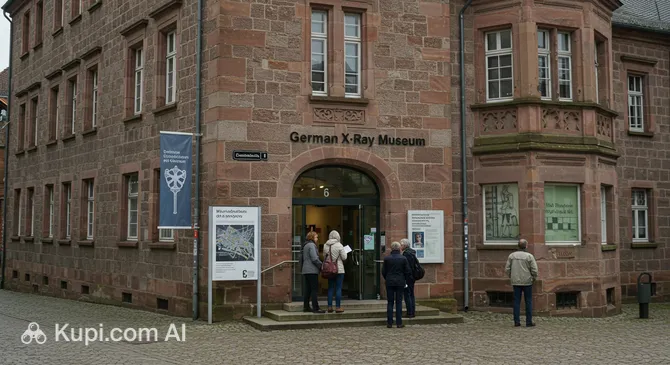
German X-ray Museum. Source: Kupi.Binoculars

How to Get There

Reaching Remscheid is straightforward thanks to its proximity to several major transport hubs in the North Rhine-Westphalia region. While the city does not have its own airport, international travelers can conveniently fly into Dusseldorf International Airport (IATA: DUS), located in Dusseldorf approximately 34 km away. The journey from the terminal to Remscheid by car or taxi typically takes roughly 40 minutes, depending on traffic. Another excellent option is Cologne Bonn Airport (IATA: CGN) in Cologne, situated about 34 km from the city center, with a similar travel time of less than an hour. Both are large international airports offering extensive connections, making the final leg of your trip to the Bergisches Land quite easy. For a complete overview of all travel options, you can read more about how to get to Remscheid.

For clarity, here is a summary of the main airports:

Airport Name City Passenger Traffic Km from City
Dusseldorf International Airport Dusseldorf High 33.9
Cologne Bonn Airport Cologne High 34.3
Dortmund Airport Dortmund Medium 46.3
Weeze Airport Dusseldorf Medium 88.8
Maastricht Aachen Airport Maastricht Low 106.3

If you prefer traveling by train, the region is served by high-speed rail networks that connect to nearby major cities. Although Remscheid has local rail connections, many visitors arrive via Cologne Central Station in Cologne, which is a major European rail hub located approximately 32 km away. From there, a transfer to the city generally takes around 45 minutes. Alternatively, Düsseldorf Hauptbahnhof in Dusseldorf is another key entry point, situated around 30 km from Remscheid. Travelers arriving here can expect a transfer time of roughly 40 minutes to reach their final destination in the city.

Below is a list of the closest major railway stations:

Station City Passenger Traffic Km to Center
Cologne Central Station Cologne Very High 32.4
Düsseldorf Hauptbahnhof Dusseldorf Very High 30.4
Leverkusen Mitte Station Leverkusen Medium 23.5
Dormagen Railway Station Dormagen Medium 30.1
Messe/Deutz Station Cologne - 31.9

Main Attractions

Remscheid offers a variety of attractions that cater to different interests, ranging from scientific discovery to leisure and shopping. While the city is famous for its industrial roots, its visitor highlights provide engaging experiences for tourists of all ages.

One of the most significant cultural landmarks in the city is the German X-ray Museum (Deutsches Röntgen-Museum). Dedicated to the life and work of Wilhelm Conrad Röntgen, the Remscheid-born physicist who discovered X-rays, this museum is far from a dry academic archive. It features interactive displays and fascinating exhibits that allow visitors to explore the invisible world of the human body and the history of medicine. It is a must-visit for families and science enthusiasts alike, offering a journey through one of the most important scientific breakthroughs in history.

German X-ray Museum. Source: Kupi.Binoculars

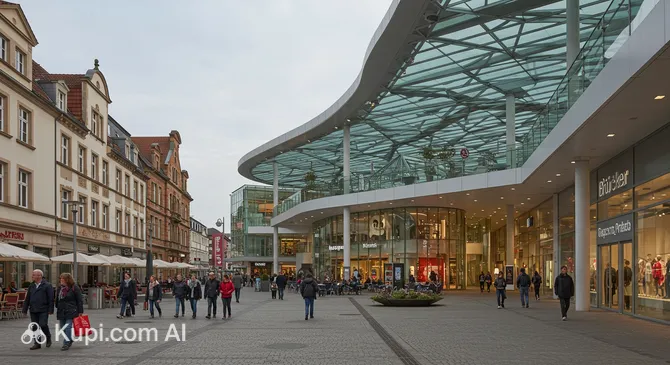
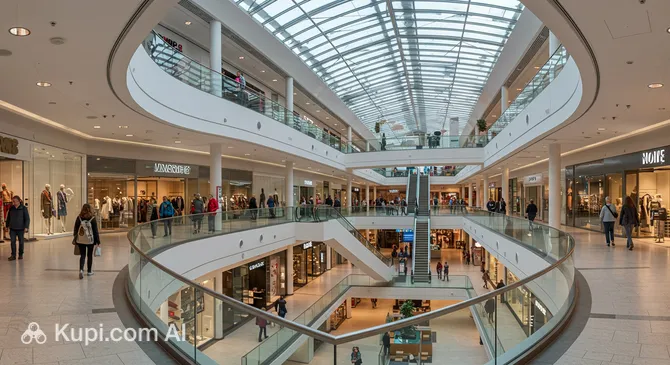
For those looking to enjoy a day of shopping and urban leisure, the Allee-Center Remscheid is the place to be. As the largest shopping mall in the Bergisches Land region, it serves as a central hub for locals and tourists. The center houses a wide array of fashion boutiques, electronics stores, and dining options under one roof. Its glass-domed architecture creates a bright and welcoming atmosphere, making it a perfect spot to relax, grab a coffee, or pick up some souvenirs regardless of the weather.

Allee-Center Remscheid. Source: Kupi.Binoculars

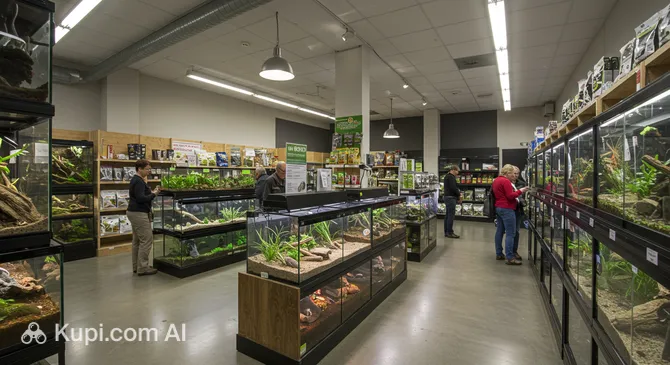
Another unique stop in the city is the Zoobox Aquarium. While primarily a specialized destination for aquarists, it attracts visitors with its impressive display of marine life and exotic fish. It offers a glimpse into colorful underwater worlds and is a delightful short stop for those interested in nature and biology. Whether you are an aquarium hobbyist or simply enjoy watching the calming movement of fish, it provides a nice change of pace during a tour of the city.

Local Cuisine

The culinary culture in Remscheid is deeply rooted in the traditions of the Bergisches Land region. The most famous local specialty is undoubtedly the Bergische Kaffeetafel (Bergisch Coffee Table). Far more than a simple afternoon snack, this is a hearty meal that traditionally includes waffles served with hot cherries and cream, rice pudding, black bread, butter, and various spreads. It is typically accompanied by coffee poured from a Dröppelminna, a pear-shaped pewter pot that has become a symbol of regional hospitality.

Beyond sweets, the region offers robust savory dishes designed to fuel the hardworking locals of the past. Visitors should try Kottenbutter, a double slice of dark rye bread topped with smoked pork sausage, onion rings, and mustard. Another favorite is Pillekuchen, a large, pan-fried potato pancake often containing bacon or sausage. These dishes can be found in traditional inns and rustic taverns scattered throughout the city and its green surroundings.

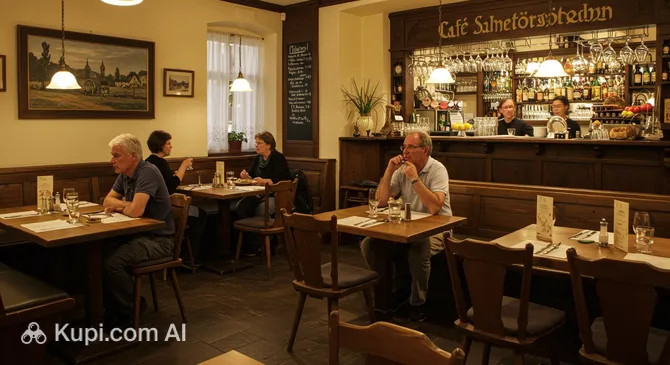
For a delightful experience of local confectionery, visitors can head to Café Sahnetörtchen. This charming spot is known for its inviting atmosphere and a wide selection of freshly baked cakes and pastries. It is an excellent place to relax after a walk and indulge in some sweet treats that reflect the high quality of German baking.

Café Sahnetörtchen. Source: Kupi.Binoculars

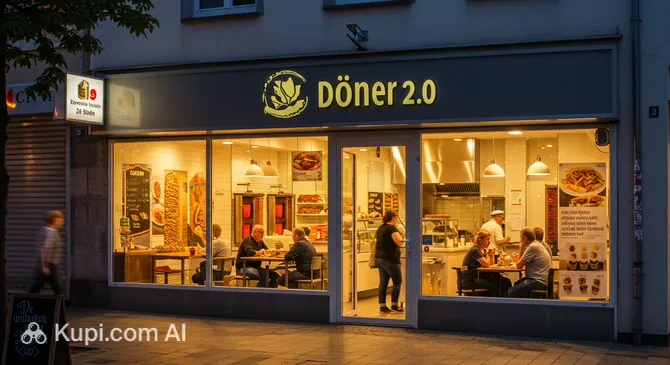
If you are looking for something more casual or international, the city's dining scene also caters to modern tastes. Döner 2.0 offers a contemporary take on the popular kebab, serving fresh and hearty portions that are perfect for a quick lunch or dinner. Whether you crave traditional regional fare or modern fast food, Remscheid provides a variety of options to satisfy your appetite.

Döner 2.0. Source: Kupi.Binoculars

Travel Tips

To ensure your visit to Remscheid is as enjoyable and stress-free as possible, we have compiled a list of essential travel advice. Whether you are exploring the industrial heritage or hiking the green hills of the Bergisches Land, these practical tips will help you navigate the city like a local.

  1. Clothing and Gear: Given the region's reputation for changeable weather, packing a sturdy umbrella and a waterproof jacket is highly recommended, regardless of the season. Remscheid is known as the "City on the Mountain," so bring comfortable, non-slip walking shoes to manage the steep streets and hilly terrain with ease.
  2. Transportation: The city is well-connected by the VRR (Verkehrsverbund Rhein-Ruhr) public transport network. The S-Bahn line S7, known as "Der Müngstener," and local buses are efficient ways to get around. While a rental car offers flexibility for exploring the surrounding countryside, the city center is easily navigable by public transit and taxi services.
  3. Finances: The local currency is the Euro (€). While credit cards and mobile payments are increasingly accepted in large stores like the Allee-Center, Germany is still very much a cash-oriented society. It is wise to carry cash for small bakeries, kiosks, and ticket machines. ATMs (Geldautomaten) are widely available throughout the city.
  4. Health and Safety: Remscheid is generally a very safe city for tourists. In case of a medical emergency, dial 112. For minor ailments, look for pharmacies marked with a large red "A" (Apotheke); they are plentiful, and there is always one on emergency night duty in the area.
  5. Communication: The official language is German. While younger people and those in the tourism sector often speak good English, it is not universally spoken in smaller shops or by older residents. Learning a few basic phrases like "Guten Tag" (Good day) and "Danke" (Thank you) is polite and appreciated. Prepaid SIM cards can be easily purchased at supermarkets or drugstores.
  6. Local Etiquette: Politeness is valued here; a simple greeting when entering a small shop is customary. Punctuality is taken seriously, so try to be on time for any appointments or tours. Sundays are considered rest days (Ruhetag), meaning most shops are closed, and loud noises should be avoided to respect the neighbors.
  7. What to Avoid: Do not cross the street when the pedestrian light is red, even if there are no cars coming; this is frowned upon and can result in a fine. Also, avoid walking in designated bicycle lanes to prevent collisions and annoyed comments from cyclists.
  8. Additional Tip: Be prepared for the topography! Remscheid's layout involves significant elevation changes. If you plan to walk from the lower parts of the city to the center, allow extra time and energy, or simply hop on a bus to save your legs for the sightseeing.

With these tips in mind, you are all set to experience the unique charm and history of Remscheid. We hope you have a wonderful journey discovering the hidden gems of this fascinating German city!

Entertainment & Nightlife

While Remscheid is not known as a bustling metropolis of techno clubs and wild parties, its nightlife offers a charming, distinctively "Bergisch" quality. The evening entertainment here is characterized by conviviality, focusing on cozy pubs, traditional taverns (Kneipen), and cultural events rather than large discotheques. The atmosphere is generally relaxed and welcoming, making it easy for visitors to strike up a conversation with locals over a freshly tapped beer.

The city's nightlife is primarily divided between two main districts: the modern Innenstadt (City Center) and the historic Lennep district. In the city center, the area around the Rathaus (Town Hall) and the Allee-Center serves as a central meeting point. Here you will find popular spots like the Green Goose Pub, an Irish pub that is often considered the "party living room" of the city. It attracts a lively crowd with live sports broadcasts, quiz nights, and a wide selection of international beers. For those seeking a more sophisticated evening with high-quality cocktails, the Saxo Bar is a well-regarded local favorite known for its stylish ambiance and expert mixology.

For a more picturesque setting, head to the cobblestone streets of the historic Lennep district. This area feels like a step back in time and hosts a variety of quaint venues nestled within traditional slate-clad houses. A standout venue here is Shamrock - The Old Town Pub. Located in the heart of the old town, it offers an authentic Irish atmosphere with an impressive selection of whiskies and regular live music events. The crowd in Lennep is diverse, ranging from students to older regulars, all enjoying the warm, community-focused vibe.

If your idea of a perfect evening involves culture rather than cocktails, the Teo Otto Theater is the city's premier venue for the performing arts. It hosts a high-caliber program ranging from opera and ballet to orchestral concerts and modern drama. It is the cultural heartbeat of the city after dark and a must-visit for art lovers.

Before heading out for the night, many visitors enjoy the daytime and early evening leisure options. The city offers excellent shopping opportunities that can easily transition into a relaxed evening. The Brücken Center Remscheid is a key location for this, offering a variety of stores and services near the central station area. It serves as a convenient starting point for exploring the city's urban offerings before the sun goes down.

Brücken Center Remscheid. Source: Kupi.Binoculars

Practical Advice for Night Owls:

  • Opening Hours: Bars typically stay open until 1:00 AM or 2:00 AM on weekends, while restaurants usually close their kitchens around 10:00 PM.
  • Dress Code: The style in Remscheid is casual and unpretentious. Jeans and a nice top are perfectly acceptable almost everywhere, including the theater.
  • Getting Around: The city is well-connected by night buses (NachtExpress) on weekends, which run between the major districts. Taxis are readily available and safe; you can usually find them waiting at the central station or call a local service.
  • Safety: Remscheid is generally very safe at night. The main nightlife areas in the Innenstadt and Lennep are well-lit and populated, making them safe for walking.

Parks & Museums

Remscheid is often celebrated for its industrial prowess, but visitors are frequently surprised by its lush landscapes and rich cultural offerings. The city is affectionately known as a "City in the Green," with vast woodlands and valleys surrounding its urban centers, providing a perfect balance between nature and history.

For those seeking tranquility, the Stadtpark Remscheid is a central oasis that invites leisurely strolls. This landscaped garden features manicured lawns, a concert shell, and a pond, making it a popular spot for locals to unwind. Just outside the city center, the area around the Eschbachtalsperre offers a more rugged natural experience. As Germany's first drinking water dam, it is encircled by a scenic hiking trail that leads through dense forests, perfect for walkers and joggers looking to enjoy fresh air and water views.

Another highlight is the Müngstener Brückenpark, located at the foot of the famous railway bridge. This park combines industrial history with nature, featuring grassy areas for picnics, walking paths along the Wupper River, and the unique experience of standing beneath the giant steel arch. It serves as a gateway to the wider hiking network of the Bergisches Land.

Remscheid's museums deeply reflect its identity as a hub of innovation and craftsmanship. The German Tool Museum (Deutsches Werkzeugmuseum) in the Hasten district is a one-of-a-kind institution that chronicles the city's global significance in the toolmaking industry. Visitors can explore a vast collection of tools from the Stone Age to the present day. Located in the same district is Haus Cleff, a beautiful Rococo patrician house. This architectural gem offers a glimpse into the lifestyle of the wealthy merchant families of the 18th century and is a standout landmark in the Hasten area.

A distinctive cultural experience awaits in the historic district of Lennep at the German X-ray Museum. This world-class facility honors the city's most famous son, Wilhelm Conrad Röntgen. Through interactive and modern exhibits, it tells the story of the discovery of X-rays and their revolutionary impact on medicine and science, making complex physics accessible and engaging for all ages.

The Historic Center of Lennep, where the museum is situated, is an attraction in itself. Distinct from the rest of the city, this medieval district is characterized by its concentric street layout and traditional "Bergisch" style houses, clad in slate with green shutters and white window frames. A walk through these charming, preserved streets feels like stepping back in time.

For a different kind of cultural experience, nature enthusiasts might enjoy a brief stop at the Zoobox Aquarium. While smaller than major zoos, it provides a fascinating look at aquatic life and is a nice diversion for families or hobbyists interested in marine biology.

Zoobox Aquarium. Source: Kupi.Binoculars

Insider Tip: For a truly authentic experience, take a hike along the "Röntgenweg," a trail that circles the city. It offers panoramic views of the Bergisches Land and passes by many of the industrial and natural landmarks that define Remscheid's unique character.

Getting Around

Navigating Remscheid is relatively straightforward thanks to a well-integrated public transport network that serves the city and its hilly surroundings. The system relies primarily on an extensive bus network operated by the local municipal utility, Stadtwerke Remscheid, alongside regional train connections. There is no metro or tram system here; instead, the "Stadtbus" (city bus) lines connect the various districts with the central hubs, such as the Friedrich-Ebert-Platz and the main railway station (Hauptbahnhof). Given the city's topography, which involves significant changes in elevation, the bus system is an essential service for locals and visitors alike to avoid steep uphill walks.

The city is part of the Rhine-Ruhr Transport Association (Verkehrsverbund Rhein-Ruhr or VRR), which means a unified ticketing system covers all buses and local trains. Travelers can choose from a variety of ticket options depending on their needs. A standard single ticket (EinzelTicket) is suitable for a one-way trip, while a 24-hour ticket (24-StundenTicket) or a 48-hour ticket offers unlimited travel within the selected zone for one or more people, providing excellent value for tourists. Tickets can be purchased via the VRR app, the DB Navigator app, or at ticket machines located at major stops and train stations. Drivers on buses also typically sell tickets, but it is advisable to have small change ready.

For a smooth journey, it is important to remember that physical tickets often need to be validated before travel. If you buy a ticket from a machine or a kiosk that is not time-stamped, look for the orange or red stamping machines on buses and platforms to validate it immediately; failing to do so can result in a fine during ticket inspections. The buses generally run frequently during the day, but service frequencies decrease in the evenings and on weekends. For late-night travel, especially on Friday and Saturday nights, the "NachtExpress" (NE) bus lines ensure you can get back to your accommodation safely after midnight.

While public transport is the most economical choice, alternatives are readily available. Taxis can be found at designated stands, particularly at the central station and the Allee-Center, or booked via phone and apps; they are a convenient option if you are carrying heavy luggage or traveling late at night when bus services are limited. Car-sharing services are also present for those who prefer driving themselves. However, due to the steep terrain, cycling is less common for casual commuting compared to flatter cities, although e-bikes are becoming increasingly popular for tackling the hills.

A unique feature of the local transport system is the S-Bahn line S7, locally known as "Der Müngstener." This train line not only connects Remscheid with the neighboring cities of Solingen and Wuppertal but also offers a spectacular experience. It crosses the famous Müngsten Bridge, Germany's highest railway bridge. Riding this train provides a practical commute as well as breathtaking views of the Wupper valley below, effectively combining a necessary journey with a sightseeing highlight.

Accommodation

Finding accommodation in Remscheid is generally straightforward, as the city offers a solid selection of lodging options that cater primarily to business travelers, short-term visitors, and those exploring the Bergisches Land. The range typically spans from functional budget hotels and comfortable mid-range establishments to traditional German guesthouses (Gasthöfe). While you will not find sprawling luxury resorts here, the standard of hospitality is high, focusing on cleanliness, comfort, and a hearty breakfast.

When choosing where to stay, location is a key factor. The Innenstadt (City Center) is the most convenient area for those relying on public transport or wishing to be close to shopping hubs like the Allee-Center. Staying here puts you within walking distance of the main train station and central bus terminal, making it an ideal base for day trips to nearby cities. Alternatively, the historic district of Lennep offers a much more picturesque and atmospheric setting. With its cobblestone streets and slate-clad houses, Lennep is perfect for travelers seeking charm and quiet, while still being well-connected to the rest of the city via the S-Bahn.

Since Remscheid is located in the bustling Rhine-Ruhr metropolitan region, it often serves as an overflow destination during major trade fairs in nearby Cologne and Dusseldorf. A crucial booking tip for tourists is to check the trade fair calendar (Messe dates) for these neighboring cities before planning your trip. During large international events, accommodation prices in Remscheid can rise significantly, and availability may become scarce. Conversely, outside of these peak business travel times, you can often find excellent value for money compared to the larger cities.

The price range for accommodation is generally moderate. Budget travelers can find affordable rooms in smaller pensions or hostels, while mid-range hotels offer modern amenities at reasonable rates. Booking is easily done through major online platforms, which list most of the city's hotels and an increasing number of holiday apartments. However, for smaller, family-run guesthouses in the outskirts, booking directly via email or phone can sometimes secure a better rate or a more personalized experience.

Nearby Cities

For those looking to explore the surroundings, Remscheid serves as an excellent base for day trips to several interesting nearby locations:

City Population Distance (km)
Wuppertal 355,004 10
Solingen 159,360 10
Hilden 55,764 20
Mettmann 38,829 19
Wermelskirchen 34,765 4

Just a short distance away lies Wuppertal, the largest city in the Bergisches Land region. It is world-famous for its unique Suspension Railway (Schwebebahn), an engineering marvel that has been floating above the Wupper River and city streets for over 120 years. Riding this historic monorail offers a unique perspective of the city. Wuppertal also boasts a renowned zoo and a vibrant cultural scene, making it a diverse destination for a full day of exploration.

Another fascinating neighbor is Solingen, internationally known as the "City of Blades" for its centuries-old tradition of manufacturing high-quality knives and cutlery. A major highlight here is Schloss Burg, one of the largest restored castles in Western Germany. Visitors can explore its medieval halls, enjoy panoramic views of the valley, and even take a cable car up to the castle grounds.

For history enthusiasts, a trip to Mettmann is highly recommended. The town is home to the famous Neanderthal Museum, located near the site where the first identified Neanderthal fossils were discovered. The museum offers an immersive journey through human evolution with modern, interactive exhibits that captivate both adults and children.

These nearby destinations offer a glimpse into the diverse culture and landscapes of the region.

Shopping & Souvenirs

Shopping in Remscheid offers a relaxed and convenient experience that caters to both daily needs and leisure browsing. While the city may not rival the high-end fashion boulevards of nearby Düsseldorf, it provides a well-rounded mix of modern retail centers, pedestrian zones, and traditional specialty shops. As a city with a rich industrial history, visitors can expect to find high-quality local craftsmanship alongside standard international brands, all set within a compact and easily navigable layout.

The heart of the city's retail activity is Alleestraße. This extensive pedestrian zone serves as the main shopping artery, lined with a variety of clothing stores, drugstores, and bakeries. It connects the central town hall area with major retail hubs, making it a pleasant route for a shopping stroll free from car traffic. For a more historic atmosphere, the district of Lennep offers a charming alternative. Its cobblestone streets and medieval architecture house smaller, owner-operated boutiques and bookstores that invite you to browse in a picturesque setting.

For a comprehensive shopping experience under one roof, the Allee-Center Remscheid is the undisputed highlight. As the largest shopping mall in the Bergisches Land region, it features over 100 shops ranging from fashion and electronics to home goods, all sheltered by a bright glass dome. Another notable location is the Brücken Center Remscheid, situated conveniently near the central railway station. This center is ideal for travelers looking for groceries, daily essentials, or a quick shopping stop before catching a train.

Weekly markets play a significant role in local life and are excellent places to discover regional flavors. The Wochenmarkt on the Rathausplatz (Town Hall Square) is a bustling spot where local farmers sell fresh fruit, vegetables, meats, and cheeses. In Lennep, the market on the Alter Markt adds a historic flair to the shopping experience. These markets are not just for buying food; they are social hubs where you can find seasonal specialties and experience the authentic local culture.

When searching for unique souvenirs, Remscheid's heritage as the "Seestadt auf dem Berge" (Maritime City on the Mountain) and a center for the tool industry offers some distinctive options. High-quality tools and cutlery made in Remscheid are practical and durable keepsakes that reflect the city's craftsmanship. Additionally, items related to the "Bergische Kaffeetafel," such as the traditional pewter coffee pot known as a Dröppelminna (though often pricey), make for memorable gifts. For a smaller token, look for locally produced jams or the savory Bergisch sausages often sold at local butchers.

Most shops in Remscheid generally open from 10:00 AM to 6:00 PM or 8:00 PM on weekdays and Saturdays. The large shopping malls like the Allee-Center typically stay open until 8:00 PM. It is important to note that, following German custom, almost all retail stores are closed on Sundays, except for bakeries and shops within train stations. Regarding payment, major credit and debit cards are widely accepted in malls and supermarkets. However, smaller boutiques, market stalls, and some cafés may still prefer or only accept cash, so keeping some Euros on hand is advisable.

Travelers residing outside the European Union may be eligible for a VAT refund on their purchases. Look for the "Tax Free" signage in store windows, particularly in larger outlets and the Allee-Center. If you spend above a certain threshold, ask the staff for a tax-refund form at the checkout, which you can later present at the airport customs before leaving the EU.

Reached the end of the page?

That means the route is fully explored