Support

Bremen

About

Welcome to Bremen, a captivating Hanseatic city that effortlessly blends medieval charm with a vibrant urban pulse. Situated along the banks of the Weser River in northwestern Germany, this city is a treasure trove of architectural wonders and maritime heritage. With a population of over 560,000 inhabitants, it stands as one of the region's most significant and lively metropolises, offering a perfect mix of relaxation and excitement.

The history of Bremen spans more than 1,200 years, evident in its stunningly preserved buildings and winding cobblestone streets. As a prominent former member of the Hanseatic League, the city has long been a vital center of trade and commerce, a legacy that continues to shape its open-minded and welcoming character to this day.

Bremen. Source: Kupi.Binoculars

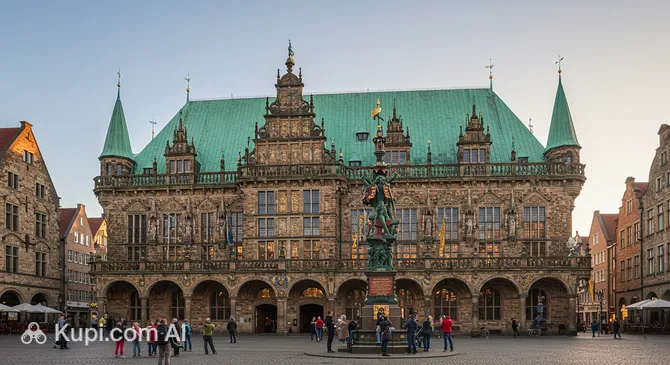
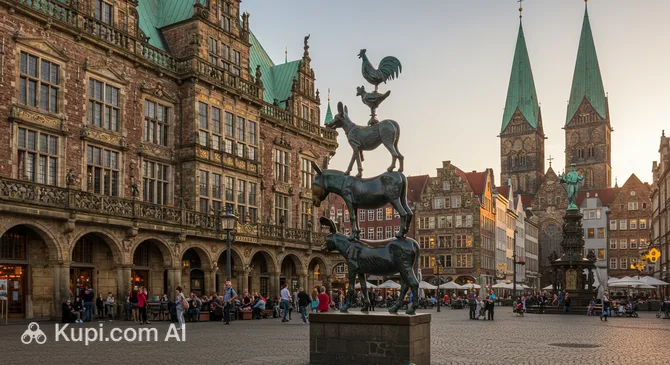
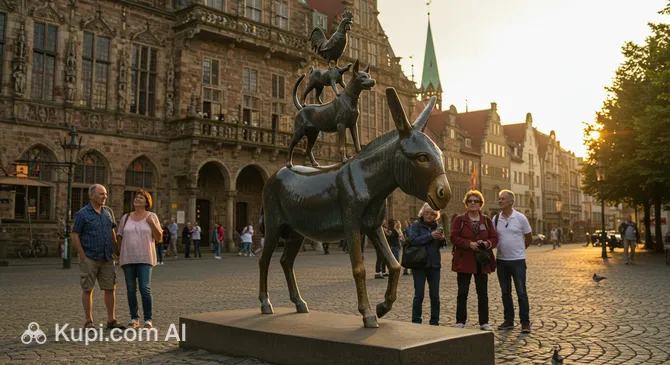
Visitors are invariably drawn to the heart of the city, the Marktplatz, which is renowned for its UNESCO World Heritage status. Here, you can admire the magnificent Town Hall (Rathaus), a masterpiece of Weser Renaissance architecture, and the towering statue of Roland, which has stood as a symbol of civic liberty and trading rights since 1404. No trip is complete without seeing the famous bronze statue of the Town Musicians of Bremen, a tribute to the beloved Brothers Grimm fairy tale that has become the city's most iconic mascot.

Whether you are strolling through the enchanting Schnoor quarter with its narrow lanes and artisan shops or enjoying a refreshing walk along the Schlachte embankment, Bremen offers a unique experience for every traveler. We invite you to explore the warmth, culture, and beauty of this historic gem on your next journey.

Weather Overview

The climate in this Hanseatic city is classified as temperate and maritime, ensuring that extreme weather conditions are rare. To help you pack appropriately for your trip, we recommend reviewing the detailed forecast for the weather in Bremen. Generally, visitors can expect warm summers with occasional rain and cool, relatively cloudy winters.

During the warmest months of July and August, average temperatures sit comfortably around 18°C to 19°C, with daily highs reaching just over 23°C, creating perfect conditions for outdoor activities. Conversely, the winter months of January and February are colder, with average lows dipping to around 1.6°C to 1.8°C. Rainfall is a steady companion throughout the year, with approximately 12 to 16 wet days per month, so keeping an umbrella handy is a practical tip for any season.

Interesting Facts

Beyond the main attractions, Bremen holds many fascinating secrets and quirky traditions that surprise even seasoned travelers. From underground sounds to ancient measurements, the city's history is full of unique details waiting to be discovered.
Town Musicians of Bremen. Source: Kupi.Binoculars
  • Touching the shiny front legs of the Town Musicians of Bremen is a popular ritual said to bring good luck, but there is a specific technique required. You must hold the donkey's legs with both hands; locals jokingly say that grabbing only one leg is simply a case of "two donkeys saying hello" to each other.

  • The majestic Roland Statue of Bremen served a practical purpose in medieval times beyond symbolizing civic freedom. The distance between the giant's pointed knees is exactly 55.37 centimeters, a unit known as the "Bremen Ell," which merchants historically used as a standard measurement for cutting cloth.

  • Beneath the Bremen Cathedral lies a crypt known as the "Lead Cellar" (Bleikeller), which houses several naturally mummified bodies. The cellar's exceptionally dry air and lack of insects accidentally preserved these remains centuries ago, turning the crypt into one of the city's most eerie yet intriguing historical sites.

  • Walking across the market square, you might encounter a charitable manhole cover known as the "Bremer Loch." If you drop a coin into the slot, sensors trigger a sound from the depths, playing the voice of one of the Town Musicians—a bark, meow, crow, or bray—thanking you for your donation.

How to Get There

Reaching this Hanseatic city is straightforward thanks to its excellent infrastructure and central location in northwestern Germany. Whether you prefer flying or taking the train, there are multiple convenient options to suit your itinerary. For a detailed overview of all travel possibilities, you can read more about how to get to Bremen to plan your journey effectively.

The most convenient entry point is the local Bremen Airport (IATA: BRE), located just 3.7 km from the city center. As a dedicated city airport, it offers quick and easy access to the downtown area, often taking less than 15 minutes by tram or taxi. It handles a significant number of passengers annually and serves various European destinations, making it a perfect choice for direct arrivals.

Alternatively, international travelers often choose Hamburg Airport (IATA: HAM), situated in the city of Hamburg, approximately 100 km away. As a large international hub, it offers a wider range of flight connections. The journey to Bremen from here typically takes about 1 hour and 30 minutes by car or train. Another viable option is Hannover Airport (IATA: HAJ) in Hanover, located roughly 91.5 km from Bremen, which also serves as a key regional gateway.

For clarity, here is a summary of the main airports:

Airport Name City Passenger Traffic Km from City
Hamburg Airport Hamburg Large 100.0
Hannover Airport Hanover Medium 91.5
Bremen Airport Bremen Medium 3.7
Munster Osnabruck International Airport Munster Small 129.5
Eelde Airport Groningen Small 148.9

Traveling by train is another excellent way to arrive, with Bremen Hauptbahnhof serving as the central railway hub right in the heart of the city (less than 1 km from the center). It is a major station with high passenger traffic, offering frequent high-speed (ICE) and regional connections.

If you are coming from further afield or connecting via other major cities, you might pass through Hamburg Hauptbahnhof in Hamburg, which is about 96 km away, or Hanover Main Station in Hanover, approximately 100.7 km from Bremen. Both are major railway junctions that provide seamless transfers to Bremen, with travel times usually under an hour via high-speed trains.

Below is a summary of the nearby railway stations:

Station City Passenger Traffic Km to Center
Hamburg Hauptbahnhof Hamburg Very Large 96.0
Hanover Main Station Hanover Large 100.7
Bremen Hauptbahnhof Bremen Large 0.9
Osnabrück Hauptbahnhof Munster Medium 102.7
Messe Bahnhof (Messe-Bf) Station Hanover Unknown 92.6

Main Attractions

Bremen is a city where history comes alive, offering a diverse array of sights that range from medieval quarters to futuristic science centers. While the famous Town Musicians and the UNESCO-listed Town Hall are often the first stops for visitors, the city has much more to explore. Here are some of the key attractions that make this Hanseatic city truly special.

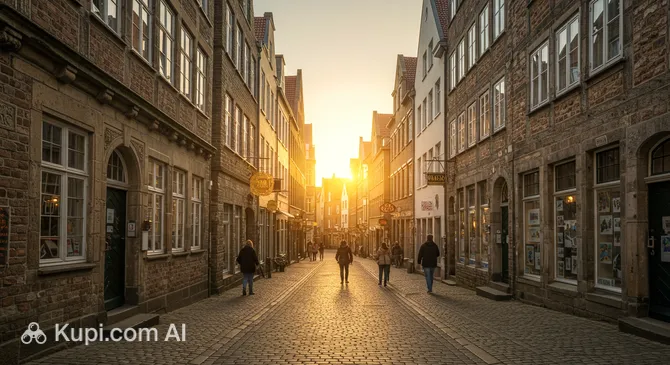
One of the most enchanting areas to visit is the Schnoor Quarter, the oldest district in Bremen. This labyrinth of narrow, winding lanes is lined with beautifully preserved half-timbered houses dating back to the 15th and 16th centuries. Once the home of river fishermen and rope makers, the neighborhood is now a vibrant hub of arts and crafts shops, goldsmiths, and cozy cafes. Walking through these streets feels like stepping back in time, offering a peaceful and picturesque escape from the modern city center.

Schnoor Quarter. Source: Kupi.Binoculars

Just a short distance away, you will find Böttcherstrasse, a stunning architectural ensemble that is unlike anything else in the city. This 100-meter-long lane is a masterpiece of brick expressionism, built in the 1920s. It houses museums, artisan workshops, and the famous Glockenspiel House, where bells chime distinct melodies throughout the day. The street is a fascinating blend of art, culture, and commerce, making it a must-see for architecture enthusiasts.

Böttcherstrasse. Source: Kupi.Binoculars

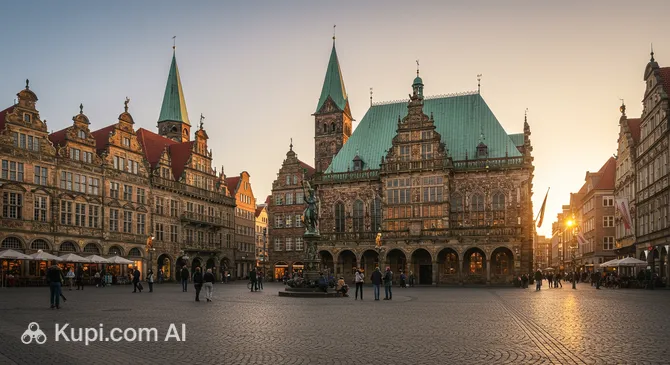
At the very heart of the city lies the Bremen Market Square, often referred to as the "parlor" of the city. Renowned as one of the most beautiful public squares in Germany, it is surrounded by magnificent historical buildings, including the majestic Town Hall and the ancient Roland statue. It serves as the central gathering point for locals and tourists alike, hosting lively markets and events against a backdrop of impressive Weser Renaissance facades.

Bremen Market Square. Source: Kupi.Binoculars

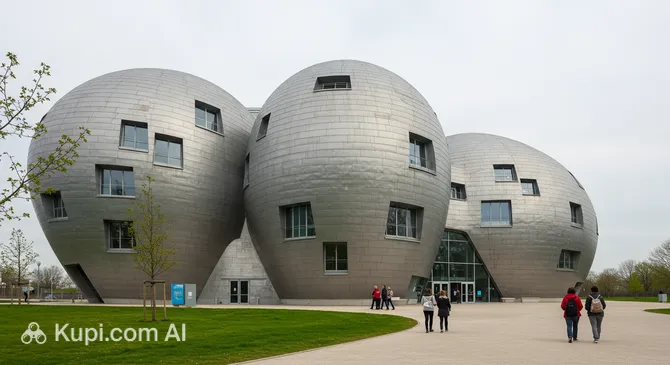
For those interested in modern innovation, the Universum Bremen is an unmissable highlight. Housed in a striking, futuristic building that resembles a giant silver whale or mussel rising from the water, this interactive science center captivates visitors of all ages. Inside, you can explore over 300 hands-on exhibits dedicated to technology, the human body, and nature, making it a perfect destination for families and curious minds.

Universum Bremen. Source: Kupi.Binoculars

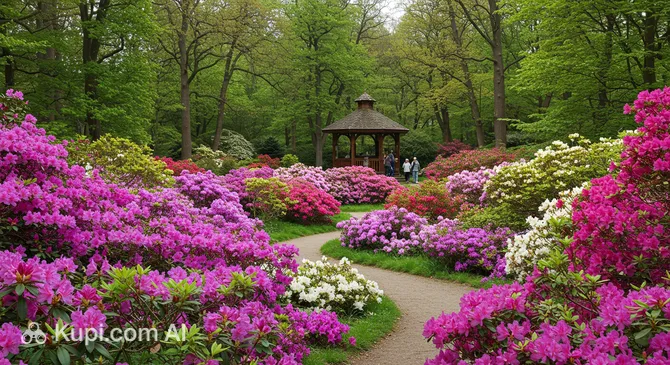
Nature lovers will find tranquility in the Rhododendron Park Bremen, a vast green oasis that boasts one of the largest collections of rhododendrons and azaleas in the world. The park is especially spectacular in May and June when the blooms are at their peak, creating a sea of vibrant colors. It is also home to "botanika," a green science center that allows visitors to explore Asian landscapes and biodiversity within the city limits.

Rhododendron Park Bremen. Source: Kupi.Binoculars

Local Cuisine

Bremen’s culinary scene is a delightful reflection of its maritime history and northern location. The food here is traditionally hearty and wholesome, designed to warm you up after a breezy day by the river. While you will find plenty of international options, the local gastronomy centers on robust meat dishes, fresh fish from the North Sea, and a surprising affection for sweets and coffee.

If you visit during the colder months, you simply must try the city's most famous specialty, Kohl und Pinkel. This rich dish consists of curly kale cooked with oats and onions, served with a savory smoked sausage known as "Pinkel," along with Kassler (cured pork) and bacon. It is so beloved that locals organize traditional "Kohlfahrten" (kale tours) in winter to celebrate it. Another regional favorite is Knipp, a type of sausage made from oat groats, pork, and beef, typically fried until crisp and served with fried potatoes and pickles.

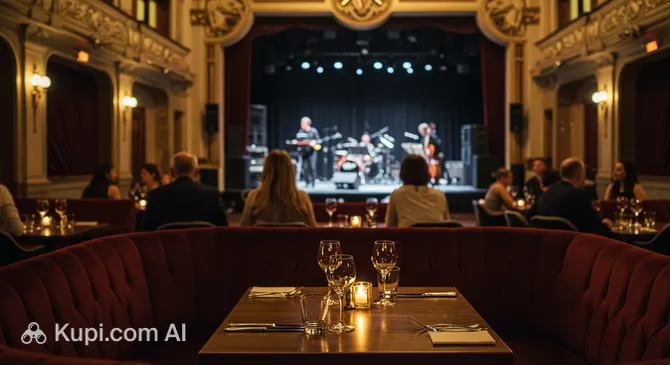
GOP Varieté Theatre Bremen. Source: Kupi.Binoculars

For those with a sweet tooth, the city offers unique treats like the Bremer Klaben, a dense, stollen-like cake filled with raisins and dried fruit that is particularly popular around Christmas and holds protected geographical status. You might also enjoy Bremer Kluten, distinctively wrapped peppermint fondant cubes partly covered in chocolate. The city also prides itself on its coffee culture; as the site of the first coffee house in German-speaking lands, it remains a major hub for coffee roasting.

When it comes to drinks, the city is globally famous as the home of Beck's beer, and enjoying a fresh draft is a rite of passage for many visitors. However, wine lovers are in for a surprise at the historic cellar beneath the Bremen Town Hall. The Ratskeller houses one of the world's largest collections of German wines, offering an atmospheric setting to sip a glass of Riesling surrounded by centuries-old barrels.

For a memorable meal, head to the Schlachte embankment along the Weser River, where numerous beer gardens and restaurants offer outdoor seating with water views. The historic Schnoor Quarter is perfect for finding cozy tea rooms and traditional cafes tucked away in medieval houses. If you are looking for a combination of fine dining and entertainment, the GOP Varieté Theatre Bremen provides a spectacular show alongside a delicious menu, making for a perfect evening out.

Travel Tips

Planning a trip to Bremen is exciting, but a few practical insights can make your visit even more enjoyable and stress-free. Here is a collection of essential tips to help you navigate this charming Hanseatic city like a local.

  1. Clothing and Gear: Due to the maritime climate, the weather can be changeable, so it is wise to dress in layers and always carry a compact umbrella or a rain jacket, regardless of the season. Since the historic center and the Schnoor quarter feature charming but uneven cobblestone streets, comfortable flat walking shoes are an absolute must for exploring comfortably.

  2. Transportation: The city center is very compact and best explored on foot, but for longer distances, the local public transport network (BSAG) offers excellent tram and bus services. There is no need to rent a car within the city, as parking can be expensive and scarce; instead, consider renting a bicycle, as Bremen is one of the most bike-friendly cities in Germany.

  3. Finances: The local currency is the Euro (€). While credit cards are widely accepted in hotels and larger stores, smaller cafes, bakeries, and traditional stalls may still prefer cash (Bargeld). It is advisable to keep some coins and small notes on hand, and when tipping at restaurants, it is customary to round up the bill or leave about 5-10%.

  4. Health and Safety: Bremen is generally a safe city for travelers, but standard precautions against pickpocketing should be taken in crowded areas like the main train station. For minor health issues, look for pharmacies marked with a red "A" (Apotheke), which are plentiful, and remember that the general emergency number for police and ambulance is 112.

  5. Communication: While German is the official language, English is widely spoken, especially in tourism, hotels, and by younger people. A useful local phrase to know is "Moin", a universal greeting used at any time of day or night to say hello; using it will instantly earn you a smile from the locals.

  6. Local Etiquette: Punctuality is highly valued, so try to be on time for tours or reservations. On Sundays and public holidays, most shops and supermarkets are closed, so plan your shopping needs in advance and use these quiet days to visit museums or enjoy the parks.

  7. What to Avoid: Be extremely careful not to walk on the designated bicycle paths, which are often marked in red or paved differently on sidewalks. Cyclists in Bremen move quickly and expect pedestrians to stay clear of their lanes; blocking them is considered rude and can be dangerous.

  8. Shopping Hours: Keep in mind that unlike in some other countries, regular shops close relatively early in the evening (often by 8:00 PM) and are completely closed on Sundays. If you need essentials on a Sunday, your best bet is the shops inside the main train station, which remain open.

With these practical tips in hand, you are ready to immerse yourself in Bremen's rich history and vibrant culture with confidence. We hope your journey is filled with memorable moments, smooth travels, and delightful discoveries in this wonderful northern city.

Entertainment & Nightlife

Entertainment:

Beyond its historic landmarks, Bremen offers a vibrant and diverse entertainment scene that caters to all tastes, from lively nightlife to unique leisure experiences. The city’s atmosphere shifts seamlessly from medieval charm during the day to a buzzing urban rhythm at night, ensuring that visitors always have something exciting to explore.

For those seeking evening fun, the "Viertel" (Quarter) is the undisputed heart of the city's social life. This colorful district is packed with an eclectic mix of pubs, cult bars, and cultural venues. You can enjoy a relaxed drink at Schauburg, a popular spot known for its cultural flair, or try creative cocktails at Muchos más. Music enthusiasts should head to the Meisenfrei Blues Club, a legendary venue that hosts regular live performances in an authentic, rustic setting. If you prefer a more energetic vibe, VAI VAI Bremen offers a stylish industrial-chic atmosphere perfect for dining and partying.

Shoppers and car enthusiasts will find a truly unique destination in the Überseestadt district. Schuppen Eins is a center for automotive culture housed in a historic two-story goods shed. It combines a classic car marketplace with glass-walled workshops, shops, and restaurants, making it a fascinating stop even for those who aren't looking to buy. For a more traditional retail experience, Waterfront Bremen is a massive shopping and leisure complex located directly on the Weser River, featuring international brands, a cinema, and a food court with scenic water views.

Families and those looking for a peaceful escape should visit the Bürgerpark, one of Germany's best-preserved country parks. Nestled within this green oasis is the Bremen Tiergehege, a charming animal enclosure where visitors can observe native species and farm animals in a natural environment. It provides a delightful and relaxing contrast to the bustling city center, perfect for a leisurely afternoon walk.

Parks & Museums

Bremen is a city that prides itself on its high quality of life, seamlessly integrating lush green spaces and a sophisticated cultural scene into its urban fabric. Beyond the historic market square, visitors will discover a wealth of expansive parks, world-class museums, and artistic venues that reflect the city's rich heritage and creative spirit.

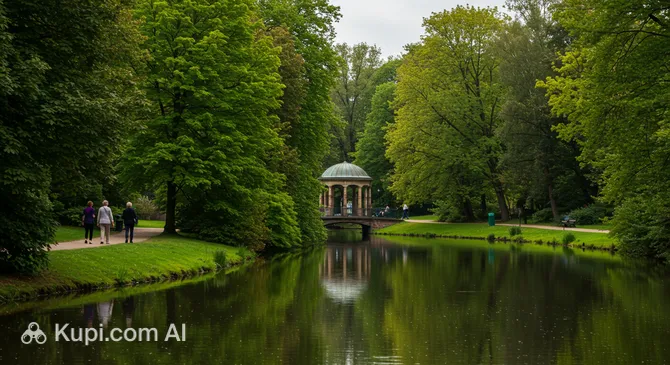
One of the most beloved green spaces is the Bremen Bürgerpark, a magnificent English-style landscape garden that serves as the city's "green lung." Covering over 200 hectares, it offers a peaceful retreat with winding paths, ancient trees, and serene waterways perfect for rowing. It is one of Germany's best-preserved country parks, financed entirely by private donations, and provides an idyllic setting for jogging, picnicking, or simply escaping the bustle of city life.

Bremen Bürgerpark. Source: Kupi.Binoculars

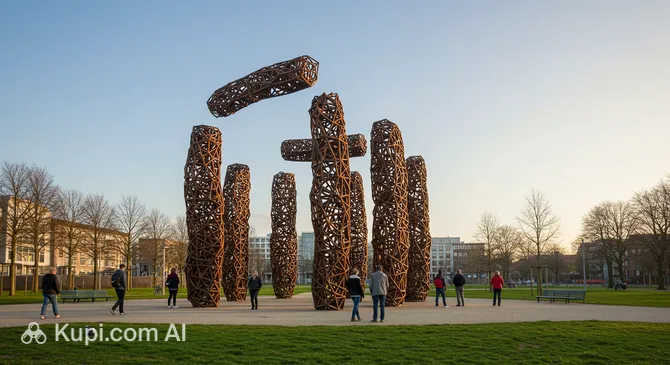
For a more unique outdoor experience, travelers can venture to Metalhenge, located on the highest point of the Bremen blockland. This intriguing installation consists of rusty steel steles arranged to align with astronomical points, reminiscent of the ancient Stonehenge. It offers not only a fascinating artistic perspective but also a panoramic view of the city skyline, making it a favorite spot for photographers and those seeking a quiet moment at sunset.

Metalhenge. Source: Kupi.Binoculars

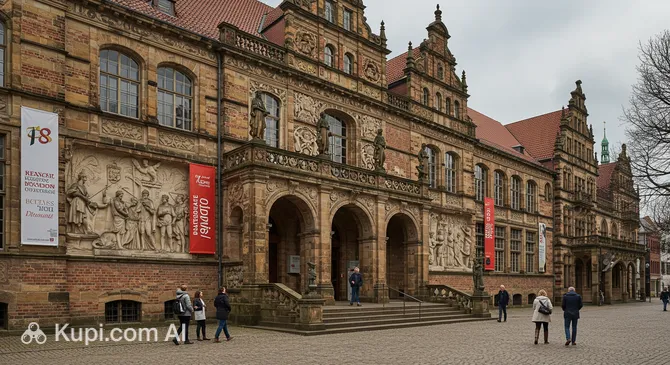
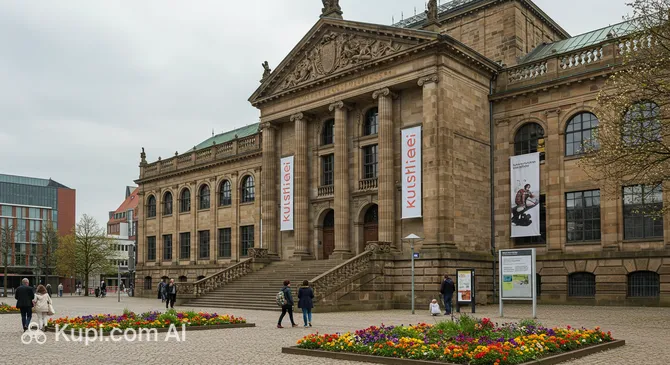
Art enthusiasts will find a haven at the Kunsthalle Bremen, one of the most significant art museums in northern Germany. The gallery houses an impressive collection spanning 600 years of art history, from old masters to contemporary works. Highlights include an extensive collection of copper engravings and paintings by European masters such as Monet, Cézanne, and Van Gogh. The museum's changing exhibitions and modern architecture make it a dynamic cultural hub.

Kunsthalle Bremen. Source: Kupi.Binoculars

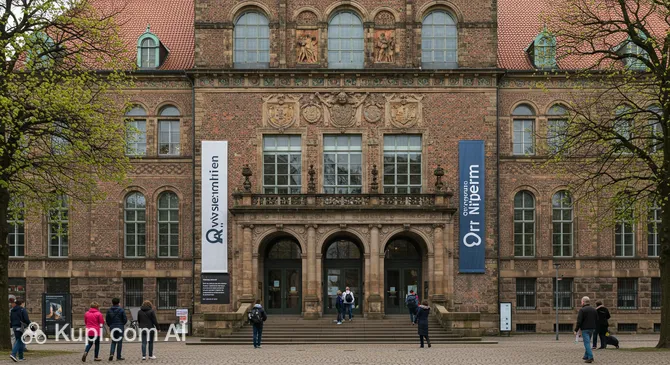
Just a short walk from the main station lies the renowned Overseas Museum Bremen (Übersee-Museum), which invites visitors to travel the world under one roof. This unique institution combines ethnology, trade, and natural history, showcasing fascinating exhibits from Asia, Africa, the Americas, and Oceania. It reflects Bremen's long history as a port city and trading center, offering immersive displays that are educational and engaging for visitors of all ages.

Overseas Museum Bremen. Source: Kupi.Binoculars

For lovers of contemporary creativity, the Weserburg Museum of Modern Art is an essential stop. Located uniquely on a peninsula in the middle of the Weser River, it is one of Europe's largest museums dedicated to modern art. Housed in four historic warehouses, the museum presents a diverse range of international art from private collections, ensuring that the displays are always fresh and thought-provoking.

If you are looking for an authentic and interactive way to learn about local history, consider visiting the Bremer Geschichtenhaus in the Schnoor quarter. Here, actors dressed in historical costumes bring Bremen's past to life, recounting tales of local celebrities and everyday life in centuries past. It is a hidden gem that offers a humorous and personal touch to the city's historical narrative.

Getting Around

Public transport in Bremen is efficient, comprehensive, and user-friendly, making it easy for visitors to navigate the city without a car. The system is primarily operated by the Bremer Straßenbahn AG (BSAG) and operates within the wider VBN (Verkehrsverbund Bremen/Niedersachsen) network. The backbone of the city's transit is its extensive tram (Straßenbahn) network, which connects the main train station, the airport, and the historic center with outlying districts. Complementing the trams is a dense network of buses that serve areas not reached by rail, ensuring that virtually every corner of the city is accessible.

For tourists, the most convenient ticket option is often the Bremen Card. This pass offers unlimited travel on buses and trams within the city for 1, 2, 3, or 4 days, along with discounts on guided tours, museums, and theater tickets. If you prefer standard tickets, you can choose from single tickets (EinzelTicket), short-trip tickets (Kurzstrecke) for up to three stops, or day tickets (TagesTicket). Prices are reasonable, with a single adult fare typically costing around €3.00 and a day ticket offering great value for unlimited travel within the city zone.

Buying tickets is straightforward. Uniquely, most trams and buses in Bremen are equipped with ticket machines inside the vehicle, allowing you to purchase your fare immediately upon boarding. These machines usually accept coins and cards. Alternatively, you can buy tickets at the BSAG service centers, from machines at major stops, or digitally via the "FahrPlaner" app or the "DB Navigator" app. If you buy a paper ticket from a machine at a stop or a kiosk, remember to validate it by stamping it in the blue boxes on board; tickets purchased inside the vehicle are often already validated.

The system runs reliably from early morning until late at night. On weekends and public holidays, the city operates a special night network known as "Nachtschwärmer" (Night Owls), consisting of specific tram and bus lines that run hourly or more frequently throughout the night, ensuring safe passage home after an evening out. A charming special feature of Bremen’s transport landscape is the Weser ferry system. These small ferries, such as the "Hal öwer," shuttle pedestrians and cyclists across the river, offering a scenic and practical shortcut between the city center and the river island areas.

While public transport is excellent, cycling is arguably the most popular alternative and a true way of life here. The city is extremely bike-friendly, with dedicated paths everywhere, and renting a bike is highly recommended for a local experience. For those who prefer driving, car-sharing services like Cambio are widely available, though parking in the center can be scarce. Taxis are also readily available at designated stands or via mobile apps, providing a comfortable option for door-to-door service, especially with heavy luggage.

Accommodation

Finding the perfect place to stay in Bremen is easy, as the city offers a wide spectrum of accommodation options to suit every preference and budget. Whether you are looking for a luxurious hotel with river views, a charming guesthouse in a historic neighborhood, or a budget-friendly hostel, the city's hospitality infrastructure is well-developed and welcoming. From modern business hotels to cozy apartments, travelers can find a comfortable base to explore the Hanseatic city.

For most visitors, especially first-timers, the Mitte (City Center) is the most convenient area to stay. Choosing a hotel here places you within walking distance of the city's most iconic landmarks, including the magnificent Bremen Town Hall and the historic market square. Staying in the center allows you to step out of your door and immediately immerse yourself in the medieval atmosphere, with easy access to shopping streets and main transport hubs.

Bremen Town Hall. Source: Kupi.Binoculars

If you prefer a more bohemian and lively vibe, consider the Das Viertel (The Quarter) district. Located just east of the city center, this area is known for its colorful street art, eclectic boutiques, and vibrant nightlife. It is an excellent choice for younger travelers or those who want to be close to the cultural scene, cafes, and bars. Alternatively, the rapidly developing Überseestadt offers a modern waterfront experience. Once a busy harbor, this district has been transformed into a trendy area with stylish lofts and hotels. Landmarks like Schuppen Eins highlight the neighborhood's unique blend of industrial heritage and contemporary architecture, making it a favorite for design lovers.

Travelers on a budget or those preferring a quieter atmosphere might look towards the Neustadt on the left bank of the Weser River. This area is often more affordable and retains a relaxed, local feel while still being just a short tram ride or walk across the bridge from the main attractions. It is also convenient for those who need quick access to the airport.

Booking Tips and Prices: Accommodation prices in Bremen are generally reasonable compared to other major German cities. Budget options and hostels typically range from €50 to €80 per night, while mid-range hotels usually cost between €90 and €150. Luxury stays can start from €160 upwards. It is highly recommended to book your accommodation well in advance, especially if you are visiting during major events like the Freimarkt festival in October or the popular Christmas Market in December, when demand is high and the best locations fill up quickly. Most properties can be easily booked via major online platforms, though booking directly sometimes offers small perks.

Nearby Cities

For those looking to explore the surroundings, Bremen serves as an excellent base for day trips to several interesting nearby locations:

One of the most popular excursions is to the seaside city of Bremerhaven, located at the mouth of the Weser River. Just a short train ride away, it offers world-class attractions such as the German Emigration Center and the Klimahaus 8° Ost, a unique museum dedicated to climate zones. For art lovers, the village of Worpswede in the Teufelsmoor (Devil's Moor) is a must-visit. Known as a famous artists' colony since the late 19th century, it features numerous galleries, museums, and striking architecture set against a picturesque landscape.

Closer to the city, Delmenhorst offers a fascinating glimpse into the region's industrial past. The Nordwolle museum, located in a former wool combing factory, is a highlight of European industrial heritage and provides an impressive architectural contrast to the rural surroundings.

City Population Distance (km)
Delmenhorst 77,607 12
Stuhr 33,678 7
Achim 32,379 18
Ganderkesee 31,578 18
Weyhe 31,162 11

These nearby destinations offer a glimpse into the diverse culture and landscapes of the region.

Shopping & Souvenirs

Shopping

Shopping in Bremen is a delightful experience that combines the charm of a historic Hanseatic city with the convenience of modern retail. Known as a "city of short paths," Bremen allows visitors to explore diverse shopping districts comfortably on foot. From bustling high streets lined with international brands to hidden medieval lanes filled with artisan treasures, the city offers a variety of options to suit every taste and budget. Whether you are looking for high-end fashion, quirky local crafts, or maritime souvenirs, you will find it all within easy reach of the city center.

The main shopping artery of the city is Obernstraße, a lively pedestrian zone that runs through the heart of downtown. Here, you will find major department stores and popular fashion chains. Connected to it is Sögestraße, famous for its bronze "Swineherd" statue, which hosts a mix of traditional shops and upscale boutiques. For a truly unique atmosphere, head to the Schnoor Quarter. In this oldest part of the city, tiny half-timbered houses are home to goldsmiths, tea shops, and galleries selling handmade items that you won't find anywhere else. Similarly, the architectural gem Böttcherstrasse offers exclusive design shops and glass art in a stunning expressionist setting.

If you prefer shopping under one roof, Bremen boasts several excellent malls. The Lloyd Passage in the city center is a glass-covered arcade that ensures a dry and pleasant shopping spree regardless of the weather. For a larger-scale experience, visit Waterfront Bremen. Located in the lively Überseestadt area along the river, this expansive shopping and leisure complex features over 120 stores, a cinema, and a food court, making it a perfect destination for a full day out.

Markets play a vital role in local life and offer a great opportunity to mingle with residents. The daily market at the Domshof, located just steps away from the Bremen Market Square, is the place to go for fresh regional produce, flowers, and local snacks. It is an ideal spot to grab a fresh fruit salad or a bratwurst while sightseeing. During the holiday season, the square transforms into one of Germany's most beautiful Christmas markets, attracting visitors from all over the world.

When it comes to souvenirs, Bremen has plenty of signature items to take home. Memorabilia featuring the Town Musicians of Bremen—from storybooks to plush toys—is a classic choice. For those with a sweet tooth, look for Bremer Kluten (peppermint fondant partly coated in chocolate) or Babbeler (a hard peppermint candy stick). As a historic coffee capital, buying freshly roasted coffee beans from a local roastery is also a wonderful way to remember your trip.

Store hours in Bremen are generally consistent with German standards. Most shops in the city center are open from Monday to Saturday, typically between 10:00 AM and 8:00 PM. Smaller boutiques in areas like the Schnoor may have slightly shorter hours. It is important to remember that, with very few exceptions (such as shops inside the train station), almost all retail stores are closed on Sundays.

Regarding payment, major credit and debit cards (Visa, Mastercard) are widely accepted in department stores, malls, and larger shops. However, smaller independent shops, bakeries, and market stalls often prefer cash or the local "EC card" (Girocard). Visitors from outside the European Union may be eligible for VAT refunds on purchases over a certain amount; look for the "Tax Free" logo in store windows and ask for a refund form at the checkout.
Reached the end of the page?

That means the route is fully explored