Support

Krefeld

About

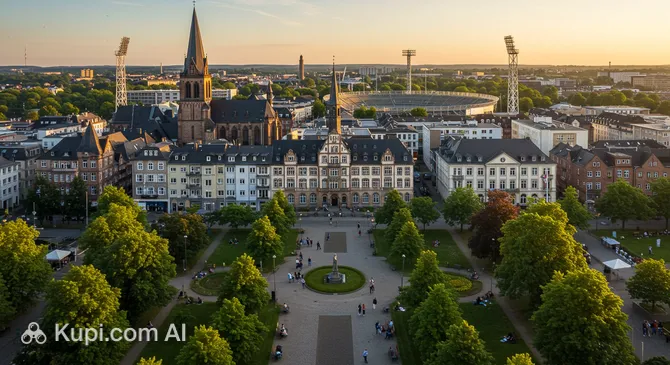
Welcome to Krefeld, a fascinating destination often referred to as the "Velvet and Silk City" due to its rich heritage in the textile industry. Located in the state of North Rhine-Westphalia in western Germany, this city sits just west of the Rhine River and northwest of Düsseldorf. With a population of approximately 227,000, Krefeld offers a vibrant mix of urban culture, historical architecture, and lush green spaces, making it an appealing stop for travelers exploring the region.

Krefeld. Source: Kupi.Binoculars

The history of Krefeld is deeply interwoven with the production of luxury fabrics, which shaped its development and wealth over the centuries. Today, this legacy is still visible in the city's culture and museums. Beyond its industrial past, the city is renowned for its remarkable architecture, including the modernist villas Haus Lange and Haus Esters, designed by the famous architect Ludwig Mies van der Rohe, which now serve as venues for contemporary art.

Visitors should not miss the picturesque Burg Linn, a well-preserved medieval castle surrounded by a water-filled moat and an extensive park, perfect for a relaxing stroll. Families and nature lovers will also enjoy the Krefeld Zoo, home to a diverse range of animals and particularly famous for its primate house. Whether you are interested in art, history, or simply enjoying the local atmosphere, Krefeld provides a delightful and multifaceted experience for every guest.

Weather Overview

The climate in Krefeld is generally moderate, characterized by warm summers and cool winters with regular rainfall throughout the year. To help you pack for your trip, it is useful to check the specific weather in Krefeld before you travel.

The warmest time of the year occurs from June to August, where average temperatures hover around 19°C and daily highs can reach nearly 24°C. Winters are significantly cooler, with January generally being the coldest month, featuring average temperatures of 4.1°C and lows dropping to around 2.1°C. Rain is a frequent companion in this region; even the drier months see between 11 and 14 wet days, while December can experience up to 18 wet days, so carrying a raincoat is always a good idea.

Interesting Facts

Beyond the main attractions, Krefeld holds many fascinating secrets and local quirks that surprise many visitors. From unique beverages to sporting legends, the city has a distinct character waiting to be discovered.
  • While the city is famous for silk, few know just how dominant it was in the fashion world. At the height of its production, Krefeld manufactured approximately 80 percent of all neckties made in Germany, cementing its reputation as the country's unofficial "Tie Capital."

  • Krefeld is home to a living piece of railway history affectionately known as the "Schluff." This historic steam train, one of the oldest of its kind in Germany, still puffs its way through the city on leisurely rides, connecting the urban center to the scenic recreation area of Hülser Berg.

  • The city has a drink named after it, which you can order in many local pubs. A "Krefelder" is a popular mix of dark Altbier and cola, creating a sweet and malty beverage that is a staple of the region's social culture.

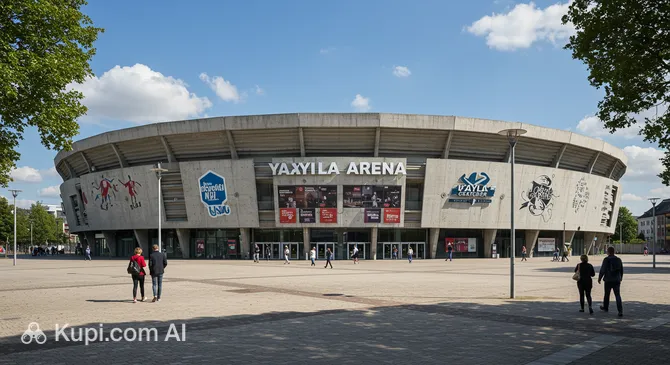
  • Ice hockey enjoys a cult following here, often overshadowing football. The local team, the Krefeld Pinguine (Penguins), has a passionate fanbase and plays their home games at the modern Yayla Arena, which transforms into a cauldron of atmosphere on match days.

Yayla Arena. Source: Kupi.Binoculars

How to Get There

Reaching this part of North Rhine-Westphalia is quite convenient thanks to the region's dense transport network. Whether you prefer flying or taking the train, there are multiple options to suit your itinerary. For detailed instructions and routes, you can read more about how to get to Krefeld.

The city of Krefeld does not have its own airport, but it is well-served by major hubs nearby. The most convenient option is Dusseldorf International Airport (DUS), located in the city of Dusseldorf, which is only about 15.3 km from Krefeld. Due to its proximity, the journey is quick; a taxi or car ride typically takes around 20 to 25 minutes depending on traffic. This airport handles a large volume of passengers annually, offering numerous international connections.

Another viable option is Weeze Airport (NRN), also listed as serving the Dusseldorf area. It is situated approximately 41.9 km from Krefeld. While smaller than the main international hub, it is a popular choice for certain carriers. Reaching Krefeld from here by car or taxi usually takes about 45 minutes. Travelers can also consider Cologne Bonn Airport (CGN) in Cologne, located about 64.0 km away, which is another major gateway to the region.

For clarity, here is a summary of the main airports:

Airport Name City Passenger Traffic Km from City
Dusseldorf International Airport Dusseldorf High 15.3
Cologne Bonn Airport Cologne High 64.0
Dortmund Airport Dortmund Medium 75.6
Weeze Airport Dusseldorf Medium 41.9
Maastricht Aachen Airport Maastricht Low 72.9

Traveling by train is an excellent way to arrive, as the city is well-integrated into the German railway system. You can arrive directly at Krefeld Station, which is conveniently located in Krefeld itself, just 1.0 km from the city center. This makes it the most straightforward entry point for visitors utilizing public transport.

If you are coming from further afield, you might first arrive at Düsseldorf Hauptbahnhof in the city of Dusseldorf. This major railway hub is about 20.4 km from Krefeld and offers extensive national and international connections. From there, you can easily transfer to a local train or take a taxi, with the road journey taking approximately 25 to 30 minutes.

Below is a list of the closest and most significant railway stations:

Station City Passenger Traffic Km to Center
Düsseldorf Hauptbahnhof Dusseldorf High 20.4
Essen Hauptbahnhof Essen High 33.8
Venlo Station Venlo Medium 27.7
Dormagen Railway Station Dormagen Medium 31.5
Krefeld Station Krefeld 1.0

Main Attractions

Krefeld offers a delightful mix of cultural, recreational, and leisure activities that cater to a wide range of interests. From engaging wildlife experiences to relaxing green spaces and modern shopping opportunities, the city provides several compelling spots for visitors to explore.

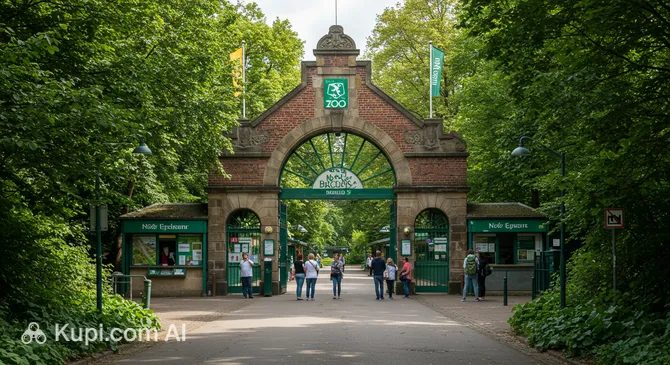
One of the city's premier highlights is the Krefeld Zoo. Renowned for its successful breeding programs and diverse collection of species, this zoo is a favorite among families and nature lovers. It is particularly famous for its primate house and the impressive rainforest hall, which allows visitors to observe animals in a lush, naturalistic environment. A visit here offers a chance to see everything from snow leopards to tropical birds, making it a must-see destination year-round.

Krefeld Zoo. Source: Kupi.Binoculars

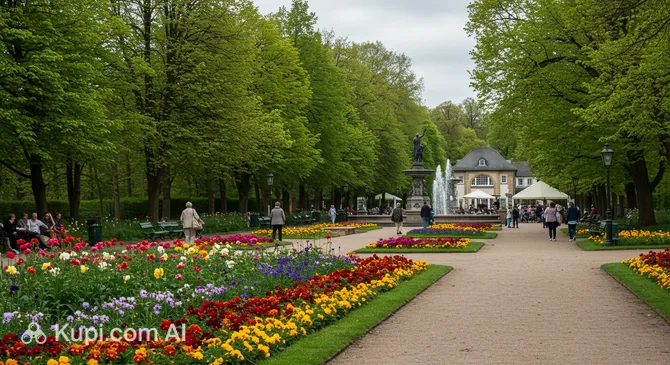
For those seeking tranquility and fresh air, Schönwasser Park is a perfect retreat. Located in the Bockum district, this expansive park features long, tree-lined avenues and beautifully maintained lawns that invite visitors for leisurely strolls or picnics. It serves as a green lung for the city and connects to the botanical gardens, offering a peaceful escape from the urban bustle where you can admire the changing seasons.

Schönwasser Park. Source: Kupi.Binoculars

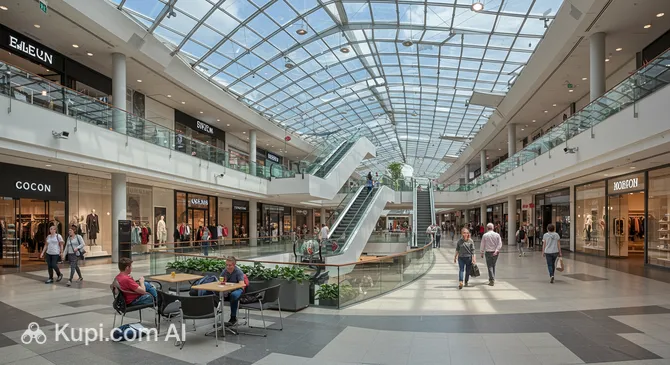
Travelers interested in shopping and modern architecture should head to the Forum Krefeld. Situated in the heart of the city center, this large shopping mall is a hub of activity, housing a wide variety of stores that range from international fashion brands to electronics and lifestyle shops. Its striking glass facade and convenient location make it a great place to browse for souvenirs, update your wardrobe, or simply enjoy a coffee break during your city tour.

Forum Krefeld. Source: Kupi.Binoculars

If you are looking for an interactive and exciting group activity, the Limbus Escape Center offers a thrilling challenge. This venue invites guests to solve intricate puzzles and find clues within a set time limit to "escape" from themed rooms. It is an excellent option for friends or families who enjoy logic games and teamwork, providing a fun and memorable diversion from traditional sightseeing.

Local Cuisine

Exploring the local cuisine in Krefeld is a journey into the heart of Rhenish culinary traditions. The food here is typically hearty, rustic, and served in generous portions, reflecting the warm hospitality of the region. A classic dish you must try is Rheinischer Sauerbraten, a pot roast that is marinated for several days to achieve a tender texture and a distinctive sweet-and-sour flavor, usually served with potato dumplings and red cabbage. Another local favorite is Himmel un Ääd ("Heaven and Earth"), a comforting mixture of mashed potatoes and applesauce, typically served with fried black pudding and caramelized onions.

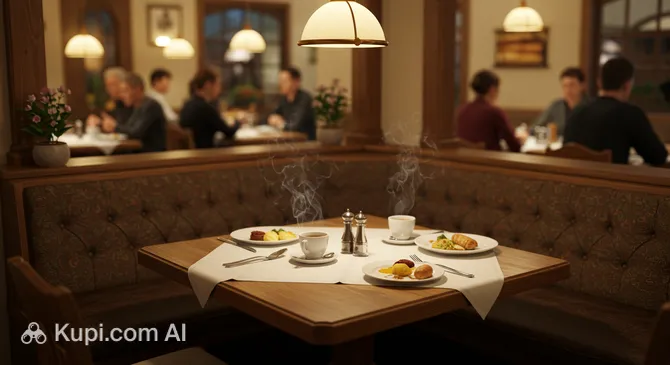
For a relaxed sit-down meal where you can enjoy a mix of traditional flavors and international dishes, the city offers numerous welcoming establishments. The FamilienHaus Restaurant is a popular choice for visitors looking for a friendly atmosphere and a varied menu that caters to different tastes. Whether you are craving German classics or something lighter, the local restaurant scene provides a cozy environment to unwind after a day of sightseeing.

FamilienHaus Restaurant. Source: Kupi.Binoculars

Street food is also an integral part of Krefeld’s food culture, perfect for a quick bite on the go. Like much of Germany, the city has a strong affinity for the Döner Kebab, which has become a staple of the modern diet. If you are looking for a satisfying snack while exploring the city center, House of Döner is a convenient spot to grab a fresh and flavorful kebab. Additionally, you will often find stalls selling Reibekuchen (crispy potato pancakes) at markets, which are especially popular during the colder months.

No culinary tour of Krefeld would be complete without sampling the local beverages. The region is famous for Altbier, a dark, top-fermented beer with a rich, malty taste that is deeply ingrained in the local culture. Locals often enjoy a fresh glass in a traditional pub or a lively beer garden. For a vibrant evening out, you might visit im Süden, a bar where you can experience the local nightlife and enjoy a wide range of drinks, from refreshing regional beers to creative cocktails.

Travel Tips

To ensure your visit to the "Velvet and Silk City" is as smooth and enjoyable as possible, we have compiled a list of essential practical advice. Whether you are here to explore the historic Burg Linn or enjoy the local parks, these tips will help you navigate Krefeld with ease and confidence.

  1. Clothing and Gear: The weather in Krefeld can be quite changeable, with rain being a possibility throughout the year. It is wise to dress in layers and always carry a compact umbrella or a waterproof jacket, even in summer. Since exploring attractions like the Krefeld Zoo or the city center involves a fair amount of walking, bring comfortable, sturdy walking shoes. If you plan to visit upscale restaurants or the theater, packing one smart-casual outfit is recommended.

  2. Transportation: Krefeld has an efficient public transport network operated by SWK (Stadtwerke Krefeld), consisting of trams (Straßenbahn) and buses that connect all major districts. The city is part of the VRR (Verkehrsverbund Rhein-Ruhr) network, so tickets are valid across the region. While taxis are available, they can be expensive; look for designated stands or ask your hotel to call one. Bicycling is also a very popular and practical way to get around due to the flat terrain.

  3. Finances: The local currency is the Euro (€). While credit and debit cards (Visa, Mastercard) are widely accepted in hotels, larger shops, and supermarkets, Germany is still very much a cash-oriented society. Smaller bakeries, traditional pubs (Kneipen), and kiosks often accept only cash or the local "EC-Karte" (debit card). It is advisable to carry some cash for small purchases. Tipping is customary; rounding up the bill or adding about 5-10% is polite in restaurants.

  4. Health and Safety: Krefeld is generally a safe city for travelers. Pharmacies, marked by a red "A" (Apotheke), are easy to find; they operate on a rotation system for night and weekend services, with the address of the nearest open pharmacy displayed on the door of any closed one. For serious medical emergencies, dial 112. As in any urban area, keep an eye on your belongings in crowded places like the central station or busy markets.

  5. Communication: The official language is German. While English is widely spoken, especially by younger people and those working in the hospitality industry, learning a few basic phrases like "Guten Tag" (Good day) and "Danke" (Thank you) is greatly appreciated by locals. Free Wi-Fi is available in many cafes and public buildings, but for consistent connectivity, you can purchase a prepaid SIM card at supermarkets or electronics stores with your passport.

  6. Local Etiquette: Punctuality is highly valued in German culture, so try to be on time for any appointments or tours. When entering a small shop or waiting room, it is polite to greet everyone with a general "Hallo" or "Guten Tag." If you are invited to a local's home, taking your shoes off at the door is a common practice unless told otherwise.

  7. What to Avoid: Do not walk in the designated bicycle lanes. These are often marked in red or separated by a line on the sidewalk, and cyclists can be quite fast and assertive about their right of way. Additionally, avoid jaywalking; locals strictly adhere to pedestrian traffic lights, and crossing on red is frowned upon, especially if children are present.

  8. Sunday Quiet Times: Keep in mind that Sunday is a rest day in Germany. Most shops, supermarkets, and pharmacies are closed, except for those at the train station or gas stations. Museums and bakeries (in the morning) usually remain open, but you should plan any shopping for Saturday. It is also a day to keep noise levels down in residential areas.

Armed with these practical tips, you are now ready to immerse yourself in the unique atmosphere of Krefeld. We hope you have a wonderful time discovering the city's blend of industrial heritage, green landscapes, and warm Rhenish hospitality!

Entertainment & Nightlife

Entertainment in Krefeld goes beyond its historical sites, offering a mix of modern leisure activities, cultural performances, and a lively local atmosphere. Whether you are looking for a unique night out, a touch of high culture, or a place to immerse yourself in digital trends, the city has something to intrigue every visitor.

For a truly distinctive experience, especially for gaming enthusiasts and the younger generation, TaKeTV is a must-visit destination. This venue is far more than a typical night spot; it is a celebrated hub for eSports and gaming culture. Functioning as a bar, cinema, and event location, it regularly hosts tournaments and public viewing parties where fans can cheer for their favorite teams. The atmosphere is electric yet welcoming, making it a perfect place to enjoy a drink while diving into the world of competitive gaming.

TaKeTV. Source: Kupi.Binoculars

Those who appreciate the performing arts will find a rich program at the Theater Krefeld und Mönchengladbach. This collaborative institution serves as the cultural heartbeat of the city, staging a wide variety of productions including opera, ballet, drama, and orchestral concerts. The theater is renowned for its high artistic standards and provides an elegant setting for a sophisticated evening out, allowing visitors to witness the region's dedication to the arts.

If your visit coincides with the Pentecost weekend, you are in for a special treat with the Flachsmarkt. Held around the grounds of the historic Burg Linn, this is one of the largest medieval craft markets in Germany. The event transforms the area into a bustling spectacle filled with traditional craftsmen, knights, musicians, and jugglers. It is a vibrant family-friendly event that brings history to life and offers a fun, immersive alternative to standard sightseeing.

Parks & Museums

Krefeld surprises many visitors with its remarkable abundance of greenery and a museum landscape that commands international respect. Far from being just an industrial hub, the city is woven with extensive parks and boasts cultural institutions that celebrate everything from modernist architecture to its illustrious history as a silk capital.

One of the most beloved recreational areas is the Stadtwald (City Forest). This expansive park is a favorite among locals for its idyllic boating lake, sprawling meadows, and a large beer garden that is perfect for a sunny afternoon break. It offers a wonderful mix of tamed landscape and natural forest, providing diverse walking paths for all ages. Another gem is the park surrounding Burg Linn. This landscape garden, designed in the English style, frames the medieval castle beautifully and offers a serene atmosphere for a historic walk. Visitors exploring the city's green belt should also note the proximity of these spaces to other attractions, such as the Schönwasser Park, which connects the urban districts with nature.

Culturally, Krefeld is a heavyweight, particularly for fans of architecture and modern art. The Kunstmuseen Krefeld are housed in two globally famous villas, Haus Lange and Haus Esters, designed by the iconic architect Ludwig Mies van der Rohe. These buildings are masterpieces of the Bauhaus style and host changing exhibitions of contemporary art that interact uniquely with the residential architecture. For a deep dive into the city's identity, the German Textile Museum (Deutsches Textilmuseum) in the Linn district is essential. It houses one of the world's most significant collections of historic textiles, showcasing fabrics from antiquity to the present day, reflecting Krefeld's legacy as the "City of Velvet and Silk."

History comes alive at Burg Linn, a moated castle that dates back to the 12th century. It is one of the oldest and best-preserved fortifications in the Lower Rhine region. Visitors can explore the keep, the hunting lodge, and the archaeological museum located on the grounds, which displays finds from the Roman and Frankish eras. It stands as a testament to the region's rich past and is often the backdrop for medieval festivals.

For an authentic local experience, venture to the Egelsberg hill on the northern edge of the city. Here, you will find a historic windmill (Egelsberg Mühle) and enjoy panoramic views over the landscape, which is particularly enchanting at sunset. It is a quiet spot often overlooked by tourists but cherished by those who know the area well.

Getting Around

Navigating Krefeld is straightforward and efficient thanks to a well-integrated public transport network operated by SWK MOBIL. The system relies primarily on a combination of trams (Straßenbahn) and buses that cover the entire city and extend into neighboring suburbs. There are four main tram lines (041, 042, 043, and 044) that intersect at the central station (Hauptbahnhof) and the Rheinstraße stop, serving as the city's key transit hubs. Complementing the trams is an extensive bus network that reaches residential areas and districts not directly served by rail, ensuring that visitors can reach almost any destination comfortably.

The city is part of the Rhine-Ruhr Transport Association (Verkehrsverbund Rhein-Ruhr or VRR), which means a unified ticketing system applies across the region. For travel exclusively within Krefeld, you will typically need a Price Level A ticket. Options include a "Kurzstrecke" (short trip) for journeys of up to three stops, a standard Single Ticket (EinzelTicket), and 24-hour or 48-hour passes which offer great value for tourists planning multiple rides. Prices are standardized across the VRR network; a single trip generally costs around €3.00, while a 24-hour pass is approximately €8.00, though these rates are subject to slight annual adjustments.

Tickets can be purchased at vending machines located at most tram stops and major bus stations; these machines usually accept both cash and cards and offer instructions in multiple languages. Drivers on buses also sell tickets, but it is advisable to have small change ready. Crucially, if you buy a physical paper ticket from a machine or a kiosk, you must validate it by stamping it in the orange or red boxes found on board trams and buses or at station platforms. Failure to validate your ticket can result in a hefty fine during inspections. For convenience, you can also purchase digital tickets via the "SWK App" or the "DB Navigator" app, which often saves time and eliminates the need for stamping.

Public transport generally operates from early morning, around 05:00, until shortly after midnight. On weekends and public holidays, the service hours are extended, and a network of night buses (NachtExpress) ensures safe travel for those enjoying the city's nightlife. If you prefer more flexibility, cycling is a highly popular alternative; the city's flat terrain and dedicated bike lanes make it very bicycle-friendly. Rental bikes are available at various points, particularly near the train station. Taxis are also readily available at designated stands or can be ordered via phone or apps, though they are a more expensive option compared to the bus or tram.

A special highlight for transport enthusiasts is the "Schluff," one of the oldest steam-operated railways in the region. While it serves primarily as a tourist attraction rather than a daily commuter service, it runs on specific Sundays and holidays during the warmer months, connecting St. Tönis to the recreation area at Hülser Berg. Riding this historic train offers a nostalgic journey through the landscape and is a unique way to experience the local heritage on rails.

Accommodation

Accommodation:

Finding the right place to stay in Krefeld is generally straightforward, as the city offers a balanced selection of accommodations to suit various budgets and preferences. While you will not find an abundance of ultra-luxury resorts, the city is well-stocked with reliable mid-range business hotels, modern budget chains, and charming family-run guesthouses (*Gasthäuser*). Additionally, the market for serviced apartments and vacation rentals has grown, providing comfortable "home away from home" options for those planning longer stays or traveling with families.

When choosing where to base yourself, the City Center (Stadtmitte) is the most practical option for travelers who rely on public transport. Staying here places you within walking distance of Krefeld Station and major shopping hubs like the Forum Krefeld. For a quieter and more scenic atmosphere, the district of Bockum is highly recommended. It is one of the city's greenest areas, located close to the Krefeld Zoo and the botanical gardens, making it ideal for a relaxing retreat. Alternatively, the historic district of Uerdingen, situated directly along the Rhine, offers a quaint riverside vibe with easy access to industrial heritage sites.

Price levels in Krefeld are generally moderate compared to the nearby metropolis of Düsseldorf. Visitors can typically find excellent value for money, with budget hotels starting at affordable rates and four-star establishments offering premium comfort without exorbitant price tags. Booking is most easily done through major online travel platforms, though contacting smaller, privately owned hotels directly can sometimes yield better deals or more personalized service.

Booking Tip: It is crucial to check the trade fair calendar for nearby Düsseldorf before you travel. During major international exhibitions (Messe), accommodation prices in the entire region—including Krefeld—can spike significantly, and rooms fill up fast. If your trip coincides with a large trade fair, it is highly advisable to book your hotel several months in advance to secure a reasonable rate.

Nearby Cities

For those looking to explore the surroundings, Krefeld serves as an excellent base for day trips to several interesting nearby locations.

City Population Distance (km)
Dusseldorf 645923 20
Duisburg 495885 18
Moenchengladbach 261001 18
Mülheim 170921 24
Neuss 153796 17

Among these destinations, Düsseldorf is a standout choice for a day trip. As the state capital, it is famous for its fashion industry, centered around the luxurious Königsallee shopping boulevard. Visitors can also explore the historic Altstadt (Old Town), known as the "longest bar in the world" due to its high concentration of traditional breweries and pubs, or enjoy a scenic walk along the Rhine promenade.

Duisburg offers a contrasting but equally fascinating experience, deeply rooted in the region's industrial past. The city is home to the world's largest inland port and the impressive Landscape Park Duisburg-Nord. This former ironworks has been transformed into a unique recreational area where visitors can climb blast furnaces, dive in an old gasometer, and see how nature is reclaiming the industrial structures.

Another worthwhile stop is Mönchengladbach, known for its mix of historical charm and modern culture. Art enthusiasts should visit the Museum Abteiberg, a masterpiece of postmodern architecture housing a significant collection of contemporary art. The city also features the beautiful Mönchengladbach Minster and several parks, offering a relaxing atmosphere for a leisurely afternoon.

These nearby destinations offer a glimpse into the diverse culture and landscapes of the region.

Shopping & Souvenirs

Shopping in Krefeld offers a delightful mix of modern convenience and traditional charm, reflecting its status as a regional center for commerce. Known historically as the "City of Velvet and Silk," Krefeld still maintains a sense of style and quality in its retail offerings. Visitors can expect a relaxed shopping experience with a wide range of options, from well-known international chains to smaller, owner-operated boutiques that showcase the city's unique character.

The heart of the shopping action is found in the city center's pedestrian zone, which is one of the oldest in Germany. The Hochstraße serves as the main shopping artery, stretching through the downtown area and lined with major department stores, fashion retailers, and shoe shops. For those seeking a more exclusive experience, the nearby Königstraße offers upscale boutiques and specialty stores, while Rheinstraße connects various parts of the district, providing a seamless flow for pedestrians exploring the city's retail landscape.

For a concentrated selection of shops under one roof, the Forum Krefeld is the premier destination. Located centrally near the main train station, this modern shopping mall features a striking glass facade and houses numerous stores offering fashion, electronics, and books. Another key location is the Schwanenmarkt, a traditional indoor shopping center that has been a staple of the city for decades, offering a variety of retailers and services in a comfortable, weather-proof environment.

Markets play a vital role in the local lifestyle, particularly the weekly market held at the Westwall. This tree-lined avenue transforms into a bustling marketplace where locals buy fresh regional produce, flowers, and meats. It is an excellent place to soak up the local atmosphere and perhaps pick up some fresh fruit or snacks. Additionally, Krefeld is famous for its specialized markets, such as the "Pottbäckermarkt" (Pottery Market), which celebrates the region's ceramic tradition, though this takes place on specific dates rather than year-round.

When looking for souvenirs, the city's textile heritage provides the perfect inspiration. High-quality silk scarves and ties are quintessential gifts from Krefeld, honoring its legacy as a silk production hub. Ceramics are another excellent choice, reflecting the local craftsmanship. For a culinary memento, you might look for locally distilled spirits or regional mustard varieties that are popular in the Rhineland.

Most shops in Krefeld generally open around 10:00 AM and close between 7:00 PM and 8:00 PM on weekdays and Saturdays. It is important to remember that, like in the rest of Germany, nearly all retail stores are closed on Sundays, with the exception of bakeries and shops within the train station. While major stores and malls accept credit and debit cards (Visa, Mastercard), smaller boutiques and market stalls often prefer cash, so it is advisable to carry some euros with you.

Travelers residing outside the European Union may be eligible for a VAT refund on their purchases. Many larger stores participate in tax-free shopping schemes; look for the "Tax Free" signage in windows or at the checkout counter. Be sure to ask for the necessary forms and receipts at the time of purchase to process your refund at the airport before leaving the EU.
Reached the end of the page?

That means the route is fully explored