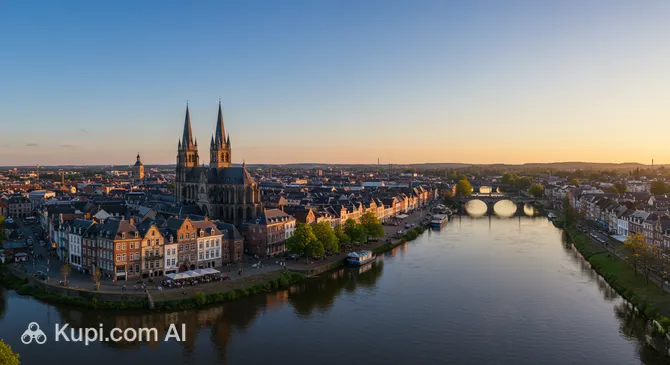
Maastricht is a captivating destination that stands apart from the rest of the country with its hilly surroundings, historic charm, and distinct "Burgundian" lifestyle. As the capital of the province of Limburg, it serves as a vibrant cultural hub in the southern part of the Netherlands, nestled uniquely between the borders of Belgium and Germany.
The city is renowned for its sophisticated atmosphere and significant heritage. Exploring the history of Maastricht reveals a timeline that stretches back to Roman times, making it one of the oldest cities in the region. With a population of approximately 277,000, it offers a lively urban environment while maintaining a welcoming and intimate feel.
Maastricht. Illustration.
Source: Kupi.com AI
Travelers are drawn to the city's picturesque streets and iconic landmarks. Key attractions include the bustling Vrijthof square, known for its grand churches and terraces, and the medieval Saint Servatius Bridge which spans the Meuse River. For a unique experience, the underground marl caves of St. Pietersberg offer an adventurous glimpse into the area's geological past.
Whether you are interested in high-end shopping in the Stokstraat quarter, enjoying fine dining, or simply soaking up the architecture, Maastricht invites you to discover its many treasures.
Weather Overview
The climate in this region is temperate, featuring distinct seasons that offer different experiences for travelers. Summers are generally pleasant and warm, with July and August being the hottest months; during this time, average temperatures hover around 19°C, while daily highs can reach approximately 23.6°C. This is often considered the best time for exploring the city's outdoor terraces and squares.
Winters are cool but rarely extreme, with average temperatures in January and December dipping to around 4°C to 5°C. While freezing conditions are possible, minimums typically stay above 1.8°C. Rainfall is a frequent companion throughout the year, with wet days ranging from 11 to 18 days per month, so keeping an umbrella handy is always a good idea. To help plan your packing list, you can view the detailed forecast and weather in Maastricht before your departure.
Spring and autumn serve as mild transition periods, with temperatures gradually rising from 7°C in March to 13.6°C in May, and cooling down again from September onwards. Overall, you can expect warm summers with occasional rain and cool, damp winters during your visit.
Average monthly temperature
Average monthly precipitation
Interesting Facts
Beyond the main attractions, Maastricht holds many fascinating secrets that reveal its unique position in European history and culture. Here are some surprising facts that make this city truly special:
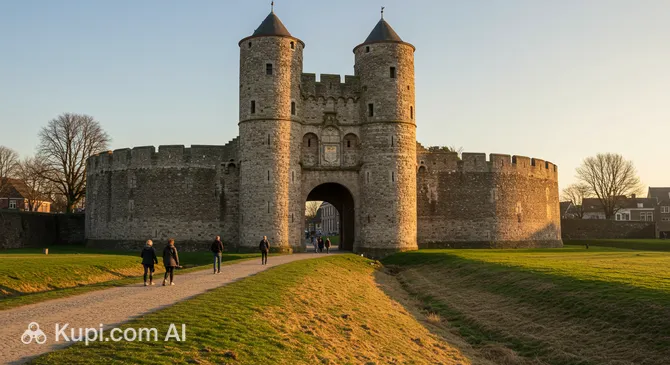
Helpoort. Illustration.
Source: Kupi.com AI
Traveler photos:
The Musketeer's Final Resting Place: The real-life Charles de Batz-Castelmore d'Artagnan, immortalized in literature as one of the Three Musketeers, died here during the siege of 1673. A bronze Statue of d'Artagnan stands in the Aldenhofpark to honor the legendary soldier near the place where he fell.
Oldest City Gate: The city boasts the Helpoort, or "Hell's Gate," which is the oldest surviving city gate in the Netherlands. Dating back to 1229, this massive stone structure was part of the original medieval fortifications and owes its fiery name to the prisoners who were once held in its tower.
Hiding Masterpieces: The vast underground labyrinth of the North Caves Maastricht served a critical role during World War II. These cool, dark tunnels were used to hide Dutch national treasures from destruction, including Rembrandt’s famous painting The Night Watch, which was rolled up and stored in a special vault.
Birthplace of the Euro: Maastricht is where the modern European Union was born. The historic Maastricht Treaty was signed here in 1992, laying the groundwork for the introduction of the Euro currency and European citizenship.
Dutch Wine Country: Although the Netherlands is mostly flat and known for beer, the hills around the Sint Pietersberg Viewpoint are home to some of the country's oldest vineyards. The unique limestone soil and microclimate allow for the production of highly regarded white wines.
How to Get There
Reaching this charming city in the southern Netherlands is quite convenient thanks to its central location in Europe. Whether you prefer flying or taking the train, there are multiple options available. You can read more about how to get to Maastricht to determine the best route for your specific itinerary.
If you prefer to fly, the most convenient option is the local Maastricht Aachen Airport (MST). Located directly in Maastricht, it is a small regional hub situated just 8.7 km from the city center. The transfer time by taxi or bus is approximately 30 minutes. For a wider range of international flights, many travelers choose Brussels Airport (BRU) in the city of Brussels. It is a large international hub located about 85.1 km away, with a travel time of around 1.5 hours by road. Alternatively, Dusseldorf International Airport (DUS) in Dusseldorf is another major option, roughly 89.3 km from Maastricht, taking approximately 1 hour and 15 minutes to reach by car. Travelers can also utilize Eindhoven Airport, situated 70.2 km away, or Liege Airport, which is a short 29.5 km drive from the city.
For clarity, here is a summary of the main airports:
Traveling by train is also a popular way to arrive, offering scenic views of the countryside. The city is served by Maastricht Railway Station, which is centrally located just 1.0 km from the heart of the town; getting to your hotel from here usually takes about 20 minutes. If you are coming from Belgium, you might connect through Liège-Guillemins Station in the city of Liege. This striking architectural landmark is about 26.7 km away, and the transfer to Maastricht takes approximately 30 to 45 minutes.
Below is a list of nearby railway stations that facilitate access to the region:
Maastricht is a city where history and culture converge, offering visitors a delightful mix of medieval architecture, religious heritage, and modern art. Walking through its cobbled streets feels like stepping back in time, yet the vibrant atmosphere ensures there is always something new to discover. From bustling squares to imposing fortifications, the city's landmarks tell the story of its strategic importance and artistic evolution.
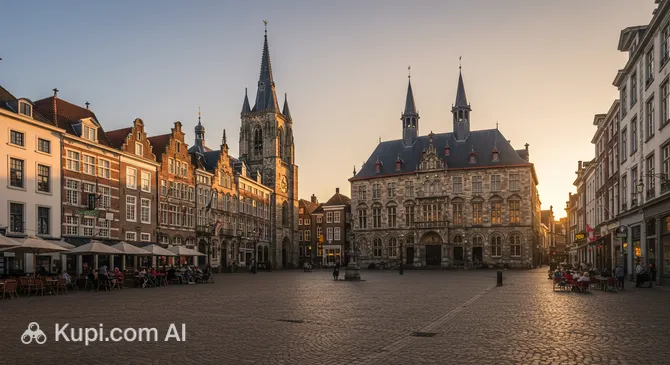
At the very heart of the city lies the Vrijthof Square, widely considered one of the most beautiful squares in the Netherlands. Surrounded by historic buildings and lively terraces, it serves as the city's "living room." Tourists flock here to enjoy outdoor dining, attend major events like the André Rieu summer concerts, or simply admire the grand facades that frame the open space. It is the perfect starting point for any tour of the city.
Vrijthof Square. Illustration.
Source: Kupi.com AI
Traveler photos:
Dominating the Vrijthof is the magnificent Basilica of Saint Servatius. This Romanesque masterpiece is built above the grave of Saint Servatius, the first bishop of the Netherlands. Visitors are captivated by its impressive treasury, which houses precious religious artifacts, and the serene Bergportaal. The church's architecture reflects centuries of history, making it a must-visit for those interested in religious art and heritage.
For a striking contrast to the medieval center, the Bonnefanten Museum offers a world-class experience in fine art. Located on the banks of the Meuse River, the building itself is a landmark, designed by Italian architect Aldo Rossi with a distinctive rocket-shaped cupola. Inside, art lovers can explore an extensive collection that ranges from medieval sculpture and early Italian painting to contemporary works, making it a premier cultural destination in the region.
Perched high above the city, Fort Sint Pieter stands as a testament to Maastricht's military past. Built in the early 18th century to defend against French attacks, this hexagonal fortress offers fascinating guided tours where you can explore its tunnels, cannon galleries, and water wells. Beyond its historical significance, the fort provides breathtaking panoramic views of the city and the Meuse valley, rewarding those who make the climb.
Local Cuisine
The culinary culture of Maastricht is distinct within the Netherlands, heavily influenced by its proximity to Belgium and France. Locals pride themselves on a "Burgundian" lifestyle, which emphasizes the enjoyment of good food and drink in a relaxed, social atmosphere. Unlike the quick lunch culture often found elsewhere in the country, dining here is an event to be savored, with meals often stretching over several hours on the city's abundant heated terraces.
No visit to the city is complete without tasting the most famous regional delicacy: Limburgse Vlaai. This traditional fruit pie features a yeast dough base rather than puff pastry and comes with various fillings like cherry, apricot, or crumbling pudding. It is deeply ingrained in local culture and is the standard accompaniment to coffee at any time of day.
For a hearty savory meal, you must try Zoervleis (sour meat). This traditional stew, originally made from horse meat but now often beef, is marinated in vinegar and spices to create a unique sweet-and-sour flavor profile. It is typically served with thick fries and apple sauce. Authentic eateries like Pieke Potloed in the city center are excellent places to experience this hearty dish in a traditional setting.
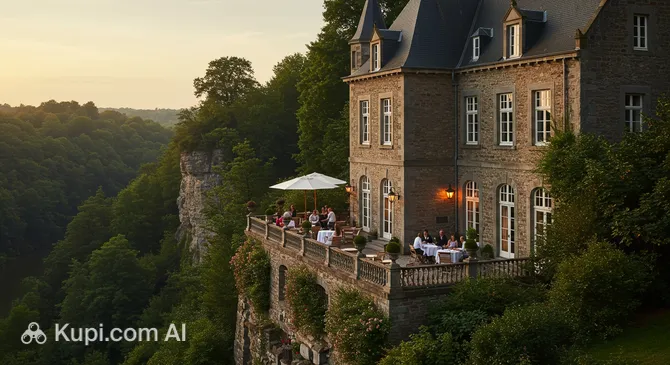
Château Neercanne. Illustration.
Source: Kupi.com AI
Traveler photos:
The city also boasts an impressive fine dining scene, ranging from cozy bistros to Michelin-starred establishments. For a truly unique gastronomic experience, Château Neercanne offers luxury dining located in a terraced castle on the Belgian border, providing breathtaking views alongside exquisite cuisine. If you prefer a more casual and homely atmosphere for breakfast or lunch, Livin' Room is a popular choice among locals.
When it comes to drinks, Maastricht offers more than just the standard Dutch pilsners. The region is one of the few in the Netherlands with a significant winemaking tradition, producing crisp white wines from vineyards on the surrounding limestone hills. Beer lovers should visit the Maastricht City Brewery (Stadsbrouwerij Maastricht) to sample local craft brews, including the historic "Mestreechs Aajt," a sour beer that reflects the city's ancient brewing heritage.
Travel Tips
To ensure your visit to Maastricht is as enjoyable and stress-free as possible, we have compiled a list of essential practicalities. These tips will help you navigate the city's charming streets, manage your budget, and blend in with the locals during your stay.
Clothing and Gear: Since the weather in the Netherlands can be unpredictable, dressing in layers is the best strategy. A waterproof jacket or a sturdy umbrella is a must-have, regardless of the season. Be sure to pack comfortable walking shoes; the city center is paved with historic cobblestones that can be difficult to navigate in high heels or flimsy sandals. If you plan to visit religious sites like the Basilica of Saint Servatius, modest attire is appreciated.
Transportation: The city center is compact and best explored on foot. For longer distances, the local bus network (operated by Arriva) is efficient and reliable; you can check in and out using your debit or credit card. Car rental is generally unnecessary and can be a burden due to the complex one-way streets and expensive parking fees. If you want to travel like a local, consider renting a bicycle, but ensure you are comfortable riding in busy traffic.
Finances: The official currency is the Euro (€). While credit and debit cards (Visa, Mastercard, Maestro) are widely accepted in hotels, restaurants, and larger shops, some smaller boutiques or market stalls may still prefer debit cards or cash. ATMs are readily available throughout the city. Tipping is not mandatory, but it is customary to round up the bill or leave a small tip of around 5-10% for good service in restaurants.
Health and Safety: Maastricht is generally a very safe city for tourists. Pharmacies, identified by the sign "Apotheek", are well-stocked for minor health issues, though they typically close in the evenings and on Sundays. For emergencies, dial 112. The biggest safety hazard for pedestrians is often the bicycle traffic; always look both ways before crossing and stay off the designated bike paths.
Communication: Dutch is the official language, but the proficiency in English is exceptionally high, so you will have no trouble communicating. Learning a few local phrases like "Hallo" (Hello) and "Dank je wel" (Thank you) is always a nice gesture. Free Wi-Fi is available in many cafes, trains, and public spaces. For mobile data, you can easily purchase a prepaid SIM card at supermarkets or electronics stores in the city center.
Local Etiquette: The locals, known as "Maastrichtenaren," are friendly and enjoy a relaxed pace of life. A handshake is the standard greeting for strangers. When entering a shop or waiting room, it is polite to greet everyone with a general "Goedemiddag" (Good afternoon). On escalators, stand on the right to let others pass on the left.
What to Avoid: Never walk in the red-colored bicycle lanes; this is considered rude and can be dangerous. Additionally, avoid assuming that because Maastricht is near the border, everyone speaks German or French; while many do, addressing locals in English is usually the safer and more polite default if you do not speak Dutch.
Shopping Hours: Be aware that many shops are closed on Monday mornings and do not open until 1:00 PM. Conversely, Thursday is typically "Koopavond" (shopping evening), where stores in the center stay open later, usually until 9:00 PM, making it a great time for evening browsing.
Armed with these practical tips, you are ready to fully immerse yourself in the "Burgundian" lifestyle of Maastricht. Relax, explore the winding streets at your own pace, and enjoy the warm hospitality this unique city has to offer.
Entertainment & Nightlife
Maastricht comes alive after dark with a vibrant and sophisticated nightlife scene that reflects its "Burgundian" character—a local term for enjoying the good things in life. Thanks to a large international student population and a culture that values socializing, the city offers a diverse mix of cozy "brown cafes," trendy cocktail bars, and energetic clubs. The atmosphere is generally welcoming and relaxed, favoring good conversation and dancing over massive, impersonal venues.
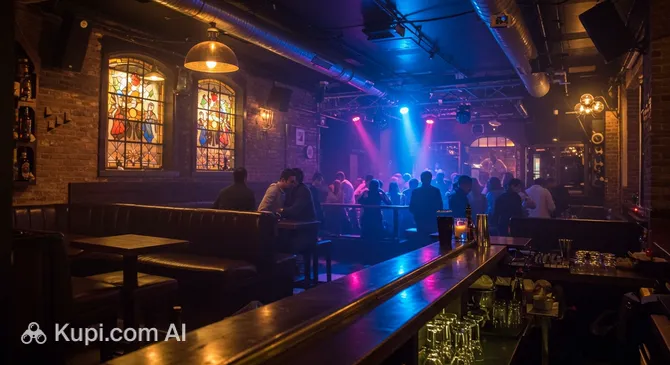
The epicenter of the city's nightlife is undoubtedly the area around the Vrijthof and the bustling Platielstraat. This street is packed with bars and eateries that transform into lively party spots as the evening progresses. For a classic Maastricht experience, you can visit Café Van Bommel on Platielstraat. It is a chameleon of a venue, serving as a relaxed cafe during the day and morphing into a swinging nightspot with DJs and dancing after sunset.
Café Van Bommel. Illustration.
Source: Kupi.com AI
Traveler photos:
If you prefer a more refined atmosphere with high-quality drinks, the Wyck district and the historic center offer excellent options. Mr. Smith is a hidden gem located in the Rechtstraat, known for its speakeasy vibe and exceptional artisan cocktails served in a vaulted cellar setting. For those who enjoy a blend of cool music and a stylish crowd, Take Five is a long-standing favorite that combines the feel of a bar with a late-night club atmosphere.
Nightlife here typically starts later in the evening. Bars are busy from 9:00 PM onwards, while clubs peak around 1:00 AM. The dress code is generally "casual chic"—neat jeans and a nice shirt are perfect for almost any venue. Prices are moderate for the Netherlands; expect to pay around €3.50 for a beer and €10–€15 for a cocktail. Most venues in the city center are within walking distance of each other, making bar-hopping easy and popular.
The city is very safe for night walks, even in the early hours. The center is well-lit and populated. If you need to travel further or prefer not to walk, official taxi stands are located at the Market Square (Markt) and the Vrijthof. Alternatively, you can easily order a taxi via phone or app to get back to your accommodation safely.
While the nights are for partying, the city offers plenty of entertainment during the day as well. Culture enthusiasts can visit the fascinating Museum of Illusions Maastricht near the Mosae Forum, which offers mind-bending exhibits fun for all ages. For shoppers, the Mosae Forum and Brusselse Poort shopping malls provide extensive retail therapy options, blending modern brands with the city's historic charm.
Parks & Museums
Parks & Museums:
Maastricht is a city that seamlessly blends its rich cultural tapestry with abundant green spaces, offering visitors plenty of opportunities to relax and learn. Beyond the bustling squares and shopping streets, you will find a serene collection of parks and a diverse array of museums that delve into everything from geological history to contemporary photography.
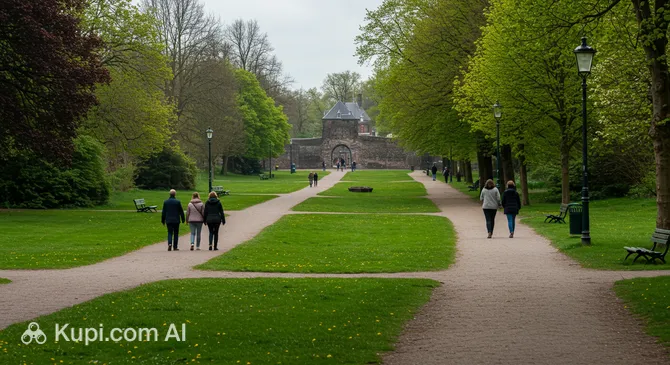
For a peaceful escape within the city center, the Stadspark is the perfect destination. Located along the banks of the Meuse River, this romantic park is divided into several sub-parks, each with its own character. You can stroll past the ancient city walls, admire the historic "Bear Pit" (now home to a statue), or simply enjoy a picnic on the grass. It connects the city's history with nature in a truly unique way.
Stadspark. Illustration.
Source: Kupi.com AI
Traveler photos:
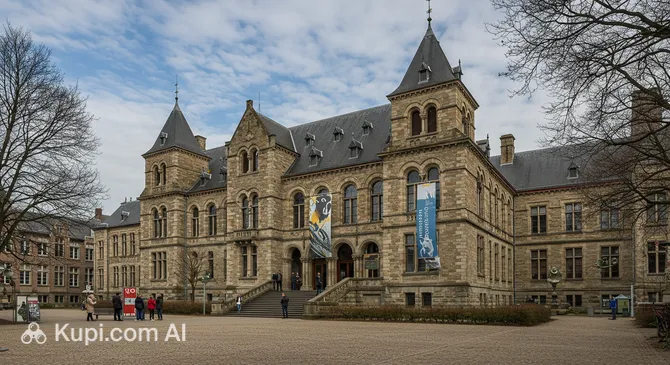
If you are interested in the region's prehistoric past, the Natural History Museum Maastricht is a must-visit. Housed in a former monastery in the historic Jekerkwartier, this museum is famous for its collection of fossils, including the remains of the Mosasaur, a giant sea reptile discovered in the local marl caves. It offers a fascinating journey through the geological landscape of Limburg.
Art and culture enthusiasts should head to the Museum aan het Vrijthof. Located in the distinctive Spanish Government building, this museum focuses on the cultural identity of Maastricht, showcasing changing exhibitions of photography and local art. Nearby, the modern Centre Céramique serves as a vibrant cultural hub, combining a library, exhibition space, and architectural landmark all in one.
Natural History Museum Maastricht. Illustration.
Source: Kupi.com AI
Traveler photos:
For a different kind of park experience, consider exploring the Zonneberg Caves. Part of the vast underground network beneath St. Pietersberg, these caves offer guided tours that reveal charcoal drawings left by passersby over centuries and stories of how the locals used these tunnels for shelter. Above ground, Griend Park offers a more modern recreational space, ideal for skaters, joggers, and those looking to relax by the river.
Getting Around
Navigating Maastricht is remarkably straightforward, thanks to its compact size and efficient public transport network. Unlike larger metropolises, the city does not have a metro or tram system; instead, it relies on a comprehensive and reliable bus network that connects the historic center with outlying neighborhoods, the railway station, and the surrounding region. The primary operator is Arriva, and their buses are modern, clean, and frequent, making them an excellent option for getting around if you prefer not to walk.
The central hub for all public transport is the main railway station, located just across the river from the old town. From here, you can catch buses to almost any part of the city. For tourists, the most convenient way to pay for travel is the OVpay system. This allows you to check in and out directly using your contactless debit or credit card, or even your mobile phone. There is no need to purchase a separate transit card or load credit beforehand. The fare is calculated automatically based on the distance you travel.
If you plan to stay longer or travel extensively throughout the region, you might encounter the OV-chipkaart, a reusable smart card used across the entire Dutch transport network. However, for short visits, using your bank card is far simpler. Always remember the "golden rule" of Dutch public transport: you must check in when boarding and check out when exiting the bus by tapping your card against the reader. Failing to check out can result in a higher fare being charged to your account.
Most buses run from early morning, around 6:00 AM, until shortly after midnight. It is important to note that while you can buy tickets from the driver on some buses, this is becoming less common and is strictly cashless (card only); it is also usually more expensive than using the check-in/check-out system. For planning your route, apps like 9292 or the Arriva app are indispensable tools that provide real-time schedules and platform information.
Given the city's layout, many visitors find that walking is often the fastest way to explore the center. However, to truly experience the local lifestyle, you might consider renting a bicycle. Maastricht is extremely bike-friendly, with dedicated paths and parking facilities everywhere. Rental shops are abundant near the station and in the city center. Taxis are also available but cannot be hailed on the street; you must find a designated taxi stand, typically found at the Market Square or the station, or book one by phone.
While there is no historic metro, the city offers a unique transport experience for sightseers: the Zonnetrein (Solar Train). This environmentally friendly, solar-powered shuttle takes visitors on a leisurely tour through the city center and specifically to the St. Pietersberg hill and caves, offering a relaxed alternative to the steep walk. It is a charming way to see the sights without the physical exertion.
Accommodation
Finding the perfect place to rest your head in Maastricht is easy, as the city offers a wide spectrum of accommodation to suit every preference and budget. Whether you are looking for a romantic boutique hotel in the historic center, a functional room near the railway station, or a spacious vacation rental for the whole family, you will find plenty of options. The hospitality here is renowned, ensuring a comfortable stay regardless of where you choose to book.
For those who want to be in the middle of the action, the districts of Wyck and the historic city center are ideal. Staying here puts you within walking distance of the main squares, shopping streets, and cultural landmarks. If you prefer a more tranquil setting or are traveling with a group, the outskirts of the city offer excellent alternatives with more green space and often larger facilities.
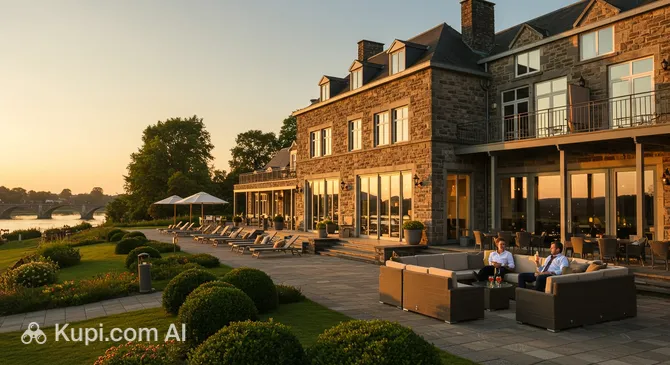
A prime example of the high-quality accommodation available is the Dormio Resort Maastricht. Located just a short distance from the city center, this resort provides a luxurious escape with varied lodging options, making it a fantastic choice for those seeking a blend of city exploration and relaxation.
Dormio Resort Maastricht. Illustration.
Source: Kupi.com AI
Traveler photos:
Booking Tip: Maastricht is a popular destination year-round, but it gets exceptionally busy during major events like the André Rieu summer concerts, the TEFAF art fair in March, and the festive Christmas market season. It is highly recommended to book your accommodation well in advance if you plan to visit during these peak times to secure the best rates and availability.
Prices can vary significantly depending on the season and the type of establishment. Budget travelers can find hostels and affordable guesthouses starting from around €30-€50 per night, while mid-range hotels typically charge between €90 and €150. Luxury stays and resorts will naturally command higher prices. Most properties can be easily booked via major online travel platforms or directly through their official websites.
Nearby Cities
For those looking to explore the surroundings, Maastricht serves as an excellent base for day trips to several interesting nearby locations:
Just a short distance away lies Roermond, a city that perfectly blends history with modern leisure. It is widely famous for its Designer Outlet, which attracts shoppers from across the border, but it also boasts a beautiful historic center featuring the impressive Munsterkerk and lively market squares. For a different vibe, Heerlen offers a unique mix of urban culture and ancient history; once a mining hub, it is now celebrated for its vibrant street art murals and the Thermenmuseum, which houses some of the best-preserved Roman ruins in the country. Alternatively, Sittard invites visitors to enjoy one of the oldest cities in the Netherlands, characterized by its charming historic market square and hidden gardens.
City
Population
Distance
Lanaken
25 818
5 km
Meerssen
18 923
6 km
Riemst
16 665
8 km
Eijsden
11 565
8 km
Margraten
13 370
10 km
These nearby destinations offer a glimpse into the diverse culture and landscapes of the region.
Shopping & Souvenirs
Shopping:
Maastricht is widely regarded as one of the best shopping cities in the Netherlands, offering a delightful mix of exclusive boutiques, major fashion chains, and authentic specialty shops. The city center is compact and pedestrian-friendly, making it easy to wander from one district to another. Whether you are looking for high-end fashion, vintage treasures, or local design, the city’s diverse retail landscape ensures a rewarding experience for every style and budget.
For a luxury shopping experience, the Stokstraat Quarter is the place to be. This historic district, with its beautiful monumental buildings, houses prestigious brands and exclusive fashion labels. Just across the bridge, the trendy district of Wyck offers a completely different vibe. Here, you will find a charming collection of antique dealers, art galleries, and hip concept stores, particularly along the Rechtstraat, which is perfect for browsing unique items you won't find on the high street.
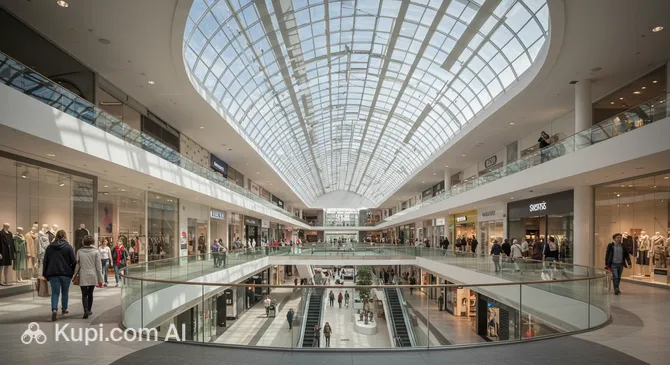
If you prefer the convenience of indoor shopping, the city features several excellent malls. The Mosae Forum is a modern shopping center located between the Market Square and the Meuse River. It blends striking architecture with a wide range of fashion and lifestyle stores. Another key location is Brusselse Poort, a larger covered mall situated slightly outside the historic center, offering a vast selection of shops including supermarkets and daily necessities.
Mosae Forum. Illustration.
Source: Kupi.com AI
Traveler photos:
Markets are an integral part of local life and a treat for visitors. The main Weekly Market takes place on the Market Square (Markt) every Friday morning. It is famous for its fresh fish, fabrics, and flowers, drawing people from the entire region. On Saturdays, a smaller antiques and flea market is often held near the station or on the market square, where you might discover vintage books, vinyl records, or curiosities.
When searching for the perfect souvenir, look beyond the standard trinkets. Maastricht has a rich history of ceramic production, and while the large factories are gone, you can still find beautiful local pottery. A bottle of Limburg wine from the vineyards of the Jekerdal or St. Pietersberg makes for an elegant gift. Of course, bringing home a fresh Limburgse Vlaai (fruit pie) is a classic choice, provided you don't have a long flight ahead!
Shops in the city center typically open around 10:00 AM and close at 6:00 PM. A unique feature for the Netherlands is that most shops in Maastricht are open every Sunday from 12:00 PM to 5:00 PM, making it a popular weekend destination. On Mondays, stores usually open later, around 1:00 PM. Thursday is the designated late-night shopping evening (Koopavond), with many doors staying open until 9:00 PM.
Payment is convenient, with major debit cards (Maestro, V-Pay) and credit cards (Visa, Mastercard) accepted almost everywhere. Cash is still used, especially at market stalls, but card payments are preferred in most retail stores. Travelers from outside the European Union should note that they may be eligible for a tax refund on purchases over €50 at participating stores; look for the "Tax Free" signage in windows to take advantage of this benefit.