Support

Dortmund

About

Dortmund is a dynamic metropolis located in the heart of the Ruhr region, renowned for its successful transformation from an industrial powerhouse to a modern hub of technology, culture, and green urban living. With its vibrant atmosphere, the city offers a fascinating blend of industrial heritage and contemporary lifestyle, making it a unique destination for travelers seeking an authentic experience in western Europe.

Geographically situated in the federal state of North Rhine-Westphalia, this bustling city is home to approximately 587,000 residents. It serves as a significant economic and cultural center in western Germany, benefiting from a temperate seasonal climate that makes sightseeing pleasant throughout much of the year. The city is crisscrossed by waterways and boasts an impressive amount of parkland, earning it a reputation as a "green metropolis."
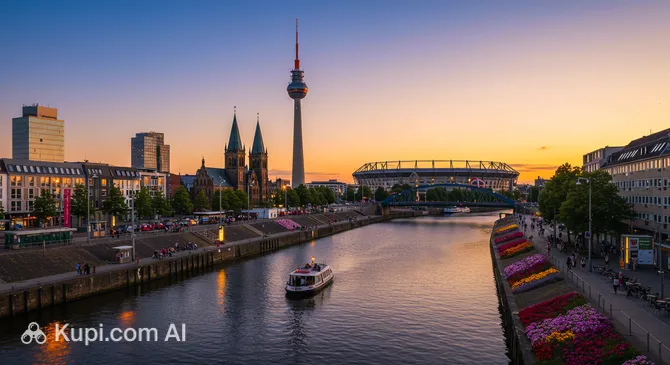
Dortmund. Source: Kupi.Binoculars

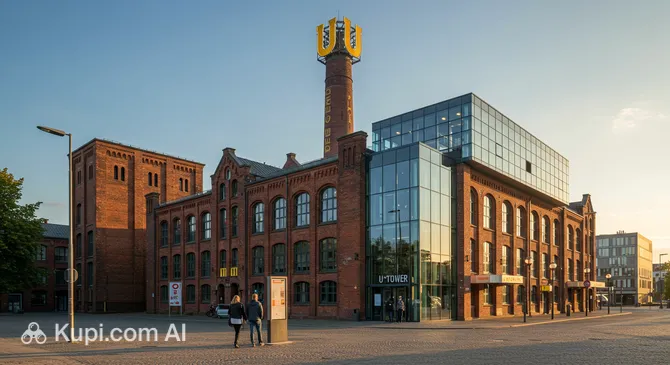
While the city embraces its modern identity, the rich history of Dortmund is deeply rooted in the Middle Ages and the industrial era. Visitors can witness this evolution through the city's landmarks, where repurposed industrial sites now serve as venues for art and creativity. The iconic Dortmunder U, a former brewery tower turned into a center for arts and creativity, stands as a symbol of this structural change.

Sports enthusiasts and nature lovers will find plenty to admire here. The city is globally famous for the Signal Iduna Park, Germany's largest football stadium and the home ground of Borussia Dortmund, where the atmosphere is truly electric. For a more relaxing experience, the sprawling Westfalenpark offers beautiful rose gardens and the Florianturm, a television tower that provides panoramic views of the skyline.

Whether you are visiting to cheer on a world-class football team, explore innovative art spaces, or simply enjoy the local hospitality, Dortmund welcomes you with open arms. It is a city that surprises and delights, inviting you to discover its many layers and hidden gems.
Weather Overview

Dortmund experiences a temperate seasonal climate typical of western Germany, characterized by mild summers and cool winters. For travelers planning their trip, understanding the weather in Dortmund can help in packing the right gear, as the city generally avoids extreme weather conditions but sees consistent moisture throughout the year.

The summer months constitute the warmest time to visit, particularly in July and August, when average temperatures hover around 19°C and daily highs can reach up to 23.6°C. Winters, spanning from December to February, are much colder, with January seeing average temperatures drop to approximately 3.6°C and nightly lows dipping near 1.6°C.

Precipitation is a regular occurrence regardless of the season, contributing to the region's lush greenery. Visitors should expect frequent damp days, as the city records between 12 and 18 wet days per month, with December typically being the wettest period.

Interesting Facts

Beyond the main attractions, Dortmund holds many fascinating secrets that reveal its evolution from an industrial hub to a modern, green city. Here are some unique insights into the metropolis of the Ruhr region:
  • Despite its industrial past, the city is surprisingly lush and is often called the "Green Metropolis" of Westphalia. Nearly half of the city's area consists of waterways, woodlands, and parks like the expansive Westfalenpark, making it one of the greenest cities in Europe.

  • Dortmund is home to one of the world's largest Christmas trees, which becomes the centerpiece of its annual holiday market. Standing around 45 meters tall, this colossal structure is actually an engineering marvel constructed from approximately 1,700 smaller red spruce trees arranged to look like a single giant fir.

  • The Dortmund U-Tower is not just a historic landmark; it features a unique light installation known as the "Flying Pictures." The golden "U" atop this former brewery is framed by LED screens that project video art sequences, turning the skyline into a digital canvas visible from afar.

  • Animal lovers might be surprised to learn that the Dortmund Zoo specializes in South American fauna. It houses one of the most significant populations of South American species in Europe, including giant anteaters, tamanduas, and giant otters, leading international breeding programs for these animals.

Dortmund U-Tower. Source: Kupi.Binoculars

How to Get There

Reaching this dynamic city in the Ruhr region is straightforward thanks to its excellent transport connections. Whether you prefer flying or taking the train, there are convenient options available. For a complete overview of routes and tips, you can read more about how to get to Dortmund.

The most convenient entry point for air travelers is Dortmund Airport (DTM), located directly within the city limits. It is a medium-sized hub situated approximately 10.2 km from the city center. A trip from here to the heart of the city by taxi or bus typically takes around 35 minutes. While it serves many European destinations, travelers looking for a wider range of intercontinental flights often choose Dusseldorf International Airport (DUS). This major transport hub is located in the city of Dusseldorf, about 55.1 km away. The journey from Dusseldorf to Dortmund generally takes about 1 hour and 45 minutes by road, making it a viable alternative for international visitors.

For clarity, here is a summary of the main airports serving the region:

Airport Name City Passenger Traffic Km from City
Dusseldorf International AirportDusseldorfLarge55.1
Cologne Bonn AirportCologneLarge74.6
Dortmund AirportDortmundMedium10.2
Munster Osnabruck International AirportMunsterSmall70.7
Paderborn Lippstadt AirportPaderbornSmall80.2

If you prefer traveling by rail, the city is exceptionally well-connected. The central hub is Dortmund Hauptbahnhof (DTZ), located right in the city center, just 0.6 km from the main attractions. As one of the busiest railway stations in Germany, it offers frequent high-speed and regional connections, making it an effortless arrival point for tourists coming from other German cities or neighboring countries.

Below is a list of the nearest major railway stations:

Station City Passenger Traffic Km to Center
Düsseldorf HauptbahnhofDusseldorfVery High57.0
Essen HauptbahnhofEssenHigh32.1
Dortmund HauptbahnhofDortmundHigh0.6
Münster HauptbahnhofMunsterMedium50.7
Leverkusen Mitte StationLeverkusenLow63.1

Main Attractions

Dortmund offers a diverse array of sights that seamlessly blend its medieval roots with its industrial heritage and modern innovation. From historic landmarks in the city center to immersive art experiences in repurposed factories, there is something to captivate every visitor. Here are some of the top places to explore.

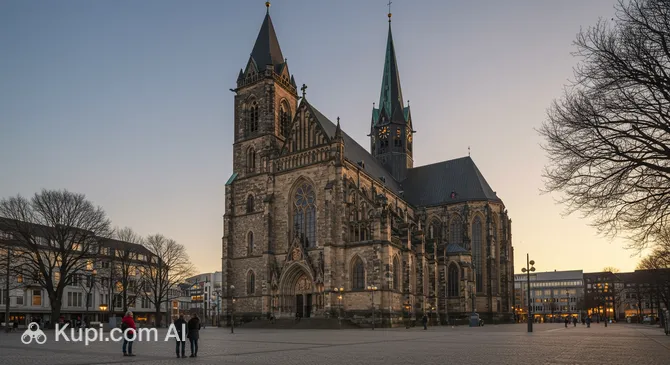
Standing tall in the heart of the city is St. Reinold's Church, the oldest surviving church in Dortmund. Built between the 13th and 15th centuries, this architectural gem features a mix of Romanesque and Gothic styles. Visitors can climb the tower for a breathtaking panoramic view of the cityscape, making it a perfect starting point for any sightseeing tour. The church is not only a place of worship but also a symbol of the city's resilience and history.

St. Reinold's Church. Source: Kupi.Binoculars

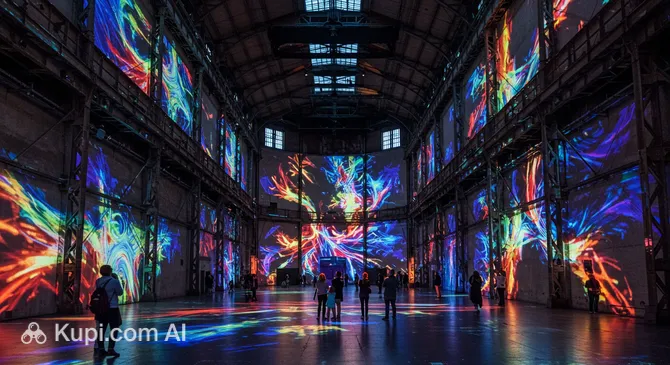
For a truly unique visual experience, travelers should visit Phoenix des Lumières. Located in a former blast furnace hall at the Phoenix West industrial site, this attraction transforms cold steel and concrete into a vibrant canvas for digital art. Using cutting-edge projection technology, famous works of art are brought to life on the massive walls and floors, accompanied by music. It is a stunning example of how the Ruhr region reinvents its industrial past for the modern era.

Phoenix des Lumières. Source: Kupi.Binoculars

Those interested in technology and society will find the DASA Working World Exhibition incredibly engaging. Far from a dry museum, this interactive exhibition covers the past, present, and future of work. It features hands-on stations, including a flight simulator and a vintage printing press, making it an educational and entertaining destination for families and curious minds alike. It provides a fascinating insight into how working conditions have evolved over time.

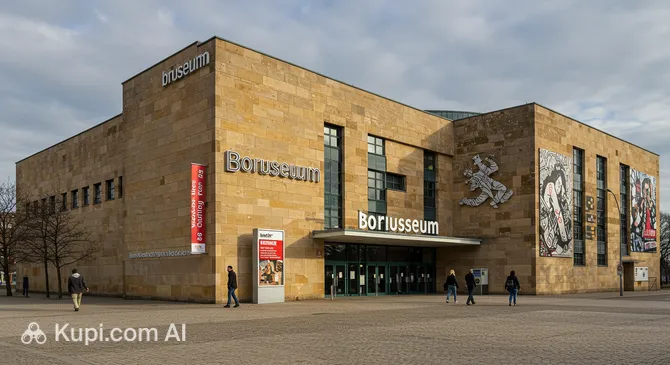
Football culture is an integral part of the city's identity, and no trip would be complete without acknowledging it. Fans of the sport should head to the Borusseum, the official museum of Borussia Dortmund located right at the stadium. This museum chronicles the history of the club with a treasure trove of trophies, memorabilia, and emotional exhibits that capture the passion of the "Black and Yellow" supporters.

Borusseum. Source: Kupi.Binoculars

Nature lovers seeking a tranquil escape can explore the Rombergpark Botanical Garden. As one of the largest botanical gardens in the world, it offers vast landscapes, rare tree species, and beautifully themed greenhouses. It is an ideal spot for a leisurely walk, offering a peaceful contrast to the bustling city center.

Local Cuisine

Local Cuisine:

The culinary landscape of Dortmund is a reflection of its history as an industrial powerhouse: hearty, honest, and deeply satisfying. The local food scene is rooted in traditional Westphalian recipes designed to sustain hard work, but it has evolved to include modern influences and vibrant street food culture. Visitors can expect generous portions of meat, potatoes, and savory sauces, usually accompanied by the city's most famous export: beer.

One dish you absolutely must try is Pfefferpotthast, a traditional beef stew that dates back centuries. Unlike a typical goulash, this dish is cooked until the meat falls apart in a rich, spicy sauce made with onions, bay leaves, and cloves, but notably without tomatoes or paprika. It is traditionally served with boiled potatoes and pickled gherkins. Another local specialty is the Salzkuchen, a bagel-shaped pastry seasoned with salt and caraway seeds. It is often enjoyed with seasoned minced pork (Mett) and onions, making it a popular snack at bakeries and markets.

No culinary tour of the Ruhr region is complete without mentioning the beloved Currywurst. This sliced pork sausage, smothered in a curry-spiced ketchup sauce, is the ultimate comfort food and can be found at "Imbiss" (snack) stands throughout the city. For a modern take on fast food, burger lovers often head to Big Boost Burger, a popular spot that combines automotive culture with high-quality dining.

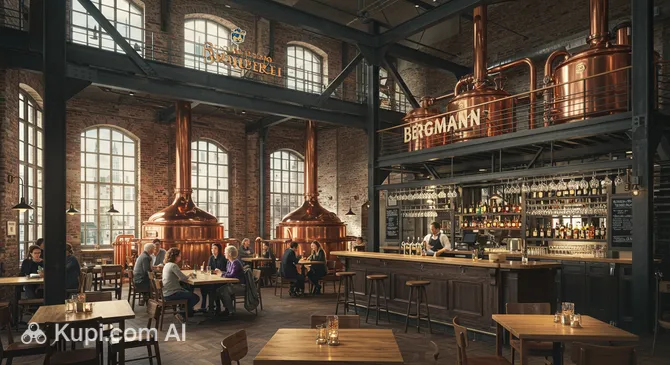
Dortmund was once known as the "Beer Capital of Europe," and its brewing heritage remains a cornerstone of local culture. The classic local style is Dortmunder Export, a bottom-fermented beer that is slightly stronger and maltier than a Pilsner. A unique local tradition is ordering a "Stösschen," a small glass of beer that is perfect for a quick refreshment. To experience this heritage firsthand, you can visit the Bergmann Brewery, where traditional brewing methods are kept alive in a modern setting.

Bergmann Brewery. Source: Kupi.Binoculars

Dining in the city ranges from rustic corner pubs, known as "Kneipen," to unique atmospheric venues. For a memorable drink by the water, the Event Ship Herr Walter offers a distinctive setting on a converted bulk freighter docked at the harbor. Those interested in the deeper history of the city's liquid gold should consider a stop at the Dortmund Brewery Museum, which chronicles the rise of the city's brewing industry.

Travel Tips

Welcome to Dortmund! To ensure your visit to this vibrant metropolis in the Ruhr region is as smooth and enjoyable as possible, we have compiled a set of essential guidelines that will help you navigate the city like a local.

  1. Clothing and Gear: Given the region's changeable weather, packing layers is the best strategy. A sturdy umbrella and a waterproof jacket are essential, as rain showers can occur year-round. Since exploring sites like Westfalenpark or the industrial heritage routes involves plenty of walking, bring comfortable, closed-toe shoes.

  2. Transportation: The city boasts an excellent public transport network (VRR) comprising the U-Bahn (metro), buses, and S-Bahn trains. It is the most efficient way to get around; car rentals are generally unnecessary for city trips. Remember to validate your ticket before boarding to avoid hefty fines. Ride-hailing apps like Uber are available, but standard taxis are also easy to hail.

  3. Finances: The local currency is the Euro (€). While credit cards (Visa, Mastercard) are widely accepted in hotels, large shops, and restaurants, cash is still king in smaller establishments. You will definitely need cash for traditional "Kneipen" (pubs), bakeries, and kiosks (locally known as "Büdchen"). ATMs are plentiful throughout the city.

  4. Health and Safety: Dortmund is generally a safe city for tourists. Pharmacies, marked by a large red "A" (Apotheke), are easy to find; look for notices on their doors for the nearest 24/7 emergency service. In case of serious emergencies, dial 112 for medical assistance or fire services. As in any major city, keep an eye on your belongings in crowded areas like the central station.

  5. Communication: The official language is German. While English is widely spoken, especially by younger people and in the service industry, learning a few basic phrases like "Hallo" (Hello) and "Danke" (Thank you) is polite and appreciated. Free Wi-Fi is often available in the city center (look for "DOKOM21") and at major attractions.

  6. Local Etiquette: Punctuality is highly valued in German culture, so try to be on time for tours or reservations. When entering a shop or elevator, a brief greeting is customary. If you are enjoying a local beer with new friends, remember to make eye contact when clinking glasses and saying "Prost." Sundays are quiet days; most shops and supermarkets will be closed.

  7. What to Avoid: Do not walk in the designated bicycle lanes, which are often marked in red or located on the sidewalk. Cyclists in the city move quickly and expect these paths to be clear. Additionally, avoid jaywalking; locals strictly respect pedestrian traffic lights, even when the road seems empty.

  8. Match Day Awareness: If you are visiting when Borussia Dortmund is playing at home, expect the city to be transformed into a sea of black and yellow. Public transport towards the stadium will be extremely crowded, and the city center will be bustling. It is an electric atmosphere to experience, but plan your travel time accordingly.

Armed with these practical tips, you are ready to dive into the culture and energy of Dortmund. Whether you are here for the football, the industrial history, or the green parks, a little preparation will go a long way in making your trip unforgettable.

Entertainment & Nightlife

When the sun sets over the industrial skyline, Dortmund transforms into a vibrant hub of evening entertainment. The city's nightlife scene is unpretentious yet energetic, catering to a diverse crowd ranging from students and football fans to jazz enthusiasts and theatergoers. Whether you are looking for a quiet pint in a rustic pub or a night of dancing, the city offers a welcoming atmosphere.

The epicenter of the local pub culture is undoubtedly the Kreuzviertel district. Often compared to trendy neighborhoods in Berlin or Hamburg, this area is packed with historical buildings, lively bars, and restaurants. It is particularly popular among students and young professionals. On warm evenings, the streets around Möllerbrücke come alive with people enjoying drinks outdoors, creating a relaxed and communal vibe. Another hotspot is the area around the Alter Markt in the city center, where numerous outdoor terraces offer the perfect setting for people-watching.

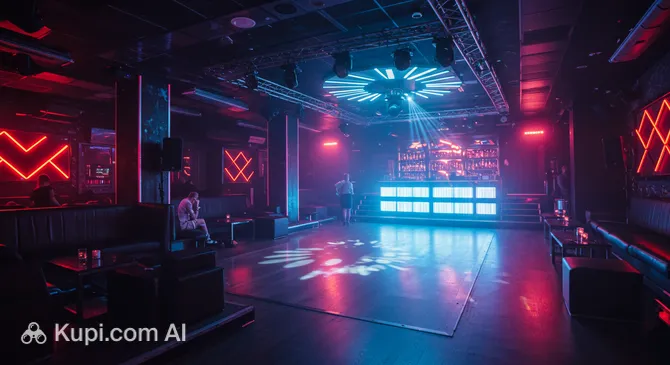
For those seeking high-quality live music and a sophisticated ambiance, domicil is a standout venue. Regularly hosting jazz, world music, and pop concerts, it has earned a reputation as one of the best music clubs in the region. The venue also features a cozy bar area, making it a great spot to start the evening even without a concert ticket.

domicil. Source: Kupi.Binoculars

If you prefer a classic pub atmosphere with a wide selection of beers and spirits, The Londoner is a local favorite. This English-style pub offers a warm, convivial environment where locals and tourists mingle easily, often accompanied by live sports broadcasts or pub quizzes. For grander entertainment, the legendary Westfalenhalle hosts major international concerts and shows, so it is always worth checking their schedule before your trip.

Practicalities are easy to manage here. The dress code is generally casual to smart-casual; most bars and clubs prioritize a friendly attitude over strict attire, though some upscale venues may require a neater look. Public transport runs late into the night, with the "NachtExpress" (NE) bus lines replacing regular services after midnight on weekends, ensuring you can get home safely. Taxis are readily available and can be hailed on the street or via apps, and the city center is generally safe for walking at night, though it is always wise to stay in well-lit, populated areas.

Before the night begins, the city offers plenty of daytime entertainment. Shopaholics can explore the Thier-Galerie Dortmund, a modern shopping mall located centrally, while culture vultures might enjoy the city's renowned theater and opera house. Families can also spend the day at Superfly Dortmund, a massive trampoline park that provides fun for all ages before the evening festivities start.

Parks & Museums

Dortmund surprises many visitors with its remarkable abundance of green spaces and a cultural landscape that honors its industrial roots while embracing modern art. The city is one of the greenest in Europe, offering a refreshing mix of expansive parks, botanical wonders, and museums that tell the story of the region's dramatic transformation.

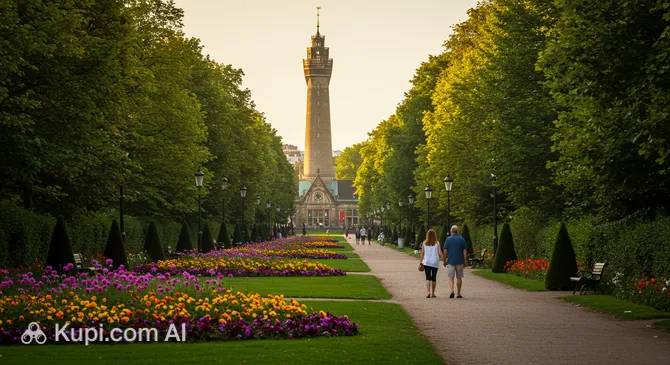
The city's most famous green lung is undoubtedly Westfalenpark. Covering 70 hectares, it is a favorite recreational spot for locals and tourists alike. The park is renowned for its Rosarium, which houses thousands of rose varieties, making it a feast for the senses in summer. Inside the park, visitors can find the Florian Tower. Taking the elevator to the top of this television tower offers a stunning perspective of the city and the surrounding Ruhr area.

Westfalenpark. Source: Kupi.Binoculars

For a more rustic and wooded experience, the Fredenbaum Leisure Park in the northern part of the city is an excellent choice. As one of the oldest parks in the city, it features massive ancient trees, sprawling lawns for picnics, and a large boating pond. It serves as a quiet retreat from the urban bustle, offering mini-golf facilities and barbecue areas that are popular during the warmer months.

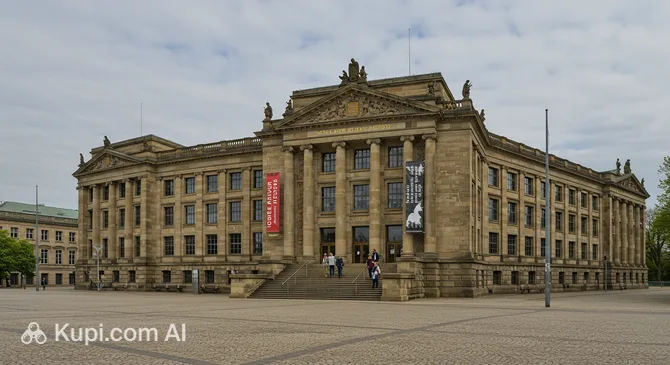
Culture enthusiasts should not miss the Museum of Art and Cultural History. Housed in an elegant Art Deco building near the central station, this institution is the oldest of its kind in the Ruhr region. Its diverse collection ranges from archaeological finds and medieval sculptures to applied arts and paintings from the 19th century. It provides a comprehensive overview of how life and art have evolved in the region over millennia.

Museum of Art and Cultural History. Source: Kupi.Binoculars

A striking example of how the city repurposes its heritage is the Hansa Coking Plant. Once a bustling industrial site, it is now a walkable monument where visitors can explore the massive machinery and towers. The site is particularly fascinating because nature has begun to reclaim the steel structures, creating a unique blend of industrial history and wild vegetation known as "industrial nature."

For those interested in engineering history, the Hympendahl Bridge Viaduct (Elias Railway) stands as a testament to the logistical networks that once powered the local steel industry. Although less famous than the major museums, this historical structure offers a glimpse into the intricate railway systems that were vital to the city's economy.

If you are looking for an insider tip, consider a quick stop at the Thomas Converter. Located on the Phoenix East site, this massive steel pear is a monument to the steel production process and serves as a striking photo opportunity. Alternatively, families with young children might enjoy the intimate atmosphere of the Aquado Zoo, a specialized aquarium shop and exhibit that showcases colorful aquatic life.

Getting Around

Navigating Dortmund is remarkably easy thanks to its comprehensive and efficient public transport network. The system is integrated into the larger Verkehrsverbund Rhein-Ruhr (VRR), meaning that a single ticket allows you to switch seamlessly between different modes of transport. Whether you are heading to the stadium, a museum, or a quiet park, you can rely on a mix of light rail, buses, and suburban trains to get you there comfortably.

The backbone of the city's transit is the Stadtbahn, often referred to as the U-Bahn. These light rail lines run underground in the city center and surface to travel on street level in the suburbs. They are fast, frequent, and connect all major districts and attractions. Complementing the rail network is an extensive fleet of buses, which serve areas not covered by the trains. For late-night revelers, the NightExpress (NE) bus network takes over after midnight, ensuring safe passage home on weekends and public holidays.

A unique feature of the local transport landscape is the H-Bahn (Hängebahn). This autonomous, suspended monorail connects the university campus with the S-Bahn station at Dortmund-Universität. It is not just a practical way for students to commute; it is also a futuristic experience for visitors, offering a smooth ride high above the ground. It is definitely worth a short trip just for the novelty of gliding through the air on one of Germany's few suspended railway systems.

Tickets and Fares are based on a zone system. For travel within the city limits, a "Preisstufe A" ticket is usually sufficient. Tourists have several convenient options:

  • Single Ticket (EinzelTicket): Good for a one-way trip with transfers allowed within a specific time limit.
  • 24-Hour or 48-Hour Ticket: These passes offer unlimited travel within the chosen zone for one or up to five people, making them the most economical choice for sightseeing.
  • Apps: The easiest way to purchase tickets is via the VRR App or the DB Navigator app, which saves you the hassle of finding a machine and carrying cash.
Prices are reasonable, with a single trip costing around €3.00 and a 24-hour pass starting at approximately €8.00.

Here is some practical advice for using the system: You can buy physical tickets at orange automats located at stations or sometimes from bus drivers (cash only). Crucially, if you buy a paper ticket, you must validate it before your journey begins. Look for the small stamping machines (Entwerter) at platform entrances or inside buses and trams; failure to stamp your ticket can result in a hefty fine. The main lines typically run from roughly 5:00 AM until midnight, with frequencies dropping later in the evening.

If you prefer to travel on your own terms, there are plenty of alternatives. Taxis are beige-colored and can be found at designated stands or hailed via apps. For a greener option, the city is very bike-friendly. The metropolradruhr bike-sharing scheme allows you to rent bicycles from numerous stations across the city. Electric scooters are also widely available for rent through various mobile apps, perfect for short hops between the city center and the harbor.

Accommodation

Where to Stay:

Finding the right place to stay in Dortmund is generally straightforward, as the city offers a broad spectrum of accommodation options to suit every budget and travel style. Whether you are looking for a sleek business hotel with modern amenities, a cozy family-run guesthouse, or a budget-friendly hostel, the city is well-equipped to host its visitors. The hospitality sector here is heavily influenced by the city's status as a major trade fair location and football capital, ensuring high standards across the board.

For most tourists, staying in the City Center (Innenstadt) is the most convenient choice. This area places you within walking distance of the main railway station, the primary shopping streets, and cultural landmarks like the Dortmund U-Tower. It is the perfect base for those who want to explore on foot and have immediate access to public transport. Alternatively, if your visit is centered around an event or a match, the district around the Westfalenhalle and the stadium is ideal, offering numerous hotels designed to handle large influxes of guests.

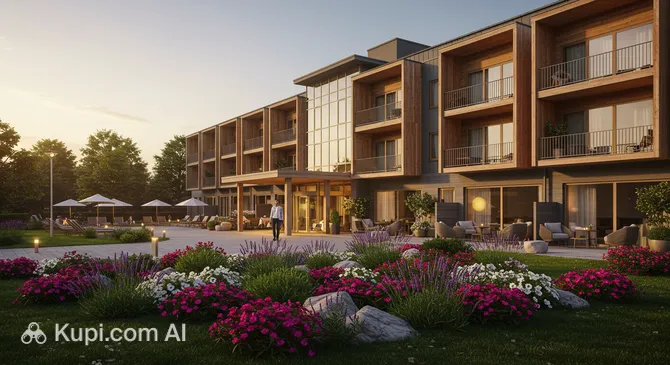
Travelers seeking a blend of comfort and accessibility might consider the Blu Hotel Dortmund. Establishments like this typically offer a relaxing environment that serves as a quiet retreat after a busy day of sightseeing or business meetings. Many hotels in the city also pride themselves on providing excellent breakfasts, often featuring local Westphalian specialties to start your day right.

Blu Hotel Dortmund. Source: Kupi.Binoculars

Booking Tips and Prices: Accommodation prices in the city are generally reasonable compared to other major German metropolises, with plenty of mid-range options available. However, rates can fluctuate significantly depending on the event calendar. It is highly recommended to book well in advance if your trip coincides with a Borussia Dortmund home game or a major trade fair at the Westfalenhalle, as rooms fill up quickly and prices rise during these peak times. Reservations can easily be made through major online booking platforms or directly with the hotels.

Nearby Cities

For those looking to explore the surroundings, Dortmund serves as an excellent base for day trips to several interesting nearby locations:

City Population Distance (km)
Bochum 364454 18
Hagen 188713 16
Herne 156621 19
Recklinghausen 112267 22
Witten 96563 11

Bochum is one of the most vibrant neighbors in the Ruhr region. Located just a short train ride away, it is internationally renowned for the Starlight Express, a musical that has been running for decades. Visitors can also delve deep into the area's industrial roots at the German Mining Museum, which features an impressive underground mine experience and a tower offering panoramic views.

Often called the "Gateway to the Sauerland," Hagen offers a mix of culture and nature. The city is home to the LWL Open-Air Museum, a sprawling site dedicated to the history of craftsmanship and technology, where workshops are nestled in a scenic valley. It is an ideal destination for those interested in seeing how traditional goods were produced before the era of mass industrialization.

For a more relaxed atmosphere, Witten provides a charming escape along the banks of the Ruhr River. It is a fantastic spot for hiking and cycling enthusiasts who want to enjoy the greener side of the region. History buffs will appreciate the Zeche Nachtigall, a cradle of Ruhr mining that now serves as an industrial museum, highlighting the early days of coal extraction.

These nearby destinations offer a glimpse into the diverse culture and landscapes of the region.

Shopping & Souvenirs

Dortmund has established itself as one of the premier shopping destinations in the Ruhr region, attracting visitors from all over North Rhine-Westphalia and beyond. The city offers a vibrant mix of bustling pedestrian zones, modern shopping centers, and quaint specialty shops. Whether you are looking for international high-street fashion, exclusive boutiques, or quirky local treasures, the city's diverse retail landscape caters to every taste and budget.

The beating heart of the city's retail scene is the Westenhellweg, consistently ranked as one of the most frequented shopping streets in Germany. This pedestrianized mile runs through the city center and is lined with major department stores, well-known fashion chains, and electronics retailers. For a different vibe, visitors can explore the Brückstraße, which is known for its younger, trendier atmosphere, featuring streetwear shops, sneaker stores, and fast-food outlets. In contrast, the Kleppingstraße offers a more upscale experience with high-end boutiques and elegant home decor shops.

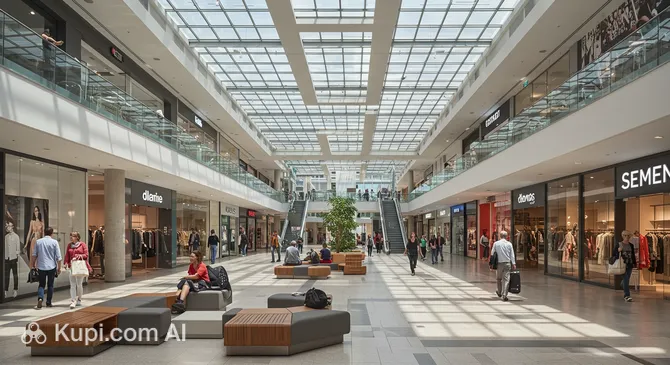
If you prefer everything under one roof, the city boasts impressive shopping malls. The most prominent is the Thier-Galerie Dortmund, located centrally on the site of a former brewery. With over 160 shops, cafes, and restaurants, it is a modern architectural highlight that provides a comprehensive shopping experience. For those exploring the Aplerbeck district, the Rodenberg Center offers a convenient selection of local amenities and retail options, serving as a hub for the neighborhood.

Thier-Galerie Dortmund. Source: Kupi.Binoculars

Markets play a significant role in local life, offering a glimpse into the region's culinary culture. The weekly market on Hansaplatz is a must-visit for foodies. Held on Wednesdays, Fridays, and Saturdays, it features stalls selling fresh regional produce, flowers, and local delicacies like Westphalian ham and cheese. It is the perfect place to grab a fresh snack or simply soak up the lively atmosphere.

When it comes to souvenirs, two themes dominate: football and beer. Merchandise from Borussia Dortmund (BVB), such as a yellow and black scarf or jersey, is the ultimate keepsake for sports fans and can be found in several "FanWelt" shops across the city. For those who appreciate the city's brewing tradition, a bottle of local craft beer or a traditional "Stösschen" beer glass makes for a great gift. Additionally, Westphalian mustard and Pumpernickel bread are authentic edible souvenirs that travel well.

Store opening hours in Dortmund generally follow standard German regulations. Most large shops and department stores in the city center are open from 10:00 AM to 8:00 PM, Monday through Saturday. Smaller boutiques may close earlier, around 6:00 PM or 7:00 PM. It is important to note that, with very few exceptions, shops remain closed on Sundays. Regarding payment, major credit and debit cards are widely accepted in malls and chain stores, but carrying some cash (Euros) is highly recommended for markets, bakeries, and smaller kiosks.

Visitors from outside the European Union may be eligible for tax-free shopping. Many larger stores participate in the VAT refund scheme. Look for the "Tax Free" signage in shop windows, and remember to ask for a refund form at the checkout if you plan to claim the tax back at the airport upon leaving the EU.

Reached the end of the page?

That means the route is fully explored