Support

Hamburg

About

Hamburg, often referred to as the "Gateway to the World," is a vibrant metropolis defined by its maritime spirit and cosmopolitan atmosphere. Located in the north of Germany along the banks of the massive Elbe River, it is the country's second-largest city and a major European hub. With a population of approximately 2.5 million in the metropolitan area, the city offers a dynamic mix of urban energy and scenic beauty, characterized by its hundreds of canals and more bridges than Venice and Amsterdam combined.

The city's character is deeply rooted in its past as a leading member of the Hanseatic League. You can dive deeper into the history of Hamburg to understand how centuries of trade have shaped its architecture and culture. Despite being a modern economic powerhouse, the city has preserved its unique traditions, evident in the historic brick buildings that line the waterfront.

Hamburg. Source: Kupi.Binoculars

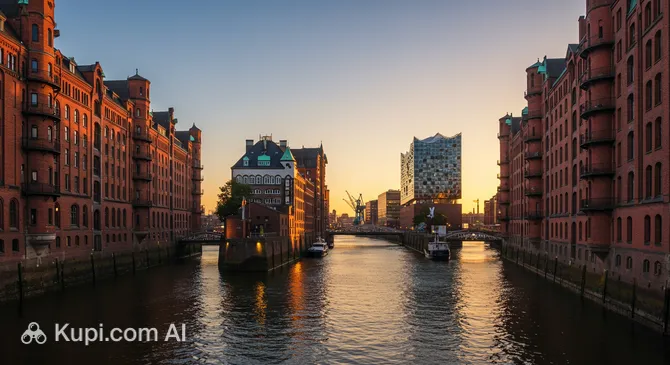
Travelers are drawn to Hamburg for its striking contrasts. The Speicherstadt, the largest warehouse district in the world and a UNESCO World Heritage site, impresses with its neo-Gothic brick architecture, while the futuristic Elbphilharmonie concert hall represents the city's modern ambition. Visitors can also explore the bustling port area or enjoy the lively atmosphere of the Reeperbahn district, known for its nightlife and entertainment.

Whether you are taking a boat tour through the harbor, strolling around the Alster lakes, or enjoying fresh seafood at the fish market, Hamburg offers an unforgettable experience. It is a destination that seamlessly blends maritime charm with urban sophistication, making it a perfect stop for any traveler.

Weather Overview

Hamburg typically experiences a mild maritime climate, characterized by moderate temperatures and regular moisture throughout the year. Summers are generally agreeable, with August being the warmest month, boasting an average temperature of 18.6°C and highs reaching nearly 23°C. Winters are cool but usually avoid extreme freezing conditions, with average temperatures in January and February hovering around 3°C to 4°C.

Rain is a familiar part of the local atmosphere, so packing a raincoat or umbrella is always a wise choice. The city records between 11 and 16 wet days per month regardless of the season, maintaining a steady pattern of precipitation. To help you pack the right gear for your trip, you can check the detailed forecast and weather in Hamburg. Overall, you can expect warm, comfortable summers with frequent showers and cold, damp winters.

Interesting Facts

Beyond the main attractions, Hamburg holds many fascinating secrets and record-breaking features that surprise even seasoned travelers. From its sheer number of waterways to its musical legacy, here are some unique aspects of this Hanseatic city.
  • Hamburg claims the title for the most bridges in Europe, with approximately 2,500 structures crossing its canals and rivers—more than Venice, Amsterdam, and London combined.

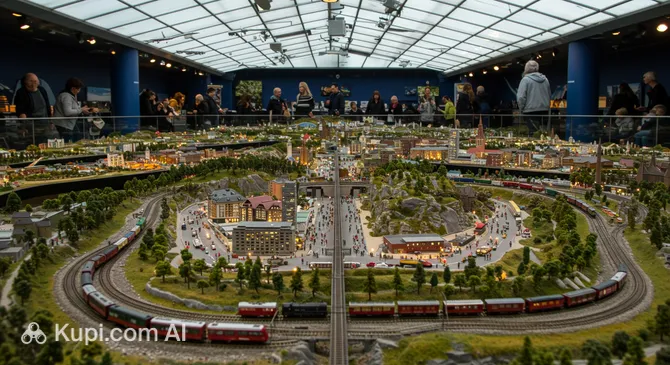
  • The city is home to Miniatur Wunderland, the world's largest model railway system, which features over 16 kilometers of track and incredibly detailed replicas of global destinations, including a functioning airport.

  • Before they became global icons, The Beatles honed their craft in the clubs of the St. Pauli district, performing hundreds of hours live in the early 1960s, a period they later credited as crucial to their success.

  • The Ohlsdorf Cemetery is not just a burial ground but the largest rural cemetery in the world, serving as a massive recreational park with its own bus network and stunning rhododendron bushes.

  • The swans on the Alster Lake are considered property of the city and are cared for by an official "Swan Father," a tradition dating back centuries; they are even moved to a special frost-free pond every winter to protect them from the cold.

Miniatur Wunderland. Source: Kupi.Binoculars

How to Get There

Reaching this northern German metropolis is straightforward thanks to its excellent infrastructure and status as a major transportation hub. Whether you are arriving by air or rail, you have multiple convenient options. For a comprehensive overview of all travel methods, you can read more about how to get to Hamburg on our detailed page.

The most direct way to fly into the city is via Hamburg Airport (HAM). As a significant international airport, it handles a large volume of passengers annually and offers numerous connections. It is conveniently located just 9.1 km from the city center. A trip by taxi or bus typically takes around 30 to 40 minutes, depending on traffic conditions.

If you are exploring other options, you can also fly into Hannover Airport (HAJ), located in the city of Hanover. This airport is about 123 km from Hamburg. Since it is situated in another city, the travel time is longer; a drive by taxi usually takes approximately 1.5 to 2 hours. Another alternative is Bremen Airport (BRE) in Bremen, roughly 98 km away, with a travel time of about 1 to 1.5 hours by road.

For clarity, here is a summary of the main airports:

Airport Name City Passenger Traffic Km from City
Hamburg Airport Hamburg High 9.1
Hannover Airport Hanover Medium 122.8
Bremen Airport Bremen Medium 97.6
Laage Airport Rostock Low 155.9
Sonderborg Airport Sonderborg Low 158.1

The city is also a major node in the European rail network. The central hub is Hamburg Hauptbahnhof (ZMB), which is located directly in Hamburg, just 1.3 km from the city center. It serves an immense number of travelers every year, making it one of the busiest stations in the region. From here, you can easily access local transit or continue your journey to other parts of Germany.

Below is a list of the nearest railway stations:

Station City Passenger Traffic Km to Center
Hamburg Hauptbahnhof Hamburg Very High 1.3
Hanover Main Station Hanover High 131.5
Bremen Hauptbahnhof Bremen High 93.8
Rostock Hauptbahnhof Rostock Medium 153.0
Messe Bahnhof (Messe-Bf) Station Hanover N/A 123.8

Main Attractions

Hamburg is a city where maritime heritage meets modern architecture, offering a diverse range of sights for every type of traveler. From historic churches to futuristic concert halls, the city's landmarks tell the story of its transformation from a Hanseatic trading hub to a global metropolis. Here are some of the most interesting places to visit during your stay.

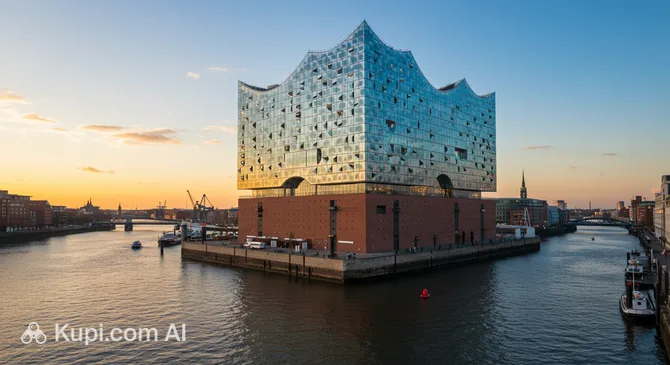
One of the city's most recognizable modern landmarks is the Elbphilharmonie Hamburg. Sitting atop an old brick warehouse on the Elbe River, this spectacular concert hall features a shimmering glass facade that resembles waves. Tourists flock here not only for the world-class acoustics but also for the public viewing platform, the Plaza, which offers breathtaking panoramic views of the harbor and the city skyline.

Elbphilharmonie Hamburg. Source: Kupi.Binoculars

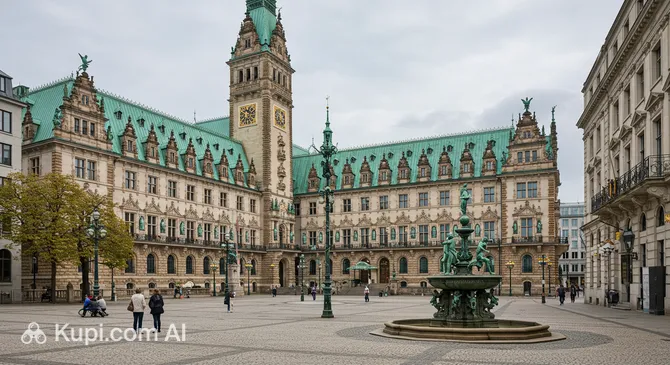
For a deep dive into the city's rich history, a visit to the Hamburg City Hall is essential. Known locally as the Rathaus, this magnificent neo-Renaissance building dominates the city center with its ornate architecture and towering spire. It serves as the seat of the local government and is fascinating to explore due to its lavishly decorated rooms and the impressive courtyard fountain, making it a favorite for architecture enthusiasts.

Hamburg City Hall. Source: Kupi.Binoculars

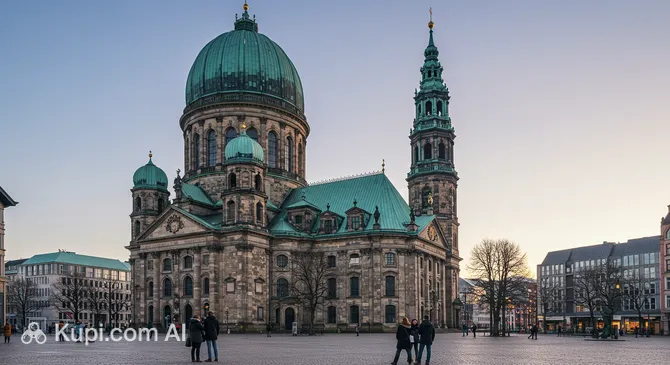
No trip to Hamburg is complete without seeing St. Michael's Church, affectionately called "Michel" by the locals. As the most famous baroque church in Northern Germany, its copper roof and 132-meter high tower serve as a major navigational point for ships. Visitors can climb the tower for one of the best vantage points in town, providing a sweeping look over the streets and waterways below.

St. Michael's Church. Source: Kupi.Binoculars

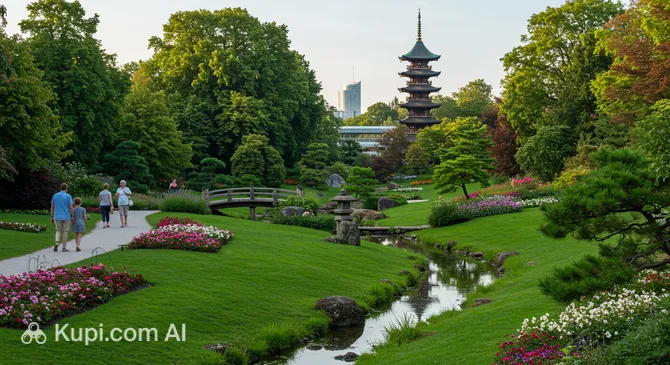
If you are looking for a relaxing escape from the urban bustle, Planten un Blomen is the perfect green oasis. This expansive park in the heart of the city features themed gardens, including a Japanese garden and a rose garden. It is particularly popular in the summer months for its water-light concerts and open-air performances, offering a delightful atmosphere for families and nature lovers alike.

Planten un Blomen. Source: Kupi.Binoculars

Given the city's deep connection to the sea, the International Maritime Museum Hamburg is a must-visit attraction. Housed in the oldest surviving storage building of the Speicherstadt district, the museum displays thousands of ship models, construction plans, and maritime art. It provides a captivating journey through 3,000 years of seafaring history, making it incredibly interesting for anyone curious about navigation and naval exploration.

Local Cuisine

Hamburg's culinary scene is deeply influenced by its status as a major port city and its proximity to the North Sea. The local diet is heavily centered around fresh seafood, but it also features hearty traditional meals that have sustained sailors and dockworkers for centuries. Visitors will find a delightful mix of rustic northern German flavors and modern international influences, making the city a fantastic destination for food lovers.

A trip to Hamburg would not be complete without trying the iconic Fischbrötchen. This classic fish sandwich is the ultimate local street food, typically consisting of a fresh bread roll filled with pickled herring (Bismarckhering), onions, and remoulade, though varieties with shrimp or fried fish are also popular. For a truly traditional and hearty experience, adventurous eaters should try Labskaus. Originally a sailor's dish, it is a colorful mash of corned beef, potatoes, and beetroot, usually served with a fried egg, a gherkin, and a rollmop herring on the side.

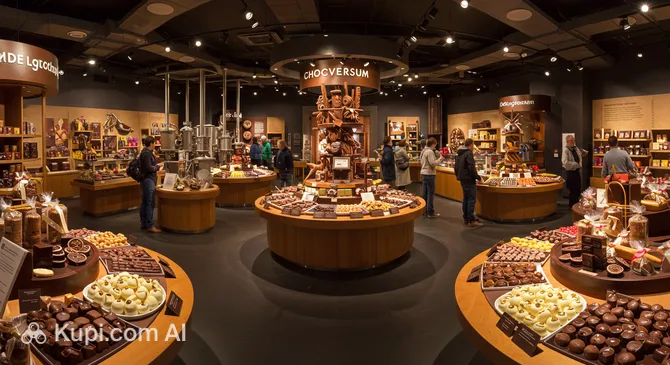
For those with a sweet tooth, the city offers the famous Franzbrötchen, a flaky pastry filled with cinnamon and sugar that resembles a flattened croissant. It is a beloved breakfast item or afternoon snack found in bakeries everywhere. If you have a particular passion for sweets, you might enjoy a visit to the Chocoversum. This interactive chocolate museum takes you on a journey from the cocoa bean to the finished bar, allowing you to create your own chocolate treat.

Chocoversum. Source: Kupi.Binoculars

When it comes to drinks, the locals often prefer a refreshing Alsterwasser. Named after the city's central lake, this beverage is a mix of pilsner beer and lemonade (similar to a shandy), making it a perfect choice for sunny afternoons. The city also boasts a sophisticated bar culture. After a day of sightseeing, you can unwind with a cocktail at stylish venues like Tortue Hamburg or enjoy the ambiance at The Madison Bar.

The food culture here is characterized by its relaxed and open atmosphere. While there are plenty of upscale restaurants, many locals prefer the casual vibe of street food stalls, especially near the harbor at the Landungsbrücken. A quintessential Hamburg experience is visiting the legendary Fish Market (Fischmarkt) early on a Sunday morning, where you can enjoy live music, vibrant crowds, and the freshest seafood right by the water.

Travel Tips

Visiting Hamburg is a delightful experience, but like any major metropolis, it has its own rhythm and unwritten rules. To help you navigate the "Gateway to the World" like a local and avoid common tourist pitfalls, here is a collection of practical advice for your journey.

  1. Clothing and Gear: The weather in Hamburg is notoriously changeable, often shifting multiple times a day. The best strategy is to dress in layers (the "onion principle") and always carry a sturdy, windproof umbrella or a raincoat, even in summer. Since you will likely spend time exploring the cobbled streets of the Speicherstadt, pack comfortable, flat walking shoes and leave the high heels for dinner.

  2. Transportation: You generally do not need a car; parking is expensive and traffic can be dense. Instead, rely on the excellent HVV public transport system, which integrates the U-Bahn (metro), S-Bahn (suburban trains), buses, and harbor ferries. A great insider tip is that the regular ferry lines are included in day passes, offering a scenic river cruise at a fraction of the cost of a tour boat.

  3. Finances: While Germany is modernizing, cash is still king (Bargeld). Many smaller cafes, bakeries ("Bäckerei"), and kiosks do not accept cards, so always carry some Euros with you. ATMs are widespread. When dining out, service is included, but it is customary to round up the bill or leave a tip of about 5-10% in cash directly to the server.

  4. Health and Safety: Hamburg is generally a very safe city, but you should exercise standard caution in crowded areas. The famous Reeperbahn party district is safe to visit, but be mindful of pickpockets late at night and avoid street games or touts. Pharmacies are marked with a large red "A" (Apotheke); if you need urgent help outside regular hours, look for a sign on the door indicating the nearest emergency service.

  5. Communication: You will find that English is widely spoken, especially by younger people and in the service industry. However, learning the local greeting "Moin" is essential. It works for "hello," "good morning," or "goodbye" and is used at any time of day. Free Wi-Fi is available in many public areas via the "MobyKlick" network, and prepaid SIM cards can be easily bought at supermarkets or drugstores.

  6. Local Etiquette: Germans value order and punctuality. If you have a reservation, arrive on time. On escalators, the rule is strictly "stand on the right, walk on the left." When entering a shop or elevator, a brief greeting is polite. Also, Sundays are "Ruhetage" (quiet days), meaning almost all shops and supermarkets are closed, so plan your shopping for Saturday.

  7. What to Avoid: Never walk on the bicycle lanes. They are often marked in red or located on the sidewalk, and cyclists in Hamburg ride fast and expect the path to be clear. Additionally, do not cross the street at a red pedestrian light, even if no cars are coming; it is frowned upon and sets a bad example for children.

  8. Additional Tip: Respect the Pfand (deposit) system. Most plastic bottles and cans have a deposit value (usually €0.25). Do not crush them or throw them in the general trash. If you don't want to return them to a supermarket machine for the money, leave them carefully next to a public trash bin so that bottle collectors can pick them up easily.

By keeping these simple tips in mind, you will find it easy to blend in with the locals and enjoy the city's unique maritime charm without stress. Hamburg is a welcoming place, and a little preparation goes a long way in ensuring your trip is smooth and memorable.

Entertainment & Nightlife

Hamburg is famous worldwide for its legendary nightlife, offering a diverse mix of gritty charm, high culture, and vibrant party scenes. The epicenter of the city's evening entertainment is undoubtedly the Reeperbahn in the St. Pauli district. Often referred to as "die sündigste Meile der Welt" (the most sinful mile in the world), this area has transformed from a rough sailor's quarter into a bustling entertainment hub filled with neon lights, music clubs, and theaters. It is also where The Beatles famously launched their career, and the musical heritage lives on in the many live venues scattered throughout the neighborhood.

For a unique experience right on the Reeperbahn, you can visit Panik City. This multimedia experience is dedicated to the German rock legend Udo Lindenberg and offers an interactive blend of music, art, and technology that captures the rebellious spirit of the district. The crowd here is a mix of locals, tourists, and bachelor parties, creating a loud and energetic atmosphere that typically lasts until the early hours of the morning.

If you prefer a more alternative and bohemian vibe, head to the Sternschanze (or simply "Schanze") district. This area is popular with students and creatives, featuring a relaxed culture of craft beer bars, street art, and cozy pubs. The atmosphere here is laid-back, and the dress code is generally casual. It is the perfect place to start your evening with a drink on the Schulterblatt street, watching the eclectic crowd go by before heading to a club.

Music lovers seeking a sophisticated night out should check out Birdland. Located in the Eimsbüttel district, this historic jazz club is a staple of the Hamburg jazz scene, hosting both local talent and international stars in an intimate setting. For those looking for a warm and inviting place to enjoy dinner and drinks, Hygge Brasserie & Bar offers a cozy atmosphere ("Hygge" is Danish for coziness) with a rustic interior and an excellent selection of wines and cocktails, perfect for a relaxed evening conversation.

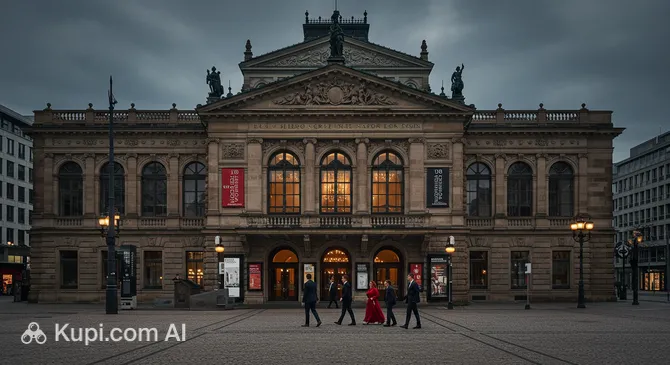
Beyond the bars and clubs, the city offers world-class cultural entertainment. The Hamburg State Opera is one of the leading opera houses in Europe, presenting a wide repertoire of opera and ballet performances. For daytime fun that spills into the evening, the Hamburg Dungeon in the Speicherstadt provides a thrilling and spooky journey through the city's dark history, featuring professional actors and special effects.

Hamburg State Opera. Source: Kupi.Binoculars

Practical Advice: Nightlife in Hamburg starts late and ends late. On weekends (Friday and Saturday), the U-Bahn and S-Bahn trains run 24 hours a day, making it very easy to get home safely. During the week, night buses replace trains after midnight. Taxis are readily available and can be hailed on the street or booked via apps like Free Now or Uber. While the city is generally safe, the Reeperbahn can get very crowded; keep an eye on your belongings and be wary of pickpockets in the hustle and bustle.

Parks & Museums

Parks & Museums:

Hamburg is widely recognized as one of the greenest cities in Europe, offering a perfect balance between urban culture and natural relaxation. Beyond its busy port and shopping districts, the city is home to prestigious art galleries, innovative exhibitions, and expansive parklands that invite visitors to unwind. Whether you are an art aficionado or a nature lover, the city's diverse offerings provide endless opportunities for exploration.

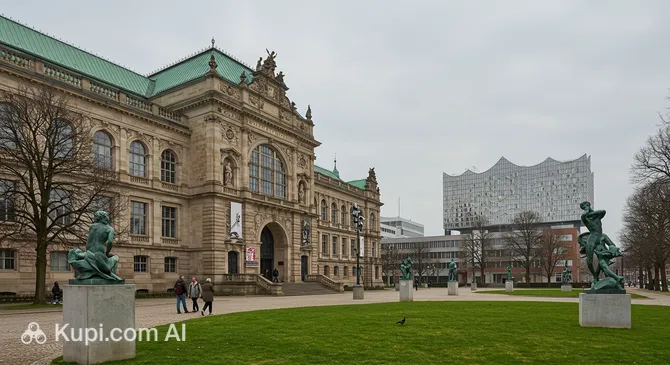
For art enthusiasts, the Hamburg Kunsthalle is an absolute must-see. Located near the central station, it is one of the most significant art museums in Germany. The gallery spans three connected buildings and houses an impressive collection that ranges from medieval altars to contemporary masterpieces. Highlights include works by Caspar David Friedrich, Munch, and Picasso, offering a comprehensive journey through seven centuries of art history.

Hamburg Kunsthalle. Source: Kupi.Binoculars

If you are looking for a truly unique perspective, visit the Dialoghaus Hamburg in the Speicherstadt. This institution offers the renowned "Dialogue in the Dark" exhibition, where blind guides lead visitors through pitch-black rooms simulating everyday situations. It is a profound sensory experience that challenges your perceptions and fosters empathy. The venue also hosts "Dialogue in Silence," where deaf guides introduce participants to the world of non-verbal communication.

Dialoghaus Hamburg. Source: Kupi.Binoculars

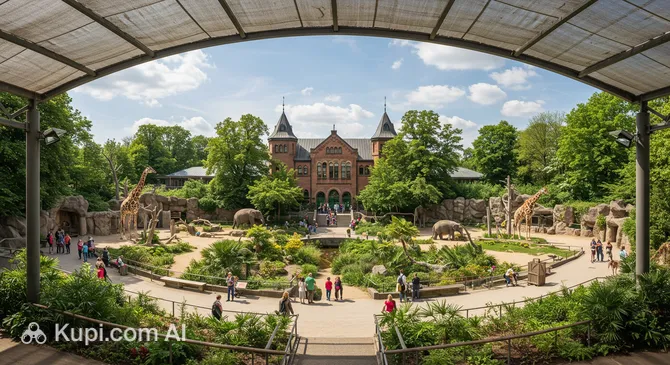
Families and animal lovers should not miss Hagenbeck Zoo. Founded by Carl Hagenbeck more than a century ago, it was the first zoo in the world to use open, moat-separated enclosures instead of cages, a revolutionary concept at the time. Today, it remains a favorite attraction, featuring a stunning tropical aquarium and the "Eismeer" (Polar Sea) exhibit, where you can observe walruses and polar bears in a naturalistic environment.

Hagenbeck Zoo. Source: Kupi.Binoculars

For those seeking tranquility in nature, the Loki Schmidt Botanical Garden offers a peaceful retreat. Located in the Klein Flottbek district, this vast garden focuses on plant ecology and conservation, showcasing diverse flora from around the globe. Alternatively, on sunny days, locals flock to the Elbe Beach (Elbstrand) in Övelgönne. While not a tropical paradise, this stretch of sand along the river offers a distinct holiday vibe, where you can relax and watch massive container ships glide by.

Getting Around

Navigating Hamburg is remarkably easy and efficient thanks to the comprehensive public transport network managed by the Hamburger Verkehrsverbund (HVV). The system is the backbone of city life, seamlessly integrating rapid transit trains, buses, and harbor ferries into a single ticketing structure. The two main rail networks are the U-Bahn (metro) and the S-Bahn (suburban trains). Despite the name "underground," much of the U-Bahn runs above ground on elevated tracks, offering quick connections across the city center and beyond, while the S-Bahn connects the city to the wider metropolitan region.

A unique feature that every visitor should take advantage of is the ferry system. Unlike expensive tourist boat tours, the yellow HADAG harbor ferries are part of the public transport network. This means you can use a standard ticket to hop on a boat and enjoy the scenic views of the Elbe River and the industrial port. Ferry line 62 is particularly popular among locals and tourists alike, running from Landungsbrücken to Finkenwerder and passing major sights like the Fish Market and the container terminals along the way.

For ticketing, the city is divided into zones, but for most tourist activities, a ticket for "Hamburg AB" is sufficient as it covers the entire city center, the airport, and most major attractions. You can purchase single tickets, but Day Tickets (Tageskarte) are often a better value. A special "9 am Day Ticket" is available at a reduced price if you travel after the morning rush hour. For unlimited travel combined with discounts at museums and restaurants, the Hamburg CARD is an excellent option specifically designed for visitors.

Tickets can be purchased easily at bright red vending machines located at every train station, directly from bus drivers (usually cash only), or via the official hvv switch app or hvv App. A practical tip for tourists: unlike in some other cities, tickets bought at machines are often valid immediately upon purchase and do not need to be stamped or validated separately. However, always check the print on the ticket to be sure. It is also important to know that there are no ticket barriers at stations; instead, plain-clothes inspectors conduct random checks, and fines for traveling without a valid ticket are steep.

The system operates reliably throughout the day. On weekdays, trains run from roughly 4:30 AM to 1:00 AM, with an extensive night bus network taking over in the intervening hours. On weekends (Friday and Saturday nights) and before public holidays, the U-Bahn and S-Bahn trains run 24 hours a day, ensuring you can always get back to your hotel after enjoying the nightlife.

If you prefer alternatives to trains and buses, the city offers a wide range of options. The striking red StadtRAD bikes are available for rent at docking stations all over the city; the first 30 minutes of every ride are often free, making them perfect for short trips. Ride-sharing is also very popular, with the electric MOIA shuttles—distinctive gold and black vans—offering a comfortable middle ground between a bus and a taxi. Traditional taxis and standard car-sharing services are also plentiful, giving you complete flexibility during your stay.

Finally, for a bit of sightseeing on the go, try to catch a ride on the U3 metro line. This historic "ring line" runs on elevated viaducts along the harbor front between Landungsbrücken and Baumwall, providing some of the most beautiful panoramic views of the port and the Elbphilharmonie without costing a penny more than your standard fare.
Accommodation

Where to Stay:

Hamburg offers a diverse hospitality landscape that caters to every type of traveler, from backpackers to luxury seekers. The range of accommodation is vast, including maritime-themed hostels, charming boutique hotels in historic buildings, and modern international chains. Whether you are looking for a simple room near the port or a lavish suite with views of the Alster Lake, the city provides plenty of options to suit your style and budget.

Choosing the right neighborhood can greatly enhance your experience. The City Center (Altstadt and Neustadt) is the most convenient area for first-time visitors, placing you within walking distance of major landmarks like the Town Hall and shopping districts. For those who want to be in the heart of the action, St. Pauli offers a vibrant nightlife scene and a younger crowd, though it can be quite lively and noisy at night. If you prefer modern architecture and a waterfront atmosphere, HafenCity is an upscale choice close to the Elbphilharmonie. Alternatively, the district of St. Georg, located near the Central Station, is perfect for travelers prioritizing excellent transport connections.

Among the specific options available, the Hamburg Conference Hotel is a notable establishment that caters to both business travelers and tourists looking for reliable amenities. It provides a comfortable setting for those attending events or simply exploring the city. Another facility to consider is the Resort Hamburg, which offers a distinct atmosphere for guests seeking relaxation after a day of sightseeing.

Hamburg Conference Hotel. Source: Kupi.Binoculars

A crucial tip for booking your stay is to plan well in advance. Hamburg is a popular destination for trade fairs, musicals, and conferences, which can cause occupancy rates to spike and prices to rise sharply. To secure the best rates and availability, it is recommended to reserve your accommodation as soon as your travel dates are confirmed, especially if you are visiting during the summer or around major public holidays.

The price range for accommodation varies significantly. Budget travelers can find hostels and economy hotels starting from approximately €30 to €70 per night. Mid-range options typically cost between €90 and €160, offering more comfort and central locations. Luxury hotels often start above €200 per night. Most accommodations can be easily booked via major online travel platforms, but checking the hotel's direct website can sometimes yield special offers or better cancellation policies.

Nearby Cities

For those looking to explore the surroundings, Hamburg serves as an excellent base for day trips to several interesting nearby locations:

Just a short distance from the city limits lies Ahrensburg, a town famous for its splendid Renaissance castle. Schloss Ahrensburg stands as a magnificent white moated castle surrounded by a lush park, offering a glimpse into the lifestyle of the nobility in centuries past. It is a perfect destination for history enthusiasts and those seeking a picturesque walk in a serene environment.

Another delightful option is Buxtehude, a historic Hanseatic town located to the southwest. Known for its fairytale connection to the story of "The Hare and the Hedgehog," the town features a charming old center with traditional timber-framed houses and canals. It also serves as a gateway to the Altes Land, a massive fruit-growing region that is particularly stunning during the blossom season.

City Population Distance (km)
Norderstedt 80420 17
Pinneberg 43603 18
Seevetal 41931 19
Buxtehude 40150 22
Ahrensburg 34201 22

These nearby destinations offer a glimpse into the diverse culture and landscapes of the region.

Shopping & Souvenirs

Hamburg is a paradise for shoppers, offering a diverse mix of elegant boulevards, massive shopping centers, and quirky independent boutiques. As a historic trading hub, the city has commerce in its DNA, providing visitors with everything from high-end luxury goods to unique local crafts. Whether you are looking for international fashion brands or a maritime souvenir, the city's districts each offer a distinct shopping atmosphere.

The heart of the city's retail scene is the Mönckebergstraße, often simply called the "Mö." This bustling street connects the central station with the Town Hall and is lined with major department stores and popular fashion chains. For a more exclusive experience, head to the Neuer Wall and Jungfernstieg along the Alster Lake. Here, you will find prestigious designer boutiques, jewelers, and the historic Alsterhaus, a department store known for its luxury assortment and gourmet food floor.

If you prefer to browse indoors, the city boasts several impressive malls. One of the most renowned is the Alstertal Shopping Center (AEZ) located in the Poppenbüttel district. It is one of the largest shopping destinations in Northern Germany, featuring over 240 shops set amidst elegant architecture, fountains, and bronze sculptures, making it a favorite for a relaxed day of retail therapy.

For a more local and everyday experience, you might visit the Markthalle Hamburg-Lurup. While it serves primarily as a neighborhood hub, it offers a glimpse into local life away from the tourist crowds. For those seeking alternative fashion and vintage finds, the Karoviertel and Schanzenviertel districts are the places to go. These areas are packed with small design shops, record stores, and second-hand boutiques that reflect the city's creative spirit.

When hunting for souvenirs, look for items that celebrate Hamburg's maritime heritage. A traditional Elbsegler (sailor's cap), a ship in a bottle, or a raincoat are practical and iconic keepsakes. Culinary gifts are also popular, particularly Lübeck marzipan or a bottle of Rotspon, a red wine that is imported from France but matured in Hamburg, a tradition dating back to the Hanseatic League. Keep in mind that, as in most of Germany, shops are generally closed on Sundays, so plan your shopping spree for a Saturday.

Reached the end of the page?

That means the route is fully explored