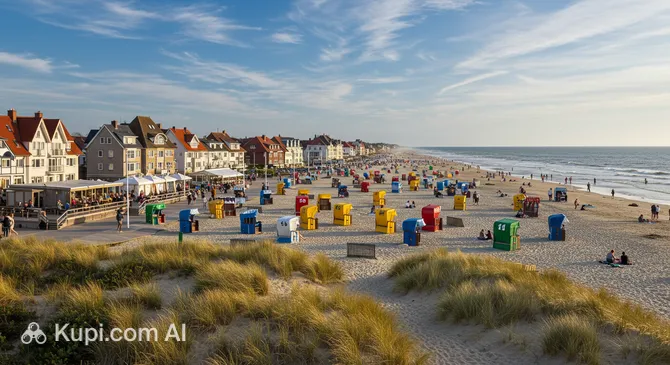
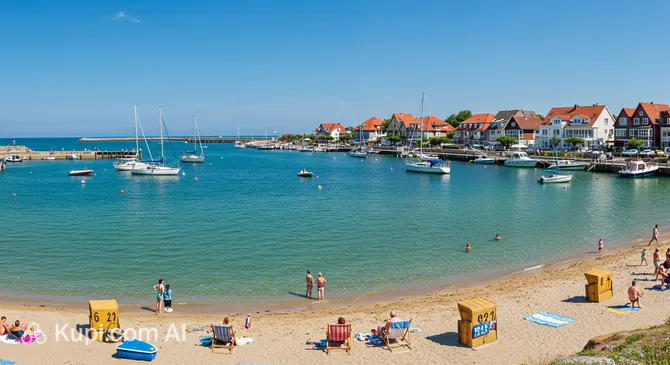
Westerland is the vibrant heart and the largest resort on the famous island of Sylt. Known for its sophisticated charm and lively atmosphere, this seaside town offers a perfect blend of relaxation and urban flair. Whether you are looking for wellness treatments, high-end shopping, or simply a breath of fresh sea air, Westerland serves as the ideal hub for exploring the northernmost part of Germany.
Situated in the state of Schleswig-Holstein, the town faces the rough beauty of the North Sea. Although it has a permanent population of around 9,000 residents, the number swells significantly during the holiday season, adding to its dynamic energy. The history of Westerland is fascinating, tracing its evolution from a small, storm-battered fishing village to a premier spa destination that has been welcoming guests since the mid-19th century.
Westerland. Illustration.
Source: Kupi.com AI
Visitors are drawn to the impressive Promenade, which stretches along the coast and invites guests for long, scenic walks accompanied by the sound of waves. The town is famous for its wide, sandy beaches and the iconic Musikmuschel, an outdoor concert shell that hosts regular performances right by the sea. For those interested in marine life, the Sylt Aquarium offers an exciting glimpse into the underwater worlds of the North Sea and the tropics. Meanwhile, Friedrichstraße provides a bustling pedestrian zone filled with boutiques, cafes, and restaurants.
With its unique combination of pristine nature and modern amenities, Westerland promises an unforgettable stay. It is a destination where you can rejuvenate your senses in the bracing climate and enjoy the distinct island lifestyle of Sylt.
Weather Overview
Westerland experiences a maritime climate typical of the North Sea, characterized by moderate temperatures and regular precipitation throughout the year. The summer months of July and August are the warmest, with average temperatures reaching a pleasant 18.0°C, while winters remain cool with averages hovering around 4.1°C in February. Expect mild summers with frequent showers and cool, damp winters, as the region records between 11 and 19 wet days per month depending on the season.
Because the conditions can be quite changeable, it is wise to be prepared for rain even during the warmer months. October and December are particularly prone to damp weather, often seeing up to 19 rainy days. For more precise planning and to understand what to pack, consulting the detailed guide on the weather in Westerland will ensure you are ready for the island's atmospheric conditions.
Average monthly temperature
Average monthly precipitation
Interesting Facts
Beyond its reputation as a chic holiday retreat, Westerland holds several intriguing historical and geographical secrets that often surprise visitors.
The town is home to the poignant "Cemetery of the Homeless" (Friedhof der Heimatlosen), a historic burial ground established in 1855 specifically for unidentified sailors who were washed ashore by the North Sea's powerful storms.
Westerland serves as the gateway to the Rantum Basin, a nature reserve with a fascinating military past; originally constructed in the 1930s as a seaplane base for the air force, it has since been renaturalized into a vital sanctuary for thousands of coastal birds.
Unlike most mainland destinations, the city cannot be reached directly by car via a road bridge; instead, all vehicles must be loaded onto the "Sylt Shuttle" trains to cross the Hindenburgdamm causeway, making the railway station the island's true lifeline.
The popular Brandenburger Strand is not just a place for relaxation but a world-renowned sporting venue, regularly hosting the Windsurf World Cup due to the exceptional wind and wave conditions found off the coast.
Rantum Basin. Illustration.
Source: Kupi.com AI
Traveler photos:
How to Get There
Reaching this northern island retreat is part of the adventure, offering travelers several convenient routes. Whether you prefer flying directly onto the island or taking a scenic train ride across the causeway, you can find more about how to get to Westerland and plan your perfect arrival.
For those prioritizing speed and convenience, the town is served by its own airfield, Westerland - Sylt Airport (GWT). Located directly in Westerland, it is just 2.0 km from the city center, making it the most direct entry point. A short taxi or bus ride will take you right to the heart of the resort. This regional airport welcomes flights from various German cities, allowing you to bypass the mainland traffic entirely.
Alternatively, international visitors often choose to fly into Hamburg Airport (HAM), located in the city of Hamburg, approximately 179 km away. As a major international airport, it offers a wider range of connections. From Hamburg, the journey to the coast takes time; a transfer by road can take several hours, though most travelers opt for the direct train connection from Hamburg to Sylt.
For clarity, here is a summary of the main airports:
Traveling by rail is a very popular method to reach the island, often involving a transfer at a major mainland hub. One of the most significant junctions is Hamburg Hauptbahnhof in Hamburg, situated about 187 km from Westerland. As one of the busiest railway stations in Europe, it connects travelers from all over the continent. If you were to travel by road from this station, the trip would take several hours, but frequent trains run directly from here across the Hindenburgdamm to Sylt.
Another key transit point is Bremen Hauptbahnhof in Bremen, located roughly 206 km away. It serves as an important link for travelers coming from the west or south. The estimated travel time by road from Bremen to the island is quite substantial, typically taking several hours.
Below is an overview of the nearest major railway stations:
Westerland offers a diverse array of sights that range from modern family entertainment to deep dives into local history. Whether you are interested in the underwater mysteries of the ocean or the traditional architecture of the Frisian people, the town and its immediate surroundings provide plenty of opportunities for exploration.
For families and marine life enthusiasts, the Sylt Aquarium is a must-visit destination located just behind the dunes. This facility features extensive saltwater tanks that display the diverse underwater worlds of both the local North Sea and colorful tropical coral reefs. Visitors can walk through a panoramic glass tunnel, observing sharks and rays swimming directly overhead, making it an immersive experience regardless of the weather.
Sylt Aquarium. Illustration.
Source: Kupi.com AI
Traveler photos:
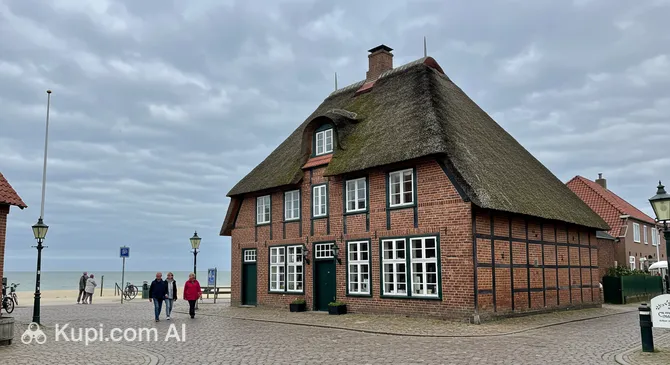
To gain insight into the traditional island lifestyle of the past, travelers should explore the Altfrisian House. This preserved museum illustrates how wealthy captain families lived in the 18th century, featuring authentic furniture, wall tiles, and household items. It provides a charming and educational glimpse into the Frisian culture and architectural style that defines much of the region's history.
Altfrisian House. Illustration.
Source: Kupi.com AI
Traveler photos:
Just a short distance from the town center lies the historic St. Severin Church, Keitum. Dating back to the 13th century, this Romanesque church is built from glacial erratics and tuff stone, standing as a testament to the island's rich heritage. It is situated at a high point originally intended to serve as a landmark for seafarers, and today it hosts concerts and offers a peaceful atmosphere for reflection.
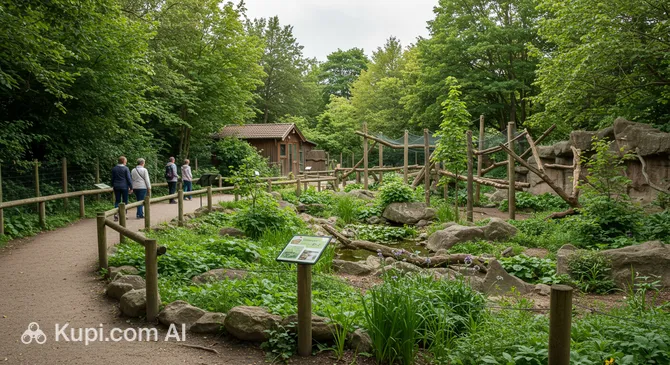
Nature lovers will appreciate a trip to the Tinnum Zoo, a small but delightful animal park situated in the neighboring village of Tinnum. The zoo is home to over 400 animals, including native species and exotic birds, set within a park-like landscape of ponds and trees. It is particularly family-friendly, offering pedal boats and a petting area where children can interact closely with some of the animals.
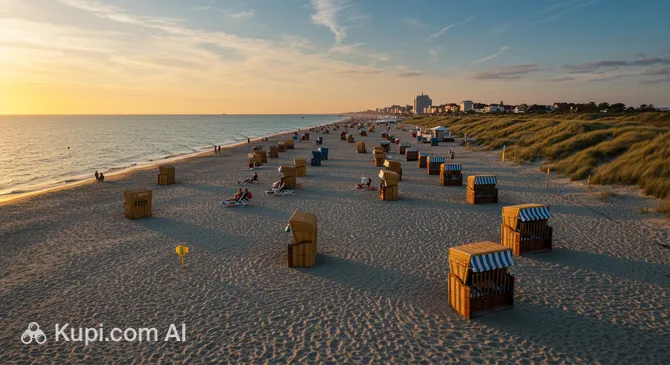
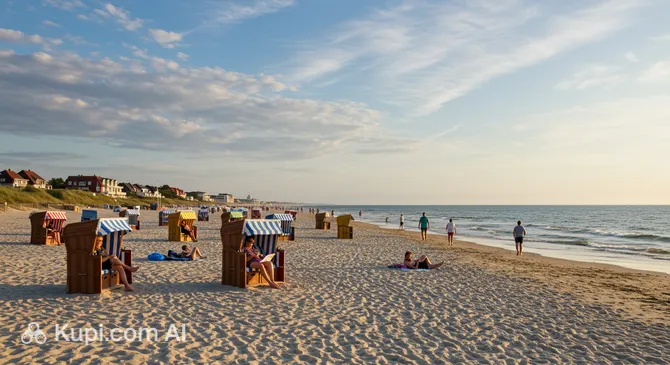
No visit to this seaside resort is complete without spending time at the Westerland West Beach. This expansive stretch of fine sand is the focal point of summer activity, lined with traditional wicker beach chairs known as "Strandkörbe". Whether you want to swim in the bracing waves, enjoy a long walk along the water's edge, or simply watch the sunset, this beach embodies the classic North Sea holiday experience.
Local Cuisine
The culinary scene in Westerland is deeply influenced by the North Sea, offering a paradise for seafood lovers. The undisputed star of the local menu is the Sylt Royal Oyster, the only oyster species farmed in Germany, which is harvested just off the island's coast. Visitors can enjoy them fresh with a squeeze of lemon or baked with cheese. Another must-try is the ubiquitous Fischbrötchen (fish sandwich), a classic snack best enjoyed while walking along the promenade. These crispy rolls are typically filled with tender Matjes (soused herring), North Sea shrimp, or smoked salmon.
For those with a sweet tooth, the local tea culture offers a delightful break from the windy weather. A traditional Frisian tea is served strong on a warmer, with rock candy (Kluntje) and a cloud of heavy cream that is left unstirred. This ritual pairs perfectly with a slice of Friesentorte, a decadent regional cake made of puff pastry layers filled with plum jam and whipped cream. To experience this cozy tradition, Café Mateika is a renowned spot known for its homemade pastries and inviting atmosphere.
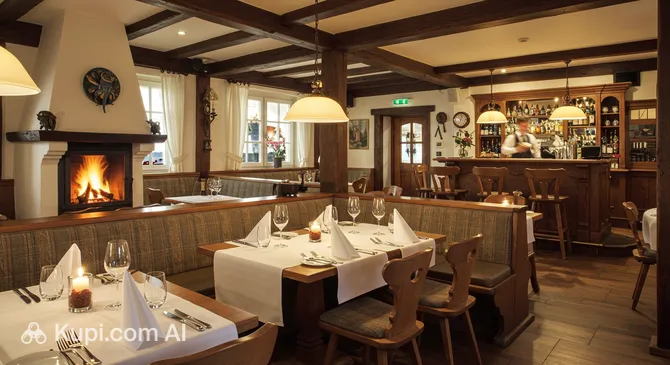
When it comes to warming drinks, the islanders have perfected the art of mixing coffee and spirits. You should try a Pharisäer, a potent drink consisting of strong coffee and brown rum, topped with whipped cream. Its hot chocolate counterpart, the Tote Tante ("Dead Aunt"), is equally popular during colder months. For a hearty dinner featuring traditional recipes, Alte Friesenstube 1648 serves authentic dishes like roast duck or plaice in a historic thatched-roof cottage that transports diners back in time.
Alte Friesenstube 1648. Illustration.
Source: Kupi.com AI
Traveler photos:
The general food culture in Westerland is a fascinating mix of rustic charm and high-end gastronomy. The town caters to all tastes, ranging from casual beach bistros where you can eat with your feet in the sand, to sophisticated dining establishments like the restaurant at Hotel Stadt Hamburg. Whether you are looking for a Michelin-starred experience or a simple, fresh meal by the sea, the focus is consistently on high-quality, regional ingredients.
Travel Tips
Welcome to Westerland, the lively hub of Sylt where island traditions meet modern resort life. To ensure your visit to this North Sea gem is as relaxing and seamless as possible, here are some practical tips to keep in mind before you pack your bags.
Clothing and Gear: The weather on the island can be unpredictable and windy, even in summer. The "onion principle" (layering) is your best friend here; bring a windproof and waterproof jacket, often locally called a Friesennerz. Comfortable walking shoes are essential for the promenade, and if you plan to visit spa facilities, pack flip-flops. Germany uses Type F power sockets (230V), so bring a universal adapter if your devices use a different plug.
Transportation: You do not need a car to explore Westerland; in fact, parking can be scarce and expensive. The town is very walkable, and for trips further afield, the island has an excellent bus network (SVG) that connects all villages. Renting a bicycle is the most popular way to get around, with miles of well-maintained cycle paths awaiting you.
Finances: The currency is the Euro (€). While credit cards (Visa, Mastercard) are widely accepted in hotels and larger restaurants, many smaller cafés, bakeries, and souvenir kiosks still prefer cash or the local EC card (Girocard). ATMs are plentiful in the town center. Tipping is customary; rounding up the bill or leaving about 5-10% is standard.
Health and Safety: Westerland is a very safe destination for tourists. Pharmacies are marked with a large red "A" (Apotheke) and can provide over-the-counter advice for minor ailments. In case of emergency, dial 112. The sun and wind can be stronger than they feel, so use sunscreen even on cloudy days.
Communication: The official language is German, but English is widely spoken in the hospitality sector. A local SIM card can be purchased at supermarkets or electronics stores if you need data, though many hotels offer free Wi-Fi. A translation app is useful for reading menus in smaller, traditional eateries.
Local Etiquette: The standard greeting on the island, used at any time of day or night, is "Moin". It is friendly and polite to use it when entering shops or boarding a bus. Germans value punctuality and order, so try to be on time for reservations. In public saunas and wellness areas, nudity is the norm (textile-free), which is considered hygienic and natural.
What to Avoid: Strictly avoid walking on the sand dunes outside of marked paths. The dunes are vital coastal protection against storm tides, and stepping on them damages the vegetation that holds them together. Also, resist the urge to feed the seagulls; they can become aggressive and snatch food right out of your hands.
Visitor's Card (Gästekarte): Upon arrival at your accommodation, you will receive a Gästekarte (guest card) after paying the local tourist tax (Kurtaxe). Keep this card with you at all times! You will need to show it to access the main beaches in Westerland and to enter various events or facilities for free or at a reduced rate.
By keeping these tips in mind, you will be well-prepared to embrace the unique rhythm of island life in Westerland. Enjoy the fresh sea breeze, the rolling waves, and the warm hospitality of Germany's northernmost resort town.
Entertainment & Nightlife
Entertainment:
Westerland is the pulsating heart of the island, offering a diverse entertainment scene that extends well beyond its sandy shores. From sophisticated wellness experiences to vibrant nightlife, the town provides countless ways to spend your time, ensuring that every visitor finds something to match their mood.
For those seeking relaxation and health benefits, the town is a renowned North Sea spa. The Syltness Center is a focal point for wellness, offering a wide range of treatments including classic thalassotherapy, massages, and sea-water baths. It is the perfect retreat for rejuvenating the body and mind, especially after a day of active exploration.
The central promenade and the famous Brandenburger Strand serve as the main stage for many of the town's open-air events. During the summer, the "Musikmuschel" (music shell) on the promenade hosts daily concerts, where visitors can enjoy everything from classical orchestras to modern pop music with the sound of the waves in the background. This area is also the hub for major sporting events, such as the Windsurf World Cup, which draws spectators from around the globe.
Brandenburger Strand. Illustration.
Source: Kupi.com AI
Traveler photos:
Shopping enthusiasts will find their paradise along the bustling Friedrichstraße and Strandstraße. These pedestrian zones are lined with an impressive array of shops, ranging from exclusive designer boutiques and jewelry stores to charming local retailers selling traditional island crafts. The lively atmosphere is complemented by numerous street cafes, inviting you to take a break and watch the world go by.
As evening falls, Westerland's nightlife comes into its own. The Spielbank Sylt, located in the historic town hall, offers a touch of glamour with roulette, blackjack, and slot machines. For a more casual night out, the town center is packed with stylish bars, rustic pubs, and clubs where you can enjoy a drink and dance the night away, making it the most active nightlife destination on Germany's northern islands.
Parks & Museums
While Westerland is primarily celebrated for its sandy shores and rolling waves, the town also boasts serene green spaces and a rich cultural scene that offers a deeper look into the island's heritage. Beyond the beach chairs and promenades, visitors can find sheltered forests, art-filled galleries, and fascinating exhibitions that recount the maritime history of Sylt.
For a peaceful retreat away from the coastal winds, the Südwäldchen (South Forest) is a favorite among locals and travelers alike. Located in the southern part of the town, this small but enchanting woodland provides a stark contrast to the open dunes. It features a network of walking paths that wind through pine trees, leading to an idyllic duck pond known as the "Ententeich." It is a perfect spot for a quiet stroll or a picnic, offering natural shelter on breezy days. Similarly, the Friedrichshain in the north of Westerland offers a lush, park-like environment. Originally planted to provide wind protection, it has evolved into a recreational area with playgrounds and ancient trees, making it an excellent destination for families seeking a break from the sun and sand.
Although the most famous historical museums are located in the nearby village of Keitum, Westerland itself is a hub for visual arts. The town center, particularly along Friedrichstraße and the promenade, is dotted with galleries showcasing everything from contemporary pop art to classic maritime paintings. A highlight for culture enthusiasts is the Galerie am Meer, situated directly on the promenade, where changing exhibitions often feature works inspired by the North Sea's dramatic landscapes. For a deep dive into the island's past, a short trip to the Sylt Museum (formerly the Local Heritage Museum) in Keitum is highly recommended. Housed in a historic captain's house entered through a jawbone arch of a fin whale, it vividly displays the island's whaling history, traditional costumes, and geological evolution.
Just a stone's throw from the city center lies the Tinnum Zoo, a delightful destination that combines a park setting with animal encounters. Nestled within the picturesque Tinnum meadows, this facility is home to over 400 animals, ranging from native deer and birds to exotic species. It serves as both a zoo and a landscaped garden, featuring ponds and lush greenery that make it a relaxing place to explore nature without leaving the central island area.
Tinnum Zoo. Illustration.
Source: Kupi.com AI
Traveler photos:
For an authentic insider experience, consider visiting the smaller, private art studios often hidden in the side streets of the town. These venues frequently host vernissages and offer a chance to meet local artists who capture the unique light and mood of Sylt. Additionally, exploring the quiet paths of the Südwäldchen during the early morning hours provides a rare opportunity to see the island's wildlife, including rabbits and pheasants, undisturbed by the daytime crowds.
Getting Around
Public transport in Westerland is efficient, reliable, and tailored to the needs of the many visitors who arrive on the island of Sylt. Since the town serves as the central hub for the entire island, getting around is straightforward, with the bus network acting as the primary mode of motorized public transit. There is no metro, tram, or trolleybus system here; instead, the Sylter Verkehrsgesellschaft (SVG) operates a comprehensive fleet of buses that connect the city center with every village on the island, from List in the north to Hörnum in the south.
The central node for all transport is the ZOB (Central Bus Station), conveniently located right next to the railway station. From here, five main bus lines depart at regular intervals, typically every 15 to 20 minutes during the peak summer season. The buses are modern, comfortable, and often equipped with racks for transporting bicycles, which is a key feature for active tourists. For late-night revelers, special night buses run during the high season, ensuring a safe return to accommodation after enjoying the local nightlife.
Paying for your journey is user-friendly. You can purchase tickets directly from the bus driver using cash or contactless payment methods. For those planning to explore the island extensively, it is more economical to buy a day pass or a multi-day ticket rather than single fares. There is also a "Small Group Ticket" available, which offers significant savings for families or groups of up to five people. Travelers can also use the SyltGO! app to buy tickets digitally and check real-time timetables, avoiding the need to carry loose change.
A unique and critical feature of the local transport infrastructure is the railway connection via the Hindenburgdamm. Since there is no road bridge connecting the island to the mainland, the train is the lifeline of Westerland. The "Sylt Shuttle" and "Autozug" are special trains that transport cars, trucks, and passengers across the sea causeway. Seeing cars being loaded onto trains is a fascinating spectacle for newcomers and highlights the island's distinct logistical character.
While buses are convenient, cycling is arguably the most popular alternative for getting around. Westerland has an extensive network of well-paved bike paths that are separate from the main roads, making it safe and enjoyable to ride. Bike rental shops are abundant throughout the town, offering everything from standard city bikes to e-bikes. Given the flat terrain and scenic routes through the dunes, many tourists prefer two wheels over four for their daily excursions.
For direct and private transport, cream-colored taxis are readily available at the designated rank outside the train station or can be hailed by phone. Unlike in large metropolises, ride-sharing apps like Uber are not the standard here; traditional taxis remain the reliable choice. However, given the compact nature of the town center, most attractions, shops, and the beach promenade are easily accessible on foot, allowing visitors to soak in the fresh sea air as they move about.
Accommodation
Finding the perfect place to stay in Westerland is an essential part of the Sylt experience, as the town offers a broad spectrum of accommodation options tailored to different tastes and budgets. The selection ranges from functional youth hostels and cozy, family-run guesthouses to luxurious wellness resorts that are among the best in Germany. A very popular choice on the island is renting a holiday apartment (Ferienwohnung), often located in charming thatched-roof cottages, which allows visitors to live like a local and enjoy more independence.
When choosing where to base yourself, location is key. Visitors who want to be in the middle of the action often prefer the city center near Friedrichstraße and Strandstraße, where shops, restaurants, and the main train station are just a short walk away. For those who prioritize sea views and morning swims, the hotels lining the Promenade offer unbeatable access to the beach. Alternatively, the areas near the Südwäldchen (South Forest) provide a quieter, greener setting that is still within walking distance of the town's amenities.
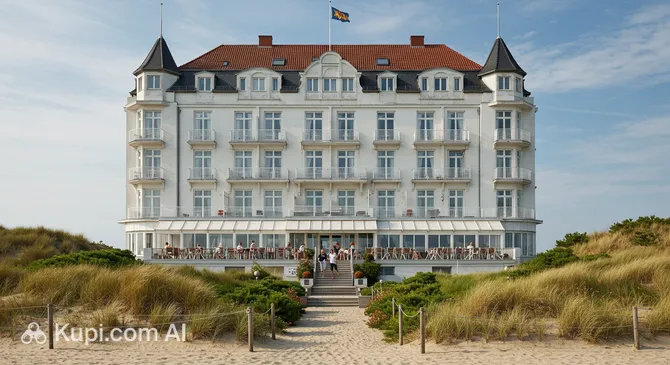
For travelers seeking a touch of traditional luxury and exceptional service, the Hotel Stadt Hamburg is a standout example. Located centrally near the railway station, this renowned establishment combines the elegance of an English country house with North Frisian hospitality, serving as a landmark of the local hotel scene.
Hotel Stadt Hamburg. Illustration.
Source: Kupi.com AI
Traveler photos:
Booking Tip: Westerland is an extremely popular destination, particularly during the summer months of July and August, as well as over the Christmas and New Year holidays. It is highly recommended to book your accommodation several months in advance to secure your preferred dates and rates. Spontaneous trips during peak season can be challenging, as the island frequently reaches full capacity.
Regarding costs, prices in Westerland tend to be higher than the mainland average, reflecting the island's exclusivity. While budget options do exist, they are limited and sell out quickly. Mid-range and luxury accommodations are plentiful but command premium prices. Most bookings are made through major online platforms or directly via the local tourist service, which also offers a comprehensive listing of verified holiday rentals.
Nearby Cities
For those looking to explore the surroundings, Westerland serves as an excellent base for day trips to several interesting nearby locations.
One of the most culturally distinct destinations is Flensburg, located right on the border with Denmark. This charming port city is famous for its historic harbor, preserved merchant courtyards, and a long tradition of rum production. Its unique blend of German and Danish lifestyles creates a vibrant atmosphere that is perfect for a day of strolling and shopping.
Another fascinating option is Schleswig, a city steeped in history. It is home to the magnificent Gottorf Castle and is the gateway to the UNESCO World Heritage site of Haithabu, an ancient Viking settlement. Visitors can explore the impressive cathedral and enjoy the scenic views over the Schlei inlet, making it a must-visit for history enthusiasts.
For those interested in maritime heritage on the mainland, Cuxhaven offers a classic seaside experience at the mouth of the Elbe River. Known for the iconic Kugelbake wooden beacon and the Alte Liebe viewing platform, it provides a different perspective on the North Sea coast and is a bustling hub for shipping traffic.
These nearby destinations offer a glimpse into the diverse culture and landscapes of the region, each providing a unique contrast to the island life of Sylt.
Shopping & Souvenirs
Westerland offers a shopping experience that rivals major metropolitan areas, characterized by a unique mix of luxury flair and maritime charm. As the commercial hub of the island, the town is famous for its high density of premium brands, where visitors can find everything from exclusive designer fashion and fine jewelry to high-quality sportswear suitable for the North Sea weather. It is a place where strolling through the streets is as much about the sophisticated atmosphere as it is about the purchases.
The heart of the shopping district beats along the Friedrichstraße and the Strandstraße. These bustling pedestrian zones are lined with elegant boutiques, international flagship stores, and traditional retailers. Friedrichstraße serves as the main artery, bustling with activity and offering a wide variety of goods. The street layout naturally guides visitors towards the sea, allowing for a seamless transition from a shopping spree to a relaxing walk along the coast.
The main shopping streets eventually lead towards the waterfront, ending near the Westerland West Beach. In this area, you can find numerous stores dedicated to beachwear, kites, and windsurfing gear, ensuring you are perfectly equipped for a day by the sea.
Westerland West Beach. Illustration.
Source: Kupi.com AI
Traveler photos:
Unlike large mainland cities, Westerland does not rely on massive shopping malls. Instead, the retail landscape is defined by smaller, curated arcades and passages that offer a more intimate experience. These covered galleries often house specialized shops and cozy cafés, providing a refuge on windy days while maintaining the town's upscale resort character. The focus here is on individual service and quality rather than large-scale consumption.
For a taste of local life, the weekly market (Wochenmarkt) in front of the Town Hall is a highlight for many visitors. Held regularly, usually on Wednesdays and Saturdays, this market features vendors selling fresh regional produce, artisanal cheeses, and North Sea specialties. It is an excellent spot to browse for authentic foods or to pick up a quick, fresh snack while exploring the city center.
When looking for mementos, the island offers several distinct local goods. Typical souvenirs include the famous Sylt Sea Salt (Sylter Meersalz), which is harvested locally, and products made from the fragrant Sylt rose. A package of genuine Frisian tea or the iconic Sylt-shaped stickers, often seen on cars throughout Germany, are also popular choices to bring back home. For a culinary treat, a jar of Rote Grütze (fruit pudding) makes for a delicious gift.
Shops in Westerland generally open from 10:00 AM to 6:00 PM on weekdays, with some larger stores staying open longer in the summer. A special feature of this resort town is the "Bäderregelung" (resort regulation), which allows many stores to open on Sundays and public holidays during the peak season (typically from mid-December to the end of October). Payment is convenient, with major credit cards (Visa, Mastercard) and EC cards widely accepted, though carrying some cash is advisable for smaller market stalls or kiosks.
Travelers residing outside the European Union are eligible for VAT refunds on their purchases. Many of the upscale boutiques and jewelers in Westerland participate in tax-free shopping schemes like Global Blue. Visitors should look for the "Tax Free" signage in shop windows and ask for a refund form at the checkout to claim their tax back upon leaving the EU.