Support

Aalborg

About

Aalborg is a dynamic city that perfectly blends historic charm with modern innovation. As the fourth-largest city in Denmark, it serves as a vital cultural and economic hub for the northern part of the country. Visitors are often captivated by its lively waterfront, known as the Havnefront, and the welcoming atmosphere that permeates its cobblestone streets and bustling squares.

Geographically, the city is situated along the Limfjord, a waterway that cuts through the Jutland peninsula, offering scenic views and a refreshing maritime climate. With a population of approximately 143,598, Aalborg maintains the conveniences of a major urban center while retaining a cozy, accessible feel. The surrounding Region of Northern Denmark provides a picturesque backdrop of rolling landscapes and coastal beauty, making the city an excellent base for exploration.
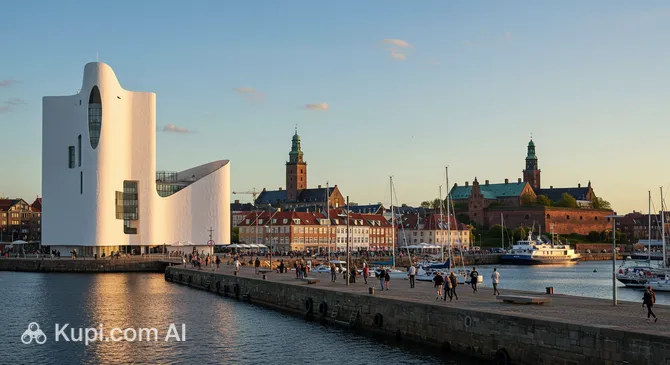
Aalborg. Source: Kupi.Binoculars

The city has deep roots, originally established as a trading post in the Viking Age. You can delve deeper into the fascinating history of Aalborg to understand how it evolved from a medieval merchant town into a modern industrial and cultural powerhouse. Today, this rich heritage is visible in the well-preserved architecture of the old town, standing in contrast to contemporary landmarks.

Travelers should not miss the Utzon Center, the last masterpiece designed by the renowned architect Jørn Utzon, located right on the waterfront. Another highlight is the Musikkens Hus (House of Music), a stunning concert hall that symbolizes the city's architectural renaissance. For those interested in ancient times, the nearby Lindholm Høje offers an impressive glimpse into the past with its vast Viking burial site and museum.

Whether you are strolling down the famous Jomfru Ane Gade for a bite to eat or exploring the revitalized harbor front, Aalborg offers a memorable experience for every traveler. It is a destination that invites you to relax, explore, and enjoy the unique Nordic lifestyle.
Weather Overview

Aalborg features a temperate maritime climate, meaning you can generally anticipate moderate temperatures and a fair amount of breeze throughout the year. Because conditions can shift, checking the current weather in Aalborg is recommended before packing. The city rarely sees extreme heat or bitter cold, making it accessible for visitors year-round.

During the winter months of December through February, the weather is chilly with average temperatures hovering between 2.7°C and 3.5°C. These months are characterized by frequent dampness, recording about 13 to 15 wet days per month. Spring brings a gradual warming trend; April is notably one of the drier months, with wet days dropping to 9 and daytime highs reaching around 10.7°C.

The summer season, particularly July and August, offers the most pleasant conditions for sightseeing. Average temperatures rise to approximately 16.8°C, with daily highs often peaking at 20°C. Despite the warmth, precipitation remains consistent throughout the year. Expect mild, comfortable summers with occasional showers and cool, damp winters.

Interesting Facts

Beyond the main attractions, Aalborg holds many fascinating secrets that reveal its quirky character and deep historical roots. Discovering these lesser-known details adds a layer of depth to any visit.

  • In Kildeparken, you can interact with the "Park of Music," a unique area where trees planted by international artists—including Sting and Elton John—play snippets of their own songs when you press a button.

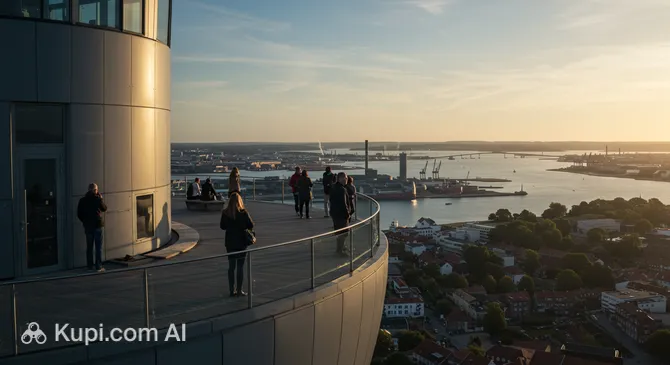
  • The iconic Aalborg Tower was originally constructed for a temporary exhibition in 1933 and was intended to be torn down afterward, but it remains standing today simply because it was deemed too expensive to dismantle at the time.

  • The ancient graves at the Lindholm Høje Viking Museum were preserved in such pristine condition because the entire area was buried under drifting sand for centuries, effectively hiding and protecting the stone circles until the 1950s.

  • Every May, the city hosts the largest carnival in Northern Europe, known as "The Carnival in Aalborg," where up to 100,000 people dress up in colorful costumes and parade through the streets in a massive celebration.

Aalborg Tower. Source: Kupi.Binoculars

How to Get There

Reaching the cultural heart of Northern Denmark is quite convenient, with several transport options available depending on your starting point. Whether you prefer flying directly into the region or taking a scenic train ride, you can find all ways to reach the city and plan the route that best suits your itinerary.

The most direct way to arrive is via Aalborg Airport (AAL), which is an international airport located just 6.6 km from the city center. It handles a significant number of travelers annually and offers a quick transfer to downtown. A taxi or bus ride from the terminal typically takes about 15 to 20 minutes, making it an extremely efficient choice for visitors.

If you cannot find a direct flight, you might consider arriving at Aarhus Airport (AAR) in the city of Aarhus, situated approximately 93.7 km away. The journey from there to Aalborg takes around 1.5 hours by car. Another major alternative is Billund Airport (BLL) in Billund, which is a larger hub about 153.3 km from Aalborg. Traveling from Billund generally takes about 1 hour and 45 minutes by road.

For clarity, here is a summary of the main airports:

Airport Name City Passenger Traffic Km from City
Göteborg Landvetter Airport Gothenburg Large 158.4
Billund Airport Billund Large 153.3
Aalborg Airport Aalborg Medium 6.6
Kristiansand Airport Kristiansand Medium 169.1
Aarhus Airport Aarhus Small 93.7

Traveling by train is another excellent way to experience the Danish landscape. The city is served by Aalborg Railway Station, which is centrally located just 0.6 km from the heart of town. Since the station is practically in the city center, the transfer time is negligible, often taking just a few minutes by taxi or even on foot.

For those coming from further afield, you might connect through Aarhus H Station in the city of Aarhus, located about 101.6 km away. It is a major railway hub with frequent connections to Aalborg. From Aarhus, the travel time to Aalborg is approximately 1.5 hours by train, offering a comfortable ride through the countryside.

Below is a list of relevant railway stations:

Station City Passenger Traffic Km to Center
Gothenburg Central Station Gothenburg Very Large 157.0
Aarhus H Station Aarhus Large 101.6
Aalborg Railway Station Aalborg Medium 0.6
Kristiansand Railway Station Kristiansand 168.2
Ängelholm Railway Station Angelholm 200.9

Main Attractions

Aalborg offers a diverse array of sights that range from architectural marvels to family-friendly adventures. The city’s compact size makes it easy to explore its historical landmarks and modern cultural institutions, ensuring that every visitor finds something to capture their interest.

One of the most popular destinations for families and nature lovers is Aalborg Zoo. Located near the city center, this zoological garden is renowned for its focus on sustainability and conservation. It is home to more than 100 different animal species, including polar bears, African elephants, and playful orangutans. Visitors can enjoy watching the animals in spacious enclosures that mimic their natural habitats, making it an educational and entertaining day out for all ages.

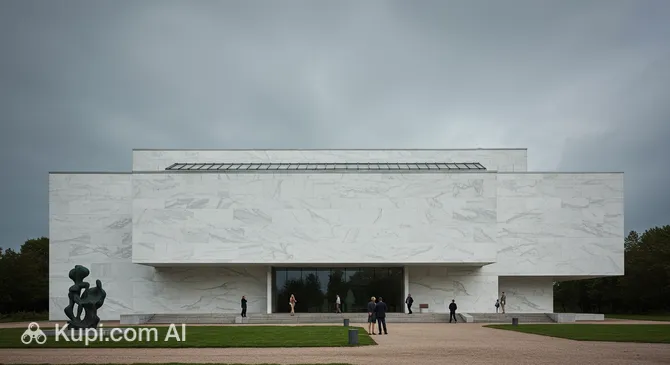
For art enthusiasts, the Kunsten Museum of Modern Art Aalborg is an absolute must-see. The building itself is a masterpiece, designed by the famous Finnish architect Alvar Aalto, and is known for its unique use of natural light. Inside, you will find a world-class collection of modern and contemporary art, covering the period from around 1900 to the present day. The museum also features a sculpture park and hosts various temporary exhibitions that provoke thought and inspire creativity.

Kunsten Museum of Modern Art Aalborg. Source: Kupi.Binoculars

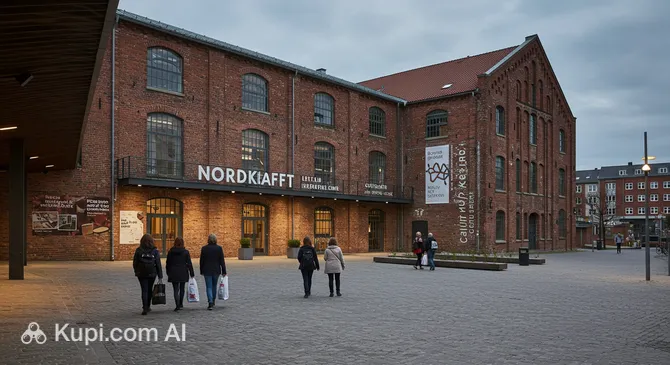
A symbol of the city's transformation from an industrial port to a cultural hub is Nordkraft. Housed in a former coal-fired power station, this imposing building has been revitalized into a dynamic center for sports, culture, and leisure. It contains theaters, a cinema, concert venues, and even a climbing wall, retaining its raw industrial aesthetic while buzzing with creative energy. It is a fascinating place to explore, offering a glimpse into how Aalborg repurposes its heritage for modern use.

Standing gracefully in the heart of the city is Budolfi Church, the cathedral of Aalborg. Its gleaming white façade and baroque spire make it a recognizable landmark. Dedicated to the English saint St. Botolph, the church dates back to the late 14th century, though much of its current appearance is from later renovations. Stepping inside reveals beautiful frescoes and an intimate atmosphere that offers a quiet retreat from the busy streets outside.

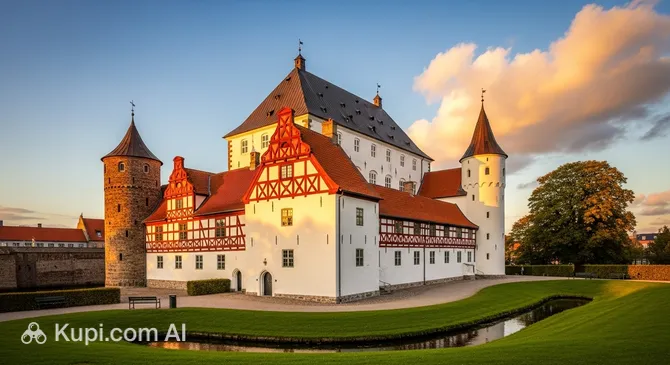
History buffs will appreciate a visit to Aalborghus Castle, a half-timbered castle located near the waterfront. Built in the mid-16th century, it was originally intended as a fortification but served primarily as the residence for the king's provincial governors. Today, visitors can walk through the park surrounding the castle and explore the dark, atmospheric underground dungeons and casemates, which provide a stark contrast to the scenic views of the Limfjord nearby.

Aalborghus Castle. Source: Kupi.Binoculars

Local Cuisine

The culinary scene in Aalborg is a delightful reflection of Northern Jutland’s rich pantry, blending traditional Danish comfort food with modern gastronomic trends. Thanks to its location along the Limfjord, the city has access to some of the freshest seafood in Denmark, making it a fantastic destination for food lovers. Whether you are looking for a quick bite at a street market or a hearty meal in a historic setting, Aalborg offers flavors that are both authentic and memorable.

No visit to Denmark is complete without trying Smørrebrød, the famous open-faced sandwich. In Aalborg, these are often piled high with local ingredients like pickled herring, roast pork, or plaice fillet on dense rye bread. Another local specialty you must try is the Limfjord oyster or mussels. The cool waters of the fjord produce shellfish known for their firm texture and subtle, salty flavor, which are considered a delicacy throughout the country. For a classic hot dish, look for Stegt Flæsk med Persillesovs (fried pork belly with parsley sauce), often voted Denmark's national dish.

When it comes to drinks, the city is world-renowned for Aalborg Akvavit. This distilled spirit, often simply called "snaps," has been produced here for over a century. It is traditionally enjoyed chilled as a companion to herring dishes during lunch. The most iconic variety is "Rød Aalborg," known for its distinct caraway flavor. Beer enthusiasts will also find plenty to enjoy, as the city has a thriving culture of microbreweries and pubs serving local craft beers.

The dining culture in Aalborg is relaxed and social. A popular spot for both locals and tourists is Aalborg Street Food (The Lighthouse), located in the West End. Here, you can sample diverse cuisines from various stalls in a lively, communal atmosphere near the waterfront. For a more traditional restaurant experience, the city center is packed with options ranging from cozy inns to upscale eateries.

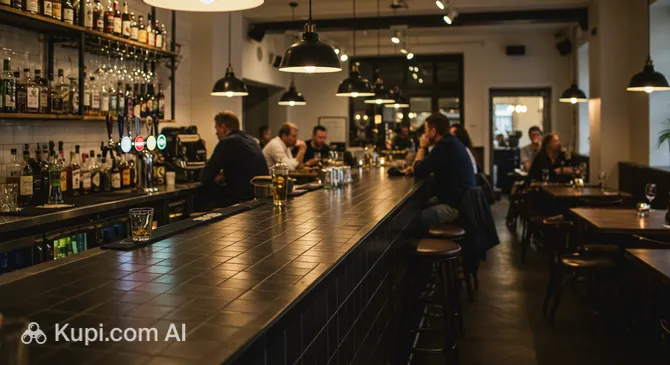
Wildebeest Gastropub. Source: Kupi.Binoculars

If you are looking for a place with a unique atmosphere, you might visit Wildebeest Gastropub. It is known for its hearty sliders and wide selection of beers, making it a great spot to unwind after a day of sightseeing. Alternatively, for those craving Italian flavors in a Nordic setting, Fellini Restaurant offers a classic dining experience. The city's famous party street, Jomfru Ane Gade, is not just for nightlife; during the day, its outdoor terraces are perfect for enjoying a meal and watching the world go by.

Travel Tips

Aalborg is a city that invites exploration, but a little preparation goes a long way in ensuring a smooth and enjoyable trip. Here are some essential tips to help you navigate local customs, weather patterns, and logistics like a seasoned traveler.

  1. Clothing and Gear: The weather in Northern Jutland can be changeable, so packing layers is the best strategy. Even in summer, a windproof and waterproof jacket is highly recommended due to the coastal breeze. Since you will likely do a lot of walking on cobblestone streets, bring comfortable, sturdy shoes. Denmark uses Type K power outlets (230V), though Type C and F plugs often fit; bringing a universal adapter is a safe bet.
  2. Transportation: The city center is compact and best explored on foot. For destinations further afield, the local bus network is reliable and efficient. However, to truly experience the city like a local, consider renting a bicycle. Aalborg is extremely bike-friendly with extensive paths. Taxis are available but can be quite expensive, so public transport is generally the more budget-friendly choice.
  3. Finances: The local currency is the Danish Krone (DKK). Denmark is a leader in cashless transactions, and international credit or debit cards are accepted almost everywhere, including small cafes and market stalls. You will rarely need cash, but ATMs are widely available if you do. Tipping is not mandatory as service is included in the bill, though rounding up for exceptional service is a nice gesture.
  4. Health and Safety: Aalborg is known for being a very safe city with low crime rates. Pharmacies are identified by the sign Apotek and are generally open during standard business hours, with specific locations serving as 24-hour emergency pharmacies. For any serious emergencies, the universal number to dial is 112.
  5. Communication: The main language is Danish, but English is spoken fluently by nearly everyone, so you will have no trouble communicating. Buying a local SIM card is easy at convenience stores like 7-Eleven, though free Wi-Fi is widely available in hotels, cafes, and on public transport. The "Rejseplanen" app is an indispensable tool for planning any public transport journeys.
  6. Local Etiquette: Danes value punctuality, so try to be on time for any appointments or tours. Greetings are typically casual, with a firm handshake being the standard. The concept of hygge—creating a cozy, warm atmosphere—is central to the culture, so keep social interactions relaxed and friendly. If you are invited to a private home, it is customary to remove your shoes at the door.
  7. What to Avoid: The most important rule for pedestrians is to never walk in the bike lanes. Cyclists ride fast and expect their path to be clear; stepping into the bike lane is not only frowned upon but can be dangerous. Additionally, avoid jaywalking, as locals respect traffic signals strictly, even when the roads seem empty.
  8. Shopping Hours: Be mindful that shop opening hours may be shorter than you expect. While grocery stores often stay open late, many boutiques and high street shops close early on Saturdays (often around 2:00 PM or 4:00 PM) and remain closed on Sundays. It is best to plan your souvenir shopping for weekdays or Saturday mornings.

With these practical insights in mind, you are all set to fully enjoy the charm and hospitality of Aalborg. Whether you are cycling along the waterfront or enjoying a cozy meal in the city center, you will feel right at home in this welcoming northern destination.

Entertainment & Nightlife

Aalborg is renowned across Denmark for its vibrant nightlife, which punches well above its weight for a city of its size. The epicenter of this energy is undoubtedly Jomfru Ane Gade, affectionately known simply as "The Street." This pedestrian street is packed with a continuous row of bars, discos, and pubs, making it one of the longest continuous nightlife stretches in Scandinavia. Whether you are looking for a quiet beer, live music, or a dance floor that stays open until dawn, this famous district has it all.

The atmosphere on "The Street" is electric, especially on Friday and Saturday nights when locals and visitors flock to the area. While the crowd tends to be younger and more energetic here, there are plenty of venues catering to a more mature audience in the surrounding side streets. For a sophisticated evening, Cafe Vesterå is a popular choice. Located near the waterfront, it transitions seamlessly from a relaxed café during the day to a stylish cocktail bar and club at night, often featuring DJs and a trendy crowd.

Cafe Vesterå. Source: Kupi.Binoculars

If you prefer a more interactive night out, Dice 'n Drinks offers a refreshing alternative to the traditional bar scene. This board game café boasts a library of hundreds of games, allowing you to challenge friends while enjoying professionally mixed cocktails or local craft beers. It is a fantastic spot to start the evening or spend a cozy night indoors, particularly during the colder months.

For those interested in the gastropub culture, Wildebeest Gastropub remains a favorite for its rustic decor and extensive selection of beverages. It is an ideal place to warm up with a hearty meal and a drink before heading out to explore the livelier clubs. Most nightlife venues in Aalborg do not have a strict dress code; smart-casual attire is generally acceptable everywhere. Bars typically stay open late, often until 5:00 AM on weekends, though it is wise to arrive before midnight to avoid long queues at popular clubs.

Safety is rarely a concern in Aalborg, even at night. The city center is well-lit and populated, but as with any travel destination, it is best to stay in main areas. Taxis are readily available at designated stands near Jomfru Ane Gade, or you can call a local company like DanTaxi to ensure a safe ride home. Prices for drinks and entry fees can be on the higher side, typical of Denmark, so budgeting accordingly is recommended.

During the day, entertainment in Aalborg shifts towards active and family-friendly pursuits. Adventure seekers can visit the Aalborg Climbing Park, where treetop courses offer challenges for all skill levels amidst beautiful woodland. Families with children might enjoy Leo's Playland, a large indoor amusement center perfect for burning off energy. For a different kind of excitement, you can catch a horse race at the Racing Arena Aalborg, which hosts events regularly and offers a glimpse into local sporting culture.

Parks & Museums

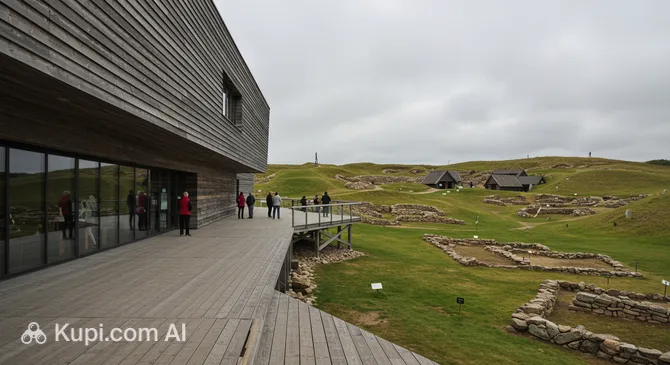
Aalborg offers a fascinating variety of museums that cater to diverse interests, ranging from ancient history to cutting-edge design. A highlight for many visitors is the Lindholm Høje Viking Museum, situated next to one of Scandinavia's most significant burial sites. The museum provides a captivating insight into the Viking Age and the Iron Age, showcasing artifacts recovered from the graves that were once preserved under layers of drifting sand. The indoor exhibitions vividly reconstruct the daily lives, trade, and culture of the people who inhabited this area over a thousand years ago.

Lindholm Høje Viking Museum. Source: Kupi.Binoculars

For admirers of modern architecture, the Utzon Center is an unmissable landmark on the waterfront. Designed by the world-renowned architect Jørn Utzon, this dynamic cultural hub is not just a museum but a space for experimentation and learning. It hosts rotating exhibitions focused on architecture, design, and art, often encouraging visitor interaction. The building itself, with its distinctive roof inspired by maritime shapes, is a tribute to Utzon's legacy and his connection to the city.

Those with an interest in military and maritime history will find plenty to explore. The Springeren Maritime Experience Centre offers a hands-on journey through seafaring traditions, featuring a real submarine that visitors can board. Meanwhile, the Defence and Garrison Museum occupies a massive historic hangar. Here, you can get up close to an extensive collection of military vehicles, fighter jets, and equipment used by the Danish armed forces throughout the 20th century.

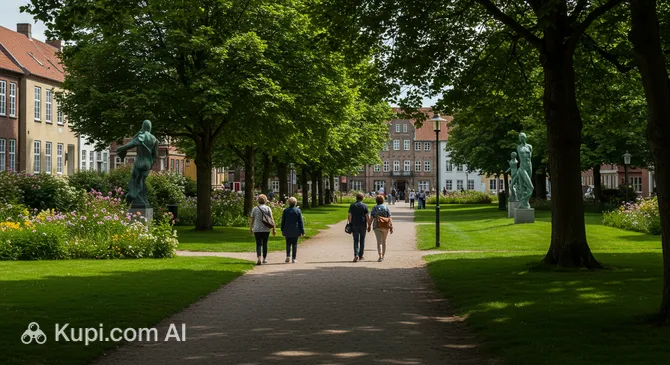
When you need a break from sightseeing, the city's parks provide lush, green retreats. Kildeparken, the city's oldest public park, is a favorite gathering spot for locals and the venue for many cultural festivities. Beyond its famous singing trees, the park features classic statues, fountains, and open lawns that are perfect for a relaxing afternoon walk.

Kildeparken. Source: Kupi.Binoculars

Another serene escape is Østre Anlæg Park, located in the eastern part of the city. It is a haven for birdwatchers and nature lovers, centered around a large lake with abundant birdlife and colorful flowerbeds. For panoramic views, you can head to Sohngårdsholm Park, a scenic area that offers beautiful rolling landscapes and is conveniently located adjacent to a popular golf course, making it a great spot for a scenic stroll.

Getting Around

Navigating Aalborg is straightforward and efficient, thanks to a well-organized public transport network managed by Nordjyllands Trafik (NT). Since the city does not have a metro or tram system, the backbone of local transit is an extensive fleet of buses that covers the city center and the surrounding suburbs. Complementing the buses is a local train service, the Aalborg Commuter Railway, which connects the main station with outlying districts like Skalborg, Vestby, and Lindholm, making it easy to cross the greater urban area quickly.

A standout feature of the city's transport infrastructure is the recently introduced Plusbus. This is a Bus Rapid Transit (BRT) system that functions similarly to a light rail or tram but on rubber wheels. These extra-long, environmentally friendly buses run in dedicated lanes, ensuring high frequency and rapid travel across the city from the western districts to the university area in the east. If you are looking for a fast way to get from the city center to major hubs, the Plusbus is your best option.

For payment, the system operates on a zone-based fare structure. The most convenient option for tourists is to use digital solutions. The Rejsebillet or NT Billet mobile apps allow you to purchase single tickets or special event passes directly on your phone. Alternatively, you can use the nationwide Rejsekort (Travel Card) if you plan to travel extensively across the region. While you can buy cash tickets from bus drivers (usually only with coins), it is generally more expensive and less convenient than using the apps or a travel card.

When using the bus, you typically board at the front and exit through the rear or middle doors. However, on the Plusbus lines, you can board through any door, similar to a metro system. If you use a Rejsekort, remember to "Check In" at the blue stand when boarding and "Check Out" when alighting to avoid a penalty fare. Buses run frequently from early morning until late evening, and a network of night buses operates on weekends to ensure you can get home safely after enjoying the local nightlife.

Beyond traditional public transport, cycling is an extremely popular alternative. The city is designed with cyclists in mind, featuring wide, safe bike lanes everywhere. Renting a bicycle is a fantastic way to blend in with the locals and see the sights at your own pace. Several hotels offer rental bikes, and there are various bike-sharing schemes available. Taxis are also readily available and reliable, though they tend to be significantly more expensive than public transit; they can be booked via phone or apps like DanTaxi, or found at designated ranks near major attractions.

For a unique local experience, you might also encounter the small ferries that connect the city to the island of Egholm in the Limfjord. While technically part of the transport network, the short ferry ride feels more like a scenic excursion and is a charming way to access nature just minutes from the urban center.

Accommodation

Finding the perfect place to stay in Aalborg is relatively easy, as the city offers a welcoming variety of accommodation options to suit different tastes and budgets. Whether you are looking for a luxurious suite with a view of the Limfjord, a charming bed and breakfast, or a functional hostel for a quick stopover, the city is well-equipped to host you. The hospitality standards are generally high, ensuring a comfortable stay regardless of the category you choose.

For most travelers, the City Center is the most convenient area to base yourself. Staying here puts you within walking distance of major landmarks and the bustling pedestrian shopping streets. It is also ideal for those who want to experience the famous nightlife without worrying about transport late at night. Another highly sought-after location is the Waterfront (Havnefront). This revitalized area offers modern hotels with scenic views of the water and easy access to cultural hotspots like the Utzon Center and Musikkens Hus.

If you prefer a quieter atmosphere, there are several cozy guesthouses and smaller hotels located just outside the immediate center. For budget-conscious travelers and backpackers, the city provides well-maintained hostels and camping sites near the edge of town, offering a more nature-oriented experience while still being accessible by the efficient local bus network.

Booking Tips: Aalborg is a popular destination, especially during the summer months and when major cultural events or conferences are taking place. It is highly recommended to book your accommodation well in advance to secure the best rates and availability. Prices in Denmark can be higher than the European average, so expect a mid-to-high price range for standard hotels. Booking through major online platforms is the standard method, though checking a hotel's direct website can sometimes yield special offers.

Nearby Cities

For those looking to explore the surroundings, Aalborg serves as an excellent base for day trips to several interesting nearby locations:

Located just a short drive south, Viborg is one of Denmark’s oldest and most historically significant cities. It was once the ancient capital of Jutland and remains a cultural gem today. The city is dominated by the magnificent Viborg Cathedral, famous for its stunning frescoes, and offers a charming center filled with medieval streets and parks that are perfect for a leisurely stroll.

If you prefer the coast, Frederikshavn on the northeast coast offers a distinct maritime atmosphere. Known as a gateway to Scandinavia due to its busy ferry port, the town also boasts the unique Palmestranden (Palm Beach), where real palm trees decorate the white sands during the summer months. It is a lively town with a strong connection to the sea and naval history.

Another fascinating destination is Randers, situated at the mouth of Denmark's longest river, the Gudenå. This city is famous for the Randers Regnskov, a massive indoor tropical rainforest zoo that is a hit with families. Additionally, music fans are often surprised to find the Memphis Mansion here, a replica of Elvis Presley’s home that serves as a museum and American-style diner.

City Population Distance (km)
Randers 62802 66
Viborg 41239 74
Hjorring 25764 46
Norresundby 23718 1
Frederikshavn 23501 57

These nearby destinations offer a glimpse into the diverse culture and landscapes of the region.

Shopping & Souvenirs

Shopping in Aalborg is a delightful experience that combines the charm of a historic merchant town with the convenience of modern retail. The city center is compact and pedestrian-friendly, allowing visitors to browse through a mix of high-street fashion, exclusive Danish design boutiques, and quirky specialty stores without the need for transportation. Whether you are looking for the latest Nordic trends or traditional craftsmanship, the relaxed atmosphere makes retail therapy here a pleasure rather than a chore.

The heart of the city's shopping scene beats along the two main pedestrian streets, Bispensgade and Algade. These connecting thoroughfares form a long, bustling artery filled with well-known international chains, flagship stores, and popular Danish brands. For a more unique experience, venture into the charming side streets such as Nørregade and Gravensgade. Here, you will find independent boutiques, vinyl shops, and local artisans selling everything from handmade jewelry to vintage clothing, offering a distinct contrast to the mainstream options on the main strip.

If you prefer having everything under one roof, Aalborg boasts excellent shopping centers. Located right in the city center is Friis Shoppingcenter, a modern mall with a wide selection of fashion and lifestyle shops. Just a stone's throw away is the historic Salling department store, which not only offers high-end goods but also features a spectacular rooftop terrace with panoramic views. For a massive retail excursion, you can take a short bus ride to Aalborg Storcenter in the City South district, which houses over 75 stores and a large hypermarket.

For those who enjoy a more rustic shopping atmosphere, the city hosts several markets. Fresh produce, flowers, and local delicacies can often be found at the outdoor market on C.W. Obels Plads on Wednesdays and Saturdays. Additionally, the cultural hub Nordkraft frequently hosts flea markets, lifestyle fairs, and creative bazaars within its raw, industrial setting. It is a fantastic place to hunt for second-hand treasures or locally produced art in a venue that buzzes with energy.

Nordkraft. Source: Kupi.Binoculars

When searching for the perfect souvenir, look for items that embody the Danish spirit. Danish design products, such as ceramics from Royal Copenhagen or wooden figures by Kay Bojesen, are timeless classics available in many downtown shops. A bottle of the local Aalborg Akvavit (snaps) is a must-buy for spirits enthusiasts, representing the city's distilling heritage. Alternatively, adventurous palates might appreciate premium gourmet licorice, a favorite treat across Scandinavia.

Standard opening hours for shops in Aalborg are typically from 10:00 AM to 5:30 PM on Mondays through Thursdays, with slightly later closing times on Fridays, usually around 6:00 PM or 7:00 PM. Saturday hours are shorter, often closing by 2:00 PM or 4:00 PM, and most shops remain closed on Sundays, except for the first and last Sunday of the month or during holiday seasons. Payment is seamless, as Denmark is largely a cashless society; major credit and debit cards are accepted almost everywhere, even for small amounts.

Tourists residing outside the EU may be eligible for tax-free shopping. Look for the "Global Blue" or "Tax Free" signage in store windows. If you spend above a certain threshold in a participating store, you can request a refund form to claim back the VAT upon your departure from the European Union, making your Danish design purchases even more attractive.

Reached the end of the page?

That means the route is fully explored