Support

Trollhättan

About

Welcome to Trollhättan, a captivating destination where the raw power of nature meets industrial innovation. Located in Västra Götaland County in Sweden, this city is renowned for its dramatic waterfalls and its significant contribution to the country's engineering legacy. With a population of approximately 60,000 residents, it offers a lively yet relaxed atmosphere for travelers exploring the scenic western landscapes of Scandinavia.

Trollhättan. Source: Kupi.Binoculars

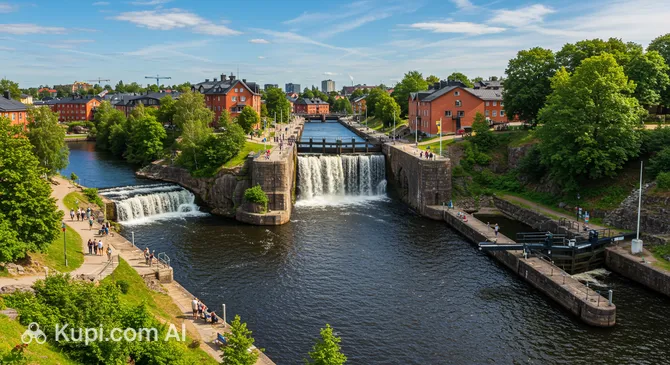
The city owes much of its character to the mighty Göta Älv river. The history of Trollhättan is intricately linked to the river's falls and the impressive lock systems that have facilitated trade and transport for centuries. Today, the Trollhättefallen (Trollhättan Falls) remain a spectacular sight, especially on specific days during the summer when the floodgates are opened, releasing a thundering surge of water that is truly mesmerizing to witness.

Beyond its natural wonders, the city is famous as the creative heart of the Swedish film industry, earning it the nickname "Trollywood." Movie buffs and technology enthusiasts will also appreciate the Saab Car Museum and the interactive Innovatum Science Center, which showcase the region's rich industrial prowess. Whether you are walking along the scenic canal paths or exploring its modern cultural venues, Trollhättan invites you to enjoy a unique blend of outdoor beauty and human ingenuity.

Weather Overview

Trollhättan experiences a temperate climate with distinct seasonal changes, offering a different atmosphere depending on when you choose to visit. To ensure you pack the right clothing for your trip, it is helpful to review the current weather in Trollhättan. Generally, the city enjoys mild, pleasant summers and cold winters where temperatures frequently hover around the freezing mark.

During the warmest months of June, July, and August, average temperatures settle between 16°C and 17°C, with daytime highs often reaching approximately 20°C. However, travelers should be prepared for mixed conditions, as this period also sees a significant number of wet days, particularly in August. Winters, spanning from December to February, are much colder, with average temperatures dropping to near 0°C and lows dipping to around -1.7°C. Since precipitation occurs frequently throughout the year, with wet days ranging from 8 to 17 days per month, bringing a waterproof jacket is recommended regardless of the season.

Interesting Facts

Beyond the main attractions, Trollhättan holds many fascinating secrets that reveal its dual identity as an industrial powerhouse and a cultural hub. From cinematic fame to unique mechanical history, the city offers several surprises for the curious traveler.
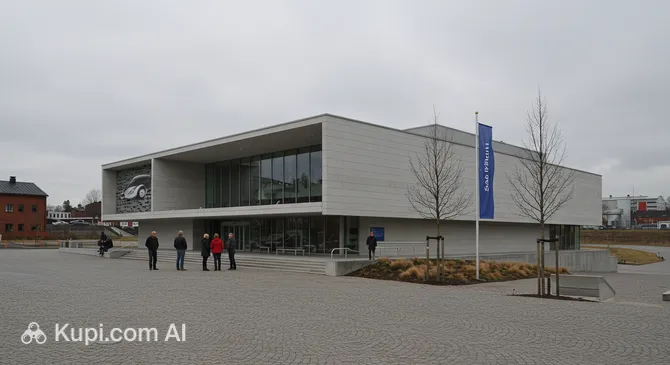
Saab Car Museum. Source: Kupi.Binoculars
  • Often referred to as "Trollywood," the city is the headquarters of Film i Väst, the largest film production center in Scandinavia. Visitors can walk along the Walk of Fame on Storgatan, which features golden stars dedicated to renowned actors like Nicole Kidman and Stellan Skarsgård who have filmed major productions in the area.

  • Automotive history runs deep here, as the city is the birthplace of the Saab automobile brand. The Saab Car Museum houses a unique collection including the "Ursaab," the very first prototype hand-built by aircraft engineers in 1947, which set the standard for the brand's aerodynamic design.

  • For a whimsical experience, Scrap-Nisse's Playground offers a creative environment based on the beloved Swedish character Skrotnisse. Unlike typical parks, this attraction is designed with imaginative, mechanic-themed structures and scrap-metal aesthetics that playfully pay homage to the city's industrial heritage.

  • Locals know that the best panoramic views are found at Kopparklinten, a dramatic viewpoint overlooking the Göta Älv river. From this vantage point, you can clearly see how the impressive lock system and the urban landscape are carved into the rugged, granite terrain.

How to Get There

Reaching this industrial and cultural gem in western Sweden is straightforward, thanks to its proximity to major transport hubs. Whether you are arriving from within Scandinavia or further abroad, you have several convenient options. For a detailed guide on all available routes, you can read more about how to get to Trollhättan.

The city of Trollhättan does not have its own major international airport, so most visitors fly into Göteborg Landvetter Airport (GOT) in Gothenburg. Located approximately 68.5 km away, it is the primary gateway for the region. The journey from the airport to Trollhättan by car typically takes about 1 hour. Alternatively, travelers can take an airport bus to Gothenburg city center and transfer to a train. Another option is Karlstad Airport (KSD) in Karlstad, situated around 143 km from the city, though it offers fewer connections.

For clarity, here is a summary of the main airports:

Airport Name City Passenger Traffic Km from City
Göteborg Landvetter AirportGothenburgLarge68.5
Torp Sandefjord AirportOsloMedium154.6
Halmstad AirportHalmstadSmall180.2
Orebro-Bofors AirportOrebroSmall190.6
Karlstad AirportKarlstadSmall142.9

If you prefer traveling by rail, the region is well-connected via key stations in neighboring cities. The closest major railway hub is Gothenburg Central Station in Gothenburg, located about 70.6 km from Trollhättan. It is the primary mode of public transport for reaching the city, with frequent trains completing the journey in approximately 40 minutes. For those arriving from Norway, Oslo Central Station is a major transit point, situated roughly 224 km away, offering connections towards western Sweden.

Below is a list of relevant railway stations in the wider region:

Station City Passenger Traffic Km to Center
Oslo Central StationOsloVery Large224.3
Gothenburg Central StationGothenburgVery Large70.6
Nationaltheatret StationOsloLarge201.4
Orebro Central StationOrebroMedium202.3
Aalborg Railway StationAalborgMedium197.6

Main Attractions

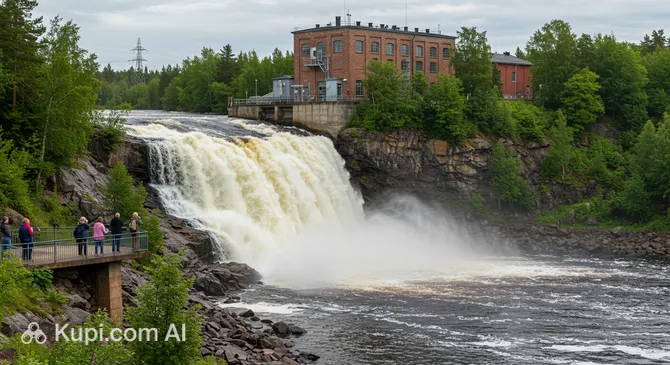
The crown jewel of the city is undoubtedly the spectacular Trollhättan Falls. While the water is often diverted through hydroelectric power plants, specific times during the summer months see the floodgates open, releasing a majestic torrent of 300,000 liters of water per second into the riverbed. This dramatic display of nature's power draws thousands of visitors and offers a breathtaking contrast to the surrounding serene landscape.

Trollhättan Falls. Source: Kupi.Binoculars

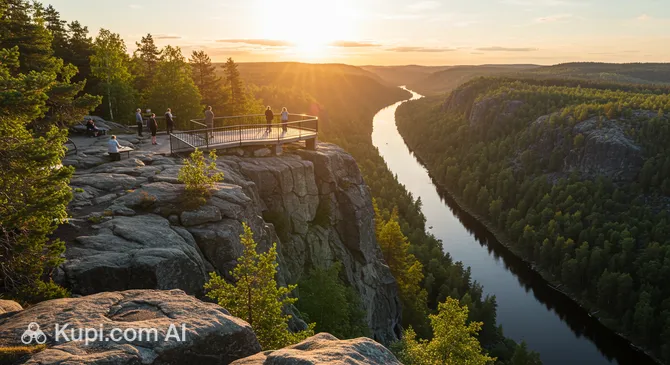
For those seeking the perfect vantage point to appreciate the region's geography, Kopparklinten is an essential stop. This lookout point, situated high above the river on the western side, provides sweeping panoramic views over the city, the locks, and the winding Göta Älv. It is a favorite spot for photographers and nature lovers who want to capture the unique blend of industrial heritage and rugged natural beauty that defines the area.

Kopparklinten. Source: Kupi.Binoculars

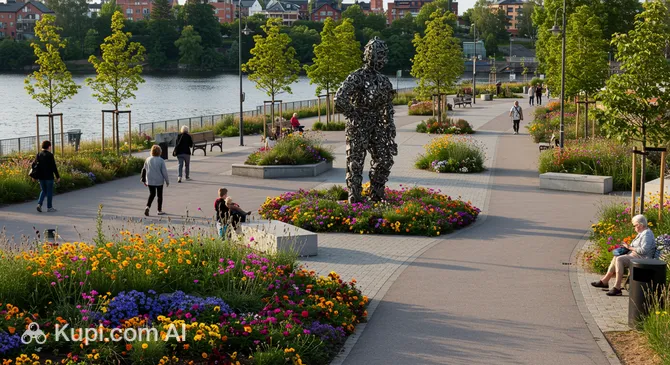
Families traveling with children will find a delightful escape at Scrap-Nisse's Playground, located within the Innovatum District. Based on the beloved Swedish character Skrotnisse, this imaginative play area is far from ordinary, featuring slides and climbing structures designed to look like old tools and machinery. It is a fantastic way to introduce younger visitors to the city's mechanical history in a fun, interactive, and safe environment.

Scrap-Nisse's Playground. Source: Kupi.Binoculars

Another highlight for technology enthusiasts is the Saab Car Museum. This facility preserves the legacy of one of Sweden's most iconic automobile manufacturers, displaying around 70 vehicles that trace the brand's evolution from its aerospace roots to its final models. It serves as a fascinating journey through design and engineering history, making it a must-visit for car aficionados and history buffs alike.

Local Cuisine

The culinary scene in Trollhättan offers a delightful taste of West Sweden, blending fresh ingredients from the nearby coast with hearty produce from the inland forests. Visitors can expect a focus on high-quality, locally sourced raw materials, ranging from fresh seafood to game meat. One dish you simply must try while in the region is the iconic Räkmacka (shrimp sandwich). Often served as a towering mound of hand-peeled shrimp, egg, mayonnaise, and dill on rye bread, it is a staple of the area's gastronomy and a favorite lunch option for locals.

For those seeking traditional Swedish comfort food, known as husmanskost, look for menus featuring classic meatballs served with creamy mashed potatoes, brown sauce, and tart lingonberries. Given the surrounding forests, it is also common to find game dishes such as elk or venison, particularly during the autumn months. These rich, savory meals provide the perfect fuel after a day of exploring the waterfalls and locks.

No culinary guide to Sweden would be complete without mentioning fika, the cherished social institution of enjoying coffee with a sweet treat. In Trollhättan, cafes are bustling with people taking a pause to enjoy a strong cup of coffee accompanied by a kanelbulle (cinnamon bun) or a slice of green marzipan-covered prinsesstårta. This coffee culture is deeply ingrained in the city's rhythm and offers a cozy way to mingle with residents.

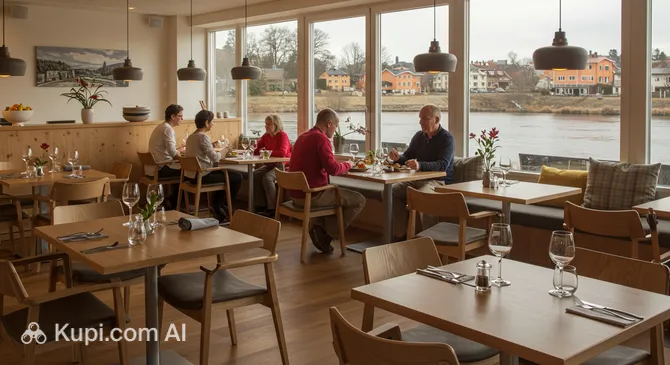
Albert Kitchen Hotel & Conference. Source: Kupi.Binoculars

The dining landscape in the city is diverse, ranging from award-winning kitchens to relaxed street food spots. For a refined experience that combines gastronomy with scenic beauty, Albert Kitchen Hotel & Conference is a standout choice. Perched high above the town, it is renowned for its modern interpretation of Swedish classics and offers spectacular views over the Göta Älv river and the falls, making it a popular destination for celebratory dinners.

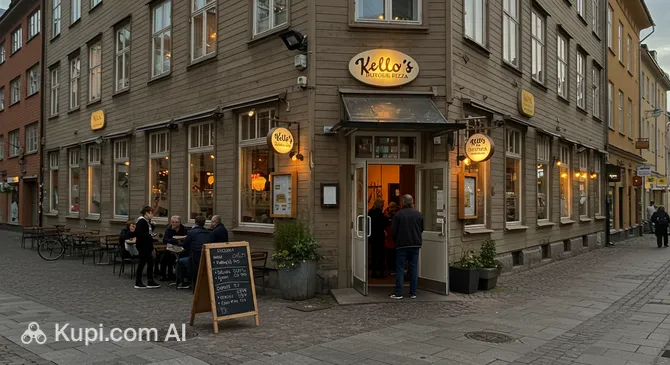
If you prefer a more casual atmosphere, the city center hosts various international options and fast-food eateries. Travelers looking for a quick and satisfying meal might visit Kello's Burger & Pizza, which serves hearty portions in a laid-back setting. Whether you choose a white-tablecloth establishment or a simple bistro, the local hospitality is always warm and welcoming.

When it comes to drinks, tap water in Sweden is of exceptional quality and is served at every table. For something stronger, local craft beers have gained popularity, and during festive meals, you might encounter snaps or akvavit, a spiced spirit traditionally sung down with a drinking song. Non-alcoholic options like lättöl (light beer) and locally pressed fruit juices are also widely available.

Travel Tips

Preparing for a trip to Trollhättan is straightforward, as the city is well-organized and welcoming to international visitors. To help you navigate local customs and logistics with ease, here are some essential practical tips to ensure your stay is as smooth as possible.

  1. Clothing and Gear: The weather can be changeable, so dressing in layers is the best strategy regardless of the season. A waterproof jacket is essential, as rain showers can occur year-round. Since exploring the locks and the Trollhättan Falls area involves walking on uneven terrain and hills, bring sturdy, comfortable walking shoes. Sweden uses Type F electrical outlets (standard European two-pin plugs), so bring an adapter if your devices use a different standard.
  2. Transportation: The city center is compact and very walkable, making it easy to explore on foot. For longer distances, the local public transport system is efficient and operated by Västtrafik. It is highly recommended to download the "Västtrafik To Go" app to buy bus tickets, as you cannot pay with cash on board. Taxis are available but can be expensive; stick to reputable companies or book via an app.
  3. Finances: The local currency is the Swedish Krona (SEK). However, Sweden is one of the most cashless societies in the world. Many shops, cafes, and attractions in Trollhättan do not accept cash at all. Ensure you have a valid credit or debit card (Visa and Mastercard are widely accepted) with a PIN code. Tipping is not mandatory, but rounding up the bill to the nearest ten or leaving a small amount for exceptional service is appreciated.
  4. Health and Safety: Trollhättan is a very safe city for tourists. Pharmacies are marked with a green cross or the word Apotek and carry most standard medications. For emergencies, dial 112. A great money-saving and health tip is to drink the tap water; it is of exceptional quality and safe to consume everywhere.
  5. Communication: The official language is Swedish, but English is spoken fluently by the vast majority of the population. You will have no trouble communicating in hotels, restaurants, or shops. Learning a few basic words like Hej (Hello) and Tack (Thank you) is a polite gesture that locals appreciate. Free Wi-Fi is commonly available in public spaces, cafes, and on trains.
  6. Local Etiquette: Swedes value personal space and order. If you see a queue, join the back of it and wait your turn; cutting in is considered very rude. In many shops, banks, and pharmacies, you must take a numbered ticket from a dispenser near the entrance and wait for your number to be called. Punctuality is also highly valued, so try to be on time for any bookings or tours.
  7. What to Avoid: Do not walk in the bicycle lanes. Swedes commute extensively by bike, and the lanes are often busy and fast-moving; walking there is dangerous and frowned upon. Also, avoid being overly loud in public places, as the local culture tends to favor a calm and modest demeanor.
  8. Water Release Schedule: If you are visiting during the summer months (typically June to August), check the schedule for the opening of the floodgates at the falls. This event usually happens at 15:00 on specific days and is the highlight of any trip here. Arrive early to secure a good viewing spot on the bridge or the surrounding cliffs.

With these practicalities in mind, you are all set to explore the dramatic waterways and industrial history of this unique Swedish city. Enjoy the relaxed pace, the fresh air, and the stunning views that make a visit to Trollhättan so memorable.

Entertainment & Nightlife

While Trollhättan is not primarily known as a bustling metropolis for hard-partying nightlife, it offers a pleasant and varied evening scene that caters well to locals and visitors alike. The nightlife here is characterized by a relaxed and friendly atmosphere, where the focus is often on socializing in cozy pubs, enjoying live music, or dining late into the evening. The presence of University West adds a youthful energy to the city, ensuring that weekends, in particular, are lively and spirited.

The heart of the action is found in the city center, particularly around Storgatan and the pedestrian zones near Kungsgatan. Here, you will find a concentration of sports bars, English-style pubs, and lounges where friends gather to watch games or enjoy locally brewed beers. During the summer months, the activity shifts towards the canal and the riverfront, where outdoor terraces (uteserveringar) fill up with people enjoying the long Nordic evenings. The vibe is generally casual, and you will rarely need to worry about a strict dress code unless you are attending a specific gala or formal event.

For those seeking a sophisticated evening with a touch of elegance, Albert Kitchen Hotel & Conference is an excellent choice. Situated high above the town, it is not just a place for fine dining but also a wonderful spot to enjoy a cocktail or a glass of wine while taking in the stunning illuminated views of the city and the Göta Älv valley. It offers a quieter, more romantic setting compared to the louder bars in the center.

If you prefer a more laid-back environment or find yourself hungry after a night out, Kello's Burger & Pizza provides a casual setting to grab a bite and hang out. It serves as a convenient stop for those moving between bars or ending their evening, offering a straightforward menu that hits the spot when you need comfort food.

Kello's Burger & Pizza. Source: Kupi.Binoculars

Practical advice for a night out in Trollhättan revolves around timing and transport. Most bars and clubs close around 02:00, though some may stay open later on Fridays and Saturdays. Prices for alcohol are standard for Sweden, which can be higher than in many other European countries, so it is common to start the evening with a "förfest" (pre-party) at home if you are with locals. The city is very safe for night walks, even in the late hours. However, if you are staying outside the immediate center, local taxi companies are reliable. It is advisable to book a taxi in advance on weekends, as demand can peak when the bars close.

Beyond the nightlife, Trollhättan offers diverse daytime entertainment options that complement its industrial history. Culture lovers can visit the city's cinema, Biostaden, which screens the latest international films, or enjoy a performance at the Folkets Hus cultural center. For a mix of activity and leisure, there are bowling alleys and the popular Saab Car Museum, which, while primarily educational, often hosts events and gatherings that celebrate the city's unique heritage.

Parks & Museums

Trollhättan offers a fascinating mix of lush green spaces and rich cultural heritage, where industrial history is seamlessly woven into the natural landscape. From serene islands in the middle of the river to museums celebrating Swedish engineering, the city provides ample opportunities for both relaxation and discovery.

One of the most popular green oases in the city is Spikön, a beautiful island located in the Göta Älv river. Accessible via footbridges, this park serves as a recreational hub for locals and visitors alike, featuring winding walking paths, a guest harbor, and lush lawns perfect for picnics. It is also home to Scrap-Nisse's Playground, a unique attraction that delights children with its imaginative, mechanics-inspired design, making the island a family-friendly destination.

For those seeking a more rugged natural experience, the Älvrummet Nature Reserve connects the city's waterfalls with the lock area. This area is crisscrossed by hiking trails, including the romantic "Love Path" (Kärleksstigen), which winds through ancient forests along the riverbanks. Within this reserve, you can find Kopparklinten, a majestic viewpoint that offers sweeping panoramas of the valley. The reserve is an excellent spot to witness the raw power of nature, especially near the Trollhättan Falls, where the dramatic landscape showcases the geological forces that shaped the region.

In terms of culture, the city is a pilgrimage site for automotive enthusiasts due to the Saab Car Museum. Located in the Innovatum District, this museum houses a comprehensive collection of Saab vehicles, ranging from the very first prototype to the last models produced. It offers a deep dive into the design philosophy and technical innovation that placed this Swedish brand on the global map.

Adjacent to the car museum is the Innovatum Science Center, a dynamic venue that bridges the gap between history and the future. Housed in renovated industrial buildings, it offers interactive exhibits focused on technology, media, and engineering. It is a place where visitors of all ages can engage with hands-on experiments, reflecting the city's ongoing legacy as a center for industrial creativity.

History buffs should not miss the Lock Area (Slussområdet), where three generations of lock systems illustrate the evolution of engineering from the 1800s to today. Walking alongside these impressive stone structures gives a sense of the monumental effort required to make the river navigable. Nearby stands the Olidan Power Station, an architectural masterpiece built of granite that resembles a castle more than a power plant, symbolizing the era when industrial buildings were designed with immense national pride.

For a quieter, authentic experience, take a stroll along the Trollhättan Canal towards the old lock keepers' cottages. In the summer, a small café often opens in one of the historic buildings, offering a peaceful spot to enjoy a coffee while watching boats navigate the intricate lock systems, far removed from the bustle of the main town.

Getting Around

Public transport in Trollhättan is efficient, modern, and reliable, making it easy for visitors to navigate the city and its surroundings without a car. The system is integrated into the wider regional network operated by Västtrafik, which covers the entire county. Since the city center is relatively compact, many attractions are within walking distance, but the bus network is essential for reaching specific sites like the locks, the waterfalls, or the commercial districts on the outskirts.

The primary mode of public transport within the city is the bus. There is no metro or tram system here. Local city buses are typically easily recognizable and frequent, with the main hub located at Drottningtorget in the city center, just a short walk from the central railway station. These buses connect all major residential areas, the Innovatum District, and the hospital. For those wishing to explore further afield, regional buses and commuter trains (Västtågen) provide excellent connections to nearby towns, operating from the travel center (Resecentrum).

When it comes to paying for your journey, it is crucial to know that the system is almost entirely cashless. You cannot buy a ticket from the driver with cash. The most convenient way to pay is by downloading the Västtrafik To Go app. This mobile application allows you to purchase single tickets, day passes, and period cards directly on your phone. Tickets bought via the app are valid immediately or can be activated when you start your trip. The app also serves as a journey planner, showing real-time departures and the best routes.

If you prefer not to use a smartphone, you can purchase a physical travel card or single tickets at sales agents, such as Pressbyrån or 7-Eleven convenience stores, and at the Västtrafik service center at the train station. If you have a physical card, you must tap it against the card readers located onboard the bus or on the train platform to validate your ride. Prices are determined by zones; Trollhättan falls into Zone C. A standard single ticket is valid for 90 minutes, allowing for unlimited transfers within that time frame.

For those who prefer active travel, Trollhättan is a very bicycle-friendly city. There is an extensive network of cycle paths that separate bikes from car traffic, making it safe and enjoyable to ride. While there isn't a large-scale public bike-sharing scheme comparable to major capitals, you may find local rental options during the summer season. Walking is also a viable alternative, especially along the scenic river paths and the canal, which are designed for pedestrians.

Taxis are available and provide a comfortable alternative, particularly late at night when bus services run less frequently. You can find taxi stands at the railway station and Drottningtorget. Reputable companies like Taxi Trollhättan operate in the area. It is advisable to book in advance or use their apps, as hailing a cab on the street is less common than in larger European cities. Be aware that taxi fares in this region can be relatively high compared to other countries, so checking the estimated price before starting your journey is recommended.

A unique feature of the local transport landscape, though not a transit mode in the traditional sense, is the summer boat traffic on the canal. While primarily a tourist experience, taking a boat tour offers a different perspective on the city's geography and is a relaxing way to move between the locks and the city center during the high season.

Accommodation

Accommodation in Trollhättan caters to a variety of preferences, ranging from comfortable mid-range hotels to budget-friendly hostels and scenic camping spots. While the city does not have a vast array of luxury resorts, it offers high-quality, clean, and welcoming places to stay that reflect the modest and practical Swedish lifestyle. Visitors can choose between modern establishments in the city center or more rustic lodgings located closer to the nature reserves.

For those prioritizing convenience, the city center is the best area to stay. Hotels located near Drottningtorget and the central railway station place you within walking distance of the main shopping streets, restaurants, and public transport links. This area is ideal for travelers arriving by train or those who want easy access to the city's amenities. Alternatively, staying near the Göta Älv river and the lock area offers a more picturesque setting, providing stunning views of the waterways and easy access to the hiking trails, though it may require a bit more walking to reach the commercial hub.

The price range for accommodation is generally moderate, consistent with the rest of Sweden. A standard double room in a mid-range hotel typically costs between 1000 and 1800 SEK per night, while hostels and budget options can be found for significantly less. Booking is most commonly done via major online travel platforms, which offer the widest selection and competitive rates. Direct booking through hotel websites is also a reliable option and may sometimes offer better cancellation policies.

A helpful tip for travelers is to book well in advance if you plan to visit during the summer months, particularly in July. This is the peak tourist season when the "Days of the Falls" festival occurs and the floodgates are opened regularly, drawing large crowds. During this time, the limited number of rooms in the city can fill up quickly. Additionally, if you are visiting by car, check if your chosen accommodation offers parking, as central parking can be fee-based and limited.

Nearby Cities

For those looking to explore the surroundings, Trollhättan serves as an excellent base for day trips to several interesting nearby locations:

Just a short journey south lies Gothenburg, Sweden's second-largest city. It is a vibrant destination perfect for a full day of exploration, offering everything from the thrilling Liseberg amusement park to scenic canal tours and a world-class seafood scene. Whether you want to stroll down the Avenyn boulevard or explore the archipelago, Gothenburg provides a lively urban contrast to the calmer atmosphere of Trollhättan.

To the northeast, situated on the shores of Lake Vänern, is Lidkoping. This charming town is famous for its porcelain heritage and the stunning Läckö Castle, which sits on a peninsula nearby. It is an ideal spot for history lovers and those seeking picturesque lakeside views. The town center features a large square and a relaxed vibe, making it a pleasant escape for a sunny afternoon.

Another delightful option is Alingsås, widely known as the "Capital of Fika." This cozy town is renowned for its well-preserved wooden architecture and high density of traditional cafes. Visitors flock here to experience the authentic Swedish coffee culture in a historic setting. It is also famous for its annual "Lights in Alingsås" festival, which illuminates the town in autumn.

City Population Distance (km)
Gothenburg60788267
Boras6627374
Lidkoping4000057
Alingsås3850942
Mölndal3723372

These nearby destinations offer a glimpse into the diverse culture and landscapes of the region, ranging from bustling city life to serene lakeside retreats.

Shopping & Souvenirs

Shopping:

Shopping in Trollhättan offers a pleasant mix of small-town charm and modern convenience. While it may not rival the massive retail landscapes of larger capitals, the city provides a well-rounded experience where visitors can find everything from high-street fashion to unique local crafts. The atmosphere is generally relaxed, allowing you to browse at your own pace without the crowds often found in bigger cities.

The heart of the city's retail scene is centered around the pedestrian streets, particularly Kungsgatan and the area surrounding the main square, Drottningtorget. This walkable district is lined with a variety of boutiques, interior design shops, and cozy cafes. It is the perfect place to stroll, window shop, and enjoy the city's architecture. Here, you will find a blend of well-known Scandinavian chains and independent stores selling clothing, jewelry, and books.

For a more comprehensive shopping experience with a wider selection of international brands, the Överby Shopping Centre is the premier destination. Located just a few kilometers north of the city center, it is one of the largest retail parks in the region. It hosts the Etage shopping mall and numerous large-format stores, offering everything from electronics and sports gear to groceries and home furnishings. In the city center, the smaller Oden galleria provides a convenient indoor option with a selection of fashion and lifestyle stores.

Markets are a traditional part of Swedish life, and Trollhättan is no exception. On the first Wednesday of every month, Drottningtorget comes alive with a bustling open-air market. Vendors sell fresh produce, flowers, clothes, and household goods. During the summer months and leading up to Christmas, you may also find seasonal markets featuring local handicrafts and regional delicacies, which are excellent for soaking up the local culture.

When looking for souvenirs, unique items related to the city's industrial and cinematic heritage are top choices. The shop at the Saab Car Museum is the best place to find exclusive memorabilia, model cars, and apparel for automotive enthusiasts. Additionally, traditional Swedish handicrafts such as glass art, wooden Dala horses, and woolen garments make for timeless gifts. Local delicacies, including cloudberry jam or crispbread, are also popular edible souvenirs to bring home.

Standard opening hours for shops in the city center are typically Monday to Friday from 10:00 to 18:00, and Saturdays from 10:00 to 15:00 or 16:00. The larger malls at Överby often stay open longer, usually until 19:00 or 20:00 on weekdays and open on Sundays as well. Payment is almost exclusively cashless; credit and debit cards are accepted everywhere, and many smaller vendors may prefer mobile payments, though international cards work fine in stores.

Visitors residing outside the European Union may be eligible for tax-free shopping. Look for the "Global Blue" or "Tax Free" signage in store windows. If you spend above a certain threshold in a participating store, you can request a refund form to claim back the VAT upon your departure from the EU, provided you have your passport with you at the time of purchase.
Reached the end of the page?

That means the route is fully explored