Support

Kristianstad

About

Kristianstad is a vibrant city located in the northeastern part of Skåne County, offering a unique blend of urban life and exceptional natural beauty. Known for its elegant architecture and welcoming atmosphere, it serves as a key cultural and commercial hub in southern Sweden. With a population of over 32,000 residents, the city maintains a lively yet intimate feel, making it an accessible and enjoyable destination for travelers seeking both relaxation and exploration.

The city was founded in 1614 by King Christian IV of Denmark, and his influence is still deeply felt in the well-preserved city center. Visitors interested in the history of Kristianstad will discover that it is one of the finest examples of Renaissance city planning in Northern Europe. The grand boulevards and the distinct grid pattern of the streets reflect a prestigious past, earning it the nickname "Little Paris" in earlier times.
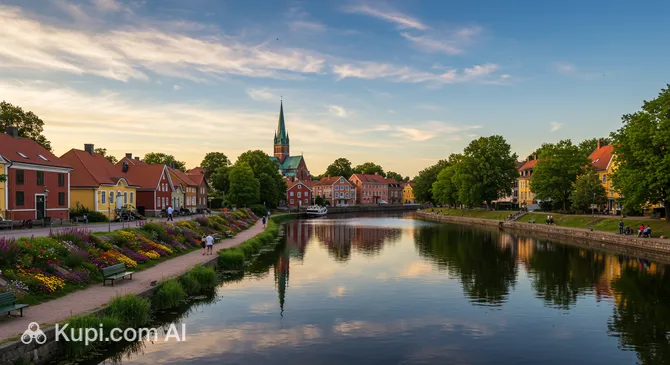
Kristianstad. Source: Kupi.Binoculars

Geographically, Kristianstad is situated on the banks of the Helge River and is uniquely integrated with the surrounding water landscape. A major highlight for tourists is the Kristianstads Vattenrike, a UNESCO Biosphere Reserve that borders the city. This vast wetland area offers outstanding opportunities for birdwatching, hiking, and boat tours, allowing nature lovers to experience diverse ecosystems just steps away from the urban center.

Beyond nature, the city boasts impressive landmarks such as the Holy Trinity Church, often cited as the most beautiful Renaissance church in Scandinavia. Guests can also stroll through the scenic Tivoli Park or explore the fascinating exhibits at the Regional Museum. Whether you are drawn by its architectural heritage or the stunning outdoors, Kristianstad invites you to experience its charm and hospitality.
Weather Overview

Kristianstad experiences a temperate climate characterized by four distinct seasons, making it a destination with varying atmospheric charms throughout the year. The city generally enjoys pleasant, mild summers and cool winters, with a fairly consistent chance of precipitation. Visitors should be prepared for moderate conditions, as extreme temperatures are relatively rare, though dampness is a common feature regardless of the season.

The summer months of June, July, and August are the warmest and most popular time to visit. During this period, average temperatures range from 16.1°C to 17.0°C, with daily maximums comfortably reaching around 21°C. While this is often the sunniest time of year, it is still advisable to carry an umbrella or rain jacket, as there are typically between 10 and 14 wet days per month.

Winters are cold but usually manageable, with average temperatures in January and February hovering around 1.2°C to 1.4°C. Nights can be frosty, with minimums dipping to approximately -1.2°C. For those planning outdoor activities, checking the detailed weather in Kristianstad is recommended to dress appropriately for the conditions. The winter season sees frequent precipitation, with about 13 to 14 wet days each month, often resulting in damp or snowy conditions rather than dry cold.

Spring and autumn serve as transitional seasons with gradually shifting temperatures. May brings a welcome warmth with averages rising to 11.4°C, while October sees the air cool down to an average of 9.7°C. Overall, travelers can expect warm summers with occasional rain and cold, damp winters, ensuring that nature remains lush and green throughout much of the year.

Interesting Facts

Beyond the well-preserved Renaissance architecture, Kristianstad holds several intriguing secrets that surprise many visitors. From geographical extremes to cinematic history, the city offers unique stories that go far deeper than its scenic surface.
  • Sweden's Lowest Point: The city is home to the lowest point in the entire country, sitting at 2.41 meters below sea level. This unique geographical feature is located within the wetlands near the Vattenriket Visitor Centre, where an extensive system of embankments and pumps protects the city from the water while preserving a rich ecosystem.

  • The Cradle of Swedish Cinema: Long before Stockholm became the center of the nation's film industry, Kristianstad was known as the "Hollywood of Sweden." In the early 20th century, the city hosted the country's first major film studio, Svenska Biografteatern, producing numerous silent films and launching the careers of several screen legends.

  • The King's Monogram: Despite being a Swedish city for centuries, Kristianstad prominently displays the "C4" monogram of its Danish founder, King Christian IV, on its coat of arms. This royal signature is so embedded in the local identity that it adorns everything from street lamps to the modern C4 Shopping center, serving as a constant reminder of its 17th-century origins.

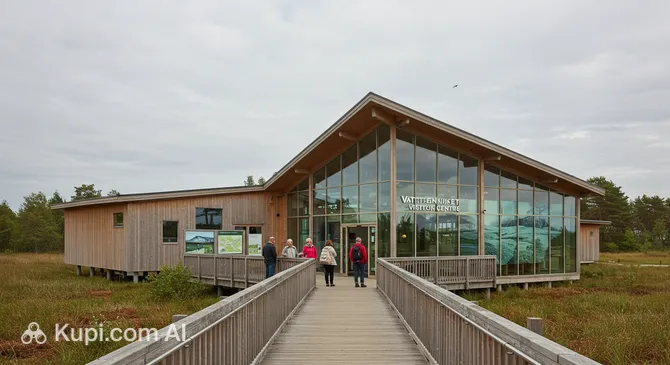
Vattenriket Visitor Centre. Source: Kupi.Binoculars

How to Get There

Reaching this scenic part of Skåne County is straightforward, with several transport options connecting it to the rest of Sweden and Denmark. Whether you are arriving from abroad or traveling within the region, you can choose the route that best fits your schedule. For a detailed guide on all available travel methods, you can read more about how to get to Kristianstad.

The city of Kristianstad does not have a major international airport of its own, but you can fly into Copenhagen Airport (IATA: CPH) in the city of Copenhagen, which is approximately 105 km from Kristianstad. As the largest international hub in the region, it offers extensive global connections. From Copenhagen, the most convenient way to reach Kristianstad is by direct train, which typically takes under two hours. Taxis and rental cars are also available options, with the drive usually taking around 1.5 to 2 hours depending on traffic.

Another convenient option is Malmo Airport (IATA: MMX), located in Malmö, about 73 km from Kristianstad. This facility is smaller and more regionally focused, offering a calmer arrival experience. The journey by road from Malmö Airport takes slightly over an hour. Travelers often take an airport bus to Malmö or Lund and transfer to a train for the final leg of the journey.

For clarity, here is a summary of the main airports:

Airport Name City Passenger Traffic Km from City
Copenhagen AirportCopenhagenVery Large104.6
Malmo AirportMalmöMedium73.3
Angelholm Helsingborg AirportAngelholmSmall86.1
Kallinge AirportRonnebySmall73.8
Vaxjo AirportVaxjoSmall106.2

If you prefer traveling by rail, the region is well-integrated into the Swedish railway network. While the specific major hubs listed below are located in neighboring cities, they act as vital transit points. You can arrive at Hässleholm Station in the city of Hassleholm, which is situated just 28.4 km from Kristianstad. As a key junction in southern Sweden, it sees significant passenger traffic. From there, frequent local trains provide a fast and easy connection to the city center, taking only about 20 minutes.

Alternatively, Malmö Central Station in Malmö is another major hub located 86.2 km away. It is one of the busiest stations in the country, connecting high-speed lines and local trains. Direct trains run regularly from Malmö to Kristianstad, offering a comfortable journey of approximately one hour through the beautiful landscapes of Skåne.

Below is a list of nearby railway stations that serve the region:

Station City Passenger Traffic Km to Center
Malmö Central StationMalmöVery High86.2
Lund Central StationLundHigh70.5
Hässleholm StationHassleholmMedium28.4
Ängelholm Railway StationAngelholmUnknown84.5
Ronneby Railway StationRonnebyUnknown72.8

Main Attractions

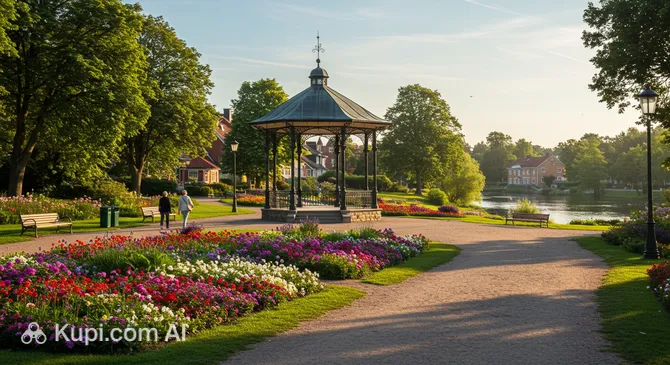
Located right in the city center, Tivoli Park is a lush oasis that serves as the green heart of Kristianstad. Established in the early 19th century, this beautifully landscaped park features winding paths, exotic trees, and a classic theater building that adds a touch of historical elegance. It is an ideal spot for a relaxing stroll, a family picnic, or simply enjoying nature without leaving the urban environment.

Tivoli Park. Source: Kupi.Binoculars

For nature enthusiasts, the Vattenriket Visitor Centre is an absolute must-see. Situated on stilts in the Helge River, this architectural gem serves as the gateway to the surrounding UNESCO Biosphere Reserve. Inside, visitors can explore interactive exhibitions about the local wetlands, while the panoramic windows and outdoor bridge offer stunning views of the river and its birdlife. It provides a unique educational experience that highlights the delicate balance between the city and the water.

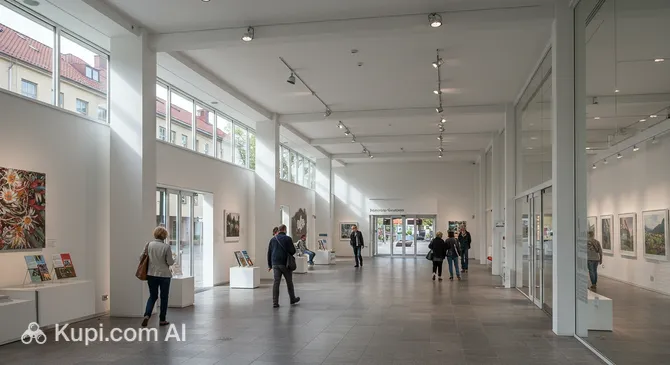
Art lovers will appreciate the Kristianstad Art Gallery, a dynamic venue dedicated to contemporary art. The gallery hosts varying exhibitions throughout the year, featuring works by both Swedish and international artists. Its central location makes it easy to visit, and the thought-provoking installations offer a cultural deep dive into modern creative expressions.

Kristianstad Art Gallery. Source: Kupi.Binoculars

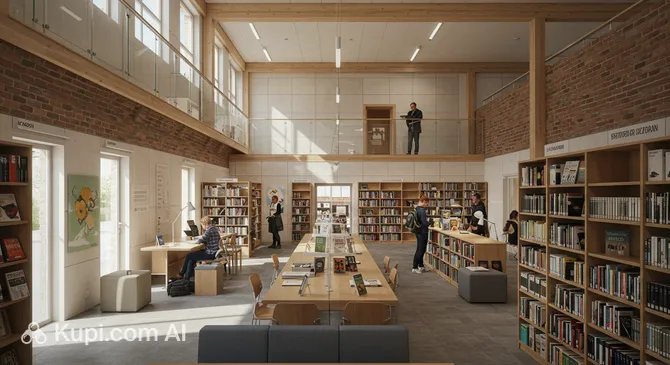
Another vibrant hub is Kulturkvarteret Kristianstad, a modern cultural center that brings together a library, concert halls, and a café under one roof. It is a lively meeting place for locals and tourists alike, offering a wide range of events from music performances to literary discussions. Whether you want to browse books, enjoy a coffee, or catch a live show, this center captures the creative spirit of the city.

Kulturkvarteret Kristianstad. Source: Kupi.Binoculars

Local Cuisine

Located in the heart of Skåne County, often referred to as "Sweden's food pantry," Kristianstad offers a culinary experience deeply rooted in fresh, locally sourced ingredients. The surrounding fertile plains and the unique wetlands of the Biosphere Reserve provide an abundance of high-quality produce, game, and fish. Visitors will find that the local food culture places a strong emphasis on farm-to-table dining, where traditional Scanian recipes are prepared with modern finesse.

One of the most iconic dishes you must try is äggakaka, a thick, savory pancake similar to an oven omelet, typically topped with fried salted pork and lingonberries. It is a hearty comfort food that perfectly represents the region's rustic cooking traditions. For dessert, look for the spectacular spettekaka (spit cake). This dry, sweet, pyramid-shaped cake is made from fresh eggs, potato flour, and sugar, and it is so unique to the region that it has Protected Geographical Indication status from the EU. It is usually served with dark roast coffee during festive occasions.

When it comes to beverages, Kristianstad has a world-famous connection. The nearby town of Åhus, part of the municipality, is the home of Absolut Vodka. Every drop of this internationally renowned spirit is produced here using winter wheat from local fields and water from deep local wells. Aside from spirits, the region is famous for its apple orchards, producing excellent non-alcoholic apple must and artisanal ciders that pair wonderfully with local meals.

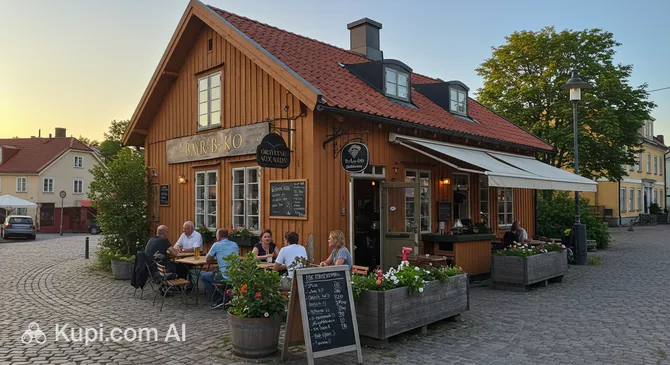
Bar-B-Ko. Source: Kupi.Binoculars

The dining scene in the city ranges from cozy cafés offering the traditional Swedish fika (coffee and cake) to upscale restaurants. Many locals enjoy gathering at places that highlight high-quality meat and social dining. A popular spot in the city center is Bar-B-Ko, known for its relaxed atmosphere and grilled dishes. Whether you are exploring the farm shops in the countryside or dining in the historic city center, Kristianstad invites you to taste the rich flavors of southern Sweden.

Travel Tips

To ensure your visit to Kristianstad is as smooth and enjoyable as possible, a little preparation goes a long way. While this charming city in Skåne is welcoming and easy to navigate, keeping these practical tips in mind will help you travel like a local and avoid common pitfalls.

  1. Clothing and Gear: Since the weather in southern Sweden can be changeable, the key to comfort is layering. Bring a waterproof jacket and sturdy walking shoes, especially if you plan to explore the Vattenriket wetlands or the cobblestoned city center. If you are visiting from outside Europe, remember to pack a standard European power adapter (Type C or F) for your electronics.
  2. Transportation: The city center is compact and best explored on foot, but for longer distances, the local public transport system is excellent. Operated by Skånetrafiken, the network includes green city buses and yellow regional buses. It is highly recommended to download the Skånetrafiken app to buy tickets and plan routes, as you cannot pay with cash on board. Renting a car is generally not necessary unless you plan to tour the remote countryside.
  3. Finances: Sweden is one of the most cashless societies in the world. The currency is the Swedish Krona (SEK), but you will rarely need physical notes or coins. Most shops, cafes, and even market stalls prefer or exclusively accept credit and debit cards (Visa and Mastercard are widely accepted). Tipping is not mandatory, though rounding up the bill at restaurants is a polite gesture if the service was exceptional.
  4. Health and Safety: Kristianstad is a very safe city for tourists, but standard precautions regarding personal belongings apply. Pharmacies are marked with a green cross and known as Apotek; they are well-stocked for minor ailments. In case of any serious emergency requiring police, ambulance, or fire services, dial 112 for immediate assistance.
  5. Communication: The official language is Swedish, but English is widely spoken and understood at a high level, so you will have no trouble communicating. Buying a local prepaid SIM card is easy at convenience stores like Pressbyrån if you need data, though free Wi-Fi is often available in hotels, cafes, and public spaces. Learning a simple "Hej" (Hello) and "Tack" (Thank you) is always appreciated by locals.
  6. Local Etiquette: Swedes value personal space and order. If you see a ticket machine (often a small red dispenser) at a bakery, pharmacy, or service center, take a number and wait for your turn rather than standing in a line. Punctuality is also highly valued, so try to be on time for any bookings or tours.
  7. What to Avoid: Be careful not to walk in designated bicycle lanes, as locals use bikes for fast daily commuting and may not expect pedestrians in their path. Additionally, do not expect to buy strong alcohol in regular supermarkets; wine and spirits are sold exclusively at the state-run store, Systembolaget, which has limited opening hours and is closed on Sundays.
  8. Additional Tip: Embrace the Swedish tradition of fika—a coffee break accompanied by a sweet treat. In Kristianstad, this is the perfect excuse to try the local "spettekaka" or a cinnamon bun. It is not just a snack; it is a social institution and a great way to slow down and soak in the local atmosphere.

With these practical insights in your pocket, you are ready to fully experience the history, nature, and culture of Kristianstad without worry. Whether you are birdwatching in the biosphere reserve or shopping in the city center, you will find the city to be a friendly and accessible destination for every traveler.

Entertainment & Nightlife

While Kristianstad is known for its historical charm and natural beauty, the city also offers a welcoming and lively nightlife scene. The atmosphere is generally relaxed yet vibrant, particularly on weekends when locals and students from the nearby university gather to unwind. The city center is compact, making it easy to hop between venues on foot without the need for transportation. Most of the evening action is concentrated around the main squares, Stora Torg and Lilla Torg, where you will find a cluster of pubs, lounges, and restaurants that stay open late.

For those seeking a high-energy experience with music and dancing, the Kristianstad Nightclub is a popular destination. It serves as a central hub for the city's partygoers, offering a bustling dance floor and a festive environment. The crowd here is diverse but tends to be younger, especially on Friday and Saturday nights when the energy peaks. It is the perfect spot to experience the local club culture and dance into the early morning hours.

Kristianstad Nightclub. Source: Kupi.Binoculars

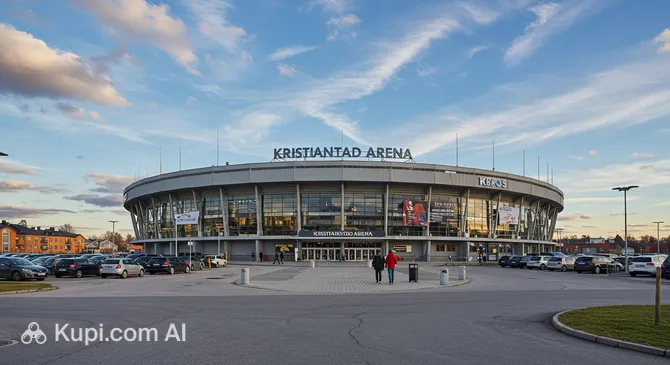
If you prefer live entertainment or large-scale events, you should check the schedule at the Kristianstad Arena. This modern multi-purpose venue is the pride of the city, hosting everything from major concerts and stand-up comedy shows to thrilling handball matches, which are a massive draw in this region. Attending an event here offers a chance to mingle with enthusiastic locals and enjoy top-tier production values.

Kristianstad Arena. Source: Kupi.Binoculars

For a more laid-back evening that bridges the gap between dining and drinking, Bar-B-Ko is an excellent choice. Known for its convivial atmosphere, it is a favorite meeting place where friends gather for grilled food and drinks in a setting that feels both rustic and trendy. The dress code in Kristianstad’s nightlife is generally "smart casual"—neat and stylish but comfortable. Bars and clubs usually operate until 2:00 or 3:00 AM on weekends, while weeknights are significantly quieter with earlier closing times.

Safety is rarely a concern in Kristianstad, and the city center is considered very safe for night walks. The streets are well-lit, and the atmosphere is friendly. However, if you need to travel outside the center or prefer a ride home, taxis are readily available. You can find them at designated ranks near the train station and major squares, or book one via phone or app through reputable companies like Sverigetaxi. Prices are standard for Sweden, so expect a fixed starting fee and a metered rate.

When the sun is up, the entertainment options shift towards leisure and culture. The city offers excellent shopping opportunities, most notably at C4 Shopping, a large mall located just outside the center that features a wide range of international brands. Additionally, daytime visitors can enjoy the city’s theater productions, explore local museums, or relax in the numerous cafés that line the pedestrian streets, offering a perfect balance to the nocturnal excitement.

Parks & Museums

Kristianstad is a city where urban planning and nature exist in perfect harmony, offering visitors a wealth of green spaces and cultural institutions to explore. From its historic boulevards to the vast wetlands that embrace the city center, the destination provides a diverse range of environments for relaxation and discovery, seamlessly blending its 17th-century heritage with modern artistic expressions.

The crown jewel of the city's green spaces is undoubtedly Tivoli Park. Located centrally, this extensive park is not just a place for leisure walks but also a botanical treasure. Inside, you will find the celebrated Health Garden (Hälsoträdgården), a specially designed area intended to promote well-being through nature. With its varied plant life, pergolas, and calming atmosphere, it serves as a peaceful retreat for locals and tourists alike. The park also features a theater and playgrounds, making it a versatile destination for all ages.

Just a stone's throw from the city streets lies the vast wilderness of the UNESCO Biosphere Reserve, accessible via the Vattenriket Visitor Centre. While the center itself is educational, the surrounding natural area is a paradise for outdoor enthusiasts. A network of boardwalks and trails, such as the Linnérundan, allows visitors to wander through reed beds and willow forests. It is an exceptional spot for birdwatching, where you can observe cranes, eagles, and other species in their natural habitat without leaving the city limits.

For those interested in the cultural fabric of the region, the Regionmuseet Skåne is a must-visit. Housed in the old stables of King Christian IV, the museum offers deep insights into the history of Skåne and the city's Danish origins. Sharing the same historic building is the Kristianstad Art Gallery, which provides a striking contrast with its focus on contemporary art. The gallery is known for its high-quality exhibitions featuring national and international artists, creating a dynamic dialogue between the past and the present.

Another unique cultural venue is the Filmmuseet (Film Museum), which celebrates Kristianstad's legacy as the "Hollywood of Sweden" during the silent film era. Located in the country's oldest preserved film studio, the museum takes visitors on a journey through the early days of cinema, displaying original equipment, costumes, and sets. It is a fascinating stop for film buffs and anyone interested in the industrial history of entertainment in the early 20th century.

Architecturally, the city is dominated by the Holy Trinity Church (Heliga Trefaldighets kyrka), often regarded as the finest Renaissance church in the Nordic region. Its grand interior and light-filled space reflect the ambition of the city's founder. Walking through the city center, you will also notice the grid plan and the remains of the old fortification systems, which remind visitors of Kristianstad's strategic military importance in centuries past.

For a truly authentic experience, take a boat tour on the Helge å river during the summer months. Seeing the city from the water offers a completely different perspective on its architecture and its unique relationship with the surrounding wetlands. Additionally, exploring the small, independent shops in the historic center often reveals hidden courtyards and architectural details that are easily missed on the main thoroughfares.

Getting Around

Navigating Kristianstad is straightforward and efficient, thanks to a well-organized public transport network managed by Skånetrafiken. Since the city does not have a metro or tram system, the primary mode of transportation for getting around the urban area is the bus. The fleet is easily recognizable by color: the green buses (Stadsbussar) serve the city center and immediate suburbs, while the yellow buses (Regionbussar) connect the city to surrounding towns and the wider region. For most tourists staying within the city limits, the green buses provide ample coverage to major hotels, shopping areas, and attractions.

The payment system is modern and completely cashless, designed for convenience and speed. You cannot purchase tickets with cash on board the buses. The most popular and easiest way to pay is by downloading the Skånetrafiken app, which allows you to buy single tickets, 24-hour passes, or longer-term subscriptions directly on your smartphone. Alternatively, on the green city buses, you can use the "tap and go" method (often called "blippa") by tapping your contactless Visa or Mastercard against the reader when you board. This creates a digital ticket for the city zone instantly.

For those who prefer physical tickets or need assistance, ticket machines are available at the Central Station (Resecentrum) and selected major stops. These machines accept credit and debit cards. When boarding a bus, you generally enter through the front door and scan your mobile ticket QR code or tap your payment card at the reader near the driver. Operating hours are extensive, with frequent services running from early morning until late evening, though frequencies drop on weekends and late at night. It is always advisable to check the specific timetable in the app or on digital displays at bus stops.

Given the compact size of the city center, many visitors find that walking is often the most pleasant alternative. Most major sights, restaurants, and the Tivoli Park are within comfortable walking distance of each other. Cycling is also extremely popular, as the terrain is flat and the city is equipped with excellent bike paths. Rental bikes are available for those who wish to explore the nearby wetlands or venture a bit further than walking allows.

Taxis are readily available for times when public transport schedules do not fit your plans or if you are carrying heavy luggage. You can find taxi ranks at the Central Station and near Stora Torg. Reputable companies operate in the area, but it is worth noting that taxi fares can be significantly higher than bus tickets. Unlike in some other cities, hailing a cab on the street is less common; it is better to book via phone or an app, or go directly to a designated taxi stand.

Accommodation

Visitors to Kristianstad will find a welcoming selection of accommodation options that cater to various preferences and budgets. The city primarily offers comfortable mid-range hotels, many of which are housed in charming historic buildings that reflect the town's architectural heritage. For travelers seeking more affordable alternatives, there are well-maintained hostels and bed-and-breakfasts. While the city does not feature sprawling luxury resorts, the standard of hospitality is high, with a focus on coziness and personal service.

The most convenient area to stay is undoubtedly the city center. Choosing accommodation here places you within walking distance of the Central Station, making it easy to arrive by train and immediately drop off your luggage. Staying centrally also means you are just steps away from the main pedestrian streets, the beautiful Tivoli Park, and the city's best dining spots. For those who prefer a quieter environment closer to nature, there are camping sites and cabin rentals located on the outskirts, particularly near the Vattenriket wetlands, offering a peaceful retreat after a day of exploration.

Booking Tips and Prices: It is highly recommended to book your accommodation in advance, especially if you plan to visit during the peak summer months of June through August. This is a popular time for domestic tourism in Sweden, and the best rooms can fill up quickly. In terms of pricing, Kristianstad is generally considered moderate compared to larger cities like Stockholm or Copenhagen. Most bookings can be easily made through major online travel platforms or directly via the hotel websites, which often provide the most up-to-date availability.

Nearby Cities

For those looking to explore the surroundings, Kristianstad serves as an excellent base for day trips to several interesting nearby locations:

One of the most culturally significant destinations in the region is Lund. Known as one of Sweden's oldest cities, it is famous for its prestigious university and the magnificent Lund Cathedral, a Romanesque masterpiece that dominates the skyline. Visitors can wander through the charming cobblestone streets, explore the open-air museum Kulturen, or relax in the lush Botanical Garden. It offers a vibrant mix of academic history and modern student life.

Another fantastic option for a day trip is Ystad, located on the southern coast. This picturesque town is renowned for its well-preserved medieval center, featuring colorful half-timbered houses and winding alleyways. International visitors often recognize it as the setting for the famous Wallander crime novels. Beyond its literary connection, Ystad offers beautiful sandy beaches and a relaxed maritime atmosphere perfect for a summer visit.

For those interested in coastal charm and outdoor activities, Angelholm is well worth a visit. Situated on the Kattegat sea, it is known for its long, sandy beaches and the scenic Rönne River that winds through the town. It is also home to a Railway Museum, making it an interesting stop for families and history enthusiasts alike.

City Population Distance (km)
Lund9300070
Angelholm4089484
Kavlinge3234170
Ystad2898570
Sjobo1949752

These nearby destinations offer a glimpse into the diverse culture and landscapes of the region.

Shopping & Souvenirs

Kristianstad serves as the primary commercial hub for northeastern Skåne, offering a delightful mix of historic charm and modern retail experiences. The city provides a diverse shopping landscape where visitors can find everything from high-street fashion and international brands to unique local boutiques and artisanal craftsmanship. Whether you prefer strolling through pedestrian-friendly streets lined with Renaissance architecture or visiting expansive modern malls, the city caters to all tastes and needs.

The heart of the shopping action lies in the city center, particularly along the pedestrian streets of Västra Storgatan and Östra Storgatan. These bustling thoroughfares are lined with a variety of small shops, cozy cafés, and well-known chain stores. Exploring these streets allows tourists to soak in the city's atmosphere while browsing for clothing, home décor, and books. The area around Lilla Torg is also worth exploring for its intimate vibe and selection of smaller, independent retailers.

For a comprehensive shopping experience under one roof, the city boasts the impressive C4 Shopping center. Located just outside the city center, this massive complex is one of the greenest shopping malls in the region, designed with sustainability in mind. It houses a vast array of fashion brands, electronics stores, and a hypermarket, making it a convenient one-stop destination for travelers. Back in the city center, Galleria Boulevard offers a modern indoor shopping environment seamlessly integrated into the urban grid, perfect for rainy days.

C4 Shopping. Source: Kupi.Binoculars

Travelers interested in local flavors and fresh produce should look out for the market stalls that frequently set up on Stora Torg (the Main Square). Here, local farmers and vendors sell seasonal fruits, vegetables, and flowers. It is a great place to connect with the local community and perhaps taste some regional specialties directly from the source. During the holiday seasons, the square often transforms into a festive venue with themed markets.

When searching for the perfect souvenir to bring home, consider items that reflect the culinary and artistic heritage of Skåne. A package of the famous spettekaka (spit cake) is a unique and delicious gift, though it is fragile to transport. Locally produced apple must (juice) from the surrounding orchards is another excellent choice. Additionally, look for Swedish design items, such as glass or textiles, which are available in several boutiques within the city center.

Opening hours in Kristianstad generally follow standard Swedish norms. Most shops in the city center are open from 10:00 AM to 6:00 PM on weekdays and from 10:00 AM to 3:00 or 4:00 PM on Saturdays. Sunday hours can be limited, though larger malls like C4 Shopping typically stay open every day of the week with extended hours. Payment is almost exclusively digital; Sweden is a nearly cashless society, so be prepared to pay with a credit or debit card even for small purchases.

For visitors residing outside the European Union, tax-free shopping is often available. Look for the "Global Blue" Tax Free Shopping signage in store windows. If you spend above a certain amount in a participating store, you can request a tax refund form, which can be redeemed at the airport or other departure points when leaving the EU.

Reached the end of the page?

That means the route is fully explored