Support

Ronneby

About

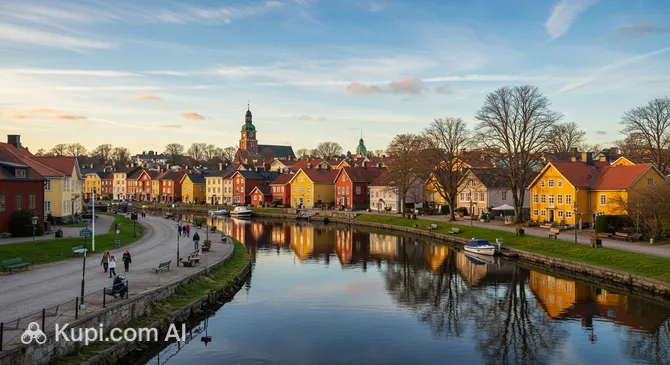
Nestled in the heart of Blekinge County, Ronneby is a picturesque locality that perfectly captures the essence of the region often referred to as the "Garden of Sweden." Located in the southern part of Sweden, this charming city combines a rich cultural heritage with stunning natural landscapes. With a population of approximately 12,000 residents, Ronneby maintains a cozy, small-town atmosphere while serving as a vibrant hub for visitors exploring the coast.

Ronneby. Source: Kupi.Binoculars

The city is steeped in tradition, dating back to the Middle Ages when it was an important trading center. Visitors interested in the past can delve into the history of Ronneby to discover its transformation from a medieval market town to a renowned spa resort in the 18th and 19th centuries. The legacy of its healing waters is still evident today, particularly in the well-preserved architecture and the layout of the city center.

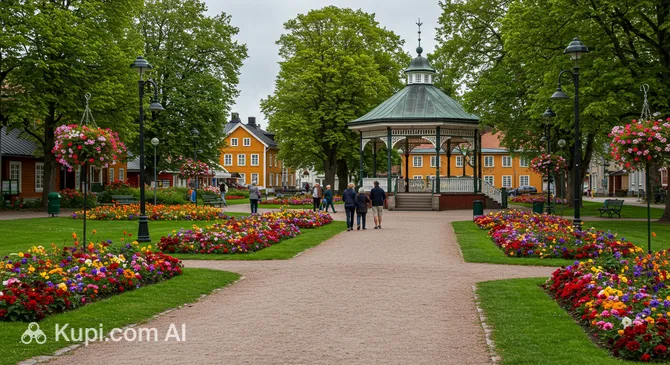
One of the absolute highlights for any traveler is the magnificent Ronneby Brunnspark. This historic park, once the center of the city's spa life, has been voted Sweden's most beautiful park and offers lush greenery, beautiful gardens, and cultural events. Another significant landmark is the Holy Cross Church (Heliga Kors kyrka), a striking 12th-century structure known for its medieval paintings and unique architecture. For nature lovers, the nearby archipelago offers excellent opportunities for boat tours and swimming.

Whether you are strolling through the historic Bergslagen district with its quaint wooden houses or enjoying a picnic in the award-winning park, Ronneby offers a relaxing and memorable escape. It is a destination that invites you to slow down and appreciate the scenic beauty of the Scandinavian south.

Weather Overview

Travelers planning a visit to this part of Sweden will find a climate marked by distinct seasonal changes. The summer months of June through August are generally the most pleasant time to visit, offering comfortable warmth with average temperatures peaking around 17.4°C and highs reaching just over 20°C. However, even during these warmer months, it is wise to pack an umbrella, as July and August typically see about 13 wet days each.

Winters are cold but usually not severe, with average temperatures hovering between 1.6°C and 2.5°C from December to February. January and February are the coldest months, where minimum temperatures can dip slightly below freezing to around -0.5°C. This season is characterized by frequent precipitation, with December experiencing up to 15 wet days. For those looking to time their visit perfectly, consulting the detailed guide on the weather in Ronneby can be very helpful.

Spring and autumn serve as mild transition periods. May brings a noticeable warmup with averages reaching 11.4°C, while September retains some of the summer's warmth before the cooler air sets in. Overall, expect warm summers with occasional rain and cold, damp winters, so dressing in layers is recommended year-round.

Interesting Facts

Beyond the main attractions, Ronneby holds many fascinating secrets that peel back the layers of its rich past. From hidden underwater treasures to unique architectural details, there is much more to this city than meets the eye.
  • The waters off the coast of Ronneby conceal a remarkable historical treasure: the wreck of the Gribshunden. This Danish royal flagship sank in 1495 and is considered one of the world's best-preserved late medieval ships, famously featuring a terrifying wooden sea monster as its figurehead.

  • While many know about the beauty of Brunnsparken, fewer realize it houses a specialized "Scent Garden" designed specifically for the visually impaired. This unique section allows visitors to experience the flora through touch and smell, alongside a serene Japanese garden that adds an exotic touch to the Swedish landscape.

  • The Holy Cross Church is not just a place of worship but a silent witness to history. If you look closely at the church's massive oak door, you can still see deep cuts and burn marks left by axes and fire during the 16th-century conflicts, preserving a tangible connection to the city's medieval resilience.

Brunnsparken. Source: Kupi.Binoculars

How to Get There

Planning a trip to this charming part of Blekinge County is quite straightforward, with several transport options available depending on your starting point. Whether you prefer flying or taking the train, the region is well-connected. For a detailed overview of all routes and schedules, you can read more about how to get to Ronneby to ensure a smooth journey.

For those traveling by air, the most convenient option is the local Kallinge Airport (RNB), also known as Ronneby Airport. Located just 6.3 km from the city center, it serves as the primary gateway for domestic flights, particularly from Stockholm. A taxi or car ride from here is very quick, taking approximately 10 to 15 minutes. Travelers looking for more international connections might consider Malmo Airport (MMX), situated in Malmö about 140 km away. The transfer from Malmö takes longer, estimated at around 1 hour and 45 minutes by road. Another viable alternative is Kalmar Öland Airport (KLR) in Kalmar, roughly 81 km from Ronneby, with a travel time of about 1 hour.

For clarity, here is a summary of the main airports:

Airport Name City Passenger Traffic Km from City
Malmo Airport Malmö Large 140.5
Bornholm Airport Rønne Medium 131.8
Kallinge Airport Ronneby Medium 6.3
Vaxjo Airport Vaxjo Medium 86.8
Kalmar Öland Airport Kalmar Small 81.4

If you prefer traveling by rail, the city is well-served by the Swedish railway network. The primary hub is Ronneby Railway Station, conveniently located just 0.6 km from the heart of the city, making it an excellent choice for easy access to local hotels and attractions. Reaching the city center from the station is effortless, taking only about 5 to 10 minutes on foot or a couple of minutes by taxi. For those arriving from other parts of the region, the Karlskrona Railway Station is another nearby node, situated approximately 20 km away. A trip from there to Ronneby typically takes around 20 to 25 minutes by road.

Below is a list of relevant railway stations in the wider region:

Station City Passenger Traffic Km to Center
Lund Central Station Lund Very Large 142.0
Hässleholm Station Hassleholm Large 94.2
Karlskrona Railway Station Ronneby 19.8
Ängelholm Railway Station Angelholm 150.3
Ronneby Railway Station Ronneby 0.6

Main Attractions

Ronneby is often celebrated for its "Garden of Sweden" reputation, and nowhere is this more evident than in Brunnsparken. While its history as a premier 19th-century health resort is fascinating, the park offers much more than just a backstory. Visitors can admire the "Brunnshallarna," a collection of beautifully preserved wooden buildings that showcase the intricate architectural style of the spa era. The park is also famous for its spectacular rhododendron displays, which transform the grounds into a vibrant sea of color in late spring, creating a stunning contrast against the backdrop of ancient deciduous forests and manicured lawns.

A short walk from the modern center leads to the Bergslagen district, the city's medieval heart. This area offers a distinct change of pace with its irregular, winding street pattern that has survived for centuries. The neighborhood is defined by its charming, low-rise wooden houses painted in traditional colors, lining narrow cobblestone alleys that feel worlds away from the contemporary city. It is a preserved slice of history where the layout itself tells the story of an older, intimate community.

Rising above the old town is the majestic Holy Cross Church (Heliga Kors kyrka), a masterpiece of sacred architecture dating back to the 12th century. The building is a fine example of a basilica with a nave and two aisles, but its true treasures lie within. The interior is adorned with remarkable Renaissance murals and frescoes that cover the vaults and arches, depicting vivid biblical scenes. These artistic works, combined with the church's impressive vaulted ceilings and medieval atmosphere, make it a significant cultural site for art and history enthusiasts.

For a scenic excursion, the island of Karön in the Ronneby archipelago is a favorite summer destination. Accessible by a short boat trip, the island is known for its car-free environment and elegant 19th-century Swiss-style villas, which were built for wealthy summer guests. Today, it offers a relaxing coastal experience with excellent swimming spots, walking trails through oak forests, and a nostalgic ambiance that captures the essence of a classic Swedish summer.

Local Cuisine

The culinary landscape of Ronneby is deeply rooted in the traditions of Blekinge County, offering a delightful mix of coastal freshness and hearty rural fare. As a visitor, you simply cannot leave without trying the region's most famous dish, kroppkakor. Unlike the versions found elsewhere in Sweden, the "grey" dumplings of Blekinge are made primarily from raw grated potatoes, giving them a unique texture and savory flavor. They are typically filled with diced pork and onions and served with clarified butter, lingonberry jam, and sometimes cream, creating a comforting meal that locals cherish.

Given its proximity to the Baltic Sea, seafood also plays a significant role in the local diet. Freshly caught fish, particularly herring and salmon, are staples on many menus. A classic lunch option is stekt strömming (fried herring) served with mashed potatoes, or a simple yet delicious shrimp sandwich. To accompany your meal, you might try a glass of locally brewed beer or, on festive occasions, a small glass of snaps (aquavit) spiced with herbs like dill or caraway, which pairs perfectly with pickled herring.

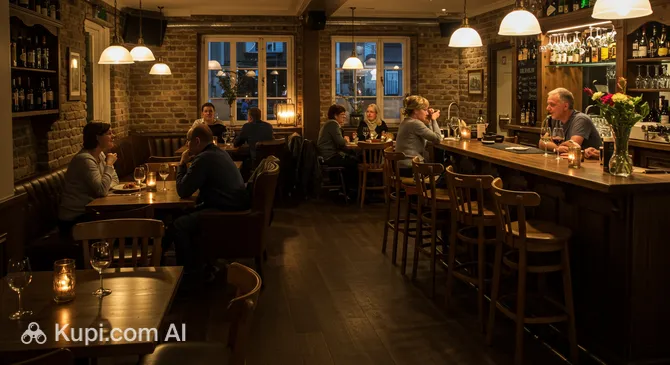
Italiana Event Bar & Pub. Source: Kupi.Binoculars

The dining scene in Ronneby is relaxed and varied, ranging from cozy cafés to international restaurants. The Swedish tradition of fika—a coffee break accompanied by a cinnamon bun or pastry—is alive and well here, with several charming spots in the city center to enjoy a warm cup. For a more substantial meal, the town center offers diverse options. You can enjoy a lively atmosphere and hearty dishes at Italiana Event Bar & Pub, which is a popular spot for both locals and tourists looking to unwind.

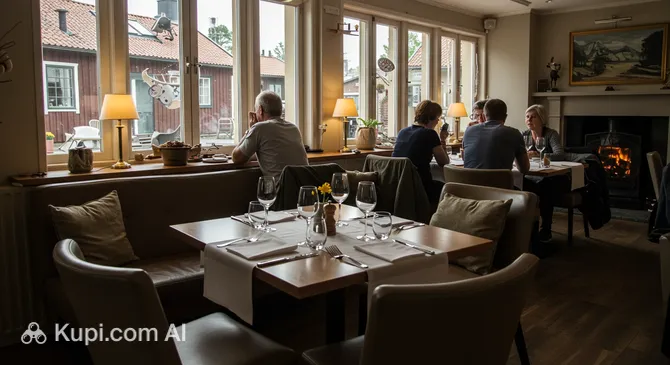
If you are craving flavors from further afield, Everest Restaurant Ronneby provides a taste of Asian cuisine in the heart of the city. During the warmer months, many visitors prefer to embrace the outdoors. It is quite popular to buy fresh ingredients or takeaway and head to the beautiful Brunnsparken for a picnic on the lawns, surrounded by the park's historic splendor and blooming gardens.

Travel Tips

To help you make the most of your visit to this charming corner of Blekinge, we have compiled a list of practical advice. Ronneby is a welcoming and safe destination, but knowing a few local customs and logistical details will ensure your trip runs as smoothly as possible.

  1. Dress in Layers: The weather in southern Sweden can be changeable, even in summer. It is best to bring a waterproof jacket and dress in layers so you can adapt to sudden shifts in temperature. Since you will likely be exploring the cobblestone streets of Bergslagen or walking through Brunnsparken, comfortable walking shoes are a must.
  2. Getting Around: Ronneby is a compact city, and the center is best explored on foot. For trips further afield or to the coast, the local public transport system, operated by Blekingetrafiken, offers reliable bus and train services. You can easily buy tickets via their app or with a credit card on board; cash is rarely accepted on buses.
  3. Money and Payments: The official currency is the Swedish Krona (SEK). However, Sweden is one of the most cashless societies in the world. Most shops, cafes, and restaurants in Ronneby prefer or exclusively accept card payments. International credit cards (Visa, Mastercard) are widely accepted, so you rarely need to carry large amounts of cash.
  4. Health and Safety: Ronneby is a very safe city for travelers. In case of a medical emergency, dial 112. For minor ailments, look for a pharmacy marked with the sign Apotek. A great money-saving tip is that tap water is of excellent quality and perfectly safe to drink, so bring a reusable bottle.
  5. Communication: You will find that most locals speak excellent English, so communication is rarely a barrier. However, learning a few basic Swedish words like Hej (Hello) and Tack (Thank you) is always appreciated. Free Wi-Fi is commonly available in hotels, cafes, and public spaces, and EU citizens can use their mobile data without roaming fees.
  6. Local Etiquette: Swedes value personal space and order. When waiting for service or a bus, always respect the queue; cutting in line is considered very rude. If you are invited to a local's home, it is customary to remove your shoes at the door before entering.
  7. What to Avoid: Do not assume you can buy alcohol in regular supermarkets. In Sweden, beverages with an alcohol content above 3.5% are sold exclusively at the state-run monopoly store, Systembolaget, which has limited opening hours and is closed on Sundays.
  8. Timing Your Visit: Be aware that in smaller Swedish cities like Ronneby, many shops and cafes close early on Saturdays (often around 3:00 PM) and may be closed entirely on Sundays. Plan your shopping and dining needs accordingly, especially on weekends.

By keeping these practical tips in mind, you can focus entirely on enjoying the historic atmosphere and beautiful nature that Ronneby has to offer. A little preparation goes a long way in this friendly and organized city!

Entertainment & Nightlife

As a relatively small and tranquil city, Ronneby offers a nightlife scene that is more about cozy gatherings and relaxed evenings than high-energy clubbing. The entertainment landscape here focuses on socializing in welcoming pubs and enjoying prolonged dinners with friends. The heart of the action is concentrated in the compact city center, particularly around the main square, Stora Torget, and the pedestrian street Kungsgatan. This area serves as the primary meeting point for locals and visitors alike once the sun goes down.

For those looking to experience the local pub culture, Italiana Event Bar & Pub is a central fixture in Ronneby's evening life. It operates as a lively spot where you can enjoy a wide selection of drinks, watch live sports, or simply soak up the energetic atmosphere on a Friday or Saturday night. The venue often attracts a mixed crowd, ranging from young adults to older locals, creating a friendly and inclusive vibe that typifies the town's social scene.

If you prefer a quieter start to your evening or a late-night meal, the city offers several dining options that stay open into the evening. Everest Restaurant Ronneby is a popular choice for those seeking a warm ambiance and flavorful dishes. It is common in Sweden for the line between dining and nightlife to blur, with many people remaining at restaurants to enjoy drinks and conversation well after their meal is finished.

Everest Restaurant Ronneby. Source: Kupi.Binoculars

The atmosphere in Ronneby is generally casual and laid-back. There is rarely a strict dress code; "smart casual" is perfectly acceptable for almost any venue in town. The peak hours for nightlife are typically between 10:00 PM and 1:00 AM on weekends. On weekdays, the town tends to quiet down significantly earlier. Prices for alcohol and entry fees (if applicable for special events) are standard for Sweden, which may seem slightly high to visitors from outside the Nordic region, so budgeting accordingly is wise.

Safety is one of Ronneby's strong suits. The city center is well-lit and secure for night walks, even for solo travelers. However, if your accommodation is on the outskirts or you are traveling late, booking a taxi is recommended. Local taxi services are reliable, though it is best to book in advance on weekend nights when demand is higher. You can easily find numbers for local operators like Sverigetaxi or use ride-hailing apps available in the region.

While the nights are low-key, the daytime entertainment in Ronneby offers a rich variety of cultural and recreational activities. Before the evening sets in, visitors often spend their time exploring the famous Brunnsparken, which hosts concerts, flea markets, and events during the summer. Additionally, the Kulturcentrum (Cultural Center) in the historic district provides art exhibitions and theater performances, serving as a vibrant counterpart to the city's relaxed nightlife.

Parks & Museums

Ronneby offers a delightful blend of manicured landscapes, wild nature, and rich cultural heritage, making it a perfect destination for those who appreciate both the outdoors and history. The city's green spaces are not just places to relax but are deeply intertwined with its legacy as a spa resort, while its museums provide fascinating insights into everything from contemporary art to ancient maritime mysteries.

For those looking to explore beyond the manicured lawns of the city center, Södra Brunnsskogen offers a more rugged natural experience. Located adjacent to the famous Brunnsparken, this nature reserve is a vast area of ancient mixed forest that feels worlds away from urban life. Hikers can follow winding trails that lead through stands of majestic oaks and towering pines, passing by moss-covered stone walls and old steps that were once used by 19th-century spa guests for their "health walks." It is an ideal spot for a peaceful trek, offering a direct connection between the city's parkland and the wilder Blekinge landscape.

Another unique green escape is the island of Karön, situated just a short boat ride from the city harbor. While technically an island, it functions as a recreational park for locals and visitors alike. The island is entirely car-free and is renowned for its charming 19th-century "Swiss-style" wooden villas, which were built for wealthy summer guests during the spa era. Visitors can stroll along the walking paths that circle the island, enjoy a swim in the clean waters, or simply admire the nostalgic architecture nestled among the trees.

When it comes to culture, the Ronneby Kulturcentrum (Cultural Center) is a standout attraction located in the historic Bergslagen district. Housed in a former industrial building, this venue is one of the largest art galleries in southern Sweden, boasting over 1,500 square meters of exhibition space. It focuses primarily on contemporary art, design, and crafts, hosting a rotating schedule of high-quality exhibitions by national and international artists. The center serves as a vibrant hub for creativity, often featuring workshops and cultural events that engage the local community.

For history enthusiasts, the exhibition at Kallvattenkuren (The Cold Water Cure Hall) is an absolute must-see. Located inside the park, this venue houses the spectacular "Treasures of Vång" and the Gribshunden exhibition. Here, you can view artifacts from the Gribshunden, the Danish royal flagship that sank nearby in 1495, which is considered one of the world's best-preserved late medieval ships. The museum also displays the mysterious "Guldgubbar"—tiny gold foil figures from the Iron Age discovered in the region, offering a glimpse into ancient power and rituals.

To experience the local way of life from centuries past, a visit to Möllebackagården is highly recommended. This open-air museum and local history center is centered around a well-preserved building from the 1700s. Open primarily during the summer, it offers a charming look into the domestic life and traditions of Ronneby's earlier inhabitants, often accompanied by traditional crafts and a cozy café atmosphere.

For a truly authentic experience, take a moment to find the Japanese Garden hidden within the main park area. It is a serene, lesser-known spot designed for meditation and quiet reflection, featuring carefully raked gravel and minimalist stone arrangements that provide a stark, peaceful contrast to the lush Swedish greenery surrounding it.
Getting Around

Navigating Ronneby is a straightforward and pleasant experience, thanks to its compact size and the efficient public transport network managed by the regional authority, Blekingetrafiken. While the city center is small enough to be explored comfortably on foot, the local transport system provides excellent connections for those wishing to reach the outskirts, the beautiful archipelago, or neighboring towns.

The backbone of the local transport system consists of buses and trains. Within the city, green city buses connect the central station with residential areas and key points of interest. For trips further afield, yellow regional buses link the city to the wider Blekinge area. The Ronneby Railway Station serves as a vital hub, primarily served by Öresundståg. These trains offer frequent and convenient connections along the coast, linking the city directly to Karlskrona, Malmö, and Copenhagen.

A unique and highly recommended mode of transport during the summer months is the archipelago boat service. Ferries, such as the historic M/F Astrid, depart from the city center and take passengers down the Ronneby River to the idyllic island of Karön. This scenic journey is not just a way to get from point A to point B but an attraction in itself, offering lovely views of the lush riverbanks and the coast.

The payment system is modern and almost entirely cashless. The most convenient way to pay for your travel is by downloading the Blekingetrafiken app, which allows you to search for routes and purchase tickets directly on your smartphone. Prices are based on zones, but a single ticket within the city zone is quite affordable. If you do not have the app, you can pay with a contactless credit or debit card directly on board the buses. Simply tap your card on the reader when you board; however, note that this usually buys a single adult ticket.

For tourists, here are a few practical tips to ensure a smooth journey. First, cash is generally not accepted on board buses or trains, so rely on the app or your bank card. If you plan to travel frequently during your stay, consider buying a 24-hour or 72-hour visitor ticket via the app for better value. Always remember to activate your mobile ticket before boarding the bus or train to avoid fines. While services are frequent during weekdays, schedules can be reduced on weekends and late evenings, so it is wise to check the timetable in advance.

Alternatives to public transport are readily available. Taxis are a safe and reliable option, though they can be relatively expensive compared to other European destinations. It is recommended to book a taxi in advance, especially on weekend nights, using reputable companies. Since the terrain is relatively flat and the scenery is beautiful, cycling is also a popular choice. You can often rent bikes to explore the city and the surrounding nature at your own pace. For those wanting complete freedom to explore the deep forests and rural areas of Blekinge, renting a car is a practical solution, with several agencies operating near the airport and city center.

Accommodation

Where to Stay:

Accommodation options in Ronneby are diverse enough to suit various preferences and budgets, though the selection is more intimate compared to larger Swedish cities. The range typically spans from charming, historic hotels and functional mid-range lodgings to budget-friendly hostels and camping sites. For those seeking a more independent stay, there are also opportunities to rent cottages or apartments, particularly during the summer months when the region's nature is at its finest.

When choosing where to stay, location plays a key role in the experience. The city center is the most practical choice for travelers arriving by train or those who want immediate access to shops, restaurants, and the main square. Staying here places you within walking distance of the transport hubs and the historic Bergslagen district. Alternatively, many visitors prefer the area surrounding the famous Brunnsparken. This location offers a tranquil, scenic atmosphere filled with greenery and history, making it ideal for those visiting primarily for leisure and relaxation.

For nature lovers, the outskirts and the coastal areas provide excellent alternatives. During the warmer seasons, camping grounds and holiday villages near the archipelago or the Ronneby River are very popular. These spots often offer cabins and spaces for caravans, allowing guests to wake up close to the water and the region's lush forests.

Booking Tip: Ronneby is a summer hotspot, attracting visitors from all over Sweden and abroad to enjoy the park and the coast. Consequently, accommodation can fill up quickly between June and August. It is highly recommended to book your room or cottage well in advance if you plan to visit during this peak season. Conversely, during the autumn and winter, availability is generally good, and you may find more flexible rates.

In terms of pricing, the city generally falls into the mid-range category. You can expect standard Swedish pricing, where budget options are clean and basic, while hotels offer a higher standard of comfort without being excessively expensive. Most accommodations can be easily booked through major online travel platforms, but for smaller Bed & Breakfasts or specific camping cottages, booking directly through their websites or contacting them via email is often a good way to secure a spot.

Nearby Cities

For those looking to explore the surroundings, Ronneby serves as an excellent base for day trips to several interesting nearby locations:

Just a short distance to the east lies Karlskrona, a destination that offers a unique mix of history and coastal charm. As a designated UNESCO World Heritage site, the city is famous for its well-preserved naval architecture, impressive fortifications, and the fascinating Naval Museum. Spread across multiple islands, it is the capital of Blekinge County and provides visitors with stunning views of the archipelago.

Heading further north along the coast, travelers will find the historic city of Kalmar. This city is best known for the magnificent Kalmar Castle, a Renaissance masterpiece that looks like it was plucked from a fairytale. With its cobblestone streets and rich past involving the Kalmar Union, it is a favorite stop for history enthusiasts and also serves as the gateway to the scenic island of Öland.

Inland from the coast, Vaxjo offers a different experience, often celebrated as the "Greenest City in Europe." Located in the heart of the Småland region, it is surrounded by sparkling lakes and deep forests. The city is home to the Swedish Glass Museum and a beautiful twin-spired cathedral, making it an ideal spot for those interested in culture and nature.

City Population Distance (km)
Lund 93000 142
Karlskrona 66675 20
Vaxjo 66275 80
Kalmar 41852 84
Kristianstad 32188 72

These nearby destinations offer a glimpse into the diverse culture and landscapes of the region.

Shopping & Souvenirs

Shopping in Ronneby offers a relaxed and intimate experience, far removed from the stress of large metropolises. The city center is characterized by small, personal boutiques rather than massive department stores, allowing visitors to discover unique items and enjoy friendly service from local shopkeepers. It is the perfect place to stroll at a leisurely pace, browsing for fashion, home décor, and local handicrafts in a charming small-town setting.

The heart of the city's retail scene is concentrated around the main square, Stora Torget, and the pedestrian street Kungsgatan. This walkable district is lined with a variety of specialty shops selling everything from clothing and jewelry to books and flowers. The historic atmosphere of the center adds to the appeal, making a shopping trip here feel like a pleasant walk through the town's living room.

For those looking for larger retail chains and supermarkets, the Viggen commercial area (Handelsområde Viggen) is the place to go. Located just outside the city center near the E22 highway, this area hosts larger stores for electronics, sports equipment, and groceries. While it lacks the historic charm of the downtown area, it provides convenient access to everyday necessities and well-known brands.

Markets play a significant role in the local shopping culture. Traditional market trade takes place on Stora Torget, typically on Wednesdays and Saturdays, where you can buy fresh produce, flowers, and clothes. However, the true highlight for bargain hunters is the legendary flea market (loppis) held in Brunnsparken. During the summer months, this event attracts thousands of visitors and hundreds of sellers every Sunday, making it one of the most popular flea markets in southern Sweden.

When searching for souvenirs, look for items that reflect the region's heritage. Handmade ceramics, traditional textile crafts, and glass art are excellent choices. The shops in the historic Bergslagen district and the boutiques within the Brunnsparken area often carry unique, locally produced goods that make for meaningful keepsakes. Swedish design items for the home are also popular purchases that combine functionality with style.

Store opening hours in Ronneby generally follow standard Swedish schedules. Most shops in the city center are open from 10:00 AM to 6:00 PM on weekdays and from 10:00 AM to 2:00 PM or 3:00 PM on Saturdays. On Sundays, the majority of small boutiques are closed, although larger supermarkets and stores in the Viggen area remain open. Payment is almost exclusively digital; Sweden is a nearly cashless society, so be prepared to pay with a credit or debit card (Visa and Mastercard are widely accepted) even for small purchases.

For visitors residing outside the European Union, tax-free shopping is often available in participating stores. Look for the "Global Blue" Tax Free Shopping signage in windows or at the counter. If you spend above a certain amount, you can request a refund form to claim back the VAT upon your departure from the EU, making your shopping experience even more rewarding.

Reached the end of the page?

That means the route is fully explored