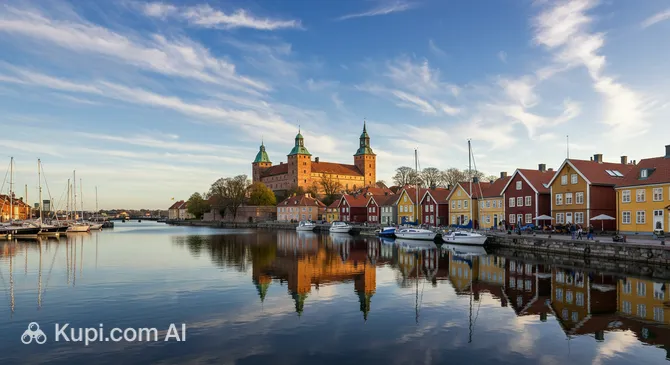
Welcome to Kalmar, a captivating coastal city that stands as one of the most historically significant destinations in Sweden. Known for its well-preserved architecture and seaside charm, this city offers a unique blend of medieval atmosphere and modern vitality. Situated in the southeastern province of Kalmar County, it serves as a vital gateway to the scenic island of Öland, connected by the impressive Öland Bridge.
Kalmar. Illustration.
Source: Kupi.com AI
With a population of approximately 41,000 residents, Kalmar maintains a cozy, small-town feel while providing all the amenities of a vibrant regional hub. The city is renowned for its strategic location by the Baltic Sea, which has deeply influenced its development. Visitors exploring the history of Kalmar will discover its pivotal role in the Middle Ages, particularly as the site where the famous Kalmar Union was signed in 1397, uniting the Nordic kingdoms.
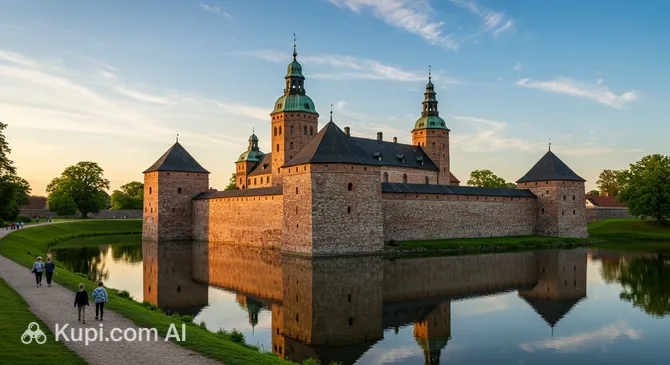
The city's skyline is dominated by the magnificent Kalmar Castle, often described as the most beautiful Renaissance castle in the Nordic region. Another architectural jewel is the Kalmar Cathedral, a stunning example of Baroque design located in the heart of the city center. Whether you are strolling through the cobblestone streets of the Old Town or enjoying the fresh sea breeze at the guest harbor, Kalmar promises an unforgettable experience for every traveler.
Weather Overview
Kalmar experiences a temperate climate influenced by its coastal location on the Baltic Sea, resulting in distinct seasons that are generally milder than in northern Sweden. To help you pack appropriately for your trip, it is helpful to check the current weather in Kalmar before you travel. Generally, you can expect warm summers with occasional rain and cold, damp winters.
The summer months of June through August are the most popular time to visit, offering pleasant conditions with average temperatures between 16°C and 18°C. Daily highs during this period often reach around 21°C, making it perfect for sightseeing. However, rain is not uncommon, with approximately 9 to 12 wet days per month, so bringing a light jacket is recommended.
Winters are chilly but not typically severe, with average temperatures hovering around 1°C to 2°C in January and February. December tends to see the most frequent precipitation, with about 14 wet days. The transitional seasons bring moderate changes; May warms up nicely with highs near 15°C, while October offers crisp autumn air with averages around 10°C.
Average monthly temperature
Average monthly precipitation
Interesting Facts
Beyond its picturesque streets and coastal views, Kalmar preserves a collection of intriguing historical anecdotes and unique features. The city's strategic importance has shaped a legacy full of surprises for the curious traveler.
Kalmar Castle. Illustration.
Source: Kupi.com AI
Traveler photos:
The city center you explore today is not in its original location. In the mid-17th century, following a devastating fire and defense concerns, the entire city was moved from the area surrounding Kalmar Castle to the island of Kvarnholmen. This relocation allowed for the construction of a modern grid-planned city with strong fortifications, much of which remains intact today.
Kalmar was once the stage for one of the most significant political events in Nordic history. The famous "Kalmar Union" was signed here in 1397, uniting the kingdoms of Sweden, Norway, and Denmark under a single monarch to counter the influence of the Hanseatic League.
The waters near the city hide a tragic maritime history that is now a treasure trove for archaeologists. The royal warship Kronan, which exploded and sank in 1676, is the subject of Sweden's largest underwater archaeological project. Over 30,000 artifacts, including gold coins and perfectly preserved clothing, have been recovered and are showcased at the Kalmar County Museum.
Unlike most historic churches in the country, Kalmar Cathedral was not built by the church authorities but by the state. Designed by the renowned architect Nicodemus Tessin the Elder, it stands as a rare example of Swedish Baroque architecture from the Great Power era, symbolizing the King's authority over the church.
How to Get There
Reaching this historic coastal city is convenient, with several transport options available to suit different travel preferences. Whether you are arriving by air or utilizing the rail network, you can find more about how to get to Kalmar and plan the most efficient route for your journey.
The most direct way to arrive is via Kalmar Öland Airport (KLR), which is conveniently located just 5 km from the city center. This regional airport serves approximately 113,000 passengers annually, offering a quick and easy entry point. Once you land, local transport options are available to take you into the heart of the city.
Alternatively, travelers can fly into Kallinge Airport (RNB), situated in the city of Ronneby, roughly 80.5 km away. This airport handles a higher volume of traffic and is a viable option for those who cannot find direct flights to Kalmar. Another nearby option is Vaxjo Airport (VXO) in Vaxjo, located approximately 103.8 km from the city.
For clarity, here is a summary of the main airports:
For those traveling by train, the region is accessible through several key railway hubs. One of the most significant is Hässleholm Station (XWP) in the city of Hassleholm, located about 169.7 km from Kalmar. It is a major transit point with high passenger traffic, connecting various parts of the country to the region.
You can also utilize Karlskrona Railway Station (XWK), which is located approximately 73 km from Kalmar. This station offers a closer connection point for travelers arriving from the south, providing access to the local transport network for the final leg of the trip.
Kalmar is a city where history comes alive, offering visitors a fascinating journey through time alongside beautiful coastal scenery. From grand fortifications to lush gardens, the city's landmarks tell the story of its power and cultural significance in the Nordic region. Here are some of the top places you should not miss during your visit.
Undoubtedly the crown jewel of the city is Kalmar Castle. Often referred to as the most beautiful Renaissance castle in Scandinavia, this imposing fortress has guarded the coast for over 800 years. It was here that the Kalmar Union was signed in 1397, shaping the future of Sweden, Norway, and Denmark. Today, tourists can explore its magnificent halls, dark dungeons, and lush ramparts. The castle hosts engaging exhibitions and guided tours that bring its dramatic past, filled with royal intrigue and battles, vividly to life.
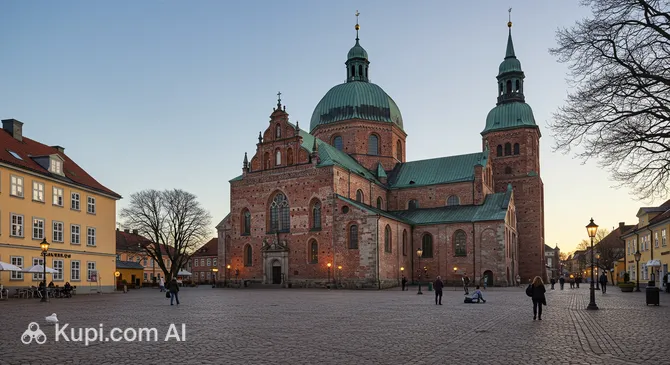
Located in the heart of the city on the main square, Stortorget, stands the majestic Kalmar Cathedral. Built in the late 17th century, it is one of the finest examples of classical Baroque architecture in Sweden. Designed by the famous architect Nicodemus Tessin the Elder, the cathedral is known for its bright, spacious interior and beautiful altar. It serves not only as a place of worship but also as a stunning architectural monument that reflects the city's importance during the Swedish Empire era.
Kalmar Cathedral. Illustration.
Source: Kupi.com AI
Traveler photos:
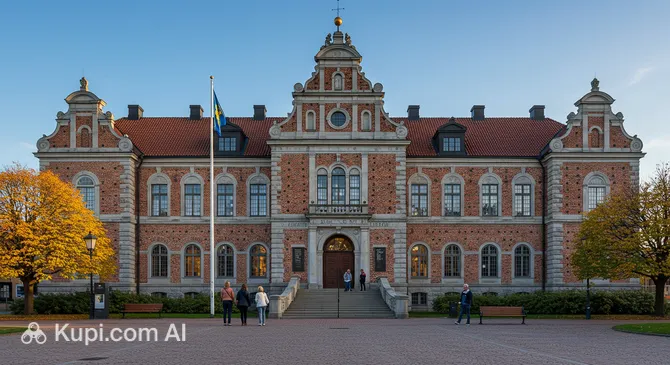
For a deep dive into maritime history, a visit to the Kalmar County Museum is essential. The museum's main draw is the spectacular exhibition of the royal ship Kronan, which sank in battle in 1676. Visitors can marvel at thousands of recovered artifacts, including bronze cannons, a hoard of gold coins, and well-preserved clothing found on the seabed. Additionally, the museum celebrates the work of Jenny Nyström, the beloved artist and illustrator known for creating the modern image of the Swedish "tomte" (gnome).
Kalmar County Museum. Illustration.
Source: Kupi.com AI
Traveler photos:
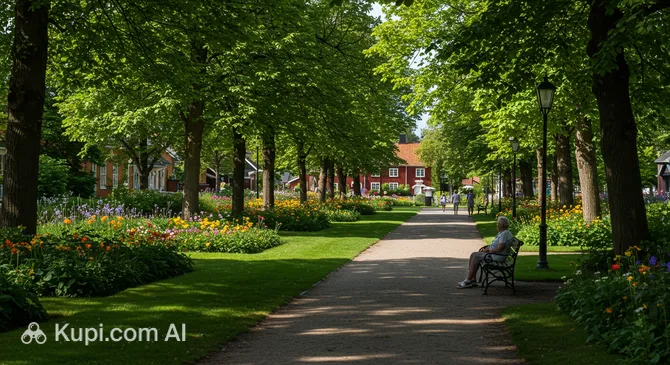
If you are looking for a peaceful retreat, Kalmar City Park offers a verdant oasis right next to the castle. Established in the 19th century, this romantic English-style park is perfect for a leisurely stroll or a picnic. It features a rich variety of exotic trees, colorful flower beds, and winding paths that lead down to the water. It is a favorite spot for both locals and tourists to relax and enjoy the scenic views of the castle and the sea.
Kalmar City Park. Illustration.
Source: Kupi.com AI
Traveler photos:
Local Cuisine
The culinary landscape of Kalmar is deeply rooted in its coastal location and the rich traditions of the Småland region. With the Baltic Sea on its doorstep, the city offers an abundance of fresh seafood, which serves as a cornerstone for many local menus. Visitors can expect a delightful mix of hearty, rustic countryside dishes and modern Swedish gastronomy, often prepared with locally sourced ingredients from the surrounding fertile farmlands.
One dish you simply must try while in the region is kroppkakor. These are savory potato dumplings filled with a mixture of diced pork and onions, typically served with melted butter, cream, and lingonberry jam. While versions of this dish exist across Sweden, the southeastern coast has its own distinct variation that locals are quite proud of. Another regional classic is Småländsk ostkaka, a traditional cheesecake with a unique grainy texture, best enjoyed warm with whipped cream and strawberry jam.
For those with a sweet tooth or a love for coffee, participating in the Swedish tradition of fika is essential. Kalmar is dotted with cozy cafés where you can relax with a strong cup of coffee and a cinnamon bun. On the beverage front, the city has a growing appreciation for craft beers, with local microbreweries producing excellent lagers and ales that pair perfectly with a meal. During the summer, refreshing elderflower cordial is a popular non-alcoholic choice.
The dining scene in Kalmar is vibrant and varied, particularly around the island of Kvarnholmen and the guest harbor. In the warmer months, the city comes alive with outdoor terraces where you can dine with a view of the sea. Whether you are looking for a fine dining restaurant serving gourmet fish dishes or a casual eatery offering street food, you will find plenty of options to suit your taste.
Skälby 4H Farm. Illustration.
Source: Kupi.com AI
Traveler photos:
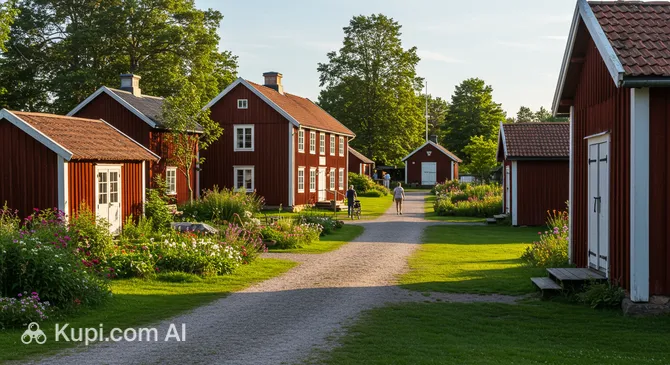
For a more rustic and family-friendly culinary experience, consider visiting Skälby 4H Farm. Located just outside the city center, this charming spot offers a glimpse into traditional farm life. It is a wonderful place to enjoy a simple, homemade snack or a cup of coffee in a peaceful, green setting, surrounded by historic buildings and farm animals.
Travel Tips
To ensure your visit to this historic coastal gem is as smooth and enjoyable as possible, we have compiled a set of practical guidelines. Whether you are here to explore the magnificent castle or simply soak in the seaside atmosphere, these tips will help you navigate Kalmar like a local.
Clothing and Gear: The weather in Kalmar can be changeable due to the Baltic Sea breeze. In summer, bring light layers and a windbreaker, while winters require a warm coat, scarf, and gloves. Since the historic center, Kvarnholmen, features charming but uneven cobblestone streets, comfortable flat walking shoes are essential. Sweden uses standard European Type F power outlets (230V), so bring a universal adapter if you are traveling from outside the continent.
Transportation: The city center is compact and best explored on foot. For longer distances, the local public transport system, Kalmar Länstrafik (KLT), offers reliable bus services. You cannot pay with cash on board; instead, download the "Kalmar Länstrafik" app or use a credit card. Biking is also a fantastic way to get around, with plenty of rental options available. You generally do not need a car unless you plan to explore the countryside or cross the bridge to the island of Öland.
Finances: The local currency is the Swedish Krona (SEK). However, the country is one of the most cashless societies in the world. Many shops, cafes, and museums in Kalmar are card-only and do not accept cash at all. Ensure you have a credit or debit card with a chip and PIN enabled for international use. Tipping is not mandatory, but rounding up the bill to the nearest ten or adding 10% for exceptional service is appreciated.
Health and Safety: Kalmar is a very safe city for tourists, but standard precautions regarding personal belongings apply. Pharmacies are marked with a green cross and the word Apotek; they are well-stocked for minor ailments. In case of a serious emergency, dial 112 for police, ambulance, or fire services. The tap water is of excellent quality and safe to drink, so bring a reusable bottle.
Communication: English is widely spoken and understood by almost everyone, so you will have no trouble communicating. Learning a simple "Hej" (Hello) or "Tack" (Thank you) is a nice gesture. Free Wi-Fi is available in many hotels, cafes, and public spaces. If you need mobile data, you can buy a prepaid SIM card at convenience stores like Pressbyrån.
Local Etiquette: Swedes value personal space and order. If you visit a pharmacy, bank, or ticket counter, look for a ticket machine to take a number (nummerlapp) and wait for your turn. Punctuality is highly respected, so try to be on time for any bookings or tours. When entering a private home, it is customary to remove your shoes at the door.
What to Avoid: Do not walk in the designated bicycle lanes; locals commute by bike year-round and can move quite fast, so blocking the lane is considered rude and can be dangerous. Also, avoid being loud or boisterous in public places, as the local culture tends to be modest and reserved.
Summer Tip: If you are visiting in August, be aware that the city hosts the massive Ironman Kalmar triathlon. The atmosphere is electric, but accommodation prices soar, and streets may be closed for the race. Book your stay well in advance if your trip coincides with this event.
With these practical tips in mind, you are ready to fully embrace the charm and history of Kalmar. We hope your journey is filled with memorable moments, from the castle ramparts to the sparkling waters of the Kalmar Strait.
Entertainment & Nightlife
Entertainment in Kalmar is characterized by a relaxed yet vibrant atmosphere, largely influenced by the city's coastal charm and the energetic presence of university students. While it may not have the frenetic pace of a major metropolis, the city offers a well-curated selection of spots for a memorable night out, particularly in the historic center on the island of Kvarnholmen.
The epicenter of the local nightlife is undoubtedly Larmtorget. This bustling square is lined with restaurants and pubs that transform into lively meeting spots as the evening progresses. During the warmer months, the square is taken over by expansive outdoor terraces where locals and tourists alike gather to enjoy food, drinks, and people-watching under the evening sun. The atmosphere here is generally welcoming and casual, making it easy to strike up a conversation with friendly residents.
For those looking to dance or enjoy a vibrant bar scene, venues like Harrys and Krögers are popular staples in the city center. These establishments often function as restaurants during the evening before transitioning into nightclubs with DJs and dance floors later at night. If you prefer live music and a more bohemian vibe, Söderport is a beloved venue located near the castle, often hosting concerts and events in a cozy, historic setting. The dress code in Kalmar is typically "smart casual"—neat and stylish without being overly formal.
Practicalities are important for a smooth night out. Alcohol prices in Sweden can be high compared to many other countries, so budget accordingly. Most bars and clubs close around 2:00 AM or 3:00 AM on weekends. Kalmar is a very safe city for night walks, even in the late hours, but if you need a ride, local taxi companies are reliable. It is advisable to book a taxi in advance on busy Friday and Saturday nights rather than trying to hail one on the street.
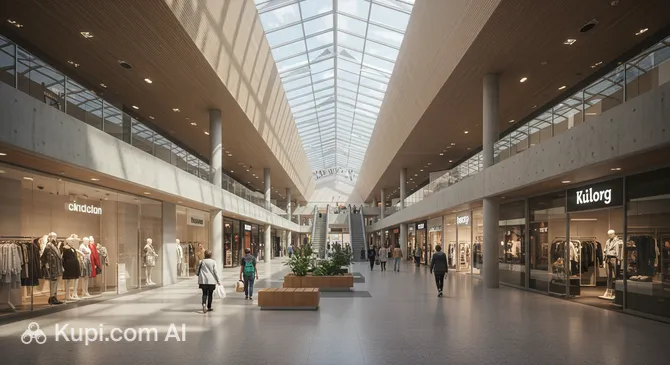
When the sun is up, the city offers plenty of daytime entertainment options beyond its historical sites. Shopaholics will find excellent retail therapy at Giraffen Shopping Center, one of the city's oldest and most established commercial hubs, offering a wide range of stores and cafes.
Giraffen Shopping Center. Illustration.
Source: Kupi.com AI
Traveler photos:
Another major destination for shopping and leisure is Hansa City, located just outside the center near the football arena. This large retail park is perfect for spending a few hours browsing fashion, electronics, and home goods. For culture lovers, the Kalmar Theatre (Kalmar Teater) in the city center offers a beautiful 19th-century setting for plays and performances, adding a touch of classical elegance to the local entertainment scene.
Parks & Museums
While the imposing fortifications of the castle dominate the skyline, Kalmar is also a city of lush gardens and vibrant artistic expression. Beyond its medieval streets, visitors will find a variety of green spaces and cultural venues that offer a deeper understanding of the region's heritage and a chance to unwind in nature.
For those seeking a scenic escape, the Stensö recreation area is a favorite among locals. Located on a peninsula just south of the city center, this nature reserve offers a mix of open landscapes, dense oak forests, and calming water views. It is an excellent spot for hiking, jogging, or enjoying a seaside picnic. Stensö also holds historical significance, as it is said to be the place where King Gustav Vasa landed in 1520 after his exile, an event marked by a memorial stone on the cape.
A hidden jewel in the city is Krusenstiernska Gården, a beautifully preserved 19th-century city estate. This unique site functions as both a museum and a garden, offering a glimpse into the life of the upper class during the 1800s. The lush garden is filled with fruit trees, berry bushes, and blooming flowers, creating a romantic atmosphere. In the summer, the garden café is a popular spot to enjoy traditional Swedish pastries under the shade of old trees.
While the central Kalmar City Park is the city's most well-known green space, it also serves as a cultural hub. Nestled within the park is the Kalmar Art Museum (Kalmar Konstmuseum), a striking black cube building that contrasts sharply with the surrounding historic architecture. This museum is dedicated to contemporary art, hosting thought-provoking international and Swedish exhibitions that often spark conversation and debate.
To fully appreciate the city's maritime legacy beyond the famous exhibitions at the Kalmar County Museum, a visit to the Kalmar Maritime Museum (Kalmar Sjöfartsmuseum) is highly recommended. Located in a charming yellow house near the harbor, this smaller museum is packed with nautical artifacts, ship models, and navigation instruments. It provides an intimate look at the everyday lives of the sailors and captains who helped shape Kalmar into a prosperous port city.
For a truly authentic experience, take a walk through the Gamla Stan (Old Town) area just west of the castle. Unlike the 17th-century center on Kvarnholmen, this area features winding medieval streets and small, well-preserved wooden cottages that survived the historic city move, offering a peaceful and picturesque atmosphere away from the main tourist crowds.
Getting Around
Public transport in Kalmar is efficient, clean, and reliable, primarily revolving around a comprehensive bus network managed by Kalmar Länstrafik (KLT). Since the city is relatively compact, there is no metro, tram, or trolleybus system. For most visitors, the city buses (stadstrafik) are the most convenient way to reach areas outside the immediate city center, such as the university, shopping districts, or the airport. The central hub for all bus and train traffic is Kalmar Central Station, located right next to the harbor and the historic city center.
The payment system is fully modernized and designed to be cashless. The easiest way to buy tickets is by downloading the Kalmar Länstrafik app, which allows you to purchase single tickets, 24-hour passes, or longer-term travel cards directly on your smartphone. Alternatively, you can use a contactless credit or debit card (Visa, Mastercard, etc.) to tap and pay directly aboard the bus. It is important to note that cash is not accepted on board buses, so you must have a card or a digital ticket ready before you board.
Ticket prices are reasonable, with a single adult journey within the city zone costing approximately 30-35 SEK. If you plan to travel frequently, a 24-hour visitor pass offers excellent value and unlimited travel within the selected zone. Tickets bought via the app or with a travel card (Resekort) are generally slightly cheaper than those purchased on board. Be sure to activate your mobile ticket before boarding or scan your physical card at the reader located near the driver.
Buses typically run from early morning, around 05:00 or 06:00, until late at night, with reduced frequency on weekends and holidays. During peak hours, services are frequent, but late-night services can be sparse. It is always a good idea to check the timetable in the KLT app or on digital displays at major bus stops. For trips further afield, regional buses and trains connect Kalmar to neighboring towns and the island of Öland.
Given Kalmar's flat terrain and scenic coastal paths, cycling is an extremely popular alternative to motorized transport. The city is designed with cyclists in mind, featuring extensive bike lanes that make it safe and easy to get around. Visitors can rent bicycles from several spots in the city center or near the tourist information center. In the summer months, a special bicycle ferry, Dessamen, operates between Kalmar and Färjestaden on Öland, offering a delightful way to cross the strait with your bike.
Taxis are available but can be quite expensive compared to public transport. You can find taxi ranks at the Central Station and the airport, or you can book one by phone or app through local companies like Taxi Kalmar. Ride-sharing apps are not as dominant here as in larger cities, so relying on established taxi firms is recommended. For short distances within the historic center and Kvarnholmen, walking is often the best option, as most attractions, hotels, and restaurants are clustered close together.
Accommodation
Where to Stay:
Finding the perfect place to stay in Kalmar is relatively easy, as the city offers a welcoming mix of accommodation options to suit various tastes and budgets. Whether you are looking for a charming historic hotel, a functional modern room, or a budget-friendly hostel, the city provides high-quality standards across the board. Due to its coastal location, many establishments offer beautiful views of the Kalmar Strait or the city's cobblestone streets.
The most popular area for tourists is undoubtedly Kvarnholmen, the island that forms the city center. Staying here places you within walking distance of the central train station, the main shopping streets, and major landmarks like the cathedral. It is the most convenient choice for those arriving by public transport, as you will be surrounded by restaurants and cafes without needing to take a taxi. For a quieter and more scenic experience, look for accommodations near the guest harbor or close to the castle grounds, where you can enjoy peaceful morning walks by the water.
For travelers on a tighter budget or those who enjoy a more social atmosphere, Kalmar has several well-maintained hostels and bed-and-breakfasts. These are often located in renovated older buildings, adding a touch of character to your stay. During the summer months, camping is also a popular option, with scenic campsites located on the outskirts of the city, often near beaches and nature reserves like Stensö, offering cabins and spots for caravans.
Booking Tips: It is highly recommended to book your accommodation well in advance, especially if you plan to visit during the peak summer season (June to August). This is particularly critical in mid-August when the city hosts the Ironman Kalmar triathlon. During this week, the city is packed with athletes and spectators, and finding a vacant room at the last minute is nearly impossible. Prices also tend to be significantly higher during this event and the Swedish holiday month of July.
In terms of pricing, accommodation in Kalmar generally follows standard Swedish rates, which can be considered mid-range to high compared to some other European destinations. Most bookings are easily made via major online platforms or directly through hotel websites. Since Sweden is a digital-first society, payment is almost exclusively done by card, and many hotels operate with cashless receptions.
Nearby Cities
For those looking to explore the surroundings, Kalmar serves as an excellent base for day trips to several interesting nearby locations:
Located just a short drive south, Karlskrona is a fascinating naval city spread across numerous islands. It is designated as a UNESCO World Heritage site due to its unique Baroque architecture and well-preserved maritime history, making it a perfect destination for history enthusiasts and admirers of coastal scenery.
For families and literature lovers, Vimmerby offers a magical experience as the birthplace of the renowned author Astrid Lindgren. Visitors can step into the world of Pippi Longstocking and other beloved characters at the local theme park, which brings these classic stories to life in a charming setting.
In the heart of the Småland region lies Vaxjo, often celebrated as one of the greenest cities in Europe. It serves as a gateway to the famous "Kingdom of Crystal" (Glasriket), where travelers can explore the region's rich tradition of glassblowing and visit historic glassworks.
These nearby destinations offer a glimpse into the diverse culture and landscapes of the region.
Shopping & Souvenirs
Shopping in Kalmar offers a delightful mix of small-town charm and modern retail convenience. The city provides a relaxed atmosphere where you can browse through unique boutiques, well-known fashion chains, and specialty stores, all within easy reach. Whether you are looking for local handicrafts or the latest trends, the shopping scene here caters to a wide variety of tastes and budgets.
The heart of the city's shopping district is located on the island of Kvarnholmen. Here, the pedestrian-friendly streets of Storgatan and Kaggensgatan are lined with a diverse array of shops set against a backdrop of beautiful historic architecture. This area is perfect for a leisurely stroll, offering everything from interior design and jewelry to books and clothing. The charming side streets also hide smaller, independent boutiques where you can find one-of-a-kind items and personalized service.
For those who prefer a comprehensive shopping experience under one roof, the city boasts excellent shopping centers. Giraffen Shopping Center is a well-established favorite located just a short walk from the city center. It features a wide selection of stores, including supermarkets, fashion outlets, and pharmacies, making it a convenient stop for daily needs and leisure shopping alike.
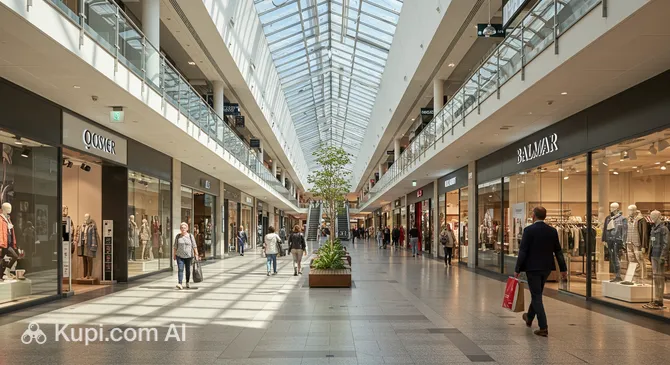
Another major retail destination is Hansa City, situated on the outskirts of Kalmar near the football arena. This extensive commercial park is home to large department stores, electronics retailers, and the region's IKEA. It is the ideal place for heavy shopping, offering ample parking and a vast range of goods that attract visitors from all over the province.
Hansa City. Illustration.
Source: Kupi.com AI
Traveler photos:
If you enjoy a more traditional shopping environment, keep an eye out for the local markets. The main square, Stortorget, and the lively Larmtorget often host market stalls, particularly on Wednesdays and Saturdays. Here, you can find fresh local produce, flowers, and regional delicacies. During the summer and leading up to Christmas, these squares come alive with seasonal markets selling handmade crafts and festive treats.
When it comes to souvenirs, Kalmar is strategically located near the famous "Kingdom of Crystal" (Glasriket). Consequently, glass art and high-quality crystal are among the best things to buy here. You can find exquisite pieces from renowned Swedish glassworks in several city center shops. Other popular keepsakes include traditional Swedish handicrafts (hemslöjd), wooden Dala horses, and locally produced jams or honey from the sunny island of Öland.
Most shops in the city center are open on weekdays from 10:00 AM to 6:00 PM and on Saturdays from 10:00 AM to 3:00 PM or 4:00 PM. The larger shopping malls like Giraffen and Hansa City typically have extended hours and are open on Sundays as well. It is important to remember that Sweden is a leader in cashless payments. Almost all stores, cafes, and market stalls accept—and often prefer—credit or debit cards, so you can easily manage without carrying large amounts of cash.
For visitors residing outside the European Union, tax-free shopping is available in many stores. Look for the "Global Blue" or "Tax Free Shopping" signage in the window. If you spend a certain amount in a participating store, you can request a refund form to claim back the VAT upon your departure from the EU, making your shopping experience even more rewarding.