Support

Copenhagen

About

Welcome to Copenhagen, the vibrant capital of Denmark. Known for its exceptional quality of life, sustainable urban design, and the uniquely Danish concept of "hygge," this city effortlessly blends fairy-tale charm with modern innovation. Whether you are strolling along its colorful canals or cycling through its bike-friendly streets, the atmosphere is always welcoming and relaxed.
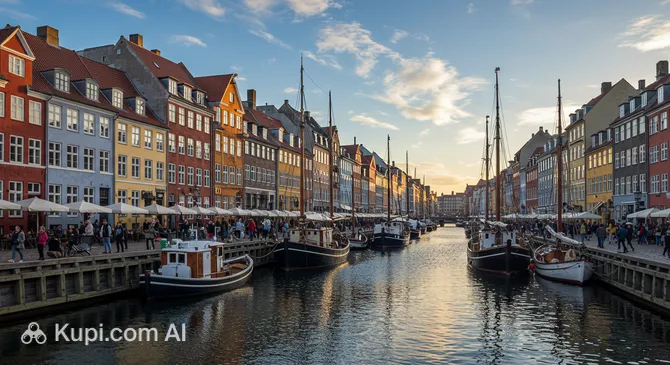
Copenhagen. Source: Kupi.Binoculars

Situated on the coastal islands of Zealand and Amager, the city serves as the cultural and economic hub of the region. With a population of over 1.3 million residents, it feels bustling yet manageable, offering a perfect balance between a major metropolis and a cozy community. The maritime climate brings mild summers and cool winters, adding a distinct character to the cityscape throughout the seasons.

The rich history of Copenhagen dates back to the 10th century when it began as a Viking fishing village. Today, visitors can explore iconic landmarks such as the historic Tivoli Gardens, one of the world's oldest amusement parks, or the picturesque harbor of Nyhavn, famous for its brightly colored 17th-century townhouses. Don't miss the chance to see the famous Little Mermaid statue, a tribute to the legacy of Hans Christian Andersen.

From world-class dining to cutting-edge architecture, Copenhagen offers an unforgettable experience for every traveler. It is a destination that invites you to slow down, explore, and enjoy the simple pleasures of life in one of Scandinavia's most beautiful cities.
Weather Overview

The climate in the Danish capital is maritime, characterized by distinct seasons that are generally milder than other locations at the same latitude. To help you pack appropriately for your trip, it is helpful to review the typical weather in Copenhagen before you go. While the city avoids extreme temperature fluctuations, conditions can be changeable, so layers are often recommended.

Summers are pleasant and moderately warm, making them the most popular time for visitors. During the peak months of July and August, average temperatures hover around 17°C, with daily highs reaching a comfortable 21.3°C. Winters, on the other hand, are chilly and often overcast. From December through February, temperatures typically range between 0.4°C and 5°C, requiring a warm coat and sturdy footwear.

Precipitation is a constant companion throughout the year, although it is rarely heavy. Expect mild, comfortable summers with occasional showers and cold, damp winters where wet days are frequent, peaking at 15 days in January. Spring brings a drier trend, with April historically being the month with the fewest wet days, offering crisp and clear conditions for sightseeing.

Interesting Facts

Beyond the main attractions, Copenhagen holds many fascinating secrets that reveal the city's innovative spirit and rich heritage. From ancient amusement parks to ski slopes on power plants, the Danish capital is full of surprises waiting to be discovered.
  • Copenhagen is home to the two oldest operating amusement parks in the world. While the famous Tivoli Gardens served as an inspiration for Walt Disney, Bakken is actually the oldest, having welcomed visitors to its deer park setting since 1583.

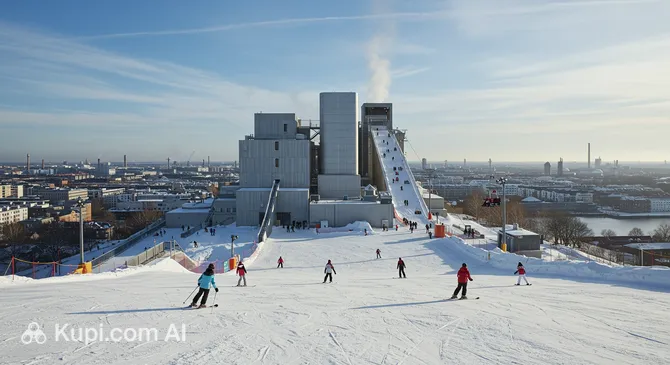
  • You can go skiing in the middle of the city, even without snow. CopenHill is a unique artificial ski slope built on top of a waste-to-energy power plant, which also features the tallest climbing wall in the world on its facade.

  • The Round Tower was uniquely constructed without stairs to accommodate a horse and carriage. Instead of steps, a 209-meter-long spiral ramp winds its way to the top, allowing heavy astronomical equipment and books to be wheeled up to the observatory.

  • The city is a paradise for cyclists, with bikes outnumbering cars by a significant margin. The infrastructure is so advanced that traffic lights in the city center are coordinated to create a "green wave" for cyclists riding at 20 km/h, allowing them to commute without stopping.

  • The water in the inner harbor is clean enough for swimming. During the summer, locals flock to the harbor baths to take a dip in the pristine water, a testament to the city's successful environmental efforts to modernize its sewer system.

CopenHill. Source: Kupi.Binoculars

How to Get There

Reaching the Danish capital is straightforward thanks to its well-connected transport network. Whether you are flying in from abroad or arriving by train from neighboring countries, you have several convenient options. For a complete guide on all travel methods, you can read more about how to get to Copenhagen to plan your journey efficiently.

The primary gateway for international travelers is Copenhagen Airport (CPH), located just 8.5 km from the city center. As the largest airport in the Nordic countries, it serves as a major hub with high passenger volume. Getting to the city center is quick; a taxi or bus ride takes approximately 35 minutes. Alternatively, travelers can fly into Malmo Airport (MMX), situated in the city of Malmö, Sweden. Although it is about 53 km away from Copenhagen, it is a viable option for some routes. The journey from Malmö to Copenhagen typically takes around 1 hour and 40 minutes by road.

For clarity, here is a summary of the main airports:

Airport Name City Passenger Traffic Km from City
Copenhagen Airport Copenhagen Very High 8.5
Malmo Airport Malmö Medium 52.8
Aarhus Airport Aarhus Medium 139.8
Angelholm Helsingborg Airport Angelholm Small 71.3
Halmstad Airport Halmstad Small 114.1

If you prefer traveling by train, the city is served by the historic Copenhagen Central Station (ZGH). Located right in the heart of Copenhagen, just 0.4 km from the center, it connects the capital to destinations across Denmark and Europe. A taxi from here to most central hotels takes only about 20 minutes, though many are within walking distance. Another significant hub nearby is Malmö Central Station (XFP) in Malmö, Sweden. Situated approximately 28 km away, it offers frequent connections across the Øresund Bridge, making the transfer between the two cities seamless.

Below is a list of the nearest railway stations:

Station City Passenger Traffic Km to Center
Copenhagen Central Station Copenhagen Very High 0.4
Malmö Central Station Malmö High 28.2
Lund Central Station Lund High 39.1
Helsingborg Central Station Angelholm High 41.7
Malmö Syd Station Malmö High 28.6

Main Attractions

Copenhagen is a city where history and modernity coexist seamlessly, offering a wealth of experiences for every type of traveler. From royal palaces and historic sculptures to world-class art museums and magical gardens, the city's landmarks are accessible and enchanting. Here are some of the top places you shouldn't miss during your visit.

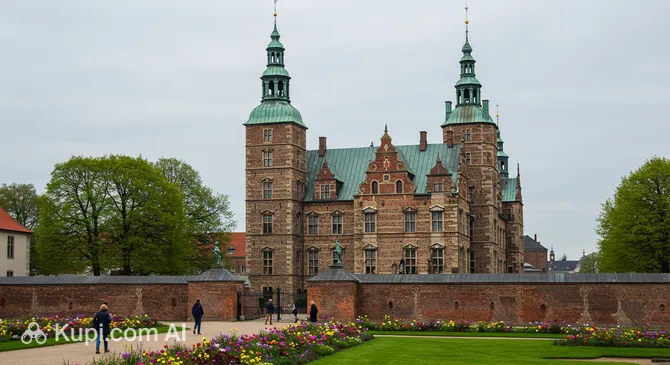
A visit to the Danish capital would be incomplete without stepping into the fairy-tale world of Rosenborg Castle. Built in the early 17th century by King Christian IV, this stunning Dutch Renaissance palace is located in the heart of the city. Visitors can explore its well-preserved interiors, including the Knight’s Hall with its coronation thrones, and marvel at the sparkling Crown Jewels kept in the treasury. The castle is surrounded by the King’s Garden, a popular spot for a relaxing stroll.

Rosenborg Castle. Source: Kupi.Binoculars

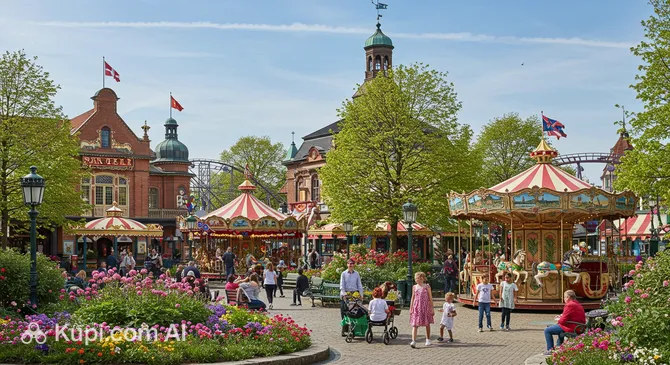
Just a short distance away lies the iconic Tivoli Gardens. While its history as one of the world's oldest amusement parks is fascinating, the real magic lies in its atmosphere today. It is a true pleasure garden featuring lush flower beds, exotic architecture, and thousands of colored lights that transform the park at night. Whether you are seeking the thrill of the roller coasters or a fine dining experience, Tivoli offers a unique blend of nostalgia and fun.

For those interested in royal traditions, Amalienborg Palace is a must-see. This complex consists of four identical rococo mansions framing an octagonal courtyard and serves as the winter residence of the Danish Royal Family. A highlight for many tourists is the Changing of the Royal Guard, a ceremonial event that takes place daily at noon, adding a touch of regal pageantry to the waterfront area.

One of the city's most famous symbols is The Little Mermaid. Perched on a rock at the Langelinie promenade, this bronze statue is smaller than many expect but carries immense cultural significance. Inspired by Hans Christian Andersen’s beloved fairytale, it has been gazing out towards the harbor since 1913, attracting visitors from all over the globe who come to capture a photo of this melancholic beauty.

Art lovers will find a haven at the Ny Carlsberg Glyptotek. Founded by the brewing magnate Carl Jacobsen, this museum houses an impressive collection of ancient and modern art, ranging from Egyptian mummies to French Impressionist paintings. The building itself is an architectural gem, featuring a magnificent winter garden with palm trees and a glass dome, providing a peaceful oasis in the city center.

Local Cuisine

The culinary landscape of Copenhagen has evolved into one of the most exciting in the world, blending traditional Danish comfort food with the innovative "New Nordic" philosophy. The city caters to every palate, offering everything from high-end Michelin-starred experiences to casual, vibrant street food markets. At the heart of a traditional Danish lunch is the iconic smørrebrød. These open-faced sandwiches are artfully arranged on dense rye bread and topped with high-quality ingredients like pickled herring, roast beef, or breaded plaice, often garnished with fresh herbs and remoulade.

For a warm and hearty meal, you must try the national dish of Denmark, stegt flæsk med persillesovs. This consists of crispy slices of pork belly served with boiled potatoes and a creamy parsley sauce, a favorite among locals for its comforting simplicity. Another ubiquitous feature of the city's food culture is the pølsevogn (hot dog stand). Found on many street corners, these stands serve the classic Danish hot dog, typically topped with crispy onions, pickles, and a variety of sauces.

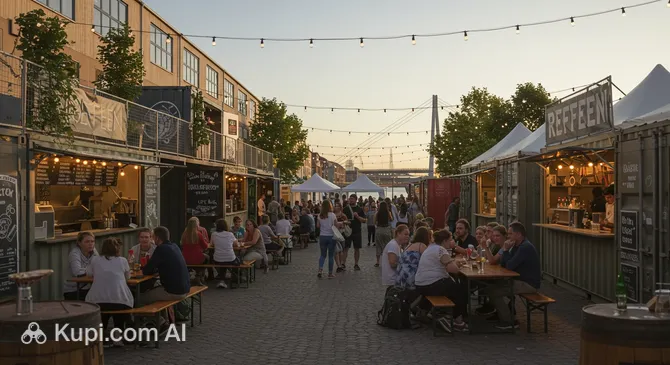
Reffen. Source: Kupi.Binoculars

The street food scene in the capital is thriving, providing a relaxed atmosphere where tourists and locals mingle. A prime example is Reffen, an organic street food market located in the industrial area of Refshaleøen. Here, you can sample dishes from dozens of different cuisines while enjoying views of the harbor, making it a perfect spot for a sunny afternoon or a lively evening.

No visit to Copenhagen is complete without indulging in something sweet. The world-famous Danish pastries, known locally as wienerbrød, are flaky, buttery, and often filled with custard, marzipan, or fruit jams. Bakeries across the city take great pride in their craft, ensuring that your coffee break is always a delicious experience.

When it comes to beverages, beer plays a central role in Danish culture. The city is the birthplace of the global brewing giant Carlsberg, and you can delve into this heritage at the Carlsberg Museum. Beyond the big names, a vibrant craft beer scene has emerged, with microbreweries popping up in many neighborhoods. For a stronger traditional spirit, try akvavit (snaps), a distilled spirit flavored with herbs and spices, traditionally enjoyed chilled alongside a herring lunch.

Dining in Copenhagen is also about community and "hygge"—a sense of cozy togetherness. This spirit is perfectly embodied at places like the Absalon Community House. In this converted church, locals and visitors sit together at long tables for communal dinners, sharing food and conversation in a warm, inclusive environment that captures the true essence of Danish hospitality.

Travel Tips

Preparing for a trip to the Danish capital ensures you can fully enjoy its cozy atmosphere without minor logistical hiccups. Here is some practical advice to help you navigate local customs, weather, and daily life in Denmark like a pro.

  1. Clothing and Gear: The weather can be unpredictable, so dressing in layers is essential regardless of the season. Even in summer, evenings can be cool, so bring a light jacket or sweater. A waterproof coat or a sturdy umbrella is a must, as showers can occur suddenly. Since you will likely be walking on cobblestones or cycling, pack comfortable, flat walking shoes.

  2. Transportation: The public transport system (Metro, S-trains, and buses) is world-class, punctual, and fully integrated; a "City Pass" is often the most economical option for tourists. However, to truly experience the city like a local, consider renting a bicycle. Car rentals are generally unnecessary and can be a hassle due to heavy traffic and expensive parking in the city center.

  3. Finances: The local currency is the Danish Krone (DKK). Copenhagen is a nearly cashless society, and credit cards are accepted almost everywhere, from hot dog stands to museums. You rarely need large amounts of cash. Tipping is not mandatory as service charges are included in the bill, but rounding up for exceptional service is appreciated.

  4. Health and Safety: The city is one of the safest in the world, but standard precautions against pickpockets should be taken in crowded areas like Nørreport Station or Strøget. Pharmacies (apotek) are easy to find, and tap water is not only safe but often tastes better than bottled water. For emergencies, dial 112.

  5. Communication: There is virtually no language barrier; nearly everyone speaks fluent English. However, learning a few words like tak (thank you) or hej (hello) is a nice gesture. Free Wi-Fi is widely available in hotels, cafes, and public transport, but EU citizens can also roam freely on their home data plans.

  6. Local Etiquette: Danes value punctuality and adherence to rules. It is customary to wait for the green light before crossing the street, even if no cars are coming. In public, people are generally quiet and respect personal space, so avoid loud conversations on public transport.

  7. What to Avoid: The most important rule in Copenhagen is to never walk in the bike lanes. These are considered fast-moving traffic lanes, and stepping into them is dangerous and will likely provoke angry reactions from cyclists.

  8. Smart Sightseeing: If you plan to visit many museums and use public transport, purchasing a Copenhagen Card can offer significant savings. It provides free admission to over 80 attractions and includes unlimited transport in the capital region.

With these tips in mind, you are ready to embrace the Danish way of life effortlessly. Enjoy the freedom of the city, from its breezy harbors to its warm, candlelit cafes, and have a safe journey.

Entertainment & Nightlife

Entertainment and Nightlife:

When the sun sets, Copenhagen transforms into a city of twinkling lights and lively spirits. The nightlife scene here is diverse, safe, and incredibly welcoming, ranging from traditional smoky "bodegas" (old-school pubs) to sophisticated cocktail bars and pounding nightclubs. Whether you are looking for a quiet evening of "hygge" with friends or a dance floor to last until dawn, the Danish capital has something to offer.

The epicenter of the city's trendy nightlife is the Meatpacking District (Kødbyen) in Vesterbro. Once an industrial hub, this area is now packed with galleries, restaurants, and clubs set in white-tiled butcher halls. The atmosphere here is raw and hipster-chic, attracting a crowd that enjoys craft beers and electronic music. Another vibrant area is Nørrebro, particularly around Sankt Hans Torv and Ravnsborggade, known for its multicultural vibe, excellent cocktail bars, and relaxed dives.

For music lovers, the city has a legendary jazz scene. A must-visit venue is La Fontaine, the oldest jazz club in Copenhagen. Famous for its intimate atmosphere and late-night jam sessions, it is a place where you can often catch world-class musicians performing after their main gigs elsewhere. If you prefer a more alternative cultural experience, Huset-KBH offers everything from live concerts and theater to cinema screenings and cozy board game lounges.

Tivoli Gardens. Source: Kupi.Binoculars

Speaking of games, for a night out that focuses on social interaction rather than loud music, Bastard Café is a local favorite. This massive board game café offers thousands of games and a friendly environment, making it perfect for groups or solo travelers looking to meet locals. For those seeking high culture and spectacular views, an evening performance at The Royal Danish Opera House provides a world-class experience on the waterfront.

Practical Advice for Night Owls:

  • Timing: The nightlife really kicks off on Thursdays, Fridays, and Saturdays. Bars usually stay open until 02:00 or later, while clubs often don't get busy until after midnight and can stay open until 05:00.
  • Prices: Be prepared for Scandinavian prices. Alcohol is heavily taxed, so cocktails and beers can be expensive compared to other European cities. Many locals start with "pre-drinks" at home.
  • Dress Code: The style is generally "smart casual." Danes dress well but practically; you will rarely see ties or overly formal evening wear in clubs. Comfortable shoes are recommended, especially if you plan to walk or cycle.
  • Safety and Transport: Copenhagen is one of the safest cities in the world for night walks. Getting home is easy, as the Metro runs 24/7. Taxis are available but expensive; you can hail them on the street if the light is on, or book via phone/app.

While the nights are vibrant, the city offers plenty of daytime entertainment as well. Visitors can explore the vast collections at the National Museum of Denmark, stroll through historical amusement parks, or enjoy the thriving theater scene. Whether day or night, the city's entertainment landscape is designed to be accessible and enjoyable for everyone.

Parks & Museums

Copenhagen seamlessly integrates nature into urban life, offering a refreshing array of lush green spaces alongside institutions that celebrate its artistic and historical legacy. Whether you are looking to escape the bustle of the city streets or dive deep into Scandinavian heritage, the capital provides ample opportunities to explore both the outdoors and the indoors.

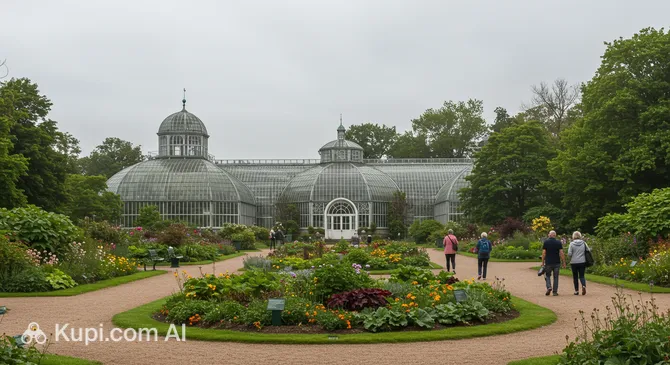
One of the most enchanting green oases in the city center is the Copenhagen Botanical Garden. Spanning 10 hectares, this living museum is famous for its historical glasshouses, particularly the magnificent old Palm House dating back to 1874. Visitors can wander through diverse climates, from the humid tropics to the arid desert, making it a delightful stop for nature lovers and photographers alike.

Copenhagen Botanical Garden. Source: Kupi.Binoculars

For a unique combination of history and recreation, a walk through Kastellet (The Citadel) is highly recommended. As one of the best-preserved star fortresses in Northern Europe, it is still an active military area but functions primarily as a beloved public park. You can stroll along the ramparts for scenic views of the harbor, admire the iconic red windmill, and enjoy the peaceful atmosphere just minutes away from the busy city center.

To truly understand the nation's past, a visit to the National Museum of Denmark is essential. Housed in the Prince’s Palace, it showcases an extensive collection ranging from the Stone Age to modern times. Highlights include the famous Viking treasures, well-preserved bog bodies, and exhibitions that tell the story of the Danish people, offering a comprehensive context for your travels.

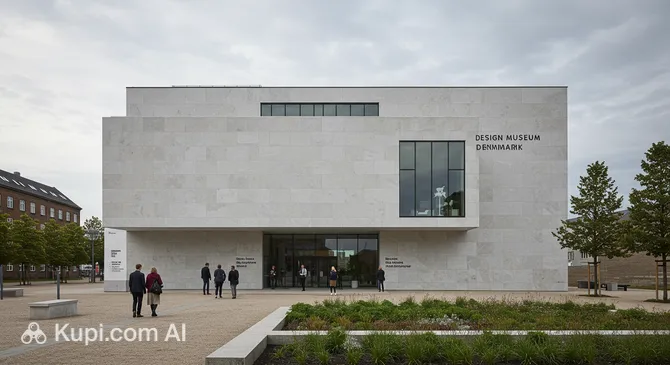
Art enthusiasts should not miss the National Gallery of Denmark (SMK), the country's largest art museum. The gallery presents a vast collection of Danish and international art spanning seven centuries, with a special focus on the Danish Golden Age and contemporary works. Nearby, the Design Museum Denmark celebrates the country's world-renowned contributions to design, featuring iconic furniture, fashion, and industrial craftsmanship that define the Scandinavian aesthetic.

Design Museum Denmark. Source: Kupi.Binoculars

Beyond the traditional museums, the city is home to striking architectural landmarks like The Royal Library, also known as the "Black Diamond" due to its polished black granite facade. It serves as a modern cultural venue housing concert halls and exhibition spaces, beautifully juxtaposed against the historic waterfront.

For a truly authentic experience, venture slightly north of the city to The Open Air Museum (Frilandsmuseet). This expansive attraction features over 50 reconstructed farms, mills, and houses from different periods and regions of Denmark, set in a picturesque landscape that allows you to step back in time and see how rural Danes lived centuries ago.

Getting Around

Public transport in Copenhagen is renowned for being efficient, punctual, and safe, making it an excellent choice for visitors. The system is fully integrated, meaning that a single ticket allows you to transfer seamlessly between the Metro, buses, trains, and harbour buses. The network is divided into zones, but most tourist attractions are located within the central two zones, while the airport is in zone three.

The Metro is the backbone of the city's transport, operating 24 hours a day, 7 days a week. It is driverless and modern, with frequent departures every few minutes during the day. The S-trains (S-tog) are red commuter trains that connect the city center to the suburbs and the wider region; they run from early morning until late at night, with all-night service on Fridays and Saturdays. For areas not covered by rail, an extensive network of buses is available. "A-buses" run frequently around the clock, while "S-buses" are faster with fewer stops.

For payment, the most convenient option for tourists is usually the City Pass. This pass offers unlimited travel in the city center (City Pass Small) or the entire capital region (City Pass Large) for periods ranging from 24 to 120 hours. Another popular choice is the Copenhagen Card, which includes unlimited transport and free admission to over 80 attractions. If you prefer single trips, you can buy tickets via the "DOT Tickets" app or at ticket machines found at all metro and train stations. Note that cash is rarely accepted on buses, so buying in advance or using the app is recommended.

Using the system is straightforward, but it operates on a proof-of-payment basis. You must have a valid ticket before boarding the train or metro; there are no turnstiles, but ticket inspectors patrol frequently, and fines for traveling without a valid ticket are substantial. If you use a physical paper ticket purchased from a machine, it is usually valid from the moment of purchase. Travel times are generous, typically allowing 60 to 90 minutes for a single zone ticket, which covers transfers.

A unique and scenic way to get around is the Harbour Bus (Havnebus). These yellow ferries use the same ticketing system as buses and trains but offer a delightful route through the harbor, passing iconic landmarks like the Opera House and the Little Mermaid. Additionally, the driverless Metro trains feature a large window at the very front, offering a "driver's eye" view of the tunnels and city, which is a favorite spot for children and adults alike.

While public transport is excellent, cycling is the true heartbeat of the city. With extensive bike lanes and flat terrain, renting a bike is often the fastest way to get around. Visitors can easily rent bicycles from shops, hotels, or use app-based bike-sharing systems like Donkey Republic. Taxis are available and reliable but can be quite expensive; ride-hailing apps like Dantaxi and Viggo are commonly used alternatives to hailing a cab on the street.

Accommodation

Finding the perfect place to stay in Copenhagen is part of the experience, as the city offers a diverse range of accommodations that reflect its design-conscious culture. Options span from functional budget hostels and cozy bed-and-breakfasts to high-end luxury resorts and boutique design hotels. The general standard of accommodation is very high, with a strong emphasis on cleanliness, modern amenities, and eco-friendly practices, regardless of the price point.

For first-time visitors, the most convenient area to stay is Indre By (the Inner City). This historic center places you within walking distance of major attractions like Tivoli Gardens and Nyhavn. If you prefer a trendier, more youthful vibe, the Vesterbro district is an excellent choice. Once a gritty area, it has transformed into a hip neighborhood filled with galleries, cafes, and nightlife, located just behind the Central Station. Families and those seeking a quieter atmosphere often favor Østerbro, known for its wide boulevards, green spaces, and proximity to the Little Mermaid.

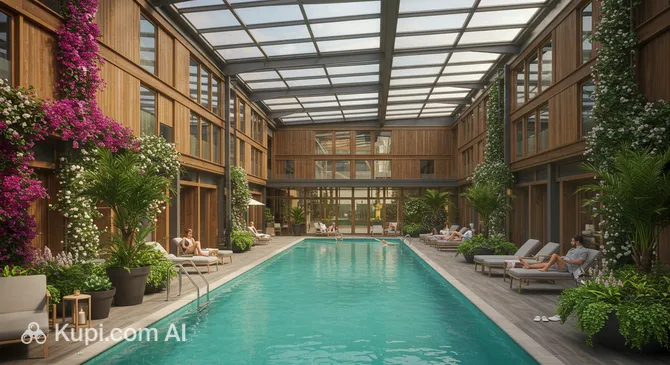
The city is particularly renowned for its unique hotels that blend distinct themes with Scandinavian comfort. A prime example is Manon Les Suites, a 5-star resort hotel that transports guests to a tropical paradise in the middle of the city. Known for its "Bali-style" atmosphere, it features a stunning central pool area surrounded by lush greenery and hanging plants, offering a luxurious urban retreat.

Manon Les Suites. Source: Kupi.Binoculars

Accommodation in the Danish capital is generally on the expensive side compared to many other European cities. Budget travelers should expect to pay a premium even for hostels, while mid-range and luxury options can be quite pricey, especially during the peak summer months. To secure the best rates and availability, it is highly recommended to book well in advance. Most bookings are easily made via major online platforms or directly through hotel websites, which is often the best way to find special offers.

Nearby Cities

For those looking to explore the surroundings, Copenhagen serves as an excellent base for day trips to several interesting nearby locations:

One of the most popular destinations is Roskilde, located just a short train ride to the west. This historic city is famous for its UNESCO-listed cathedral, which serves as the final resting place for Danish royalty. Visitors also flock to the Viking Ship Museum, where five original Viking vessels are on display, offering a fascinating glimpse into the region's maritime past.

To the north lies Elsinore (Helsingør), a port city steeped in literary fame. It is home to the majestic Kronborg Castle, widely known as the setting for Shakespeare's Hamlet. Beyond the castle, the city offers a charming medieval center and the impressive M/S Maritime Museum of Denmark, built underground in an old dry dock.

Another gem in the region is Hillerød, best known for the stunning Frederiksborg Castle. Situated on three small islets within a castle lake, this Renaissance masterpiece houses the Museum of National History. Its exquisite baroque gardens and romantic boat tours make it a perfect spot for a scenic afternoon.

City Population Distance (km)
Roskilde 51,916 30
Hørsholm 47,680 23
Elsinore 47,257 40
Koge 38,304 34
Hillerød 35,357 33

These nearby destinations offer a glimpse into the diverse culture and landscapes of the region, providing enriching experiences just a stone's throw from the capital.

Shopping & Souvenirs

Copenhagen is renowned as a global capital of design and fashion, offering a shopping experience that emphasizes quality, craftsmanship, and the famous Scandinavian aesthetic. From high-end luxury brands to unique independent boutiques, the city caters to every taste. It is particularly famous for Danish interior design, furniture, and porcelain, making it a paradise for those looking to add a touch of "hygge" to their homes.

The heartbeat of the city's retail scene is Strøget, one of Europe's longest pedestrian streets. Stretching from City Hall Square to Kongens Nytorv, this bustling thoroughfare features a mix of international chains, flagship stores, and exclusive design houses. For a more bohemian and authentic vibe, explore the side streets known as "Strædet," where you can find charming antique shops, local jewelry makers, and vintage clothing boutiques.

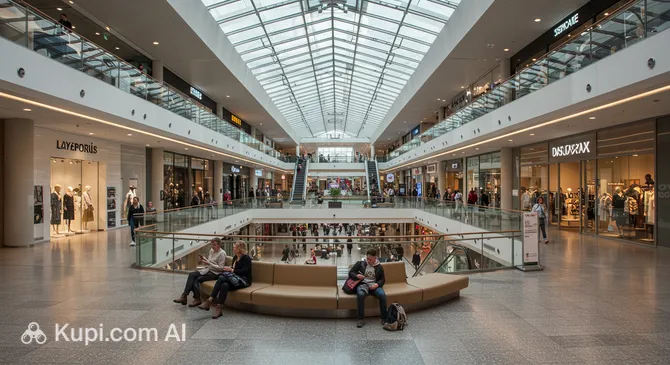
If you prefer a modern shopping experience with everything under one roof, the city boasts several impressive malls. Fisketorvet is a massive waterfront shopping center located near the harbor, offering a wide range of fashion brands, a cinema, and diverse dining options. Another excellent destination is Rødovre Centrum, a historic yet modern mall known for its extensive selection of stores and family-friendly atmosphere.

Fisketorvet. Source: Kupi.Binoculars

Markets are an integral part of the local lifestyle, especially for foodies and treasure hunters. Torvehallerne is a must-visit covered market in the city center, packed with stalls selling fresh produce, gourmet chocolates, and local delicacies. During the summer months, outdoor flea markets spring up across the city, such as the ones in Frederiksberg or near the canals, where you can hunt for vintage Danish ceramics and second-hand fashion gems.

When searching for the perfect souvenir, look for items that reflect the country's heritage. Classic choices include Royal Copenhagen porcelain, iconic Lego sets (which originated in Denmark), and timeless silver jewelry from Georg Jensen. For a delicious edible gift, high-quality gourmet licorice or a tin of traditional Danish butter cookies are always crowd-pleasers.

Standard shopping hours are generally from 10:00 AM to 6:00 PM on weekdays, with shops closing earlier on Saturdays, typically around 4:00 PM or 5:00 PM. While many smaller boutiques close on Sundays, larger department stores and malls often remain open. Copenhagen is a nearly cashless society; credit and debit cards are accepted almost everywhere, even for very small purchases.

For visitors residing outside the EU, tax-free shopping is available. If you spend above a certain threshold in a participating store, you can request a tax refund form. Look for the "Tax Free" signage in windows, and remember to present your forms at the airport customs or refund points before leaving the country to claim your VAT back.

Reached the end of the page?

That means the route is fully explored