Support

Karup

About

Welcome to Karup, a charming town located in the heart of the Jutland peninsula. Situated in the Central Denmark Region, this peaceful destination offers a unique blend of natural beauty and local heritage. While it is a relatively small town with a population of approximately 2,860 residents, it serves as an excellent gateway for exploring the serene landscapes of Denmark.

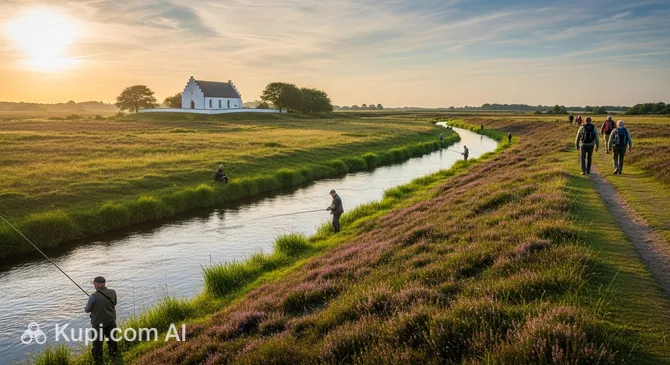
Karup. Source: Kupi.Binoculars

Karup is perhaps best known among outdoor enthusiasts for the winding Karup River (Karup Å), which is legendary for its exceptional sea trout fishing. Anglers from around the world visit the riverbanks hoping to catch one of the large sea trout for which the watercourse is famous. Beyond the river, the surrounding area features characteristic heathlands and plantations, providing a scenic backdrop for hiking and nature walks.

The town also holds a significant place in the region's development. Exploring the history of Karup reveals a fascinating narrative of heathland reclamation and the establishment of the nearby air base, which remains one of the largest in Northern Europe. Whether you are an avid fisherman, a history buff, or simply looking for a quiet retreat in the Danish countryside, Karup offers a welcoming and authentic atmosphere for every traveler.

Weather Overview

Travelers to this region can expect a temperate climate with distinct seasonal changes. The summer months of June through August are generally the most pleasant, with average highs reaching around 20°C, making it an ideal time for outdoor activities such as fishing or hiking. However, even in summer, rain is not uncommon, so carrying a light jacket or umbrella is recommended.

As the seasons shift, temperatures gradually drop, with winter averages in January sitting around 2.7°C and lows hovering near freezing. Rainfall is distributed fairly evenly throughout the year, with approximately 11 to 16 wet days each month depending on the season. For a more comprehensive breakdown of what to expect during your specific travel dates, you can view the detailed weather in Karup.

Interesting Facts

Beyond the tranquil flow of its famous river, Karup harbors a collection of fascinating details that enrich its local character. From agricultural heritage to unique infrastructure, there is more to this town in the Central Denmark Region than meets the eye.

  • A Unique Fish Strain: The sea trout found in the Karup River are biologically distinct from those in other waters. They are renowned among anglers for being exceptionally robust—shorter and thicker than average—making them a legendary catch in the fishing world.

  • The Potato Capital: The sandy soil of the surrounding heathlands, once considered poor for farming, turned out to be perfect for cultivating tubers. As a result, the area has become synonymous with high-quality potatoes, which are a celebrated local specialty in Denmark.

  • Shared Skies: The local airport offers a rare travel experience as it operates directly within a major military facility. Civilian passengers land on the same runways used by the air force, highlighting the town's status as a key aviation hub.

  • Rails to Trails: The town is a key stop on the Alhedestien, a scenic paved path created on a disused railway line. This route allows cyclists and hikers to traverse the landscape on a flat, car-free corridor that connects the region's history with modern recreation.

How to Get There

Reaching this part of the Central Denmark Region is quite straightforward, thanks to the efficient infrastructure connecting the Jutland peninsula. Whether you prefer flying or taking the train, there are several convenient hubs nearby. For a detailed overview of all routes and transport modes, you can read more about how to get to Karup to plan your journey effectively.

The city of Karup does not have its own major commercial airport for international traffic, but you can fly into Billund Airport (IATA: BLL) in the city of Billund, which is about 63 km from Karup. As one of the region's most significant transport hubs, it handles a large volume of passengers and offers numerous connections. The drive from Billund to Karup typically takes around 60 to 70 minutes by taxi or rental car.

Another viable option is Aarhus Airport (IATA: AAR), located in Aarhus, approximately 90 km away. Although it serves fewer passengers than Billund, it is a key entry point for visitors to the area. A transfer from this airport to Karup generally takes about 1 hour and 20 minutes by road. Travelers can also consider Aalborg Airport (IATA: AAL), situated roughly 97 km north of Karup.

For clarity, here is a summary of the main airports:

Airport Name City Passenger Traffic Km from City
Billund Airport Billund Large 63.3
Aalborg Airport Aalborg Medium 96.8
Aarhus Airport Aarhus Medium 90.4
Sonderborg Airport Sonderborg Small 154.8
Esbjerg Airport Esbjerg Small 96.3

If you prefer traveling by rail, please note that the city of Karup does not have a direct intercity railway station. The closest major rail hub is Aarhus H Station in the city of Aarhus, which is about 67 km from Karup. This station is a central node in the Danish railway network, connecting to Copenhagen and other major cities. From Aarhus, you can take a bus or taxi to reach your final destination, a journey that takes approximately one hour.

Another option for rail travelers is Aalborg Railway Station in Aalborg, located about 94 km away. It serves as a significant link for Northern Jutland. Visitors arriving here can rent a car or take public transport south towards Karup, with a travel time of around 1 hour and 15 minutes.

Below is a list of the nearest railway stations:

Station City Passenger Traffic Km to Center
Copenhagen Central Station Copenhagen Very High 223.6
Helsingborg Central Station Angelholm High 221.1
Aarhus H Station Aarhus High 66.8
Aalborg Railway Station Aalborg Medium 93.9
Kristiansand Railway Station Kristiansand 216.5

Main Attractions

While Karup is a modest town in size, it serves as a wonderful base for experiencing the distinctive nature and history of the Central Denmark Region. The local attractions focus largely on the outdoors, inviting visitors to slow down and appreciate the quiet beauty of the Jutland heathlands and waterways.

Karup River (Karup Å) is undoubtedly the area's most famous draw, attracting anglers from all over the world. Known for its winding curves and clear waters, it is celebrated for holding some of the finest sea trout in Europe. Even if you are not fishing, the river valley offers a picturesque setting for walking and enjoying the rich birdlife. The serene environment along the banks makes it a perfect spot to disconnect and immerse yourself in nature.

Just a short drive from the town, Kongenshus Memorial Park offers a unique landscape that tells a powerful story. The park is situated on one of the largest remaining tracts of heathland in Denmark and is dedicated to the pioneers who cultivated the harsh moors. Visitors can hike through the rolling hills covered in heather, which turns a vibrant purple in late summer, and explore the valley lined with memorial stones. It is a place of vast, open horizons and deep historical significance.

For active travelers, the Alhedestien provides an excellent opportunity to explore the region safely. This paved nature path is built on a disused railway line, creating a flat, traffic-free route ideal for cycling, running, or walking. The trail cuts through diverse landscapes of plantations and fields, connecting Karup with neighboring towns. It is particularly popular with families, as it allows for a stress-free outing surrounded by the fresh air of the countryside.

To touch upon the local cultural heritage, a stop at Karup Church is recommended. This historic building stands as a focal point in the town, featuring traditional Danish church architecture. It offers a quiet retreat and a chance to admire the craftsmanship of its interior. Visiting the church provides a glimpse into the local community's history and traditions, rounding out the experience of this charming Danish town.

Local Cuisine

The culinary scene in Karup is deeply rooted in the agricultural traditions of the Central Denmark Region. While the town is small and does not boast a vast array of high-end restaurants, it offers a genuine taste of Jutland's hearty and unpretentious food culture. The local gastronomy focuses on fresh, seasonal ingredients sourced from the surrounding heathlands and waterways, providing a cozy and authentic dining experience for visitors.

A true highlight of the area is the famous Karup potato. Grown in the sandy soil of the local heaths, these potatoes are renowned throughout Denmark for their firm texture and exceptional flavor. You will often find them served simply—boiled with a dollop of butter and fresh herbs—or as a key side dish accompanying meat lovers' favorites. Another local delicacy is the sea trout from the Karup River. Given the river's reputation among anglers, it is no surprise that fresh, smoked, or pan-fried trout features prominently on local menus, offering a taste of the region's pristine nature.

For a traditional Danish lunch, look for smørrebrød, the classic open-faced sandwich piled high with toppings like pickled herring, roast beef, or liver pâté on dense rye bread. This is best enjoyed with a glass of local beer or a shot of snaps (akvavit), a strong herbal spirit that is a staple at Danish festive gatherings and lunches. If you prefer non-alcoholic options, the Danish coffee culture is strong here, often accompanied by a slice of "drømmekage" (dream cake) or a flaky pastry.

When it comes to dining out, the atmosphere in Karup is relaxed and welcoming. Locals and tourists alike often gather at the traditional Danish kro (inn). These historic establishments serve classic, home-cooked meals such as stegt flæsk med persillesovs (crispy pork belly with parsley sauce), which is considered a national dish. Whether you are grabbing a quick bite at a local grill bar or sitting down for a three-course meal at an inn, you can expect generous portions and friendly, down-to-earth service.

Travel Tips

To ensure your visit to Karup is as relaxing and enjoyable as possible, a little preparation goes a long way. Whether you are here to cast a line in the famous river or explore the scenic heathlands, these practical tips will help you navigate the local customs and logistics with ease.

  1. Clothing and Gear: The weather in this part of Denmark can be quite changeable. It is wise to dress in layers, bringing a windproof and waterproof jacket, even in summer. If you plan to explore the riverbanks or the heath plantations, sturdy, water-resistant walking shoes or rubber boots are essential. Don't forget a travel adapter for Type K or Type C/F outlets (230V) to keep your devices charged.

  2. Transportation: While Karup is a small town and easily walkable, exploring the surrounding countryside is best done by car. Renting a vehicle gives you the freedom to visit remote fishing spots and nature parks at your own pace. Public transport consists mainly of regional buses connecting to larger hubs like Viborg and Herning; use the Rejseplanen app or website to check schedules, as services may be less frequent on weekends.

  3. Finances: The local currency is the Danish Krone (DKK). Although cash is rarely used and credit cards (Visa and Mastercard) are accepted almost everywhere—from supermarkets to small cafes—it is helpful to carry a small amount of cash for roadside farm stands or very small kiosks. Tipping is not mandatory as service is included in the bill, but rounding up for good service is appreciated.

  4. Health and Safety: Karup is a very safe destination with low crime rates. However, if you are hiking in the tall grass or heathlands, be mindful of ticks (skovflåt), especially in summer; wearing long pants and checking your skin afterwards is recommended. For emergencies, dial 112. The nearest pharmacies (apotek) generally follow standard business hours, so plan ahead for any prescription needs.

  5. Communication: You will find that English is widely spoken and understood by locals, making communication very easy. However, learning a few Danish words is always a nice gesture; try "Hej" (Hi) for greeting and "Tak" (Thank you). Free Wi-Fi is often available in cafes, libraries, and on some buses, but EU citizens can also use their mobile data plans without roaming fees.

  6. Local Etiquette: Danes value privacy and following rules. When entering shops or boarding buses, a polite greeting is the norm. If you are fishing, strict etiquette applies: respect other anglers' space, follow the "upstream" or "downstream" rules of the specific beat, and ensure you never leave trash behind in nature.

  7. What to Avoid: Never walk in the designated bicycle lanes. Cyclists in Denmark move fast and expect pedestrians to stay on the sidewalk; blocking the bike path is considered rude and can be dangerous. Additionally, avoid jaywalking; locals typically wait for the green light even when no cars are visible.

  8. Fishing License is Mandatory: Since Karup is a premier fishing destination, remember that you strictly need a national fishing license (Fisketegn) to fish in the river. You can purchase this easily online or at local tackle shops and tourist offices. Fishing without one can result in a hefty fine.

By keeping these simple guidelines in mind, you will be well-equipped to experience the authentic charm of Karup. Embrace the slow pace, respect the pristine nature, and enjoy the warm hospitality of the Central Denmark Region.

Entertainment & Nightlife

As a small town in the Central Denmark Region, Karup offers a nightlife scene that is distinctively quiet, cozy, and centered around local community connection rather than bustling nightclubs or neon-lit districts. The evening atmosphere here is relaxed and unpretentious, reflecting the town’s peaceful character. Visitors should not expect the high-energy parties found in larger cities like Aarhus or Copenhagen; instead, the charm of Karup after dark lies in its authentic Danish "hygge" (coziness), where a night out often means enjoying a good conversation over a cold beer or watching a film in a nostalgic setting.

The heart of the town’s limited but welcoming entertainment scene is primarily located along or near the main thoroughfare, Bredgade. This is where you will find the local cinema, Karup Bio, which serves as a cultural anchor for the community. Run largely by volunteers, this cinema is more than just a place to watch the latest blockbusters; it is a beloved local institution with a retro charm that offers a warm, personal movie-going experience. It is the perfect spot for a relaxed evening, often screening both international hits and Danish favorites.

For those looking to enjoy a drink and mingle with the locals, the options are few but friendly. Al Capone is one of the town's known watering holes, functioning as a traditional pub where you can play a game of pool, enjoy a draught beer, and experience the local social life firsthand. Another spot mentioned by locals is Henrys Baggårds Bodega, which offers that classic Danish "bodega" vibe—informal, dimly lit, and full of character. These venues typically attract a mature, local crowd, and the dress code is entirely casual. Opening hours can vary, with weekends being the liveliest times to visit, while weeknights are generally very quiet.

Practicality is key when planning an evening out in Karup. Since public transportation options like buses decrease significantly in the late evening, it is highly advisable to plan your return journey in advance. If you are staying outside the immediate town center, booking a taxi ahead of time is the best way to get around safely at night. Prices for drinks are standard for Denmark, meaning they can be higher than in some other parts of Europe, so budgeting accordingly is wise. The town is incredibly safe for night walks, with well-lit streets and a very low crime rate, allowing you to stroll back to your accommodation with peace of mind.

While the nightlife is subdued, Karup offers other forms of entertainment during the day that complement its quiet evenings. Nature lovers can spend their daylight hours exploring the heathlands or fishing in the river, while history enthusiasts might visit local memorial sites. For a mix of culture and leisure, the transition from a day in the fresh air to an evening at the cinema or a quiet pub makes for a perfectly balanced travel experience in this serene part of Denmark.

Parks & Museums

While Karup is a modest town, it serves as a gateway to some of the most distinctive landscapes and historical narratives in the Central Denmark Region. The area is defined by its vast heathlands and deep connection to aviation history, offering visitors a mix of open-air tranquility and fascinating local heritage.

Kongenshus Memorial Park is the most significant green space in the vicinity and a must-visit for nature lovers. Located just a short drive from the town center, this protected area covers roughly 1,200 hectares of pristine heathland. It is a place of sweeping horizons where the heather blooms in vibrant purple hues during late summer. A network of walking paths invites visitors to explore the rolling terrain, which remains largely unchanged since the days of the early heath reclaimers.

For a more aquatic natural experience, the Karup River Valley provides a lush green corridor that winds through the landscape. While famous for fishing, the riverbanks are also excellent for birdwatching and quiet contemplation. The vegetation here is lush and varied, offering a stark contrast to the dry heathlands nearby. Small trails along the water allow hikers to immerse themselves in the peaceful sounds of the flowing stream and the rustling reeds.

In terms of museums, the Kongenshus Exhibition Building serves as the cultural heart of the memorial park. This small but poignant museum tells the gripping story of the "heath reclaimers"—the determined men and women who cultivated the barren sandy soil centuries ago. Through illustrations and artifacts, visitors gain insight into the harsh conditions these pioneers faced, adding deep context to the surrounding landscape.

Given Karup's status as a hub for aviation, the Karup Air Base Historical Collection (Flyvestation Karup Historiske Forening) is a key site for those interested in military history. The collection preserves the heritage of the air base, which has played a vital role in Denmark's defense since World War II. Exhibits typically include retired aircraft, equipment, and photographs that document the development of the airfield and its strategic importance during the Cold War.

Among the historical landmarks, Karup Church stands as a central piece of local architecture. Built in the early 20th century to replace an older medieval structure, it features the classic red-brick style typical of Danish village churches. Inside, the atmosphere is serene, with an altarpiece that reflects the community's enduring faith. Nearby, within Kongenshus Memorial Park, the Memorial Valley features hundreds of stones inscribed with the names of heath farmers, functioning as an open-air monument to their labor.

For an authentic local experience, take a detour to Havredal Plantage. This forestry plantation offers a more secluded atmosphere than the larger parks. It is a favorite spot for locals to go mushroom hunting in the autumn or to enjoy a solitary walk among the conifers, away from the more frequented tourist paths.

Getting Around

Public transport in Karup is scaled to fit its modest size and rural setting. Unlike larger metropolitan areas, there are no metros, trams, or local train lines operating directly within the town. The primary mode of public transportation consists of regional buses that connect the community with larger neighboring hubs such as Viborg and Herning. For moving around the town center itself, the distances are short enough that walking is the most practical and common option for visitors.

The bus network is managed by the regional transport authority, Midttrafik. These buses are reliable and comfortable, serving as the main lifeline for those traveling without a car. Stops are generally well-marked with the familiar yellow and blue signage. Since service frequency can vary significantly between weekdays and weekends, with fewer departures on Sundays and holidays, it is essential to check the timetable in advance.

When it comes to paying for your journey, the most convenient method is the Rejsekort (Travel Card), an electronic smart card used across the entire country. You simply check in by tapping the card on the blue readers when boarding and check out when disembarking. If you do not have a Rejsekort, you can purchase single tickets using the Midttrafik app or the national RejseBillet app, which are user-friendly and allow you to pay with a credit card. While drivers may accept cash, they often require exact change, and it is becoming less common to pay this way.

For trip planning, the Rejseplanen (Travel Plan) website or app is an indispensable tool. It provides real-time updates, detailed route maps, and price estimates for your specific journey. A crucial tip for tourists using the bus system is to remember to press the "Stop" button well before your intended destination, as drivers will only stop if there is a signal or if passengers are waiting at the bus stop.

Alternatives to the bus include taxis and cycling. Taxis in this area are not typically hailed on the street; you must book them by phone or via an app in advance. They can be relatively expensive compared to public transit but offer door-to-door convenience, especially if you are carrying luggage or traveling late at night. Additionally, given the region's flat terrain and scenic paths, renting a bicycle is a popular and enjoyable way to explore the local area and the surrounding heathlands at your own pace.

Accommodation

Accommodation in Karup reflects the town's modest size and rural charm. Visitors will not find sprawling luxury resorts or large international hotel chains within the town limits. Instead, the options are characterized by coziness and local hospitality. The primary choices include traditional Danish inns (known as a kro), small bed and breakfasts, and camping facilities that cater specifically to outdoor enthusiasts and anglers visiting the region.

For those who prioritize convenience, staying near the main street, Bredgade, places you within walking distance of local grocery stores, the cinema, and regional bus stops. This central area is practical for travelers without a car who want easy access to basic amenities. Alternatively, nature lovers and fishermen often prefer locations closer to the Karup River or in the surrounding countryside. Here, campsites and holiday cottages offer a peaceful retreat with direct access to the fishing waters and the scenic heathlands.

A quintessential experience in this part of Denmark is staying at a local inn. These establishments often serve as the social heart of the community, offering rooms that are simple but comfortable, frequently situated above a restaurant serving hearty regional cuisine. For those on a budget or seeking a closer connection to nature, the area's camping sites provide excellent facilities, often including cabins for rent, which are particularly popular during the summer fishing season.

Booking Tip: Because the number of rooms in Karup is limited, accommodation can fill up quickly. This is especially true during the prime sea trout fishing season (June through August) and during major events at the nearby air base. It is highly recommended to book your stay well in advance to avoid having to stay in a neighboring city and commute.

In terms of pricing, travelers can generally expect a mid-range cost. While staying here is typically more affordable than in Copenhagen or Aarhus, rates still reflect the standard Danish cost of living. Most inns and larger campsites can be booked via major online platforms, but some smaller bed and breakfasts may prefer direct inquiries via their websites or by phone.

Nearby Cities

For those looking to explore the surroundings, Karup serves as an excellent base for day trips to several interesting nearby locations:

Just a short drive away lies Herning, located approximately 23 km to the southwest. Known as a hub for trade fairs and entertainment, it is home to MCH Messecenter Herning, one of Scandinavia's largest exhibition centers. Art lovers will appreciate the HEART (Herning Museum of Contemporary Art) and the city's rich history in the textile industry. Its close proximity makes it an easy and convenient option for a quick urban getaway.

Another fantastic destination nearby is Silkeborg, situated roughly 28 km southeast of Karup. Nestled in the heart of the Danish Lake District, this town is renowned for its stunning natural beauty, surrounded by lush forests and interconnected lakes. It is a paradise for outdoor enthusiasts, offering opportunities for canoeing on the Gudenå River or visiting the famous AQUA Aquarium & Wildlife Park. The city also hosts the Museum Jorn, dedicated to the artist Asger Jorn.

For a full-day excursion to a major cultural center, Aarhus is about 66 km to the east. As Denmark's second-largest city, it offers a vibrant mix of historical charm and modern innovation. Visitors can step back in time at "Den Gamle By" (The Old Town) open-air museum or explore the iconic ARoS Art Museum with its rainbow panorama. With its bustling cafes, shopping streets, and coastal atmosphere, Aarhus provides a lively contrast to the quiet heathlands of Karup.

City Population Distance (km)
Aarhus 285273 66
Randers 62802 56
Horsens 61074 66
Herning 50565 23
Silkeborg 49747 28

These nearby destinations offer a glimpse into the diverse culture and landscapes of the region, ranging from dynamic city life to serene natural retreats.

Shopping & Souvenirs

Shopping in Karup reflects the town's small-town atmosphere and its close connection to the surrounding nature. You will not find bustling high streets lined with international fashion chains or luxury boutiques here. Instead, the shopping experience is practical, local, and relaxed. Visitors can easily find daily essentials, groceries, and specialized gear for outdoor activities, particularly fishing. For a more extensive retail therapy session involving major brands, locals typically travel to the larger neighboring cities.

The primary commercial activity is concentrated along Bredgade, the town's main thoroughfare. This street hosts a selection of local businesses, including supermarkets for provisioning your trip, a florist, and a few small specialty shops. It is the natural center for running errands or picking up supplies before heading out to the river or the heathlands. The atmosphere is friendly, and shop owners often have time for a chat, adding a personal touch to the experience.

Due to its modest size, Karup does not have its own shopping malls or department stores. If you are looking for a full day of shopping with a wide variety of fashion, electronics, and lifestyle brands, the best option is to head to Herning, located about 25 minutes away by car. There, you will find herningCentret, one of the largest shopping centers in Denmark, offering dozens of stores and dining options. Alternatively, the historic city center of Viborg offers a charming pedestrian street with a mix of modern shops and classic architecture.

While there are no large permanent market halls, the area is famous for its "roadside stands" (vejboder) and farm shops, especially during the harvest season. Since the region is known as the "Potato Capital," you will frequently see small, unmanned stalls along the country roads where local farmers sell bags of fresh Karup potatoes. These operate on an honor system where you take the goods and leave cash in a box or pay via mobile app, offering a truly authentic taste of rural Jutland.

When it comes to souvenirs, the most distinctive items are linked to the town's identity. Given the fame of the Karup River, fishing gear and high-quality tackle are excellent purchases for anglers, with local shops offering expert advice on what works best for the elusive sea trout. For a culinary memento, a bag of the locally grown potatoes or a bottle of Danish snaps to accompany a traditional lunch make for unique gifts. You might also find Danish licorice and chocolates in the local supermarkets.

Store opening hours in Karup generally follow standard Danish conventions. Most shops open around 10:00 AM and close by 5:30 PM on weekdays (Monday to Thursday), with slightly longer hours on Fridays. On Saturdays, shops often close earlier, around 1:00 PM or 2:00 PM, and most specialty stores remain closed on Sundays. However, supermarkets typically have extended opening hours, often staying open from early morning until late evening, seven days a week.

Payment is seamless, as Denmark is a highly digital society. Major credit and debit cards like Visa and Mastercard are accepted almost everywhere, even for small amounts. Contactless payment is the norm. While cash (Danish Krone) is accepted, it is rarely necessary. For tourists from outside the EU, tax-free shopping is available in Denmark for purchases exceeding a certain amount, but you are more likely to find participating stores in the larger cities nearby rather than in the small local shops of Karup.
Reached the end of the page?

That means the route is fully explored