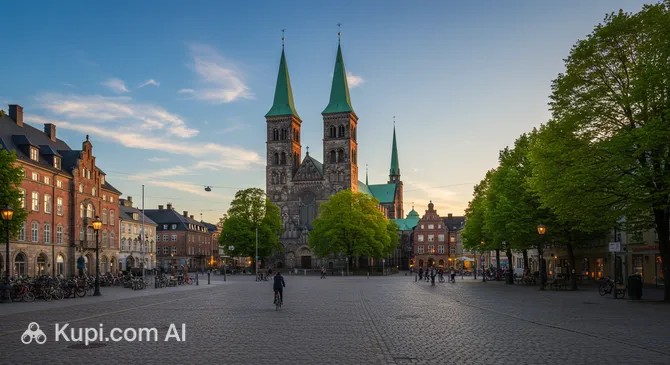
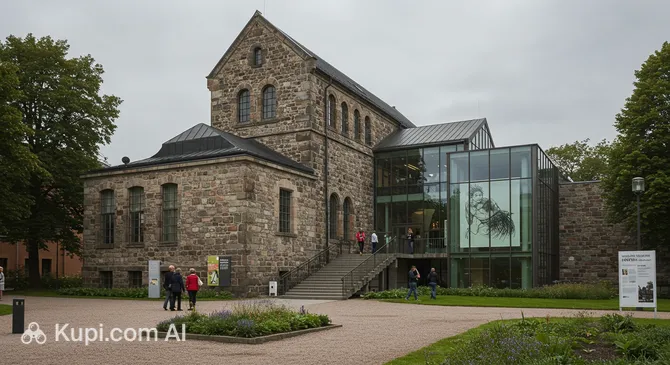
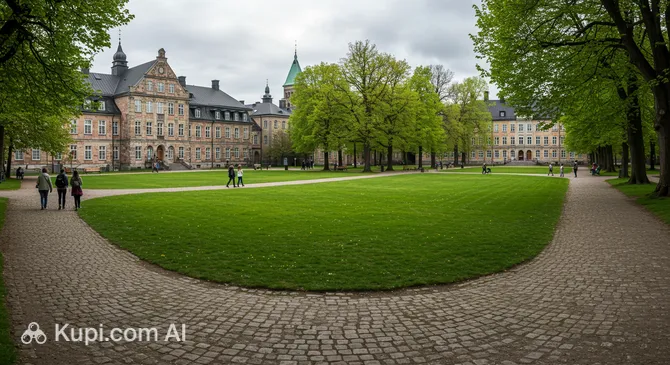
Lund is a captivating blend of medieval charm and academic innovation, offering visitors a unique atmosphere where ancient traditions meet youthful energy. Located in the picturesque province of Skåne, it stands as one of the oldest and most culturally significant cities in Sweden. Just a short distance from Malmö and the coast, Lund serves as a perfect gateway to the southern region, distinguished by its cobblestone streets and lush green spaces.
Lund. Illustration.
Source: Kupi.com AI
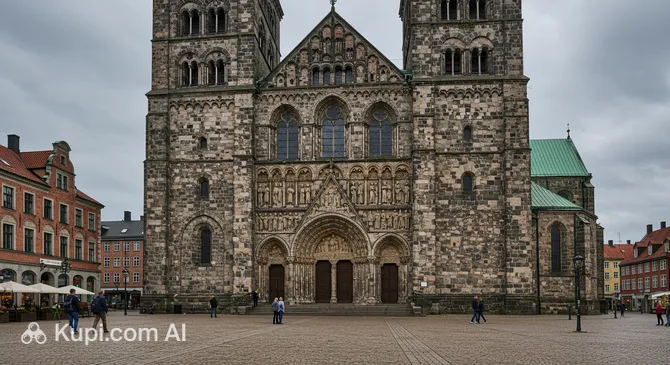
Despite its relatively modest population of approximately 93,000 residents, the city pulses with life, largely due to its prestigious university. Those interested in the fascinating history of Lund will discover a legacy that stretches back to the Viking Age, when it was a religious and political power center. The skyline is dominated by the magnificent Lund Cathedral, a Romanesque masterpiece famous for its astronomical clock and imposing twin towers, which have been a landmark for centuries.
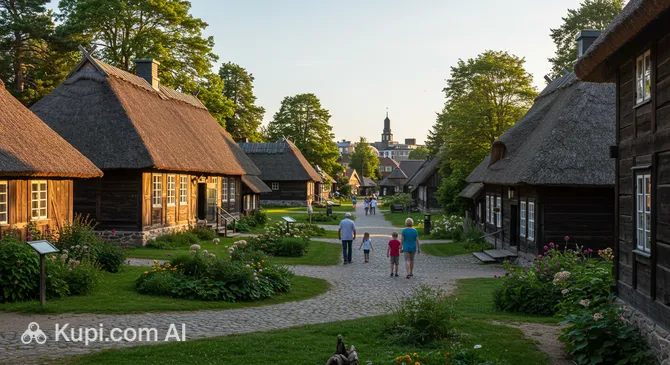
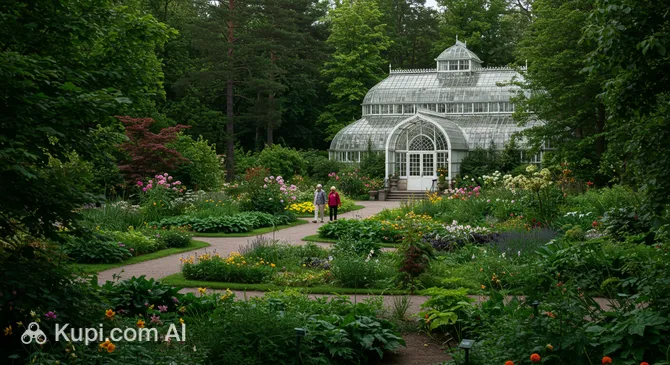
Beyond its spiritual heritage, the city is a haven for culture and nature lovers. You can explore Kulturen, an expansive open-air museum that spans two blocks and features historic buildings from the Middle Ages to the 20th century. For a moment of tranquility, the Botanical Garden offers a colorful retreat right in the city center. Whether you are admiring architectural treasures or enjoying a traditional fika in a cozy café, Lund invites you to experience its warm and welcoming spirit.
Weather Overview
The climate in Lund is generally mild and temperate, influenced significantly by its proximity to the coast. Before packing for your trip, it is helpful to review the detailed weather in Lund to understand seasonal variations. Overall, the city experiences four distinct seasons, though extreme temperatures are relatively rare compared to northern parts of the country.
Summers are pleasant and comfortable, making this a popular time for visitors. During July and August, average temperatures settle around 17°C, with daytime highs frequently reaching just over 20°C. While these months offer the warmest weather, they are not entirely dry; July, for instance, typically sees about 14 wet days, so keeping a light rain jacket handy is a good idea.
Winters are cool and damp rather than bitterly cold. From December to February, average temperatures hover between 2°C and 3°C, staying just above freezing on most days. Precipitation is frequent during this period, with up to 14 wet days per month. Spring brings a gradual warming trend, with April standing out as the driest month of the year, averaging only 8 wet days. Expect mild, comfortable summers with occasional rain and cool, overcast winters throughout the year.
Average monthly temperature
Average monthly precipitation
Interesting Facts
Beyond the main attractions, Lund holds many fascinating secrets and historical quirks that often escape the casual observer. From ancient legends carved in stone to modern urban transformations, the city is full of surprises waiting to be discovered.
Lund Cathedral. Illustration.
Source: Kupi.com AI
Traveler photos:
One of the most curious features of Lund Cathedral is the legend of "Giant Finn," whose stone figure embraces a pillar in the crypt. According to local folklore, this giant helped build the church but was turned to stone when his name was successfully guessed by a saint.
The scenic recreational area known as Sankt Hans Hills offers some of the best views over the city, but few visitors realize these hills are artificial. They were created entirely from city refuse and construction debris over many decades, transforming a former landfill into a beloved green space.
Lund is home to Katedralskolan, the oldest school in Scandinavia. Founded in 1085 by the Danish king Canute the Saint, this institution has been educating students for nearly a millennium, predating many of Europe's most famous universities.
The city is a pioneer in preserving history outdoors; the Kulturen Museum is the second oldest open-air museum in the world. Unlike traditional museums, it is uniquely integrated into the living city streets, allowing you to walk through centuries of architecture in a single afternoon.
How to Get There
Reaching this historic university town is quite convenient thanks to its strategic location in southern Sweden, close to major transport hubs. Whether you are arriving from international destinations or neighboring regions, you have several efficient options. For a complete guide on planning your journey, you can read more about how to get to Lund, detailing routes and tips for travelers.
The city of Lund does not have its own airport, but you can fly into Copenhagen Airport (IATA: CPH) in the city of Copenhagen, which is about 35 km from Lund. As the largest international hub in the region, it offers excellent connectivity. The journey by taxi or bus from here typically takes approximately 75 minutes.
Another viable option is Malmo Airport (IATA: MMX), located in the city of Malmö, roughly 21.4 km from Lund. While smaller, it serves various domestic and international flights. A trip by road from this airport generally takes about 55 minutes.
For clarity, here is a summary of the main airports:
Traveling by train is often the most popular method for reaching the city center directly. You can arrive at Lund Central Station, which is conveniently located right in the heart of Lund, just 0.3 km from the center. It is one of the busiest stations in the country, handling a significant volume of passengers daily.
Alternatively, you can arrive at the Malmö Central Station in the city of Malmö, which is about 16 km from Lund. From there, you can get a taxi or bus, which takes about 45 minutes. This station serves as a major railway junction connecting southern Sweden with the rest of the continent.
No visit to the city is complete without exploring the magnificent Lund Cathedral. Dominating the city center with its impressive twin towers, this Romanesque basilica dates back to the 12th century and remains the most visited church in Sweden. Inside, visitors are often mesmerized by the intricate astronomical clock, Horologium mirabile Lundense, which dates from roughly 1424 and still plays a mechanical tune twice a day. The atmospheric crypt, largely unchanged since 1123, offers a step back in time with its mysterious stone pillars and ancient architecture.
Just a short walk away lies the Kulturen Museum, a unique open-air museum that spans two city blocks. It is one of the world's finest examples of its kind, seamlessly integrating historic buildings into the modern townscape. Visitors can wander through environments ranging from impoverished rural cottages to wealthy noble homes, experiencing how people in southern Sweden have lived over the centuries. The museum also hosts extensive collections of silverware, porcelain, and textiles, making it a comprehensive cultural treasure trove.
Kulturen Museum. Illustration.
Source: Kupi.com AI
Traveler photos:
For those seeking a peaceful retreat, the Botanical Garden (Lund) offers a lush oasis in the heart of the university district. Managed by Lund University, this garden is home to over 7,000 species of plants grown in both open-air beds and climate-controlled greenhouses. It is a perfect spot for a leisurely stroll, allowing you to admire everything from local flora to exotic orchids and towering trees. The garden is not only a research facility but also a beloved recreational space for locals and tourists alike.
Botanical Garden (Lund). Illustration.
Source: Kupi.com AI
Traveler photos:
Art enthusiasts should not miss the Museum of Sketches for Public Art, also known as Skissernas Museum. This institution is truly one of a kind, focusing on the creative process rather than just the finished masterpiece. It houses the world's largest collection of sketches, models, and preliminary works for public art, featuring artists like Henri Matisse and Fernand Léger. The galleries provide a fascinating behind-the-scenes look at how monumental artistic ideas are developed and realized.
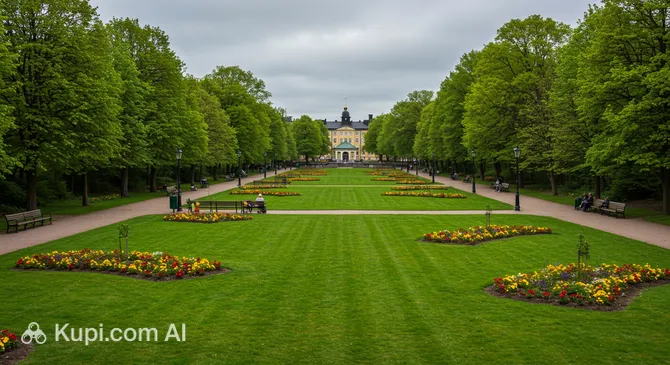
Connecting many of these historic sites is Lundagård, the city's oldest park. Once a walled garden for the archbishop, it now serves as a green heart linking the cathedral, the university, and the Academic Society. Walking through its avenues of tall trees is a journey through academic history, offering picturesque views of the classic university buildings and a vibrant atmosphere filled with students and cyclists.
Local Cuisine
Lund is situated in the heart of Skåne, a region often referred to as the "pantry of Sweden" due to its fertile soil and rich agricultural heritage. The local cuisine is a delightful mix of hearty Scanian traditions and modern, international influences driven by the city's vibrant student population. Visitors can expect a focus on locally sourced ingredients, including fresh vegetables, game, and organic produce that arrive daily from the surrounding countryside.
When it comes to traditional dishes, you must try the classic äggakaka. This thick, savory egg cake is typically served directly in the skillet, topped with crispy pork belly and preserved lingonberries, offering a perfect balance of salty and sweet flavors. Another local favorite, surprisingly, is falafel. Thanks to the diverse community and student demand for affordable, tasty food, Lund is widely considered to have some of the best falafel in Sweden, with numerous vendors serving freshly fried chickpea balls in soft bread with varied sauces.
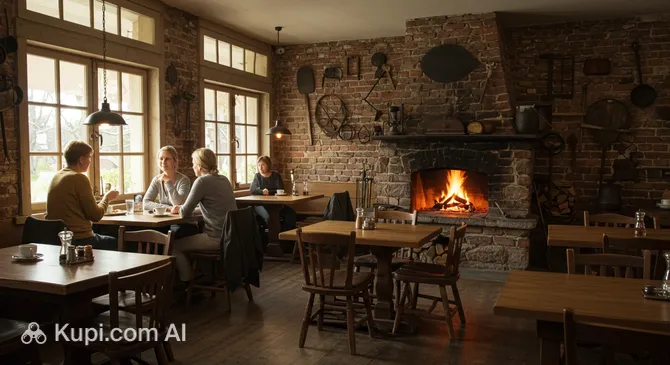
The Swedish tradition of fika—a coffee break accompanied by pastries—is deeply ingrained in the city's culture. You will find cobblestone streets lined with cozy cafés where the aroma of cinnamon and cardamom fills the air. For an authentic experience, you can visit Broder Jakob's Stone Oven Bakery, a beloved spot known for its artisanal breads and legendary cinnamon buns. It is the perfect place to relax and soak in the local atmosphere.
Broder Jakob's Stone Oven Bakery. Illustration.
Source: Kupi.com AI
Traveler photos:
Regarding beverages, locally pressed apple must (juice) is a non-alcoholic staple, sourced from the extensive orchards found throughout the province. For those seeking something stronger, Skåne is famous for its spiced schnapps, or akvavit, which is often enjoyed during festive meals. The city also boasts a sophisticated bar scene where mixologists create innovative cocktails using Nordic ingredients.
The dining landscape in Lund ranges from the bustling historic Market Hall (Saluhallen), where you can sample delicacies from various counters, to elegant restaurants. If you are looking for a refined evening out, Mat & Destillat is a highly regarded establishment that combines top-tier cooking with an impressive selection of beverages. Whether you grab a quick street snack or sit down for a multi-course dinner, Lund’s food scene is sure to leave a lasting impression.
Travel Tips
Lund is a charming, compact city where medieval history blends seamlessly with a vibrant student atmosphere, making it a delight to explore on foot. To ensure your visit to this academic gem in southern Sweden is as smooth and enjoyable as possible, here are some essential practical tips to keep in mind.
Clothing and Gear: The weather in Skåne can be quite changeable, so the best strategy is to dress in layers. A windproof and waterproof jacket is essential year-round, as rain showers can occur unexpectedly. Since Lund is famous for its charming but uneven cobblestone streets, especially around the cathedral and university, packing a pair of sturdy, comfortable walking shoes is absolutely necessary; leave the high heels at home.
Transportation: Lund is incredibly walkable, and you can easily reach most attractions on foot. It is also known as a "City of Bikes," so renting a bicycle is a fantastic way to blend in with the locals. For longer distances, the public transport system, run by Skånetrafiken, is efficient and cashless; you can buy tickets via their app or tap your contactless card on buses. A car is generally unnecessary and can be a hassle due to limited parking in the historic center.
Finances: The local currency is the Swedish Krona (SEK). The country is one of the most cashless societies in the world, and Lund is no exception. Most shops, cafes, and museums accept—and often prefer—credit or debit cards (Visa and Mastercard are standard). It is quite common to find "Card Only" signs, so you likely won't need to exchange much cash. Tipping is not mandatory, but rounding up the bill to the nearest ten or hundred kronor for good service is appreciated.
Health and Safety: Lund is a very safe city for tourists, even at night. Pharmacies are marked with a green cross or the sign Apotek; they are well-stocked, though opening hours may be shorter on weekends. In case of any emergency, dial 112 for police, ambulance, or fire services. The tap water is of excellent quality and perfectly safe to drink, so bring a reusable bottle to stay hydrated.
Communication: You will find that English is spoken fluently by almost everyone, from university students to bus drivers, so communication is rarely a barrier. However, learning a few basic Swedish words is a nice gesture. A simple Hej (Hello) and Tack (Thank you) will go a long way. Free Wi-Fi is widely available in cafes, hotels, and on trains, making it easy to stay connected.
Local Etiquette: Locals value personal space and order. If you see a ticket machine (often a small red dispenser) at a bakery, pharmacy, or shop, be sure to take a number and wait for your turn rather than standing in a line. Punctuality is also highly regarded, so try to be on time for any bookings or tours. When entering a private home, it is customary to remove your shoes at the door.
What to Avoid: The most important rule in Lund is to never walk in the bicycle lanes. Cyclists here move fast and use these lanes for their daily commute; stepping into them without looking is frowned upon and can be dangerous. Also, avoid being overly loud in public spaces or on public transport, as the local culture tends to be reserved and considerate of others.
Shopping Hours: Be aware that opening hours might be shorter than what you are used to. Most shops in the city center close around 4:00 PM or 5:00 PM on Saturdays and may be closed entirely or have very limited hours on Sundays. It is wise to plan your shopping or errands for weekdays or Saturday mornings.
By following these simple guidelines, you will be well-prepared to experience the best of Lund without any hassles. Embrace the relaxed pace, enjoy a traditional fika, and immerse yourself in the unique culture of this historic university town.
Entertainment & Nightlife
Lund’s entertainment scene is deeply influenced by its youthful population, creating a vibrant atmosphere that balances academic tradition with modern energy. While a significant portion of the nightlife revolves around the student "nations" (social clubs that are generally exclusive to university students), the city offers plenty of welcoming venues for visitors. The nightlife here is characterized by a cozy, relaxed vibe rather than large, chaotic nightclubs. You will find a bustling concentration of pubs, cocktail bars, and restaurants around Stortorget, Mårtenstorget, and the charming street of Klostergatan.
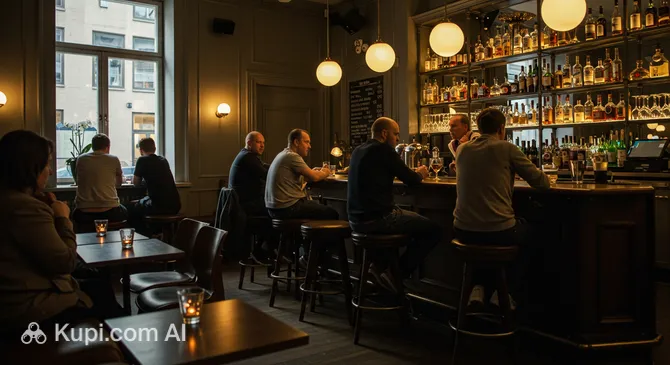
For a sophisticated evening out, Mat & Destillat is a standout choice located near the cathedral. Known for its elegant interior and expert mixologists, it is the perfect spot to enjoy high-quality cocktails or a glass of wine in a refined setting. The dress code in most of Lund’s public bars is smart-casual; you don't need to dress up formally, but a neat appearance is appreciated. Most bars stay open until 1:00 AM or 2:00 AM on weekends, with the atmosphere becoming livelier as the night progresses.
Mat & Destillat. Illustration.
Source: Kupi.com AI
Traveler photos:
If you are looking for a place that combines flavorful dining with a relaxed evening ambiance, The South Indian Lund offers a great alternative to traditional pubs. It is a popular spot to start the night with spicy dishes and drinks before heading out to explore more of the city center. For those interested in larger events, concerts, or sports, the Lund Arena hosts various performances and matches throughout the year, so it is worth checking their schedule when you arrive.
Safety is rarely a concern in Lund, making it an excellent city for evening walks. The streets are well-lit and safe, even late at night. However, as with any travel destination, it is wise to stay in populated areas. Taxis are readily available at designated stands near the Central Station, or you can order one via phone or app. Prices are regulated, but it is always good practice to check the meter or ask for a fixed price before starting your journey.
Beyond the nightlife, Lund offers delightful daytime entertainment options. The city has a rich cultural life with several theaters and cinemas. During the warmer months, the expansive Stadsparken becomes a hub of activity. This large park is not just for picnics; it often hosts open-air concerts, festivals, and events, making it a central part of the city's entertainment landscape. Whether you are catching a show at the arena or enjoying a quiet drink on a cobblestone street, Lund provides a welcoming and memorable experience.
Stadsparken. Illustration.
Source: Kupi.com AI
Traveler photos:
Parks & Museums
Parks and Museums:
Lund is widely recognized as a city where academic heritage and natural beauty coexist in perfect harmony. Visitors will find that the urban landscape is generously punctuated with lush green spaces, while its museums offer world-class cultural experiences that rival those of much larger capitals. Whether you are looking to relax under ancient trees or dive into the artistic process, the city provides a diverse array of environments to explore.
One of the most beloved green spaces is Stadsparken, a sprawling park that serves as the city's recreational living room. Located just southwest of the center, it features a diverse landscape ranging from formal flower gardens to wilder wooded areas. It is particularly famous for its large playground, skate park, and the white stage that hosts summer events. For a more academic botanical experience, the Botanical Garden (Lund) is an absolute must. Beyond its outdoor collections, the garden features impressive greenhouses where you can discover tropical climates and arid desert landscapes, making it a vibrant destination regardless of the weather outside.
Sankt Hans Hills. Illustration.
Source: Kupi.com AI
Traveler photos:
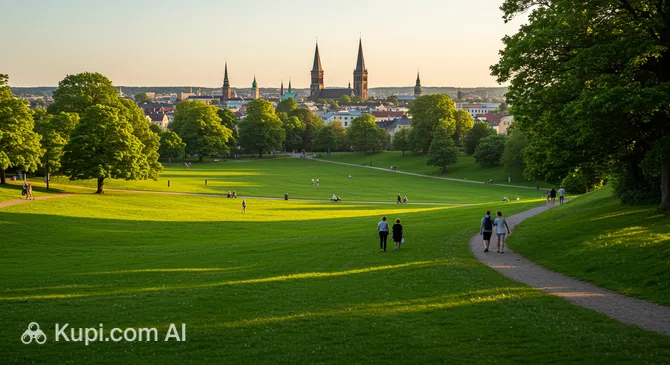
For those willing to venture slightly further from the cobblestones, Sankt Hans Hills offers a different kind of outdoor experience. This recreational area is known for its rolling terrain, which provides one of the best vantage points for watching the sunset over the city and the distant Öresund Bridge. It is a favorite spot for joggers, dog walkers, and disc golf enthusiasts who take advantage of the challenging course laid out across the slopes.
In terms of museums, the city boasts institutions that are truly unique. The Museum of Sketches for Public Art (Skissernas Museum) is a standout cultural venue. Unlike traditional art galleries that focus solely on the final product, this museum celebrates the creative journey, displaying models, sketches, and prototypes from artists around the globe. It offers a rare glimpse into the "birth" of art, housed within a building that is an architectural gem in itself, featuring a serene sculpture courtyard.
Museum of Sketches for Public Art. Illustration.
Source: Kupi.com AI
Traveler photos:
Deeply intertwined with the city's history is the Kulturen Museum. This open-air museum is not just a collection of artifacts but a living town within a town, preserving buildings that tell the story of life in southern Sweden from the Middle Ages to the 1930s. Visitors can step inside historic homes, from poor farm cottages to wealthy merchant residences, and view extensive exhibitions on design, folk art, and cultural history.
Walking through the city center, you will inevitably pass through Lundagård, the historic park that links the university to the Lund Cathedral. This green corridor is lined with centuries-old trees and rune stones, serving as a tranquil passage through time. The cathedral itself acts as a living museum of Romanesque architecture, with its crypt and astronomical clock drawing history buffs from around the world.
Lundagård. Illustration.
Source: Kupi.com AI
Traveler photos:
For a truly authentic nature experience nearby, consider taking a short trip to Dalby Söderskog, located just outside Lund. It is the smallest national park in Sweden and offers a magical, dense deciduous forest that feels enchanting, especially during the spring when the ground is carpeted with wood anemones. It is a perfect escape for those seeking untouched wilderness just a stone's throw from the city.
Getting Around
Navigating Lund is remarkably easy thanks to a modern, efficient, and eco-friendly public transport system operated by Skånetrafiken. The network is designed to be seamless, integrating buses and trams to cover the entire city and its outskirts. The backbone of local transit consists of the green city buses, which crisscross the town frequently, and the yellow regional buses that connect to neighboring areas. A standout feature of the system is the recently inaugurated tram line (Lunds spårväg), which connects Lund Central Station with the northern districts, including the university hospital and the Science Village. This tram offers a smooth, quiet, and scenic way to travel through the city's expanding hubs.
The payment system is fully digital and cashless, designed with convenience in mind. Tourists generally have two main options for purchasing tickets. The most popular method is the Skånetrafiken App, where you can buy single tickets, 24-hour passes, or 30-day tickets directly on your smartphone. Alternatively, you can use the "Tap and Ride" system by simply tapping your contactless credit or debit card (Visa or Mastercard) on the green readers when boarding a bus or tram. The price for a single journey within the city zone is approximately 31 SEK, and the ticket remains valid for one hour, allowing for unlimited transfers within that time.
For visitors, it is crucial to remember that cash is not accepted on board any buses or trams. You must have a valid ticket or a contactless payment card ready before you board. Tickets do not need to be validated in a machine if bought via the app (just activate them before boarding), but if you use a physical travel card bought at a service center, you must tap it on the reader. Public transport runs from early morning, around 5:00 AM, until midnight on weekdays, with extended night bus services often available on Fridays and Saturdays to accommodate the lively weekend crowd.
While public transport is excellent, Lund is famously known as a "City of Bikes." Cycling is often the fastest way to get around the compact city center, and there are extensive bike paths separated from car traffic. Visitors can easily rent bicycles through the city's bike-sharing system, Lundahoj, which has stations located throughout the town, or from private rental shops near the train station. If you prefer four wheels, taxis are available but can be quite expensive compared to public transit. Ride-hailing apps like Uber and Bolt operate in the city, offering a reliable alternative if you need a direct ride late at night.
Accommodation
Lund offers a welcoming variety of accommodation options that cater to different preferences, ranging from charming historic hotels to modern business establishments. As a university city, the hospitality scene is well-developed, though it is more intimate compared to larger metropolises. Visitors can find everything from comfortable mid-range hotels and cozy bed-and-breakfasts to budget-friendly hostels that often appeal to the younger crowd and backpackers.
For those who wish to be in the heart of the action, the City Center is the most popular area to stay. Choosing a hotel near the medieval streets around the cathedral or the main square ensures that you are within walking distance of the best dining, shopping, and cultural attractions. Alternatively, the area surrounding the Central Station is highly convenient for travelers planning day trips to Malmö or Copenhagen, offering easy access to trains and buses while still being just a few minutes' walk from the historic core.
Travelers should be aware that accommodation availability can fluctuate significantly depending on the academic calendar. During major university events, such as graduation ceremonies in late spring or the start of the semester in early autumn, hotels can book up months in advance. It is highly recommended to check the local event schedule and secure your room well ahead of time if you plan to visit during these peak periods.
In terms of pricing, Lund generally aligns with the standard Swedish cost of living, meaning options range from moderate to expensive. Budget travelers can find affordable rates in hostels or by booking simpler guesthouses on the outskirts. Booking is almost exclusively done online through major travel platforms or direct hotel websites, and credit cards are widely accepted everywhere. Whether you prefer the character of an older building or the efficiency of a modern chain, you will find a suitable place to rest after a day of exploring.
Nearby Cities
For those looking to explore the surroundings, Lund serves as an excellent base for day trips to several interesting nearby locations:
City
Population
Distance
Staffanstorp
14 808
7 km
Lomma
13 772
8 km
Bjarred
9 542
10 km
Arlov
10 284
10 km
Kavlinge
32 341
11 km
One of the most popular choices for a quick excursion is Malmö, located just a short train ride away. As Sweden's third-largest city, it offers a vibrant mix of historic charm and modern innovation. Visitors can wander through the cobblestone squares of the Old Town, enjoy the diverse culinary scene, or admire the iconic Turning Torso skyscraper in the Western Harbour district. Its cosmopolitan atmosphere makes it a perfect counterpoint to the academic tranquility of Lund.
Further north along the coast lies Helsingborg, often called the "Pearl of the Sound." This scenic city is famous for the medieval fortress tower Kärnan, which watches over the harbor and offers panoramic views across the water to Denmark. With its beautiful waterfront promenades and proximity to the stunning Sofiero Palace and gardens, it is an ideal destination for history buffs and nature lovers alike.
Another fascinating stop is Landskrona, known for its well-preserved 16th-century citadel, which is surrounded by a massive moat system. The town has a rich military history and serves as the gateway to the idyllic island of Ven, a favorite spot for cycling and exploring the legacy of astronomer Tycho Brahe.
These nearby destinations offer a glimpse into the diverse culture and landscapes of the region.
Shopping & Souvenirs
Shopping:
Shopping in Lund is a delightful experience that reflects the city's overall character: charming, accessible, and relaxed. Unlike the overwhelming rush of major metropolises, the retail scene here is centered around walkable, cobblestone streets lined with a mix of well-known international brands and unique independent boutiques. The atmosphere is intimate, allowing you to browse through Swedish design shops, bookstores, and fashion outlets at a leisurely pace while admiring the medieval architecture that frames the city center.
The heart of the shopping district lies within the pedestrianized zones of the city center. Lilla Fiskaregatan is arguably the most bustling shopping street, connecting the Central Station to the main square, Stortorget. Here, you will find major high-street fashion chains and popular retailers. For a more distinctive experience, wander down Klostergatan. This picturesque street is known for its specialized boutiques, selling everything from high-quality kitchenware and interior design items to artisanal chocolates and deli products.
If you prefer having everything under one roof, the city offers excellent options outside the historic center. The most prominent destination is Nova Lund, a large modern shopping mall located on the northwestern outskirts of the city. It houses over 70 stores, ranging from fashion and electronics to home decor, along with several cafes and restaurants. It is easily accessible by bus or car and provides a comprehensive shopping experience particularly suitable for rainy days.
Nova Lund. Illustration.
Source: Kupi.com AI
Traveler photos:
For food lovers, the Lund Saluhall (Market Hall) at Mårtenstorget is an absolute must-visit. Since 1909, this culinary landmark has been the place to buy premium local produce, including fresh fish, Scanian cheeses, and gourmet meats. Aside from food, the city is famous for the flea market at Södra Esplanaden. Held on Saturday mornings during the spring and autumn months, this "Loppis" attracts crowds looking for vintage treasures, books, and antiques, creating a lively and social atmosphere.
When looking for souvenirs, consider bringing back items that represent the region's heritage. Classic Swedish design objects, such as glassware or minimalist home decor, are popular choices. Local delicacies like handmade mustard, crispbread, or locally roasted coffee from the Market Hall make for excellent gifts. Additionally, as a historic university town, Lund offers plenty of bookstores where you can find literature about the city or university-branded merchandise.
Store opening hours in the city center are generally from 10:00 AM to 6:00 PM on weekdays and 10:00 AM to 4:00 PM on Saturdays. Many smaller shops are closed on Sundays, although the Nova Lund mall typically remains open. In terms of payment, Sweden is a leader in cashless transactions. Credit and debit cards (Visa and Mastercard) are accepted almost everywhere, from large department stores to small market stalls. In fact, many businesses are "card-only" and do not accept cash at all.
Visitors residing outside the European Union may be eligible for tax-free shopping. Look for the "Global Blue" Tax-Free signage in shop windows. If you spend above a certain amount in a participating store, you can request a refund form, which can be redeemed at customs upon your departure from the EU, allowing you to save on the Value Added Tax (VAT).