Support

Esbjerg

About

Esbjerg is a dynamic port city located on the rugged west coast of Jutland, serving as a vital hub for maritime commerce and offshore energy. As the fifth-largest city in Denmark, it blends industrial strength with a unique cultural charm, offering visitors a fascinating look into modern Danish life by the North Sea.
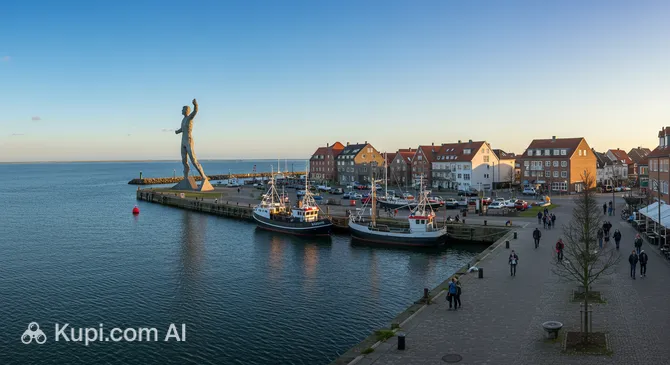
Esbjerg. Source: Kupi.Binoculars

Unlike many ancient towns in the region, the history of Esbjerg is relatively young, having been established in 1868 as a strategic harbor. Today, it has grown into a bustling metropolis with a population of over 72,000 residents. Situated in the Region of Southern Denmark, the city acts as a gateway to some of the country's most impressive natural landscapes.

Travelers are often drawn to the iconic Men at Sea (Mennesket ved Havet) sculpture, where four giant white figures gaze out over the water, symbolizing the meeting of man and nature. The city is also the perfect starting point for exploring the Wadden Sea National Park, a UNESCO World Heritage site known for its rich biodiversity and spectacular tidal flats. For those interested in the sea's legacy, the Fisheries and Maritime Museum provides fascinating insights into the region's deep connection with the ocean.

Whether you are here to explore the windswept coastline, enjoy fresh seafood, or experience the lively cultural scene, Esbjerg offers a refreshing escape. It is an inviting destination for anyone seeking to discover the authentic atmosphere of the Danish West Coast.
Weather Overview

Esbjerg experiences a temperate oceanic climate heavily influenced by its location on the North Sea, resulting in mild summers and cool, breezy winters. The weather is generally changeable, so travelers should be prepared for shifting conditions regardless of the season.

Summer is typically the most popular time to visit, with August being the warmest month, averaging around 17.5°C and seeing highs near 19.5°C. If you are planning a trip and need specific packing advice, checking the detailed weather in Esbjerg is highly recommended. Winters are cold but rarely freezing, with average temperatures in January and February hovering around 4°C.

Precipitation is a frequent occurrence, with the number of wet days ranging from 12 days in late spring to 19 days during the autumn and winter months. Expect generally moderate temperatures with regular showers, making a windproof jacket and layers essential items for your suitcase.

Interesting Facts

Beyond the main attractions, Esbjerg holds many fascinating secrets that reveal its rapid transformation and deep connection to nature. From its unique origins to hidden historical gems, there are several surprising details to discover about this coastal city.

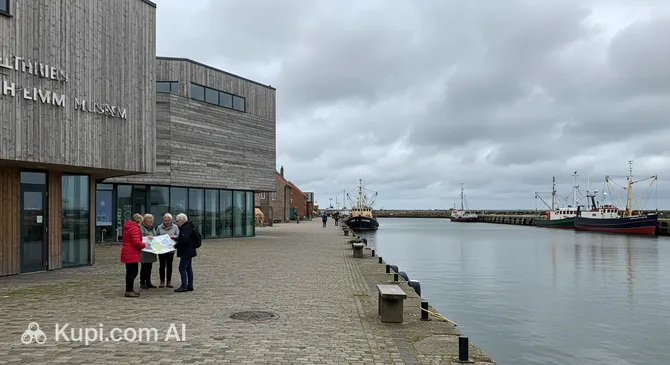
Fisheries and Maritime Museum. Source: Kupi.Binoculars
  • Esbjerg is often referred to as the "Chicago of the North" because of its explosive growth. Unlike most Danish cities that developed over centuries, it was established by a royal decree in 1868 and built from scratch to serve as a strategic gateway to the West.

  • The city's iconic Water Tower is not just an architectural landmark; it was constructed directly on top of a Bronze Age burial mound, creating a unique fusion of modern utility and prehistoric heritage.

  • Esbjerg has evolved from a fishing stronghold into the "Energy Metropolis" of Denmark. It is currently recognized as the world's leading port for the shipment of offshore wind turbines, playing a pivotal role in global green energy.

  • At the Fisheries and Maritime Museum, the sealarium is a standout feature where seals swim in a massive outdoor basin filled with fresh seawater pumped directly from the North Sea.

  • For a close encounter with local wildlife, Dyrehaven offers a lush woodland setting where Sika and Fallow deer roam freely and are often tame enough to be observed at very close range.

How to Get There

Reaching the West Coast of Denmark is quite convenient, with several transport options available depending on your starting point. Whether you prefer flying or taking the train, you can find more about how to get to Esbjerg and plan the most suitable route for your journey.

For those arriving by air, the most convenient option is the local Esbjerg Airport (EBJ), which is located directly in Esbjerg, just 7.3 km from the city center. The transfer by taxi or bus is quick, typically taking around 15 to 20 minutes. Alternatively, many international visitors choose Billund Airport (BLL) in the city of Billund, which serves as a major regional hub. It is situated about 52.6 km from Esbjerg, and the travel time by road is usually between 45 and 60 minutes.

For clarity, here is a summary of the main airports:

Airport Name City Passenger Traffic Km from City
Billund Airport Billund Large 52.6
Aarhus Airport Aarhus Medium 163.8
Westerland - Sylt Airport Westerland Small 63.2
Sonderborg Airport Sonderborg Small 102.2
Esbjerg Airport Esbjerg Small 7.3

If you are traveling by rail, it is important to note that while Esbjerg is part of the national network, international connections often route through larger hubs in other cities. You can arrive at Aarhus H Station in the city of Aarhus, which is about 132.6 km from Esbjerg. From there, the journey typically takes between 1.5 to 2.5 hours depending on the mode of transport and connections. Another major entry point is Copenhagen Central Station in Copenhagen, located roughly 259.8 km away, serving as the primary hub for the country.

Below is a list of major railway stations in the wider region:

Station City Passenger Traffic Km to Center
Hamburg Hauptbahnhof Hamburg Large 236.4
Bremen Hauptbahnhof Bremen Large 267.4
Copenhagen Central Station Copenhagen Large 259.8
Aarhus H Station Aarhus Medium 132.6
Aalborg Railway Station Aalborg Medium 196.5

Main Attractions

Esbjerg offers a compelling mix of cultural and natural attractions that reflect its identity as a maritime hub on the West Coast. From interactive museums and historic squares to serene outdoor spaces, the city provides diverse experiences for visitors looking to explore its heritage and landscape.

A central pillar of the local culture is the Fisheries and Maritime Museum. While the seals are a well-known highlight, the museum also offers extensive exhibitions on the offshore energy sector and the maritime history of the Wadden Sea. Visitors can explore the evolution of fishing techniques and gain a deeper understanding of the life beneath the North Sea waves through the large saltwater aquariums.

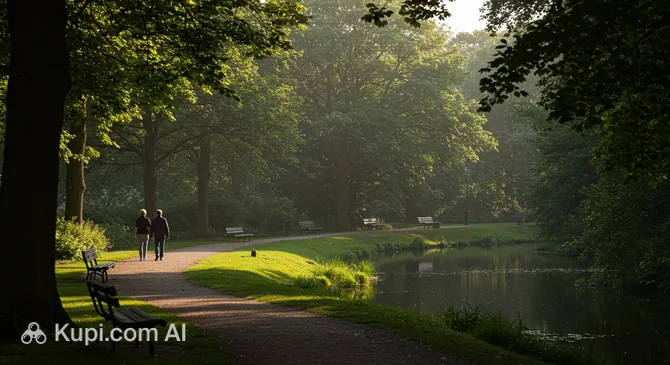
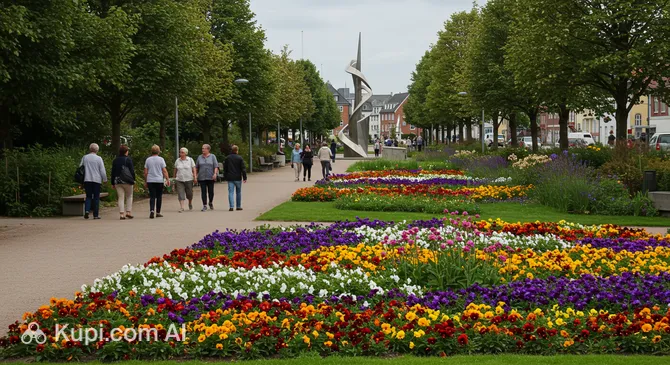
For those seeking a relaxing break in the heart of the town, Esbjerg City Park is an excellent choice. Located near the Performing Arts Centre, this park serves as a cultural gathering point, featuring an open-air amphitheater and various sculptures. It provides a beautifully landscaped contrast to the industrial harbor, making it a favorite spot for a quiet stroll among old trees and flower beds.

Esbjerg City Park. Source: Kupi.Binoculars

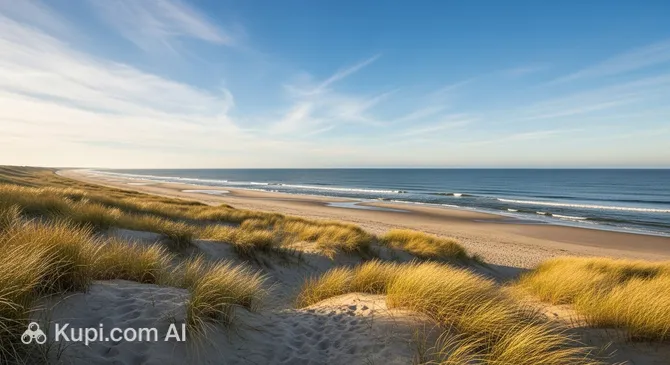
To fully appreciate the coastal setting, a trip to Sædding Beach is highly recommended. This stretch of the coastline features a scenic promenade that is perfect for long walks while gazing out at the North Sea. It provides a refreshing escape with its fresh sea air and offers excellent views of the harbor traffic entering and leaving the bay.

Sædding Beach. Source: Kupi.Binoculars

After a day of sightseeing, the historic square offers a vibrant atmosphere centered around Dronning Louise. This popular meeting place is housed in a distinctive building and serves as a social hub for both locals and tourists. Whether for a casual meal or an evening drink, it captures the lively spirit of the city's hospitality scene.

Dronning Louise. Source: Kupi.Binoculars

Local Cuisine

The culinary landscape of Esbjerg is deeply influenced by its location on the rugged West Coast of Jutland. With the North Sea right on the doorstep, it is no surprise that fresh seafood plays a starring role in the local diet. The city's restaurants and cafes often focus on high-quality, locally sourced ingredients, offering a genuine taste of the region's maritime heritage combined with hearty Danish traditions.

For the true gastronomic adventurer, the absolute must-try dish in this region is Bakskuld. This local specialty consists of salted, dried, and smoked dab, a flatfish found in the surrounding waters. It is typically fried in butter and served warm with coarse rye bread, lemon, and remoulade. While it was historically a staple for fishermen, it is now considered a delicacy that perfectly captures the salty, smoky essence of the coast.

Beyond specific regional treats, Esbjerg is an excellent place to enjoy the classic Danish open-faced sandwich known as Smørrebrød. These artfully arranged sandwiches are often topped with pickled herring, breaded plaice, or roast pork, making them a popular choice for a filling lunch. The dining scene in the city center is relaxed and welcoming, with many establishments located around the main square and the harbor areas.

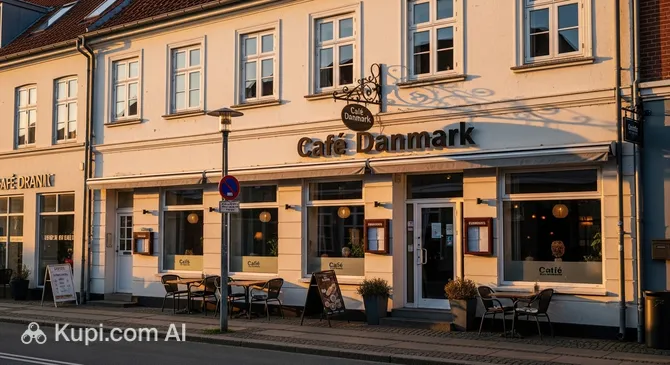
Café Danmark. Source: Kupi.Binoculars

If you are looking for a place to experience the local hospitality, Café Danmark is a notable spot to sit back and enjoy the atmosphere. The food culture here is characterized by a lack of pretension; whether you are eating at a fine dining restaurant or a casual bistro, the focus remains on good company and comforting flavors.

To wash down a hearty meal, locals often prefer a cold Danish pilsner or a glass of Snaps (aquavit), especially when eating herring or Bakskuld. The pub culture is alive and well here, serving as a social anchor for the community. For a taste of the city's nightlife and a selection of drinks, a visit to King George offers a glimpse into the lively spirit that locals and visitors enjoy after a long day.

Travel Tips

Preparing for a trip to Esbjerg means getting ready for fresh sea air, a vibrant harbor atmosphere, and the relaxed pace of life characteristic of West Jutland. To help you navigate the "Energy Metropolis" of Denmark with ease and confidence, we have compiled a list of essential practical tips.

  1. Clothing and Gear: The weather on the Danish West Coast is notoriously changeable and often windy. Regardless of the season, a high-quality windproof and waterproof jacket is essential. Dress in layers so you can adapt to sudden shifts in temperature. Comfortable, flat walking shoes are a must, as you will likely do a lot of walking on cobblestones and in nature areas.
  2. Transportation: Esbjerg is a compact city, and the center is easily navigable on foot. For longer distances, the local bus system (operated by Sydtrafik) is efficient and reliable; you can check schedules and buy tickets via their app. However, to truly experience the city like a local, consider renting a bicycle. The cycling infrastructure is excellent, connecting the city center to attractions like the Men at Sea sculpture and the beaches.
  3. Finances: The local currency is the Danish Krone (DKK). Denmark is a leader in cashless transactions, and you will find that credit and debit cards (Visa and Mastercard) are accepted almost everywhere in Esbjerg, from restaurants to hot dog stands. While carrying a small amount of cash is fine, it is rarely necessary. Tipping is not mandatory, as service charges are included in the bill, but rounding up for exceptional service is appreciated.
  4. Health and Safety: Esbjerg is a very safe city for travelers. Pharmacies are known as Apotek and are easily recognizable by their green cross sign. For emergencies, dial 112. If you require non-emergency medical assistance outside of regular hours, you can contact the "Lægevagt" (doctor on call) service, though it is wise to check your travel insurance coverage beforehand.
  5. Communication: You will have no trouble communicating in English, as the vast majority of locals speak it fluently. However, learning a few Danish words is a nice gesture; a simple Tak (Thank you) or Hej (Hello) goes a long way. Free Wi-Fi is commonly available in hotels, cafes, and public libraries, and buying a local SIM card is easy at convenience stores if you need constant data.
  6. Local Etiquette: Danes value punctuality and privacy. When using public transport, it is polite to keep your voice down. If you are invited to someone's home or a scheduled meeting, arrive exactly on time. The concept of Hygge (coziness) is central to social life, so expect a relaxed and informal atmosphere in cafes and restaurants.
  7. What to Avoid: Never walk in the bicycle lanes. This is a serious rule in Denmark; bike lanes are for cyclists only, and stepping into them can be dangerous and will likely annoy the locals. Also, avoid jaywalking, as Danes generally respect traffic signals even when the streets seem empty.
  8. Island Hopping: Take advantage of Esbjerg's location by taking the 12-minute ferry ride to the island of Fanø. It is a favorite getaway for locals and offers charming thatched-roof houses and wide sandy beaches, making it a perfect quick excursion without needing extensive planning.

By keeping these practical points in mind, you can focus on enjoying the unique maritime heritage and natural beauty that Esbjerg has to offer. Whether you are cycling along the coast or enjoying fresh seafood at the harbor, you are sure to have a smooth and memorable visit.

Entertainment & Nightlife

Esbjerg may be known for its industry and shipping, but when the sun goes down, the city reveals a lively and welcoming side. Driven by a mix of local residents, students, and offshore workers, the nightlife here is energetic without being overwhelming. The action is largely concentrated around the main square, Torvet, and the nearby street of Skolegade, famously known as the city's party artery. Here, you will find a dense cluster of pubs, bars, and nightclubs all within easy walking distance of each other.

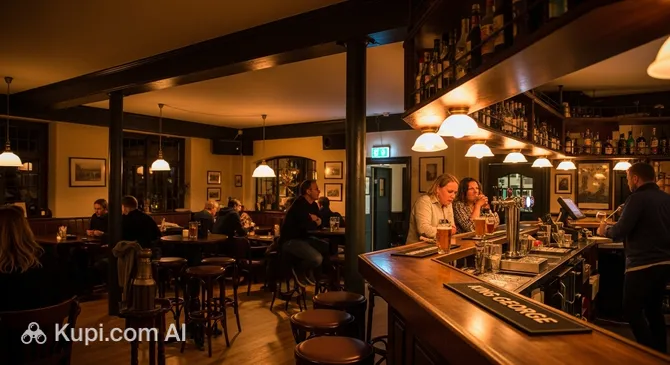
For those who enjoy a classic pub atmosphere, King George is a local institution. It offers a traditional setting where you can enjoy a wide selection of beers, watch live sports, or simply chat with locals. The vibe is casual and friendly, making it a great starting point for a night out. The dress code in most Esbjerg venues is relaxed; smart casual or even jeans and a nice shirt will fit in perfectly almost anywhere.

King George. Source: Kupi.Binoculars

If you are looking for a venue that transitions seamlessly from day to night, Dronning Louise on the main square is the place to be. By day, it serves as a popular restaurant, but as the evening progresses, it transforms into a vibrant nightlife spot often featuring live music, DJs, and a bustling dance floor. It attracts a mixed crowd, from young adults to an older clientele, all enjoying the spirited ambiance in the heart of the city.

Beyond the bars, Esbjerg offers excellent entertainment for sports enthusiasts. Ice hockey is a major passion in this region, and catching a game at the Granly Hockey Arena is a thrilling evening activity. The atmosphere during matches is electric, providing a different kind of night out that is deeply rooted in local culture. For those preferring a quieter evening, the city’s Performing Arts Centre (Musikhuset) regularly hosts concerts and theater productions.

From a practical standpoint, nightlife in Esbjerg is safe and accessible. The city center is compact, so hopping between venues on foot is easy. However, if you need to travel further or return to your hotel late at night, Esbjerg Taxa is reliable and can be hailed or booked by phone. Prices for drinks are typical for Denmark, meaning they can be on the higher side compared to other parts of Europe, so budget accordingly. Friday and Saturday nights are naturally the busiest, with clubs often staying open until the early morning hours.

During the daylight hours, the entertainment focus shifts to nature and culture. Apart from the maritime museums, visitors can enjoy a peaceful afternoon in Vognsbøl Park, a large green oasis perfect for picnics and leisure. Whether you are exploring the parks by day or the pubs by night, Esbjerg offers a balanced mix of relaxation and excitement.

Parks & Museums

Esbjerg surprises many visitors with its harmonious blend of industrial energy and serene green spaces. Beyond the busy harbor, the city offers a wealth of cultural institutions and expansive parks that provide a perfect counterpoint to the maritime hustle, inviting travelers to explore local history, art, and nature.

For those seeking fresh air and greenery, Vognsbøl Park acts as the city's "green lung." This extensive recreational area is a favorite among locals for jogging, picnics, and leisurely strolls along its winding paths and lakes. It creates a seamless transition into the natural landscape, offering a peaceful retreat just minutes from the urban center.

Dyrehaven. Source: Kupi.Binoculars

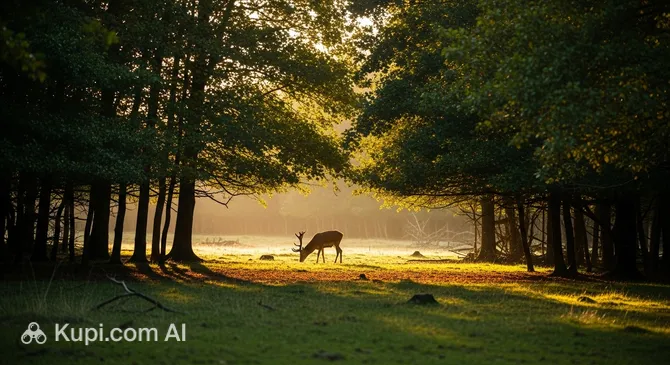
Directly adjacent to the park lies Dyrehaven, a deer park that is particularly magical for families and nature lovers. Here, Sika and Fallow deer roam freely in a woodland setting. The animals are accustomed to human presence, often allowing visitors to get quite close, which makes for a memorable and photogenic experience in the heart of nature.

When it comes to museums, the Fisheries and Maritime Museum is the undisputed highlight. It vividly recounts the story of humanity's relationship with the sea, featuring everything from offshore energy exhibits to a large sealarium. It is an essential stop for understanding the region's identity. For art enthusiasts, the Esbjerg Art Museum, located near Esbjerg City Park, is known for its experimental approach, often blending modern art with natural science in interactive exhibitions.

Architecturally, the city boasts several landmarks that reflect its rapid development. The iconic Water Tower (Vandtårnet), built in 1897, stands as a symbol of Esbjerg. Interestingly, it was constructed on a prehistoric burial mound, bridging the gap between ancient history and modern engineering. From the top, visitors can enjoy panoramic views of the harbor and the Wadden Sea. Nearby, the Esbjerg Performing Arts Centre (Musikhuset), designed by the renowned Utzon family, showcases striking modern Danish architecture.

For a truly authentic local experience, venture just north of the city to the Marbæk area. While technically on the outskirts, this protected heathland offers stunning hiking trails and a chance to see the dark night sky away from city lights, a favorite escape for residents seeking tranquility.

Getting Around

Public transport in Esbjerg is efficient, reliable, and straightforward, primarily revolving around a well-organized bus network that connects the city center with suburbs, industrial areas, and nearby towns. Since the city does not have a metro or tram system, the yellow city buses are the main mode of transit for daily commuting. These buses are operated by Sydtrafik and cover most areas of interest for visitors, including the harbor, the main hospital, and major shopping districts.

For travel to the surrounding region or nearby towns like Ribe and Bramming, the local train service is an excellent alternative. The train station is centrally located, making it easy to switch between rail and bus services. While the city center is compact enough to explore on foot, the bus system is indispensable for reaching attractions located further out, such as the Men at Sea sculpture or the university area.

The payment system is integrated across the region, based on a zone system where the price depends on how many zones you traverse. For most tourists, the most convenient way to pay is by using the Sydtrafik app, which allows you to purchase single tickets or day passes directly on your smartphone. Another option is the national electronic travel card known as Rejsekort. While this is the cheapest option for residents, it requires a setup that might be cumbersome for short-term visitors. If you prefer physical tickets, you can usually buy single tickets with cash from the bus driver, but be aware that they may not accept large bills or credit cards on board.

A practical tip for navigating the system is to use the online journey planner known as Rejseplanen. It is available as an app and a website, providing real-time schedules, route maps, and price estimates for all forms of public transport. When boarding a bus, you generally enter through the front door and scan your ticket or show it to the driver, then exit through the middle or rear doors. Buses typically run from early morning until late evening, though service frequency drops significantly on weekends and holidays.

Given the flat terrain and excellent infrastructure, cycling is an extremely popular alternative to motorized transport. Esbjerg is designed for cyclists, with dedicated bike lanes separating riders from car traffic on almost every major street. Renting a bike gives you the freedom to explore the coastline and parks at your own pace. If you need a car, taxi services like Esbjerg Taxa are available and reliable, though they can be quite expensive compared to public transit. Taxis can be hailed on the street, found at ranks near the station, or booked via phone and app.

Accommodation

Finding the right place to stay in Esbjerg is relatively straightforward, as the city offers a range of accommodation options designed to suit both leisure travelers and business professionals. Visitors can choose from modern chain hotels with full amenities, charming bed and breakfasts, and budget-friendly hostels. For those who prefer a closer connection to nature, there are also well-equipped campsites and holiday cottages located along the coast, just a short distance from the city center.

The most convenient area for tourists is undoubtedly the city center, particularly around the main square (Torvet) and the railway station. Staying here places you within walking distance of the best restaurants, the harbor, and cultural venues like the Performing Arts Centre. This central location is ideal for those arriving by train or planning to explore the city's nightlife and shopping districts on foot. Alternatively, visitors seeking a quieter atmosphere might prefer the outskirts near the beaches, where the setting is more relaxed and scenic.

Since Esbjerg is a major hub for the offshore energy industry, many hotels cater specifically to business travelers, ensuring high standards of comfort and connectivity. However, this also means that accommodation can fill up quickly during the week. It is highly advisable to book in advance, especially if you are visiting during the peak summer months of July and August or when major conferences are taking place.

In terms of pricing, accommodation in Esbjerg generally reflects the Danish standard, which can be higher than the European average. Budget travelers can find affordable rates at hostels or by renting cabins at nearby campsites, while mid-range and luxury options offer excellent value for the quality of service provided. Booking is most easily done through major online platforms, though contacting smaller B&Bs directly can sometimes yield a more personal experience.

Nearby Cities

For those looking to explore the surroundings, Esbjerg serves as an excellent base for day trips to several interesting nearby locations:

Just a short journey south of the city lies Ribe, the oldest town in Denmark. Stepping into its center feels like entering a different era, thanks to its beautifully preserved cobblestone streets and half-timbered houses. The town is dominated by the majestic Ribe Cathedral and is famous for its Viking Center, where the region's history is brought to life through immersive reenactments.

To the east, visitors can discover Kolding, a dynamic city that blends design, history, and nature. Its most prominent landmark is Koldinghus, a royal castle that has been strikingly restored and now functions as a museum. The city is also home to the Trapholt Museum of Modern Art and Design, making it a key destination for culture lovers.

Another fascinating spot is Vejle, known for its scenic location at the head of a fjord and its bold architectural projects, such as the wave-shaped residential building, Bølgen. The city offers a lively pedestrian shopping street and serves as a gateway to the rolling hills and forests of the Grejs Valley.

City Population Distance (km)
Kolding 61638 64
Horsens 61074 97
Vejle 60231 73
Herning 50565 80
Fredericia 40886 82

These nearby destinations offer a glimpse into the diverse culture and landscapes of the region.

Shopping & Souvenirs

Shopping:

Esbjerg stands out as the premier shopping destination in West Jutland, offering a vibrant mix of well-known international brands, specialty boutiques, and modern retail centers. Whether you are looking for the latest Scandinavian fashion, unique home décor, or locally crafted souvenirs, the city provides a diverse and accessible shopping experience.

The heartbeat of the city's retail scene is Kongensgade, which serves as Denmark's longest pedestrian shopping street outside of Copenhagen. Stretching for over a kilometer through the city center, this lively avenue is lined with over 150 shops, ranging from high-street fashion chains to cozy independent stores. Walking down Kongensgade is about more than just purchasing goods; it is a social experience where locals gather, creating a bustling atmosphere that connects the central square to the harbor area.

For those who prefer an indoor shopping experience, Broen Shopping is the city's largest mall, conveniently located right next to the railway station. With roughly 60 stores and a variety of dining options under one roof, it offers a modern and comfortable environment, making it an excellent choice on rainy days. Here, visitors can find everything from electronics and sporting goods to groceries and beauty products.

When searching for authentic keepsakes, look for items made from amber (rav), often referred to as "Nordic Gold." The West Coast of Denmark is famous for this fossilized resin, and several local jewelers in Esbjerg specialize in crafting exquisite amber pieces. Additionally, the city is a great place to discover classic Danish design, with numerous shops dedicated to the minimalist and functional aesthetic that the country is known for worldwide.

Travelers should be aware of local opening hours. While the large shopping center typically stays open later, many smaller boutiques on the pedestrian street close around 2:00 PM or 3:00 PM on Saturdays and remain closed on Sundays. It is advisable to plan your shopping excursions for weekdays or Saturday mornings to ensure the full range of stores is available.

Reached the end of the page?

That means the route is fully explored