Support

Itzehoe

About

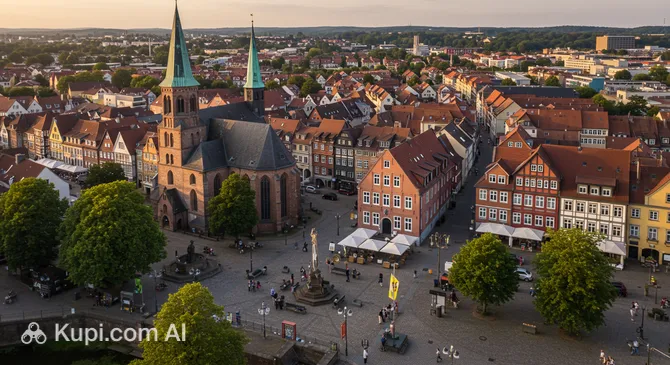
Welcome to Itzehoe, a charming town located in the northern part of Germany within the state of Schleswig-Holstein. Situated on the winding banks of the river Stör, this city offers a delightful mix of cultural heritage and scenic beauty. With a population of approximately 32,000 residents, Itzehoe maintains a cozy, small-town atmosphere while serving as an important economic and cultural hub for the Steinburg district.

Itzehoe. Source: Kupi.Binoculars

The city prides itself on being one of the oldest in the region. Visitors interested in the past will find the history of Itzehoe truly captivating, with roots stretching back to the Middle Ages. A stroll through the city center reveals architectural gems that whisper tales of bygone eras, including the historic Kloster Itzehoe, a former Cistercian nunnery that remains a significant landmark today.

Art and culture enthusiasts should not miss the Wenzel Hablik Museum, dedicated to the works of the visionary expressionist artist who lived and worked here. Another striking feature is the St. Laurentii Church, with its impressive baroque interior. Whether you are exploring its green surroundings or enjoying the local hospitality in the town square, Itzehoe invites you to relax and discover the hidden treasures of the German north.

Weather Overview

The climate in this region is generally temperate, offering distinct seasons without extreme temperature fluctuations. For a detailed forecast and seasonal trends, checking the weather in Itzehoe is recommended before your trip. Summers are typically the most pleasant time to visit, particularly in August, when average temperatures reach around 18.2°C and daily highs can climb to a comfortable 22.4°C.

Winters are significantly cooler, with January being the coldest month, seeing average temperatures of just 3.4°C and lows dipping to 1.5°C. The transition seasons of spring and autumn offer moderate conditions, with temperatures gradually rising from 5.3°C in March to a mild 12.7°C by May.

Travelers should be prepared for consistent moisture throughout the year. Expect mild to warm summers with regular showers and cold, damp winters. The data indicates that precipitation is frequent regardless of the season, with the city experiencing between 12 and 16 wet days each month, making a sturdy umbrella or raincoat an essential packing item.

Interesting Facts

Beyond the main attractions and historical buildings, Itzehoe holds several fascinating details that reveal its unique character and deep roots in the region. Here are some surprising facts about this northern German town:

  • Gateway to Heavy Metal: Itzehoe serves as the crucial transit hub for the world-famous Wacken Open Air festival. Every summer, the town's atmosphere transforms as thousands of music fans arrive at the train station to shuttle to the nearby festival grounds, making the local infrastructure vital to one of the world's largest metal events.

  • Inland Tides: Despite being located roughly 70 kilometers from the North Sea coast, the River Stör flowing through the city is a tidal river. Visitors can distinctively observe the water level rising and falling with the ebb and flow of the tide, a rare phenomenon for a town situated this far inland.

  • Charlemagne's Legacy: The town's origins are legendary, tracing back to the year 810 AD. It was Charlemagne who ordered the construction of the Esesfeld fortress nearby to defend against the Danes, laying the foundation for what is often cited as the oldest town in the Holstein region.

  • Planet Alsen: The city has creatively repurposed its industrial past at a site known as "Planet Alsen." The imposing ruins of the former Alsen cement factory now serve as a gritty, atmospheric backdrop for art exhibitions, concerts, and cultural gatherings, symbolizing the town's structural change.

How to Get There

Reaching this part of Schleswig-Holstein is quite convenient, primarily due to its proximity to the major transport hubs of Northern Germany. Whether you are arriving by air or rail, the connections are generally efficient, allowing for a smooth journey. For detailed routes and specific travel advice, you can read more about how to get to Itzehoe to plan your arrival perfectly.

The city of Itzehoe does not have its own airport, but it is well-served by Hamburg Airport (IATA: HAM) in the city of Hamburg, which is situated approximately 46.3 km away. As a major international hub with substantial passenger traffic, it offers a wide range of flight connections. From the airport, the travel time by road is typically between 45 and 60 minutes depending on traffic. Another option for travelers is Bremen Airport (IATA: BRE), located in Bremen about 109.4 km from Itzehoe. Reaching the city from there takes approximately 1.5 hours by car, serving as a viable alternative for certain routes.

For clarity, here is a summary of the main airports:

Airport Name City Passenger Traffic Km from City
Hamburg Airport Hamburg Large 46.3
Hannover Airport Hanover Large 164.3
Bremen Airport Bremen Medium 109.4
Westerland - Sylt Airport Westerland Small 132.9
Sonderborg Airport Sonderborg Small 116.4

Traveling by train is another popular way to approach the region. While you may be heading to local stops, long-distance travelers often arrive via major railway hubs nearby. You can arrive at Hamburg Hauptbahnhof in the city of Hamburg, which is about 53.6 km from Itzehoe. As one of the busiest stations in Europe, it connects to virtually all major German cities. From there, you can take a direct regional train to Itzehoe, a comfortable journey that takes approximately 1 hour. Alternatively, Bremen Hauptbahnhof in Bremen is located roughly 105.0 km away and serves as another key entry point for the wider region.

Below is a list of the nearest major railway stations:

Station City Passenger Traffic Km to Center
Hamburg Hauptbahnhof Hamburg Very Large 53.6
Hanover Main Station Hanover Large 173.8
Bremen Hauptbahnhof Bremen Large 105.0
Rostock Hauptbahnhof Rostock Medium 172.9
Messe Bahnhof (Messe-Bf) Station Hanover 165.4

Main Attractions

One of the most significant cultural highlights in the city is the Wenzel Hablik Museum. Housed in the former merchant's villa of the Hablik family, this museum preserves the legacy of Wenzel Hablik, a versatile Expressionist artist, architect, and designer who lived in Itzehoe. Visitors can explore a fascinating collection that ranges from visionary architectural sketches and oil paintings to handcrafted furniture and textiles. It is a unique window into the creative mind of the early 20th century and a true gem for art enthusiasts.

For those interested in ecclesiastical architecture and history, the St. Laurentii Church stands as a defining landmark in the city center. While the current brick structure dates back to the 18th century, the site has been a place of worship for much longer. Inside, tourists are often impressed by the rich Baroque interior, including a magnificent altar and the historic pulpit. The church also houses the tombs of the abbesses from the local noble convent, connecting the spiritual life of the city with its aristocratic past.

To delve deeper into the region's heritage, a visit to the Kreismuseum Prinzesshof is highly recommended. Located in one of the oldest secular buildings in the town, which dates back to the 16th century, the museum offers a comprehensive look at the history of the Steinburg district. The exhibitions cover everyday life in previous centuries, industrial history, and the development of the city. The building itself, with its distinct architecture and surrounding park, is a beautiful backdrop for a journey through time.

A stroll through the historic Klosterhof area allows visitors to experience the serene atmosphere of the Itzehoe Convent. Although it is still an active foundation, the grounds and the exterior of the convent buildings provide a picturesque setting for a walk. The area reflects the town's long-standing status as a seat of nobility and offers a quiet retreat from the bustling city center. Nearby, the idyllic convent pond adds to the charm, making it a perfect spot for a relaxing afternoon break.

Local Cuisine

The culinary landscape of Itzehoe is deeply rooted in the traditions of Northern Germany, offering a hearty and rustic dining experience that reflects the region's agricultural heritage and proximity to the water. The local cuisine is often characterized by a unique flavor profile known as "Broken Sweetness" (Gebrochene Süße), where savory ingredients are combined with sweet elements to create distinct and memorable meals.

One of the most iconic dishes you must try in this part of Schleswig-Holstein is Birnen, Bohnen und Speck. This classic stew combines green beans, smoky bacon, and cooking pears, perfectly embodying the region's love for contrasting flavors. Another staple, especially given the city's location on the river Stör, is Matjes (soused herring). Often served with a creamy dill sauce, onions, and boiled potatoes, the herring here is tender and mild, owing to the high quality of seafood available in the north.

When it comes to beverages, the locals enjoy drinks that warm the soul, particularly during the cooler months. A favorite regional specialty is the Pharisäer, a strong coffee mixed with brown rum and topped with a thick layer of whipped cream. It is traditionally drunk through the cream without stirring. For those preferring something cold, the local beer culture favors tart and refreshing Pilsners, often accompanied by a shot of Köm, a traditional caraway schnapps that is a customary digestive in the area.

The food culture in Itzehoe is relaxed and welcoming, centering around traditional Gasthöfe (inns) and cozy cafes. Visitors looking for an authentic experience should head to the city center or the areas near the historic market squares. Here, you can find weekly markets offering fresh regional produce, from Holstein ham to seasonal kale, which is celebrated in winter with "Kale Tours" (Grünkohlwanderungen). Whether you are grabbing a quick fish sandwich (Fischbrötchen) as a snack or sitting down for a multi-course dinner, the city offers a genuine taste of Holstein hospitality.

Travel Tips

To ensure your visit to Itzehoe is as relaxing and enjoyable as possible, a little preparation goes a long way in this authentic corner of Northern Germany. These practical tips are designed to help you navigate local customs, handle logistics smoothly, and blend in with the friendly residents of the Steinburg district.

  1. Clothing and Gear: Given the maritime influence in Schleswig-Holstein, the weather can be changeable. It is wise to dress according to the "onion principle" (layers) and always carry a sturdy umbrella or a rain jacket, even in summer. Comfortable, flat walking shoes are essential, especially if you plan to explore the cobblestoned areas around the Klosterhof or walk along the Stör riverbanks.

  2. Transportation: The city center of Itzehoe is compact and best explored on foot, allowing you to easily reach the main pedestrian zone and historical sites. For longer distances or trips to the outskirts, there is a reliable local bus network. Taxis are readily available, particularly outside the train station, but for exploring the wider region, renting a car might be more convenient.

  3. Finances: The official currency is the Euro (€). While supermarkets and larger restaurants accept major credit cards (Visa, Mastercard), Itzehoe preserves a traditional cash culture. Smaller bakeries, cafés, and local shops often prefer or only accept cash (Bargeld). ATMs are widely available throughout the town center for withdrawals. Tipping is customary; rounding up the bill or leaving about 5-10% is standard practice.

  4. Health and Safety: Itzehoe is a safe town with high hygiene standards. In case of minor health issues, look for a pharmacy (Apotheke), marked by a large red "A"; they rotate emergency night shifts if you need help outside regular hours. For serious medical emergencies, dial 112. The tap water is excellent and safe to drink.

  5. Communication: The primary language is German. While many locals, especially younger people, speak decent English, knowing a few German phrases is appreciated. A local SIM card can be purchased at supermarkets or electronics stores for mobile data, though free Wi-Fi is often available in hotels and some public spaces.

  6. Local Etiquette: The universal greeting in this region, used at any time of day or night, is a simple and friendly "Moin". It is polite to use this when entering shops or greeting passersby. Germans value punctuality and privacy, so try to be on time for appointments and respect quiet hours in residential areas, particularly on Sundays.

  7. What to Avoid: Do not walk on the designated bicycle lanes (Radwege), which are often painted red or paved differently on the sidewalks. Locals cycle frequently and swiftly, and blocking their path is considered rude and can be dangerous. Also, avoid jaywalking; waiting for the green pedestrian light is a strict social norm here.

  8. Sunday Quiet: Be aware that Sunday is a strict rest day (Ruhetag) in Germany. Almost all shops, supermarkets, and pharmacies in Itzehoe will be closed, with the exception of bakeries in the morning and gas stations. Plan your grocery shopping for Saturday to avoid being caught without supplies.

By keeping these simple guidelines in mind, you will be well-equipped to experience the genuine hospitality of Itzehoe. embrace the local pace of life, enjoy the fresh northern air, and have a wonderful time discovering the historic heart of Holstein.

Entertainment & Nightlife

For travelers seeking entertainment, Itzehoe offers a diverse mix of cultural experiences and relaxed leisure activities. As the cultural center of the Steinburg district in northern Germany, the city provides options that range from high-quality theatrical performances to cozy evenings in local taverns, ensuring a pleasant stay for visitors of all ages.

The centerpiece of the local cultural scene is the Theater Itzehoe. This architectural landmark, designed by the renowned architect Gottfried Böhm, is not just a venue for plays but a vibrant hub for concerts, ballets, and cabaret. Its striking, tent-like roof structure makes it a visual highlight of the cityscape. With a capacity of over 500 seats, the theater hosts touring ensembles and local productions year-round, offering a sophisticated night out for art lovers.

Movie enthusiasts will find a modern cinematic experience at the CineMotion Itzehoe. Located centrally, this multiplex cinema screens the latest international blockbusters as well as selected art-house films. It serves as a popular meeting point for locals and visitors alike, providing a perfect activity for a rainy afternoon or a relaxing end to a day of sightseeing.

Shopping in Itzehoe is a stress-free experience centered around the pedestrian zone. The main streets, such as Feldschmiede and Kirchenstraße, are lined with a mix of owner-managed boutiques, well-known chain stores, and charming cafes. For a more concentrated shopping spree, the Holstein Center offers various retailers under one roof. Additionally, the traditional weekly markets held on Wednesdays and Saturdays at the Berliner Platz are excellent places to browse fresh regional produce and soak up the local atmosphere.

When the sun sets, the nightlife is characterized by a laid-back and rustic vibe rather than loud clubs. The town is dotted with traditional German pubs (Kneipen) and bistros where guests can enjoy a freshly tapped beer or a glass of wine in good company. In the warmer months, outdoor seating areas along the pedestrian zone come alive, offering a friendly environment to mingle with the locals. For those seeking active entertainment, the River Stör offers opportunities for canoeing and stand-up paddling, allowing visitors to explore the city's surroundings from the water.

Parks & Museums

Visitors to Itzehoe will discover a pleasant balance between urban culture and relaxing green spaces. The city serves as a gateway to the natural beauty of the Holstein region while preserving its own rich heritage through well-curated museums and historic sites. Whether you are looking to explore expressionist art or take a peaceful walk along the river, the town offers several worthwhile stops.

For those seeking fresh air and scenic views, the Malzmüllerwiesen is the city's central green lung. This expansive park area surrounds a picturesque pond and serves as a popular recreational spot for locals. It is an ideal location for a leisurely afternoon stroll, offering well-maintained paths and open lawns that host various events throughout the year. Just a short distance away, the banks of the River Stör provide a more maritime natural experience. Walking along the dikes here allows you to observe the unique tidal movements of the river, surrounded by the lush meadows typical of the Schleswig-Holstein landscape.

Culture enthusiasts should prioritize a visit to the Wenzel Hablik Museum. This institution is dedicated to one of the most significant German Expressionist artists, Wenzel Hablik, who made Itzehoe his home. The museum showcases his diverse body of work, which ranges from visionary architectural designs and crystalline structures to intricate textiles and furniture. It offers a fascinating glimpse into the avant-garde movements of the early 20th century and is housed in a building that reflects the artist's creative spirit.

Another key cultural venue is the Kreismuseum Prinzesshof. Located in a beautiful 16th-century building that was once a noble residence, this museum focuses on the regional history of the Steinburg district. The exhibits cover a wide timeline, from prehistoric finds to the industrialization of the 19th and 20th centuries. The historic building itself, with its charming architecture and surrounding garden, is a highlight, providing an atmospheric setting for learning about the daily lives of the people who shaped this region.

History comes alive in the Klosterhof (Convent Courtyard), the historic heart of Itzehoe. This area is home to the Kloster Itzehoe, a noble convent founded in the Middle Ages. While the convent is still active, visitors can admire the serene grounds and the exterior of the historic buildings, including the majestic St. Laurentii Church. The church is renowned for its stunning Baroque interior and the ornate loges of the abbesses, standing as a testament to the town's aristocratic past.

For a truly authentic experience, take a detour to the Cirencester Park, named after Itzehoe’s English twin town. It is a quieter, lesser-known green space perfect for reading a book or enjoying a moment of silence away from the town center. Additionally, architecture buffs might enjoy finding the Planet Alsen site, where the raw industrial ruins of a former cement factory offer a stark, photogenic contrast to the town's traditional brick aesthetic.

Getting Around

Navigating Itzehoe is straightforward and convenient, thanks to its compact size and well-organized infrastructure. Visitors will find that the city center is designed to be human-scale, making it easy to explore the main attractions, shops, and historical sites on foot. The pedestrian zone, particularly around the Feldschmiede and Kirchenstraße, allows for a relaxed walking experience without the disturbance of vehicle traffic.

For those who prefer to cover more ground or explore the scenic surroundings, cycling is an excellent option. Like much of northern Germany, the terrain in and around Itzehoe is predominantly flat, making it ideal for bikers of all skill levels. The city is integrated into a network of well-marked bicycle paths that connect the urban area with the lush landscapes of the Steinburg district. Rental bikes are occasionally available at local shops or near the train station, and cyclists are treated with respect on the roads.

The local public transport system consists of a reliable bus network that connects the city center with the outlying suburbs and neighboring communities. The buses are operated under the umbrella of the regional transport association, often integrated with the wider HVV (Hamburger Verkehrsverbund) tariff system. This is particularly beneficial for travelers, as it simplifies ticket purchases and zone navigation. Tickets can typically be bought directly from the bus driver or at ticket machines, and timetables are posted clearly at bus stops.

Taxis provide a comfortable alternative for getting around, especially in the evenings or when carrying heavy luggage. Designated taxi ranks are located at strategic points, such as the Itzehoe railway station and the central bus station (ZOB). It is also easy to order a cab by phone through local dispatch centers. While some drivers accept credit cards, it is advisable to carry some cash, as this remains the most common payment method for short rides.

If you are driving a rental car, you will find traffic in Itzehoe to be generally light and manageable compared to larger German cities. Parking is available throughout the town, with several parking lots and garages located near the city center. Many of these utilize a "pay and display" system, so keeping some coins handy for parking meters is a good travel tip. The city's proximity to the A23 motorway also makes it easy to embark on day trips to the North Sea coast or towards Hamburg.

Accommodation

Finding a place to stay in Itzehoe is generally a straightforward experience, reflecting the town’s down-to-earth and welcoming character. The accommodation landscape is dominated by mid-range hotels and family-run guesthouses (Gasthöfe) rather than large international luxury chains or sprawling resorts. Visitors can expect clean, comfortable, and functional rooms that offer good value for money. In addition to traditional hotels, there is a growing selection of holiday apartments and private rentals, which are particularly suitable for families or travelers planning a longer stay in the Steinburg district.

When choosing where to stay, the city center is the most convenient option for those who want to be within walking distance of the main attractions, such as the theater and the pedestrian shopping zone. Staying here puts you close to local bakeries and cafes, making breakfast and morning coffee easy to find. Alternatively, looking for accommodation on the outskirts or near the banks of the River Stör can provide a quieter, more scenic experience, often with the added benefit of easier parking for those traveling by car.

Booking Tip: It is crucial to check the calendar for the Wacken Open Air festival, which typically takes place in early August. Since Itzehoe serves as a major transit hub for the festival, accommodation in and around the city is often fully booked months—or even a year—in advance during this period. If you plan to visit during the festival week, securing your room as early as possible is mandatory.

In terms of pricing, Itzehoe is generally affordable compared to larger German cities like Hamburg. Most options fall into the budget to mid-range categories. While major online booking platforms cover the larger hotels, some smaller traditional guesthouses may still prefer direct inquiries via phone or email. It is advisable to book a few weeks ahead during the summer season to ensure the best selection.

Nearby Cities

For those looking to explore the surroundings, Itzehoe serves as an excellent base for day trips to several interesting nearby locations:

City Population Distance (km)
Norderstedt 80420 42
Neumünster 80000 35
Elmshorn 50141 23
Stade 47579 38
Pinneberg 43603 35

Among these destinations, Stade is a standout choice for history enthusiasts. Located just across the Elbe River, this Hanseatic town captivates visitors with its beautifully restored half-timbered houses and the picturesque old harbor. A walk through its historic center offers a fascinating glimpse into the region's maritime past, making it a delightful spot for a leisurely afternoon.

Another excellent option is Neumünster, which combines culture with modern leisure. Known for its rich history in the textile industry, the city is home to the Tuch + Technik Museum, where visitors can explore the craft of cloth making. For those interested in shopping, the city also hosts a large designer outlet center, attracting visitors from all over Northern Germany.

Closer to home, Elmshorn offers a mix of industrial heritage and natural beauty. As a vibrant town nearby, it features the Liether Kalkgrube, a geological nature reserve that is perfect for hiking and exploring the local landscape. Its proximity makes it an easy and convenient trip for a spontaneous change of scenery.

These nearby destinations offer a glimpse into the diverse culture and landscapes of the region.

Shopping & Souvenirs

Shopping in Itzehoe offers a relaxed and authentic experience, distinct from the frantic pace of larger metropolises. As the economic center of the Steinburg district, the city provides a solid mix of essential retailers, owner-managed boutiques, and regional specialty stores. While it may not be a high-end fashion capital, visitors will find everything they need for a comfortable stay, along with plenty of opportunities to discover local products and enjoy the friendly, small-town atmosphere.

The heart of the city's retail scene beats in its pedestrian zone, primarily located along the streets of Feldschmiede and Kirchenstraße. This area invites tourists to stroll leisurely past a variety of shops ranging from bookstores and shoe stores to fashion boutiques and drugstores. The pedestrianized layout ensures a stress-free environment where you can easily pop into a shop or take a break at one of the many street-side cafes to watch the world go by.

For a more concentrated shopping experience, the Holstein Center stands as the city's most prominent indoor mall. Located centrally, it houses a selection of service providers, discount stores, and supermarkets under one roof. It is a convenient stop for travelers needing to restock on supplies or looking for everyday items, particularly on rainy days when an outdoor walk is less appealing.

To truly taste the local flavor, a visit to the traditional weekly market (Wochenmarkt) is a must. Held typically on Wednesdays and Saturdays at the Berliner Platz, this market is a vibrant meeting point for residents. Here, you can purchase fresh fruits, vegetables from the marshlands, artisanal cheeses, and locally smoked fish. It is not just a place to shop, but a cultural experience where the regional "plattdeutsch" dialect can often be heard.

When looking for souvenirs to take home, consider items that reflect the culinary heritage of Schleswig-Holstein. A bottle of Köm (a traditional caraway schnapps) or locally produced honey makes for an excellent gift. Additionally, due to the city's close connection to the famous Wacken Open Air festival, you might find unique heavy metal-themed merchandise in some local shops, serving as a quirky reminder of the region's musical significance.

Standard opening hours in Itzehoe are generally from 9:00 AM or 10:00 AM to 6:00 PM on weekdays, with some larger chains staying open until 7:00 PM or 8:00 PM. On Saturdays, smaller shops often close earlier, around 2:00 PM or 4:00 PM, while supermarkets usually remain open longer. Be aware that nearly all shops are closed on Sundays, following strict German labor laws, except for bakeries in the morning and shops at gas stations.

Regarding payment, major supermarkets and department stores readily accept credit and debit cards (Visa, Mastercard). However, in smaller boutiques, bakeries, and especially at the weekly market, cash (Bargeld) is often the preferred or only method of payment. It is advisable to carry some Euros with you to avoid inconvenience.

Travelers from outside the European Union may be eligible for a VAT refund on purchases exceeding a certain amount in a single store. Look for the "Tax Free" signage in shop windows and ask the staff for a tax-refund form at the checkout. You will need to present this form, along with the goods and your passport, at the customs office at your point of departure from the EU.
Reached the end of the page?

That means the route is fully explored