Support

Rheine

About

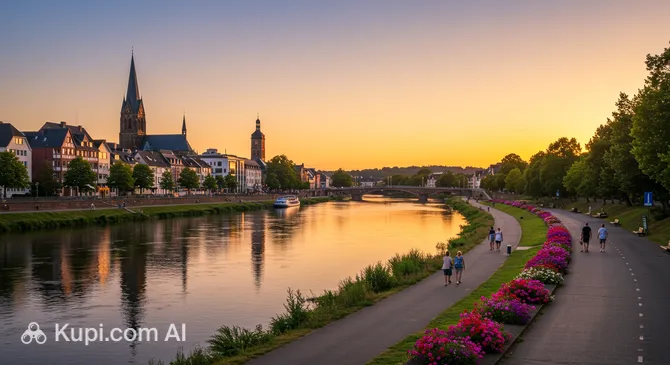
Welcome to Rheine, a charming city that beautifully blends historical heritage with vibrant modern life. Known as the "City on the Ems," it sits gracefully along the banks of the river, offering visitors a picturesque setting defined by lush green spaces and architectural treasures. As the largest city in the Steinfurt district of North Rhine-Westphalia, Rheine serves as a lively cultural hub within the Münsterland region.
Rheine. Source: Kupi.Binoculars

Geographically, the city is strategically located near the Dutch border, making it an accessible and attractive destination for travelers exploring Germany. With a population of approximately 77,000 residents, Rheine maintains a friendly, community-focused atmosphere while providing all the amenities of a modern urban center. The climate here is typical of the region, with mild summers perfect for outdoor activities and crisp, atmospheric winters.

The city's past is deeply rooted in trade and industry, particularly influenced by the salt production that once thrived here. Visitors interested in the past can delve into the fascinating history of Rheine to understand how it evolved from a medieval settlement into the thriving city it is today. Historic buildings, such as the Falkenhof Museum, stand as testaments to its enduring legacy.

Tourists are often drawn to the Bentlage recreation area, a unique cultural landscape just north of the city center. Here, you will find the stunning Kloster Bentlage (Bentlage Monastery), founded in 1437, which now serves as a museum and cultural center. Adjacent to it lies the NaturZoo Rheine, famous for its accessible monkey forest and diverse wildlife. Another highlight is the Saline Gottesgabe, where you can breathe in healthy, salty air while strolling along the historic graduation tower.

Whether you are cycling along the Ems River, exploring local museums, or simply enjoying the relaxed pace of life in the market square, Rheine offers a delightful escape. It is a destination that invites you to slow down and appreciate the harmonious mix of nature, culture, and history.
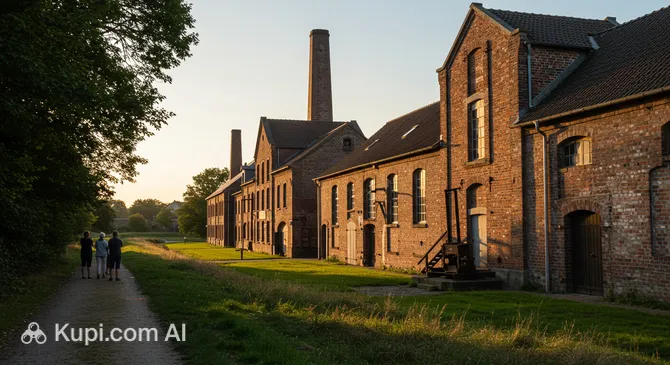
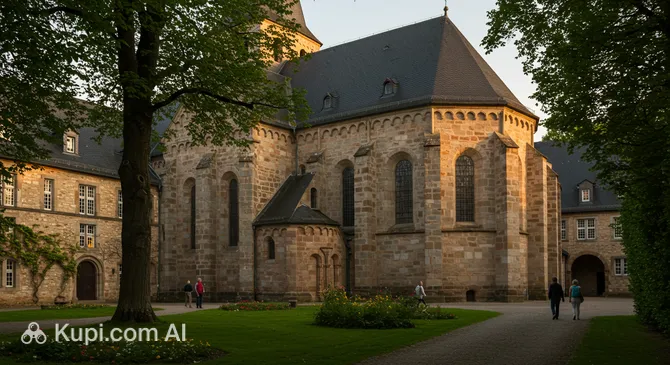
Weather Overview

Rheine experiences a temperate climate characterized by comfortable summers and cool, damp winters. The warmest time of the year occurs in July and August, where you can expect average temperatures of around 18°C to 19°C, with daily highs frequently reaching a pleasant 23.5°C.

The winter months bring brisk weather, with January seeing average lows of approximately 1.8°C. Rainfall is fairly consistent throughout the year rather than seasonal, with about 11 to 16 wet days each month, so it is advisable to pack waterproof clothing regardless of when you visit. To help you pack the right gear for your specific travel dates, you can check the detailed weather in Rheine.

Interesting Facts

Beyond the main attractions, Rheine holds many fascinating secrets that reveal its deep connection to nature and history. Here are some unique aspects of the city that often escape the notice of the casual traveler.
Saline Gottesgabe. Source: Kupi.Binoculars
  • Rheine is frequently celebrated as a "City of Storks" because the NaturZoo Rheine is home to one of the largest colonies of free-flying white storks in the entire region. Visitors can observe dozens of pairs nesting in the trees, making it a spectacular sight during the breeding season.

  • The city's history is salty in the best way possible; salt extraction has been practiced here for nearly 1,000 years. At the Saline Gottesgabe, you can see the first graduation house built in Westphalia, a technical monument where brine trickles down blackthorn brushwood to purify the air.

  • Hidden within the historic walls of the Bentlage Monastery are the "Reliquary Gardens." These are not outdoor gardens, but rather two rare and elaborate devotional altars from the 17th century, adorned with silk flowers and relics, which are considered unique in German art history.

  • The Waldhügel nature reserve offers a surprising transformation story: formerly a limestone quarry used for cement production, it has reclaimed its natural beauty and is now a protected habitat where rare wild orchids bloom in the summer.

How to Get There

Reaching this part of North Rhine-Westphalia is quite convenient, with several transport options available depending on your point of origin. Whether you prefer flying or taking the train, you can find more about how to get to Rheine and plan the most efficient route for your journey.

The city of Rheine does not have its own airport, but you can fly into Munster Osnabruck International Airport (IATA: FMO) in the city of Munster, which is about 23.2 km from Rheine. It is the closest option and offers a convenient gateway to the region. The travel time by taxi or bus is approximately 55 minutes. Alternatively, you can choose Dortmund Airport (IATA: DTM) in Dortmund, located roughly 85.7 km away. The transfer from there takes significantly longer, estimated at around 2 hours and 30 minutes by road.

For clarity, here is a summary of the main airports:

Airport Name City Passenger Traffic Km from City
Munster Osnabruck International AirportMunsterMedium23.2
Dortmund AirportDortmundLarge85.7
Paderborn Lippstadt AirportPaderbornSmall109.8
Eelde AirportGroningenSmall110.0
Weeze AirportDusseldorfMedium117.1

If you prefer rail travel, you can make use of the excellent railway network in the area. While you can travel directly to Rheine, you might also arrive via major nearby hubs. Münster Hauptbahnhof is a key station located in Munster, approximately 38.4 km from Rheine. Another significant hub is Osnabrück Hauptbahnhof, situated about 42.2 km away. From these stations, you can easily catch a connecting train or arrange a transfer to reach your final destination in Rheine.

Here is an overview of the nearby railway stations:

Station City Passenger Traffic Km to Center
Münster HauptbahnhofMunsterLarge38.4
Osnabrück HauptbahnhofMunsterLarge42.2
Dortmund HauptbahnhofDortmundVery Large85.1
Emmerich Railway Stations-Heerenberg95.4
Essen HauptbahnhofEssenVery Large97.0

Main Attractions

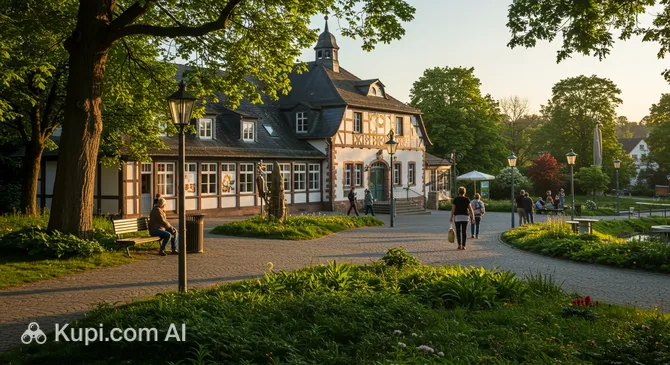
One of the most significant cultural landmarks in the region is the Bentlage Monastery. Founded in 1437, this former Crusader monastery has been beautifully preserved and transformed into a vibrant cultural center. Visitors can explore the museum located in the East Wing, which houses fascinating art collections and historical artifacts, or simply wander through the serene monastery gardens. It is a perfect spot for those who appreciate a blend of medieval architecture, history, and contemporary art in a peaceful riverside setting.

Bentlage Monastery. Source: Kupi.Binoculars

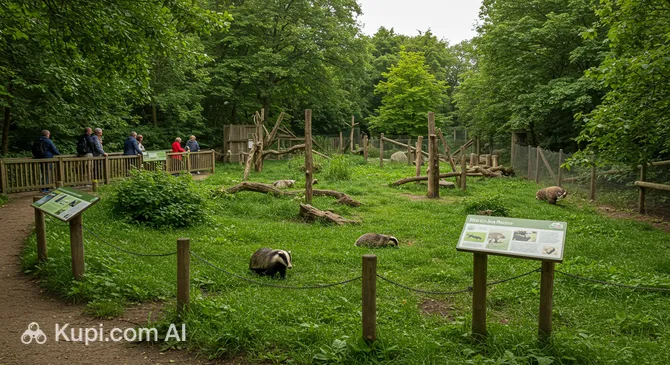
For nature lovers and families, NaturZoo Rheine offers an unforgettable experience. Unlike traditional zoos, this facility is famous for its immersive enclosures, particularly the "Monkey Forest," where Barbary macaques roam freely among the visitors. The zoo is also renowned for having one of the largest white stork colonies in North Rhine-Westphalia. Walking through the park allows tourists to get exceptionally close to a variety of animals, making it a top destination for wildlife photography and educational trips.

NaturZoo Rheine. Source: Kupi.Binoculars

A testament to the city's industrial heritage is the Saline Gottesgabe. This historic salt works site features a preserved graduation tower, where brine trickles down blackthorn brushwood, enriching the air with salt. Tourists flock here not only to learn about the centuries-old tradition of salt extraction but also to enjoy the health benefits of the "sea breeze" effect created by the graduation house. The surrounding parkland invites guests to take relaxing strolls in a unique, health-promoting environment.

Saline Gottesgabe. Source: Kupi.Binoculars

Just a short distance from the city center lies the Waldhügel, a nature reserve that was once a limestone quarry. Today, it serves as a haven for biodiversity and a favorite spot for hikers and nature enthusiasts. The area is distinct for its rich flora, including rare orchid species that bloom in the warmer months. Climb to the higher points of the reserve for panoramic views of the Münsterland landscape, offering a tranquil escape into nature.

Waldhügel. Source: Kupi.Binoculars

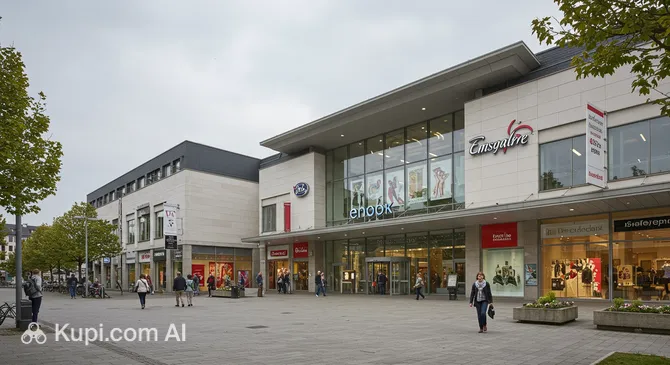
Those looking for a modern shopping experience should visit the Emsgalerie. Located directly on the banks of the river, this shopping mall combines contemporary architecture with a wide variety of retail stores and dining options. It serves as a lively meeting point in the city center, where visitors can shop for fashion and gifts or simply relax with a coffee while overlooking the water. It represents the modern, urban side of Rheine, contrasting nicely with the historical sites.

Emsgalerie. Source: Kupi.Binoculars

Local Cuisine

The culinary landscape of Rheine is deeply rooted in the hearty and rustic traditions of the Münsterland region. Visitors can expect a dining experience that emphasizes fresh, locally sourced ingredients and time-honored recipes. A staple of the local diet is the famous Westphalian Ham (Westfälischer Schinken), traditionally smoked over beechwood and juniper, and often served on slices of dark, dense Pumpernickel bread. This combination makes for a savory breakfast or a satisfying snack known locally as "Abendbrot."

For a substantial main course, adventurous foodies should try Münsterländer Töttchen. Originally a poor man's meal, this sweet-and-sour ragout made from veal and onions has evolved into a regional delicacy found in traditional inns. Another comfort food favorite is Pfefferpotthast, a spicy beef stew simmered with onions and bay leaves, typically accompanied by boiled potatoes and pickled gherkins. During the winter months, Grünkohl (kale) served with sausages (Mettwurst) is a beloved seasonal highlight that warms the soul.

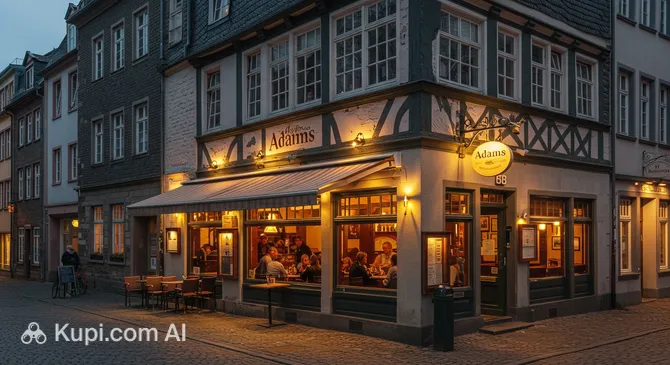
Adams. Source: Kupi.Binoculars

The city offers a variety of dining atmospheres, ranging from historic timber-framed guest houses to modern riverside establishments. For a memorable meal, you might visit Adams, a restaurant that contributes to the city's vibrant gastronomic scene. The banks of the Ems River are particularly popular in the summer, where locals enjoy al fresco dining with scenic water views.

When it comes to beverages, beer is the drink of choice, with fresh Pilsner being the standard at most social gatherings. The region is also known for its high-quality grain spirits, or Korn, which are often enjoyed as a digestif after a heavy meal. For those seeking a relaxed evening out, the city has several inviting spots to enjoy a cocktail or a cold brew. Farmacia Bar is one such venue where you can unwind and experience the local nightlife culture.

Coffee culture is also alive and well in Rheine. In the afternoons, it is common to pause for "Kaffee und Kuchen" (coffee and cake). Cafes throughout the city center serve generous slices of fruit tarts, cheesecakes, and cream-filled tortes. Whether you are grabbing a quick bite at the Emsforum area or sitting down for a multi-course dinner, Rheine's food scene offers a welcoming taste of Westphalian hospitality.

Travel Tips

To ensure your visit to Rheine is as smooth and enjoyable as possible, we have compiled a list of essential practical advice. Whether you are here for the historical sights or the nature reserves, these tips will help you navigate the city with the confidence of a local.

  1. Clothing and Gear: The weather in the Münsterland region can be changeable, so packing in layers is the best strategy. Even in summer, bring a light waterproof jacket or umbrella, as showers can occur unexpectedly. Comfortable walking shoes are a must, especially if you plan to explore the Bentlage forest or the cobblestone streets of the city center. If you visit religious sites like local churches, modest attire covering shoulders and knees is appreciated.
  2. Transportation: Rheine is a very walkable city, particularly the downtown area. For longer distances, the local StadtBus network is reliable and connects the center with outlying districts and attractions like the zoo. However, the most "local" way to get around is by bicycle; the region is flat and bike-friendly, so consider renting a bike to ride along the Ems River. Taxis are available at the station, but ride-hailing apps are less common here than in major metropolises.
  3. Finances: The local currency is the Euro (€). While credit and debit cards (Visa, Mastercard) are widely accepted in hotels, supermarkets, and larger restaurants, Germany still has a strong cash culture. It is advisable to carry some cash for bakeries, small cafes, and bus fares. ATMs (Geldautomaten) are plentiful. Tipping is customary but not mandatory; rounding up the bill or leaving about 5-10% is standard for good service.
  4. Health and Safety: Rheine is generally a very safe city for tourists. In case of a medical emergency, dial 112. For minor ailments, look for a pharmacy (Apotheke), marked by a large red "A". They are excellent sources of advice and over-the-counter medicine. Tap water is safe to drink and of high quality throughout the city.
  5. Communication: The official language is German. While many younger people and those in the tourism industry speak English well, it is not guaranteed everywhere. Learning a few basic phrases like "Guten Tag" (Good day) and "Danke" (Thank you) will go a long way in establishing rapport. Free Wi-Fi is often available in the city center and cafes, and prepaid SIM cards can be bought at supermarkets or drugstores with a passport.
  6. Local Etiquette: Politeness and punctuality are highly valued. When entering a small shop or waiting room, it is polite to greet everyone with a general "Hallo" or "Guten Tag." Sundays are considered days of rest (Ruhetag); most shops and supermarkets will be closed, so plan your shopping for Saturday. Restaurants and bakeries, however, usually remain open.
  7. What to Avoid: Do not walk in the designated bicycle lanes. In a bike-friendly city like Rheine, cyclists move fast and expect their path to be clear; walking there is considered rude and can be dangerous. Also, avoid jaywalking; locals typically wait for the green pedestrian signal, even if the road seems empty.
  8. Local Insight: Take advantage of the city's "salty" history for your health. A visit to the graduation tower at the Saline is not just sightseeing; locals go there to breathe the salty air, which is said to be beneficial for the respiratory system, similar to a day at the sea. It is a relaxing and free wellness activity unique to this town.

Armed with these practical tips, you are ready to explore everything Rheine has to offer without any hassle. Embrace the local pace of life, enjoy the green surroundings, and have a wonderful trip to this welcoming city on the Ems!

Entertainment & Nightlife

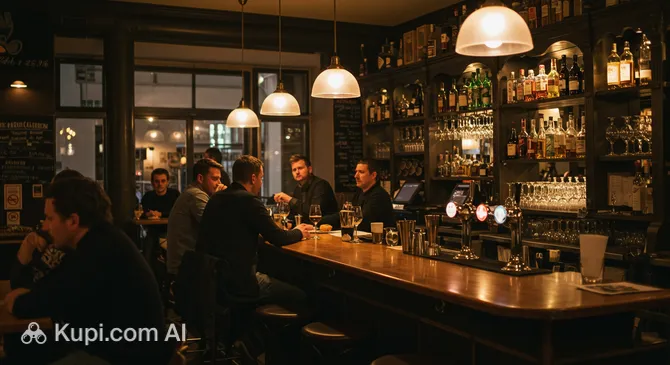
Entertainment in Rheine is characterized by a relaxed and convivial atmosphere rather than a high-energy clubbing scene. The nightlife here revolves around socializing in cozy pubs, enjoying stylish cocktail bars, and making the most of the scenic riverside setting. For tourists, it offers a chance to experience the authentic German Gemütlichkeit (coziness) where locals gather to unwind after a long day.

The heart of the evening activity is centered around the historic Marktplatz (Market Square) and the pedestrian zone along Emsstraße. In the warmer months, the action spills out onto the terraces along the Ems River, creating a vibrant yet laid-back environment. This area is perfect for a pub crawl or a leisurely stroll, with the illuminated historic buildings providing a charming backdrop.

For those seeking a sophisticated spot to enjoy a drink, Farmacia Bar is a standout venue. Known for its extensive menu of creative cocktails and a modern, inviting interior, it attracts a diverse crowd ranging from young professionals to couples. It is an ideal place to start your evening or cap off the night with a signature mix in a stylish setting.

Farmacia Bar. Source: Kupi.Binoculars

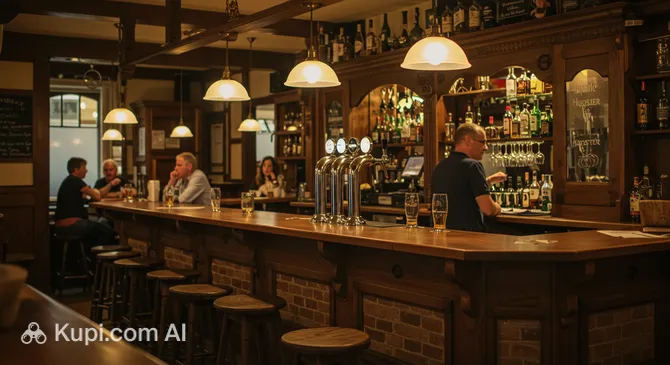
Another excellent option for an evening out is the Landhotel Hopster. While it offers the hospitality of a hotel, its bar area serves as a welcoming gathering point. Here, you can enjoy a freshly tapped beer or a glass of wine in a more traditional and rustic atmosphere, often favored by those looking for conversation and a slower pace.

Landhotel Hopster. Source: Kupi.Binoculars

Beyond the bars, Rheine offers various forms of cultural and daytime entertainment. The Stadthalle Rheine is the city's premier venue for theater productions, concerts, and comedy shows, offering a rich program throughout the year. For movie enthusiasts, the local Cinetech cinema complex screens the latest international blockbusters. During the day, the city's shopping centers and cafes provide plenty of diversion.

Practical Nightlife Tips:

  • Best Time to Go: Friday and Saturday nights are naturally the busiest and most vibrant. Most bars stay open until 1:00 AM or 2:00 AM on weekends, while weekdays are quieter with earlier closing times.
  • Dress Code: The vibe in Rheine is predominantly smart-casual. There is no need for overly formal attire; jeans and a nice shirt or blouse are perfectly acceptable in almost all venues.
  • Prices: Nightlife here is reasonably priced compared to larger German cities. A beer typically costs between €3 and €5, while cocktails range from €8 to €12.
  • Safety: Rheine is considered a very safe city for night walks. The city center and the river promenade are well-lit and secure. However, as in any city, it is wise to stay in populated areas late at night.
  • Getting Around: Everything in the center is within walking distance. If your accommodation is further out, taxis are the most convenient option at night. You can find taxi stands near the train station or the market square, or ask a bartender to call one for you.

Parks & Museums

Rheine is a city where nature and culture are inextricably linked, offering visitors a delightful array of green sanctuaries and historical exhibitions. From manicured gardens that tell the story of the city's salty past to museums housed in centuries-old buildings, there is plenty to explore for those who appreciate both fresh air and fine art.

One of the city's most significant green spaces is the park surrounding the Saline Gottesgabe. This area, known as the Salinenpark, is a proud member of the European Garden Heritage Network. It invites visitors to stroll through beautifully designed landscapes that frame the historic graduation tower. Here, you can relax on the lawns, admire the geometric flower beds, and breathe in the salty air, which is reminiscent of a sea breeze. It is a perfect spot for a leisurely afternoon walk where history and nature meet.

Saline Gottesgabe. Source: Kupi.Binoculars

For a more rugged natural experience, the Waldhügel nature reserve is a must-visit. Located on a former limestone quarry, this area has transformed into a biodiversity hotspot. A network of trails leads hikers through varied terrains, offering panoramic views of the Münsterland region. In the summer, the reserve is particularly enchanting as rare wild orchids bloom among the grasses, making it a paradise for botany enthusiasts and nature photographers.

Waldhügel. Source: Kupi.Binoculars

In terms of cultural heritage, the Bentlage Monastery is the crown jewel of Rheine's museum scene. Founded in 1437, the building itself is an architectural masterpiece, but inside, it houses the "Westphalian Gallery." This museum showcases a fascinating collection of modern art, focusing on the development of modernism in Westphalia. Additionally, visitors can explore the monastery's own history through preserved artifacts and the "Reliquary Gardens," offering a deep dive into the spiritual and artistic past of the region.

Bentlage Monastery. Source: Kupi.Binoculars

Another key cultural venue is the Falkenhof Museum, situated directly in the city center near the market square. Housed in a former noble residence that dates back to the Carolingian era, this museum serves as the city's historical treasury. It features extensive collections related to local history, archaeology, and the noble families who once resided there. The historic armory and the graphic art collection are particularly noteworthy for those interested in the civic history of Rheine.

Families and animal lovers should not miss the NaturZoo Rheine, which functions as both a zoological garden and a beautiful park. The zoo is designed with natural barriers, allowing for immersive experiences like the famous monkey forest. It provides a wonderful educational environment where visitors can learn about wildlife conservation while enjoying a walk through well-maintained green enclosures.

For a truly authentic experience, take a detour to the banks of the River Ems near the city center. The Ems floodplains (Emsauen) offer quiet, unpaved paths that are less frequented by tourists but beloved by locals for jogging and dog walking. It is a serene place to watch the river flow and escape the bustle of the town without having to travel far.

Getting Around

Navigating Rheine is a straightforward and stress-free experience, thanks to its compact size and efficient infrastructure. The backbone of the local public transport system is the StadtBus Rheine network. These distinctive blue buses connect the city center with the surrounding districts and suburbs. Since there is no metro or tram system in the city, the bus network is the primary motorized option for getting around locally. The central hub for all bus lines is the "Bustreff," conveniently located near the main railway station and the pedestrian zone, making transfers seamless.

The city operates within the WestfalenTarif zone, which creates a unified ticketing system for the region. Travelers can purchase a variety of ticket options depending on their needs, such as single tickets (EinzelTicket), day passes (TagesTicket) for unlimited travel within a 24-hour period, or short-trip tickets for just a few stops. Tickets can be purchased directly from the bus driver (usually with cash), at ticket machines at the train station, or digitally via mobile apps like the "BuBiM" app or the DB Navigator, which are highly recommended for convenience.

For tourists, the most practical advice is to carry some small change if you plan to buy tickets on the bus, although digital options are becoming more prevalent. It is also important to remember that bus services run frequently during weekdays but may have reduced schedules on Saturday afternoons and Sundays. If you purchase a paper ticket from a machine that is not pre-dated, be sure to validate it in the stamping machines inside the bus or on the platform to avoid fines.

Given Rheine's location in the Münsterland region, cycling is arguably the most popular alternative to public transport. The terrain is flat, and the city is equipped with an extensive network of bicycle paths. A standout feature for visitors is the Radstation located right at the main train station. This facility offers secure parking, repairs, and most importantly, bike rentals. Renting a bike is often the best way to explore attractions like the Bentlage Monastery or the Saline along the riverbanks.

For those who prefer private transport, taxis are readily available at designated stands, particularly outside the railway station and near the market square. While ride-sharing apps are not as dominant here as in major metropolises, local taxi companies are reliable and can be called by phone. Additionally, the city center is pedestrian-friendly, meaning many of the main sights, shops, and restaurants can be easily reached on foot without the need for any vehicle at all.

Accommodation

Rheine provides a welcoming selection of accommodation options suited to various travel styles, though the offering leans heavily towards functional comfort and traditional hospitality rather than extravagant luxury. Visitors can typically choose from reliable mid-range hotels, charming family-run guesthouses known as Gasthöfe, and a growing number of modern vacation apartments. Whether you are in town for a quick business trip or a relaxing weekend exploring the Münsterland region, you will find clean and comfortable places to rest.

The most convenient area to stay is undoubtedly the city center (Innenstadt). Choosing accommodation here puts you within walking distance of the bustling market square, the pedestrian shopping zones, and the main railway station, making it easy to get around without a car. For those seeking a quieter experience closer to nature, looking for lodging near the Bentlage recreation area or along the banks of the River Ems is highly recommended. These locations offer scenic views and immediate access to cycling paths while still being just a short bus or bike ride away from downtown amenities.

Prices in Rheine are generally moderate, offering excellent value for money compared to larger German tourist hubs like Cologne or Düsseldorf. While the city is not overrun with tourists, it is a popular stop for cyclists and hikers, particularly in the warmer months. Therefore, a helpful tip is to book in advance if you plan to visit during the summer or on weekends. Most hotels and apartments are listed on major online booking platforms, but some smaller, traditional guesthouses may prefer direct contact or offer better rates on their own websites.

Nearby Cities

For those looking to explore the surroundings, Rheine serves as an excellent base for day trips to several interesting nearby locations:

One of the most popular nearby destinations is Ibbenbüren, located just a short drive to the east. It is renowned for the Dörenther Klippen, a stunning sandstone rock formation that stretches along the Teutoburg Forest. Hikers and nature lovers flock here to see the "Hockendes Weib" (Squatting Woman) rock and enjoy the panoramic views. The city also offers a summer toboggan run and a climbing forest, making it a fantastic spot for families and outdoor enthusiasts.

For music fans, the town of Gronau offers a unique cultural experience. Situated right on the border with the Netherlands, it is famous for the rock'n'popmuseum, which celebrates the history of popular music with interactive exhibits and memorabilia. It is a vibrant place that pays homage to its musical heritage, including being the birthplace of German rock legend Udo Lindenberg.

If you prefer a mix of history and shopping, Lingen is an attractive option. This historic town in the Emsland region features a picturesque market square dominated by the Old Town Hall, which dates back to the 17th century. Visitors can stroll through the pedestrian zone, explore the Emsland Museum to learn about regional history, or simply enjoy a coffee in the charming city center.

City Population Distance (km)
Lingen 55,599 28
Ibbenbüren 51,904 19
Gronau 49,031 28
Greven 37,700 24
Emsdetten 36,012 14

These nearby destinations offer a glimpse into the diverse culture and landscapes of the region, providing perfect opportunities for memorable day trips.

Shopping & Souvenirs

Shopping in Rheine offers a delightful mix of modern convenience and traditional charm. The city center is compact and pedestrian-friendly, making it easy to explore a variety of stores on foot. Visitors can expect a relaxed atmosphere where international fashion chains sit comfortably alongside owner-operated boutiques, providing a diverse retail experience that caters to both daily needs and leisurely browsing.

The main shopping activity is concentrated along the Emsstraße, which serves as the bustling pedestrian spine of the city. This zone, extending towards the Borneplatz and the historic Marktplatz, is lined with numerous shops selling clothing, shoes, books, and jewelry. Wandering through these streets allows tourists to soak in the lively urban vibe while discovering hidden side streets that often host smaller, specialized retailers and cozy cafes perfect for a shopping break.

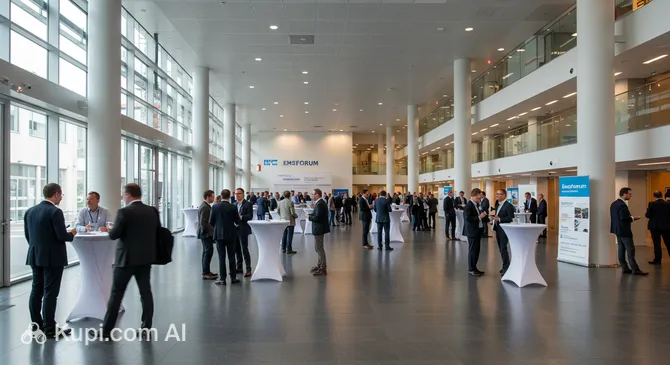
For a contemporary shopping experience under one roof, the Emsgalerie is the city's premier destination. Located picturesquely on the banks of the river, this modern mall features a wide range of fashion brands, electronics, and lifestyle stores in a bright, architectural setting. Just a short walk away is the Emsforum, another key commercial hub that adds to the city's retail diversity with various shops and service providers.

Emsforum. Source: Kupi.Binoculars

Travelers who appreciate local flavor should not miss the weekly market (Wochenmarkt). Typically held on Tuesdays, Fridays, and Saturdays on the Borneplatz, this market is a feast for the senses. Here, local farmers and artisans sell fresh regional produce, flowers, meats, and cheeses. It is an excellent place to observe local life and pick up fresh snacks or authentic ingredients.

When looking for souvenirs to take home, consider items that reflect Rheine's heritage. Products related to the city's salt history, such as bath salts or culinary salts from the local Saline, are unique and meaningful gifts. Additionally, the region is famous for Westphalian ham and hearty Pumpernickel bread, both of which are widely available in local delicatessens and make for delicious edible souvenirs.

Standard opening hours for shops in the city center are generally from 10:00 AM to 6:00 PM on weekdays, though larger department stores and malls like the Emsgalerie may stay open until 7:00 PM or 8:00 PM. On Saturdays, shops typically close a bit earlier, often around 4:00 PM or 6:00 PM. Please note that, consistent with German custom, almost all retail stores are closed on Sundays, except for occasional "Sunday Shopping" events throughout the year.

Payment methods are modern, with major credit and debit cards (Visa, Mastercard) being widely accepted in malls, supermarkets, and chain stores. However, smaller boutiques, market stalls, and bakeries may still prefer cash, so it is advisable to carry some Euros with you. For visitors residing outside the European Union, Rheine participates in the tax-free shopping scheme; look for the "Tax Free" signage in shop windows to claim a refund on the Value Added Tax (VAT) for qualifying purchases.

Reached the end of the page?

That means the route is fully explored