Support

Celle

About

Celle is a captivating city located in the state of Lower Saxony in Germany. Often described as a living storybook, this picturesque destination is renowned for its exceptional architectural heritage and romantic atmosphere. Situated on the banks of the River Aller, it serves as the southern gateway to the famous Lüneburg Heath, offering a perfect blend of cultural depth and natural beauty for its approximately 70,000 residents and visitors alike.

The city's layout and character have been shaped by centuries of development, and the fascinating history of Celle is visible at every turn. Unlike many other German cities, the historic center was largely spared during World War II, preserving a unique medieval charm that transports travelers back in time.

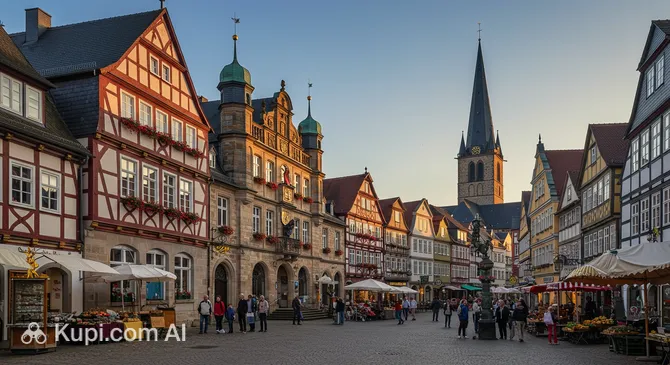
Celle. Source: Kupi.Binoculars

One of the main reasons tourists flock here is the stunning Old Town (Altstadt), which boasts over 400 lovingly restored half-timbered houses, forming the largest ensemble of its kind in Europe. Dominating the cityscape is the magnificent Celle Castle (Schloss Celle), a ducal palace that blends Renaissance and Baroque styles and houses one of the oldest working baroque theaters in the world. For those seeking tranquility, the French Garden offers a beautiful park landscape perfect for a leisurely afternoon stroll.

Whether you are admiring the intricate facades of the timber-framed buildings or exploring the royal chambers of the castle, Celle offers a truly memorable experience. It is a delightful destination that invites you to slow down and enjoy the rich traditions and scenic beauty of the region.

Weather Overview

The climate in this region is generally temperate, characterized by distinct seasonal changes that offer different experiences for visitors throughout the year. To help you pack appropriately for your trip, it is helpful to review the current forecast and historical trends regarding the weather in Celle.

The summer months constitute the warmest period, particularly in August, which sees an average temperature of 19.4°C and daily highs reaching up to 24.0°C. While this is the most pleasant time for outdoor activities, travelers should note that precipitation is spread relatively evenly throughout the year, with June through August still experiencing between 11 and 13 wet days per month.

Winters are noticeably colder, with average temperatures dropping to around 3.3°C in January and 4.1°C in December. During these months, minimum temperatures often hover just above freezing, around 1.3°C to 2.3°C, and the number of wet days increases to about 16 in January and December, requiring warm and water-resistant clothing.

Expect pleasant, warm summers with occasional rain and cold winters with frequent damp days.

Interesting Facts

Beyond the picturesque half-timbered facades and general history, Celle holds several fascinating secrets and curious details that often escape the casual observer.

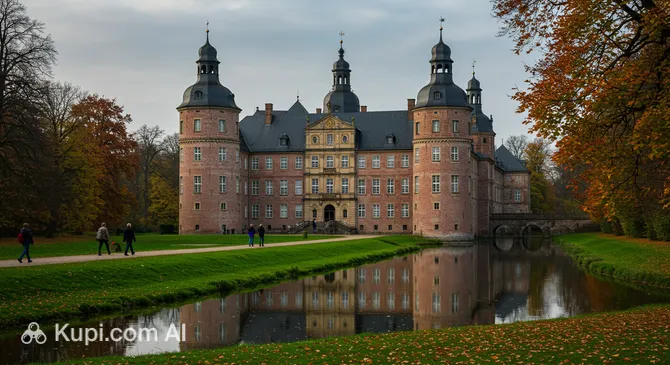
Celle Castle. Source: Kupi.Binoculars
  • The city features a whimsical set of "Talking Lanterns" scattered throughout the pedestrian zone. These five character-filled street lamps are equipped with motion sensors and speakers, surprising passersby by telling funny stories, offering greetings, and sharing local anecdotes.

  • Celle Castle served as the tragic exile home of Queen Caroline Mathilde of Denmark, the sister of King George III of England. After a scandal in the Danish court, she spent her final years in the city, and her legacy is preserved within the royal chambers of Celle Castle and the nearby town church.

  • Celle is a prestigious hub for equestrian tradition, home to the Lower Saxon State Stud (Landgestüt), which was founded in 1735. It is world-renowned for its breeding of Hanoverian horses and hosts the spectacular annual Stallion Parades that attract thousands of visitors.

  • Surprisingly, this medieval-looking town was once a pioneer of the "black gold" rush. In the late 19th and early 20th centuries, Celle became a central administrative hub for the German crude oil industry, a stark contrast to its romantic timber-framed architecture.

How to Get There

Reaching this charming ducal city is relatively straightforward thanks to its central location in Lower Saxony and its proximity to major transport hubs. Whether you are arriving by air or rail, you have several convenient options to choose from. For a comprehensive overview of all travel methods and routes, you can read more about how to get to Celle to plan your journey effectively.

The city of Celle does not have its own airport, but you can fly into Hannover Airport (IATA: HAJ) in the city of Hanover, which is about 32 km from Celle. It serves as the most convenient gateway for international travelers, with a travel time of approximately 50 to 60 minutes by taxi or shuttle. Alternatively, Hamburg Airport (IATA: HAM) is another viable option, located in Hamburg about 112 km away. Due to the greater distance, the transfer from Hamburg typically takes around 2 hours by road.

For clarity, here is a summary of the main airports:

Airport Name City Passenger Traffic Km from City
Hamburg AirportHamburgLarge111.9
Hannover AirportHanoverMedium32.2
Bremen AirportBremenRegional99.0
Munster Osnabruck International AirportMunsterRegional172.1
Paderborn Lippstadt AirportPaderbornSmall151.6

Traveling by train is also a popular way to explore the region. While there are local connections, the major long-distance hubs are located in nearby cities. You can arrive at the Hanover Main Station in the city of Hanover, which is about 36 km from Celle. From there, you can get a taxi or a connecting regional train, which takes about 45 minutes. Another major hub is Hamburg Hauptbahnhof in Hamburg, situated approximately 103 km away, offering extensive connections to the rest of Europe.

Below is a list of the nearest major railway stations:

Station City Passenger Traffic Km to Center
Hamburg HauptbahnhofHamburgVery High103.2
Hanover Main StationHanoverHigh36.1
Bremen HauptbahnhofBremenHigh99.4
Osnabrück HauptbahnhofMunsterMedium142.8
Messe Bahnhof (Messe-Bf) StationHanover32.5

Main Attractions

Celle is a city that delights visitors with its rich history and vibrant leisure options. From architectural masterpieces to relaxing green spaces and modern entertainment centers, there is something for everyone to enjoy. Below are some of the key sights and activities that make a trip here worthwhile.

Standing proudly as a symbol of the city's ducal past, Celle Castle is an absolute must-see. This magnificent palace, with its brilliant white facade, combines elements of Renaissance and Baroque architecture and is surrounded by a picturesque moat. Inside, visitors can explore the lavish royal state rooms, the palace chapel with its renaissance interior, and the oldest baroque theater in Europe still in regular use today. It offers a fascinating glimpse into the lives of the nobility who once resided here.

Celle Castle. Source: Kupi.Binoculars

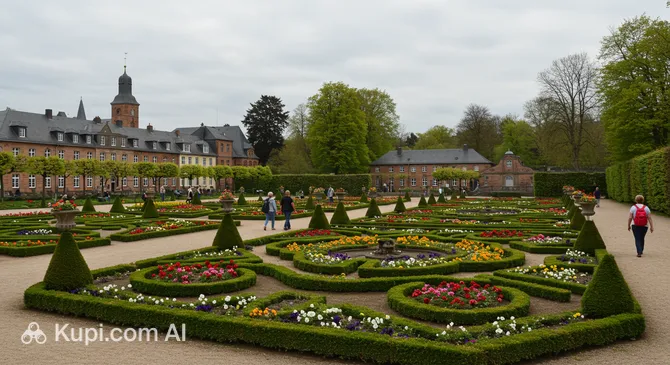
Just a short walk from the historic center lies the enchanting French Garden. This protected historic park is a perfect retreat for nature lovers, featuring a beautiful lime tree avenue, sprawling lawns, and a serene pond. Originally laid out in the 17th century, the garden also houses the Caroline Mathilde monument and serves as a peaceful backdrop for leisurely strolls or a quiet afternoon picnic away from the bustling streets.

French Garden. Source: Kupi.Binoculars

For those seeking relaxation or family fun, Celle Badeland offers a comprehensive water park experience. This facility features multiple swimming pools, thrilling water slides, and a dedicated children's area, making it an ideal destination for families. Additionally, adults can unwind in the extensive sauna landscape or enjoy the wellness treatments available, providing a rejuvenating break from sightseeing.

Celle Badeland. Source: Kupi.Binoculars

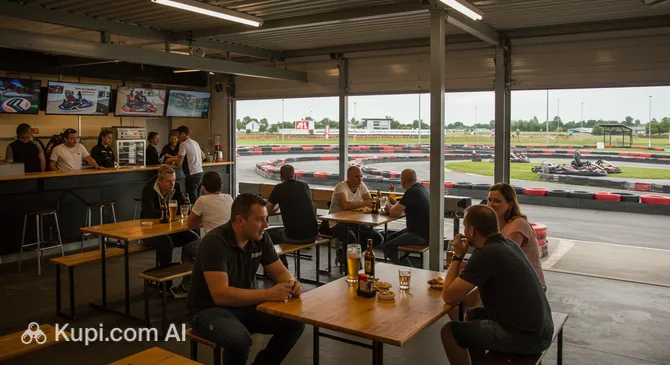
Travelers looking for a bit more action and adrenaline can visit Burnout Celle Kartbahn. This indoor go-kart track provides an exciting experience for groups and individuals alike, allowing you to race on a challenging course. Whether you are a beginner or an experienced driver, it is a fun way to spend an evening, often accompanied by good food and a lively atmosphere.

Local Cuisine

The culinary scene in Celle is deeply rooted in the hearty traditions of Lower Saxony, offering a delightful mix of rustic flavors and refined royal history. Visitors can expect fresh, regional ingredients, with a particular emphasis on produce from the surrounding countryside. One of the most celebrated specialties is the Heidschnuckenbraten, a roast made from the meat of the moorland sheep found on the nearby Lüneburg Heath. This meat is prized for its game-like flavor and tenderness, often served with potatoes and green beans.

For those with a sweet tooth, the city offers a dessert with a noble past known as Welfenspeise. Named after the House of Welf, the dynasty that once resided in the local castle, this two-layered pudding consists of a rich vanilla cream topped with a frothy wine sauce made from white wine and lemon. It is a classic finale to a traditional meal in the city and a tribute to its ducal heritage.

When it comes to beverages, the region is famous for its distinct spirits. A must-try for the adventurous is Ratzeputz, a strong ginger-based liqueur that originated in the area. It is known for its fiery taste and is often consumed as a digestif. Additionally, beer lovers will appreciate the local brewing traditions, with various regional pilsners and dark beers available in the city's pubs.

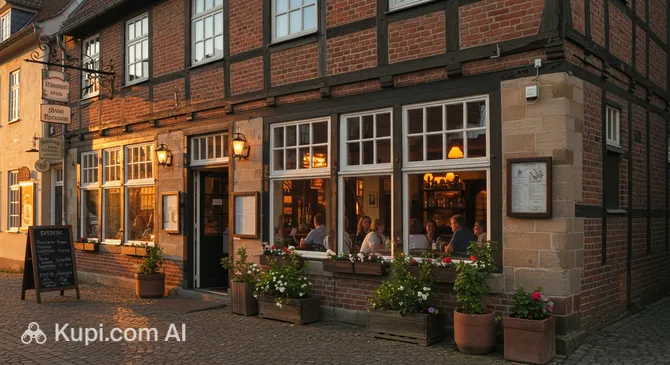
Dining in Celle is an atmospheric experience, as many restaurants are housed within the historic half-timbered buildings of the Old Town, creating a cozy and romantic setting. While traditional German inns (Gasthäuser) are plentiful, the city also offers modern culinary options. For a contemporary dining experience, you can visit Ricetime, which offers a stylish contrast to the medieval surroundings.

Ricetime. Source: Kupi.Binoculars

Whether you are enjoying a quick snack at a weekly market or a multi-course dinner in a centuries-old building, the food culture here invites you to savor the moment. Seasonal highlights, such as fresh asparagus in the spring and kale with sausage in the winter, ensure that there is always something new to taste depending on when you visit.

Travel Tips

To ensure your visit to Celle is as smooth and enjoyable as possible, we have compiled a set of essential travel tips. These practical insights will help you navigate local customs, logistics, and daily life, allowing you to focus entirely on the charm of this historic ducal city.

  1. Clothing and Footwear: The heart of Celle is its historic Old Town, which is paved with centuries-old cobblestones. High heels can be difficult to manage here, so it is highly recommended to pack comfortable, flat walking shoes. Since the weather in Lower Saxony can be changeable, bring layers that you can easily add or remove, and don't forget a compact umbrella. For electronics, Germany uses the standard European Type F (Schuko) or Type C plugs, so bring a universal adapter if needed.

  2. Getting Around: The best way to explore the city center is on foot, as most attractions are concentrated within a compact pedestrian zone. For longer distances, the local bus network, operated by CeBus, is reliable and connects the city center with the railway station and surrounding districts. Taxis are available at designated stands or can be called by phone, but they are generally not hailed on the street. Ride-hailing apps are less common here than in major metropolises like Berlin.

  3. Money Matters: The official currency is the Euro (€). While credit cards (Visa/Mastercard) are increasingly accepted in hotels and larger restaurants, Germany is still very much a cash-oriented society. Many traditional bakeries, small cafés, and souvenir shops in the Old Town may only accept cash or the local "EC card." It is wise to carry a sufficient amount of cash for small purchases. ATMs (Geldautomaten) are widely available throughout the city.

  4. Health and Safety: Celle is a very safe city for tourists, but standard precautions against petty theft should always be taken in crowded areas. Pharmacies are identified by a red "A" (Apotheke) and are excellent for minor ailments; they rotate emergency night shifts if you need help after hours. In case of a serious emergency, dial 112 for medical or fire services and 110 for the police.

  5. Communication: The official language is German. While staff in hotels, museums, and the tourist information center speak good English, older locals or shopkeepers might have limited proficiency. Learning a few basic phrases like "Guten Tag" (Good day) and "Danke" (Thank you) is greatly appreciated. Free Wi-Fi is often available in the city center and cafes, but for constant connectivity, you can purchase a prepaid SIM card at supermarkets or electronics stores.

  6. Local Etiquette: Germans value punctuality and order. When entering a shop or restaurant, a polite greeting is customary. Sundays are considered "quiet days" (Ruhetag); noise should be kept to a minimum, and you will find that almost all shops, including supermarkets, are closed. Use this day for museum visits, dining, or exploring the parks.

  7. What to Avoid: Be very careful not to walk in designated bicycle lanes, which are often marked in red or located on the sidewalk. Cyclists in Germany ride fast and expect pedestrians to stay clear. Additionally, avoid jaywalking; locals strictly obey pedestrian traffic lights (Ampel), and crossing on red is frowned upon, especially if children are nearby.

  8. Shopping Hours: Keep in mind that shop opening hours in smaller cities like Celle can be more limited than in major hubs. Most shops close around 6:00 PM or 7:00 PM on weekdays and often earlier on Saturdays. If you plan to buy souvenirs or local specialties, do not leave it until late in the evening.

With these tips in mind, you are well-prepared to experience the best of Celle. Embrace the relaxed pace of the city, respect the local traditions, and enjoy a wonderful journey through this living storybook town.

Entertainment & Nightlife

Entertainment and Nightlife:

Nightlife in Celle is defined by a relaxed and convivial atmosphere rather than a high-energy clubbing scene. As the sun sets, the historic Old Town transforms into a romantic backdrop with its illuminated half-timbered facades, creating an inviting setting for an evening out. The city offers a variety of cozy pubs, wine bars, and modern lounges where locals and visitors gather to enjoy good conversation and regional beverages.

The main hub for evening entertainment is the Altstadt (Old Town), particularly around the areas of Großer Plan and Schuhstraße. Here, you will find a concentration of traditional German "Kneipen" (pubs) and bistros that stay open late. The vibe is generally casual and friendly, with no strict dress code required for most venues; smart casual is perfect for dining and drinks. During the warmer months, the nightlife spills out onto the cobblestones, with outdoor terraces buzzing with activity until late in the evening.

For those seeking a more contemporary experience, Ricetime is a popular spot that transitions seamlessly from a restaurant to a stylish venue for evening cocktails. It attracts a mixed crowd looking for a modern ambiance amidst the medieval architecture. If you are in the mood for action and adrenaline rather than just drinks, Burnout Celle Kartbahn offers an exciting alternative. This indoor karting track is a fantastic place for groups to compete and have fun well into the evening, often serving as a lively start to a night out.

Burnout Celle Kartbahn. Source: Kupi.Binoculars

Cultural entertainment is also a significant part of the city's evening offerings. The Schlosstheater, located within the castle, is the oldest baroque theater in Europe still performing with a permanent ensemble. Catching a play here is a unique experience that combines high culture with historical grandeur. For a quieter end to the night, visitors staying at the Hotel Caroline Mathilde can enjoy a relaxed atmosphere in the hotel's bar, which is known for its comfortable setting and good service.

From a practical standpoint, Celle is a very safe city for night walks. The pedestrian zone is well-lit and secure, allowing you to walk between venues without worry. Public transport runs less frequently at night, so if your accommodation is outside the city center, it is advisable to call a taxi. Taxi stands are located at major points like the castle and the train station, or you can ask restaurant staff to book one for you. Most bars and pubs close around 1:00 AM or 2:00 AM on weekends, while weeknights are generally quieter.

While the nights are charming, the city also boasts excellent daytime entertainment. Visitors can explore the vast collections of the Bomann Museum, one of the largest local history museums in Lower Saxony, or take a guided tour of the ducal palace. For families, the nearby parks and the pedestrian-friendly shopping streets offer plenty of leisurely activities before the evening festivities begin.

Parks & Museums

Celle balances its medieval charm with a vibrant cultural scene and beautifully maintained green spaces, offering visitors a refreshing mix of nature and history. The city's commitment to preserving its heritage is evident not only in its architecture but also in its impressive museums and gardens that invite exploration and relaxation.

The most famous green retreat in the city is the French Garden (Französischer Garten). Located just south of the Old Town, this protected historic park dates back to the 17th century and is renowned for its magnificent lime tree avenue and serene pond. It serves as a perfect spot for a quiet walk or a picnic. For those who prefer a more natural setting, the Dammaschwiesen along the banks of the River Aller offer extensive meadows and walking paths, ideal for hiking or cycling while enjoying the riverside flora and fauna.

When it comes to culture, the Bomann Museum is a standout institution located directly opposite the castle. As one of the largest museums of regional history in Lower Saxony, it provides a deep dive into the folklore, rural life, and urban history of the region. Its collections include fully furnished farmhouse interiors and traditional costumes, offering a fascinating glimpse into the past.

Art enthusiasts should not miss the Kunstmuseum Celle, which sits adjacent to the Bomann Museum. It is unique for being the world's first "24-hour art museum." While the indoor galleries showcase modern and contemporary art during the day, the building's glass facade transforms into a light art installation at night, allowing passersby to enjoy the exhibits from the outside even after closing hours.

Of course, the city's history is best experienced at the Celle Castle itself. The Residenzmuseum located within the palace walls showcases the history of the Welf dynasty and the Kingdom of Hanover. Visitors can explore the preserved state apartments and the baroque theater, immersing themselves in the aristocratic life of the 17th and 18th centuries.

Beyond the museums, the City Church of St. Mary (Stadtkirche St. Marien) is a significant architectural landmark. Visitors can climb the white tower for a panoramic view over the red-tiled roofs of the half-timbered houses. Another hidden gem is the Celle Synagogue, the oldest surviving synagogue in Northern Germany, which was spared during the pogroms of 1938 and now serves as a museum and place of remembrance.

For a truly authentic experience, take a walk past the Kunstmuseum after dark. The illuminated "light art" creates a magical atmosphere in the city center, blending modern creativity with the historic surroundings in a way that is completely unique to Celle.

Getting Around

The public transport system in Celle is efficient and straightforward, primarily designed to serve the needs of a compact city and its surrounding districts. Due to the city's moderate size, there is no metro, tram, or trolleybus network. Instead, the public transportation infrastructure relies entirely on a well-organized bus system that connects the historic center with residential areas, the railway station, and nearby towns.

The local bus network is operated by CeBus, and its bright red buses are a common sight on the streets. The central hub for all bus lines is the Schlossplatz (Castle Square), located right at the edge of the Old Town. From here, you can catch connections to almost every part of the city. For tourists arriving by train, frequent bus services connect the Celle Railway Station (Bahnhof) to the Schlossplatz, making the transfer to the city center seamless and quick.

When it comes to purchasing tickets, the system is relatively traditional and user-friendly. You can buy single tickets or day passes directly from the bus driver upon boarding; however, it is highly advisable to carry cash, particularly coins and small notes, as card payments may not always be available on board. For tech-savvy travelers, tickets and schedules are also accessible via the FahrPlaner app or the DB Navigator app, which covers public transport across Germany. A single journey within the city typically costs around 2.50 to 3.00 EUR, while a day ticket offers better value if you plan to make multiple trips.

Operating hours generally run from early morning until late evening on weekdays. However, visitors should be aware that service frequency decreases significantly on Saturdays and even more so on Sundays and public holidays. On weekends, some lines may operate as "Anruf-Linien-Fahrten" (ALF), which are on-demand shuttles that must be booked by phone at least an hour in advance. Always check the digital timetables at the bus stops or on the mobile apps to avoid long waits.

Given the flat terrain and scenic routes, cycling is an extremely popular alternative to motorized transport. Celle is a very bike-friendly city with dedicated lanes and easy access to the Aller Cycle Path. Rental bikes are available at the railway station and various hotels, offering a flexible way to explore the French Garden or the riverbanks at your own pace. Taxis are also readily available and can be found at designated stands at the train station and Schlossplatz, or booked via phone.

A unique feature for visitors is Müller’s City Express, a nostalgic, locomotive-style road train that offers guided tours through the Old Town. While not part of the standard public transport network, it serves as a charming and convenient way for tourists to see the main attractions without walking. It operates seasonally and provides a comfortable, seated tour past the half-timbered houses and the castle, making it a favorite for families and those with limited mobility.

Accommodation

Where to Stay:

Finding a place to stay in Celle is often a delightful part of the travel experience, as the city offers a range of accommodations that reflect its historic character. Visitors can choose from charming family-run guesthouses nestled within centuries-old timber-framed buildings to modern business hotels equipped with all contemporary amenities. Whether you are looking for a romantic suite in the heart of the Old Town or a quiet retreat on the outskirts, the options cater to various tastes and budgets.

For those who wish to be in the center of the action, the Old Town (Altstadt) is the most popular area to stay. Booking a room here means you are just steps away from the ducal palace, the museums, and the pedestrian shopping zone. Staying within the historic ring allows you to soak up the medieval atmosphere right from your window. Alternatively, the areas surrounding the French Garden offer a more tranquil setting while still being within comfortable walking distance of the main attractions.

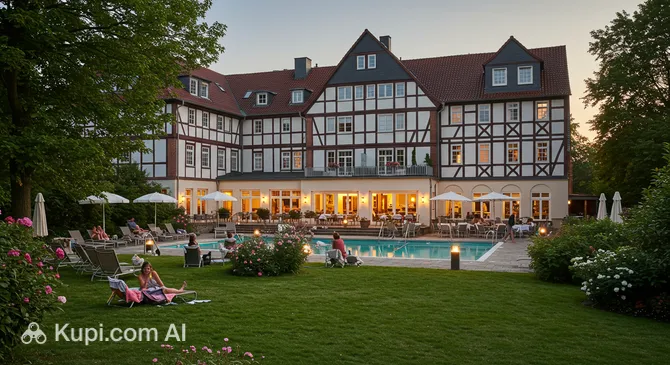
A notable example of the local hospitality scene is the Hotel Caroline Mathilde. Situated in a peaceful location near the historic center, this establishment is known for its blend of comfort and style. It is an excellent choice for travelers who appreciate a quiet environment and refined service after a day of sightseeing, serving as a relaxing sanctuary close to the city's highlights.

Hotel Caroline Mathilde. Source: Kupi.Binoculars

When planning your trip, it is important to consider the timing of your booking. Celle is a popular destination, especially during the summer months and the festive Christmas market season in December. During these peak times, accommodations in the city center fill up quickly, so it is highly recommended to book well in advance to secure your preferred location.

In terms of pricing, the city is generally affordable compared to larger German metropolises. You can expect a solid selection of mid-range options that offer excellent value for money, along with a few higher-end establishments. Booking can be easily done through major online platforms, though many of the smaller, traditional guesthouses also welcome direct inquiries and may offer a more personal touch.

Nearby Cities

For those looking to explore the surroundings, Celle serves as an excellent base for day trips to several interesting nearby locations. The region of Lower Saxony is well-connected, allowing travelers to easily reach vibrant cities and charming towns within less than an hour's drive.

The most prominent destination nearby is Hanover, the state capital located just south of Celle. It is a bustling metropolis known for the magnificent Herrenhausen Gardens, one of the finest baroque gardens in Europe, and the impressive New Town Hall with its unique arched elevator. A trip here offers extensive shopping opportunities, diverse museums, and a lively cultural scene that contrasts with the medieval tranquility of Celle.

Another interesting option is Peine, situated to the southeast. Often referred to as the "Owl City" due to local legends, it offers a more relaxed atmosphere. Visitors can explore the historic market square, the district museum, and enjoy the local steel industry heritage which has shaped the town's identity. It provides an authentic look at everyday life in the region away from the major tourist hubs.

City Population Distance (km)
Hanover542,66837
Garbsen60,75440
Langenhagen56,28830
Peine50,46136
Lehrte44,36929

These nearby destinations offer a glimpse into the diverse culture and landscapes of the region, ranging from big-city excitement to small-town charm.

Shopping & Souvenirs

Shopping in Celle offers a unique experience where retail therapy meets history. The city center is a designated pedestrian zone, allowing visitors to stroll comfortably past centuries-old half-timbered houses while browsing diverse shop windows. Unlike the frantic pace of larger metropolises, the atmosphere here is relaxed and inviting, featuring a mix of well-known high street brands, traditional family-run businesses, and charming boutiques that fit perfectly into the medieval surroundings.

The heart of the shopping district is formed by the main pedestrian streets, particularly Zöllnerstraße and Poststraße. These thoroughfares are lined with popular fashion chains, shoe stores, and bookstores, making them the primary destination for general needs. For a more individual touch, it is worth exploring the smaller side streets such as Mauernstraße or Neue Straße. Here, you can discover independent boutiques, antique dealers, and specialized shops selling jewelry, home decor, and handicrafts that you won't find in standard shopping malls.

While the historic Old Town focuses on picturesque open-air shopping, it also accommodates modern commercial needs. The city center hosts various large fashion chains and retail stores that are often seamlessly integrated into the historic architecture, offering a wide range of goods from clothing to household items. For those looking for more extensive retail parks with electronics and furniture stores, the commercial areas on the outskirts of the city, such as the Aller-Center, provide ample parking and large-scale retail options.

A highlight of the local shopping culture is the Weekly Market (Wochenmarkt), held in the historic center on the Markt (Market Square) and Stechbahn. Taking place on Wednesdays and Saturdays, this market is a vibrant display of regional produce. Locals flock here to buy fresh fruit, vegetables, flowers, and meats directly from farmers. It is an excellent place to sample local snacks or simply enjoy the lively atmosphere amidst the backdrop of the city's architecture.

When it comes to souvenirs, the region offers several distinctive products. Items related to the Lüneburg Heath are particularly popular, such as Heidehonig (heath honey) or products made from the wool of the local moorland sheep. Another classic gift is a bottle of Ratzeputz, the fiery ginger liqueur that originated in Celle. Additionally, the gift shop near Celle Castle offers a selection of high-quality books, postcards, and royal-themed keepsakes that celebrate the city's ducal history.

Store opening hours in Celle typically follow standard German conventions. Most shops in the city center are open from Monday to Saturday, usually starting around 10:00 AM and closing between 6:00 PM and 7:00 PM. Larger retail stores may stay open slightly longer, while smaller boutiques might close earlier on Saturdays. It is important to remember that nearly all shops, including supermarkets, are closed on Sundays, except for occasional "Shopping Sundays" (Verkaufsoffene Sonntage) held a few times a year.

Regarding payment, major credit and debit cards (Visa, Mastercard) are widely accepted in supermarkets and larger fashion chains. However, smaller independent shops, market stalls, and some traditional cafes may still prefer or only accept cash. It is always advisable to carry some Euros with you. For visitors residing outside the European Union, the tax-free shopping scheme is available in participating stores, allowing you to reclaim the VAT on purchases over a certain amount before leaving the country.
Reached the end of the page?

That means the route is fully explored