Support

Moers

About

Moers is a charming city often referred to as the "Gateway to the Lower Rhine," offering a unique blend of urban vitality and scenic landscapes. Situated on the western edge of the Ruhr area, it serves as a bridge between the bustling industrial heritage of the region and the idyllic countryside. This distinctive location gives the city a welcoming atmosphere that appeals to travelers seeking both culture and relaxation.

Located in the federal state of North Rhine-Westphalia, the city is an integral part of western Germany. With a population of over 100,000 residents, Moers manages to maintain a cozy, town-like feel while providing all the amenities of a major urban center. Its position near the Rhine River makes it an excellent starting point for exploring the wider region.

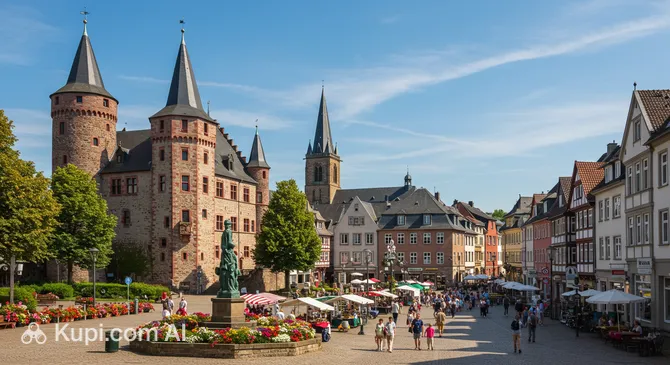
Moers. Source: Kupi.Binoculars

The city boasts a rich cultural heritage centered around its most famous landmark, Moers Castle (Schloss Moers). This well-preserved fortification is surrounded by a magnificent English landscape garden, the Castle Park, which serves as the city's green lung. Visitors curious about the local past can explore the history of Moers at the Grafschafter Museum housed within the castle walls. Additionally, the city is internationally renowned for the Moers Festival, a major event that celebrates jazz and avant-garde music every year.

Whether you are strolling through the historic old town with its lovingly restored buildings or enjoying a peaceful afternoon in the park, Moers offers a delightful experience for every visitor. It is a destination that perfectly combines history, nature, and modern culture, inviting you to discover its many hidden gems.

Weather Overview

The climate in this region is generally temperate, characterized by distinct seasons that rarely see extreme temperature fluctuations. To help you pack efficiently for your trip, it is helpful to review the detailed weather in Moers before your arrival. The city generally offers a moderate atmosphere that allows for comfortable sightseeing throughout most of the year.

Summers are typically warm and inviting, with August being the warmest month, featuring average temperatures around 19.5°C and daily highs often reaching nearly 24°C. While this season is excellent for exploring the outdoors, it is not entirely dry; you can expect about 11 to 14 wet days per month, so keeping an umbrella handy is recommended.

Winters are cool, with average temperatures in January dropping to approximately 4.1°C. While severe freezing is less common, this period sees the highest frequency of precipitation, particularly in December, which averages 18 wet days. Overall, visitors should expect warm summers with occasional rain and cool, damp winters.

Interesting Facts

Beyond the main attractions, Moers holds many fascinating secrets that reveal its deep historical roots and creative spirit. From giant illuminated artworks to traces of Dutch royalty, the city offers plenty of surprises for the curious traveler.
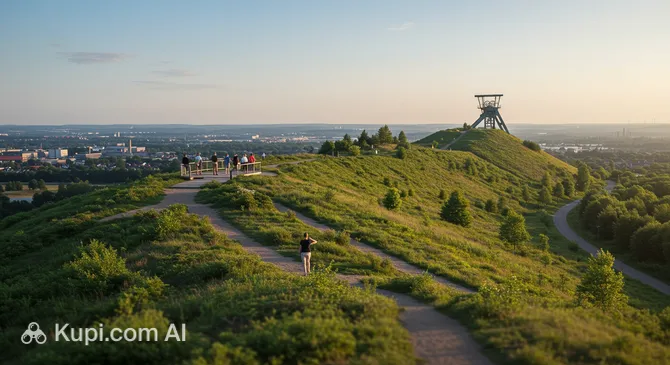
  • The city skyline is dominated by a truly unique tribute to the region's industrial heritage: the "Geleucht." Standing atop the Rheinpreussen Heap, this massive observation tower is shaped like an oversized miner's lamp. At night, it illuminates part of the hill in a deep red glow, creating a surreal and memorable landmark visible from miles away.

  • Moers was actually a Dutch city for over a century, belonging to the House of Orange-Nassau. This era left a lasting mark on the city's layout, which was reconstructed as a star-shaped fortress by the famous Dutch military engineer Menno van Coehoorn, a design that still influences the street patterns of the city center today.

  • The beloved Moers Castle Park is more than just a green space; it is a protected monument of garden art. Designed by the renowned landscape architect Maximilian Friedrich Weyhe in the 19th century, it is considered one of the most significant English landscape gardens in the Rhineland, preserving its original historical structure.

  • While the city is famous for its avant-garde jazz, it is also a European capital of laughter. Moers hosts the International Comedy Arts Festival, one of the oldest and most prestigious festivals for contemporary cabaret and comedy, drawing performers and audiences from all over the world.

Rheinpreussen Heap. Source: Kupi.Binoculars

How to Get There

Reaching Moers is convenient due to its central location in North Rhine-Westphalia and its proximity to several major transport hubs. Whether you are arriving by air or rail, you have multiple options to choose from. You can find all ways to reach the city in our detailed guide to planning your journey.

The city does not have its own major commercial airport, but it is very well served by Dusseldorf International Airport (DUS). This large international hub is situated approximately 21 km from Moers. A taxi or car ride from here typically takes around 25 to 30 minutes, making it the most convenient option for most travelers. Another viable choice, particularly for those flying with budget airlines, is Weeze Airport (NRN). Located about 38.5 km away, the transfer time by road is roughly 40 minutes.

For clarity, here is a summary of the main airports in the region:

Airport Name City Passenger Traffic Km from City
Dusseldorf International Airport Dusseldorf Very High 21.0
Cologne Bonn Airport Cologne High 72.1
Dortmund Airport Dortmund Medium 67.9
Weeze Airport Dusseldorf Medium 38.5
Maastricht Aachen Airport Maastricht Low 85.5

Traveling by train is another efficient way to approach the region. While Moers has local connections, long-distance travelers often arrive at Krefeld Station in the neighboring city of Krefeld, which is the closest major stop listed, located just 14.9 km away. From there, a taxi ride to the center of Moers takes approximately 20 minutes. Alternatively, you can arrive at Düsseldorf Hauptbahnhof (QDU), a major rail hub about 27.9 km from Moers. This station offers extensive connections, and the subsequent journey by road takes around 30 to 35 minutes.

Below is a list of the nearest railway stations to help you plan your route:

Station City Passenger Traffic Km to Center
Düsseldorf Hauptbahnhof Dusseldorf Very High 27.9
Essen Hauptbahnhof Essen High 25.9
Venlo Station Venlo Medium 34.1
Dormagen Railway Station Dormagen Medium 41.1
Krefeld Station Krefeld Medium 14.9

Main Attractions

Attractions:

Moers offers a delightful mix of historical sights, green spaces, and modern leisure activities. Whether you are looking for a relaxing walk in nature, a family-friendly outing, or an energetic indoor adventure, the city has something to entertain every visitor. Here are some of the top places to include in your itinerary.

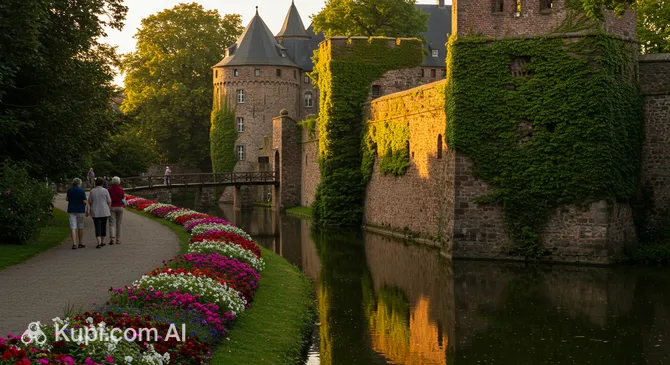
At the heart of the city lies the beautiful Moers Castle Park. This sprawling green oasis surrounds the historic castle and is modeled after a classic English landscape garden. It is the perfect spot for a leisurely stroll, with winding paths, ancient trees, and the serene castle moat creating a picturesque backdrop. Locals and tourists alike flock here to escape the urban bustle, enjoy picnics, or simply admire the harmonious blend of nature and history right in the city center.

Moers Castle Park. Source: Kupi.Binoculars

For families and animal lovers, the Moers Leisure Park Animal Enclosure is a must-visit destination. Located within a larger recreational park, this facility allows visitors to get close to a variety of native and domestic animals. It is particularly engaging for children, who can observe the animals in a naturalistic setting. The park serves as an educational and fun experience, offering a chance to connect with nature without leaving the city limits.

If you prefer a quieter escape into nature, the Schwafheim Recreation Area is an excellent choice. Centered around the scenic "Schwafheimer Meer" lake, this protected area is a haven for waterfowl and diverse plant life. The circular paths around the water are ideal for jogging, walking, or cycling. It offers a tranquil atmosphere that feels worlds away from the city noise, making it a favorite spot for those seeking relaxation and fresh air.

Schwafheim Recreation Area. Source: Kupi.Binoculars

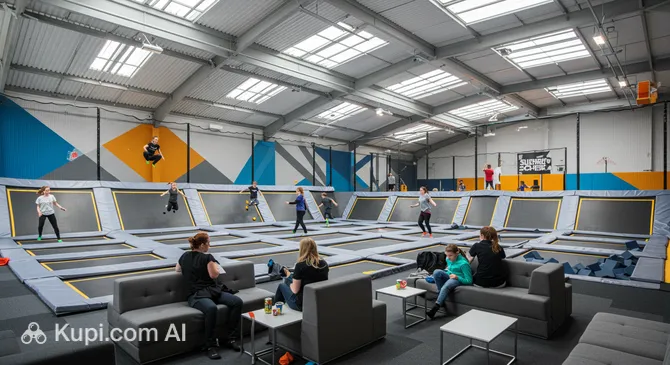
For those seeking an adrenaline rush or a fun indoor activity, Superfly Moers provides an energetic alternative to traditional sightseeing. This large trampoline park is packed with various zones, including obstacle courses and foam pits, catering to both kids and adults. It is a fantastic option for active travelers or for spending an exciting afternoon when the weather is less than perfect.

Superfly Moers. Source: Kupi.Binoculars

Local Cuisine

The culinary landscape of Moers is deeply rooted in the traditions of the Lower Rhine region, offering hearty and rustic dishes that provide comfort in any season. Visitors should not miss the opportunity to try Rheinischer Sauerbraten, a marinated pot roast that balances sweet and sour flavors, typically served with red cabbage and potato dumplings. Another regional classic is Himmel un Ääd ("Heaven and Earth"), a savory mash of potatoes and apples served with fried black pudding and onions, reflecting the area's agricultural heritage.

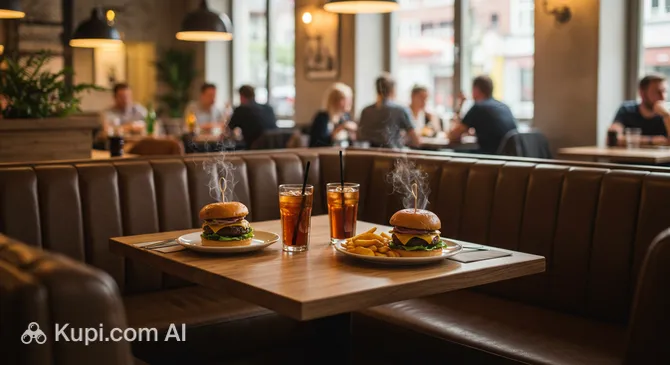
For those seeking a lighter snack or street food, Reibekuchen (potato pancakes) are a local favorite, often found at markets and outdoor events. These crispy fritters are traditionally eaten with apple sauce or on slices of dark pumpernickel bread. While traditional fare is prominent, the city also embraces modern food trends. If you are in the mood for contemporary comfort food, Patties & Berries Burger Restaurant offers a variety of creative burgers in a relaxed setting, showcasing the city's evolving dining scene.

Patties & Berries Burger Restaurant. Source: Kupi.Binoculars

Those with a sweet tooth will find plenty to enjoy in the city's cafes, where afternoon coffee and cake is a cherished ritual. You can indulge in fresh pastries and sweet treats at spots like Crossy & Cream, which is a perfect stop for a midday energy boost. The city center, particularly around the Old Town, is dotted with inviting establishments where you can enjoy these delights while watching the world go by.

When it comes to drinks, the proximity to Düsseldorf means that Altbier, a dark and hop-heavy top-fermented beer, is widely available and beloved by locals. It is the standard draft beer in many pubs and taverns. For a cozy evening atmosphere, you might visit Kastanienhof, a welcoming bar where you can unwind with a cold glass of beer or a refreshing Apfelschorle (apple spritzer) after a day of sightseeing.

Travel Tips

To ensure your visit to the "Gateway to the Lower Rhine" is as smooth and enjoyable as possible, we have compiled a list of essential advice for travelers. These practical tips will help you navigate local customs, logistics, and daily life in Moers with ease.

  1. Clothing and Gear: Given the region's changeable maritime climate, the best strategy is to dress in layers. Even in summer, evenings can be cool, so bring a light jacket or sweater. Since you will likely spend time walking through the historic Old Town or the expansive Castle Park, comfortable walking shoes are a must. Don't forget a sturdy umbrella or a raincoat, as showers can occur year-round.

  2. Transportation: The city center is compact and best explored on foot, but for longer distances, the local NIAG buses provide reliable service connecting different districts. Moers is also a fantastic city for cycling; renting a bike is highly recommended to explore the flat, scenic Lower Rhine countryside. Taxis are available at designated stands or by phone, but they can be pricey compared to public transit.

  3. Finances: The official currency is the Euro (€). While major supermarkets and restaurants accept credit and debit cards (Visa and Mastercard), Germany still has a strong cash culture. Smaller bakeries, kiosks, and some traditional cafes may only accept cash or the local "EC-Karte." It is wise to carry some cash for small purchases. ATMs (Geldautomaten) are widely available throughout the city.

  4. Health and Safety: Moers is generally a safe city for tourists. Pharmacies, marked by a red "A" (for Apotheke), are easy to find; they operate on a rotation system for night and weekend emergency services, with the open location posted on the door of every pharmacy. For serious medical emergencies, dial 112. As in any city, keep an eye on your belongings in crowded areas like festivals or markets.

  5. Communication: The official language is German. While many locals, especially younger people, speak decent English, it is polite to start conversations with a friendly German greeting. Useful phrases include "Guten Tag" (Good day), "Danke" (Thank you), and "Sprechen Sie Englisch?" (Do you speak English?). Free Wi-Fi is often available in cafes and public spots via "Freifunk," and prepaid SIM cards can be bought at supermarkets (passport required for registration).

  6. Local Etiquette: Politeness and punctuality are highly valued. When entering a small shop or waiting room, it is customary to greet everyone with a general "Hallo" or "Guten Tag." On Sundays and public holidays, noise levels should be kept low to respect the local "Ruhetag" (rest day) culture. Tipping is customary in restaurants; rounding up the bill or adding about 5-10% is standard practice.

  7. What to Avoid: Be extremely careful not to walk in designated bike lanes. These are often marked in red on the sidewalks or roads. Cyclists in the Lower Rhine region are numerous and move quickly, so blocking their path is considered rude and can be dangerous. Also, avoid jaywalking; always wait for the green signal at pedestrian crossings, as locals strictly adhere to traffic rules.

  8. Shopping Hours: Keep in mind that Sunday is a strict rest day in Germany. Almost all shops, supermarkets, and pharmacies are closed, except for a few bakeries open in the morning and shops at gas stations. Plan your grocery shopping for Saturday to avoid being caught without supplies.

Armed with these tips, you are ready to immerse yourself in the relaxed and friendly atmosphere of Moers. Whether you are cycling through the green landscapes or enjoying a coffee in the historic market square, you will find the city welcoming and easy to navigate.

Entertainment & Nightlife

While Moers may not have the sprawling club scene of a major metropolis, its nightlife offers a charming and convivial atmosphere that centers around socializing and relaxation. The evening entertainment here is defined by cozy pubs, traditional kneipen (bars), and a welcoming vibe that encourages long conversations over locally brewed beers. The heart of the action is undoubtedly the Old Town (Altstadt), particularly around the Altmarkt and the pedestrian zones, where locals gather to unwind after a long day.

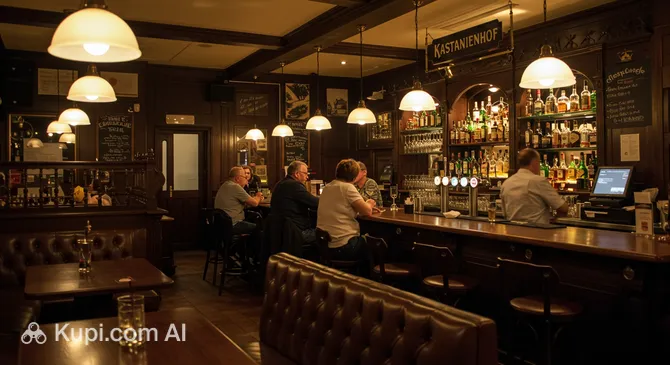
For a quintessential local experience, the Kastanienhof is a popular choice among residents. This establishment embodies the traditional German pub culture, offering a rustic and comfortable setting perfect for enjoying a cold draft beer or a glass of wine. It is the kind of place where the dress code is casual, and the focus is on Gemütlichkeit—a distinct sense of warmth and friendliness. On weekends, venues like this become lively meeting points for friends and visitors alike.

Kastanienhof. Source: Kupi.Binoculars

Beyond the regular bar scene, the city is a hub for cultural entertainment, hosting events that draw international crowds. The annual Moers Festival is a highlight for music lovers, transforming the city into a vibrant stage for jazz and avant-garde performances every Whitsun weekend. Additionally, the International Comedy Arts Festival ensures the city lives up to its reputation as a center for humor, offering high-quality cabaret and comedic performances. These events provide a unique flair to the local entertainment landscape, making the city buzz with energy and creativity.

Practicalities for a night out in Moers are straightforward. The city is very safe for evening walks, especially in the well-lit center and pedestrian areas. Public transport runs reliably, but for late-night returns, especially on weekdays, calling a taxi is the most convenient option. Prices for drinks and entry fees are generally moderate compared to larger German cities like Düsseldorf or Cologne. If you are visiting during the summer, keep an eye out for open-air events and night markets that often take place in the city center, adding a festive flair to the streets.

Parks & Museums

Beyond its well-known landmarks, Moers invites visitors to explore a variety of cultural institutions and lush green spaces that reflect the city's history and lifestyle. From local history exhibitions to sprawling recreational areas, there are plenty of opportunities to deepen your understanding of the region or simply relax in nature.

The cultural centerpiece of the city is the Grafschafter Museum, located within the historic walls of the castle in the heart of the Moers Castle Park. This museum offers a fascinating journey through the history of the Lordship of Moers and the Lower Rhine region. Visitors can admire a diverse collection that ranges from archaeological finds to insights into everyday life in centuries past. A particular highlight for many is the extensive dollhouse collection, which delights guests of all ages with its intricate details.

Art enthusiasts should head to the Peschkenhaus, one of the oldest preserved residential buildings in the city. Today, it serves as a vibrant gallery for contemporary art, hosting rotating exhibitions that showcase works by local and international artists. The contrast between the building's historical architecture and the modern art inside creates a unique and inspiring atmosphere.

For those seeking tranquility away from the city center, the Jungbornpark in the Repelen district is a hidden gem. Established in the early 20th century, this park is closely linked to the legacy of the "Clay Pastor" Emanuel Felke, a pioneer of naturopathy. The park features a barefoot path and beautiful walking trails, making it a perfect spot for health-conscious visitors to reconnect with nature.

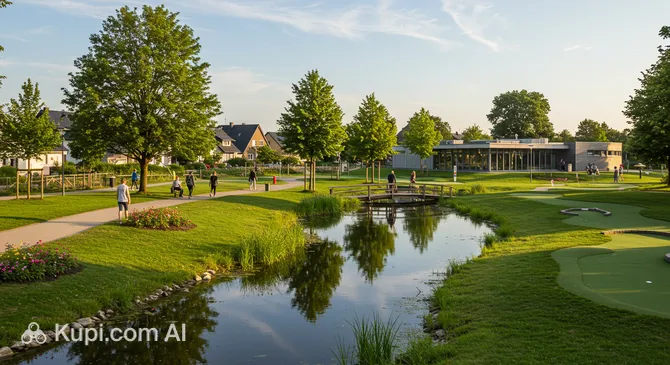
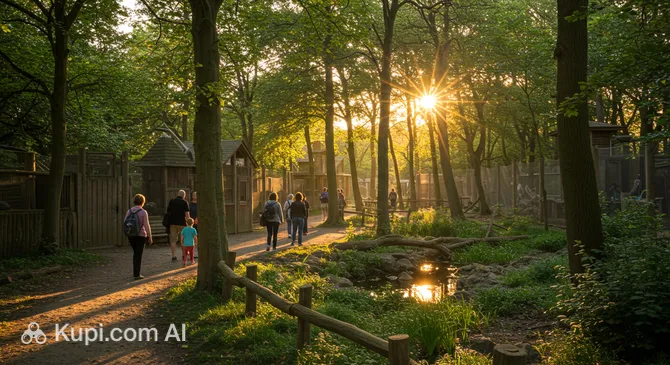
Another significant green space is the extensive Moers Leisure Park (Freizeitpark). While it is well-known for the Moers Leisure Park Animal Enclosure, the surrounding parkland offers much more for outdoor enthusiasts. The area features a large lake, numerous sports facilities, and a network of paths ideal for jogging or cycling. It serves as a major recreational hub where locals gather to enjoy sports and leisure activities in a spacious, open setting.

Moers Leisure Park Animal Enclosure. Source: Kupi.Binoculars

Getting Around

The public transport system in Moers is well-organized and integrated into the larger Rhine-Ruhr Transport Association (VRR), making it easy to navigate the city and the surrounding region. The backbone of local mobility is the extensive bus network operated primarily by NIAG (Niederrheinische Verkehrsbetriebe). These buses connect all major districts with the city center and provide reliable links to neighboring cities like Duisburg and Krefeld. Additionally, the Moers railway station serves the "Niederrheiner" regional train line (RB 31), which offers a fast and convenient connection to Xanten and the major transport hub of Duisburg.

For tickets and fares, the unified VRR tariff system applies, meaning one ticket is valid for buses and regional trains within the selected zone. Travelers can choose from various options, including single tickets (EinzelTicket) for one-off trips and 24-hour or 48-hour passes, which are often the best value for tourists planning multiple journeys. Tickets can be purchased via the VRR or NIAG mobile apps, at ticket machines located at the train station, or directly from bus drivers. If you buy a paper ticket from a machine or a kiosk, remember to validate it by stamping it in the orange or red machines before starting your journey to avoid fines.

Operating hours are generally tourist-friendly, with buses running frequently throughout the day on weekdays. However, service frequency decreases in the evenings and on weekends, so it is advisable to check the timetable in advance using the VRR app or the DB Navigator app. On Friday and Saturday nights, "NachtExpress" (NE) night buses are available, ensuring you can return safely to your accommodation after a night out. While delays are rare, keeping a digital schedule handy helps in planning connections smoothly.

Given the flat landscape of the Lower Rhine region, cycling is a highly popular alternative to motorized transport. The city is very bike-friendly, with dedicated paths and rental systems like "NiederrheinRad" available for visitors who prefer to explore at their own pace. For those needing a direct and private transfer, taxis are readily available at designated stands, particularly at the train station and the central bus station (Königlicher Hof), or can be booked via phone. Car-sharing services are also present but are less commonly used by short-term visitors compared to the excellent bus and bike options.

Accommodation

Accommodation in Moers caters to a variety of preferences, offering a welcoming mix of options that range from comfortable mid-range hotels to cozy, family-run guesthouses and modern holiday apartments. While the city does not feature an extensive array of large luxury resorts, visitors will find plenty of well-maintained and hospitable establishments that provide excellent value for money. The atmosphere in local lodgings is often personal and friendly, reflecting the general character of the Lower Rhine region.

For most tourists, the most convenient area to stay is the city center (Innenstadt). Booking a room here places you within walking distance of major landmarks like the historic Old Town and the castle park, as well as a variety of restaurants and shops. This central location also offers the best access to public transport, making it easy to explore the surrounding area without a car. It is the ideal base for those who want to be in the heart of the action and enjoy the city's evening atmosphere.

Travelers seeking a quieter experience might prefer the outskirts or districts such as Repelen or Schwafheim. These areas are often greener and offer a more relaxed pace, suitable for families or those who enjoy cycling and nature walks. Accommodation here tends to be slightly more affordable and often includes smaller pensions or private rentals that provide a "home away from home" feeling.

Booking Tips and Prices: generally, accommodation prices in Moers are moderate and often lower than in the neighboring trade fair cities of Düsseldorf or Essen. Standard double rooms in mid-range hotels are typically reasonably priced. However, availability can become scarce during major local events, particularly the annual Moers Festival over the Whitsun weekend. If you plan to visit during this time, it is highly recommended to book your stay several months in advance. Reservations can easily be made through major online booking platforms or by contacting hotels directly.

Nearby Cities

For those looking to explore the surroundings, Moers serves as an excellent base for day trips to several interesting nearby locations. The city's central position in the Rhine-Ruhr metropolitan region means that diverse urban adventures and cultural sights are just a short journey away.

Duisburg is the immediate neighbor and a fascinating destination for those interested in the transformation of the Ruhr area. It is world-renowned for the Landscape Park Duisburg-Nord, where a defunct ironworks has been turned into a stunning public park, and its lively Inner Harbor which features museums and dining along the waterfront. Just a bit further is Krefeld, often called the "City of Velvet and Silk" due to its rich textile history. It offers a mix of historical architecture, art museums, and a popular zoo, making it a great spot for a relaxed day trip.

For shopping enthusiasts and entertainment seekers, Oberhausen is a top choice. It hosts the CentrO, one of Europe's largest shopping malls, and the Gasometer, an industrial monument turned into a spectacular exhibition space. These cities provide a perfect contrast to the smaller-town feel of Moers.

City Population Distance (km)
Duisburg 495,885 9
Krefeld 227,050 14
Oberhausen 209,566 16
Mülheim 170,921 17
Bottrop 117,383 23

These nearby destinations offer a glimpse into the diverse culture and landscapes of the region.

Shopping & Souvenirs

General Overview

Moers offers a pleasant and stress-free shopping experience characterized by short distances and a personal atmosphere. Unlike the hectic rush of larger metropolises, shopping here is about strolling leisurely through the historic city center. The city provides a balanced mix of well-known retail chains and smaller, owner-managed boutiques, making it easy to find everything from modern fashion and accessories to household goods and local crafts.

Main Shopping Areas/Streets

The heart of the shopping action is the extensive pedestrian zone in the city center. Steinstraße and Neustraße serve as the primary commercial arteries, lined with a variety of clothing stores, shoe shops, and bookstores. These streets are framed by charming buildings, creating an inviting backdrop for window shopping. The connecting alleyways often hide smaller specialty shops where you can find unique jewelry or artisanal products that are not available in the standard high street chains.

Shopping Malls

While the city does not host massive shopping complexes comparable to the mega-malls in neighboring cities, it features smaller arcades that complement the high street experience. The Grafschafter Passage is a notable spot where visitors can find a selection of shops and services under one roof. The city center functions effectively as an open-air shopping mall, offering a cohesive and convenient retail environment without the need for a large enclosed structure.

Markets

A true highlight of local life is the traditional weekly market, which typically takes place on Tuesdays and Fridays at the Kastellplatz or Neumarkt. This is where the locals come to buy fresh produce from the Lower Rhine region, including seasonal vegetables, flowers, and regional cheeses. It is more than just a place to shop; it is a vibrant social meeting point where you can experience the authentic lifestyle of the city and sample fresh snacks directly from the stalls.

Souvenirs

If you are looking for a keepsake to take home, consider items that reflect the city's unique identity. Local specialty shops often sell "Moerser Kiesel", a herbal liqueur that serves as a tasty tribute to the region. Merchandise related to the famous Moers Festival or the iconic "Geleucht" miner's lamp monument is also popular. Additionally, due to the region's agricultural roots, locally produced jams, honey, or mustard from the Lower Rhine area make for excellent edible gifts.

Opening Hours and Payment

Standard opening hours for shops in the city center are Monday to Saturday, typically from 10:00 AM to 6:00 PM or 8:00 PM. Larger department stores tend to stay open later, while smaller boutiques may close earlier, especially on Saturdays. Visitors should remember that, consistent with German custom, almost all retail stores are closed on Sundays. Regarding payment, major credit and debit cards are widely accepted in chain stores, but carrying cash is highly recommended for smaller shops, bakeries, and the weekly market.

Tax-Free

Tourists residing outside the European Union are eligible for VAT refunds on purchases exceeding a certain amount, typically 50 Euros, in participating stores. Look for the "Tax Free" signage in shop windows to identify eligible retailers. To claim the refund, be sure to ask the staff for a tax-free form at the checkout, which you must then present to customs officials upon your final departure from the EU.
Reached the end of the page?

That means the route is fully explored