Support

Dusseldorf

About

Dusseldorf is a dynamic metropolis that effortlessly blends traditional Rhenish charm with modern sophistication. As a major economic center and a hub for international business, it offers a cosmopolitan atmosphere that attracts visitors from all over the world. Located in western Germany, this vibrant city is celebrated for its thriving fashion scene, avant-garde architecture, and rich cultural landscape.

Situated on the banks of the mighty Rhine River, Dusseldorf serves as the capital of the North Rhine-Westphalia state. With a population of approximately 646,000 residents, it is a bustling urban center that remains surprisingly walkable and green. The city's geography is defined by the river, which separates the historic center from the newer districts, creating a scenic backdrop for leisurely strolls and boat tours.
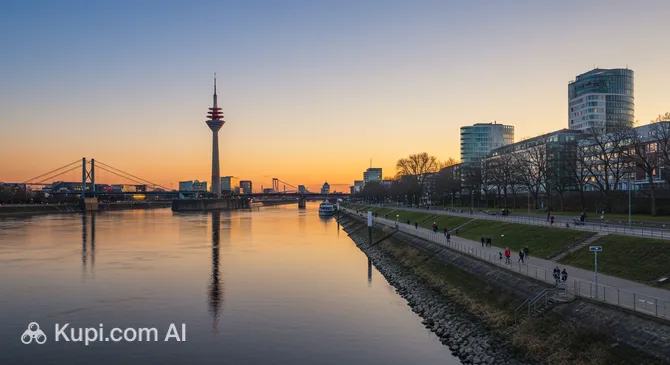
Dusseldorf. Source: Kupi.Binoculars

For those interested in the past, the history of Dusseldorf reveals a fascinating transformation from a modest fishing village to a princely residence and eventually a modern industrial power. Today, tourists flock to the Altstadt (Old Town), often referred to as the "longest bar in the world" due to its high concentration of pubs and breweries serving the local Altbier. Another highlight is the luxurious Königsallee, a boulevard lined with high-end boutiques and a picturesque canal, perfect for window shopping and people-watching.

Whether you are exploring the futuristic architecture of the MediaHarbour or enjoying the expansive parks, Dusseldorf offers a diverse range of experiences. It is a city that invites you to relax by the riverside, indulge in world-class shopping, and immerse yourself in a lively art scene, making it a must-visit destination for any traveler.
Weather Overview

The city generally experiences a moderate temperate climate, offering distinct changes between seasons without extreme temperature fluctuations. Summers are typically warm and pleasant, with average highs reaching around 23.9°C in August, creating perfect conditions for strolling along the Rhine promenade. In contrast, winters are cool and often damp, with average temperatures in January hovering around 3.9°C and lows occasionally dipping to 1.8°C.

Rainfall is a regular occurrence throughout the year, so packing a waterproof jacket or umbrella is always a good idea. The weather in Dusseldorf tends to be wettest during the winter months, with December seeing up to 19 wet days. Overall, visitors can expect comfortable, warm summers with occasional rain and cool, relatively cloudy winters.

Interesting Facts

Beyond the main attractions, Dusseldorf holds many fascinating secrets that reveal its unique spirit. These little-known details add depth to the city's modern facade and offer curious travelers plenty to discover.
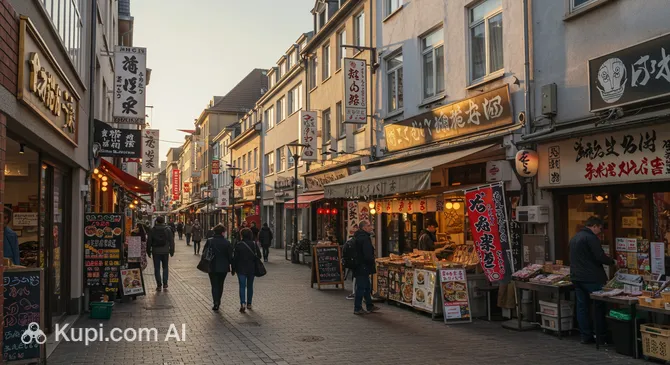
Little Tokyo Düsseldorf. Source: Kupi.Binoculars
  • Dusseldorf boasts the largest Japanese community in Germany, centered in the district known as Little Tokyo Düsseldorf. This area along Immermannstraße is not just a commercial hub but a cultural immersion, featuring authentic supermarkets, bookshops, and some of the best ramen restaurants in Europe.

  • The city maintains a charming tradition known as "Radschläger" or cartwheeling, which is considered a symbol of local joy. Legend has it that children performed cartwheels to celebrate the city's victory in the Battle of Worringen in 1288, and today you can spot this motif on souvenirs, fountains, and even manhole covers.

  • Green spaces are integral to the city's design, and the Hofgarten holds the title of Germany's first public park. Established in 1769, this historic park influenced the design of the English Garden in Munich and remains a beloved green lung in the city center.

  • Dusseldorf is one of the few cities in the world that still operates a massive network of original gas street lamps. With over 14,000 gas lights illuminating the streets, the city retains a romantic, nostalgic atmosphere after dark that is rare in modern metropolises.

How to Get There

Reaching this vibrant metropolis in North Rhine-Westphalia is straightforward, thanks to its excellent connectivity and central location in Europe. Whether you prefer flying or taking the train, there are numerous convenient options to suit your travel plans. For a comprehensive guide on all available transport modes, you can read more about how to get to Dusseldorf.

The primary gateway for air travelers is Dusseldorf International Airport (DUS), which is conveniently located within the city limits, just 6.5 km from the center. It is a major international hub, making it the most direct option for most visitors, with a short transfer time to the downtown area. Alternatively, travelers can fly into Cologne Bonn Airport (CGN), situated in the neighboring city of Cologne, approximately 45.1 km away. Another viable option is Dortmund Airport (DTM) in Dortmund, located about 66.5 km away, offering additional connections for the region.

For clarity, here is a summary of the main airports serving the region:

Airport Name City Passenger Traffic Km from City
Dusseldorf International Airport Dusseldorf Very High 6.5
Cologne Bonn Airport Cologne High 45.1
Dortmund Airport Dortmund Medium 66.5
Weeze Airport Dusseldorf Medium 61.4
Maastricht Aachen Airport Maastricht Low 79.0

If you prefer traveling by rail, the city is extremely well-connected to the European rail network. The central hub is Düsseldorf Hauptbahnhof (QDU), located right in the heart of the city, less than a kilometer from the main attractions. It handles a massive volume of passengers annually, ensuring frequent high-speed connections. Travelers can also arrive via Essen Hauptbahnhof (ESZ) in the nearby city of Essen, which is about 30 km away. From Essen, reaching Dusseldorf is quick and convenient due to the dense railway network connecting the Rhine-Ruhr area.

Below is a list of key railway stations in the vicinity:

Station City Passenger Traffic Km to Center
Düsseldorf Hauptbahnhof Dusseldorf Very High 0.9
Essen Hauptbahnhof Essen High 30.0
Leverkusen Mitte Station Leverkusen Medium 25.4
Dormagen Railway Station Dormagen Medium 14.0
Krefeld Station Krefeld - 18.7

Main Attractions

Dusseldorf is packed with diverse sights, ranging from royal architecture to industrial heritage transformed into modern leisure spaces. Whether you are an art lover, a history buff, or simply enjoy scenic walks, the city provides a wealth of memorable experiences. Here are some of the top places you should include in your itinerary.

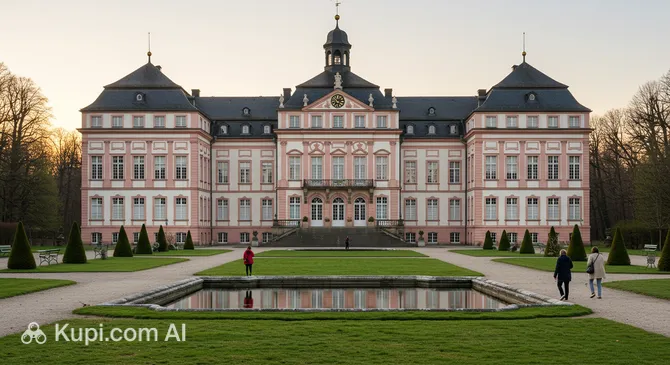
One of the most stunning architectural gems in the city is Benrath Palace. Located in the southern district, this pink-hued Baroque masterpiece was built in the 18th century as a pleasure palace and hunting lodge for Elector Carl Theodor. Visitors are captivated not only by the opulent interior but also by the expansive park and gardens that surround it, which are perfect for a relaxing afternoon stroll. The site also houses museums dedicated to natural history and garden art.

Benrath Palace. Source: Kupi.Binoculars

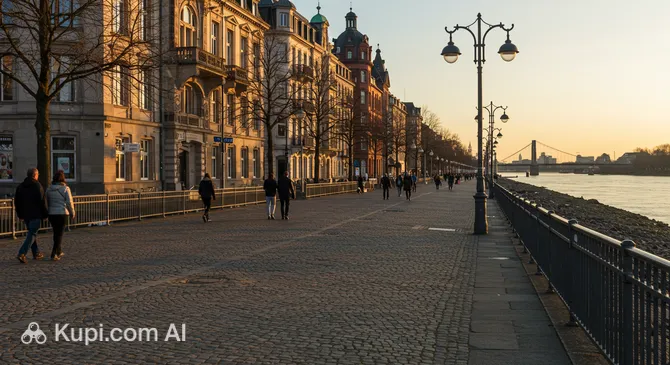
For those who enjoy a blend of urban vibes and nature, the Rhine Promenade is the place to be. This riverside walkway beautifully connects the historic Old Town with the modern architecture of the MediaHarbour. It is a favorite spot for both locals and tourists to watch the ships pass by, enjoy a sunset drink, or simply soak in the lively atmosphere of the city’s waterfront.

Rhine Promenade. Source: Kupi.Binoculars

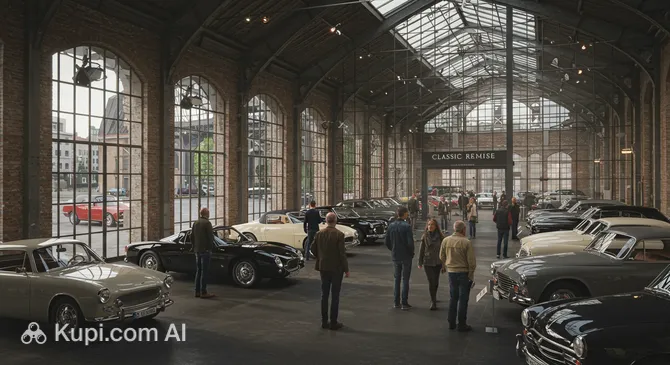
Car enthusiasts will find a unique paradise at the Classic Remise Düsseldorf. Housed in a beautifully restored historic roundhouse that once served as a locomotive depot, this center is dedicated to vintage and classic cars. It serves as a living museum where you can see rare vehicles in glass storage boxes, watch mechanics at work in specialized garages, and admire a vast array of automotive history under one roof.

Classic Remise Düsseldorf. Source: Kupi.Binoculars

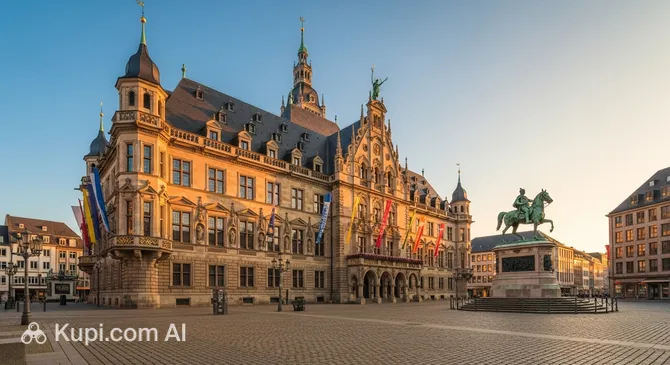
In the heart of the Old Town, you will find the historic Düsseldorf Town Hall. Unlike many other German city halls, this building complex dates back to the 16th century and showcases a mix of architectural styles. Located on the Market Square, it provides a picturesque backdrop for photos, especially with the famous equestrian statue of Jan Wellem standing proudly in front of it.

Düsseldorf Town Hall. Source: Kupi.Binoculars

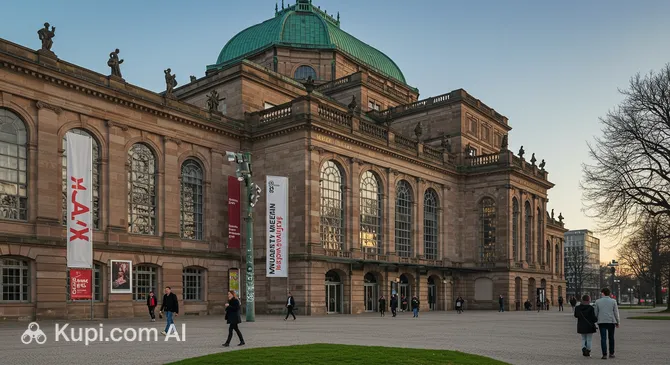
Art aficionados should not miss the Museum Kunstpalast. Situated near the Rhine, this museum boasts a comprehensive collection that spans from classical antiquity to contemporary works. It is renowned for its high-quality exhibitions, extensive glass collection, and the Rubens Gallery, making it a central pillar of the city's cultural scene.

Museum Kunstpalast. Source: Kupi.Binoculars

Local Cuisine

Dusseldorf's culinary landscape is a delightful journey that ranges from hearty, traditional German fare to authentic international specialties. At the heart of the local diet is the region's famous Rheinischer Sauerbraten, a tender pot roast marinated for days in vinegar and spices, typically served with red cabbage and potato dumplings. Another absolute must-try is Himmel un Ääd (Heaven and Earth), a comforting dish consisting of fried black pudding, mashed potatoes, and apple sauce, symbolically representing the sky (apples) and the ground (potatoes).

No meal in this city is complete without a glass of Altbier, the dark, copper-colored beer that is brewed locally. This top-fermented specialty is best enjoyed in a traditional brewery tavern (Brauhaus) in the Old Town, where waiters, known as "Köbes," keep the small glasses coming until you signal you are finished by placing a coaster on top. For a strong finish to a meal, locals often turn to Killepitsch, a premium herbal liqueur made from over 90 fruits, berries, and herbs.

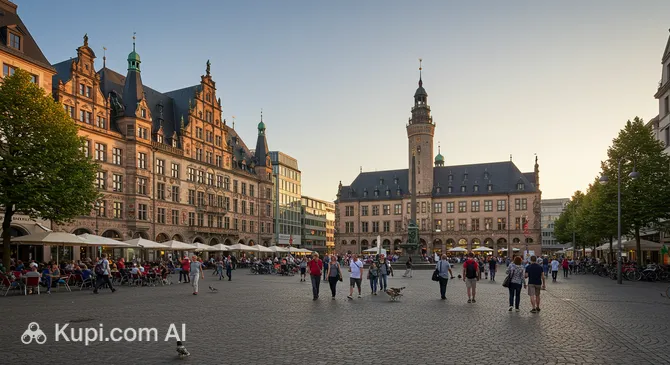
The city's food culture is centered around social dining, whether standing at a high table in a pub or sitting in a historic square. The area around the Market Square is particularly atmospheric, offering numerous historic eateries where you can soak in the old-world charm while enjoying a bratwurst with the city’s famous spicy mustard, Düsseldorfer Löwensenf.

Market Square. Source: Kupi.Binoculars

Beyond traditional Rhenish cuisine, Dusseldorf is celebrated for its cosmopolitan palate, most notably its exceptional Japanese food scene, which is considered one of the best in Europe. For those seeking a vibrant and spicy dining experience, Xiao Long Kan offers an authentic hot pot experience that highlights the city's modern diversity. If you prefer a lively mix of cocktails and dinner, Palito Restaurant & Bar is another excellent spot to enjoy the city's dynamic evening atmosphere.

Travel Tips

Welcome to Dusseldorf! To ensure your visit to this fashionable city on the Rhine is as smooth and enjoyable as possible, we have compiled a list of essential practical advice. These tips will help you navigate local customs, manage your budget, and explore the city like a pro.

  1. Clothing and Gear: Since the weather in North Rhine-Westphalia can be changeable, it is wise to dress in layers. Even in summer, a light sweater is useful for cooler evenings by the river. Be sure to pack a waterproof jacket or a sturdy umbrella, as rain showers can occur year-round. Comfortable walking shoes are a must, especially for exploring the cobblestone streets of the Altstadt. For electronics, bring a standard European power adapter (Type C or F) to keep your devices charged.
  2. Transportation: The city boasts an efficient public transport network operated by Rheinbahn, consisting of the U-Bahn (metro), trams, and buses. A car is generally unnecessary and can be a hassle due to parking costs. Instead, consider purchasing the DüsseldorfCard, which offers unlimited travel on public transport and discounts on attractions. Taxis and ride-hailing apps like Uber or Free Now are available, but the city center is compact and highly walkable.
  3. Finances: The local currency is the Euro (€). While credit cards (Visa and Mastercard) are widely accepted in hotels, major stores, and upscale restaurants, Germany is still surprisingly cash-reliant. Always carry some cash for bakeries, small cafés, kiosks, and ticket machines. ATMs are plentiful throughout the city. Tipping is customary but modest; rounding up the bill or leaving about 5-10% is standard practice in restaurants.
  4. Health and Safety: Dusseldorf is generally a very safe city for tourists. Pharmacies, marked by a large red "A" (for Apotheke), are easy to find; look for a sign indicating "Notdienst" for 24/7 emergency service if the shop is closed. The general emergency number for medical assistance or police is 112. While the city is safe, exercise standard precautions against pickpocketing in crowded areas like the Old Town on weekends.
  5. Communication: The official language is German, but English is widely spoken, especially in the service industry and among younger people. Learning a few basic phrases like "Guten Tag" (Good day) and "Danke" (Thank you) is appreciated. Free Wi-Fi is available in many public spots and cafes, but for reliable connectivity, you can buy a prepaid SIM card at supermarkets or electronics stores. The DB Navigator app is excellent for checking train schedules.
  6. Local Etiquette: Germans value politeness and punctuality. When entering a shop or elevator, a brief greeting is polite. In the famous breweries, if you are drinking Altbier, the waiter (Köbes) will automatically replace your empty glass with a full one unless you place your coaster on top of the glass to signal you are finished. When toasting, make eye contact and say "Prost!"
  7. What to Avoid: One of the biggest mistakes tourists make is walking in the bicycle lanes. These are often marked in red or located on the sidewalk and are strictly for cyclists, who can be quite fast and vocal if you block their path. Also, avoid jaywalking; locals take traffic lights seriously, and crossing on red (even if no cars are coming) is frowned upon, especially if children are nearby.
  8. Additional Tip: Keep in mind that most shops, including supermarkets and pharmacies, are closed on Sundays. Only shops at the main train station (Hauptbahnhof) and the airport remain open. Plan your shopping accordingly. Additionally, don't throw away empty plastic bottles or cans; most have a deposit (Pfand) and can be returned to supermarkets for a refund voucher.

With these practical tips in hand, you are ready to immerse yourself in the vibrant culture and relaxed lifestyle of Dusseldorf. Enjoy your time exploring the city's unique blend of tradition and modernity!

Entertainment & Nightlife

Entertainment and Nightlife:

Dusseldorf comes alive after the sun sets, earning a reputation as one of the most vibrant nightlife destinations in Germany. The city’s party scene is legendary, anchored by the famous Altstadt (Old Town), which is affectionately known as the "longest bar in the world." In this compact square kilometer, over 260 pubs, bars, and breweries line the cobblestone streets, particularly along Bolkerstraße and Ratinger Straße. Here, the atmosphere is raucous and convivial, with locals and tourists spilling out onto the streets to enjoy fresh Altbier in a casual, standing-room-only setting.

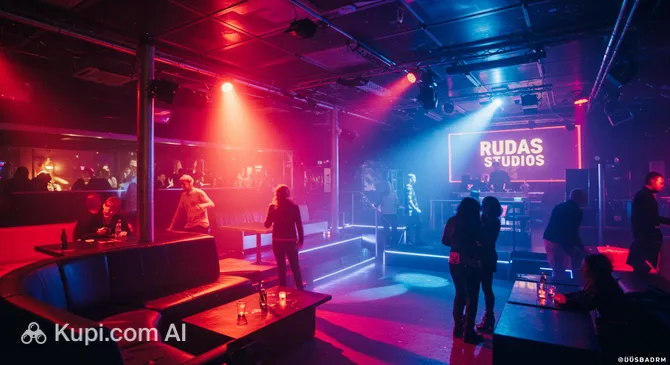
For those seeking a more upscale and modern vibe, the MediaHarbour (MedienHafen) offers a sharp contrast to the rustic charm of the Old Town. This district is the playground for the chic and trendy, featuring glossy cocktail bars and exclusive clubs housed in avant-garde architectural landmarks. It is the perfect place to dress up and dance the night away. One of the standout venues in this area is Rudas Studios, a club located in a former film studio that combines industrial grit with glamorous design, attracting top DJs and a stylish crowd.

Rudas Studios. Source: Kupi.Binoculars

Another hotspot in the city's nightlife portfolio is The Eight, known for its premium service and energetic parties. If you prefer a more relaxed evening with excellent drinks and a cozy ambiance, Safran is a popular bar that offers a fine selection of beverages and a welcoming environment. The dress code varies significantly by district: casual attire is perfectly acceptable in the pubs of the Altstadt, while the clubs in the MediaHarbour generally require a smart-casual or chic look, and bouncers can be selective.

Practicality is key to enjoying a night out here. The action typically starts late, with bars filling up around 10:00 PM and clubs peaking well after midnight. Prices are reasonable in the breweries, where a glass of beer costs a few euros, but expect to pay premium prices for cocktails in the harbor area. Getting around is safe and easy; the "Rheinbahn" operates night express buses (NE) and trains on weekends, ensuring you can get home safely at any hour. Taxis are plentiful, and ride-sharing apps are widely used.

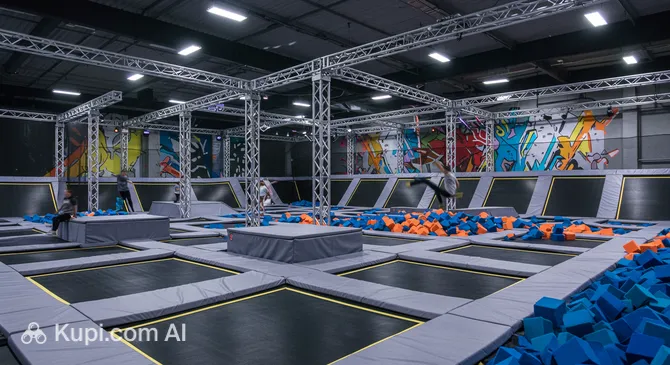
While the nights are electric, the city also offers diverse daytime entertainment options beyond traditional sightseeing. For large-scale concerts and sporting events, the Düsseldorf Arena is the premier venue, hosting international stars and major football matches. Families and thrill-seekers looking for active fun can visit Jump Galaxy Trampoline Park, a massive indoor park perfect for burning off energy. Additionally, the city boasts a variety of theaters and cabaret stages, such as the Kom(m)ödchen, which provide a dose of cultural satire and humor.

Jump Galaxy Trampoline Park. Source: Kupi.Binoculars

Safety in Dusseldorf is generally high, and walking between venues in the main districts is common. The Altstadt is heavily patrolled and well-lit, making it safe for night walks, though it can get very crowded on Friday and Saturday nights. As with any major city, it is wise to keep an eye on your belongings in dense crowds. Whether you are clinking beer glasses in a rustic tavern or sipping champagne by the river, the city offers an unforgettable night out for every taste.

Parks & Museums

Parks and Museums:

Dusseldorf is a city that seamlessly integrates nature into its urban landscape, boasting an impressive array of parks and gardens alongside a world-class museum scene. Visitors will find that the city is surprisingly green, offering numerous tranquil escapes from the bustling streets, while art enthusiasts can explore collections that rival those of major European capitals.

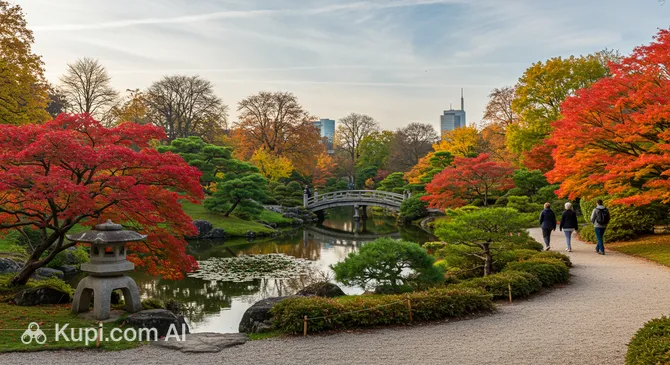
One of the most popular recreational areas is the Nordpark, located in the Stockum district. This expansive park is renowned for its meticulously maintained flower beds, water fountains, and sculptures. Within its grounds lies the serene Japanese Garden (Japanischer Garten), a gift from the Japanese community that reflects the strong cultural bond between Japan and Dusseldorf. It provides a peaceful setting with traditional stone lanterns, maple trees, and a koi pond, making it a perfect spot for quiet contemplation.

Japanese Garden. Source: Kupi.Binoculars

Right in the heart of the city, the Hofgarten serves as Dusseldorf's "green lung." As Germany's first public park, it connects the Old Town with the shopping districts and features a mix of French Baroque and English landscape styles. It is an ideal place for a leisurely walk, where you can admire the swans on the ponds or simply relax on a bench under centuries-old trees.

When it comes to art, the Kunstsammlung Nordrhein-Westfalen is a cultural heavyweight not to be missed. Divided into two venues, K20 and K21, this state art collection houses masterpieces of the 20th century, including works by Picasso, Klee, and Beuys, as well as contemporary installations. The K21, located in the historic Ständehaus, is particularly famous for its spectacular glass dome and the interactive "In Orbit" net installation that allows visitors to float above the atrium.

Kunstsammlung Nordrhein-Westfalen. Source: Kupi.Binoculars

For a fascinating blend of natural history and live animal exhibits, the Aquazoo Löbbecke Museum offers a unique experience. This institution combines a zoo, an aquarium, and a natural history museum under one roof. Visitors can follow the path of evolution through themed rooms, observing everything from tropical fish and reptiles to penguins, making it an educational and entertaining destination for families.

If you are looking for an authentic nature experience, head to the Wildpark Grafenberg. Located in the Grafenberg Forest, this wildlife park allows you to see native animals like red deer, fallow deer, and wild boars roaming freely in large enclosures. It is a wonderful place for a hike and offers a rare opportunity to observe local wildlife up close in their natural habitat.

Getting Around

Navigating Dusseldorf is a breeze thanks to its highly efficient and integrated public transport network, primarily operated by Rheinbahn. The system relies on a combination of the U-Bahn (light rail/metro), trams (Straßenbahn), and an extensive bus network that reaches every corner of the city. For longer distances or trips to the suburbs, the S-Bahn (suburban train) provides fast connections. The city center is compact, and the transition between different modes of transport is seamless, making it easy to get from the Old Town to the trade fair grounds or the airport.

The payment system is organized by the Verkehrsverbund Rhein-Ruhr (VRR), meaning ticket prices are based on zones. For most tourist activities within the city limits, a Zone A ticket is sufficient. Travelers can choose from various options, including single tickets (EinzelTicket), 4-trip tickets (4erTicket), and day tickets (24- or 48-hour passes). For tourists, the DüsseldorfCard is an excellent investment; it offers unlimited travel on all public transport within the city area and provides discounts on entry to many museums and attractions. Tickets can be purchased via the Rheinbahn app, the DB Navigator app, or at multilingual ticket machines located at most stops and stations.

A crucial detail for first-time visitors is ticket validation. If you purchase a physical paper ticket from a machine or a kiosk, you must stamp it in the orange or red validation machines (Entwerter) located on platforms or inside trams and buses before starting your journey. Failure to do so can result in a hefty fine. The transport network operates from early morning, around 4:00 AM, until past midnight. On Friday and Saturday nights, as well as before public holidays, the "NachtExpress" (NE) service ensures that buses and trains run regularly throughout the night, allowing you to enjoy the nightlife without worry.

While public transport is the most popular way to get around, there are excellent alternatives. Dusseldorf is a very bike-friendly city with flat terrain and dedicated cycling lanes, making bike rentals and e-scooters a fun and flexible option. Providers like Nextbike and various e-scooter apps are widely available. Taxis are also plentiful and can be hailed on the street or found at designated stands; they are typically cream-colored. Ride-hailing apps like Uber and Free Now also operate in the city, offering a convenient alternative if you prefer a direct car ride.

A unique feature of the local transport system that doubles as a sightseeing experience is the Wehrhahn Line (Wehrhahn-Linie). This section of the U-Bahn network is celebrated as an underground art gallery. The six stations along this line were designed by artists in collaboration with architects, creating distinct, immersive visual environments that turn a simple subway ride into a journey through contemporary art. It is highly recommended to hop off at a few of these stations to admire the award-winning architecture.

Accommodation

Where to Stay:

Finding the perfect place to stay in Dusseldorf is relatively easy, as the city offers a wide spectrum of accommodation options to suit every preference and budget. Whether you are looking for a luxurious five-star experience, a functional business hotel, or a cozy budget-friendly hostel, the city's hospitality sector is well-developed. Given its status as a major international business hub, the standard of service is generally high across the board, ranging from modern chain hotels to charming boutique establishments.

The choice of location largely depends on the purpose of your visit. For tourists who want to be in the thick of the action, the Altstadt (Old Town) is an excellent choice, placing you within walking distance of major sights, nightlife, and the Rhine promenade. If shopping and luxury are your priorities, the area around the Königsallee (often called the "Kö") in the city center offers upscale lodging. Alternatively, the MediaHarbour provides a trendy, modern atmosphere with stylish design hotels, while the area around the main train station (Hauptbahnhof) is practical for budget travelers and those planning day trips to nearby cities.

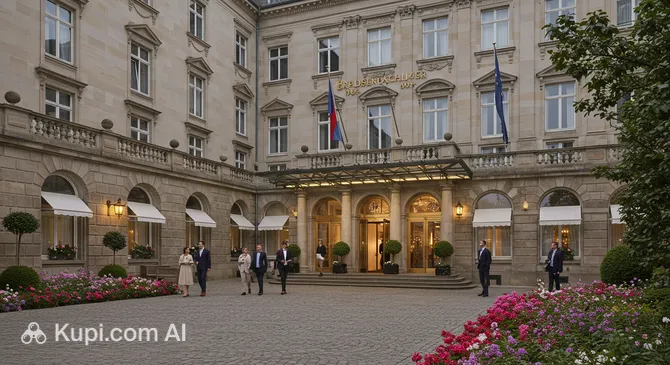
For travelers seeking the pinnacle of luxury and history, the Breidenbacher Hof is one of the city's most prestigious addresses. Located directly on the Königsallee, this grand hotel has been a symbol of elegance for over two centuries, offering opulent rooms and world-class service that caters to a discerning clientele.

Breidenbacher Hof. Source: Kupi.Binoculars

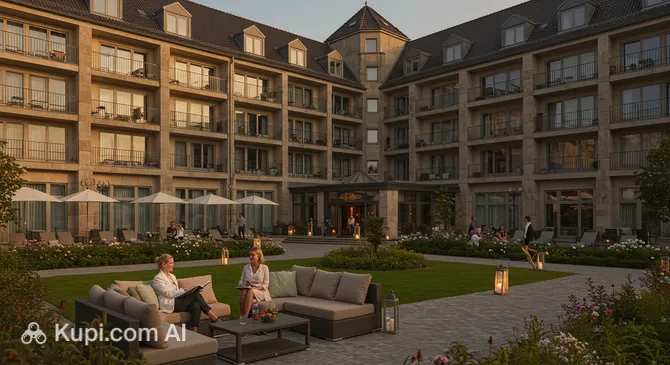
Another outstanding option for those who appreciate a blend of history and contemporary art is The Wellem. Situated in the Andreas Quartier, this luxury hotel is housed in a former courthouse and combines impressive neo-baroque architecture with modern design elements, providing a unique and sophisticated stay in the heart of the city.

The Wellem. Source: Kupi.Binoculars

Booking Tip: Dusseldorf is one of the world's leading trade fair cities (Messe). During major exhibitions, hotel prices can skyrocket, and availability becomes extremely scarce. It is highly recommended to check the trade fair calendar before planning your trip. If your visit coincides with a major event, book your accommodation several months in advance to secure a reasonable rate.

In terms of pricing, the city covers all bases. Budget travelers can find hostels and simple guesthouses starting from around €50 to €80 per night. Mid-range hotels, which are plentiful and often include breakfast, typically range from €100 to €180. Luxury stays can easily exceed €250 per night. Booking is most conveniently done through major online platforms, though booking directly with the hotel can sometimes yield special offers or better cancellation terms.

Nearby Cities

For those looking to explore the surroundings, Dusseldorf serves as an excellent base for day trips to several interesting nearby locations. The region of North Rhine-Westphalia is densely populated and rich in history, offering travelers a variety of experiences just a short train ride or drive away.

Solingen, located about 22 km away, is globally famous as the "City of Blades" for its high-quality cutlery and swords. Visitors can explore the German Blade Museum or take a trip to the impressive Schloss Burg, a reconstructed medieval castle perched high above the Wupper river that offers panoramic views of the Bergisches Land.

Just across the Rhine lies Neuss, which is only 7 km from Dusseldorf. As one of Germany's oldest cities with Roman roots, it features historical sites like the Quirinus Minster and the Obertor, the last remaining gate of the medieval fortifications. It is perfect for a quick afternoon of history and culture.

Another worthwhile destination is Krefeld, known as the "Velvet and Silk City" due to its textile manufacturing heritage. It offers a mix of industrial culture, parks, and the beautiful Linn Castle (Burg Linn), surrounded by a moat and extensive gardens.

City Population Distance (km)
Krefeld 227050 20
Solingen 159360 22
Neuss 153796 7
Ratingen 87297 9
Velbert 81984 22

These nearby destinations offer a glimpse into the diverse culture and landscapes of the region.

Shopping & Souvenirs

Dusseldorf is widely recognized as the fashion capital of Germany, making it a premier destination for shopaholics. The city offers a diverse retail landscape that ranges from opulent luxury boulevards to trendy neighborhood boutiques and bustling markets. Whether you are looking for high-end designer wear, unique vintage finds, or traditional souvenirs, the city's shopping districts provide an experience that goes beyond mere purchasing.

The crown jewel of the city's shopping scene is undoubtedly the Königsallee, affectionately known by locals as the "Kö." This magnificent boulevard, lined with chestnut trees and a central canal, is one of Europe's most exclusive shopping miles. Here, you will find flagship stores of major international luxury brands and elegant arcades. A key highlight in this area is the Kö Shopping Mall, which offers a sophisticated atmosphere and a curated selection of premium shops. Even if you are not planning to splurge, a stroll along this promenade is essential for soaking up the glamorous vibe.

Just a short walk away lies Schadowstraße, one of the busiest high streets in Germany. In contrast to the ultra-luxury of the Kö, this area caters to a broader audience with large department stores and popular international chains. The architectural centerpiece here is the Schadow Arkaden. This granite-clad shopping center is not only a landmark for its distinctive design but also a hub for fashion, beauty, and lifestyle products, providing a comprehensive shopping experience in the heart of the city.

For those seeking something more eclectic, the district of Flingern offers a refreshing alternative. Along Ackerstraße, visitors can discover independent boutiques, local designer studios, and vintage stores that showcase the city's creative spirit. Additionally, the area around Immermannstraße, known as Little Tokyo Düsseldorf, is the perfect place to shop for authentic Japanese ceramics, stationery, manga, and specialty foods, reflecting the city's large Japanese community.

No shopping trip is complete without picking up some local specialties. The historic Carlsplatz market is a gourmet paradise where you can buy fresh produce, flowers, and regional delicacies. Popular souvenirs include the famous Düsseldorf mustard (Löwensenf), available in decorative stoneware pots, and Killepitsch, the local herbal liqueur. These items can often be found in the traditional shops of the Old Town, allowing you to take a piece of the Rhineland home with you.

Reached the end of the page?

That means the route is fully explored