Support

Ratingen

About

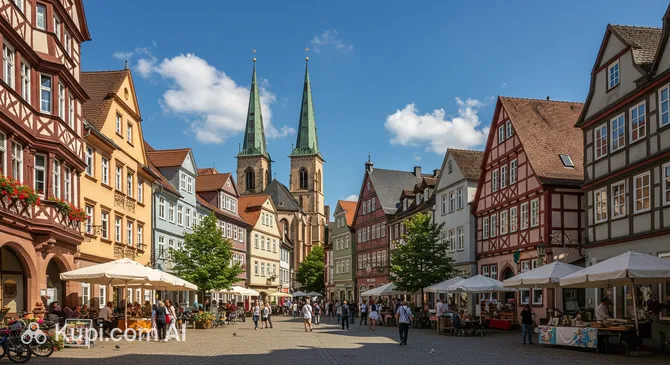
Ratingen is a vibrant city located in the federal state of North Rhine-Westphalia, Germany. Often recognized for its strategic position just northeast of Düsseldorf, it serves as a "green lung" between the bustling Ruhr area and the Rhine metropolis. This unique location offers visitors a perfect blend of historical charm, modern vitality, and abundant natural landscapes.

Ratingen. Source: Kupi.Binoculars

With a population of approximately 87,000 people, Ratingen is a lively hub that maintains a welcoming, community-focused atmosphere. The city is characterized by its extensive forests, meadows, and lakes, providing a refreshing contrast to the nearby urban centers. Its climate is typical of the region, with mild winters and pleasantly warm summers, making it a comfortable destination year-round.

The city boasts a significant heritage that dates back to the Middle Ages. Travelers interested in the past can delve into the rich history of Ratingen by visiting its well-preserved landmarks. One of the most notable attractions is the LVR-Industriemuseum Cromford, which was the first mechanical cotton spinning mill on the European continent and now serves as a fascinating window into the industrial revolution. Another architectural gem is the Wasserburg Haus zum Haus, a picturesque moated castle surrounded by beautiful parkland.

Whether you are strolling through the historic city center with its bustling market square and the imposing St. Peter and Paul church, or enjoying a relaxing day at the Grüner See (Green Lake), Ratingen has something to offer every visitor. It is an inviting destination that perfectly combines cultural exploration with outdoor recreation.

Weather Overview

Ratingen experiences a temperate climate characterized by distinct seasons, offering a moderate environment for visitors throughout the year. The warmest months are generally June, July, and August, where average temperatures hover around 19°C and daytime highs often reach a pleasant 24°C. This period is typically the best time for outdoor activities and exploring the city's parks.

In contrast, the winter season is cool and often damp. January is usually the coldest month, with average temperatures dropping to approximately 4.0°C and lows near 2.0°C. Rainfall is fairly consistent year-round, but December sees the highest frequency of precipitation with up to 19 wet days. Regardless of when you visit, it is wise to consult the current weather in Ratingen to pack suitable clothing, as showers can occur in any season.

Interesting Facts

Beyond its scenic parks and historic buildings, Ratingen holds many fascinating secrets and unique distinctions that surprise many visitors. Here are a few intriguing facts that reveal the deeper character of this German city.

  • The "Dumeklemmer" Legend: Locals are often affectionately referred to as "Dumeklemmer" or "Thumb Pinchers." According to a popular urban legend, the town's ancestors once pinched the thumbs of the missionary St. Suitbert in the city gate to prevent him from entering. As punishment, it is said that subsequent generations were born with flattened thumbs, a story immortalized by the Dumeklemmer Fountain in the city center.

  • An Industrial Pioneer: Ratingen played a pivotal role in European history as the site of the Cromford Textile Factory. Founded in 1783, it was the very first mechanical cotton spinning mill on the European continent, effectively marking the arrival of the Industrial Revolution in mainland Europe.

  • Older Than Its Neighbor: While Düsseldorf is the well-known state capital nearby, Ratingen actually holds the seniority. It was granted city rights in 1276, making it significantly older than Düsseldorf and the oldest city in the entire Mettmann district.

  • Land of Moated Castles: The region surrounding the city is renowned for its unusually high density of historic fortifications. It features numerous well-preserved moated castles (Wasserburgen), earning the area a reputation as a stronghold of medieval architecture.

How to Get There

Reaching Ratingen is quite convenient due to its central location in the Rhine-Ruhr metropolitan region and its proximity to major transport hubs. Whether you are arriving by air or rail, you will find excellent connections from nearby major cities. For detailed routes and schedules, you can read more about how to get to Ratingen to plan your journey efficiently.

The city of Ratingen does not have its own airport, but it is exceptionally well-situated near Dusseldorf International Airport (IATA: DUS). Located in the city of Dusseldorf, this major international hub is only about 5.4 km from Ratingen. Due to this short distance, a taxi or shuttle transfer is very quick, typically taking around 15 to 20 minutes depending on traffic. It serves as the primary gateway for international travelers visiting the region.

Another viable option is Cologne Bonn Airport (IATA: CGN), located in Cologne approximately 50.5 km away. While further than Dusseldorf, it offers numerous connections and is a significant regional hub. The journey by car or taxi from here takes roughly 1 hour and 30 minutes. Travelers might also consider smaller airports like Dortmund Airport (DTM) or Weeze, though these involve longer transfer times.

For clarity, here is a summary of the main airports serving the area:

Airport Name City Passenger Traffic Km from City
Dusseldorf International Airport Dusseldorf Very High 5.4
Cologne Bonn Airport Cologne High 50.5
Dortmund Airport Dortmund Medium 59.1
Weeze Airport Dusseldorf Medium 59.3
Maastricht Aachen Airport Maastricht Small 86.3

Regarding rail travel, the city of Ratingen is served by local S-Bahn lines, but it does not have a major long-distance railway station. However, you can arrive at the Düsseldorf Hauptbahnhof in the city of Dusseldorf, which is a major rail hub located just 9.1 km from Ratingen. From there, a taxi or local train can get you to the city center in about 20 to 30 minutes. Another significant option is Essen Hauptbahnhof in Essen, located roughly 21.0 km away, offering extensive connections to the rest of Germany.

Below is a list of the closest and most significant railway stations:

Station City Passenger Traffic Km to Center
Düsseldorf Hauptbahnhof Dusseldorf Very High 9.1
Essen Hauptbahnhof Essen High 21.0
Leverkusen Mitte Station Leverkusen Medium 30.9
Dormagen Railway Station Dormagen Medium 22.1
Krefeld Station Krefeld 19.1

Main Attractions

Ratingen offers a delightful mix of industrial heritage, medieval architecture, and lush recreational areas, making it a rewarding destination for travelers. The city's sights provide a journey through time, from the Middle Ages to the dawn of the Industrial Revolution, balanced by scenic parks and lakes perfect for relaxation.

LVR-Industriemuseum Textilfabrik Cromford is arguably the city's most significant historical landmark. Established in 1783, it holds the distinction of being the first mechanical cotton spinning mill on the European continent. Visitors can step back in time to the late 18th century, exploring the majestic five-story factory building and the elegant mansion of the factory owner. The museum brings history to life with demonstrations of original spinning machines, offering a fascinating look into the early days of industrialization.

Another architectural jewel is the Wasserburg Haus zum Haus, a stunning moated castle located just south of the city center. Dating back to the 13th century, this well-preserved complex features charming red-brick fortifications surrounded by water and parkland. It serves as a prime example of the region's medieval defensive structures. Today, it houses a restaurant and a cultural center, allowing tourists to enjoy fine dining within historic walls or simply take a picturesque walk around the moat.

For those seeking outdoor leisure and family entertainment, the Blauer See (Blue Lake) is a top attraction. Tucked away in a forest setting, this recreational area is famous for the Naturbühne Blauer See, an open-air theater that hosts enchanting performances during the summer months. The area also features a fairytale zoo and miniature train, making it an ideal spot for visitors with children or anyone looking to enjoy nature in a whimsical setting.

In the heart of the town lies the historic Marketplace dominated by the Church of St. Peter and Paul. This early Gothic hall church is a defining feature of Ratingen's skyline, known for its "Turmmonstranz" and other religious treasures. The surrounding market square is the vibrant center of local life, lined with traditional buildings, cafes, and shops where visitors can experience the city's friendly atmosphere.

Culture enthusiasts should not miss the Oberschlesisches Landesmuseum (Upper Silesian State Museum). This modern museum is dedicated to the cultural history and heritage of Upper Silesia. through extensive exhibitions of art, crafts, and historical artifacts. It provides a unique educational experience and is conveniently located near other historical sites in the city center.

Local Cuisine

The culinary scene in Ratingen is deeply rooted in the traditions of the Rhineland, offering visitors a taste of hearty and rustic German comfort food. The local cuisine is characterized by generous portions and a mix of savory and sweet flavors, reflecting the region's love for fresh, locally sourced ingredients. A must-try classic is the Rheinischer Sauerbraten, a pot roast (usually beef) that is marinated for several days to achieve a tender texture and distinct tangy flavor, often served with a rich gravy sweetened with raisins or gingerbread.

Another iconic dish that appears on many traditional menus is Himmel un Ääd (Heaven and Earth). This unique name refers to its two main ingredients: apples from the trees ("heaven") and potatoes from the ground ("earth"), mashed together and typically served with fried black pudding or liver sausage and crispy onions. For a lighter snack or a street food treat, look for Reibekuchen, crispy fried potato pancakes that are traditionally eaten with apple sauce, especially popular during local festivals and market days.

When it comes to beverages, Ratingen shares the beer culture of its neighbor Düsseldorf. The drink of choice is undoubtedly Altbier, a top-fermented, copper-colored beer with a malty yet hoppy taste. It is best enjoyed in a traditional Brauhaus (brewery pub) where the atmosphere is convivial and lively. For those preferring non-alcoholic options, Apfelschorle (sparkling apple juice) is a ubiquitous and refreshing standard, while the afternoon tradition of Kaffee und Kuchen (coffee and cake) remains a beloved ritual in local cafes.

The heart of Ratingen's food culture beats around the historic Marktplatz (Market Square). Here, locals and tourists gather to dine in a variety of establishments, ranging from rustic gastropubs with wooden interiors to modern bistros with outdoor terraces. During the warmer months, the square transforms into a vibrant open-air dining room. Visitors should also explore the weekly markets, which are excellent places to sample fresh regional produce, cheeses, and hot snacks directly from the stalls.

Travel Tips

Welcome to Ratingen, a charming blend of history and modernity nestled in the heart of North Rhine-Westphalia. To help you navigate the local customs and make the most of your visit to this "green" city, here are some practical tips designed to ensure your trip is smooth and enjoyable.

  1. Clothing and Gear: The weather in this region can be quite changeable, so the "onion principle" (layering) is your best friend. Even in summer, it is wise to carry a light rain jacket or umbrella, as showers can occur unexpectedly. If you plan to explore the historic center or the parklands around the moated castles, bring comfortable, flat walking shoes to handle cobblestones and gravel paths with ease.

  2. Transportation: Ratingen is well-connected to the wider region via the VRR (Verkehrsverbund Rhein-Ruhr) network. The S-Bahn line S6 is excellent for quick trips to Essen or Düsseldorf, while the U72 tram (often called the "Düsseldorf-Duisburg" line) offers a scenic route directly into neighboring city centers. Remember to purchase and validate your ticket before boarding trains to avoid hefty fines. For local travel, buses are reliable, but having a ride-hailing app like Uber or Free Now downloaded can be useful for late-night journeys.

  3. Finances: The official currency is the Euro (€). While major supermarkets and hotels in Germany accept credit cards (Visa and Mastercard), "Cash is King" remains a valid rule here. Smaller bakeries, traditional kiosks, and some stalls at the weekly market may only accept cash or the local "EC-Karte" (debit card). It is advisable to carry some cash for small daily expenses. Tipping is customary; rounding up the bill or leaving about 5-10% is polite in restaurants.

  4. Health and Safety: Ratingen is generally a very safe city for tourists. In case of a medical emergency, dial 112. For minor ailments, look for a pharmacy (marked by a large red "A" for Apotheke); they are widely available, and there is always one on emergency duty at night. Tap water is of excellent quality and safe to drink, so you can refill your water bottle without worry.

  5. Communication: The official language is German. While English is widely taught and understood, especially by younger generations and in the service sector, it is not guaranteed everywhere. Learning a few basic phrases like Guten Tag (Good day) and Danke (Thank you) goes a long way in establishing rapport. Free Wi-Fi is often available in cafes and public buildings, but buying a prepaid SIM card at a local supermarket is recommended for reliable navigation.

  6. Local Etiquette: Sundays are traditionally quiet days (Ruhetag). Most shops, including grocery stores, are closed, so plan your shopping for Saturday. In public, Germans value privacy and order; loud conversations on public transport are generally frowned upon. When entering a small shop or waiting room, a brief greeting to the general room is considered polite.

  7. What to Avoid: Do not walk in the designated bicycle lanes. Cycling is a popular mode of transport here, and locals ride quite fast; walking in their lane is considered rude and can be dangerous. Additionally, never cross the street when the pedestrian light is red, even if the road is empty, as this is seen as setting a bad example, especially if children are present.

  8. Market Day Experience: To truly feel the pulse of the city, visit the Marktplatz on a Tuesday, Thursday, or Saturday morning. The weekly market is a beloved tradition where you can buy fresh regional produce, flowers, and local snacks. It is a fantastic opportunity to mingle with locals and try a fresh Reibekuchen (potato pancake) straight from the pan.

By keeping these practical pointers in mind, you will be well-prepared to experience the authentic side of Ratingen. Whether you are here for the industrial history or the relaxing nature, a little local knowledge will make your stay all the more memorable.

Entertainment & Nightlife

Entertainment in Ratingen tends to be relaxed and convivial, reflecting the city's friendly character rather than a high-energy clubbing scene. While the nearby metropolis of Düsseldorf is famous for its "longest bar in the world" and intense nightlife, Ratingen offers a charming alternative focused on socializing, excellent dining, and cultural events. The evening atmosphere here is defined by cozy pubs, traditional breweries, and a sense of community, making it perfect for travelers who prefer conversation and local flavor over loud discos.

The epicenter of nightlife is undoubtedly the historic Marktplatz (Market Square) and the surrounding pedestrian streets like Oberstraße. As the sun sets, this area transforms into a lively open-air living room, especially during the warmer months. Locals gather on the terraces to enjoy the region's famous Altbier, a dark, top-fermented beer that is a staple of the Rhineland. The vibe is casual and welcoming, with no strict dress codes; smart-casual attire or even jeans and a nice shirt are perfectly acceptable everywhere.

For those seeking specific venues to enjoy a drink or live entertainment, the city has several reliable spots. Tom's on the Rocks is a well-known bar that draws a diverse crowd for its extensive cocktail menu and vibrant atmosphere. If you are looking for live music, concerts, or youth-oriented parties, the Manege Ratingen is a key cultural center located in the Lintorf district. It frequently hosts bands, comedy nights, and themed parties. For a more classical evening out, the Stadttheater Ratingen offers a high-quality program of plays, operas, and cabaret performances that attract culture enthusiasts from across the region.

Practicalities for a night out are straightforward. Most bars and pubs stay open until around 1:00 AM or 2:00 AM on weekends, though weeknights may end earlier. Prices are generally moderate compared to larger German cities, with a beer costing between €2.50 and €4.50. Transportation at night is reliable; the "NachtExpress" (night bus) lines operate on weekends to get you home safely. Alternatively, taxis are readily available at designated stands near the city center, or you can order one via major ride-hailing apps.

Ratingen is considered a very safe city for evening walks. The city center and the areas around the main hotels are well-lit and secure, allowing visitors to stroll back to their accommodation without worry. However, as with any travel destination, it is always wise to stay in populated areas and keep an eye on your belongings.

During the daytime, entertainment options shift towards history and nature. Visitors can explore the fascinating industrial heritage at the museums or enjoy the outdoors at the Blauer See, which features an open-air theater and leisure facilities. Families and history buffs alike will find plenty to do before the sun goes down and the brewery taps start flowing.

Parks & Museums

Ratingen is often celebrated as a "green city" that seamlessly intertwines its industrial heritage with expansive natural landscapes. For travelers, this means a visit here offers a refreshing mix of cultural education and outdoor relaxation, with numerous parks, gardens, and museums located within easy reach of the city center.

One of the most beautiful green spaces in the city is the Poensgenpark. Listed as a historic monument, this park was designed in the English landscape style and is renowned for its collection of exotic trees and shrubs. It offers a tranquil atmosphere perfect for leisurely strolls, serving as a "green heart" where locals go to escape the bustle of daily life. Just a short distance away lies the Erholungspark Volkardey, a massive recreational area that encompasses the Grüner See (Green Lake) and the Silbersee. This park is a favorite for active tourists, offering extensive walking and cycling paths, picnic spots, and opportunities for water sports, making it an ideal destination for families and nature enthusiasts.

For those interested in the cultural fabric of the region, the Museum Ratingen is a key institution located in the city center. It focuses on the city's history as well as modern art, with a particular emphasis on works from the post-1945 era and the "Informel" movement. The museum provides a deep dive into the local identity through its changing exhibitions and permanent collections. Another significant venue is the Oberschlesisches Landesmuseum (Upper Silesian State Museum). This unique museum is dedicated to preserving and presenting the cultural history of Upper Silesia, showcasing art, folklore, and historical artifacts that tell the story of this European region.

History comes alive at the LVR-Industriemuseum Textilfabrik Cromford. Housed in the original buildings of the first mechanical cotton spinning mill on the continent, it offers a compelling look at the dawn of the Industrial Revolution. Visitors can see operational replicas of 18th-century machines and explore the lavish master's mansion, contrasting the lives of the factory workers with the wealth of the industrialist family. While this site is a major attraction, its function as a museum makes it an essential stop for educational tours.

Beyond the museums, Ratingen's landscape is dotted with historical architecture. The Wasserburg Haus zum Haus is a standout example of a moated castle, featuring defensive walls and towers that date back to the Middle Ages. Additionally, remnants of the city's medieval fortifications, such as the Trinsenturm and the Dicker Turm, can still be seen, offering a glimpse into the city's defensive past.

For a truly authentic experience away from the main tourist paths, head to the Angertal (Anger Valley). This picturesque nature reserve follows the winding Angerbach stream and is lined with lush forests and historic mills like the Auermühle. It is a beloved spot for locals to enjoy a Sunday hike or a hearty meal in a rustic setting, offering a peaceful retreat into nature just moments from the urban area.

Getting Around

Ratingen benefits from a highly efficient and well-integrated public transport system that operates under the umbrella of the Rhine-Ruhr Transport Association (VRR). For visitors, this means that a single ticket allows access to buses, trams, and suburban trains across the entire network. The backbone of local mobility is the extensive bus system, which connects all districts with the city center. The central bus station at "Ratingen Mitte" serves as the primary hub where many lines converge, making it easy to transfer and reach key attractions or hotels.

In addition to buses, the city is served by important rail connections that are convenient for tourists. The U72 is a modern light rail line (Stadtbahn) that runs directly from the city center, offering a comfortable ride through the streets and connecting to neighboring urban areas. For faster travel, the S-Bahn line S6 stops at the Ratingen Ost station. This suburban train is the quickest way to cover longer distances and links the city to major transport hubs in the region. These trains typically run every 20 minutes during the day, providing reliable connectivity.

The payment system is standardized, meaning you do not need different tickets for the bus and the train. Travelers can choose from several options: the EinzelTicket (Single Ticket) is good for a one-way trip, while the 24-StundenTicket (24-hour Ticket) offers unlimited travel for a full day and is usually the best value for tourists planning to explore multiple spots. For very short trips of up to three or four stops, a cheaper "Kurzstrecke" ticket is available. Tickets can be purchased easily via mobile apps like the VRR App or DB Navigator, or at vending machines located at train stations and major stops.

A crucial detail for visitors is the validation process. If you buy a physical paper ticket from a machine or a kiosk, it is often not valid until it has been stamped. You must insert your ticket into the orange or red validation boxes (Entwerter) found at station platforms or inside buses and trams immediately upon boarding. Operating hours are generally from early morning until around midnight. On weekends, special "NachtExpress" (NE) night buses run late into the night, ensuring you can return safely after an evening out.

If you prefer alternatives to public transit, taxis are readily available throughout the city. They are typically cream-colored with a yellow sign on the roof and can be found at designated stands at the main stations or booked via telephone and ride-hailing apps. Additionally, cycling is a very popular way to get around. The city features a network of bike paths, and bike-sharing schemes are available, allowing you to rent a bicycle via an app for a flexible and active way to see the sights.

Accommodation

Ratingen offers a diverse array of accommodation options that cater effectively to both leisure tourists and business travelers. Due to its proximity to the state capital and the major trade fair grounds, the city boasts a high density of lodgings ranging from modern business hotels to charming, family-run guesthouses. Visitors can find everything from budget-friendly hostels and functional B&Bs to upscale establishments offering extensive wellness facilities. While ultra-luxury resorts are less common, the standard of comfort in the mid-to-high range is generally excellent, often geared towards international standards.

When choosing where to stay, the location largely depends on the purpose of your visit. The City Center (Ratingen Mitte) is the best choice for tourists who want to be within walking distance of historical sights like the St. Peter and Paul Church, the marketplace, and local restaurants. Staying here puts you in the heart of the town's social life. In contrast, the districts of Ratingen West and Tiefenbroich are particularly popular with business travelers due to their immediate proximity to Dusseldorf International Airport and the highway network. For those seeking a quieter, greener environment, the northern districts like Lintorf or Hösel offer hotels nestled near woodlands and nature reserves, providing a peaceful retreat after a day of exploration.

A crucial factor to consider when planning your stay is the local trade fair calendar. Because Ratingen serves as a primary overflow area for the nearby Messe Düsseldorf, hotel availability and prices fluctuate significantly. During major international trade fairs, accommodation can be fully booked months in advance, and prices may rise considerably. Therefore, the most important booking tip is to check the trade fair schedule for Düsseldorf; if your trip coincides with a major event, it is highly advisable to book your room as early as possible to secure a reasonable rate.

In terms of pricing, Ratingen is generally more affordable than staying directly in downtown Düsseldorf, except during peak fair dates. Budget travelers can find comfortable rooms starting from approximately €60 to €80 per night. Mid-range hotels, which make up the bulk of the local offer, typically range between €90 and €150. Booking is most conveniently done via major online platforms, though contacting smaller, family-owned guesthouses directly can sometimes yield better rates or a more personalized experience.

Nearby Cities

For those looking to explore the surroundings, Ratingen serves as an excellent base for day trips to several interesting nearby locations:

City Population Distance (km)
Dusseldorf 645923 9
Essen 582415 22
Duisburg 495885 16
Krefeld 227050 20
Oberhausen 209566 21

These nearby destinations offer a glimpse into the diverse culture and landscapes of the region. Dusseldorf, the state capital located just minutes away, is famous for its fashion, art scene, and the historic Altstadt (Old Town) along the Rhine promenade. For a dive into industrial heritage, Essen is home to the UNESCO-listed Zollverein Coal Mine Industrial Complex, a stunning example of Bauhaus architecture. Meanwhile, Duisburg attracts visitors with its unique Landscape Park, where nature has reclaimed a former ironworks, creating a fascinating recreational space.

Shopping & Souvenirs

Shopping in Ratingen offers a relaxed and charming alternative to the hustle and bustle of the nearby big cities. The experience here is characterized by a pleasant mix of well-known retail chains and smaller, owner-managed boutiques set against a backdrop of historic architecture. Visitors can enjoy a leisurely stroll through the pedestrian-friendly zones, where personal service and a friendly atmosphere are the norms. Whether you are looking for fashion, books, or local delicacies, the city provides a stress-free environment to browse and buy.

The heart of the city's retail scene is the pedestrian zone in the city center, particularly along Oberstraße and Bechemer Straße. These streets fan out from the central marketplace and are lined with a variety of shops ranging from fashion outlets and shoe stores to perfumeries and jewelers. The area is beautifully maintained, often decorated with flowers in the summer and festive lights in the winter, making window shopping a delightful activity in itself. The historic alleys connecting these main streets often hide unique specialty shops that are worth exploring.

Unlike some of its larger neighbors, Ratingen does not rely on massive indoor shopping complexes in its center. Instead, the entire downtown area functions as an open-air shopping destination. For those seeking large-scale retail parks with electronics superstores and furniture outlets, the districts of Tiefenbroich and Breitscheid offer extensive commercial zones. However, for the typical tourist looking for a stroll and a coffee, the compact and walkable city center remains the primary attraction.

A highlight of the local shopping culture is the traditional Weekly Market (Wochenmarkt) held on the Marktplatz. Taking place every Tuesday, Thursday, and Saturday morning, this market is a vibrant meeting point for locals. Here, tourists can find fresh regional produce, flowers, meats, and cheeses. It is also an excellent place to pick up a quick, authentic snack or simply observe the daily life of the city residents in a lively setting.

When searching for the perfect keepsake, look for items that celebrate the city's unique "Dumeklemmer" heritage. Souvenirs often feature the "Dumeklemmer" motif, which relates to the local legend of the thumb-pinchers. You might find this on mugs, postcards, or even as a local herbal liqueur known as Ratinger Dumeklemmer. Additionally, products related to the region's textile history, available at the museum shops, or a bottle of locally brewed Altbier make for excellent gifts to bring home.

Store opening hours in Ratingen generally follow standard German practice. Most shops in the city center open around 9:30 AM or 10:00 AM and close between 6:00 PM and 7:00 PM on weekdays, with Saturdays often closing earlier, around 4:00 PM or 6:00 PM. Sunday is a rest day, and nearly all shops are closed, except for bakeries and shops at gas stations. Regarding payment, major credit and debit cards are widely accepted in larger stores, but carrying some cash is highly recommended for smaller boutiques, cafes, and market stalls.

For visitors residing outside the European Union, Ratingen offers the possibility of Tax-Free shopping. Many participating retailers display the "Global Blue" or "Tax Free" signage in their windows. If you spend above a certain threshold in one store, you can ask for a tax refund form, which allows you to claim back a portion of the Value Added Tax (VAT) upon your departure from the EU, provided you have your passport handy during the purchase.
Reached the end of the page?

That means the route is fully explored